
REVIEW · KOBE SAKE TOURS
Exploring Nada Sake Breweries Kobe Private Tour with Government-Licensed Guide
Kobe’s Nada district is Japan’s great sake quarter, where old wooden brewing methods meet modern stainless-steel factories. This private walking tour lets you choose three or four breweries and museums from a list of eight, so your day can lean toward traditional sake-making, modern production, or a mix of both.
I like the personal format and the chance to shape the route with a local guide. I also like the range of guides, including Norio Oki, Andy, and Yama-san, who can help with train directions, lunch choices, and last-minute changes. The main catch is that transportation, lunch, and personal purchases cost extra, and you may spend a fair amount of the six-hour day getting between stops.
Key points to know before you book
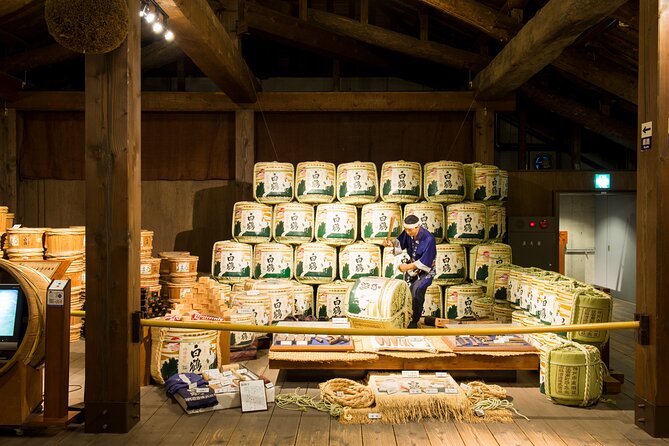
- Nada has eight possible stops: Choose three or four, including Sawa no Tsuru, Hakutsuru, Kiku-Masamune, and several smaller or newer facilities.
- The tour is private: Only your group takes part, making it easier to ask questions, adjust the pace, or change the plan.
- You get a licensed English-speaking guide: Guides such as Norio Oki, Andy, and Yama-san can help with transport directions, local food, and sake basics.
- Expect a walking day: Pickup means meeting the guide on foot within the designated Kobe or Osaka area, not riding in a private vehicle.
- Most scheduled admissions are free: You still pay for transport, lunch, tastings, and other personal expenses.
- Plan around brewery hours: Hamafukutsuru, for example, cannot be visited on Mondays, and not every facility offers the same kind of tour each day.
Why Nada is the right place for a sake tour
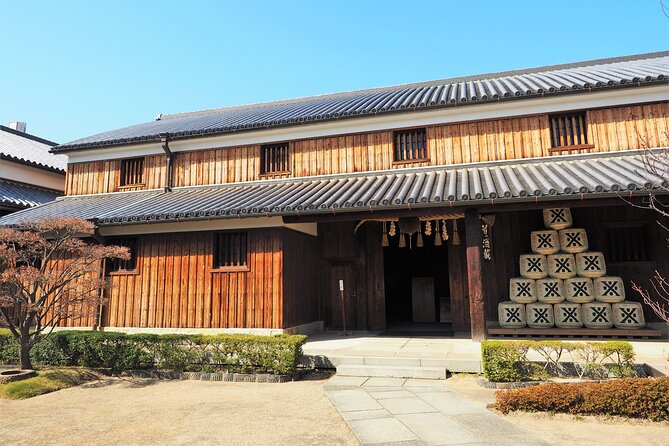
Nada, known in Japan as one of the five major sake districts called Nadagogo, has long been linked to sake production. The appeal is not just the drink. You are seeing a working part of Kobe where brewery names, old production buildings, museums, shops, restaurants, and tasting counters all connect to the local economy.
I like this setting because sake can seem mysterious when it arrives in a small glass with a difficult label. In Nada, you can see the tools, storage areas, brewing stages, and company traditions that give the drink its character. The museums also show how much work once happened by hand.
This is not a fixed coach excursion with a guide pointing out buildings through a window. It is a private walking route with several short visits. Each listed stop allows about 30 minutes, but the full experience lasts roughly six hours because you need time for walking, train connections, questions, shopping, and possibly lunch.
More Sake Brewery Tours in Kobe:
- KOBE Sake Tasting Tour at Breweries (tasting fee included)
★ 5.0 · 154 reviews - Kobe: Guided Sake Breweries Tour with Tastings
★ 5.0 · 55 reviews - Sake Brewery and Japanese Life Experience Tour in Kobe
★ 5.0 · 39 reviews
Choosing three or four stops from eight
The most important booking step is choosing your must-see locations. You do not normally visit all eight facilities in one day. The tour is designed around three or four, and your guide helps turn that choice into a workable route.
If you want a classic introduction, pick a mix of major brewery museums. If you already know sake, include a newer producer or a facility with a restaurant and shop. If food matters as much as drink, choose a stop where lunch can fit into the day.
The eight possibilities offer a useful spread:
- Sawa no Tsuru Museum
- Kobe Shushinkan Brewery
- Hakutsuru Sake Brewery Museum
- Kiku-Masamune Shuzo Kinenkan
- Sakuramasamune Kinenkan Sakuraen
- Hamafukutsuru Ginjo Brewery
- Hakutakarokusuien
- Sakagura Dori Rengakan
The list gives you choice, but it also creates a practical issue. You need to discuss your priorities before the day begins. A guide can adjust the route, but you should not assume every facility will be open, offering the same visit, or located next to the previous stop.
Sawa no Tsuru Museum and old brewery equipment
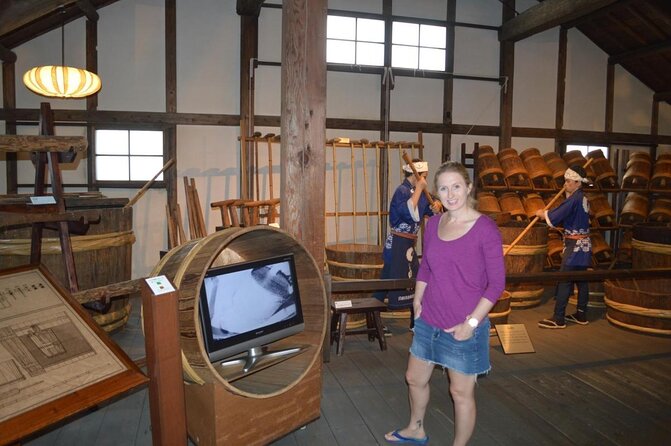
Sawa no Tsuru is one of Nada’s major sake makers. Its museum occupies an old factory building and explains the brewing process with traditional equipment.
This is a good first stop if you want the basic picture. You can see how sake was made before modern machinery took over much of the hard physical work. The building itself helps explain why sake production was once such a major local trade.
Allow about 30 minutes. Admission is listed as free, which makes this a strong value stop even if you are still deciding how much you want to spend on bottles or tastings later.
Kobe Shushinkan and the Fukuju name
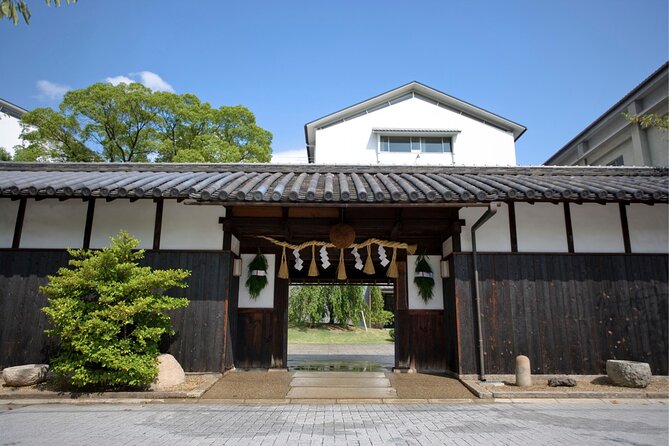
Kobe Shushinkan produces Fukuju sake and combines brewery activity with visitor facilities. A guided factory visit is available, and the site also has a restaurant and shop.
This stop gives you a useful contrast with a museum. Instead of seeing only preserved equipment, you may get a closer look at a current brewery operation. The restaurant also makes it a practical place to consider lunch, though your meal is not included in the tour price.
Fukuju is a useful name to remember if you want to compare a sake producer with the older brewery museums. Ask your guide how much time is available for the factory visit, shopping, and food, since the stated stop time is about 30 minutes.
More Private Sake Tours in Kobe:
- Kobe: 3-Hour Private Sake Tour in Japan’s Top Sake Area
★ 5.0 · 9 reviews - KOBE Sake brewery PRIVATE walking tour with Local guide
★ 5.0 · 7 reviews - Private Tea Ceremony and Sake Tasting in Kyoto Samurai House
★ 5.0 · 163 reviews - Private Nagano 1-Day Tour:Snow Monkeys,Zenko-ji,Obuse,Sake,Onsen
★ 5.0 · 71 reviews
Hakutsuru Sake Brewery Museum
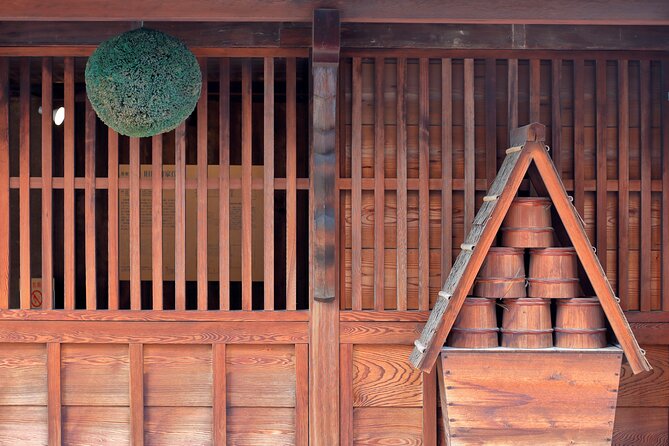
Hakutsuru is another major Nada brewery, with a museum in an old factory building. Like Sawa no Tsuru, it focuses on the brewing process and older equipment.
I would choose this stop if you want a clear visual explanation of traditional production. Seeing more than one old brewery can help you spot the shared tools and methods of Nada, but it can also feel repetitive if your group has limited interest in sake-making details.
That is one reason the private format matters. Your guide can explain the differences between the museums and help you avoid spending the whole day on nearly identical displays. The admission is free, and the planned visit lasts around 30 minutes.
Kiku-Masamune Shuzo Kinenkan
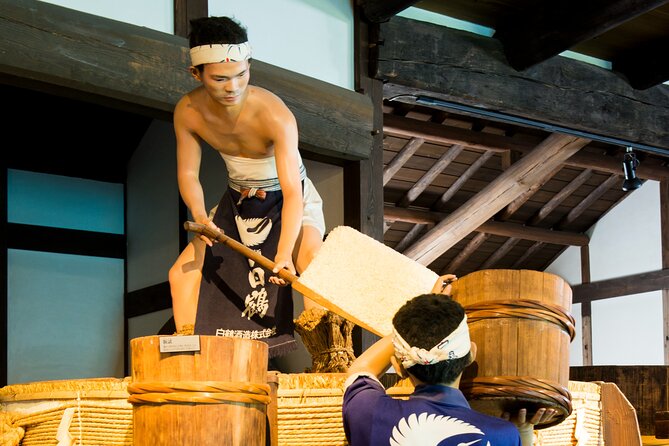
Kiku-Masamune is also one of Nada’s major sake companies. Its memorial hall uses an old factory setting to present sake production and traditional equipment.
This is another strong pick for visitors who want the historical side of the district. The displays help show how the drink was made before the arrival of newer brewing systems. You can also use the visit to ask about how old methods relate to the bottles sold today.
The drawback is simple: three old brewery museums in one day may test your attention. If your group includes people who are less interested in sake, combine this stop with a newer facility or a restaurant stop rather than choosing only museums.
Sakuramasamune Kinenkan Sakuraen
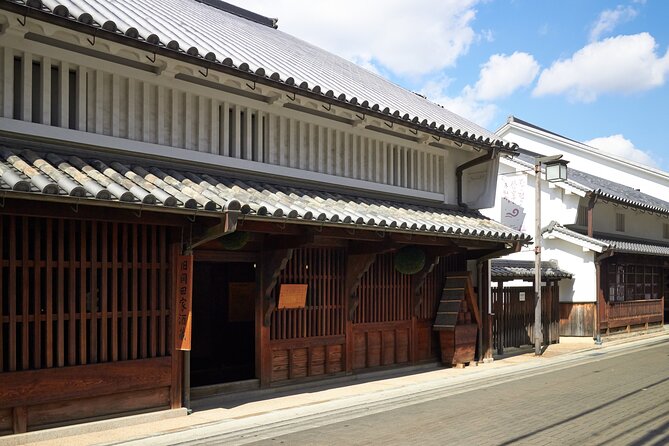
Sakuraen is the visitor facility for Sakuramasamune Brewery. It includes a museum, restaurant, cafe, and shop, making it one of the more flexible choices on the route.
This stop works well if your group needs a break from display rooms. You can combine a look at the brewery story with food, coffee, or shopping. It is also a sensible place to build in time for lunch, though the meal remains your responsibility.
I like facilities such as this because they suit mixed groups. A serious sake fan can study the museum and bottles, while another person can sit down with food or a drink. With only about 30 minutes listed for the stop, ask your guide if you want enough time for a proper meal.
Hamafukutsuru Ginjo Brewery
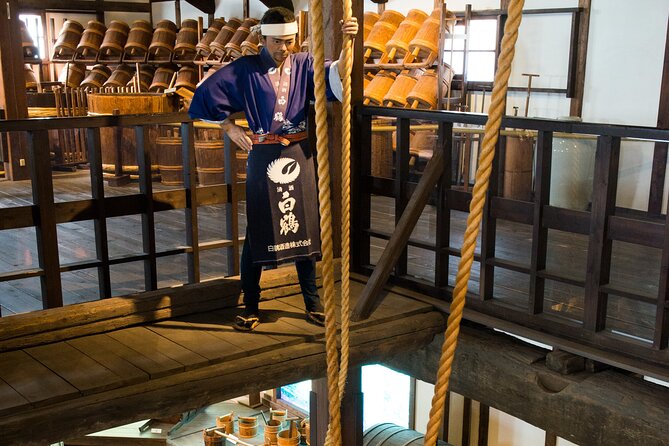
Hamafukutsuru is a newer brewery, founded in 1996, and uses a modern factory to produce high-quality sake. It offers a useful change from the old factory museums.
This is the stop I would favor if you want to see how sake production looks in a more up-to-date setting. The contrast between Hamafukutsuru and the older buildings gives the tour a clearer shape: tradition is not being replaced so much as carried forward with newer tools.
The practical warning is important. The factory can be visited every day except Monday. If Hamafukutsuru is a priority, check the day of your tour before building your route around it.
Hakutakarokusuien and preserved sake culture
Hakutakarokusuien presents Hakutaka’s long effort to preserve sake brewing traditions and culture in Nada. The facility adds another angle to the district, with attention to the customs and identity connected to brewing.
This may suit you if you care about the cultural side of sake, not just factory machinery. Ask the guide to explain how the site fits into the wider Nada story and how it differs from the larger brewery museums.
The available schedule allows about 30 minutes. As with every stop, the real time needed depends on walking, opening conditions, and how much your group wants to shop or ask questions.
Sakagura Dori Rengakan and a modern visitor setting
Sakagura Dori Rengakan is connected with the Nihonsakari head office and opened in 2000. Its brick modern building includes glass studios, a sake sampling and sales area, and the Japanese restaurant Hana no Mai.
This facility offers a more polished visitor experience than the old factory museums. You can see how a modern sake company presents its products, sample or buy bottles, and possibly plan a meal.
I would choose it as part of a balanced day rather than as your only type of stop. Pairing it with Sawa no Tsuru or Kiku-Masamune gives you both the older production story and a newer retail setting.
What the six-hour schedule really feels like
The listed visits total about two hours if you spend 30 minutes at each of four stops. The rest of the day is not empty. You need time to walk, use public transportation, locate entrances, stop for lunch, and discuss what you are seeing with the guide.
Because the tour has no private vehicle, the meeting and transfers happen on foot and by regular transport. Pickup is offered within a designated Kobe or Osaka area, but it means the guide meets you on foot rather than collecting you in a tour van.
The private setup is especially useful here. Guides have helped visitors find the correct station from central Osaka, and a private group can make last-minute changes more easily than a large shared tour. Andy has been noted for handling changes to the original plan, while Norio Oki has helped with exact station directions. Yama-san has also guided groups to a local restaurant called Mikage Kan.
You should wear comfortable shoes and keep your plan realistic. Four stops plus lunch can fill six hours quickly. If your main goal is to taste as much as possible, tell the guide. If your main goal is brewing history, say that instead.
Price, extra costs, and overall value
The price is $154.37 per person. For a private six-hour tour with a licensed English-speaking guide, that can be fair value, especially for a small group that wants personal attention and help with local transport.
Still, this is not an all-inclusive sake package. The price does not include transportation, lunch, entrance charges, or personal spending. The scheduled brewery and museum admissions are listed as free, but guide entry fees are covered only for sights included in the stated tour choices.
The value improves when several people share the private experience, and group discounts are available. You are paying for the guide’s time, planning, language help, and flexibility rather than simply buying admission tickets.
Budget extra for lunch, train or local transport fares, and bottles. Sake shopping can quickly turn a modest outing into a more expensive one, particularly when you find a bottle you cannot easily buy at home.
Who will enjoy this tour most
This experience suits you if you want a local guide to make sense of sake production and Kobe’s brewery district. It is also a good fit for friends or family groups who want to set their own pace.
You will get the most from it if you:
- Enjoy Japanese food, drinks, or traditional manufacturing
- Want a private guide rather than a fixed group schedule
- Are comfortable walking and using local transportation
- Like choosing between old museums and newer breweries
- Want help arranging a lunch stop
- Can stay flexible about the exact route
It may be less suitable if you want a short tasting session with little walking. It also may not work well for anyone under Japan’s legal drinking age of 20, since the experience is centered on sake. The tour information says most people can participate, and service animals are allowed.
Booking details worth checking first
Confirmation is provided when you book. The experience is non-refundable and cannot be changed after booking, so check your date, meeting area, group size, and must-see locations carefully.
The activity requires a minimum number of participants. If that minimum is not reached and the experience is canceled, you are offered another date or experience, or a full refund.
You cannot combine multiple tour groups. This matters if friends or relatives are booking separately. Arrange one private group so the guide can plan the route properly.
Should you book the Nada sake tour?
I would book this tour if you want context, conversation, and a flexible route rather than a quick drink tasting. The strongest part is the mix of old brewery museums, current producers, and guide support. Guides such as Norio Oki, Andy, and Yama-san can add practical help that is hard to get from a map alone.
Choose your stops carefully and accept that lunch, transport, and purchases are extra. If you prefer a simple, fixed tasting with no walking, this is probably not the right choice. If you want to understand why Nada matters to Japanese sake and have a guide adjust the day to your interests, the private format makes the $154.37 price easier to justify.
FAQ
How long does the Nada sake tour last?
The tour lasts approximately six hours.
How many breweries or museums can I visit?
You choose three or four sites from a list of eight possible locations.
Is the tour private?
Yes. Only your group participates in the private activity, and multiple tour groups cannot be combined.
Is transportation included?
No. Transportation fees are not included, and the tour is conducted on foot and with regular local transport as needed. Pickup means meeting the guide on foot within the designated Kobe or Osaka area.
Is lunch included?
No. Lunch is not included. Some stops have restaurants or cafes, including Kobe Shushinkan, Sakuramasamune Kinenkan Sakuraen, and Sakagura Dori Rengakan.
Are admission fees included?
The listed brewery and museum admissions are free. Guide entry fees are covered only for sights included in the stated tour choices. Other entrance charges are not included.
Is the tour offered in English?
Yes. The tour includes a licensed local English-speaking guide.
Can I visit Hamafukutsuru Ginjo Brewery on a Monday?
No. Hamafukutsuru can be visited every day except Monday.
What is the legal drinking age in Japan?
The legal drinking age in Japan is 20.
Just added around Kobe
- KOBE Sake brewery PRIVATE walking tour with Local guide★ 5.0 · 7 reviews
- Full Day Walking Tour Around Kobe Mountains Sea and Sake★ 5.0 · 6 reviews
- Kobe: 3-Hour Private Sake Tour in Japan’s Top Sake Area★ 5.0 · 9 reviews
- Kobe: Sake Brewery Tour with Tasting and Kobe Beef Bites★ 5.0 · 11 reviews
- Cruise Shore Excursion: Kobe Sake Tasting with Local Guide★ 5.0 · 7 reviews
- Kobe: Sake Brewery Tour with Tasting Sake★ 4.7 · 9 reviews
- Kobe: 5 Sake Breweries Tour in a Day★ 5.0 · 2 reviews
- 1-Day Walking Tour around Kobe : Mountains, Sea and Sake★ 3.9 · 6 reviews
Kobe Sake Tours, compared.
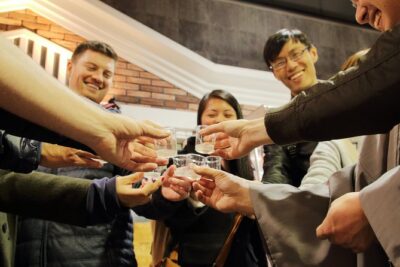
KOBE Sake Tasting Tour at Breweries (tasting fee included)
Read our review →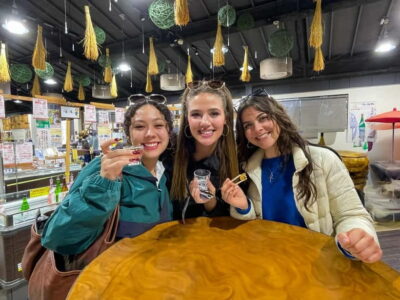
Sake Brewery and Japanese Life Experience Tour in Kobe
Read our review →
1-Day Kobe Highlights Tour including Sake Tasting
Read our review →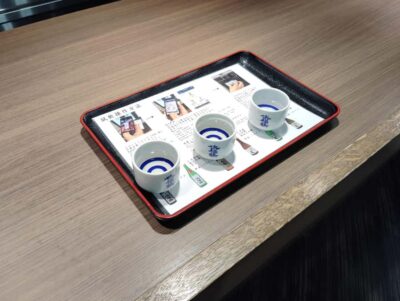
Kobe: 3-Hour Sake Breweries Tour with Special Tasting
Read our review →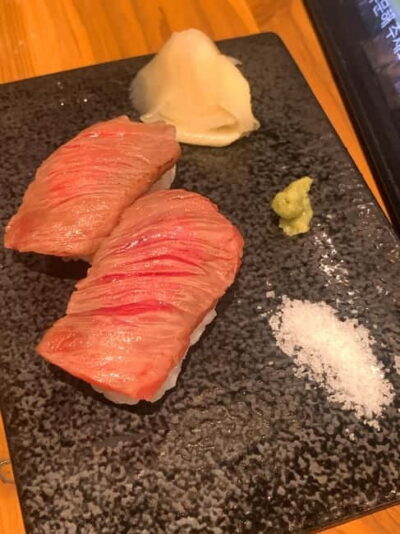
Kobe: Sake Brewery Tour with Tasting and Kobe Beef Bites
Read our review →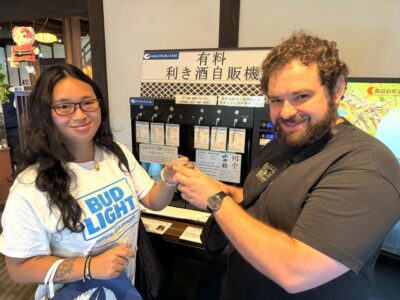
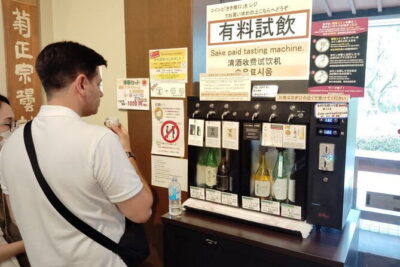
Kobe: 3-Hour Private Sake Tour in Japan’s Top Sake Area
Read our review →Browse the lists this tour appears in