
REVIEW · NAGANO SAKE TOURS
Snow Monkeys, Hokusai & Sake: A Perfect Day in Nagano
The day’s big draw is the sight of Japanese macaques sitting in steaming hot springs while snow gathers around them. Add a forest walk, a good local lunch, Hokusai’s art, and sake tasting, and you get a well-shaped Nagano day without having to arrange several separate trips. I especially like the easy small-group format and the way the tour gives Obuse more than a quick photo stop.
I also like the food and art pairing. You get a freshly prepared chicken, pork, or vegetarian lunch, then time for chestnut sweets, traditional shops, and the Hokusai Museum. The main caution is the walking: the monkey park trail takes 30 to 40 minutes each way and can be icy in winter, so this is not a soft sightseeing day for anyone with limited fitness or mobility.
Key points at a glance
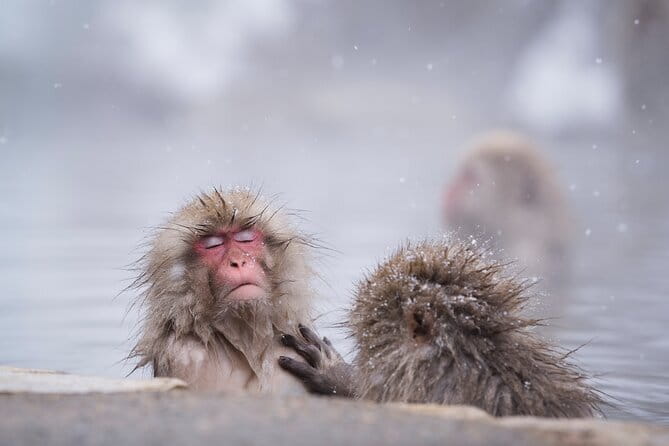
- Japanese macaques in natural hot springs: Spend about two hours at Jigokudani Snow Monkey Park, reached by a forest trail.
- A proper taste of Obuse: Lunch, sake, chestnut sweets, small shops, and cafés give you time in the town rather than a rushed pass-through.
- Hokusai’s later connection to Nagano: The Hokusai Museum adds an art stop that many nature-focused day trips leave out.
- Small groups with an English-speaking guide: The usual group is 6 to 8 people, with a maximum of 12.
- A useful 8:45 departure option: You can choose a Zenkoji Temple drop-off instead of returning directly to Nagano Station.
- Good winter planning matters: Warm clothes and non-slip footwear are essential on the snowy or icy approach to the monkey park.
Why this Nagano day works so well
Nagano is easy to reduce to one postcard image: snow monkeys soaking in hot water. This tour gives you that famous sight, but it does not stop there. The rest of the day moves through Obuse, a former merchant town with food, sake, traditional streets, and a strong link to the artist Katsushika Hokusai.
That mix matters. The monkey park is weather-dependent and outdoors. Obuse gives you warm indoor stops and a slower cultural rhythm. If you like days that change pace every few hours, this plan makes good sense.
The vehicle handles the transfers, and the group is kept fairly small. With six to eight people on a typical departure, you should have a more personal experience than on a large coach. The maximum is 12, so it is still worth checking the final group size if quiet transport is important to you.
The tour costs $160 per person. That is not a bargain-basement day trip, but the fee covers transport between the stops, monkey park admission, lunch, premium sake tasting, and an English-speaking local guide. You pay separately for the Hokusai Museum, personal purchases, and transportation to the meeting point. For a seven-hour outing that combines several paid and hard-to-connect stops, the price is reasonable if you value convenience and guiding.
More Snow Monkey and Sake Trips in Nagano:
- 1-Day Snow Monkeys, Zenko-ji Temple & Sake in Nagano
★ 5.0 · 1,020 reviews - Nagano: Snow Monkeys, Zenkoji Temple & Sake Day Trip
★ 4.9 · 833 reviews - Private Nagano 1-Day Tour:Snow Monkeys,Zenko-ji,Obuse,Sake,Onsen
★ 5.0 · 71 reviews
Starting at Nagano Station
You meet in front of Beck’s Coffee inside Nagano Station. This is a practical meeting place, but do not cut it close. The vehicle leaves on time and can wait only up to 10 minutes. After that, a late arrival is treated as a no-show, with no refund or rescheduling.
The 8:45 departure is the most flexible choice because it includes the Zenkoji option later in the day. The 9:35 departure returns to Nagano Station only. If you have a train reservation or a fixed afternoon plan, allow extra time beyond the stated seven hours, since traffic and weather can stretch the day to seven or eight hours.
The vehicle is described as comfortable, which is useful here. Jigokudani and Obuse are not next door to each other, and driving saves you the trouble of piecing together local transport. You also get a guide to explain what you are seeing instead of spending the transfers alone.
Following the forest trail to Jigokudani
The first major stop is Jigokudani Snow Monkey Park. From the vehicle, you walk along a forest trail for roughly 30 to 40 minutes. This is part of the experience, not just an inconvenient approach. The wooded route helps you shift from city travel into the quiet mountain setting where the macaques live.
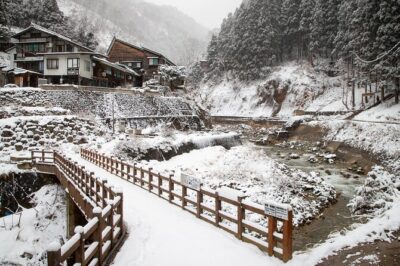
It is also the section that demands the most practical preparation. In winter, snow and ice can make the trail slippery. Wear warm layers and shoes with firm, non-slip soles. Regular city sneakers may be uncomfortable or unsafe if conditions are poor.
The physical effort is moderate rather than extreme, but it is real. You should be comfortable walking on uneven ground and spending time outdoors. The tour is not suitable for wheelchair users, people with recent surgeries, people with serious back or heart problems, pregnant women, or people with a low level of fitness. The restrictions also exclude people over 220 pounds, and the age information lists limits over 75 and over 80, so older visitors should confirm eligibility before booking.
Your guide adds value here by helping you notice the animals and understand the setting. Masa, one of the named guides connected with this experience, is especially praised for keeping an eye out for the monkeys and answering questions in clear English. That matters because the animals do not perform on schedule. A good guide can help you spot activity and make the waiting time more useful.
Watching the macaques soak
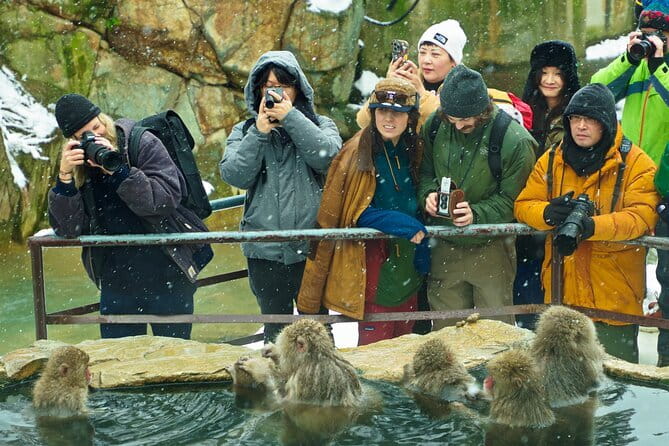
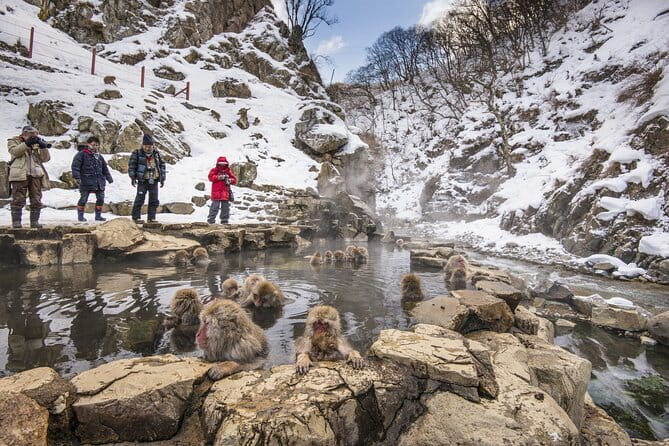
At the hot spring area, you have time to watch the Japanese macaques up close and take photos. The sight is unusual for a simple reason: these are wild monkeys using a hot spring in a snowy mountain environment, not animals putting on a show in a zoo.
The monkeys may be playful, still, wet, sleepy, or busy grooming one another. Give yourself time to watch their behavior instead of treating the stop as a quick photograph. The visit lasts about two hours, including the approach and time at the park, so you have a fair chance to enjoy the scene even if the animals are not active every minute.
Winter is the most atmospheric season, with snow around the steaming pools, but it also brings the hardest conditions. Bring a camera, dress for cold weather, and protect your phone or camera from wet conditions around the springs. The park is the tour’s most popular stop, so patience and sensible expectations will improve the experience.
On exceptionally busy winter days, parking may be difficult. In that case, the park visit can be handled on your own with a clear meeting point, contact through WhatsApp, and ticket money provided in advance in exchange for a receipt. That arrangement gives the tour some flexibility, but it also means you may have to navigate this portion without your guide.
More Winter Activities in Nagano:
- Snow Monkey, Zenko Ji Temple, Sake in Nagano Tour
★ 4.5 · 42 reviews - 1-Day Winter Tour From Nozawa Onsen: Snow Monkeys, Zenko-ji Temple & Sake
★ 5.0 · 32 reviews - Snow Monkeys, Hokusai & Sake: A Perfect Day in Nagano
★ 5.0 · 19 reviews - Snow Monkeys Sake Tasting Zenko-ji and Monzen Terrace Lunch
★ 5.0 · 2 reviews
Lunch and a slower hour in Obuse
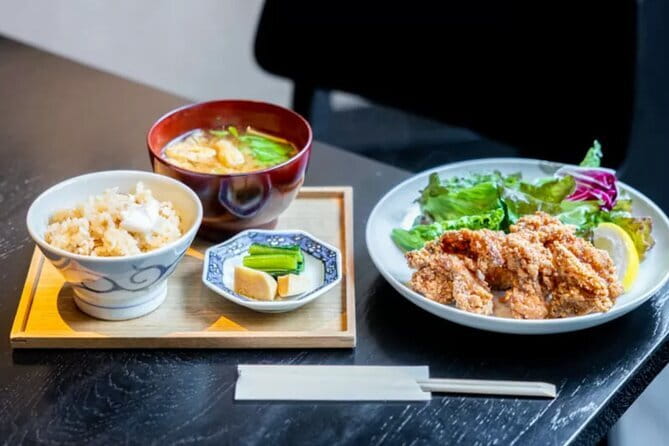
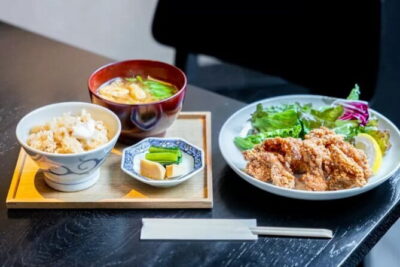
After the monkey park, the tour continues to Obuse. Lunch is served at a selected local restaurant and includes a chicken dish, a pork dish, or a vegetarian meal made with local produce. This is one of the day’s quiet strengths. After a cold walk, a hot and filling meal is exactly what you want, and the menu gives you a choice rather than forcing every person into the same plate.
The scheduled Obuse visit and lunch take about an hour, so do not expect a long restaurant stay followed by an extended shopping session. The pace is efficient. You get food, a look at the town, and then move into the cultural stops.
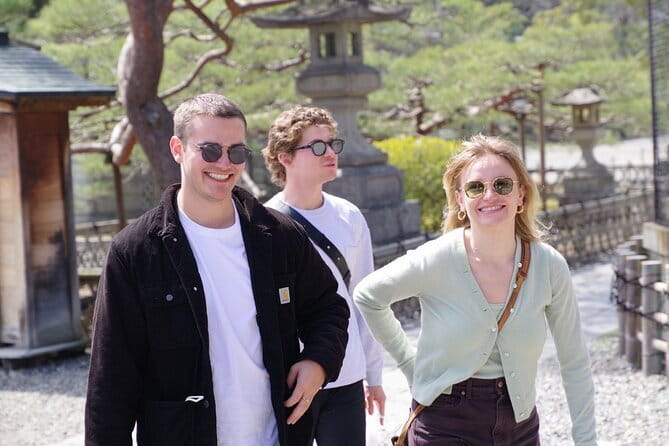
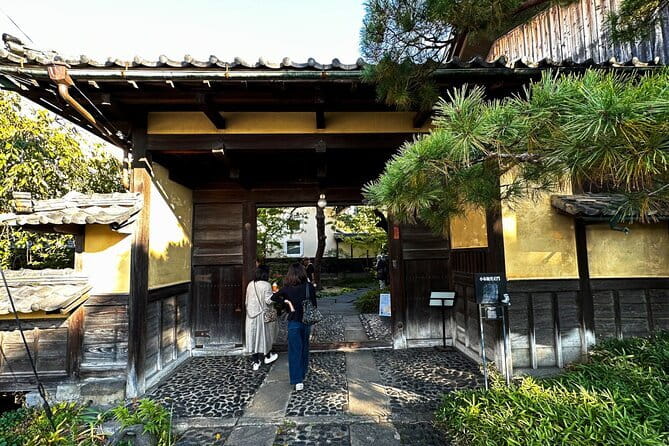
Obuse was once an important merchant center, and its appeal comes from its traditional streets and local specialties. The town is particularly known for chestnut sweets. Your guide can point you toward specialty shops, which is useful if you want a small edible souvenir or something for children. You also have time to notice artisanal stores and cafés rather than simply eating and leaving.
There is a trade-off here. One hour is enough for a taste of Obuse, but not enough for a full, unhurried exploration of every lane and shop. If the town is your main interest, you may want to return independently on another day. On this tour, Obuse works best as part of a varied route.
Tasting Nagano sake at a traditional brewery
The sake stop gives the day a distinctly local flavor. You taste two premium varieties at a traditional brewery and learn how mountain water and quality rice shape Nagano’s brewing tradition.
This is a small tasting, not a long drinking session. That is a good thing on a day that still includes walking and museum time. You can compare two styles, hear the basic story behind the brewing process, and decide if you want to buy something later. Additional drinks and personal purchases are not included.
Alcohol is not allowed in the vehicle, so any bottle you buy needs to remain packed away during the drive. The same rule applies to food, drinks, plastic bags, and alcoholic beverages in the vehicle. It may sound fussy, but these rules keep the small vehicle clean and comfortable for everyone.
The sake tasting also gives you a better sense of place than a generic souvenir stop. Nagano’s water and rice are part of the local food story, and the brewery connects the drink to the region rather than presenting it as a quick sample with no context.
Hokusai, the Great Wave, and Obuse’s artistic side
The Hokusai Museum is the cultural centerpiece of the afternoon. Katsushika Hokusai is best known internationally for The Great Wave, but this museum focuses on his connection with Obuse and his later life. That makes the visit more meaningful than simply checking off a famous artist’s name.
You have about 105 minutes of free time around the museum and the surrounding area. The entrance fee is not included, so bring extra money if you want to go inside. Since the museum is optional in practical terms, you can decide how much of your time to give it based on your interest in ukiyo-e and Hokusai.
I would make room for it if you enjoy Japanese art. The museum adds a thoughtful change of pace after the outdoors and food stops. If art is not your priority, the surrounding streets, chestnut shops, cafés, and traditional stores give you another way to use the time.
The balance is good, although the schedule may feel full if you want to browse every shop and study every museum display. You will need to choose. That is normal on a one-day tour covering nature, food, art, and history.
The Zenkoji choice after the main tour
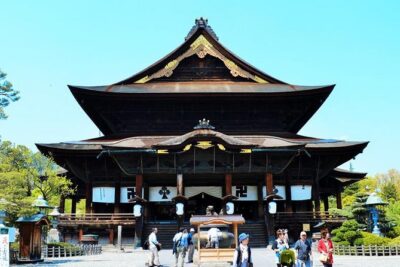
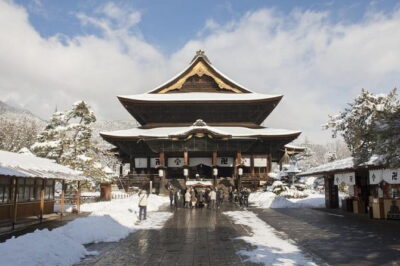
Those on the 8:45 departure can choose a drop-off at Zenkoji Temple instead of going straight back to Nagano Station. Zenkoji is one of Japan’s major Buddhist sites, and the nearby Nakamise Street has traditional shops and teahouses.
This option suits you if you have a free afternoon and want one more cultural stop. You can walk along Nakamise Street, take in the temple atmosphere, and then make your own way back to the station. The direct return to Nagano is the simpler choice if you have luggage, a train to catch, or a tired group.
The 9:35 departure does not include the Zenkoji drop-off. It returns to Nagano Station only. This difference is easy to overlook, so choose your starting time based on your afternoon plans, not just on which departure lets you sleep later.
Who will get the most from this tour
I would recommend this day to you if you want Nagano’s best-known sights but do not want to coordinate trains, buses, park tickets, lunch, and a brewery visit on your own. It is especially well suited to first-time visitors with one free day in Nagano.
It also fits people who enjoy variety. You move from a cold forest to a steaming hot spring, then to a meal, a historic town, sake, and Japanese art. Families may appreciate the chestnut sweets and monkey viewing, although strollers and baby carriages are not allowed.
You should think twice if you dislike group schedules or want long, unstructured time in Obuse. The route is carefully timed, and the tour covers a lot. It is also a poor fit if you cannot manage uneven trails, winter footing, or several hours of moderate walking.
Cancellation is free up to 24 hours before departure, and you can reserve now and pay later. Those policies help if your Nagano plans are still shifting, but they do not soften the strict late-arrival rule.
Should you book Snow Monkeys, Hokusai and Sake?
Book it if you want a well-balanced day with excellent guiding, local food, and a strong mix of nature and culture. Masa’s clear English, helpful eye for spotting monkeys, and personable approach are useful qualities on a route where timing and animal behavior can change.
The $160 price makes sense for you if transport and planning time are worth paying for. You receive admission to the monkey park, lunch, sake tasting, a small-group vehicle, and local guidance. The Hokusai Museum costs extra, and Obuse is sampled rather than explored in full, so those are the two points to weigh.
Choose the 8:45 departure if Zenkoji interests you. Choose the later departure if you want a simpler return to the station. Either way, pack warm clothes, solid shoes, a camera, and enough time around the edges of the schedule for weather or traffic. For one full day outside Nagano city, this is a sensible and enjoyable choice.
FAQ
Where does the tour meet?
Meet in front of Beck’s Coffee inside Nagano Station. Transportation to the meeting point is not included.
How long does the tour last?
The planned duration is about seven hours, but the day can take seven to eight hours depending on traffic and weather.
What is the usual group size?
The tour typically has 6 to 8 people, with a maximum of 12.
Is the Snow Monkey Park entrance included?
Yes. Admission to Jigokudani Snow Monkey Park is included.
Is the Hokusai Museum entrance included?
No. You pay the Hokusai Museum entrance fee separately.
What lunch choices are available?
You can choose a chicken dish, a pork dish, or a vegetarian meal made with local produce.
Is the Zenkoji Temple drop-off available on every departure?
No. The optional Zenkoji drop-off is available only on the 8:45 departure. The 9:35 departure returns to Nagano Station only.
What should I wear for the monkey park?
Wear warm, weather-appropriate clothing and sturdy footwear with good grip. The forest trail can be uneven, snowy, or icy in winter.
Just added around Nagano
- Snow Monkeys Sake Tasting Zenko-ji and Monzen Terrace Lunch★ 5.0 · 2 reviews
- Nagano Private Tour: Ninja Temple, Soba Making & Sake Tasting★ 5.0 · 2 reviews
- Heritage Town, Cuisine, Sake & Art: Explore Hokusai in Obuse★ 5.0 · 2 reviews
- Nagano: Togakushi Shrine, Sake & Zenkoji Private Tour★ 4.2 · 3 reviews
- Explore Matsumoto: Castle, Sake & Taste of Local Life★ 4.8 · 6 reviews
- Izakaya Food Tour in Nagano★ 4.8 · 9 reviews
- Nagano Sake Tasting Walking Tour★ 5.0 · 17 reviews
- Snow Monkeys, Hokusai & Sake: A Perfect Day in Nagano★ 5.0 · 19 reviews
Nagano Sake Tours, compared.
1-Day Snow Monkeys, Zenko-ji Temple & Sake in Nagano
Read our review →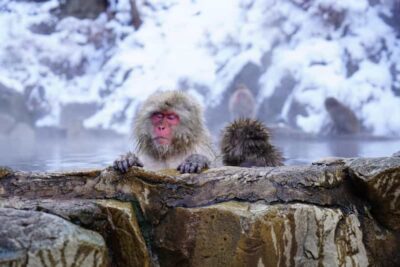
Nagano: Snow Monkeys, Zenkoji Temple & Sake Day Trip
Read our review →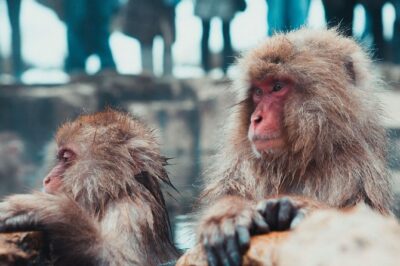
Private Nagano 1-Day Tour:Snow Monkeys,Zenko-ji,Obuse,Sake,Onsen
Read our review →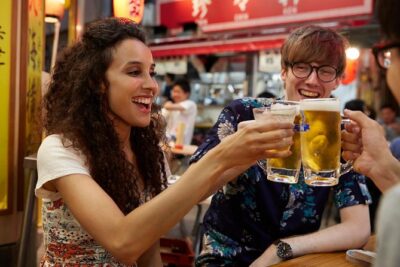
1-Day Winter Tour From Nozawa Onsen: Snow Monkeys, Zenko-ji Temple & Sake
Read our review →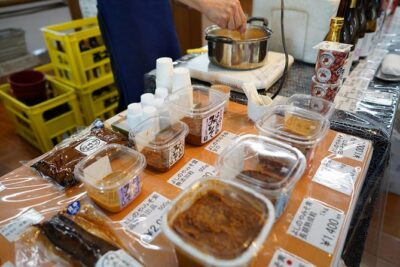
Snow Monkeys, Hokusai & Sake: A Perfect Day in Nagano
Read our review →Browse the lists this tour appears in