
REVIEW · NAGANO SAKE TOURS
Heritage Town, Cuisine, Sake & Art: Explore Hokusai in Obuse
Obuse is the rare small Japanese town where Hokusai’s art is not shut away in one museum. You’ll find his work in a former merchant’s house, on a temple ceiling, and in a museum devoted to his late career. Add sake, lunch, and narrow lanes, and this becomes a pleasing change from Nagano’s temples and mountain views.
I especially like the visit to Ganshoin Temple, where you lie on tatami mats to look up at Hokusai’s phoenix, and the personal feel of the tour. Guide Masa has shown visitors private garden paths opened to the public and the less obvious corners of Obuse. The main consideration is the price, $176.71 per person, which makes the tour best for people who want a guided day with admissions, food, transport, and a small group rather than a quick independent visit.
Key points at a glance
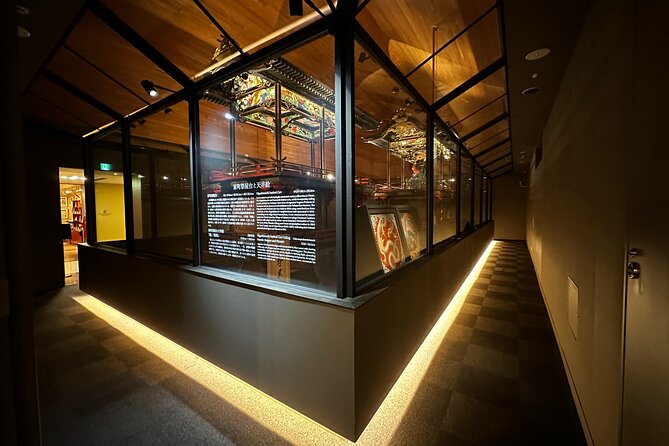
- Hokusai’s late Obuse years: See major works at Hokusai-kan and learn how the artist spent part of his final years in town.
- A ceiling painting you view from the floor: Ganshoin Temple’s phoenix is designed to follow your gaze as you look up from the tatami.
- Three admissions included: The tour covers Hokusai-kan, the Kozan Takai Memorial Museum, and Ganshoin Temple.
- Sake and a proper lunch: Taste sake at a family-run local business, then sit down to a set meal in a restaurant with an open kitchen.
- Easy transport from Nagano: Private transport takes you from Nagano Station to Obuse and back, avoiding the need to plan the connection yourself.
- A small group with flexibility: The group is capped at 12, and you can finish at Nagano Station or Obuse Station.
Why Obuse makes a fine half-day from Nagano
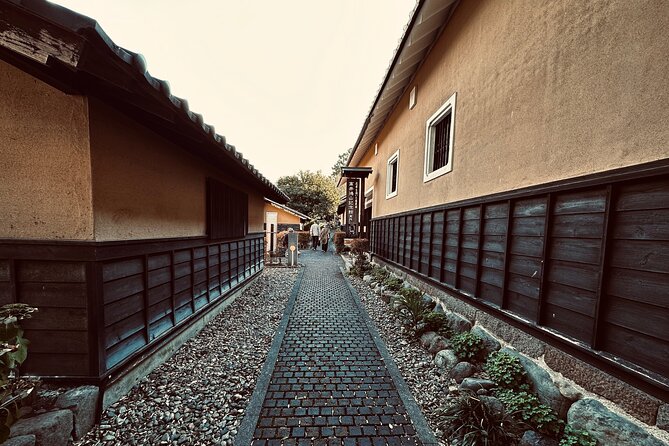
Obuse is about 30 minutes by train from Nagano City, yet the mood changes quickly. The town is small enough to cover on foot, with narrow streets, local shops, old buildings, and lanes connecting the main sights. That compact size matters because this tour is not a bus ride between distant attractions. You move through town at walking pace and get a sense of how the museums fit into everyday Obuse.
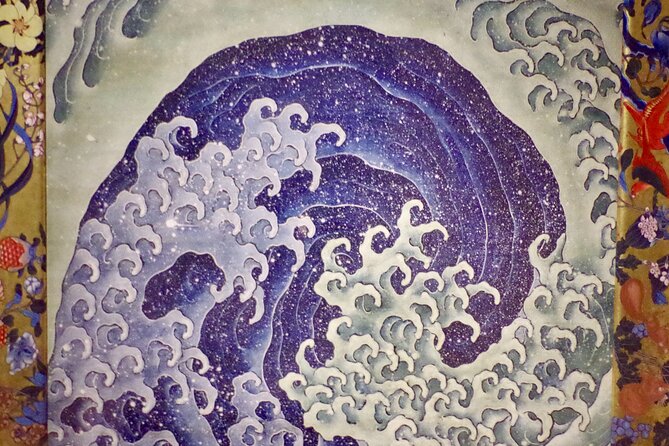
The town’s connection to Katsushika Hokusai is especially strong. Hokusai is known around the world for The Great Wave off Kanagawa, part of his Thirty-Six Views of Mount Fuji series. In Obuse, you see a different side of the artist: an older man still producing ambitious work, supported by the wealthy merchant Takai Kozan.
I like that the tour places Hokusai beside local food and drink. A museum visit alone can feel detached from the place around it. Here, the sake tasting and lunch give you a reason to slow down and pay attention to Obuse as a living town, not just a backdrop for famous art.
More Sake and Temple Tours in Nagano:
- 1-Day Snow Monkeys, Zenko-ji Temple & Sake in Nagano
★ 5.0 · 1,020 reviews - Nagano: Snow Monkeys, Zenkoji Temple & Sake Day Trip
★ 4.9 · 833 reviews - Private Nagano 1-Day Tour:Snow Monkeys,Zenko-ji,Obuse,Sake,Onsen
★ 5.0 · 71 reviews
Meeting at Nagano Station and reaching Obuse
The tour begins at 10:00 am in front of Starbucks Coffee at MIDORI Nagano, inside the station area at 1-chōme-22-6 Minamichitose. You meet the guide there, then travel to Obuse in private transport. The transport from Nagano Station to Obuse and back is included, which is useful if you want a simple morning start without working out train connections.
The first transfer is short, listed at about five minutes for the meeting and departure process. At Obuse Station, you meet up again with the guide before walking toward the town center. The itinerary allows another brief five-minute transition here, so you should arrive on time rather than assume the group can wait.
Late arrival is a real concern. The tour cannot be extended for latecomers, and a five-hour program has little spare time. Wear comfortable walking shoes, keep your phone charged for the mobile ticket, and arrive with enough time to find the meeting point inside the station complex.
Kozan Takai Memorial Museum and the merchant behind Hokusai
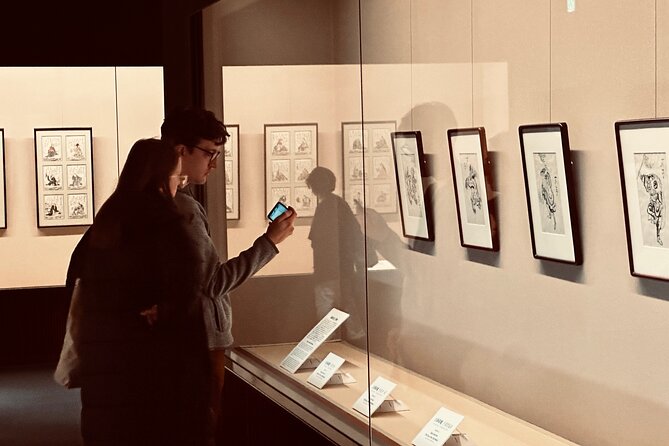
One of the most interesting stops is the Kozan Takai Memorial Museum, reached by a short walk along the narrow Chestnut Alley. The entrance is at the rear of the former residence of Takai Kozan, the wealthy merchant who invited Hokusai to Obuse and became his patron and student.
This stop adds useful context before or alongside the main Hokusai collection. You see Kozan’s own paintings and calligraphy, and the building itself has hidden rooms and secret passages. Those details make the museum feel more personal than a standard gallery. You are not simply looking at framed works. You are entering the house of the man who helped bring Hokusai to Obuse.
The visit lasts about 25 minutes, so expect a focused introduction rather than a long museum session. The short timing is sensible on a half-day tour, though art lovers may wish they had more time to study every piece. The admission fee is included, along with the other two cultural sites.
Hokusai-kan and the artist’s final Obuse chapter
Hokusai-kan is the central art stop and receives about an hour. The museum displays a broad collection of Hokusai’s paintings and other works, including pieces connected to his Obuse period. This is where the tour gives you the clearest look at the artist’s range beyond the single image that made him famous in the West.
Hokusai spent several of his final years in Obuse and died at the age of 88. That fact changes how you read the work. You are seeing late-period art from an artist who was still experimenting and working with force well into old age. The guide can help tie the museum collection to the town and to Kozan’s role in Hokusai’s life.
The museum is a strong reason to book the tour if you already know The Great Wave and want more context. If you are not an art specialist, the guide’s presence should help you connect the works to Hokusai’s story instead of wandering through a collection without a clear thread.
One practical point: the hour can pass quickly. If you have a long list of Hokusai works you want to inspect, an independent return visit may suit you better. This tour gives you a well-organized overview, but it does not promise unlimited museum time.
More History Tours in Nagano:
- Tokyo: The Best of Izakaya in Shinjuku Food & Cultural Tour
★ 4.9 · 221 reviews - Takayama: Authentic Sake Tasting at a Historic Brewery
★ 5.0 · 65 reviews - Takayama: Authentic Sake Tasting at a Historic Brewery
★ 4.8 · 50 reviews - Historic Kanda Sake Tasting at Tokyo’s Oldest Shop (1596)
★ 4.9 · 33 reviews
Sake tasting with a family-run local business
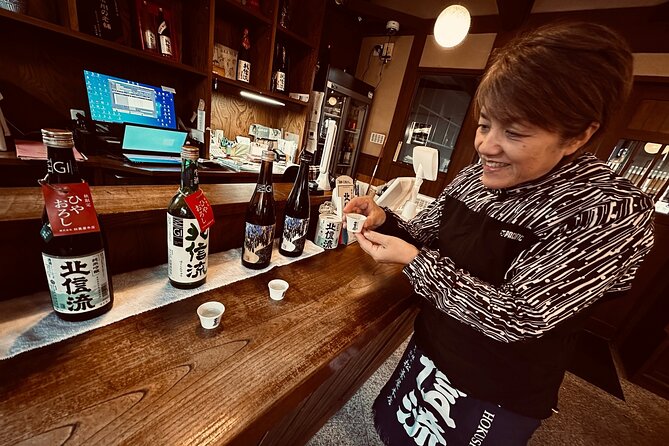
After the museums, the experience shifts from art to local flavor. You stop at a family-run business in Obuse for a sake tasting lasting about 20 minutes. The information provided does not list the exact sake selection, so you should expect a short introduction and tasting rather than a full brewery workshop.
This is a useful part of the tour because sake is tied to place, food, and local business in a way that a museum cannot show. Your guide can help explain what you are tasting and how it fits into the area’s food culture. The family-run setting also gives you a chance to meet local shopkeepers and see a more ordinary side of Obuse.
Extra drinks and food are not included, but you can purchase them if available. Do not expect the sake stop to take up half the afternoon. Its value comes from the contrast with the museums and from the chance to taste something local in a small setting.
Lunch in an open-kitchen restaurant
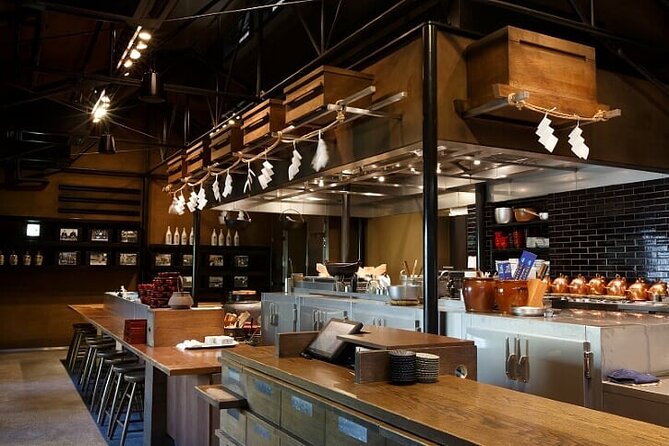
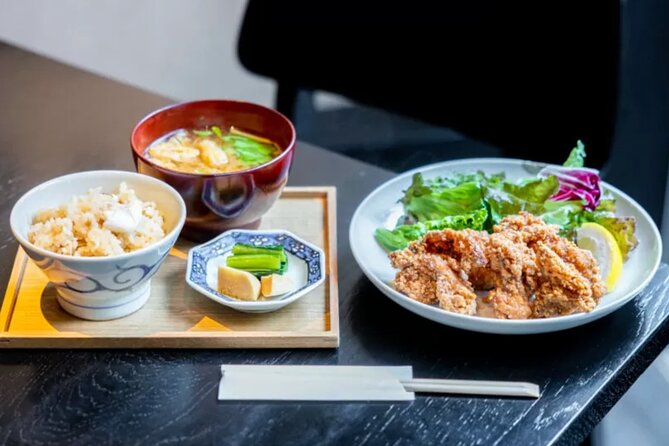
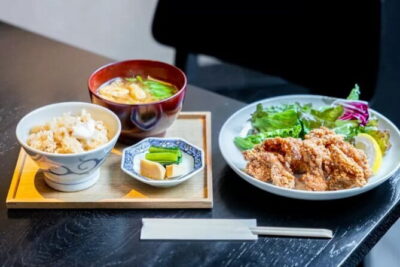
Lunch lasts about an hour and includes a set meal at an atmospheric restaurant with an open kitchen. The menu is not specified, so the exact dishes may vary. What you can count on is a sit-down meal rather than a rushed snack, with the restaurant itself forming part of the experience.
I like this approach to lunch. A meal gives you a break after walking and lets you discuss the art with the guide. The open kitchen also keeps the setting connected to the town’s food culture instead of treating lunch as a logistical stop.
The meal is included, but extra drinks are not. If you have dietary restrictions, ask about them before booking, since no special menu information is provided. Infants do not have a meal included, another detail families should keep in mind.
Ganshoin Temple and Hokusai’s phoenix ceiling
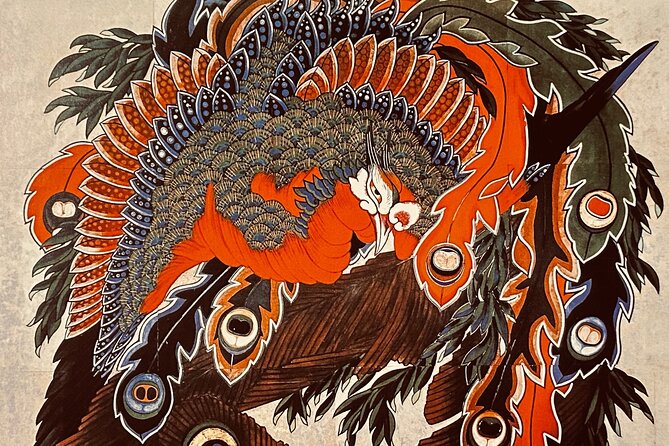
The final major cultural stop is Ganshoin Temple, with about 40 minutes inside. Its main feature is Hokusai’s ceiling painting, Phoenix Glaring in All Directions, made when the artist was 89 years old.
The viewing method is part of the charm. You lie flat on the tatami mats and look up at the phoenix. The image is designed to appear as though it follows you around the room, so you should take your time rather than glance up and move on. This is a quiet, memorable way to finish the art portion of the tour.
The temple also gives you a different setting from the museums. At Hokusai-kan, you study works as museum objects. At Ganshoin, the painting belongs to the architecture of a religious space. That difference helps explain why seeing Hokusai in Obuse is more rewarding than visiting a single gallery and leaving town.
You will need to follow temple etiquette and remove shoes if required. The tour information specifically recommends walking shoes for the day, but it does not provide further details about accessibility inside the temple. Anyone uncomfortable sitting or lying on tatami should keep that in mind.
Private paths, local shopkeepers, and the pace of the walk
The formal stops are only part of the appeal. The walk between them takes you through Obuse’s narrow lanes and local streets, and guide Masa has shown visitors private garden paths that residents have opened to the public. These small passages can be more revealing than a main shopping street because they show how the town has made space for visitors without losing its local character.
The walking is not described as strenuous, but you should have moderate physical fitness. The day includes station transfers, streets, museum visits, and a temple stop. Comfortable shoes are more important than dress shoes, especially if you want to enjoy the side paths rather than hurry from one stop to the next.
The group size is limited to 12. That is small enough for questions and conversation, though it is not the same as having a private guide. The end time depends on the group’s pace, so avoid scheduling a tight connection immediately afterward.
What the $176.71 price includes
At $176.71 per person, this is not a cheap way to see Obuse. The value depends on how much of the day you would otherwise arrange yourself.
The price includes:
- Private transport from Nagano Station to Obuse and back
- Lunch
- Sake tasting
- Hokusai-kan admission
- Kozan Takai Memorial Museum admission
- Ganshoin Temple admission
- Photographs taken during the experience and shared afterward
- A guide for the walking program
Viewed as a package, the cost is easier to justify for visitors who want transport, cultural background, food, and a planned route in one booking. The included lunch and three admission fees remove several separate expenses. The photographs are also a thoughtful extra, especially if you want to focus on the art and conversation instead of documenting every step yourself.
The price is harder to defend if you are comfortable taking the train, buying museum tickets, and choosing your own lunch. Obuse is close to Nagano and compact enough to explore independently. You are paying a premium for local guidance, a fixed route, sake tasting, and the convenience of having the day organized.
Who will get the most from this tour
I would recommend this tour to you if Hokusai is your main reason for visiting Obuse, but you also want food and local atmosphere. It suits first-time visitors who prefer a guide to explain the connection between Hokusai, Kozan, and the town.
It is also a good choice if you have only one free half-day from Nagano. The private transport simplifies the trip, and the itinerary covers the town’s main Hokusai-related sights without forcing you to research each one.
Art specialists may prefer more time at Hokusai-kan. Independent visitors may find the price high. Families should consider the walking, tatami viewing position, and the fact that an infant meal is not included. Anyone with a strict afternoon schedule should also allow room for the group’s pace.
The tour requires good weather. If poor weather cancels it, you can receive a different date or a full refund. The same applies if the minimum number of participants is not met. Otherwise, free cancellation is available up to 24 hours before the 10:00 am start, with no refund for cancellations or changes made later.
Nagano return or Obuse finish
The tour can conclude at Nagano Station or Obuse Station, according to your preference. The stated meeting point is also the return point, but the itinerary allows you to finish in Obuse if that works better for your plans.
That flexibility is useful. You could return to Nagano for an afternoon connection, or stay in Obuse after saying goodbye if you want more time in town. Since the exact end time depends on the group’s pace, confirm your plans with the guide before arranging a tight departure.
The experience lasts about four and a half to five hours. It is long enough for the museums, tasting, lunch, temple, and walking, but short enough to fit into a Nagano-based schedule.
Should you book this Obuse tour?
Book it if you want the meaning behind the sights, not just a checklist of museum entrances. The strongest parts are the Hokusai-focused route, the unusual phoenix ceiling at Ganshoin Temple, the family-run sake tasting, and the personal guidance that can lead you through Obuse’s less obvious paths.
Skip it if you are trying to keep costs low or want complete control over museum timing. Obuse is accessible from Nagano by train, and independent visitors can create a simpler day.
For most people with a strong interest in Japanese art, the tour earns its price through convenience and context. You get Hokusai, a temple, sake, lunch, and a small-town walk in one well-shaped morning and afternoon. That combination is what makes Obuse worth the short trip from Nagano.
FAQ
How long does the Obuse tour last?
The experience lasts approximately 4 hours 30 minutes to 5 hours. The exact end time depends on the pace of the group.
Where does the tour start?
It starts at 10:00 am in front of Starbucks Coffee at MIDORI Nagano, located at 1-chōme-22-6 Minamichitose, Nagano.
Is transport from Nagano to Obuse included?
Yes. Private transport from Nagano Station to Obuse and back is included in the tour price.
Which entrance fees are included?
Admission to Hokusai-kan, the Kozan Takai Memorial Museum, and Ganshoin Temple is included.
Is lunch included?
Yes. Lunch is a set meal at a restaurant with an open kitchen. Extra drinks and food are not included.
Is sake tasting included?
Yes. The tour includes a sake tasting at a family-run local business in Obuse.
What happens if I need to cancel?
You can cancel up to 24 hours before the start time for a full refund. Late cancellations and changes made less than 24 hours before the start time are not refunded or accepted.
Just added around Nagano
- Snow Monkeys Sake Tasting Zenko-ji and Monzen Terrace Lunch★ 5.0 · 2 reviews
- Nagano Private Tour: Ninja Temple, Soba Making & Sake Tasting★ 5.0 · 2 reviews
- Snow Monkeys, Hokusai & Sake: A Perfect Day in Nagano★ 5.0 · 4 reviews
- Nagano: Togakushi Shrine, Sake & Zenkoji Private Tour★ 4.2 · 3 reviews
- Explore Matsumoto: Castle, Sake & Taste of Local Life★ 4.8 · 6 reviews
- Izakaya Food Tour in Nagano★ 4.8 · 9 reviews
- Nagano Sake Tasting Walking Tour★ 5.0 · 17 reviews
- Snow Monkeys, Hokusai & Sake: A Perfect Day in Nagano★ 5.0 · 19 reviews
Nagano Sake Tours, compared.
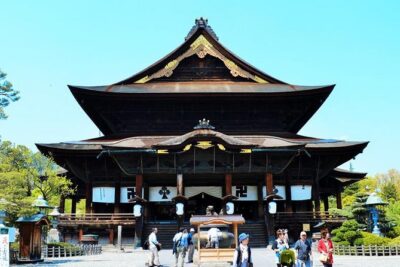
1-Day Snow Monkeys, Zenko-ji Temple & Sake in Nagano
Read our review →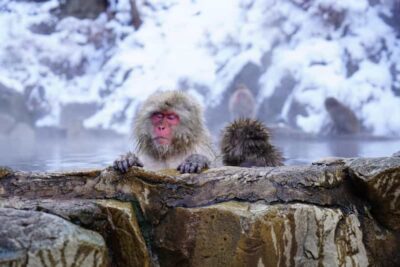
Nagano: Snow Monkeys, Zenkoji Temple & Sake Day Trip
Read our review →
Private Nagano 1-Day Tour:Snow Monkeys,Zenko-ji,Obuse,Sake,Onsen
Read our review →
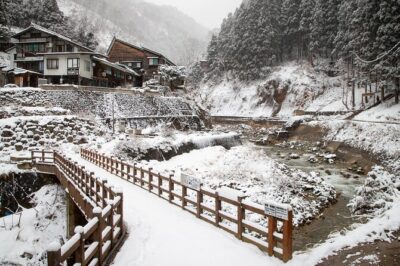
1-Day Winter Tour From Nozawa Onsen: Snow Monkeys, Zenko-ji Temple & Sake
Read our review →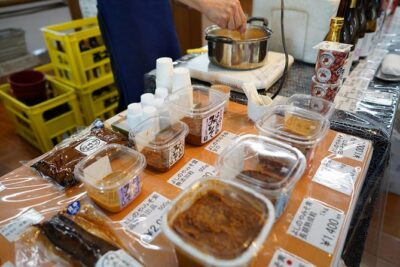
Snow Monkeys, Hokusai & Sake: A Perfect Day in Nagano
Read our review →Browse the lists this tour appears in