
REVIEW · TOKYO SAKE TOURS
Tokyo: The Best of Izakaya in Shinjuku Food & Cultural Tour
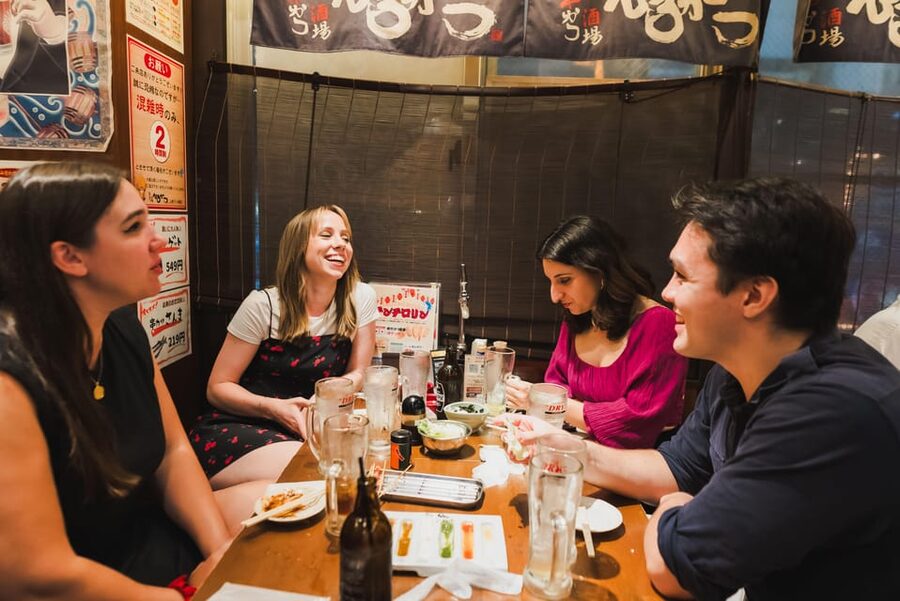
Shinjuku makes more sense after dark, when its narrow lanes, neon signs, tiny bars, and busy food counters begin to hum. This tour gives you a useful way into that maze, pairing a walk through Golden Gai and Kabukicho with a full evening of izakaya food rather than a few token samples.
I like the generous portions and the chance to try sake that may not be available at home. I also like the small group, which makes it easier to ask about unfamiliar dishes and Japanese dining customs. The main drawback is the $129 price, since Tokyo can offer inexpensive meals if you are happy to choose places on your own.
Key points to know before booking
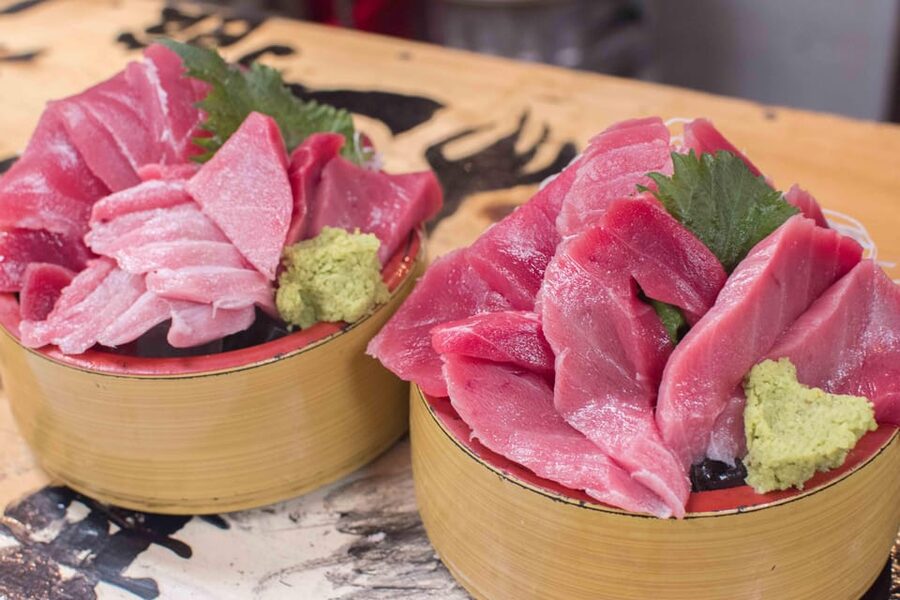
- Fourteen or more dishes: Expect a full dinner, with foods such as sashimi, chicken skewers, dumplings, croquettes, and other izakaya plates.
- A useful first look at Shinjuku: The walk covers Golden Gai, Kabukicho, Omoide Yokocho, and nearby streets.
- Two alcoholic drinks included: Sake is part of the experience, though non-drinkers still receive more than 10 food tastings.
- Guides make the difference: Joe, Max, Chizuru, Ayaka, Megan, Julian, and others are praised for warmth, humor, food knowledge, and local suggestions.
- Small group setting: The group is limited to 10 people, a good size for restaurant seating and conversation.
- Good for a first Tokyo night: You get orientation, dinner, and an introduction to izakaya customs in one evening.
Why Shinjuku is a smart place for an evening food tour
Shinjuku is not one tidy dining district. It is a collection of contrasting areas around one of the world’s busiest railway stations. You have department stores and office towers on one side, neon entertainment streets on another, and narrow old lanes where small bars and food shops sit close together.
That mix can be exciting, but it can also be hard to read during a first visit. Restaurant signs may be only in Japanese. Some places have tiny entrances and limited seating. Others are tucked above street level or down a lane you might pass without noticing.
This is where the tour earns its keep. You are not simply handed a list of dishes. You walk through several parts of Shinjuku, then sit down at local izakaya-style restaurants where the guide can explain what is arriving at the table and how people commonly order, share, and drink.
The evening begins around 17:00 and finishes around 20:30, although the activity is described as roughly three hours. Plan for about three and a half hours so you are not rushing to another reservation. The pace includes 40 to 50 minutes of walking and about two and a half hours devoted mainly to food.
More Izakaya and Bar Hopping in Tokyo:
- Best of Shinjuku: Izakaya Food Tour (4 Stops, 14+ Tastings)
★ 5.0 · 1,863 reviews - Tokyo: Shinjuku Local Bar and Izakaya Guided Walking Tour
★ 4.9 · 1,794 reviews - Tokyo: Shinjuku Local Bar & Izakaya Crawl Tour
★ 5.0 · 890 reviews
Meeting at Kirin City Shinjukuhigashi
The meeting point is in front of Kirin City Shinjukuhigashi, a beer hall in Shinjuku. Look for the guide carrying a Ninja Bowl logo tote bag.
That detail matters in Shinjuku, where crowded streets and large station exits can make a simple meeting feel less simple. Give yourself extra time to reach the meeting point, especially if you are arriving from another part of Tokyo. Transportation to the meeting point is not included.
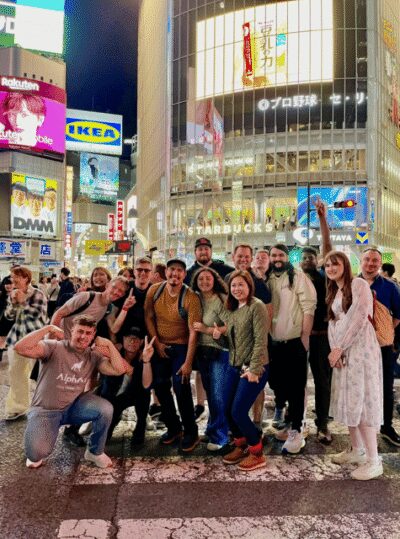
Once the group gathers, the guide helps set the tone. The limited group size, up to 10 people, works well here. You can hear explanations while walking, and restaurant seating is more manageable than it would be with a large bus-style group.
Guides have included Joe, Max, Chizuru, Ayaka, Megan, Julian, Taiga, Nobu, Harumi, and others. The strongest pattern across the evening is not a fixed script, but the guide’s ability to keep conversation moving, explain dishes clearly, and help strangers relax around a shared table.
Golden Gai: tiny bars and a very different side of Tokyo
Golden Gai is scheduled for about 30 minutes. This historic nightlife district is made up of narrow lanes and very small bars, with an unusual arrangement that feels worlds away from the broad roads and tall buildings nearby.
You are mainly walking through the area rather than spending the evening bar-hopping there. That is a sensible choice. Many Golden Gai bars are extremely small and may have their own rules or cover charges, so a short guided look gives you the atmosphere without turning this food tour into a separate bar crawl.
The guide adds context about the area and its past. That background makes the cramped lanes easier to understand. You see preserved pieces of older Shinjuku while the surrounding district continues to change.
Golden Gai is also one of the places where a guide is most useful. It is easy to take photographs and move on without noticing how unusual the layout is. A good guide draws attention to the narrow passages, tiny storefronts, and the way this pocket of nightlife differs from the larger entertainment streets.
Izakaya food: a real dinner, not a sample platter
The main food portion lasts about two and a half hours and takes place at two popular local restaurants, with the broader route sometimes including several distinct food stops. The exact menu changes with the fresh ingredients available that day.
That variation is a plus if you want food that reflects the season and the restaurant’s supply. It also means you should not expect an identical plate-by-plate menu every evening.
The advertised tasting includes at least 14 dishes, and the food is intended to replace dinner. Common examples include:
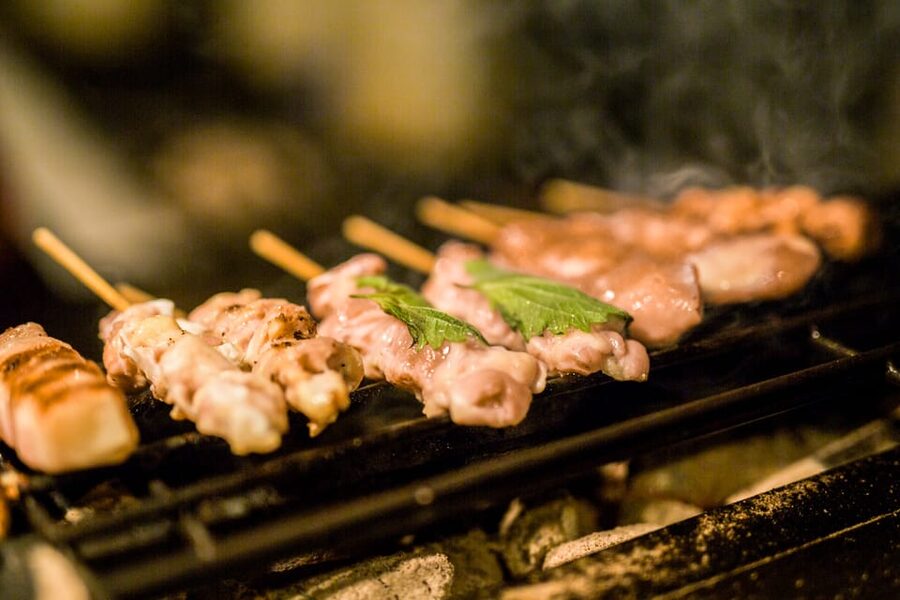
- Chicken skewers
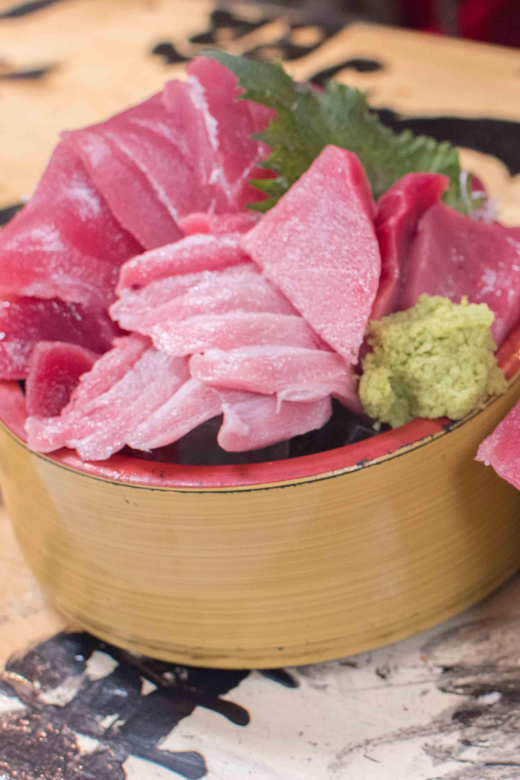
- Fresh sashimi
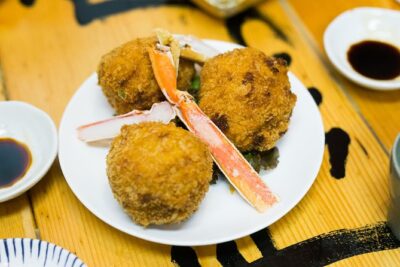
- Handmade Japanese croquettes
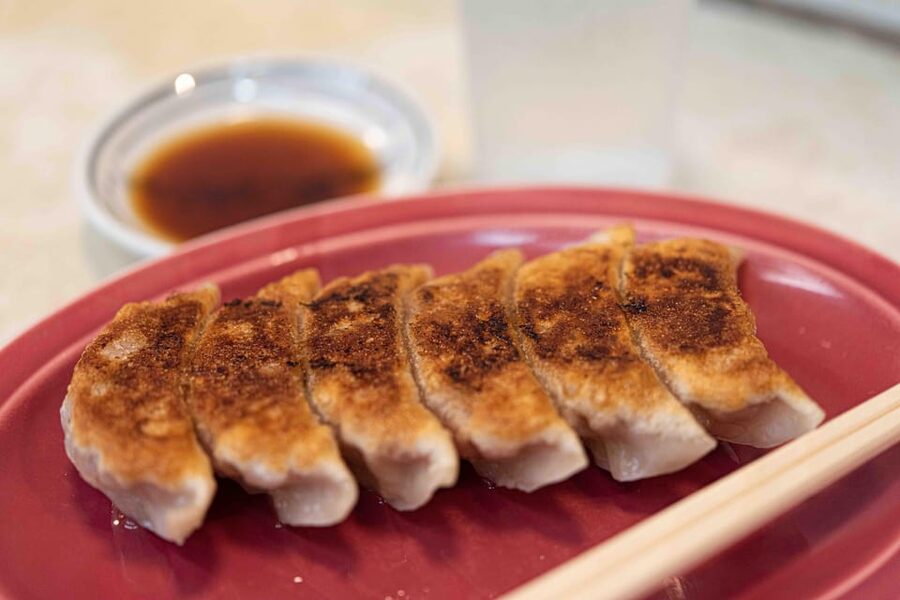
- Dumplings
- Tonkotsu
- Traditional izakaya snacks
- Lemon sorbet
The portions matter. This is not the kind of food walk where you receive one bite, nod politely, and start looking for dinner afterward. Several people found the servings substantial enough to leave them full, and some could not finish every dish.
I see that as a real strength for the price. You are paying for more than access to restaurants. You are getting a planned meal, explanations, drinks, and an evening route through Shinjuku. Still, large portions can work against you if you arrive after a late lunch. Eat lightly beforehand.
The food also covers several styles rather than repeating one theme. Sashimi gives you a chance to focus on freshness and texture. Chicken skewers show how simple ingredients can be treated with care. Croquettes and dumplings bring more familiar comfort-food textures, while tonkotsu adds a richer, heavier note.
Because the menu varies, the tour is best for people who enjoy trying what is placed in front of them. If you need a precise menu for medical reasons or strong preferences, contact the provider ahead of time. Food requests can be accommodated based on allergies and restrictions, but you should not wait until the first restaurant to explain an important concern.
More Sake and Food Tours in Tokyo:
- Ramen and Sushi Cooking Class with Sake Pairing Set in Tokyo
★ 5.0 · 291 reviews - Sake Omakase in Tokyo: Guided Tasting by Certified Sommeliers
★ 5.0 · 239 reviews - [1 Group Only] Tokyo Shinjuku Food Tour for Family
★ 5.0 · 147 reviews - Wagyu & Sake Pairing in Shinjuku – Steak, Shabu-Shabu & More
★ 5.0 · 112 reviews
Sake and the social side of an izakaya
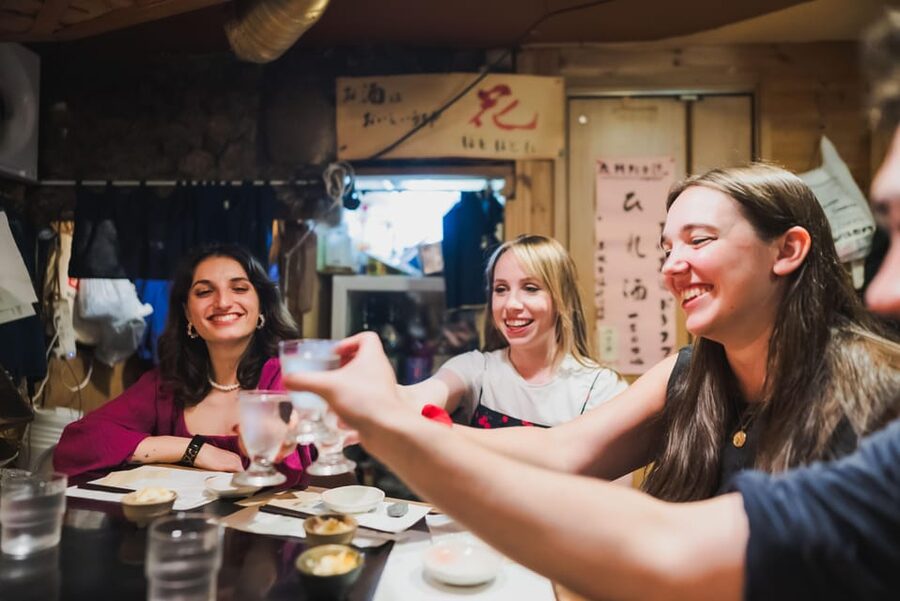
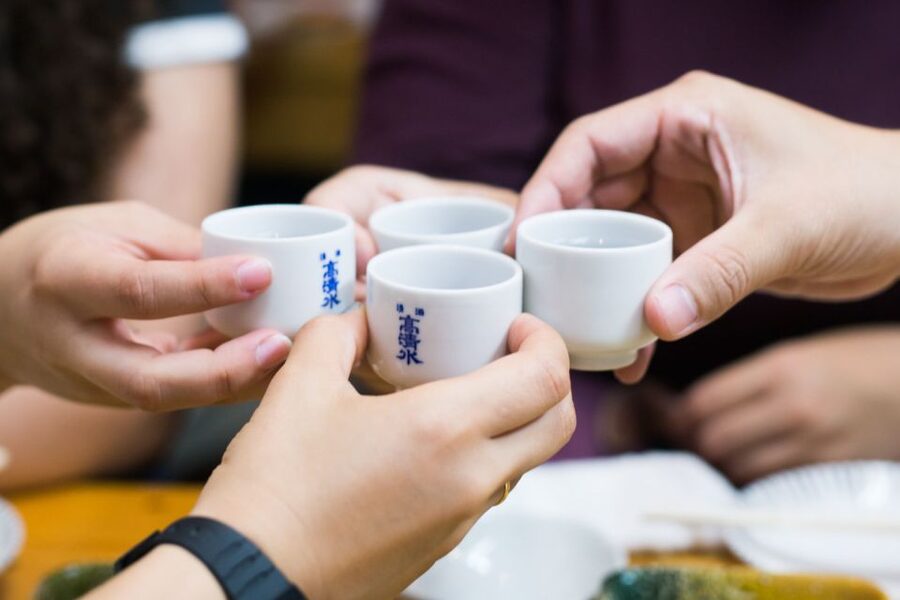
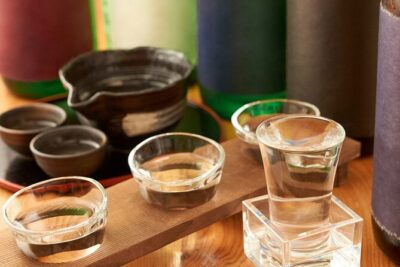
Two alcoholic drinks are included, and sake is a central part of the experience. The guide helps you choose and explains how to enjoy it, which is helpful if your experience with sake is limited to a single bottle at home.
The point is not simply to drink. Izakaya dining is social, and drinks often sit alongside shared plates and conversation. You get a small lesson in how food and alcohol work together in this setting.
The selection may include smooth sake that you cannot easily find outside Japan. That makes the tasting more useful than ordering a familiar international beer. You get a chance to compare styles and ask questions while the guide is nearby.
If you do not drink, you are not left out. The tour still includes more than 10 food samplings, and the evening remains focused on restaurants, culture, and the neighborhood. Be clear about your preference at the start so the guide can arrange a nonalcoholic option if available.
One practical point: sake can feel lighter than it is, especially when paired with many dishes. Pace yourself. The evening is long enough to enjoy the food without treating the included drinks as a race.
Omoide Yokocho and the old-food-street atmosphere
Omoide Yokocho is listed as a 15-minute visit. This compact lane area is known for closely packed restaurants and an older, more intimate feel than the broad entertainment streets.
The short stop works as a contrast with Golden Gai. Golden Gai is defined by tiny bars, while Omoide Yokocho brings the focus closer to food counters and small eateries. You get a quick look rather than a long meal here, since the main tastings take place elsewhere.
This is one reason I would take the tour early in a Tokyo visit. You can return later with a better sense of where you are, how the lanes connect, and what kind of place suits your mood. Several guides also provide restaurant suggestions beyond the tour, which can help you plan another evening.
Do not expect quiet streets. Shinjuku is active at night, and the tight lanes can feel crowded. Comfortable shoes will help, though the walking distance is described as manageable rather than strenuous.
Kabukicho after dark
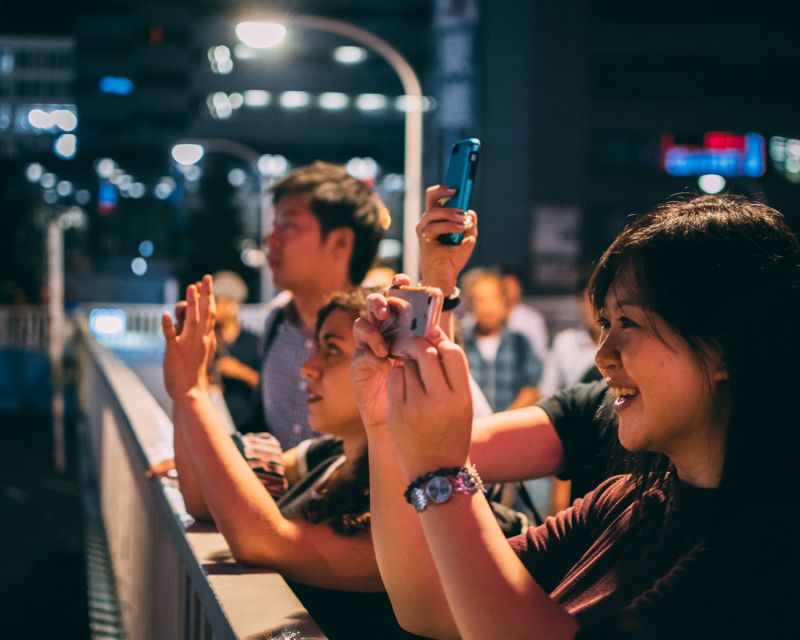
Kabukicho receives about 30 minutes on the route. This is Shinjuku’s major entertainment district, filled with bright signs, restaurants, bars, and nightlife businesses. It is a very different scene from the small-scale lanes of Golden Gai and Omoide Yokocho.
The guide helps you read the area instead of simply pointing out its most obvious signs. You learn about Shinjuku’s past and present while moving through streets that can otherwise feel like a wall of neon.
A few details from the walk may become memorable precisely because they are easy to miss on your own, including unusual architecture and the famous 3D cat display nearby. The tour is not a formal architecture walk, but the guides connect the streets, buildings, and food culture in a way that gives the evening more shape.
The final destination is listed at a building in Nishishinjuku, not back at the original meeting point. Pay attention to the end location when arranging your next activity. The tour does not include transportation, so you will make your own way afterward.
The guides are a major part of the value
Food tours depend heavily on the person leading them, and this one gives you a good chance of a warm, engaging host. Joe is repeatedly praised for humor, food knowledge, and extra suggestions for places to eat. Max is noted for his enthusiasm for Japanese cuisine and for looking after the group in hot weather.
Chizuru is described as energetic, clear, and good at explaining both food and culture. Ayaka is praised for taking people off the main route and explaining the neighborhood. Megan and Julian are also associated with personable hosting and useful explanations.
That range matters because the evening involves unfamiliar food, shared tables, and a mixed international group. A good guide gets people talking without forcing the conversation. Solo visitors in particular can find this format easy, since the food gives everyone a natural subject.
The guide also helps with pronunciation of dishes and place names. That is a small feature, but it makes it easier for you to use what you learn later in Japan.
Is $129 a fair price?
At $129 per person, this is not a bargain meal. You can eat well in Tokyo for much less if you are comfortable choosing restaurants yourself, ordering from a ticket machine, and accepting that you may miss some of the smaller local places.
The value comes from the combined package:
- At least 14 food portions
- Two alcoholic drinks
- An English-speaking guide
- A small group of no more than 10
- A guided walk through several Shinjuku areas
- Help with ordering, food explanations, and cultural context
If you would otherwise spend an evening guessing where to eat, the price becomes easier to justify. You are also buying confidence. You can try sashimi, sake, skewers, and local snacks without having to decode every menu or worry about choosing a poor restaurant.
The tour is less convincing for a repeat Tokyo visitor who already knows Shinjuku and enjoys exploring alone. In that case, $129 could fund several independent meals. For a first visit, a solo visit, or anyone eager to sample many foods in one sitting, the cost is more reasonable.
Who should book this Shinjuku evening?
I would recommend it to first-time Tokyo visitors who want a practical introduction to Shinjuku after dark. It is especially useful if the thought of entering a tiny Japanese restaurant alone feels intimidating.
It also suits solo visitors and couples who want company for dinner. The small group creates an easy social setting, and the shared dishes give you something to discuss right away.
Food-focused visitors will appreciate the range and portion size. People with allergies or dietary restrictions should provide details in advance, since the menu changes and the tour includes many different dishes.
I would be more cautious about booking if you dislike raw fish, are uncomfortable with shared plates, or need a tightly fixed menu. The food is varied, and the evening works best when you are open to tasting unfamiliar dishes.
The tour is also not ideal for anyone wanting a slow, private dinner. You move between locations, walk through active streets, and eat as part of a group.
Booking details that affect your evening
The activity is offered in English with a live guide. The group is limited to 10 people, and free cancellation is available up to 24 hours before the start for a full refund. You can also reserve and pay later, which helps if your Tokyo schedule is still shifting.
The start time is listed around 17:00. Check the available date and start time when booking, since the total length is described both as three hours and as approximately 17:00 to 20:30.
Wear comfortable shoes and arrive hungry, but not starving. The first walk takes time, and the later food portions are large enough to make a serious dinner.
Should you book the Best of Izakaya in Shinjuku tour?
Book it if you want a full dinner, a neighborhood introduction, and a friendly small group in one evening. The strongest reasons are the generous food portions, access to restaurants you might not spot on your own, and guides such as Joe, Max, Chizuru, and Ayaka who add humor and useful local context.
Skip it if your main goal is the lowest possible meal price or if you prefer to choose every dish independently. At $129, you are paying for guidance and access as much as food.
For a first Tokyo trip, I think the tour makes a strong opening night in Shinjuku. You finish with a better sense of the district, a list of places to revisit, and enough food to call it dinner.
FAQ
How long does the Shinjuku izakaya tour last?
The activity is described as about three hours, with the planned schedule running approximately from 17:00 to 20:30.
Where does the tour meet?
Meet in front of Kirin City Shinjukuhigashi, the beer hall in Shinjuku. Look for a guide carrying a Ninja Bowl logo tote bag.
Where does the tour finish?
The listed finish point is at Wacore Shinjuku Daiichi Building in Nishishinjuku, Tokyo.
How many people can join the tour?
The tour is limited to 10 participants.
How much food is included?
You can expect 14 or more Japanese dishes, with enough food for dinner. The menu changes with the fresh ingredients available that day.
Are drinks included?
Yes. The price includes two alcoholic drinks of your choice. Non-drinkers can still enjoy more than 10 food samplings.
Can food allergies or dietary restrictions be accommodated?
Food requests can be accommodated based on allergies and restrictions. Share your needs before the tour because the menu varies.
Is transportation included?
No. Transportation is not included in the tour price.
More History Tours in Tokyo
- Historic Kanda Sake Tasting at Tokyo’s Oldest Shop (1596)
★ 4.9 · 33 reviews - Takayama: Authentic Sake Tasting at a Historic Brewery
★ 5.0 · 65 reviews - Takayama: Authentic Sake Tasting at a Historic Brewery
★ 4.8 · 50 reviews - Takayama Local Cuisine, Food & Sake Cultural Tour with Government-Licensed Guide
★ 5.0 · 17 reviews
More Food Tours in Tokyo
- Wagyu Beef and Sake Pairing Foodie Tour in Tokyo
★ 5.0 · 71 reviews - Tokyo: 7 Kinds of Sake Tasting with Japanese Food Pairings
★ 4.9 · 37 reviews - Tokyo Ginza Authentic Food Tour (Izakaya Hopping by local guide)
★ 5.0 · 31 reviews - Sake & Food Pairing with Sake Professional
★ 5.0 · 28 reviews
Just added around Tokyo
- Tokyo: Serene Sakura & Sake: An Exclusive Brewery Pairing Lunch★ 5.0 · 2 reviews
- Tokyo Sake Tasting Tour with a Sake Expert★ 5.0 · 7 reviews
- Wagyu BBQ & Sukiyaki with Sake Pairing Experience near Ginza★ 5.0 · 2 reviews
- Japanese Sake Tasting & Wagyu Sukiyaki Cooking Class in Tokyo★ 5.0 · 10 reviews
- Tokyo Izakaya crawl (A tour of 2 izakayas, 1 bar, and a shrine)★ 5.0 · 8 reviews
- Shinjuku Underground Nightlife Tour: Izakaya Food & Bar Hopping★ 5.0 · 11 reviews
- Private Tokyo Food Tour – Retro Akabane Izakaya Experience★ 5.0 · 14 reviews
- Tokyo: Learn the Art of Chopsticks in a Cozy Izakaya!★ 5.0 · 2 reviews
Tokyo Sake Tours, compared.
Best of Shinjuku: Izakaya Food Tour (4 Stops, 14+ Tastings)
Read our review →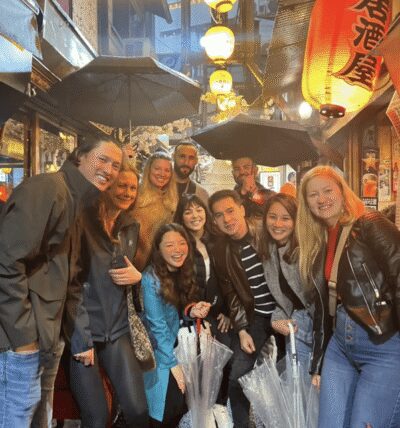
Tokyo: Shinjuku Local Bar and Izakaya Guided Walking Tour
Read our review →
Ramen and Sushi Cooking Class with Sake Pairing Set in Tokyo
Read our review →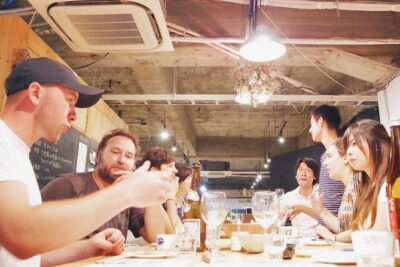
Sake Tasting Masterclass in Shinjuku (8+ Varieties with a Pro)
Read our review →
Tokyo Washoku 4-hour Cooking Class: From Market to Table
Read our review →
Sake Omakase in Tokyo: Guided Tasting by Certified Sommeliers
Read our review →Browse the lists this tour appears in