
REVIEW · TOKYO SAKE TOURS
Private Tokyo Food Tour – Retro Akabane Izakaya Experience
Akabane gives you a different view of Tokyo after dark. Instead of polished restaurant districts, you’ll follow guide Simon through narrow streets lined with red lanterns, standing bars, and old-school izakayas where local workers eat and drink. The four-hour tour includes three drinks and more than 10 Japanese snacks, so you get a full dinner as well as a look at neighborhood nightlife.
I like the three-izakaya format, since each stop offers a different setting and food style. I also like that Simon adjusts the dishes to your palate, which matters when you’re facing unfamiliar items or want to try something beyond the usual sushi and ramen.
The main drawback is the smoking policy. Smoking is permitted in most Japanese bars and restaurants, so this is not a good choice for pregnant travelers or anyone very sensitive to smoke. You’ll also need to reach Akabane Station on your own and do some light walking.
Key points to know before booking
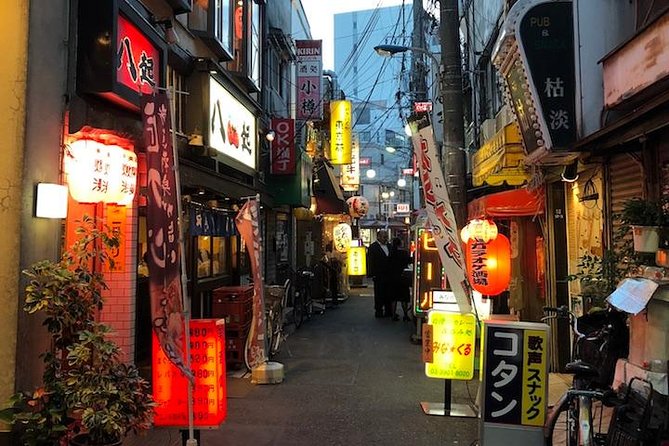
- Akabane after dark: Explore a residential northern Tokyo district known for local food and drink rather than major sightseeing sights.
- Three different izakayas: Move from a lively standing bar to an oden restaurant and then a seafood grill.
- A full Japanese dinner: More than 10 shared dishes and three drinks are included in the price.
- Simon’s food guidance: Your English-speaking guide helps match dishes and drinks to what you want to try.
- A small private group: Only your own booking group takes part, making it easier to ask questions and shape the meal.
- Plan ahead: The tour is often booked about 70 days in advance, and free cancellation is available up to 24 hours before the start.
Why Akabane makes a smart food-tour setting
Akabane sits in northern Tokyo, away from the neighborhoods most first-time visitors make a priority. That distance is part of the appeal. You are not simply ticking off a famous restaurant street. You are spending an evening in a residential area that serves Tokyo workers and local regulars.
The focus is everyday Japanese food culture. Izakayas are casual pubs where people gather over drinks and small plates. A good evening here is less about ordering one grand dish and more about sharing several things, trying a little of each, and letting the meal unfold at an easy pace.
Ichibangai Street gives the night its character. The area is known for narrow lanes, glowing red paper lanterns, and a row of places that invite you inside for a drink. You’ll begin at Akabane Station, then spend the evening in the surrounding food district before returning to the station meeting point.
That arrangement is useful if you would feel unsure choosing a tiny local bar on your own. The signs, menus, ordering customs, and shared dishes can be hard to manage when you do not speak Japanese. Simon provides the bridge, explains what you are eating, and helps you decide how adventurous you want to be.
More Izakaya and Bar Hopping in Tokyo:
- Best of Shinjuku: Izakaya Food Tour (4 Stops, 14+ Tastings)
★ 5.0 · 1,863 reviews - Tokyo: Shinjuku Local Bar and Izakaya Guided Walking Tour
★ 4.9 · 1,794 reviews - Tokyo: Shinjuku Local Bar & Izakaya Crawl Tour
★ 5.0 · 890 reviews
The 6 p.m. start at Akabane Station
The tour begins at 6:00 p.m. at Akabane Station. That timing works well for dinner, since you go straight into the evening meal rather than trying to fit the experience between daytime sights.
You are responsible for getting to Akabane. Transport to and from the neighborhood is not included, so build extra time into your plan. The area is near public transportation, but the experience itself does not include a rail ticket or a transfer from your hotel.
The start point is practical rather than scenic: Akabane Station, at 1 Chome-1 Akabane, Kita City. Once you meet Simon, the night moves into the nearby streets and food district. Comfortable shoes are sensible because the walking is mild but continuous.
Because this is a private activity, only your group participates. That gives you more room to ask questions, mention foods you avoid, or request a certain level of adventure. A group of six can take part together, and group discounts may be available when booking.
First stop: a lively standing bar
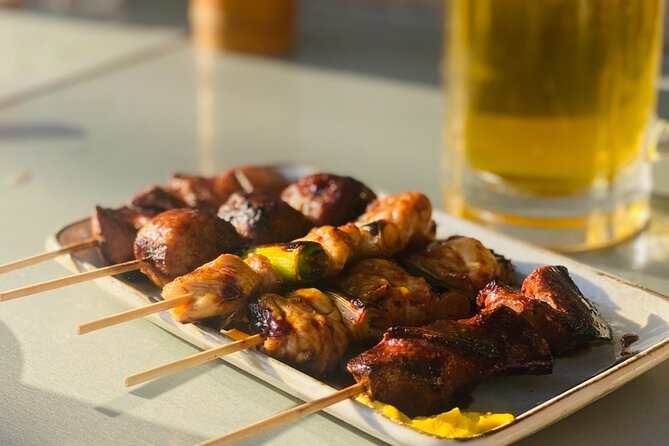
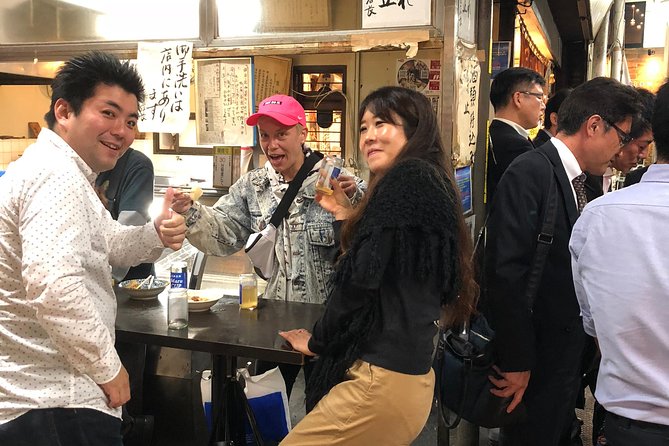
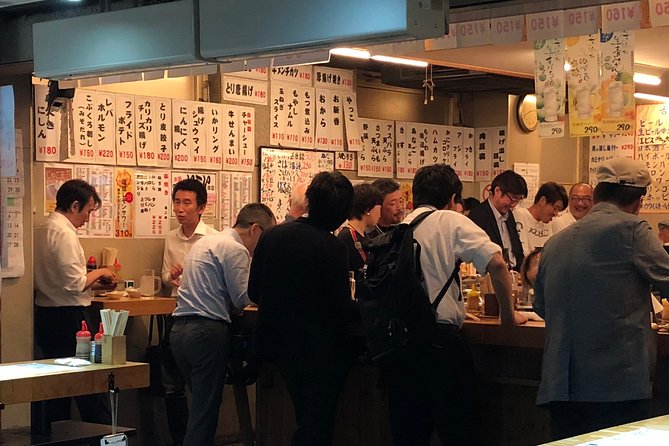
The opening stop is a local standing bar. These places are built for casual eating and drinking, often with a quick, social rhythm. You can expect a selection of Japanese bar snacks and drinks rather than a formal seated meal.
This first stop is a good introduction to the izakaya style. You get a feel for how small dishes work, how drinks fit into the meal, and how Japanese diners use these places to relax after work. The standing format also gives the evening a loose, informal start.
The food selection is designed to include several tastes and textures. Simon can recommend items based on your palate, so you do not have to order blindly. If you want to try unfamiliar food but are not sure where to begin, that guidance is one of the tour’s most useful features.
The tradeoff is comfort. A standing bar may not suit anyone who needs to sit throughout dinner. It may also feel louder or more crowded than a standard restaurant. The experience is meant to feel local and relaxed, not polished or quiet.
Second stop: oden and broth-mixed sake
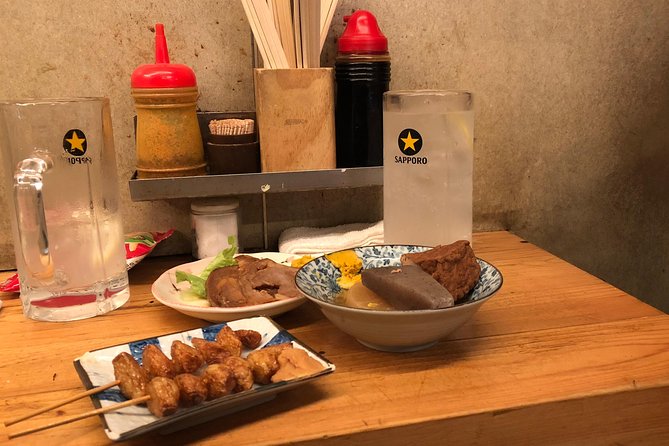
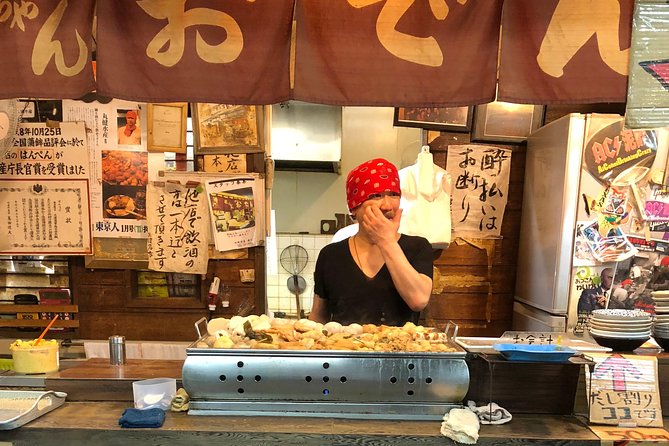
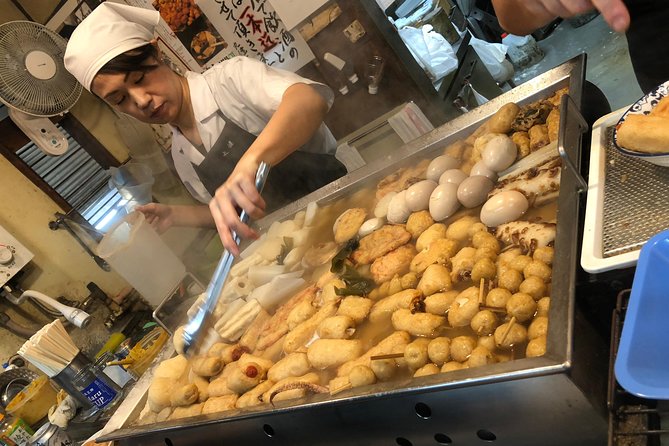
The second izakaya focuses on traditional oden, a Japanese comfort food cooked in a seasoned broth. The exact items available can vary, but oden generally gives you a chance to try several ingredients from one simmering pot rather than one single main course.
This stop also includes a local specialty: sake mixed with broth. That drink is a particularly useful detail for anyone who wants to understand how regional drinking customs can differ from the familiar image of sake served on its own.
I like this part of the route because it connects food and place. Oden is not presented as a luxury dish. It is the kind of warm, practical food that suits a casual pub and a cool evening. The broth-based dishes also provide a change from the snacks at the first stop.
If you prefer familiar flavors, ask Simon what is in each item before trying it. Shared plates mean that some dishes may be selected for the whole group, though the guide is expected to take your preferences into account. Dietary requirements should be provided when you book, and the operator will do its best to accommodate them.
More Sake and Food Tours in Tokyo:
- Ramen and Sushi Cooking Class with Sake Pairing Set in Tokyo
★ 5.0 · 291 reviews - Sake Omakase in Tokyo: Guided Tasting by Certified Sommeliers
★ 5.0 · 239 reviews - Tokyo: The Best of Izakaya in Shinjuku Food & Cultural Tour
★ 4.9 · 221 reviews - [1 Group Only] Tokyo Shinjuku Food Tour for Family
★ 5.0 · 147 reviews
Third stop: a seafood grill and local izakaya
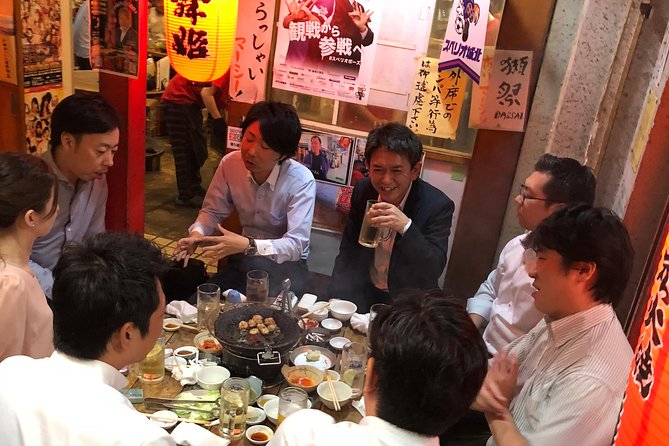
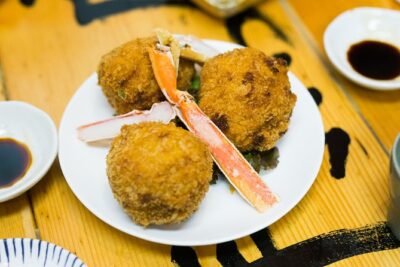
The final restaurant combines a traditional izakaya atmosphere with seafood grilled at the table or in the restaurant’s specialty grill setting. This gives the meal another change of pace. You move from bar snacks and oden to seafood prepared in a way that lets you focus on the ingredients.
The route description also emphasizes brushing shoulders with local diners. That is the point of this tour. You are not being taken from one tourist-oriented restaurant to another. You are entering ordinary neighborhood establishments where food and conversation matter more than presentation.
The seafood stop can be a strong finish because grilled dishes add a heartier element to the meal. By this stage, the three-drink allowance and more than 10 shared delicacies should leave you full. The food is served as a series of tastes rather than one large course, so pacing matters.
You should also keep the smoking policy in mind here. Smoking is allowed in most Japanese bars and restaurants on this experience. If smoke would spoil your meal, this tour may not be the right match.
What you’ll eat and drink during four hours
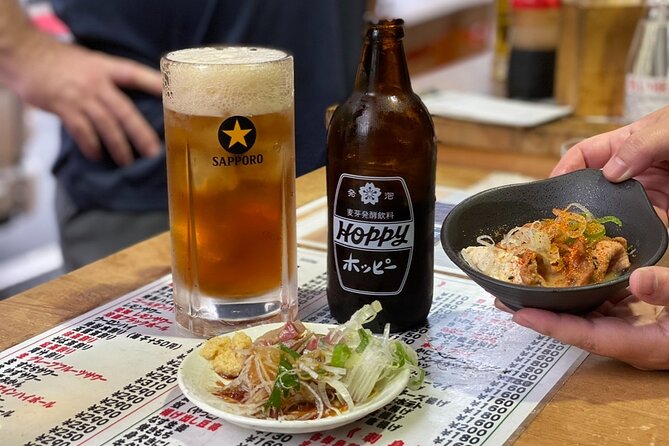
The tour includes dinner, more than 10 local delicacies, and three alcoholic drinks. The listed drink examples are sake, shochu, and hoppy. Hoppy is a Japanese mixer often paired with shochu, while sake and shochu offer different styles of Japanese drinking.
The food is shared among the group. That is central to the evening, not a minor detail. You might taste more dishes than you would order alone, but you will have less control over every individual plate. This format works best if you enjoy trying small portions and discussing what you like.
The exact menu is not fixed in the information provided. That is useful in one way, since Simon can recommend dishes according to your tastes. It also means you should not book expecting a guaranteed list of named foods beyond the oden, seafood, bar snacks, and drinks described.
You can tell the guide if you want to avoid certain ingredients or focus on a particular type of food. Dietary requirements should be shared in advance. Those under 20 will receive soft drinks because the legal drinking age in Japan is 20.
The quantity is a real part of the value. This is not a short tasting with one drink. You are paying for a four-hour guided dinner across three venues, with enough food to leave you full. If you normally eat lightly or do not drink alcohol, the price may feel less attractive, though the food remains included.
Simon’s role and the value of a private guide
Simon is central to the experience. The strongest part of his role is not simply translating menus. He helps you understand what to order, explains Japanese food and society, and keeps the conversation moving while you change locations.
That matters most in Akabane because the appeal comes from ordinary local places rather than famous sights. Without help, you might pass by a standing bar or hesitate over a menu. With an English-speaking guide, you can ask why a dish is popular, how a drink is served, or what kind of place you have entered.
His conversational style also suits a four-hour meal. You are spending a long evening together, not receiving a quick explanation at one stop. The experience works best when you are willing to ask questions and share your own food preferences.
A private tour gives Simon more freedom to adjust the night. A group that wants to try unusual dishes can say so. A group that prefers milder or more familiar food can make that clear. Still, private does not mean every item will be individually ordered. The izakaya custom of shared plates remains part of the experience.
Is $214.25 per person a fair price?
At $214.25 per person, this is not a budget dinner. You can eat cheaply in Tokyo, and Akabane itself is known for casual local food. The value comes from combining a full meal, three drinks, three restaurant visits, local orientation, and English-language guidance in one evening.
I would see the price as easier to justify if you want to understand izakaya culture but do not feel comfortable managing it alone. It also works well for a first night in Tokyo when you want a ready-made dinner and a neighborhood introduction without spending time researching bars.
The cost is harder to justify if you mainly want a cheap meal, avoid alcohol, dislike shared dishes, or already feel confident ordering in small Japanese restaurants. In those cases, booking your own meal in Akabane will likely cost less.
For a group, check the available discount before paying. The tour is often booked about 70 days ahead, so advance planning matters. That booking pattern also suggests you should not wait until the last few days if this is an important part of your Tokyo schedule.
Who should book this Akabane evening?
I would recommend it to people who want local atmosphere more than famous landmarks. It suits curious eaters, first-time visitors who want help ordering, and repeat visitors looking for a side of Tokyo beyond Shibuya, Shinjuku, or Asakusa.
It is also a good match for friends or families who enjoy sharing food. You can compare dishes, ask Simon questions, and let the evening develop across three different bars and restaurants.
This is less suitable for anyone seeking a quiet fine-dining meal. The venues are casual, smoking is common, and at least one stop is a standing bar. It is also not ideal if you need a highly controlled menu, since the food is shared and the final selection depends on your preferences and the places visited.
The four-hour length deserves attention. You will not be finished after a quick dinner. That is useful if you want a full evening activity, but it can be tiring if you have packed your day with sightseeing. Leave the rest of the night open.
Practical details that affect your decision
The tour starts and ends at Akabane Station, with no hotel pickup listed. Plan your route before 6:00 p.m. and allow time to find the meeting point.
Wear comfortable shoes. The walking is described as mild, but you will move between venues and spend time on your feet. Soft drinks are supplied to anyone under 20, and the legal drinking age is 20.
The activity requires good weather. If poor weather causes cancellation, you will be offered another date or a full refund. You can cancel for a full refund up to 24 hours before the start time. Changes or cancellations inside that window are not accepted for a refund.
Most people can take part, but the smoking environment is the biggest health consideration. Tell the operator about dietary requirements when booking. The guide will do their best to accommodate them, though shared dining can limit complete control over every dish.
Should you book the Retro Akabane Izakaya Experience?
Book it if you want a guided local dinner, not just a list of restaurant recommendations. The combination of three izakayas, more than 10 shared dishes, three drinks, and Simon’s personal guidance gives you a clear introduction to Akabane’s working-class food culture.
Skip it if you need smoke-free dining, dislike standing bars, avoid shared food, or mainly want to keep dinner costs low. For everyone else, this offers a relaxed way to spend an evening away from Tokyo’s better-known tourist streets. The best reason to choose it is simple: you get to eat in places you might never think to enter on your own.
FAQ
Where does the tour begin?
The tour begins at Akabane Station, located at 1 Chome-1 Akabane, Kita City, Tokyo 115-0045, Japan.
What time does the tour start?
The tour starts at 6:00 p.m.
How long does the experience last?
The experience lasts approximately four hours.
Where does the tour end?
The tour ends back at the Akabane Station meeting point.
How many izakayas will I visit?
You will visit three izakayas during the evening.
How much food and drink is included?
More than 10 local delicacies, dinner, and three drinks are included. Drinks may include sake, shochu, and hoppy.
Can people under 20 join?
People under 20 can join, but they will receive soft drinks because the legal drinking age in Japan is 20.
Is transportation to Akabane included?
No. Transport to and from Akabane is not included. You must reach the station meeting point yourself.
Can I cancel for a refund?
Yes. You can cancel at least 24 hours before the start time for a full refund. If poor weather causes the activity to be canceled, you will be offered another date or a full refund.
More Food Tours in Tokyo
- Wagyu Beef and Sake Pairing Foodie Tour in Tokyo
★ 5.0 · 71 reviews - Tokyo: 7 Kinds of Sake Tasting with Japanese Food Pairings
★ 4.9 · 37 reviews - Tokyo Ginza Authentic Food Tour (Izakaya Hopping by local guide)
★ 5.0 · 31 reviews - Sake & Food Pairing with Sake Professional
★ 5.0 · 28 reviews
More Private Sake Tours in Tokyo
- Private Tour: Tokyo’s Oldest Sake Brewery and Riverside Walk
★ 5.0 · 25 reviews - Tokyo Sake Tour with a Local Guide, Private & Tailored to Your Taste
★ 4.0 · 12 reviews - Private Bar Hopping Tour in Shinjuku, Tokyo
★ 4.5 · 10 reviews - Private Tokyo food scene 6 hour experience: Depatika, street food, izakaya
★ 5.0 · 9 reviews
Just added around Tokyo
- Tokyo: Serene Sakura & Sake: An Exclusive Brewery Pairing Lunch★ 5.0 · 2 reviews
- Tokyo Sake Tasting Tour with a Sake Expert★ 5.0 · 7 reviews
- Wagyu BBQ & Sukiyaki with Sake Pairing Experience near Ginza★ 5.0 · 2 reviews
- Japanese Sake Tasting & Wagyu Sukiyaki Cooking Class in Tokyo★ 5.0 · 10 reviews
- Tokyo Izakaya crawl (A tour of 2 izakayas, 1 bar, and a shrine)★ 5.0 · 8 reviews
- Tokyo: Learn the Art of Chopsticks in a Cozy Izakaya!★ 5.0 · 2 reviews
- Shinjuku Underground Nightlife Tour: Izakaya Food & Bar Hopping★ 5.0 · 11 reviews
- Osaki, Togoshi Ginza Private Walking Food , Izakaya dinner tour★ 5.0 · 5 reviews
Tokyo Sake Tours, compared.
Best of Shinjuku: Izakaya Food Tour (4 Stops, 14+ Tastings)
Read our review →
Tokyo: Shinjuku Local Bar and Izakaya Guided Walking Tour
Read our review →
Ramen and Sushi Cooking Class with Sake Pairing Set in Tokyo
Read our review →
Sake Tasting Masterclass in Shinjuku (8+ Varieties with a Pro)
Read our review →
Tokyo Washoku 4-hour Cooking Class: From Market to Table
Read our review →
Sake Omakase in Tokyo: Guided Tasting by Certified Sommeliers
Read our review →Browse the lists this tour appears in