
REVIEW · TOKYO SAKE TOURS
Private Tokyo food scene 6 hour experience: Depatika, street food, izakaya
Tokyo’s best food experiences are often found away from the famous sights. This private six-hour outing takes you from a department-store food hall in Ikebukuro to Jujo’s old shopping arcade, then into Akabane’s lantern-lit drinking alleys. It is a moving meal, not a quick sampling walk, so arrive hungry.
I especially like the three-neighborhood route, which gives you a useful look at very different sides of Tokyo. I also like the private format and the personal guidance from hosts such as Simon, who can shape the day around your interests instead of leading a large, fixed group.
The main catch is simple: you walk a lot, and transportation between stops is not included. The six-hour schedule also leans heavily toward eating and drinking, so it may not suit anyone wanting a short, gentle introduction to Japanese food.
The essential details at a glance
- Three distinct Tokyo stops: Seibu Ikebukuro, Jujo Ginza Shopping Arcade, and Akabane’s entertainment district.
- A real meal spread: snacks, dinner, food samples, and alcoholic beverages are included.
- Private attention: only your group takes part, with a customizable route and guide.
- A local-feeling route: the focus is on department-store food counters, a traditional shopping arcade, and small bars rather than major tourist sights.
- Plan for walking: comfortable shoes matter, and you must arrange your own transportation to the first stop and between neighborhoods.
- Price: at $247.45 per person, the value depends on how much you appreciate expert access, included food and drinks, and a full evening out.
Why this route gives you more than a standard food walk
A lot of Tokyo food tours stay in one central district. This one keeps moving north, connecting Ikebukuro, Jujo, and Akabane. That matters because each stop presents food in a different setting.
You begin in a polished department store, where food is displayed with care and gift-giving is treated almost like an art. Then you move to Jujo, where the mood changes to old-fashioned neighborhood shopping and casual street food. The evening ends in Akabane, where small bars and izakayas line narrow alleys.
I like this progression. It gives you context, not just bites. You see how Tokyo food works at several levels, from beautifully packed sweets and prepared dishes to quick snacks and informal drinking spots.
The route is also useful early in a Tokyo stay. A guide can help you understand what you are seeing, how food counters work, and which dishes or drinks may be unfamiliar. If you are new to Japan, that orientation can make the rest of your trip easier.
More Izakaya and Bar Hopping in Tokyo:
- Best of Shinjuku: Izakaya Food Tour (4 Stops, 14+ Tastings)
★ 5.0 · 1,863 reviews - Tokyo: Shinjuku Local Bar and Izakaya Guided Walking Tour
★ 4.9 · 1,794 reviews - Tokyo: Shinjuku Local Bar & Izakaya Crawl Tour
★ 5.0 · 890 reviews
Starting at Seibu Ikebukuro’s depachika
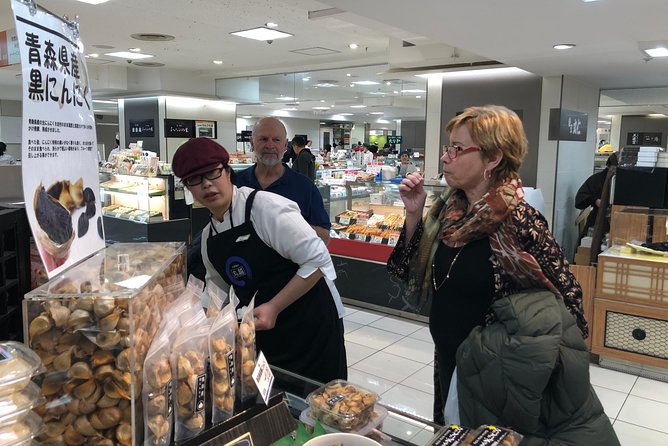
The tour starts at Ikebukuro Station and heads into the Seibu Ikebukuro Main Store. The first stop lasts about 45 minutes and centers on the department store food hall, often called a depachika.
Do not think of this as an ordinary supermarket. Tokyo’s department-store food halls are carefully presented showcases of Japanese and international food. You might find sweets arranged like small works of art, prepared dishes ready to take home, premium ingredients, and gift-friendly packages.
The point here is not to fill up. It is to sample and learn. You can get your bearings with Japanese food customs while your guide explains what is worth trying and why certain foods are presented as gifts.
This is also a smart first stop because it eases you into the day. You are indoors, near the station, and surrounded by choices. If you have never visited a Japanese department-store basement, the scene can be confusing at first. A private guide helps you read the displays and make choices without guessing.
The limitation is that a department-store food hall can feel polished and commercial. It will not give you the rough-edged neighborhood atmosphere found later in Jujo and Akabane. I see it as a short but worthwhile introduction, not the main event.
Jujo Ginza and Tokyo street food
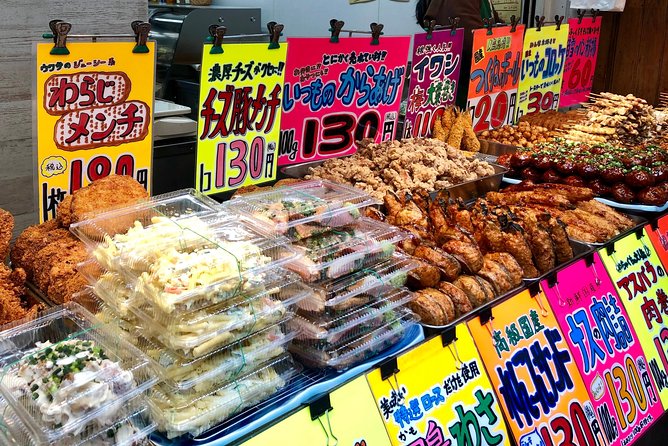
The longest daytime stop is Jujo Ginza Shopping Arcade, where you spend about two hours. Jujo’s traditional shoutengai, or local shopping street, offers a very different view of Tokyo from the glossy department stores and major sightseeing areas.
This is the part of the tour where you shop and snack alongside local daily life. The arcade is known as a good place for Tokyo street food, and your guide can help you choose items from the many small food businesses along the way.
You should expect a relaxed, informal experience rather than a seated meal. The pleasure comes from trying several things as you walk, seeing how the shops serve their neighborhood, and learning which foods are easy to miss if you do not know where to look.
I particularly like the contrast with Ikebukuro. In less than an hour, the food setting changes from department-store presentation to a traditional shopping street. That gives you a better sense of Tokyo’s variety than eating at three similar restaurants would.
The private format is helpful here. A fixed group can be slow to stop, crowded around a counter, or forced to follow one person’s appetite. With only your own party, you can ask questions, linger over a favorite snack, or adjust the pace within the tour’s schedule.
There is one practical point to keep in mind. A shopping arcade means walking and standing, with no promise that every food stop will have seating. Wear shoes you can comfortably use for several hours, and do not arrive after a large lunch.
Akabane after dark
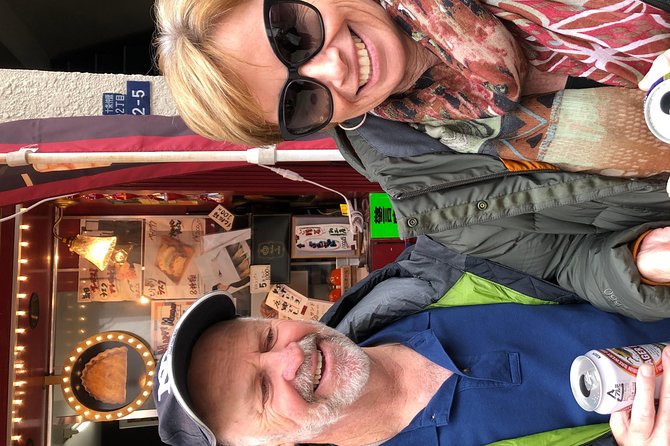
The final three hours take place in Akabane, ending at JR Akabane Station. This is the longest part of the experience and the point where the tour shifts from tasting to a full evening meal.
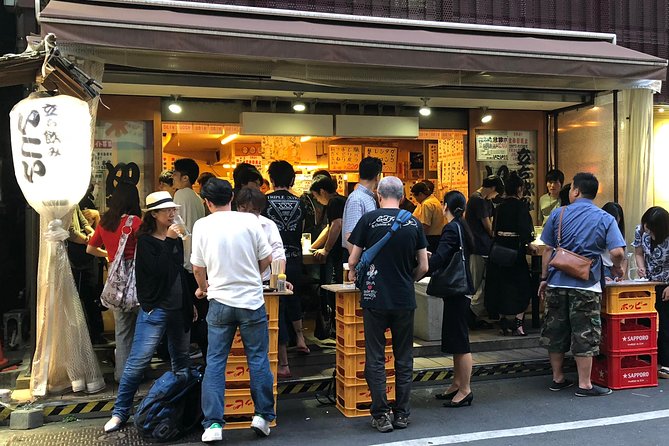
Akabane is known for its retro entertainment district, with lantern-lit alleys and tiny bars and izakayas. An izakaya is a casual Japanese drinking spot where people order several small dishes to share alongside beer, sake, or other drinks. It is one of the most useful settings for understanding how many people in Japan eat and socialize after work.
You receive dinner and alcoholic beverages here, along with the chance to visit local bars. The food is not treated as a separate course from the evening. Eating, drinking, talking, and moving between small places are part of the same experience.
This final section also gives the tour its strongest sense of place. Akabane is not presented as a grand attraction. Its appeal comes from the close-set bars, informal atmosphere, and everyday entertainment culture. You get away from the usual central Tokyo circuit without leaving the city.
Because the stops are in small bars and restaurants, the setting may not suit everyone. Smoking is allowed in bars and restaurants in Japan, and this experience is not recommended for pregnant women for that reason. If smoke bothers you, ask about the planned venues before booking.
The drinking age in Japan is 20. Anyone under 20 receives soft drinks instead of alcoholic beverages. Food and drinks are included, but the experience still works best when you are interested in the social side of Japanese dining, not just the food itself.
More Sake and Food Tours in Tokyo:
- Ramen and Sushi Cooking Class with Sake Pairing Set in Tokyo
★ 5.0 · 291 reviews - Sake Omakase in Tokyo: Guided Tasting by Certified Sommeliers
★ 5.0 · 239 reviews - Tokyo: The Best of Izakaya in Shinjuku Food & Cultural Tour
★ 4.9 · 221 reviews - [1 Group Only] Tokyo Shinjuku Food Tour for Family
★ 5.0 · 147 reviews
What the private guide adds
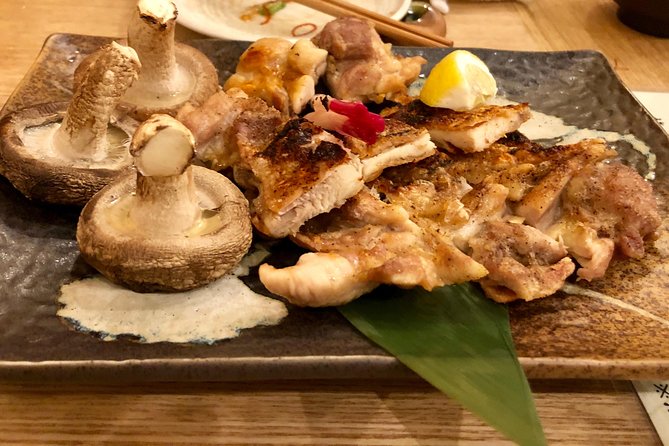
A private food outing is only worth the higher price if the guide improves the experience. Here, the value comes from having someone manage the route, explain unfamiliar food, and help you move through places that can be hard to approach on your own.
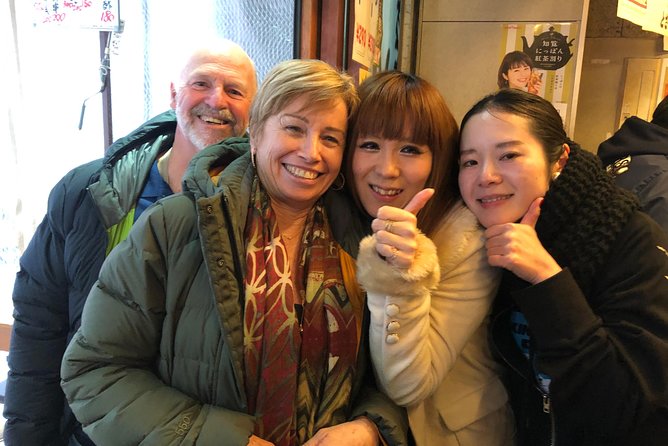
Simon is one of the named hosts connected with this experience. The tour begins with clear meeting instructions at Ikebukuro Station, and the private setup gives you one person to contact if you need help finding the starting point.
You also have room to express preferences. Specific dietary requirements should be provided when you book, and the tour is described as customizable. That does not mean every request can be guaranteed, but giving advance notice gives the guide a chance to plan around your needs.
The strongest guide-led benefit is access to ordinary places. You can certainly walk through Ikebukuro, Jujo, or Akabane independently. The harder part is knowing what to order, how much to buy, which small bar is suitable for your group, and how to connect the neighborhoods into a satisfying six-hour outing.
That is where the private fee earns its keep. You are paying for food and drinks, but also for judgment, pacing, translation help if needed, and a route that would take time to build yourself.
Is $247.45 per person fair?
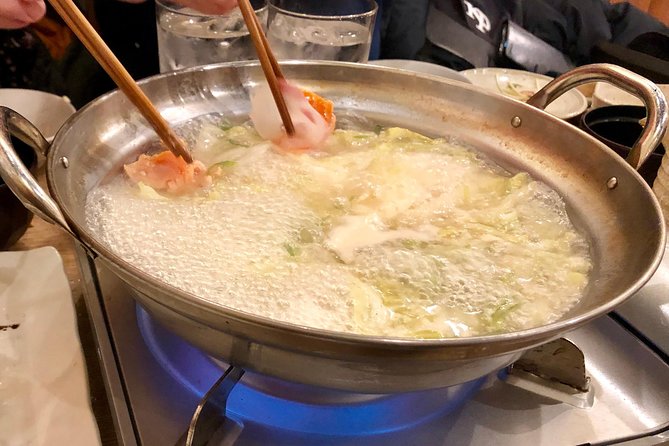
At $247.45 per person, this is not a bargain food crawl. It becomes easier to justify when you count what is included: a private guide, dinner, snacks, food samples, and alcoholic beverages across six hours.
You are also paying for a one-way route through three parts of Tokyo. Someone who wants a cheap introduction to Japanese snacks can spend much less by visiting a market or food hall alone. Someone who wants an organized evening, personal attention, and help entering local bars may find the price reasonable.
The amount of food matters. This is not three tiny tastings followed by an early finish. The schedule gives 45 minutes to the department store, two hours to Jujo, and three hours to Akabane. You should plan your appetite accordingly.
Group discounts are available, which may improve the value for families or friends booking together. Since the activity is private, the cost also depends on your group size and how much you value having the guide focused only on you.
I would compare it with the cost of arranging your own dinner, drinks, and taxis or trains between neighborhoods. Self-guided eating will usually be cheaper, but it requires research and leaves you to handle every decision. This experience is for convenience and local guidance, not the lowest possible bill.
Getting there and managing the six hours
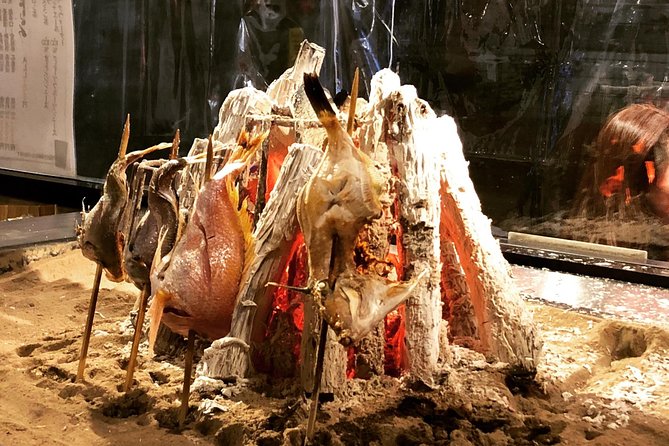
You meet at Ikebukuro Station, at 1 Chome-28 Minamiikebukuro, Toshima City. Hotel pickup and drop-off are not included, so you need to reach the station yourself.
Transportation to and from the attractions is also not included. The route ends at JR Akabane Station, where the guide drops you off. That one-way finish is useful if you plan to continue your evening in northern Tokyo, but less convenient if your hotel is elsewhere and you have luggage.
The published schedule is Monday from noon to 6 p.m. The activity information lists an operating period through February 20, 2027, but you should confirm the available date when booking.
The tour involves a moderate amount of walking, with time on foot in station areas, shopping streets, and entertainment alleys. Wear comfortable footwear and avoid carrying more than you need.
Mobile tickets are offered, and confirmation arrives when you book. Free cancellation is available if you cancel at least 24 hours before the start time. Changes or cancellations inside that window are not accepted for a refund.
Who will enjoy this food experience most?
I would recommend this tour to someone who:
- Wants food to be the main event of a Tokyo day.
- Likes moving through several neighborhoods instead of staying in one district.
- Is curious about local bars and izakayas but feels unsure about entering alone.
- Enjoys trying unfamiliar dishes and drinks.
- Values a private guide and the freedom to ask questions.
- Can comfortably walk and spend time standing.
- Is at least 20 if alcoholic drinks are important to the experience.
It is less suitable if you want a short tour, dislike alcohol-centered evenings, need a smoke-free setting, or prefer to control every purchase yourself. It may also feel too long if you are mainly interested in one type of Japanese food.
Families can participate, since soft drinks are served to those under 20, but parents should consider the late-day bar setting and the amount of walking. The tour is open to most participants, with dietary needs to be shared at booking.
My take: book it for the route, not just the meal
I would book this if I wanted a guided introduction to Tokyo’s less obvious food districts and did not want to spend an evening guessing my way through small bars. The route has a clear rhythm: polished depachika food, Jujo street snacks, then a long Akabane dinner and drinks session.
The best reason to choose it is the combination of three contrasting neighborhoods and private local guidance. You see more than a single dining district, and you get help turning unfamiliar food into a relaxed experience.
I would skip it if your priority is low cost, minimal walking, or famous Tokyo landmarks. For everyone else, especially food-focused visitors who want a social evening beyond the standard central Tokyo circuit, this is a well-planned six-hour commitment with a strong sense of place.
FAQ
Where does the tour start?
It starts at Ikebukuro Station, at 1 Chome-28 Minamiikebukuro, Toshima City, Tokyo 171-0022.
Where does the tour end?
The tour ends at JR Akabane Station. Your guide drops you off there after the experience.
How long does the experience last?
It lasts approximately six hours, from noon to 6 p.m. on the published Monday schedule.
Which neighborhoods does the tour visit?
It visits Ikebukuro, Jujo, and Akabane.
What food and drinks are included?
Food samples, snacks, dinner, and alcoholic beverages are included.
Are alcoholic drinks available to people under 20?
No. The legal drinking age in Japan is 20. Soft drinks are served to anyone under 20.
Is transportation included?
No. Hotel pickup and drop-off are not included, and transportation to and from the attractions is not included.
Is this a private tour?
Yes. Only your group participates, and the tour can be customized.
How much walking is involved?
A moderate amount of walking is involved. Comfortable footwear is recommended.
More Food Tours in Tokyo
- Wagyu Beef and Sake Pairing Foodie Tour in Tokyo
★ 5.0 · 71 reviews - Tokyo: 7 Kinds of Sake Tasting with Japanese Food Pairings
★ 4.9 · 37 reviews - Tokyo Ginza Authentic Food Tour (Izakaya Hopping by local guide)
★ 5.0 · 31 reviews - Sake & Food Pairing with Sake Professional
★ 5.0 · 28 reviews
More Private Sake Tours in Tokyo
- Private Tour: Tokyo’s Oldest Sake Brewery and Riverside Walk
★ 5.0 · 25 reviews - Private Tokyo Food Tour – Retro Akabane Izakaya Experience
★ 5.0 · 14 reviews - Tokyo Sake Tour with a Local Guide, Private & Tailored to Your Taste
★ 4.0 · 12 reviews - Private Bar Hopping Tour in Shinjuku, Tokyo
★ 4.5 · 10 reviews
Just added around Tokyo
- Tokyo: Serene Sakura & Sake: An Exclusive Brewery Pairing Lunch★ 5.0 · 2 reviews
- Tokyo Sake Tasting Tour with a Sake Expert★ 5.0 · 7 reviews
- Wagyu BBQ & Sukiyaki with Sake Pairing Experience near Ginza★ 5.0 · 2 reviews
- Japanese Sake Tasting & Wagyu Sukiyaki Cooking Class in Tokyo★ 5.0 · 10 reviews
- Tokyo Izakaya crawl (A tour of 2 izakayas, 1 bar, and a shrine)★ 5.0 · 8 reviews
- Shinjuku Underground Nightlife Tour: Izakaya Food & Bar Hopping★ 5.0 · 11 reviews
- Private Tokyo Food Tour – Retro Akabane Izakaya Experience★ 5.0 · 14 reviews
- Tokyo: Learn the Art of Chopsticks in a Cozy Izakaya!★ 5.0 · 2 reviews
Tokyo Sake Tours, compared.
Best of Shinjuku: Izakaya Food Tour (4 Stops, 14+ Tastings)
Read our review →
Tokyo: Shinjuku Local Bar and Izakaya Guided Walking Tour
Read our review →
Ramen and Sushi Cooking Class with Sake Pairing Set in Tokyo
Read our review →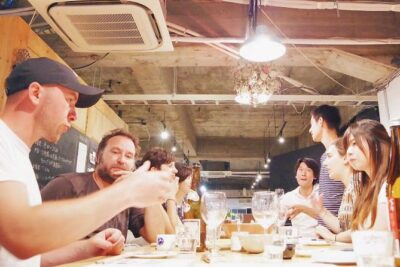
Sake Tasting Masterclass in Shinjuku (8+ Varieties with a Pro)
Read our review →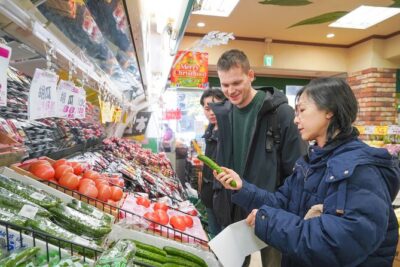
Tokyo Washoku 4-hour Cooking Class: From Market to Table
Read our review →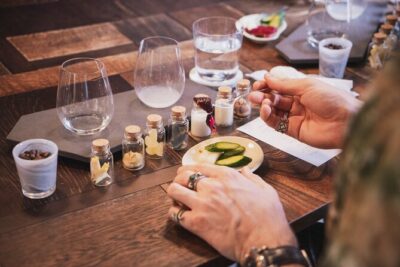
Sake Omakase in Tokyo: Guided Tasting by Certified Sommeliers
Read our review →Browse the lists this tour appears in