
REVIEW · TOKYO SAKE TOURS
Tokyo: Shinjuku Local Bar & Izakaya Crawl Tour
Tokyo’s nightlife is easiest to enjoy when someone else handles the first awkward steps. This crawl leads you through Omoide Yokocho, Kabukicho, and Golden Gai, where tiny bars, lantern-lit alleys, and neon streets make Shinjuku feel far removed from daytime Tokyo. Your guide helps with ordering and explains local customs.
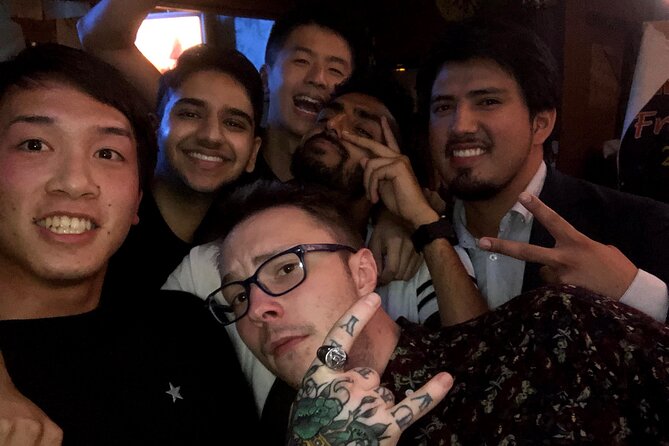
I like the chance to visit places you might not enter alone, and I like the social setup for solo visitors or couples who want company. Guides such as Rika, Nao, Ken, Yoshi, Miyabi, and Shota have been praised for making shy groups loosen up. The main catch is cost: the $39.79 booking price excludes food and drinks, and some stops may add fixed charges of about 2,000 yen per person.
Key points before you book
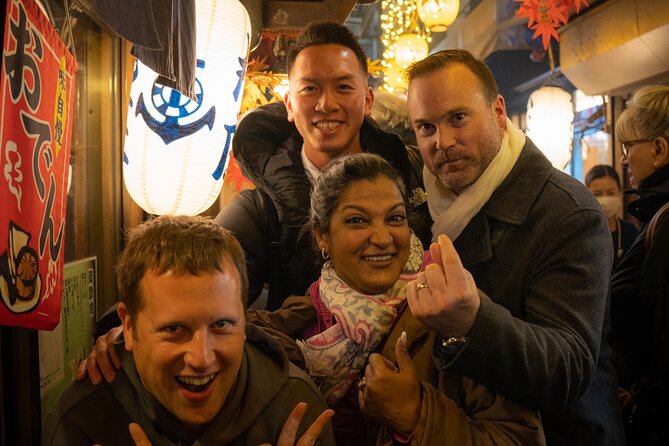
- Omoide Yokocho starts the night with food and drinks in a narrow, lantern-lined alley near Shinjuku Station.
- Kabukicho provides the city-night backdrop, including neon streets and a look at Tokyo’s famous entertainment district.
- Golden Gai is the atmospheric finale, with hundreds of small bars packed into a compact area.
- Your guide helps with Japanese ordering and local etiquette, a real advantage in tiny venues.
- The group can reach up to 15 people, though some departures are much smaller.
- Karaoke often appears at the final stop, but the exact bars, drinks, and activities can change.
Why this Shinjuku night works for first-time visitors
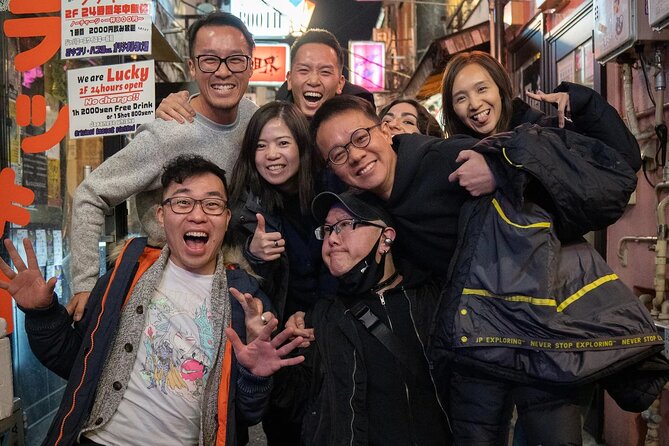
Shinjuku can be confusing after dark. The station has many exits, Kabukicho has streets that look alike, and Golden Gai is a maze of narrow lanes filled with bars that may have limited space. Add a language barrier and the simple act of choosing a place for a drink can become a guessing game.
This tour gives you a local guide, a fixed meeting point, and a three-hour route. You meet in front of Kitakata Ramen Bannai Omoide Yokocho Branch, with the B15 exit of Shinjuku Station listed as the closest station exit. From there, you walk between venues rather than spending the evening trying to work out where to go next.
I see the biggest benefit as confidence. You can pay attention to the food, drinks, people, and streets instead of worrying about whether a small bar welcomes foreign visitors. The guide also helps explain what is happening around you, which makes the evening more than a simple pub crawl.
The social side is just as important. Several participants describe meeting people from the United States, Canada, Britain, Germany, and other countries, then continuing the evening together after the official tour. If you are traveling alone, this may be the easiest way to find company for a night in Tokyo.
More Izakaya and Bar Hopping in Tokyo:
- Best of Shinjuku: Izakaya Food Tour (4 Stops, 14+ Tastings)
★ 5.0 · 1,863 reviews - Tokyo: Shinjuku Local Bar and Izakaya Guided Walking Tour
★ 4.9 · 1,794 reviews - Shibuya: Local Bar & Izakaya Crawl
★ 4.9 · 354 reviews
Starting in Omoide Yokocho
Omoide Yokocho is a strong place to begin because it feels intimate and distinctly different from the broad streets around Shinjuku Station. The passage is lined with small eateries and izakaya, many marked by paper lanterns and compact counters. It is not a polished restaurant district. That is precisely the appeal.
Your first stop may be in Omoide Yokocho or in Shinjuku Kabukicho, depending on the evening’s plan. The first venue generally includes food as well as drinks, giving you a chance to settle in before the walking and bar visits continue.
Expect to sit down rather than make a quick stop for one drink. This matters because one dissatisfied participant expected rapid visits, but the format is closer to eating and drinking at each venue before moving on. If you want a fast tasting route, this may feel slow. If you want a proper introduction to izakaya food, the seated format makes more sense.
The menu is not fixed in the information provided, so you choose your own food and drinks. Your guide helps with ordering, which is useful when you are looking at unfamiliar dishes or deciding how much to order. Guides have been praised for making the first stop relaxed and inclusive, especially when they introduce everyone at the beginning.
Walking through Kabukicho after dark
After the first izakaya, the group walks through Kabukicho and pauses for photographs. Kabukicho is Tokyo’s best-known red-light and entertainment district, filled with signs, restaurants, bars, karaoke venues, and late-night activity.
The guide’s role here is not only to get you from one bar to the next. You receive explanations about the district and its place in Tokyo nightlife. You also get a chance to see the Godzilla building, a detail one participant particularly wanted to find.
Keep your expectations realistic. This is a walking and drinking tour, not a formal sightseeing visit with long historical talks. The Kabukicho portion is a short introduction as you move through the area. It works best as context for the bars rather than as a separate attraction.
The group size can reach 15 people. That is still manageable on city streets, but a large group can make it harder to hear the guide, especially in busy areas. One person had trouble finding the guide at the start because there was no sign, so save the meeting details carefully and arrive early. A mobile ticket is provided, but it is wise to keep your phone ready and confirm the exact meeting point before leaving your hotel.
Golden Gai and the small-bar experience
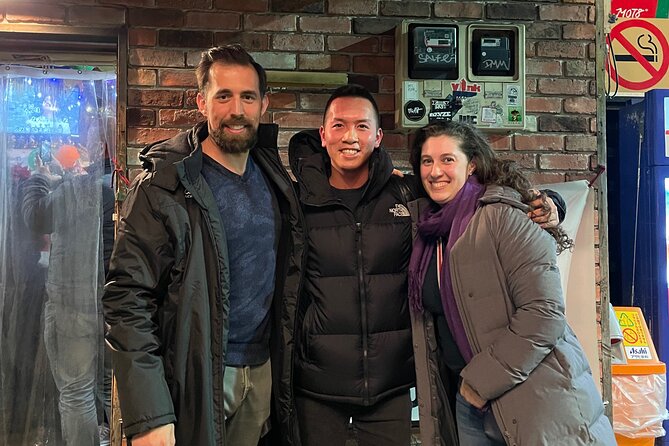
Golden Gai is the most distinctive part of the route. Hundreds of small bars fill a tight network of lanes, with each doorway leading to a different atmosphere. Some spaces are so compact that the idea of a large open pub does not apply. You are entering a neighborhood of small drinking rooms, not a standard bar district.
The tour promises access to a bar in Golden Gai that does not accept general visitors. That can be valuable because the area may feel difficult to enter without local guidance. A guide can help you understand where the group is welcome and how to behave in a small Japanese bar.
Several itineraries described by participants include a sake tasting at this stage. One group received a six-sake flight, while other evenings included a sake bar followed by karaoke. The exact drinks and venue plan can vary, so do not book this expecting one guaranteed sake menu.
Golden Gai is also where group behavior matters most. A crowded group of foreign visitors can quickly become too loud for a small bar. One particularly dramatic account describes a group being asked to leave a sake venue after becoming rowdy. The details of that evening were unusual, but the useful lesson is simple: keep your voice down, follow the guide, and remember that Japanese drinking rooms may have a very different social tone from a loud bar at home.
More Sake Tours with a Local Guide in Tokyo:
- Tokyo: Shibuya Local Bar & Izakaya Crawl Tour
★ 5.0 · 218 reviews - Tokyo: Shinjuku Local Bar Hopping Walking Tour
★ 5.0 · 186 reviews - Tokyo Wagyu & Sake Pairing Tasting Experience with Local Flavors
★ 5.0 · 108 reviews - Tsukiji Market Eating Tour, Authentic Sushi & Sake Comparison
★ 5.0 · 52 reviews
Karaoke may be the final stop
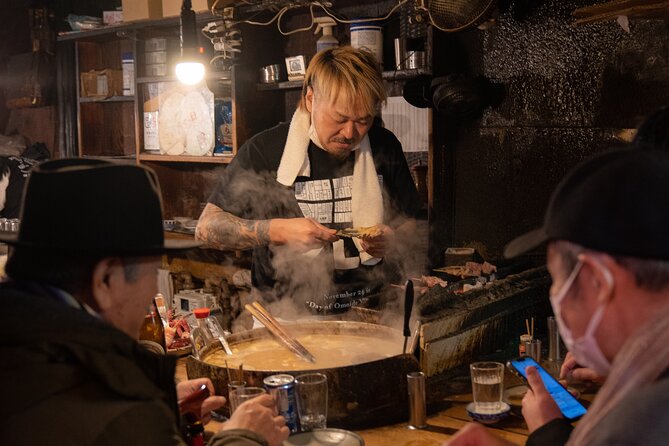
Karaoke appears often in the evening plans and is one of the most praised parts of the experience. The final stop may include karaoke with drinks, and one account describes an hour of unlimited drinks. Other participants describe singing with the group and continuing for several hours after the tour ended.
This is not the right tour if you want to avoid singing at all costs. At the same time, you are not forced to perform. One couple did not care for karaoke, and the guide respected that choice. You can join in, listen, or simply enjoy the group atmosphere.
Guides can shape this part of the night. Shota reportedly started the singing, which helped remove the awkward pause at the beginning. Kota was described as highly energetic, though one account clearly took the situation to comic extremes. The practical point is that the guide may help set the tone, but your own group will determine whether karaoke feels relaxed or loud.
If you like meeting people quickly, karaoke is useful because it breaks down formal introductions. If you prefer quiet conversation, the last stop may feel less comfortable than the izakaya or sake bar.
Guides make the difference
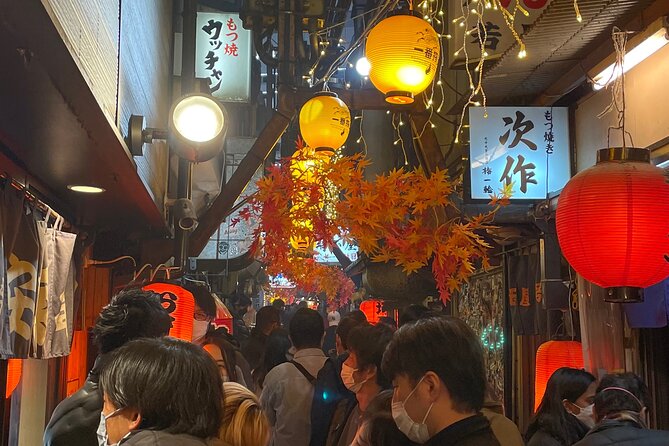
The guide roster appears to change, so you should not assume one particular person will lead your departure. Names praised for friendly, social hosting include Rika, Nao, Ken, Yoshi, Miyabi, Shota, Akari, Kota, Riki, Tamara, Arm, Yutoshi, and Love.
The strongest pattern is personal attention. Guides are described as helping with ordering, introducing people, explaining local culture, and including quieter members of the group. One guide contacted the group several hours before the start to confirm the meeting point and did not make an issue of a short delay.
English ability also matters here. You are not simply paying someone to point out bars. You are paying for help in places where menus, house rules, and conversation may not be obvious. The most useful guide will explain what you are ordering and how the venue works without turning the night into a lecture.
Quality can vary by individual guide and by group. A lively host can make three hours fly by. A quiet or less organized host may leave you feeling that you could have found the bars yourself. The high overall rating of 4.9 from 890 reviews and a 96 percent recommendation rate suggest strong consistency, but no nightlife group experience is identical.
What the $39.79 price really covers
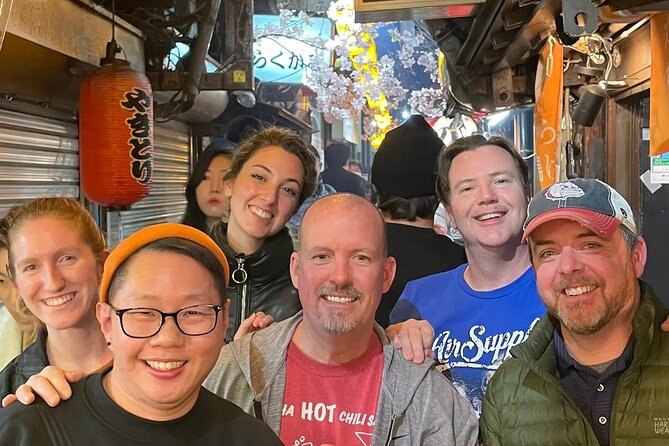
The listed price is $39.79 per person. That covers the English-speaking guide, walking tour, admission fees for each venue, and photos taken during the tour. It does not cover food or drinks.
That makes the price reasonable if you value guidance and access more than a cheap night out. You are paying for a local route, language help, group introductions, and the chance to enter places you might skip on your own. The photos are a useful extra, especially if you are busy ordering and do not want to take pictures all evening.
You still need a separate food and drink budget. One participant described an additional fixed cost of around 2,000 yen per person at each location, which can feel expensive if you drink little. Since venue arrangements can vary, ask the guide how charges work at the start of the evening.
The package is best value for someone who wants several stops and plans to eat and drink. It is less attractive if you only want one beer, dislike karaoke, or already feel comfortable choosing small bars in Shinjuku.
Group size, pace, and practical comfort
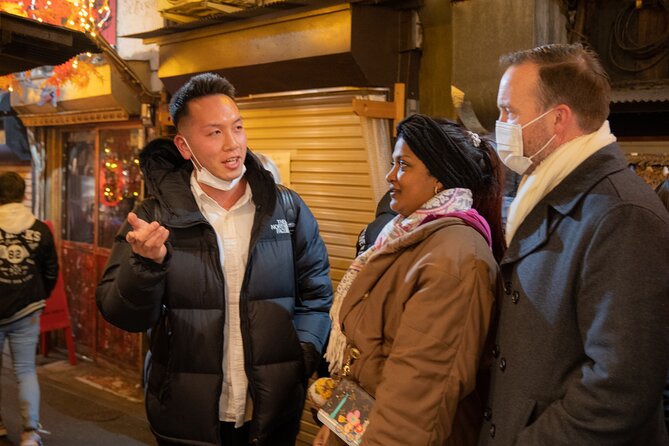
The maximum group size is 15 people, though several accounts describe smaller groups of five or similarly modest numbers. A small group gives you more time to speak with the guide and makes moving through narrow lanes easier. A full group can be lively, but it may be harder to hear explanations and keep everyone together.
The experience lasts about three hours. The official finish is in Kabukicho, but some groups have continued together afterward. Do not assume the tour will extend beyond its scheduled time, and do not rely on an unofficial late finish when planning your return.
Most visitors can participate, and the meeting area is close to public transportation. You should still wear comfortable shoes because the evening involves walking between districts and standing or sitting at several venues. The start and end points are different, so plan from Kabukicho rather than expecting to return to the station exit where you began.
Free cancellation is available if you cancel at least 24 hours before the local start time. Changes or cancellations made later are not accepted for a refund.
Who will enjoy this night most
I would recommend this experience to a solo visitor who wants an easy social evening, a couple who wants help entering local bars, or a small group that wants a guide for its first night in Shinjuku.
It suits people who enjoy:
- Trying Japanese food and sake without choosing every venue alone
- Meeting people from several countries
- Learning basic nightlife customs from a local host
- Walking through Kabukicho and Golden Gai after dark
- Joining karaoke or watching the group take over the microphone
I would be more cautious if you are a light drinker, want complete control over the menu, or prefer a quiet cultural tour. Food and drinks are extra, the venue charges may add up, and the social mood can become loud. The route is also not a good fit if you expect a short stop at each bar rather than sitting down at each venue.
Should you book the Shinjuku bar crawl?
Book it if you want a friendly introduction to Tokyo nightlife and would rather have a local guide lead you into the narrow lanes than make your own choices from a map. The strongest features are the guide support, the chance to see Omoide Yokocho and Golden Gai in one evening, and the easy way the group forms around food, sake, and karaoke.
Skip it if the extra food and drink costs will bother you, or if you want a quiet night with no pressure to socialize. Before you begin, confirm the meeting point, ask about expected venue charges, and tell the guide if you do not want karaoke or heavy drinking.
For the right person, this is less about checking off bars and more about getting past the first barrier to Tokyo nightlife. You arrive at unfamiliar doors with someone who knows where to go, how to order, and when to keep the group’s volume down.
FAQ
How long does the Shinjuku bar crawl last?
The experience lasts approximately three hours.
What areas does the tour visit?
The route includes Omoide Yokocho or Shinjuku Kabukicho, a walk through Kabukicho, and Shinjuku Golden Gai. The exact first venue can vary.
Where does the tour start?
The meeting point is in front of Kitakata Ramen Bannai Omoide Yokocho Branch at 1-chōme-2-8 Nishishinjuku, Shinjuku City. The closest Shinjuku Station exit is listed as B15.
Where does the tour finish?
The bar crawl finishes in Shinjuku Kabukicho, Shinjuku City.
Are food and drinks included in the price?
No. Food and drinks are not included. The booking price covers the guide, walking tour, venue admission fees, and photos during the experience.
Is karaoke part of the tour?
Karaoke is often included as a final stop, but the exact venues and activities can vary. You can choose not to sing.
How many people can join the group?
The tour has a maximum of 15 participants. Some departures may have fewer people.
Can I cancel for a full refund?
Yes, if you cancel at least 24 hours before the experience start time. Cancellations or changes made less than 24 hours before the start are not accepted for a refund.
Just added around Tokyo
- Tokyo: Serene Sakura & Sake: An Exclusive Brewery Pairing Lunch★ 5.0 · 2 reviews
- Tokyo Sake Tasting Tour with a Sake Expert★ 5.0 · 7 reviews
- Wagyu BBQ & Sukiyaki with Sake Pairing Experience near Ginza★ 5.0 · 2 reviews
- Japanese Sake Tasting & Wagyu Sukiyaki Cooking Class in Tokyo★ 5.0 · 10 reviews
- Tokyo Izakaya crawl (A tour of 2 izakayas, 1 bar, and a shrine)★ 5.0 · 8 reviews
- Private Tokyo Food Tour – Retro Akabane Izakaya Experience★ 5.0 · 14 reviews
- Tokyo: Learn the Art of Chopsticks in a Cozy Izakaya!★ 5.0 · 2 reviews
- Shinjuku Underground Nightlife Tour: Izakaya Food & Bar Hopping★ 5.0 · 11 reviews
Tokyo Sake Tours, compared.
Best of Shinjuku: Izakaya Food Tour (4 Stops, 14+ Tastings)
Read our review →
Tokyo: Shinjuku Local Bar and Izakaya Guided Walking Tour
Read our review →
Ramen and Sushi Cooking Class with Sake Pairing Set in Tokyo
Read our review →
Sake Tasting Masterclass in Shinjuku (8+ Varieties with a Pro)
Read our review →
Tokyo Washoku 4-hour Cooking Class: From Market to Table
Read our review →
Sake Omakase in Tokyo: Guided Tasting by Certified Sommeliers
Read our review →
Tokyo: The Best of Izakaya in Shinjuku Food & Cultural Tour
Read our review →Browse the lists this tour appears in