
REVIEW · TAKAYAMA SAKE TOURS
Takayama: Authentic Sake Tasting at a Historic Brewery
Takayama’s sake story starts with two things you can understand at once: cold winters and pure mountain water. This short visit brings those local advantages into focus inside a historic brewery, then lets you taste five local sakes with an English-speaking guide. It is a neat way to turn a drink into a piece of place.
I like the small time commitment, since 30 minutes can fit before lunch, between sights, or at the end of a walking day. I also like the clear tasting format, which helps you compare aroma, flavor, and texture instead of simply sipping a few anonymous glasses. The main consideration is that this is a quick introduction, not a long brewery tour with extensive production-floor access.
Key points at a glance
- Taste five local sakes: The tasting gives you a useful range for comparing styles and qualities.
- Step into a historic brewery: You learn about Takayama’s brewing tradition in a working local setting.
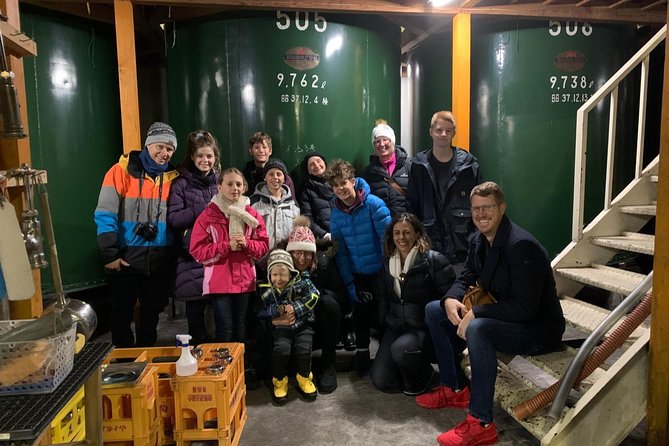
- Hear from an English-speaking host: Guide Takumi has been praised for explaining the process with warmth, humor, and clarity.
- Understand the local advantage: Cold winters, clean mountain water, and generations of craft all play a part.
- Plan around a short visit: The official duration is 30 minutes, though the session may run a little longer.
- Arrive early: Find the Tours & Activities sign and get there 5 to 10 minutes before your start time.
Why Takayama became a sake town
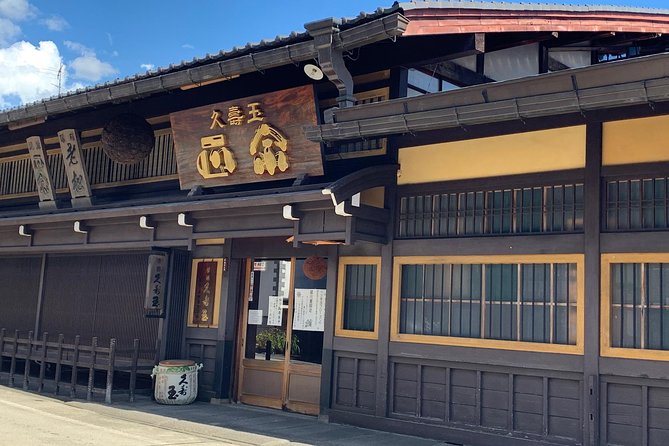
Takayama is not simply a pretty mountain city where sake happens to be sold. More than 300 years ago, it had over 50 sake breweries. Only a few remain today, which makes a visit to one of the historic producers feel more meaningful than a standard bar tasting.
The local conditions help explain the tradition. Takayama has cold winters, and low temperatures are useful during sake production. The area also has pure mountain water, a key ingredient because sake is made mostly from water. Add long-held brewing skills, and you have the basic reasons the town earned respect for its sake.
You will hear this background early in the visit. That context matters because it gives you something to look for in the glass. Instead of treating each sake as just sweet, dry, strong, or light, you can connect the drink to the place where it was made.
The experience does not try to cover every part of Japanese sake culture. Its strength is narrower and more practical: it shows you why Takayama developed as a brewing center, then gives you a chance to taste the result.
More Sake and Temple Tours in Japan:
- 1-Day Snow Monkeys, Zenko-ji Temple & Sake in Nagano
★ 5.0 · 1,020 reviews - Nagano: Snow Monkeys, Zenkoji Temple & Sake Day Trip
★ 4.9 · 833 reviews - Private Nagano 1-Day Tour:Snow Monkeys,Zenko-ji,Obuse,Sake,Onsen
★ 5.0 · 71 reviews
Entering the historic brewery
The meeting point is in front of the Tours & Activities sign board. The directions also ask you to search for happyplus in Google Maps, so check your route before setting out. You are responsible for getting to the meeting point, since hotel pickup, drop-off, and transportation are not included.
Arrive 5 to 10 minutes early. This matters more than it might on a casual bar visit. The session has a short schedule, and a late arrival can cut into the explanation or mean the full experience cannot be guaranteed.
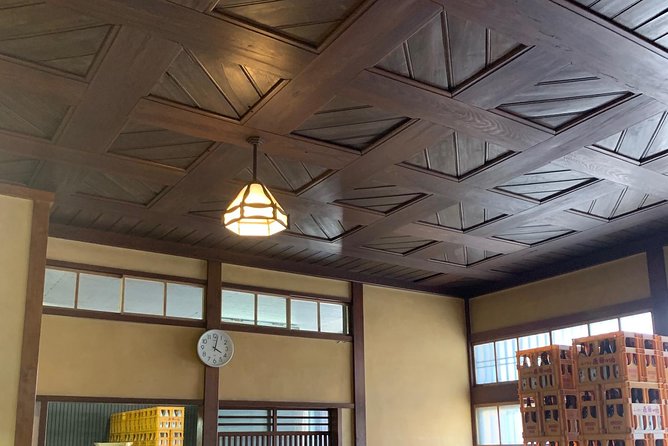
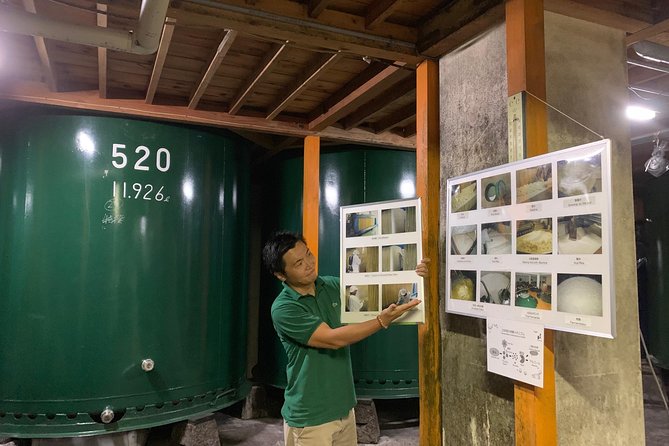
Once inside, the setting does some of the teaching for you. A historic brewery connects the tasting to the town’s past and present in a way a hotel meeting room cannot. The supplied details do not promise a full production-floor tour, so I would think of this as a brewery visit with an educational tasting, not a long behind-the-scenes inspection.
That distinction helps set the right expectations. If you want an hour or more of detailed brewing machinery, extensive fermentation-room access, or a large food pairing, this is probably too brief. If you want to step inside a real local brewery and understand the basic craft, the setting should feel well chosen.
A clear lesson on how sake is made
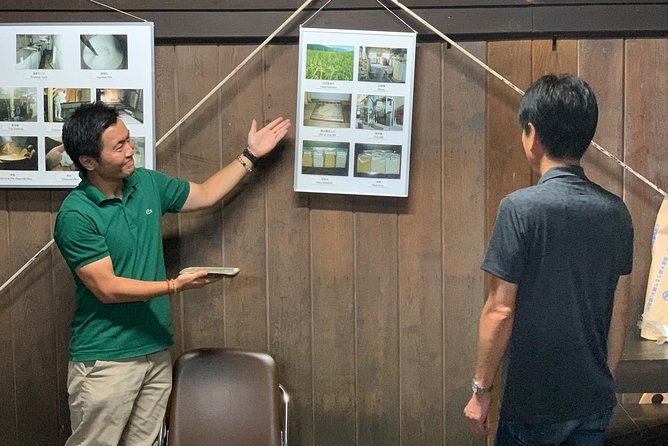
The guide explains sake from its main ingredients through fermentation and the regional qualities that affect the finished drink. The format is designed for beginners, but experienced sake drinkers can still use it to organize what they already know.
You can expect the explanation to cover:
- The basic ingredients used in sake
- How fermentation shapes the drink
- Why water matters so much
- How Takayama’s climate supports brewing
- How local methods and traditions influence flavor
The best part of a short lesson like this is that it gives you a vocabulary for the tasting. You are not expected to become a sake expert in half an hour. You are simply given enough information to notice differences with more confidence.
Guide Takumi has received particular praise for making the subject friendly and easy to follow. His approach, as described in the available feedback, mixes useful information with charm and humor. One account also described the explanation of sake’s history and production as both fun and approachable.
The language is normally English. If you need Chinese, Italian, or French, contact the provider in advance rather than assuming another language will be available on the day.
Comparing five local sakes
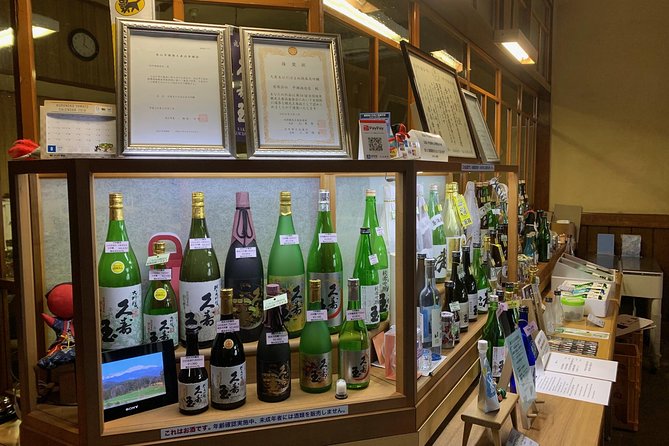
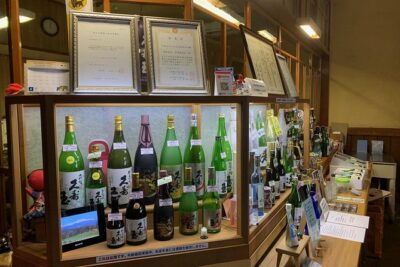
The tasting is the heart of the visit. You are scheduled to sample five local sakes, selected to help you compare different qualities, aromas, flavors, and textures.
That number is about right for a short session. One or two samples would not give you much sense of range. Ten or more would turn the visit into a drinking event and leave little time for explanation. Five lets you notice contrasts without making the tasting feel rushed.
Pay attention to how each sake feels, not only how it tastes. You might notice a different aroma before you take a sip, then a change in sweetness, dryness, weight, or finish. The guide’s role is to help you recognize those differences and explain what they may tell you about the sake.
The tasting is also a useful antidote to the idea that all sake tastes alike. Local selections can show different styles, and a sake that seems too dry or too mild at first may make more sense beside another example.
One important detail is that a recent account described tasting seven sakes rather than five. The advertised format is five, so plan on five and treat any additional samples as a possible variation, not a promise. The exact selection can depend on the day and the flow of the visit.
Do not expect a full meal. The information describes a guided sake tasting, not a lunch or dinner with a formal food-pairing course. If you need food before drinking, plan that separately.
More Sake Brewery Tours in Japan:
- 3-Hour Kyoto Insider Sake Brewery Tour with Tastings & Pairings
★ 5.0 · 917 reviews - Kyoto: Insider Sake Brewery Tour with Sake and Food Pairing
★ 5.0 · 704 reviews - Kyoto Sake Brewery & Tasting Walking Tour
★ 5.0 · 623 reviews - KOBE Sake Tasting Tour at Breweries (tasting fee included)
★ 5.0 · 154 reviews
What the tasting can teach a first-time drinker
This experience is especially useful if you have never tasted sake in a structured way. A shop shelf can be confusing, with labels and terms that mean little without context. Here, you can ask questions while trying several local examples side by side.
I would suggest paying attention to three simple points:
- Aroma: Notice whether one sake smells light, fruity, earthy, sharp, or mild compared with the next.
- Flavor: Look for differences in sweetness, dryness, and overall strength.
- Texture: Consider whether the sake feels clean, soft, full, or crisp in your mouth.
You do not need specialist knowledge to enjoy the tasting. The guide explains the process in plain terms, and the short format keeps the lesson from becoming heavy.
Experienced sake drinkers may find the visit less useful if they already know Takayama’s producers and have spent time tasting local styles. Even then, the historic brewery setting and local focus can add context that a generic sake bar cannot.
The available feedback gives a good sense of the teaching style. Carol from the United Kingdom described the guide as informative and fun, while Zuzanna from Poland praised the way the history and production process were explained. Those comments point to the experience’s strongest feature: it treats education as part of the pleasure, not as a lecture placed before the tasting.
Is $51 a fair price for 30 minutes?
At $51 per person, this is not a bargain if you judge it only by the volume of sake or the clock. Thirty minutes is short, and you are paying more than you would for a few casual pours at a bar.
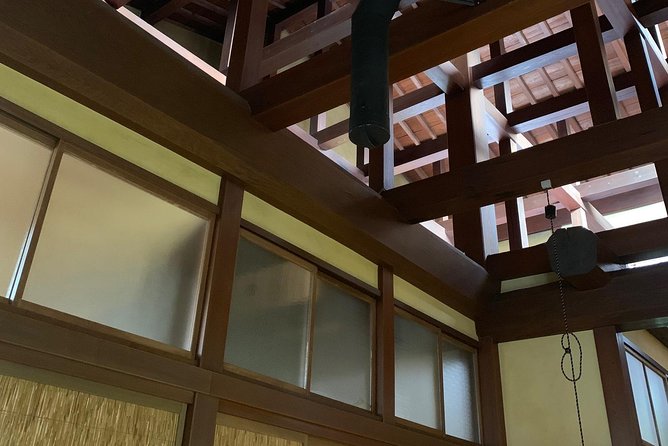
The value becomes clearer when you count what is included. You receive entry to a historic local brewery, an English-speaking guide, an explanation of Takayama’s brewing culture, and a guided tasting of five local sakes. You are paying for access, interpretation, and comparison, not just alcohol.
I see it as a good fit for a visitor who wants a focused cultural stop and does not want to commit to a long tour. It can also help you decide what kinds of sake to seek out later in Japan. That practical benefit matters: a short guided tasting can make the rest of your food and drink choices less intimidating.
The price may feel high if your main goal is simply to drink sake cheaply. It may also feel high if you expect a large meal, extensive brewery access, or a full afternoon program. Those are not part of the stated experience.
Free cancellation up to 24 hours before the start and the reserve-now, pay-later option make it easier to fit the visit into a changing schedule. These policies do not change the length of the activity, but they reduce some of the risk when you are planning around trains, weather, or other Takayama sights.
Fitting the visit into a Takayama day
The short length is one of the experience’s biggest practical advantages. You can place it between sightseeing stops without giving up half a day.
A morning session could work before a longer walk or another scheduled activity. An afternoon visit could provide a quiet pause after exploring town. A later start may also make sense if you want to enjoy the tasting as part of an evening food plan, though you should follow the confirmed start time and arrive early.
The experience takes place rain or shine. Since you are not relying on outdoor scenery, poor weather does not remove the main value of the visit. You still need to reach the meeting point, so allow extra time in bad conditions.
There is no hotel transportation. That keeps the arrangement simple, but it means you need to manage the route yourself. Search for happyplus in Google Maps and look for the Tours & Activities sign board. Do not leave this until the last minute, particularly if you are unfamiliar with Takayama.
The stated duration is 30 minutes, but the visit may extend slightly depending on how the tasting unfolds. Avoid booking another activity immediately afterward. A small buffer is sensible, especially if you want to ask questions or the session runs past its listed time.
Who should book this sake tasting?
I would recommend it most strongly to:
- First-time sake drinkers who want guidance
- Visitors with only a short window in Takayama
- People interested in local food and drink traditions
- Couples or friends looking for a compact cultural activity
- Experienced sake drinkers who want a Takayama-specific tasting
- Anyone curious about how climate and water affect a regional drink
It is less suitable if you are under 20, since Japan’s legal drinking age is 20. The information also lists the experience as not suitable for people under 20. Children and younger participants may be allowed to join in some circumstances, but they cannot take part in the sake tasting, so confirm the arrangement before booking if that applies to your group.
You should also think about your drinking plans for the rest of the day. Five samples can be more than enough for a short tasting, even if each pour is modest. Make sure you have eaten appropriately and plan your next activity sensibly.
A passport is required. Bring it rather than assuming another form of identification will be accepted.
Should you book it?
Book this experience if you want a short, place-based introduction to sake and value a real brewery setting over a long tour. The mix of Takayama’s brewing background, five local samples, and a guide such as Takumi gives you more than a simple drink stop.
Skip it if you want a full brewery production tour, a large meal, or several hours of detailed sake study. At 30 minutes, this is a compact lesson and tasting. Its success depends on the quality of the explanation and your interest in comparing local styles.
For most visitors, I see it as a useful addition to a Takayama itinerary, especially on a busy day when a longer tour would be hard to fit in. Arrive early, keep your expectations focused, and treat the tasting as a way to understand the town through its most distinctive drink.
FAQ
How long does the sake tasting last?
The stated duration is 30 minutes. The visit may run slightly longer depending on how the tasting proceeds.
How many sakes will I taste?
The experience includes a guided tasting of five local sakes. The exact number may vary, as one recent session included seven samples.
Is the experience conducted in English?
Yes. Tours are normally conducted in English with a live English-speaking guide.
Can I request another language?
You should contact the provider in advance if you need Chinese, Italian, French, or another language.
Where is the meeting point?
Meet in front of the Tours & Activities sign board. Search for happyplus in Google Maps to help locate the meeting point.
Is transportation included?
No. Hotel pickup, hotel drop-off, and transportation to and from the meeting point are not included.
How early should I arrive?
Arrive 5 to 10 minutes before the scheduled start time. A late arrival may affect the itinerary, and the full experience may not be guaranteed.
Can people under 20 join?
People under 20 are not permitted to take part in the sake tasting. The activity is listed as not suitable for people under 20, so check with the provider if someone younger is in your group.
Does the tour run in bad weather?
Yes. The experience takes place rain or shine.
Is a passport required?
Yes. You need to bring your passport.
More Sake Tours with a Local Guide in Japan
- Tokyo: Shinjuku Local Bar and Izakaya Guided Walking Tour
★ 4.9 · 1,794 reviews - Tokyo: Shinjuku Local Bar & Izakaya Crawl Tour
★ 5.0 · 890 reviews - Shibuya: Local Bar & Izakaya Crawl
★ 4.9 · 354 reviews - Kyoto: Insider Sake Experience with 7 Tastings and Snacks
★ 5.0 · 266 reviews
More Sake Tastings in Japan
- Best of Shinjuku: Izakaya Food Tour (4 Stops, 14+ Tastings)
★ 5.0 · 1,863 reviews - 1.5-Hour Kyoto Insider Sake Experience with 7 Tastings & Pairings
★ 5.0 · 297 reviews - Ramen and Sushi Cooking Class with Sake Pairing Set in Tokyo
★ 5.0 · 291 reviews - Sake Tasting Masterclass in Shinjuku (8+ Varieties with a Pro)
★ 5.0 · 271 reviews
Just added around Japan
- Tokyo: Serene Sakura & Sake: An Exclusive Brewery Pairing Lunch★ 5.0 · 2 reviews
- Tokyo Sake Tasting Tour with a Sake Expert★ 5.0 · 7 reviews
- Wagyu BBQ & Sukiyaki with Sake Pairing Experience near Ginza★ 5.0 · 2 reviews
- Japanese Sake Tasting & Wagyu Sukiyaki Cooking Class in Tokyo★ 5.0 · 10 reviews
- Tokyo Izakaya crawl (A tour of 2 izakayas, 1 bar, and a shrine)★ 5.0 · 8 reviews
- Private Tokyo Food Tour – Retro Akabane Izakaya Experience★ 5.0 · 14 reviews
- Tokyo: Learn the Art of Chopsticks in a Cozy Izakaya!★ 5.0 · 2 reviews
- Shinjuku Underground Nightlife Tour: Izakaya Food & Bar Hopping★ 5.0 · 11 reviews
Takayama Sake Tours, compared.
Takayama: Authentic Sake Tasting at a Historic Brewery
Read our review →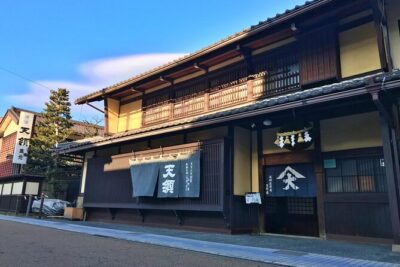
Private Sake Brewery Visit and Tasting Tour in Hida
Read our review →
Takayama Local Cuisine, Food & Sake Cultural Tour with Government-Licensed Guide
Read our review →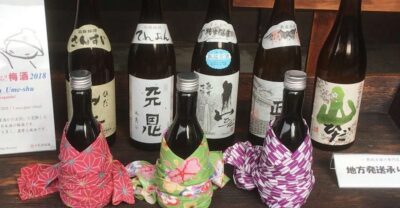
Sake Tasting: Educational Tour of Six Takayama Breweries
Read our review →
EXPERIENCE TAKAYAMA & LOCAL SAKE TASTING with explanation 1 HOUR!
Read our review →
Browse the lists this tour appears in