

REVIEW · KYOTO SAKE TOURS
Kyoto: Insider Sake Brewery Tour with Sake and Food Pairing
Fushimi is one of Japan’s great sake districts, but this tour is about more than taking a quick drink at a brewery counter. You’ll learn how rice polishing, brewing methods, and serving temperature shape the sake in your glass, then taste enough styles to work out what you actually like. Guides such as Kyoko, Miyuki, Momo, and Chika bring a friendly, practical approach.
I especially like the side-by-side tasting of 10 or more types and the food pairing, where you taste sake first and then taste it again with otsumami. The small sake cheat sheet is another useful touch, since it helps you read bottles and menus after you leave. The main drawback is the first 90 minutes of walking and standing, so this is not the best choice if you need a seated activity.
Key points
- Fushimi setting: Visit the Gekkeikan Okura Sake Museum in one of Japan’s best-known sake-producing areas.
- Ten or more tastings: Compare dry, crisp, fruity, and full-bodied styles in one sitting.
- Practical bottle lessons: Learn how to read sake labels and recognize the kinds of flavors you may find.
- Food pairing: Taste sake with traditional Japanese otsumami and see how food changes the drink.
- Useful serving advice: Learn when sake is best served hot, chilled, or at room temperature.
- English-speaking experts: Guides including Kyoko, Miyuki, Momo, and Chika lead the tasting and answer questions.
Why this Fushimi sake tour is worth three hours
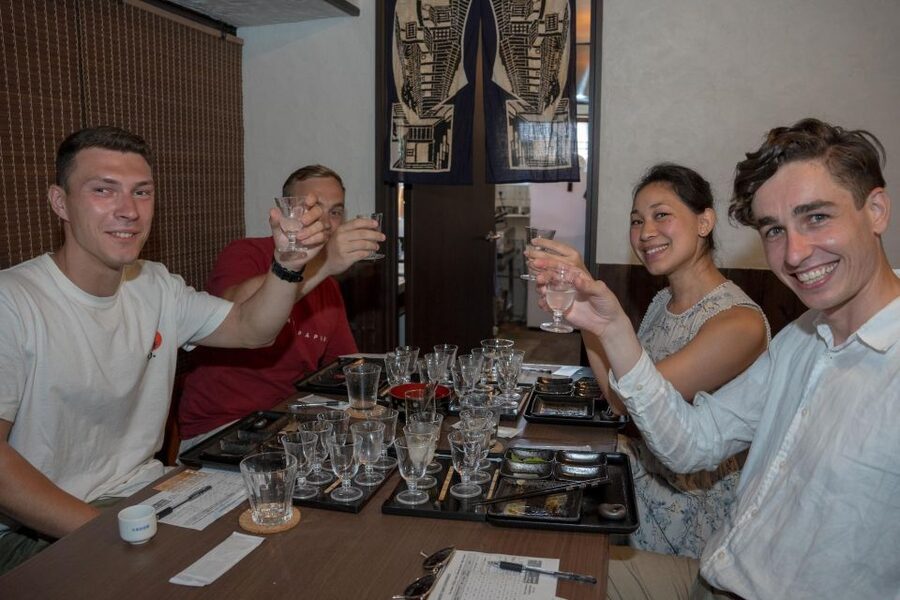
I like this experience because it solves a common Japan problem. You may enjoy sake, but a restaurant menu can leave you staring at unfamiliar names, rice-polishing percentages, and words such as dry or fragrant without knowing what they mean in the glass.
This tour gives you a working vocabulary. You taste several styles, compare them directly, and make notes about your own preferences. By the end, you are not expected to become a sake professional. You simply have a better idea of what to order at dinner and what to skip.
The price is $87 per person. That is not a cheap museum visit, but it is fair for a three-hour guided session that includes museum admission, an expert guide, 10 or more tastings, food, and a dedicated tasting room. The value improves if you plan to drink sake during the rest of your Japan trip. One good lesson here can save you from buying a bottle or ordering a glass you will not enjoy.
You should eat before arriving, but do not arrive overly full. The tasting includes a substantial number of pours, and the food is intended to show how sake works with different flavors rather than replace a meal.
More Sake Brewery Tours in Kyoto:
- 3-Hour Kyoto Insider Sake Brewery Tour with Tastings & Pairings
★ 5.0 · 917 reviews - Kyoto Sake Brewery & Tasting Walking Tour
★ 5.0 · 623 reviews - Kyoto: Sake Brewery and Tasting Tour in Fushimi
★ 4.8 · 55 reviews
Meeting the guide at Gekkeikan Okura Sake Museum

The tour begins inside the entrance of the Gekkeikan Okura Sake Museum at 697 Motozaimokuchō in Fushimi Ward. You arrange your own transport to the meeting point, and hotel pickup is not included.
The location matters. Fushimi is not just a convenient place to hold a tasting. It is a major sake-producing district, and the museum gives the experience a real connection to local brewing. The museum is operated by Gekkeikan, a famous sake producer, and the visit provides a clear starting point before the glasses appear.
The English-speaking guide sets the tone. Guides named in past sessions include Kyoko, Miyuki, Momo, Chika, Masa, Mayo, Sayaka, Shogo, Kotaro, Greg, and Mai. The exact guide depends on the date, but the format is built around explanation and conversation rather than a silent walk through display cases.
Arrive early. If you are more than 20 minutes late, the booking is canceled. Also avoid chewing gum and strong fragrance, both of which can interfere with tasting.
Inside the museum: rice, water, and the brewing process
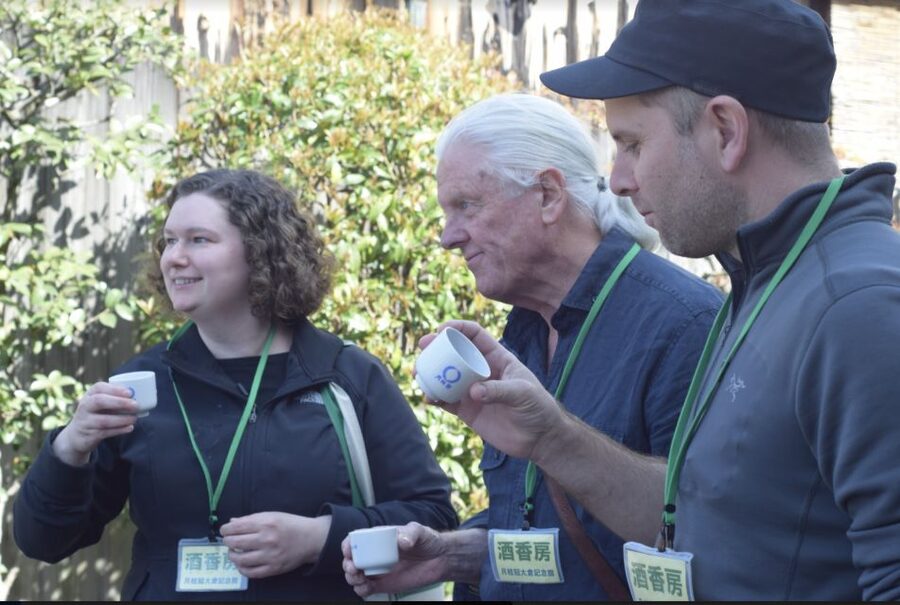
The first half lasts about 90 minutes and includes walking and standing. You’ll tour the museum and learn the basic stages of sake production, including the role of rice, water, yeast, and koji. You will also hear how the brewing process affects aroma, texture, sweetness, and dryness.
The museum visit is useful because it gives you something to look for during the tasting. Instead of hearing that a sake is fragrant or smooth and simply accepting the description, you can connect the taste to how the drink was made.
Rice polishing is one idea that comes up often. Sake rice is milled to remove parts of the grain, and the amount polished can affect the final character and classification. The lesson is not simply that more polishing always means better sake. It is that different degrees of polishing help create different styles, and you can decide which results suit you.
You’ll also learn that sake is commonly called nihonshu in Japan. That distinction is useful when reading menus or shopping for bottles, since nihonshu refers specifically to Japanese rice wine, while sake can have a wider meaning in some contexts.
If the Gekkeikan museum is unexpectedly closed, the visit may move to another historic brewery in Fushimi. The exact setting could change, but the tour still includes a brewery-focused introduction.
The dedicated tasting room and 10 or more sake styles
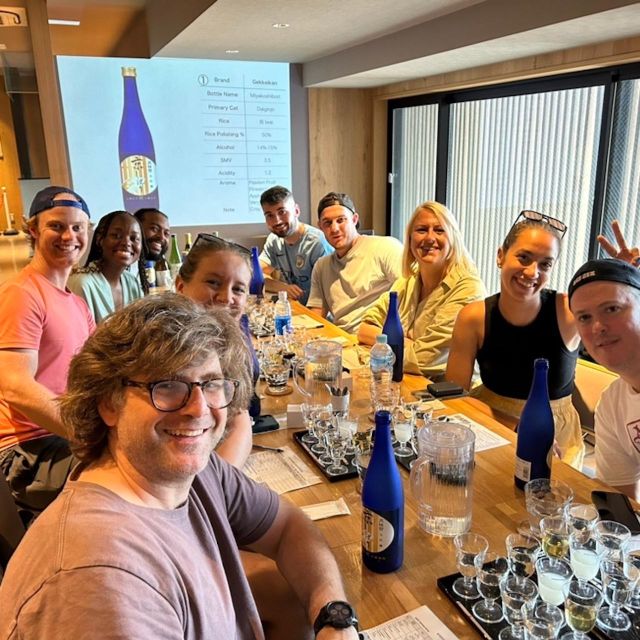
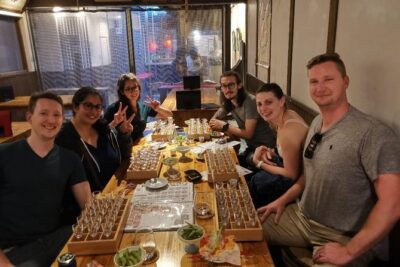
After the museum, you move to a dedicated tasting room for the main event. This is where the tour becomes especially useful. You are not given one favorite bottle and told that it is good. You compare different sake styles and decide what works for you.
Expect more than 10 selections chosen by a certified sake sommelier. The range may include dry and crisp sake, fruity styles, fuller and richer examples, and other differences created by brewing methods and rice treatment. The point is not to memorize every label. It is to notice your reactions.
I would approach the tasting in three steps:
- First, smell and taste each sake on its own.
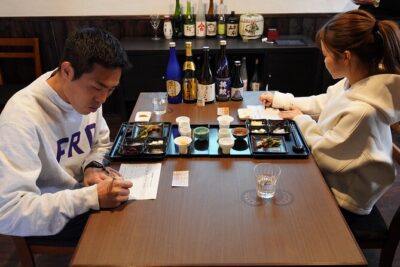
- Next, write down what you notice on the tasting sheet.
- Finally, identify the styles you would happily order again.
The tasting note helps you avoid the usual problem of sampling many drinks and remembering none of them. You can record the sake you prefer and use those notes later when ordering.
The guides explain how to read bottle labels and menus. This is one of the strongest parts of the experience because sake menus can look complicated even after you have tasted sake before. You learn which terms give clues about style, how rice polishing relates to the drink, and what broad flavor direction you may expect.
The lesson stays practical. You do not need to read Japanese fluently to benefit from it. You learn enough to ask better questions and make a more confident choice.
More Sake and Food Tours in Kyoto:
- Kyoto: Insider Sake Experience with 7 Tastings and Snacks
★ 5.0 · 266 reviews - Kyoto: Foodie Night Tour in Gion with 9 dishes + 6 Sake
★ 4.4 · 26 reviews - Private Food & Sake Tour in Central Kyoto with Sake Sommelier
★ 5.0 · 24 reviews - Private Nishiki Market Food & Sake Tour by Young Local Guides
★ 5.0 · 12 reviews
Why tasting sake side by side works
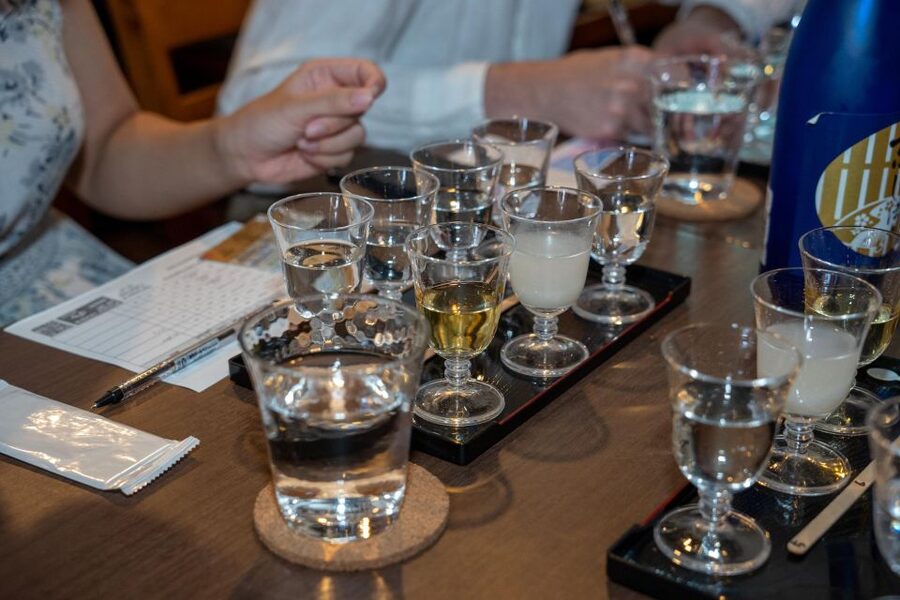
Sake can be difficult to understand when you taste only one glass. You may like it, but you have no reference point. Side-by-side tasting fixes that.
A crisp, dry sake can make a fruity sake seem sweeter than it did a minute earlier. A rich sake may seem heavier after a lighter sample. These contrasts help you notice differences in aroma, body, finish, and balance.
The guides encourage you to find your own preference rather than rank the bottles according to price or prestige. That approach suits beginners, but it also gives experienced sake drinkers something to consider. Several people who already knew sake found the tasting useful because it clarified why they preferred certain styles.
The tasting is also interactive. You can ask about a bottle, compare notes with the group, and test whether a sake tastes different when paired with food. Guides such as Kyoko and Miyuki are known for making technical information easy to follow, while other guides bring more humor and energy to the room.
One practical warning: the tasting is generous. You may be served enough sake that the three-hour session feels like a proper drinking occasion, not a token sample. Pace yourself, drink water when available, and keep your afternoon or evening fairly open.
Otsumami pairings show what sake can do with food
The food pairing is more than a plate of snacks placed beside the drinks. You taste the sake first, then taste it with traditional Japanese otsumami, or small appetizers, and notice how the combination changes the experience.
This is a smart teaching method. A sake that seems sharp on its own may soften with food. A fruity style may work better with one snack, while a fuller style may hold up against something saltier or more strongly flavored.
The guides explain why a particular pairing works. That is more useful than being told that two items simply match. You begin to see how sweetness, acidity, salt, aroma, and texture interact.
One particularly helpful format is tasting a sake on its own and then tasting it again with food. The difference can be surprising. It also prepares you for restaurant ordering, where sake is usually part of a meal rather than a separate tasting exercise.
Vegetarian and vegan options are available. Tell the guide about food preferences or allergies at the site. The activity is not recommended for children, and children without reservations cannot join simply to accompany adults.
Hot, cold, and the right way to order sake
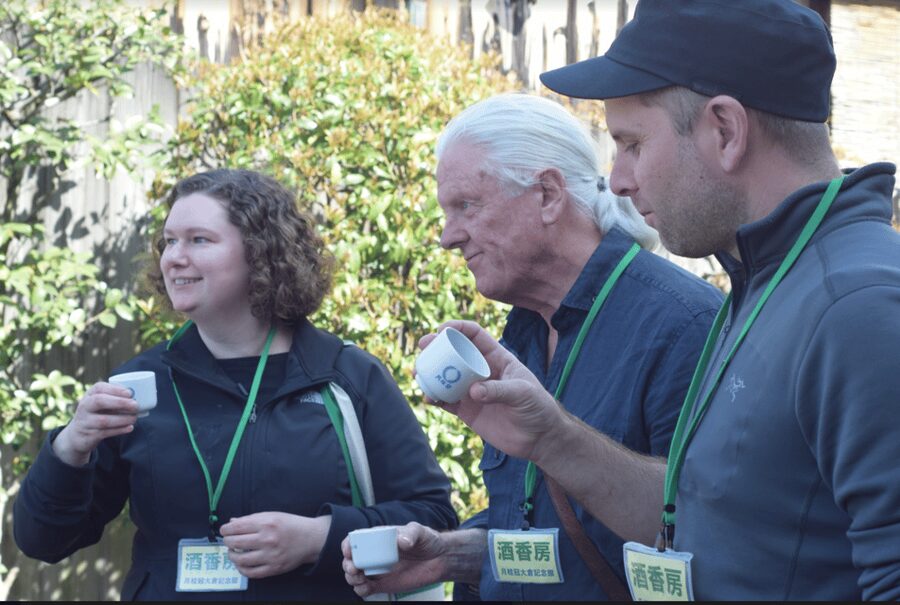
Many visitors arrive with one simple question: should sake be served hot or cold? The answer depends on the style, the setting, and your own preference.
This tour explains when different kinds of sake may work better chilled, warm, or at room temperature. You will also learn which types can pair well with foods such as sushi. The advice helps correct the idea that all sake should be heated or that chilled sake is always the better choice.
The practical benefit appears later in your trip. At a restaurant, you can ask for a style that matches what you are eating instead of ordering only by brand. You can also explain what you like: dry, fruity, light, full, fragrant, or warm.
The tasting does not promise that you will like every sample. That is part of its value. Disliking one style helps you narrow the field just as much as enjoying another.
Walking, timing, and who should book
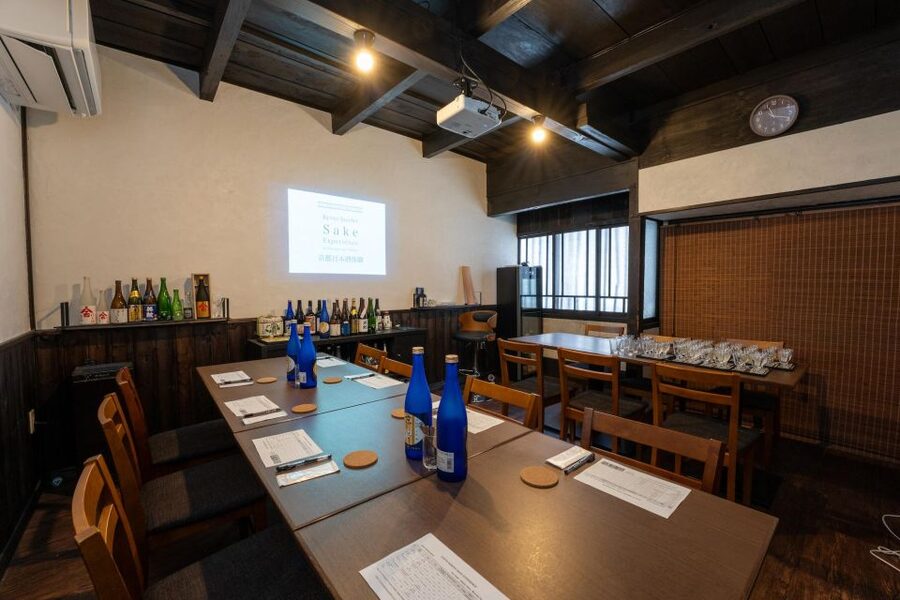
The three-hour length works well for a half-day plan. You have enough time for the museum and tasting without turning the subject into a full-day study course. I would avoid scheduling a rushed attraction immediately afterward. The first section includes standing and walking, and the tasting itself is best enjoyed without checking the clock.
This activity suits:
- First-time sake drinkers who want a friendly introduction.
- People who already enjoy sake but struggle with Japanese labels.
- Food-focused visitors interested in pairing and serving temperature.
- Couples and small groups looking for a cultural activity with drinks.
- Anyone planning to buy bottles during a Japan trip.
It is less suitable for children, pregnant people, anyone under the legal drinking age, wheelchair users, and people with a low level of fitness. The supplied restrictions also list children under 3 and under 12, as well as people under 19. Japan’s legal drinking age is 20, and anyone under 20 receives only non-alcoholic drinks.
If you arrive by car or bicycle, alcohol will not be served for safety and legal reasons. Non-alcoholic drinks are available, but there is no refund if you cannot take part in the sake tasting. Do not cycle or drive to the experience expecting to sample later.
The value of the guides and tasting materials
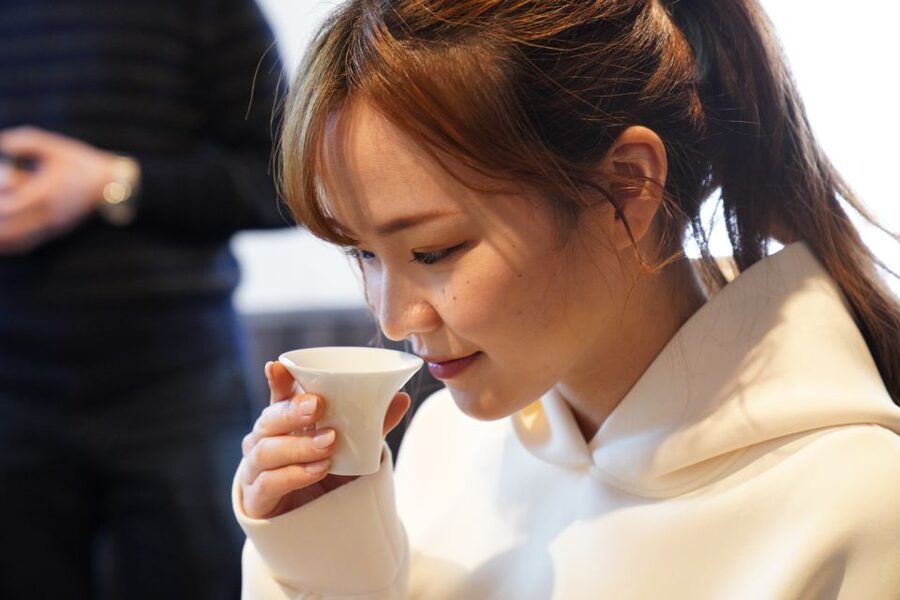
The guide is central to this activity. A brewery museum can teach you the basic process, but the tasting becomes much more useful when someone can explain why one bottle tastes dry and another tastes fruity.
The strongest teaching style here is practical. You learn what affects flavor, how to compare samples, and how to make a choice based on your own palate. Guides including Kyoko, Miyuki, Momo, Chika, and Mayo have been praised for being friendly, funny, patient, and clear.
The tasting sheet and pocket-sized sake cheat sheet are easy to overlook when booking, but they have real value. You can refer to them at a restaurant or bottle shop, especially during the rest of your time in Japan.
The group setting can add to the fun. You may meet people with very different levels of sake experience, from complete beginners to regular drinkers. That can make the tasting more social, although anyone looking for a private, quiet lesson should understand that this is a guided group activity.
Should you book the Fushimi sake experience?
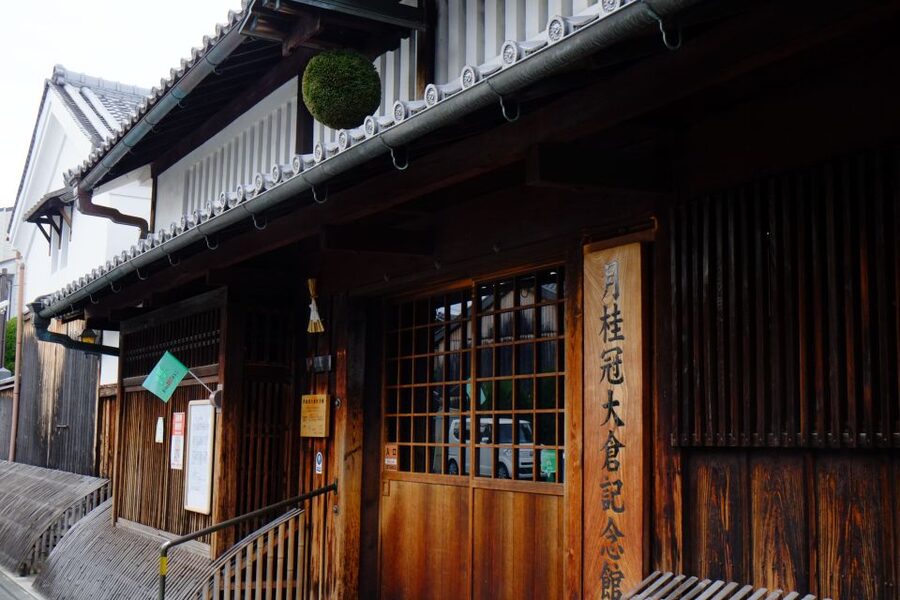
Book this tour if you want to understand sake rather than simply sample it. The combination of the Gekkeikan museum, 10 or more tastings, food pairing, label lessons, and serving advice gives you a useful foundation in three hours.
I would especially recommend it early in a Kyoto or Japan itinerary. You can use what you learn at later dinners, bars, and bottle shops. The $87 price makes the most sense if you value instruction and plan to drink sake again, not if you only want one quick taste.
Skip it if you dislike alcohol, need a fully seated activity, or have a tight schedule that cannot allow three relaxed hours. For everyone else, this is a practical introduction to Japanese sake with enough tasting to help you find your own style.
FAQ
Where does the sake tour meet?
Meet the guide inside the entrance of the Gekkeikan Okura Sake Museum at 697 Motozaimokuchō, Fushimi Ward, Kyoto, 612-8043, Japan.
How long does the experience last?
The experience lasts three hours. Check availability for the available starting times.
How many sake samples are included?
The tasting includes 10 or more sake types selected by a certified sake sommelier.
Is the tour conducted in English?
Yes. The tour has a live English-speaking guide.
Is the museum entrance included?
Yes. Admission to the Gekkeikan Okura Sake Museum and a guided museum visit are included. If the museum is unexpectedly closed, the visit may take place at another historic brewery in Fushimi.
Can I join if I am vegetarian or vegan?
Yes. Vegetarian and vegan options are available. Tell the guide about food preferences or allergies at the site.
Can I attend if I arrive by car or bicycle?
You may attend, but alcohol will not be served to anyone arriving by car or bicycle. Non-alcoholic drinks are available, and there is no refund if you cannot join the sake tasting.
Is the tour suitable for children or people under 20?
The activity is not recommended for children, and guests under 20 receive only non-alcoholic drinks. People under 19 are listed among those for whom the activity is not suitable.
More Food Tours in Kyoto
- Kyoto Food and Sake Tour Experience
★ 4.0 · 5 reviews - Kyoto Night Foodie Tour – Hidden Izakayas & Local Flavors
★ 5.0 · 5 reviews - Kyoto: Izakaya Food Tour with Local Guide
★ 5.0 · 4 reviews - Kyoto Night Food & Izakaya Hopping Tour in Pontocho
★ 4.0 · 3 reviews
More Sake Tours with a Local Guide in Kyoto
- 1.5-Hour Kyoto Insider Sake Experience with 7 Tastings & Pairings
★ 5.0 · 297 reviews - Advanced Kyoto Insider Sake Tasting Experience
★ 5.0 · 44 reviews - Kyoto: Gion Evening Walk with Hidden Gems, Geisha & Sake
★ 5.0 · 41 reviews - Kyoto: Beyond the Insider Sake Tasting Experience
★ 5.0 · 30 reviews
Just added around Kyoto
- Nishiki Market, Private Sushi class & Sake Tasting in Townhouse★ 5.0 · 6 reviews
- Hidden Bamboo gem and Japanese foods in Izakaya Private Tour★ 5.0 · 3 reviews
- Private Nishiki Market Food & Sake Tour by Young Local Guides★ 5.0 · 12 reviews
- Kyoto Food and Sake Tour Experience★ 4.0 · 5 reviews
- KYOTO Sake Tasting Tour at Local Breweries(tasting fee included)★ 5.0 · 16 reviews
- Kyoto: Sake Tasting Journey to Two Iconic Breweries★ 3.0 · 2 reviews
- Experience of pairing sake tasting with snacks in Kyoto★ 5.0 · 4 reviews
- Kyoto Luxury Sake, Whisky and Cocktail Tour★ 5.0 · 4 reviews
Kyoto Sake Tours, compared.

3-Hour Kyoto Insider Sake Brewery Tour with Tastings & Pairings
Read our review →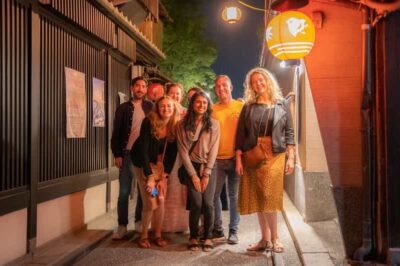
1.5-Hour Kyoto Insider Sake Experience with 7 Tastings & Pairings
Read our review →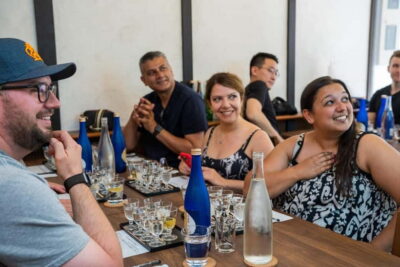
Kyoto: Insider Sake Experience with 7 Tastings and Snacks
Read our review →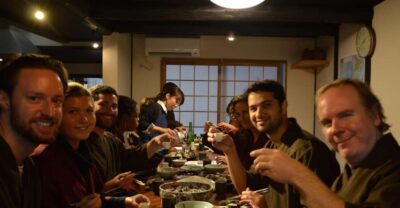
Kyoto: Afternoon Japanese Izakaya Cooking Class
Read our review →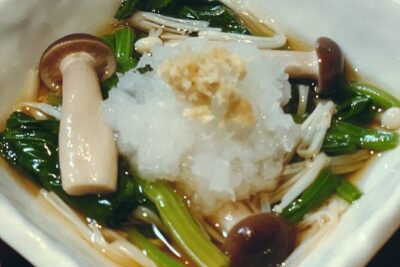
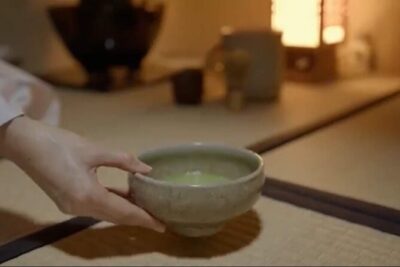
Private Tea Ceremony and Sake Tasting in Kyoto Samurai House
Read our review →Browse the lists this tour appears in