
REVIEW · KYOTO SAKE TOURS
Nishiki Market, Private Sushi class & Sake Tasting in Townhouse
Kyoto’s food culture comes together neatly here: a guided walk through Nishiki Market, a sake tasting, and a hands-on meal in a traditional townhouse. You do not simply watch a chef work. You roll your own sushi, make miso soup with dashi, prepare side dishes, and finish with dessert.
I like the mix of market tasting and practical cooking. I also like the private setting, where your group can ask questions and work at its own pace. The main consideration is timing: two to three hours can feel short if you want a slow market stroll and a long cooking lesson.
Key points at a glance
- Nishiki Market with context: Spend about an hour exploring Kyoto’s five-block food street, with more than 100 shops and restaurants.
- Private Kyomachiya setting: Cook in a restored traditional townhouse reserved for your group.
- More than sushi: Prepare rolled sushi, dashi-based miso soup, seasonal side dishes, and a simple Japanese dessert.
- Sake tasting included: Learn basic points about Japanese sake culture while sampling alcoholic beverages.
- Useful for home cooks: An English-language recipe booklet lets you repeat the dishes after returning home.
- Dietary flexibility: Vegetarian and vegan versions are available when requested in advance.
Start with Kyoto’s Kitchen at Nishiki Market
The experience begins at 79 Nishiuoyachō, in the area around central Kyoto’s Nishiki Market. This is a practical starting point for a food tour because the market gives you immediate contact with the ingredients and habits that shape Kyoto cooking.
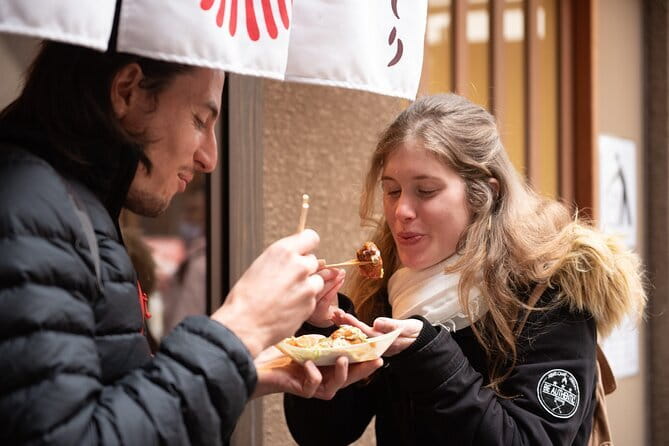
Nishiki Market stretches for about five blocks and includes more than 100 shops and restaurants. Its nickname, Kyoto’s Kitchen, makes sense once you see the range: seafood, seasonal vegetables, pickles, dried foods, and other ingredients used in Japanese home cooking.
Your guide leads you through the market for about an hour. The value here is not simply seeing food stalls. You get explanations about the market’s place in Kyoto’s culinary life, along with chances to taste traditional items and learn how local ingredients are used.
The market can be crowded, and the covered shopping street is not designed for a quiet, private stroll. That is part of its appeal, but it also means you should expect a lively urban food stop rather than a calm museum visit. Stay close to your guide and allow time to pause when a shop catches your eye.
One useful feature is the focus on seasonal foods. Japanese cooking often depends on what is available at a particular time of year, and the market gives you a direct look at that idea. You may come away with a better sense of why pickles, dried foods, seafood, and fresh produce matter so much in Japanese meals.
The market walk also gives the cooking class more meaning. When you later handle sushi rice, soup stock, and side dishes, you have already seen the kinds of ingredients that support these foods. I find that connection more useful than a cooking lesson presented in isolation.
More Sake Tastings in Kyoto:
- 3-Hour Kyoto Insider Sake Brewery Tour with Tastings & Pairings
★ 5.0 · 917 reviews - Kyoto Sake Brewery & Tasting Walking Tour
★ 5.0 · 623 reviews - 1.5-Hour Kyoto Insider Sake Experience with 7 Tastings & Pairings
★ 5.0 · 297 reviews
A Small Shrine Behind the Market
The route includes Nishiki Shrine, tucked behind the market’s lantern-lit lanes. This is a brief cultural pause rather than a separate major sightseeing stop, but it helps you see that Nishiki is more than a row of food shops.
The shrine adds a quieter note to the market portion. You move from commerce and food sampling into a place tied to local religious life, then continue to the townhouse for the cooking session. The contrast gives the outing a good rhythm.
The supplied schedule does not assign a separate length of time to Nishiki Shrine, so you should think of it as part of the market walk. If you want a long shrine visit or plenty of independent shopping time, this experience may feel structured. If you prefer a guide to connect the stops, the short visit makes sense.
Enter a Traditional Kyoto Townhouse
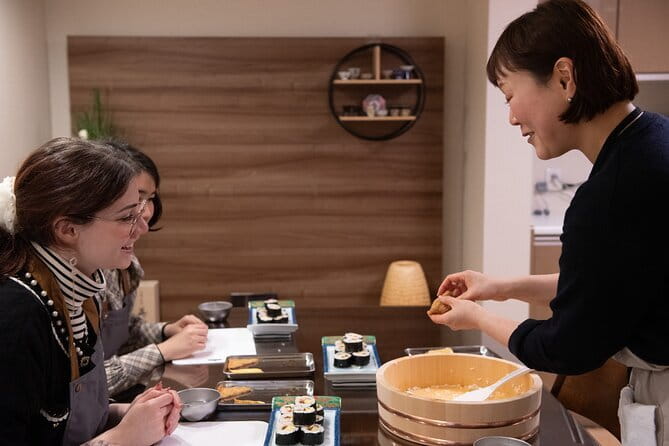
After the market, you go to a Kyomachiya, a preserved traditional Kyoto townhouse. The cooking portion lasts about two hours and takes place in a space reserved exclusively for your group.
This private setting is one of the strongest reasons to consider the experience. You are not joining a large public demonstration where the instructor must repeat every step for a room full of people. The format allows the host to guide your group through the food preparation directly.
A Kyomachiya also changes the mood. Instead of moving from a market stall to a modern classroom, you continue into an older style of Kyoto home. The setting provides a sense of place without requiring a separate cultural lecture.
The class is taught in English. That matters when you are learning techniques such as rolling sushi or making dashi, since small instructions can affect the result. The cooking is described as step by step, making it suitable even if you do not cook often.
You should not expect an advanced chef’s course. This is a cultural food experience built around participation, explanation, and a meal. The hands-on approach makes it a good choice for families, couples, and small private groups who want to do something together rather than sit through a demonstration.
The Cooking Lesson Goes Beyond Rolled Sushi
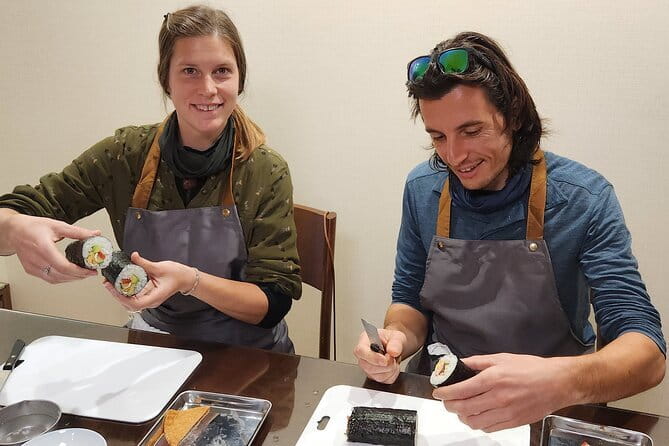
Rolled sushi is the headline activity, but it is only one part of the meal. You also prepare homemade miso soup from scratch using dashi, seasonal Japanese side dishes, and a simple Japanese-style dessert.
That wider menu is important. Sushi alone can become a narrow lesson in shaping rice and fillings. Here, you get a broader look at how a Japanese meal is put together, with soup, side dishes, and something sweet at the end.
The miso soup lesson is especially useful because dashi is a foundation of Japanese cooking. Preparing it from scratch gives you a clearer sense of how the soup gains its flavor before miso is added. The recipe booklet means you can refer to the method later instead of relying on memory.
The side dishes vary with the season. The information provided specifically points to dishes such as egg and spinach omelets with sesame sauce. You should expect the exact menu to depend on available ingredients, rather than assuming the same side dishes will appear every day.
The class is designed so you can prepare the food yourself. That makes it more memorable than eating a finished plate, but it also means you need to take part. If you want a purely relaxed lunch with no kitchen work, this is not the right format.
You will likely spend part of the session learning the mechanics of rolled sushi. Shape and pressure matter, and first attempts may not look perfect. That is fine. The point is to understand the method and enjoy the meal you helped make.
More Sake and Food Tours in Kyoto:
- Kyoto: Insider Sake Brewery Tour with Sake and Food Pairing
★ 5.0 · 704 reviews - Kyoto: Insider Sake Experience with 7 Tastings and Snacks
★ 5.0 · 266 reviews - Kyoto: Foodie Night Tour in Gion with 9 dishes + 6 Sake
★ 4.4 · 26 reviews - Private Food & Sake Tour in Central Kyoto with Sake Sommelier
★ 5.0 · 24 reviews
Sake in a Historic Home Setting
A mini sake tasting is included before or during the townhouse portion. Alcoholic beverages are part of the package, and the session introduces you to Japan’s sake culture.
The tasting is not presented as a full specialist course. Think of it as a compact introduction that fits naturally with the meal. It adds an adult food-and-drink element without taking over the cooking experience.
If you do not drink alcohol, the available information does not specify a nonalcoholic tasting substitute. You can ask the operator before booking if this matters to your group. The class itself includes enough food preparation to remain worthwhile, but the sake portion is one of the stated elements.
The townhouse setting helps the tasting feel connected to the meal. You are not stopping at a separate bar or adding an unrelated activity. Instead, you learn about sake in the same general setting where you prepare and eat Japanese food.
What the Price Includes at $121.84
At $121.84 per person, this is not a cheap market walk. The price makes more sense when you count the separate parts: a guided food tour, market tastings, a private cooking class, lunch, sake, dessert, an English-speaking guide, and a recipe booklet.
You are also paying for the private format and the use of a traditional townhouse. A lower-priced group class might provide the same basic sushi technique, but it may not include the market visit, shrine stop, sake tasting, or private setting.
The value is strongest if you want one activity to cover several interests. Food-focused visitors get tastings and cooking. First-time visitors to Kyoto get a market orientation. Families and small groups get a shared activity with a meal at the end.
The value is weaker if you mainly want to shop at Nishiki Market on your own. The market admission itself is free, and you can explore the street without booking this experience. You are paying for the guide’s explanations, organized tastings, the class, and the private venue.
The activity is often reserved about 98 days ahead, so popular dates may disappear early. That advance booking pattern is worth noting if your Kyoto schedule is fixed. Group discounts are available, which may improve the per-person cost for larger parties.
Who Will Get the Most From This Experience
I would recommend this for anyone who wants to connect Kyoto sightseeing with food preparation. It works especially well for:
- Families looking for an activity that includes eating and making food
- Couples who want a private cultural experience
- Small groups who prefer a reserved setting
- First-time visitors who want an introduction to Nishiki Market
- People who rarely cook but enjoy guided, practical activities
- Vegetarians and vegans who give advance notice
The experience is also suited to people who want a souvenir they can use. A recipe booklet is more practical than a small trinket, especially if you want to recreate the miso soup, sushi, or side dishes at home.
It may be less suitable if you have limited mobility or dislike crowded shopping streets, though the supplied information says most people can participate and the route is near public transportation. The market portion takes place on foot, and the cooking session requires active participation.
It may also be less suitable for someone looking for a serious sake seminar or a professional culinary qualification. The focus is friendly instruction and cultural understanding, not advanced training.
Timing, Meeting Points, and Getting Around
The total duration is about two to three hours. The market portion takes around one hour, and the townhouse cooking session takes around two hours. The exact balance may vary, but you should reserve at least the full stated window in your day.
You meet at 79 Nishiuoyachō in Kyoto’s Shimogyo Ward. The experience ends at 96-13 Asazumachō, also in Shimogyo Ward. The endpoint is about a five-minute walk from Gojo Subway Station.
The start and end points are different, so plan for that when arranging your day. The route does not return you to the original meeting point. If you need help after the class, the operator can assist with arranging a taxi or other transportation.
A mobile ticket is available, and confirmation is sent at booking. Public transportation is nearby, which makes the activity easier to fit into a day of central Kyoto sightseeing.
Free cancellation is available up to 24 hours before the start time. Changes or cancellations inside that 24-hour window are not accepted for a refund, and the cut-off follows local Kyoto time.
Food Restrictions and What Is Included
Lunch is included, along with the sake tasting, guide, and cooking ingredients needed for the planned meal. Snacks are not included, so you should not treat the market walk as a substitute for every meal or snack stop during the day.
Vegetarian and vegan options are available with advance notice. This is important because Japanese cooking often includes dashi or other ingredients that may not be obvious from a dish’s name. Tell the operator about your needs before the experience rather than waiting until you arrive.
The provided information does not list every allergy accommodation or ingredient substitution. If you have a serious allergy, ask for confirmation before booking and explain the issue clearly.
The market includes food sampling, but the exact number and type of tastings are not specified. Seasonal availability can affect what you see and try. That changing element is part of the market experience, but it means the menu should not be treated as fixed.
My Verdict: A Strong Food Introduction to Kyoto
I would book this if you want a compact Kyoto experience that combines a famous market, a small shrine, a traditional home, a sake tasting, and a meal you help prepare. The strongest features are the private townhouse, the step-by-step cooking, and the fact that the class covers soup and side dishes as well as rolled sushi.
The main caution is cost and pace. You pay more than you would for a self-guided market visit, and the short schedule leaves limited time for independent browsing. Still, the combination gives you a lot in one booking, especially if you value personal instruction and a shared activity.
Choose it for a hands-on introduction to Japanese food culture. Skip it if you want a quiet market visit, an advanced culinary lesson, or a long sake tasting. For most small groups with limited time in Kyoto, this is a useful and enjoyable way to make the city’s food traditions part of the trip.
FAQ
How long does the experience last?
The experience lasts approximately two to three hours. The market walk takes about one hour, followed by roughly two hours in the townhouse for the cooking session.
Where does the experience begin?
It begins at 79 Nishiuoyachō, Shimogyo Ward, Kyoto, Japan.
Where does the experience end?
It ends at 96-13 Asazumachō in Kyoto’s Shimogyo Ward. The endpoint is about a five-minute walk from Gojo Subway Station.
Is this a private activity?
Yes. Only your group participates in the private tour and cooking experience.
Is the experience offered in English?
Yes. The experience is offered in English.
Is lunch included?
Yes. Lunch is included in the experience.
Is sake included?
Yes. Alcoholic beverages and a mini sake tasting are included.
Are vegetarian and vegan options available?
Yes. Vegetarian and vegan options are available when requested in advance.
Is Nishiki Market admission included?
The market itself has free admission. The experience includes a guided walk, explanations, and food tasting opportunities.
Can I cancel for a full refund?
Yes, if you cancel at least 24 hours before the experience start time. Cancellations or changes made less than 24 hours before the start time are not eligible for a refund.
More Market Tours in Kyoto
- Private Nishiki Market Food & Sake Tour by Young Local Guides
★ 5.0 · 12 reviews - Tokyo Washoku 4-hour Cooking Class: From Market to Table
★ 5.0 · 253 reviews - Tsukiji: Outer Market Walking Tour & Sake Tasting Experience
★ 4.9 · 81 reviews - Tsukiji Market Eating Tour, Authentic Sushi & Sake Comparison
★ 5.0 · 52 reviews
More Private Sake Tours in Kyoto
- Private Tea Ceremony and Sake Tasting in Kyoto Samurai House
★ 5.0 · 163 reviews - Private Sake Tasting in Central Kyoto with Sake Sommelier
★ 5.0 · 32 reviews - Private Pewter Sake Cup Experience with a Kyoto Artisan
★ 5.0 · 31 reviews - Private Sake Tasting in Central Kyoto with Sake Sommelier
★ 5.0 · 13 reviews
Just added around Kyoto
- Hidden Bamboo gem and Japanese foods in Izakaya Private Tour★ 5.0 · 3 reviews
- Private Nishiki Market Food & Sake Tour by Young Local Guides★ 5.0 · 12 reviews
- KYOTO Sake Tasting Tour at Local Breweries(tasting fee included)★ 5.0 · 16 reviews
- Kyoto: Sake Tasting Journey to Two Iconic Breweries★ 3.0 · 2 reviews
- Kyoto Food and Sake Tour Experience★ 4.0 · 5 reviews
- Kyoto Luxury Sake, Whisky and Cocktail Tour★ 5.0 · 4 reviews
- Japanese Sake Breweries Tour in Fushimi Kyoto★ 5.0 · 10 reviews
- Experience of pairing sake tasting with snacks in Kyoto★ 5.0 · 4 reviews
Kyoto Sake Tours, compared.

3-Hour Kyoto Insider Sake Brewery Tour with Tastings & Pairings
Read our review →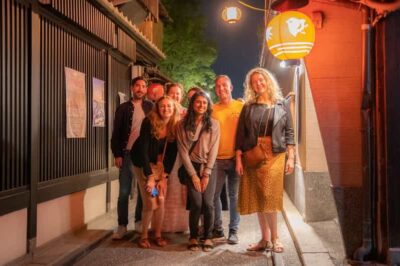

Kyoto: Insider Sake Brewery Tour with Sake and Food Pairing
Read our review →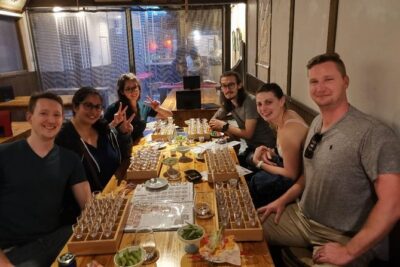
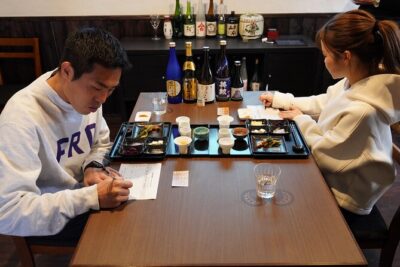
1.5-Hour Kyoto Insider Sake Experience with 7 Tastings & Pairings
Read our review →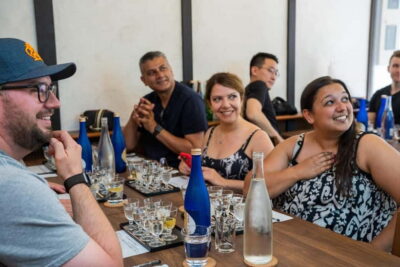
Kyoto: Insider Sake Experience with 7 Tastings and Snacks
Read our review →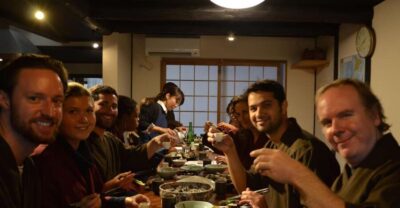
Kyoto: Afternoon Japanese Izakaya Cooking Class
Read our review →
Browse the lists this tour appears in