
REVIEW · KYOTO SAKE TOURS
Private Sake Tasting in Central Kyoto with Sake Sommelier
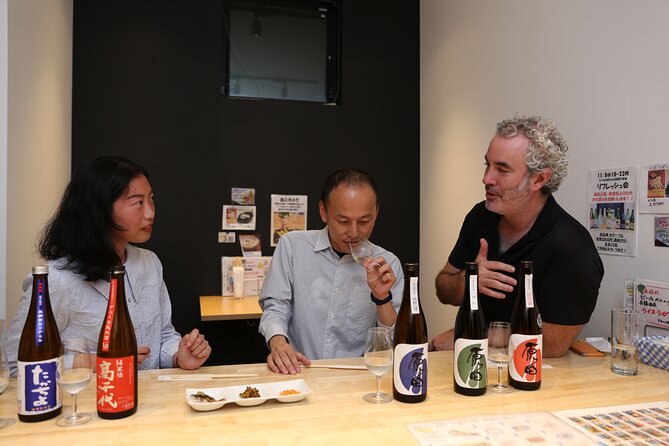
Kyoto’s best sake lesson may happen without a classroom. You meet Kenji near Shijo and Karasuma, walk about ten minutes, then settle in at a standing sake bar with no chairs. I like the personal scale, just one to four people, and I like that Kenji chooses pours around your tastes rather than giving everyone the same flight. You taste eight sakes, nibble traditional snacks, and learn how to order with more confidence.
The main drawback is the standing setup. Two hours on your feet will not suit everyone, and you need comfortable shoes. This is also a drink-focused outing for adults only: Japan’s legal drinking age is 20, and pregnant women cannot join.
Key points at a glance
- Eight sakes from across Japan: Compare styles, regions, aromas, sweetness, acidity, and serving differences in one sitting.
- Kenji leads the tasting: He is an English-speaking, internationally certified sake sommelier with years of professional experience in the sake industry.
- A real standing bar: The venue has no seats, giving the tasting a lively local-bar feel but requiring you to stand for the full session.
- Private groups of one to four: You get room to ask questions and receive recommendations shaped around your own preferences.
- Central Kyoto meeting point: Meet outside the Mitsui Building at Shijo and Karasuma, then walk roughly ten minutes to the bar.
- More than a drinking lesson: Kenji can explain sake language, production, Japanese food, and local dining choices along the way.
Meeting Kenji at Shijo and Karasuma
The experience begins at one of central Kyoto’s clearest landmarks: the intersection of Shijo and Karasuma streets. Look for the imposing Mitsui Building on the northeast corner. Kenji waits outside with a LINNELL’S backpack, so the meeting should be easy to spot once you reach the correct side of the crossing.
This is a sensible meeting place for a short city experience. You are not asked to find an obscure shop down a side street, and the outing starts in a part of Kyoto served by major streets and nearby transit. Still, allow enough time to reach the intersection. The meeting point is not the bar itself, and the walk from there takes about ten minutes.
That walk is part of the setup. Instead of meeting inside a polished tasting room, you begin in the city and move with your guide to the place where the tasting happens. If you have luggage, mobility concerns, or simply dislike walking in busy central streets, keep that transfer in mind when planning your day.
More Sake Tastings in Kyoto:
- 3-Hour Kyoto Insider Sake Brewery Tour with Tastings & Pairings
★ 5.0 · 917 reviews - Kyoto Sake Brewery & Tasting Walking Tour
★ 5.0 · 623 reviews - 1.5-Hour Kyoto Insider Sake Experience with 7 Tastings & Pairings
★ 5.0 · 297 reviews
A standing bar in central Kyoto
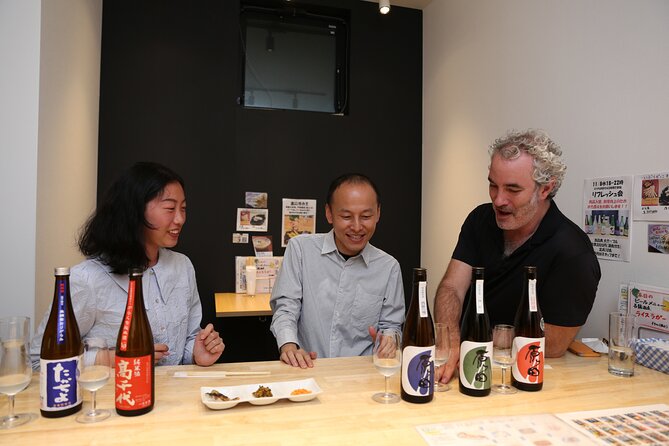
The tasting takes place at a standing sake bar. There are no seats, so you remain on your feet while Kenji explains the drinks and pours the samples. That detail shapes the whole mood. It is less like a formal wine seminar and more like being introduced to a good local drinking spot by someone who knows what to order.
I like this format for a short evening or afternoon activity because it keeps the focus on the sake. You are not spending time on a long sightseeing route or a formal meal. You are at the bar, tasting, asking questions, and comparing one pour with the next.
The lack of chairs is the clear tradeoff. Two hours can pass quickly when conversation is flowing, but standing on a hard floor may be tiring. Wear comfortable shoes, as the activity specifically recommends. Anyone who needs regular seated breaks should consider this carefully before booking.
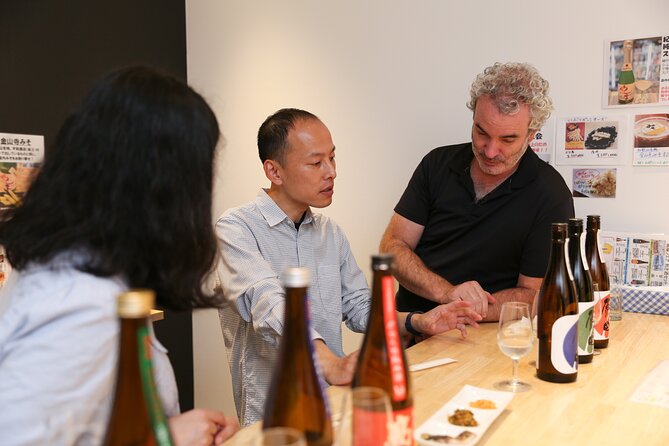
The group size helps here. With a maximum of four people, Kenji can keep the conversation moving without turning it into a lecture for a large crowd. A solo participant or couple should get especially direct attention. If you join with friends, the small group gives you a chance to compare preferences while still asking plenty of questions.
Learning how sake is made
Kenji’s role is more useful than simply handing you a list of drinks. The tasting covers the basics of sake production, a subject he knows from years of professional work. He explains the ingredients, the production process, and the different types of sake, using the Japanese term Nihonshu as part of that vocabulary.
That foundation matters because sake labels can feel confusing at first. A bottle may be associated with a particular place, production method, or style, but those details do not always tell you whether you will enjoy the drink. A guided comparison gives you a way to connect technical terms with what you actually taste.
The explanations are delivered in English, with Japanese also available. Several parts of the experience are especially useful for first-time sake drinkers:
- How to think about sake style instead of ordering at random
- How production choices affect the finished drink
- How different regions of Japan can produce different expressions
- How to describe what you like when ordering at a restaurant
- How to use your own taste preferences to choose the next pour
Kenji also answers broader questions about Japanese culture and local cuisine. That makes the session more flexible than a fixed lecture. You can stay with production if that interests you, or ask how sake fits into meals and everyday drinking in Japan.
Eight pours, selected around your taste
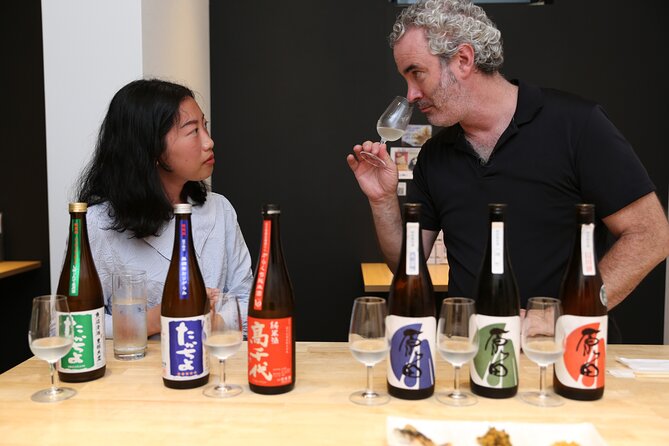
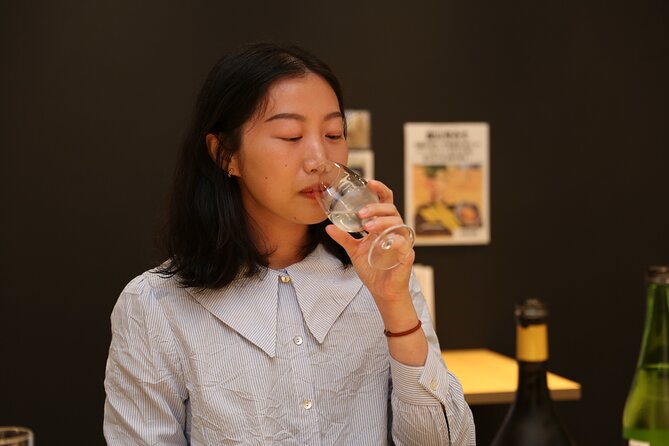
The core of the experience is a tasting of eight sakes from across Japan, served with traditional Japanese snacks. Eight samples give you enough range to notice real differences without requiring you to commit to a full bottle or guess from a menu.
The selection is not presented as a one-size-fits-all flight. Kenji helps find your favorite sake, and the small group format allows him to adjust his recommendations to your preferences. If you prefer lighter, sweeter, drier, fruitier, or more unusual styles, that conversation can guide the order of the tasting.
One particularly useful detail is that the selection can include unpasteurized sake. That gives you a chance to compare a less familiar style with other examples. It also shows why a guided tasting is useful: you can encounter bottles you might not identify or order on your own, then decide if that style belongs on your personal list.
You should not expect every pour to appeal to you equally. That is the point of tasting several. Some sake may be a personal favorite, while another helps you understand what you do not want. By the end, you should have better language for ordering and a clearer idea of your own palate.
The snacks matter, too. Traditional Japanese bites give you something to eat while drinking and let you notice how food changes the taste of each sake. This is not a full dinner, so plan another meal if you want substantial food afterward. The snacks are there to support the tasting, not replace lunch or dinner.
More Private Sake Tours in Kyoto:
- Private Tea Ceremony and Sake Tasting in Kyoto Samurai House
★ 5.0 · 163 reviews - Private Sake Tasting in Central Kyoto with Sake Sommelier
★ 5.0 · 32 reviews - Private Pewter Sake Cup Experience with a Kyoto Artisan
★ 5.0 · 31 reviews - Private Food & Sake Tour in Central Kyoto with Sake Sommelier
★ 5.0 · 24 reviews
Kenji’s teaching style
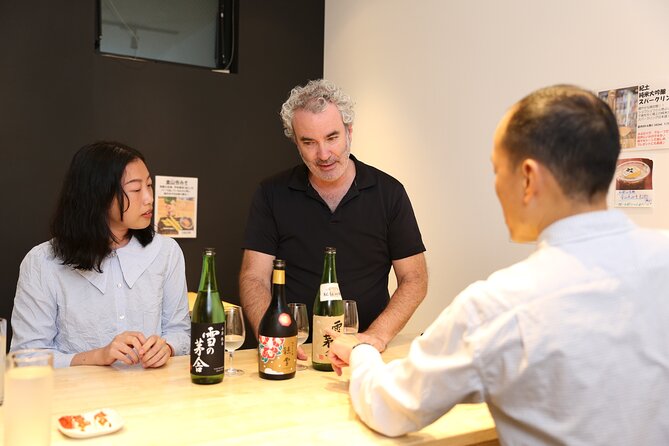
Kenji receives the strongest praise for his personal approach. He explains technical points in an easy way, listens carefully, and gives recommendations based on individual preferences. That is important in a small tasting because the best session is not just a stream of facts. It is a conversation that helps you make choices.
His professional background also adds substance. He has worked in the sake industry for years and is a certified international sake sommelier. Those credentials do not guarantee that every guest will share the same taste, but they suggest that the experience is led by someone who deals with sake seriously rather than treating it as a passing tourist theme.
The tone appears relaxed rather than stiff. You can ask many questions about sake, Japanese food, local culture, or even basic Japanese language. Kenji can explain how to order and enjoy sake in a restaurant, which is one of the most practical outcomes of the session.
That informal side may be exactly what you want. If you prefer a highly structured tasting with printed notes, fixed terminology, and a formal presentation, this may feel more casual. If you like learning through conversation, the friendly format should work well.
Why this helps with future meals
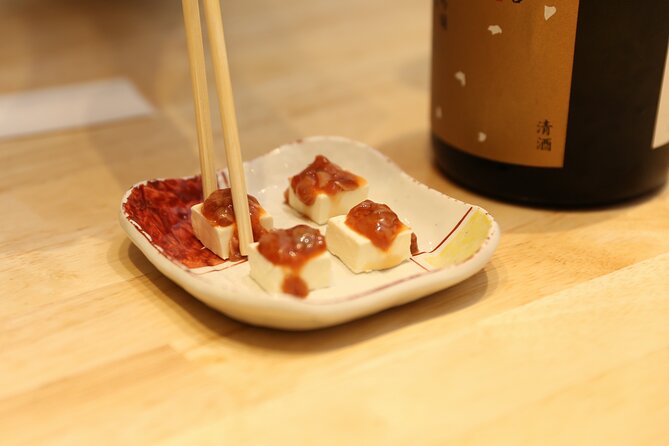
A sake tasting has value beyond the two hours at the bar. Kyoto restaurants may offer a long list of bottles by the glass, and the names can be difficult to read or compare. After this session, you are more likely to recognize terms, ask a useful question, and explain what kind of sake you enjoy.
I especially like the practical restaurant advice built into the experience. You are not merely told that one sake is good. You learn how to think about your order, which makes the lesson useful later in the trip.
Kenji can also help with local food suggestions. One participant asked for a restaurant recommendation, and Kenji helped make an online reservation before walking through Nishiki Market to the restaurant. That is not described as a guaranteed part of every booking, so you should not book expecting a separate food tour or restaurant escort. Still, it shows how the conversation can connect naturally with the rest of your Kyoto plans.
If you are visiting Nishiki Market or central Kyoto after the tasting, the location works well for continuing your evening. The exact route and dining help can vary, but the bar’s central setting makes it practical to combine this activity with other plans.
Price and what you receive for $83
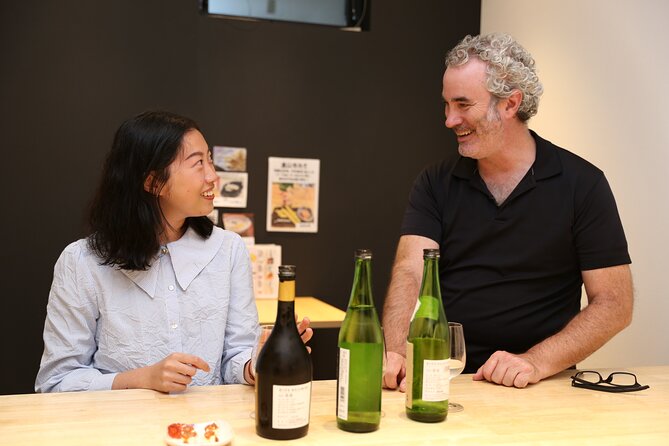
At $83 per person, this is not the cheapest way to have a drink in Kyoto. You are paying for more than eight small pours. The price covers a private, small-group setting, an English-speaking sommelier, guided instruction, Japanese snacks, and access to a selection chosen with your preferences in mind.
The value is strongest if you are new to sake or expect to drink it during the rest of your Japan trip. One poorly chosen bottle at a restaurant can cost a lot, and a short lesson can help you avoid ordering by guesswork. You also gain a vocabulary for comparing sake, which is difficult to develop from one casual glass.
The value is weaker if you already know your preferred labels and styles or simply want the lowest-cost drink. You could order sake on your own for less, but you would lose Kenji’s explanations, personal recommendations, and the chance to compare eight examples in a planned sequence.
Because the group is private and limited to four people, the price also makes more sense for couples, families of adult drinkers, or a small group of friends. Solo participants receive the most personal attention, but pay the same per-person rate.
Who should book this experience
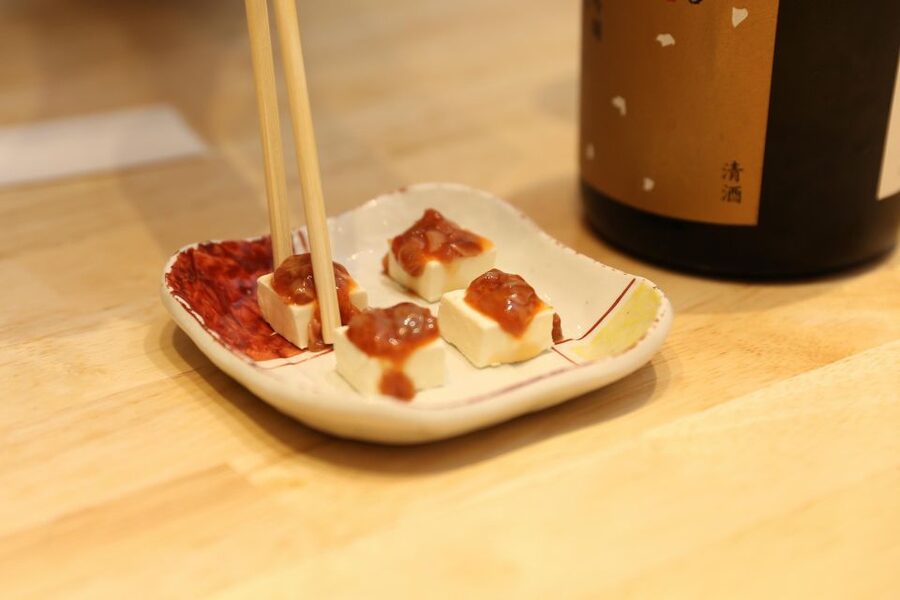
This tasting suits you if you want a focused introduction to sake and prefer a small, conversational activity. It is a good fit for first-time visitors who feel unsure about ordering Nihonshu, as well as people who already enjoy sake but want to try styles from different parts of Japan.
It also works well for people who enjoy asking questions. Kenji can discuss production, regional differences, food pairings, Japanese language, and local dining. The experience is less suited to someone who wants a quiet drink without instruction or someone who dislikes standing.
You must be at least 20 years old. Pregnant women cannot join, and the standing format may not work for anyone who cannot comfortably remain on their feet for two hours. Transportation to the meeting point and back to your hotel is not included, so plan your own route.
The tour lasts two hours. Starting times vary, so check availability for the date you want. You can cancel up to 24 hours in advance for a full refund, and the reserve-now, pay-later option can help if your Kyoto schedule is still shifting.
Should you book Kenji’s Kyoto sake tasting?
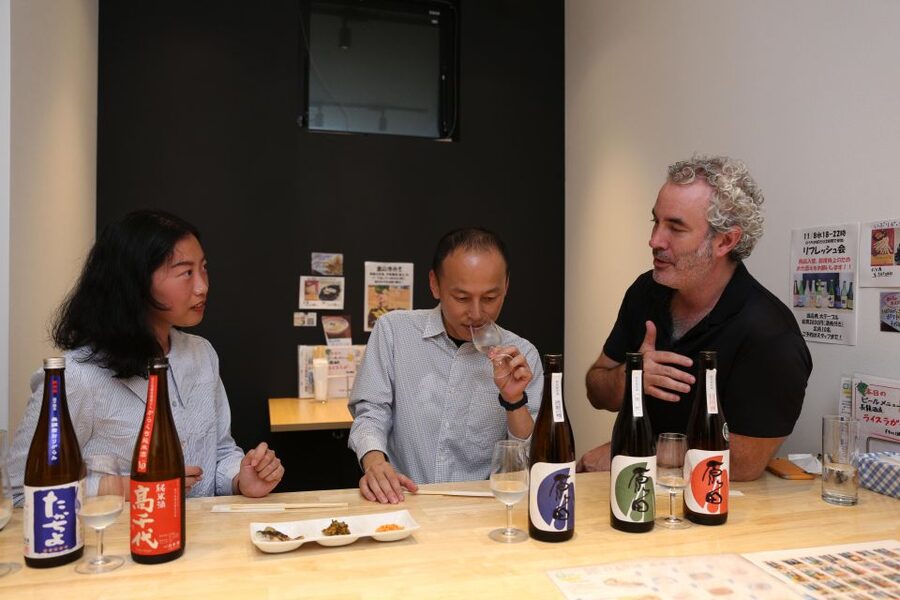
Book it if you want to understand sake rather than simply sample it. The combination of eight pours, traditional snacks, a central standing bar, and Kenji’s tailored guidance gives you a practical way to build your palate and order with more confidence later.
Skip it if standing for two hours is a serious concern, if you do not drink alcohol, or if you already have a strong sake vocabulary and prefer to explore bars independently. For everyone else, the private group size and Kenji’s personal approach make $83 a fair price for a focused Kyoto food-and-drink lesson.
FAQ
Where does the sake tasting begin?
Meet at the intersection of Shijo and Karasuma streets, outside the Mitsui Building on the northeast corner. Kenji will be carrying a LINNELL’S backpack.
Is the tasting held at the meeting point?
No. After meeting at the Mitsui Building, you walk about ten minutes to the sake bar in central Kyoto.
How long does the experience last?
The tasting lasts two hours.
How many people can join the private group?
The group can include one to four people.
How many sakes are included?
The experience includes tastings of eight sakes from across Japan, along with traditional Japanese snacks.
Who can take part?
Participants must be at least 20 years old, which is Japan’s legal drinking age. Pregnant women cannot join.
Just added around Kyoto
- Nishiki Market, Private Sushi class & Sake Tasting in Townhouse★ 5.0 · 6 reviews
- Hidden Bamboo gem and Japanese foods in Izakaya Private Tour★ 5.0 · 3 reviews
- Private Nishiki Market Food & Sake Tour by Young Local Guides★ 5.0 · 12 reviews
- KYOTO Sake Tasting Tour at Local Breweries(tasting fee included)★ 5.0 · 16 reviews
- Kyoto: Sake Tasting Journey to Two Iconic Breweries★ 3.0 · 2 reviews
- Kyoto Food and Sake Tour Experience★ 4.0 · 5 reviews
- Kyoto Luxury Sake, Whisky and Cocktail Tour★ 5.0 · 4 reviews
- Japanese Sake Breweries Tour in Fushimi Kyoto★ 5.0 · 10 reviews
Kyoto Sake Tours, compared.

3-Hour Kyoto Insider Sake Brewery Tour with Tastings & Pairings
Read our review →

Kyoto: Insider Sake Brewery Tour with Sake and Food Pairing
Read our review →
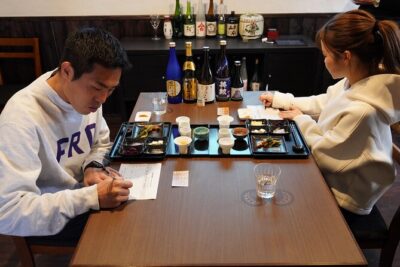
1.5-Hour Kyoto Insider Sake Experience with 7 Tastings & Pairings
Read our review →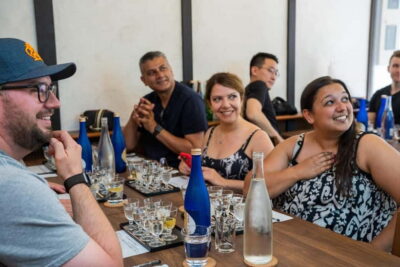
Kyoto: Insider Sake Experience with 7 Tastings and Snacks
Read our review →
Kyoto: Afternoon Japanese Izakaya Cooking Class
Read our review →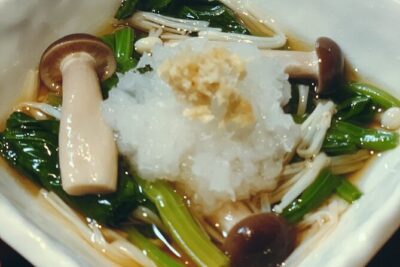
Browse the lists this tour appears in