
REVIEW · TOKYO SAKE TOURS
Wagyu & Sake Pairing in Shinjuku – Steak, Shabu-Shabu & More
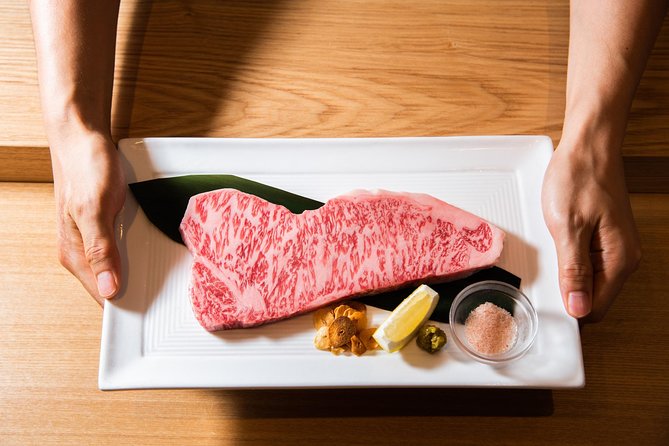
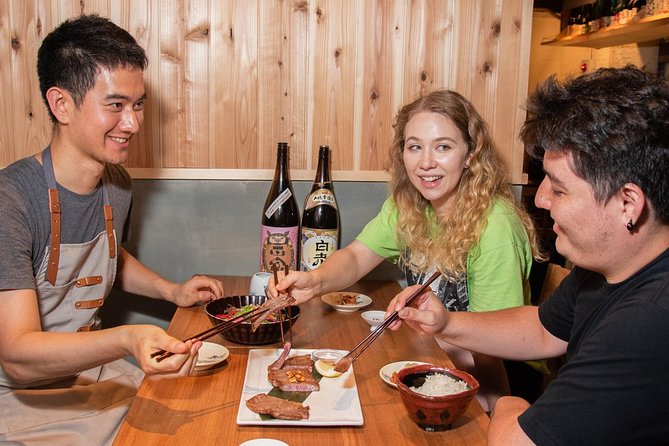
The best part of this Shinjuku evening is the sheer range: A5 wagyu, beef tongue, tataki, steak, hotpot, udon, and sake appear in one carefully paced meal. You are not simply ordering a steak and hoping it is worth the price. You get an explanation of wagyu grades, regional differences, sake production, and the reasons each drink suits each dish.
I like the small maximum of eight, which gives the host time to answer questions and help you read Japanese menus later in your trip. I also like the generous spread and the chance to try aged, fermented, cloudy, warm, unpasteurized, and cocktail-style sake. The main caution is the setting: one diner found the room small and seating tight, so this is a focused food session rather than a grand restaurant night.
Key points to know before booking
- A full wagyu course, not just one steak: Expect tongue, tataki, sirloin, chuck, hotpot, dashi udon, appetizers, salad, and dessert.
- A different sake pairing for each wagyu dish: Some sake is warm, some cloudy or unpasteurized, and some appears in cocktails made for the meal.
- Small-group attention: The activity accepts no more than eight people, with several hosts, including Joe, Andrea, Chi, Tadashi, and Miyuki.
- A useful introduction to Japanese food: You learn about wagyu grading, regional differences, sake production, and menu terms.
- A filling three-hour dinner: The 6 pm start makes this a good evening plan in Shinjuku, but the food is substantial.
- Food restrictions need advance notice: Contact the operator at least one week ahead. Vegan, vegetarian, and gluten-free choices are limited.
Starting at Ushinobi Shinjuku at 6 pm
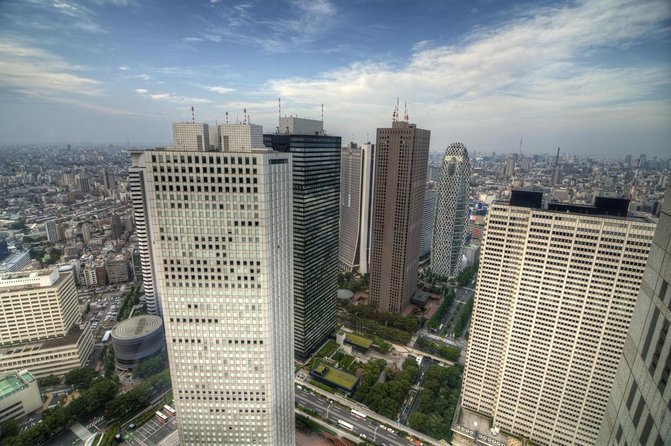
You meet at Ushinobi Shinjuku in the NSK Building, at 1-chōme-22-1 Hyakuninchō, Shinjuku City. The activity lasts about three hours and returns to the same place, so you do not need to arrange a second pickup point at the end.
The location is near public transportation, which matters in a city where a meal can easily turn into a late-night cross-town mission. Plan to arrive with enough time to find the building and meeting point without rushing. A mobile ticket keeps the entry process simple.
The evening begins with Japanese drinks served as an aperitif. This first taste sets the tone. You start with conversation about wagyu and sake before the plates arrive, rather than trying to absorb a lesson while juggling several dishes at once.
The opening discussion covers the history and importance of both foods, along with regional differences. That context helps you understand why wagyu is not one single product and why sake can taste so different from bottle to bottle. If you are new to both, this is the part that gives the meal a useful frame.
More Sake Tastings in Tokyo:
- Best of Shinjuku: Izakaya Food Tour (4 Stops, 14+ Tastings)
★ 5.0 · 1,863 reviews - Ramen and Sushi Cooking Class with Sake Pairing Set in Tokyo
★ 5.0 · 291 reviews - Sake Tasting Masterclass in Shinjuku (8+ Varieties with a Pro)
★ 5.0 · 271 reviews
What the wagyu lesson adds to dinner
Wagyu is often treated as a luxury label, but the important details are easy to miss. During the meal, you learn about the grading system and what separates wagyu from ordinary beef. That makes each cut easier to judge on its own terms.
The experience uses wagyu from different regions of Japan, with the exact cuts depending on what is available on the date. That means you should not expect a fixed regional tasting every time. It does mean the chef can serve the best cuts available for that particular dinner.
This changing menu is a small tradeoff. You get freshness and variety, but you cannot plan around one exact breed, prefecture, or steak cut. If you want a specific kind of Kobe, Matsusaka, or other regional beef, this is not the right format to book.
The meal also shows wagyu in several preparations. That is useful because fatty beef can become repetitive if every course is simply grilled and served in the same way. Here, the menu moves from raw-style preparation to grilling, soup, hotpot, noodles, and dessert.
The full course, from tongue to dashi udon
The sample dinner begins with two appetizers. These smaller plates give you something to eat while the host explains the pairings, and they keep the meal from opening with a heavy slab of beef.
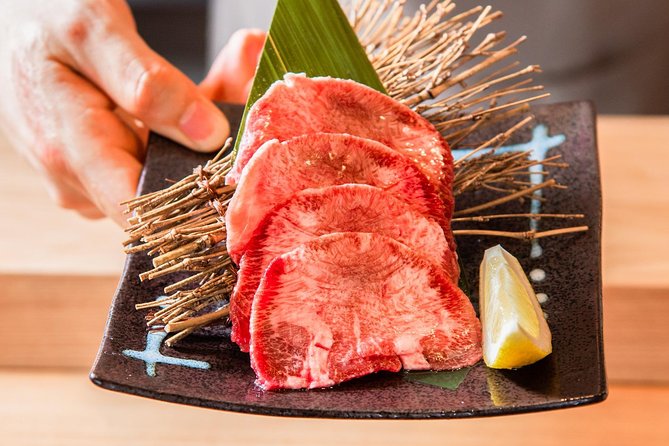
Next comes grilled wagyu beef tongue with an original sake cocktail. Tongue has a firmer, more distinct bite than tenderloin or sirloin, so it gives you an early lesson in texture. The cocktail is also a friendly introduction for anyone who feels unsure about drinking sake straight.
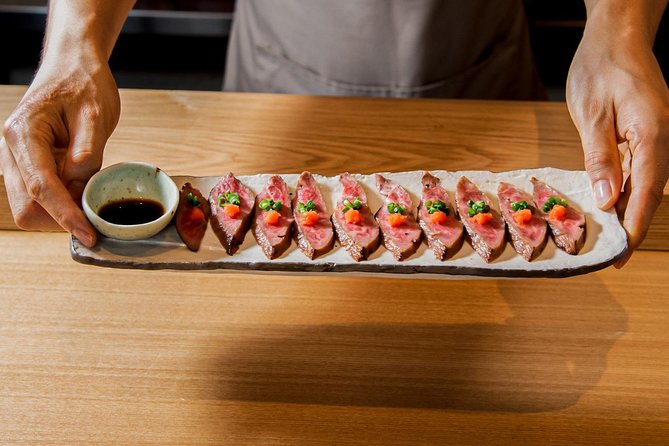
Wagyu chuck flap tataki follows with warm sake. Tataki is lightly prepared on the outside while keeping a more delicate center, and the warm pour changes how you notice the beef. This course should appeal to diners who want something more interesting than a standard grilled steak.
A seasonal salad breaks up the richness. That may sound minor, but it matters in a meal built around fatty meat and multiple drinks. The salad gives your palate a pause before the larger courses.
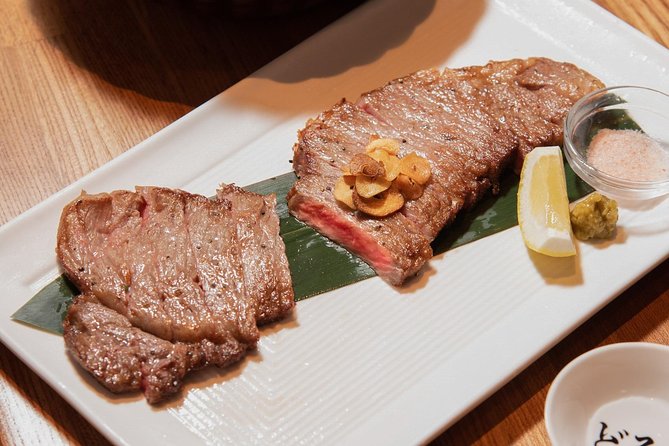
The wagyu sirloin steak arrives with nigori, a cloudy style of sake. Sirloin is the course many people will anticipate most, and nigori brings a softer, fuller drink beside it. If this is your first time trying cloudy sake, pay attention to how its texture differs from a clear pour.
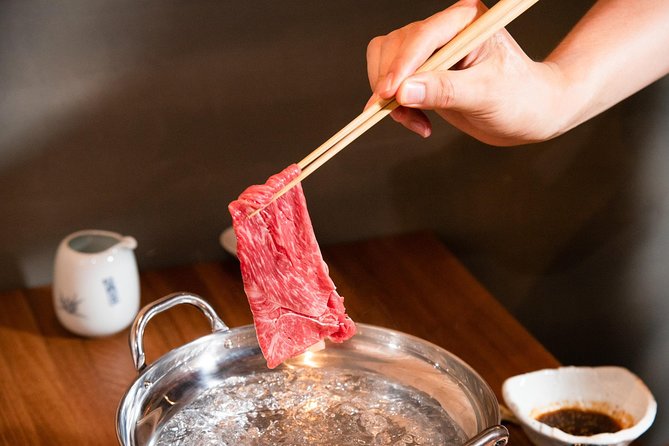
Then comes wagyu chuck hotpot with unpasteurized sake. Hotpot changes the pace of the meal because you take part in preparing and cooking at least some of the food. Several diners particularly enjoyed having a hand in the cooking, and that makes the course more social than a plate simply placed in front of you.
The final savory course is wagyu dashi udon. Dashi gives the noodles a distinctly Japanese broth base, while the wagyu adds richness. It is a sensible finish to the meat portion because it shifts from steakhouse flavors toward a comforting noodle dish.
Dessert arrives with sake and a surprise. The exact dessert is not fixed in the information provided, so you should treat this as a final pairing rather than plan around a particular sweet.
Portions are generous. Come hungry, because the meal is much larger than a tasting built around two or three small bites. If you tend to fill up quickly on rich food, pace yourself early and take your time with the sake.
Why the sake pairings matter
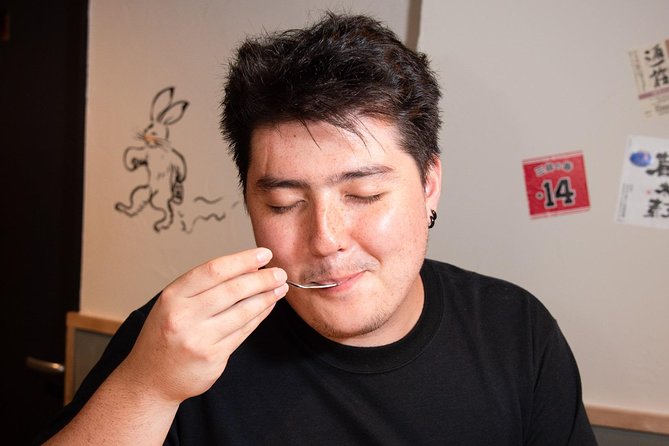
The pairing is not a token glass of sake beside dinner. Each wagyu course receives a different style or preparation, and some pairings are original cocktails created for beef.
You may try aged sake, fermented sake, warm sake, nigori, and unpasteurized sake. Those terms describe very different drinking experiences, and the guided format lets you compare them in a logical order. You also get practical advice about buying sake during the rest of your time in Japan.
I like this approach because it turns a premium meal into a short course in Japanese drinking culture. You are not expected to know the difference between cloudy and clear sake, or between a warm and chilled pour. The host explains what is in front of you and how it works with the food.
Additional drinks, such as beer, are not included. That keeps the price focused on the planned pairings, but you should budget separately if you want something beyond the sake served with the meal.
The alcohol is a real part of the experience, not a minor extra. If you do not drink, or if you prefer only a small amount, check with the operator before booking to confirm what alternatives are possible. The provided details specifically describe sake pairings, not a nonalcoholic version.
More Sake and Food Tours in Tokyo:
- Sake Omakase in Tokyo: Guided Tasting by Certified Sommeliers
★ 5.0 · 239 reviews - Tokyo: The Best of Izakaya in Shinjuku Food & Cultural Tour
★ 4.9 · 221 reviews - [1 Group Only] Tokyo Shinjuku Food Tour for Family
★ 5.0 · 147 reviews - Tokyo Wagyu & Sake Pairing Tasting Experience with Local Flavors
★ 5.0 · 108 reviews
The small group and the hosts
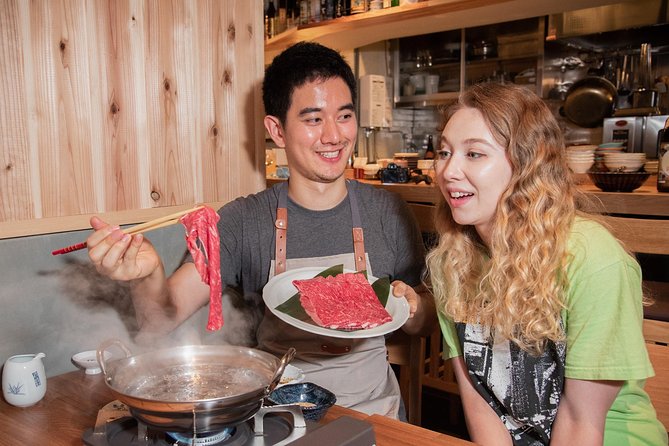
The maximum group size is eight. That is small enough for direct conversation, and it gives you a better chance to ask about a cut of beef, a sake label, or a Japanese menu term without waiting for a large crowd to quiet down.
Several hosts lead the evening. Joe is noted for clear English and practical guidance, including tips for buying sake. Andrea is praised for handling the tasting and for helping with an allergy accommodation. Chi is described as engaging, while Tadashi explains both the wagyu grading system and how sake is made. Miyuki brings a warm, personable style to the evening.
The host can make or break a food activity, and here the teaching role matters as much as the serving role. You are paying for a meal, but also for someone to explain what you are eating and help you make sense of Japanese food customs.
The shared table can be part of the fun. You eat with other people rather than keeping the evening entirely private, which creates a social dinner atmosphere. That is a benefit if you enjoy comparing impressions and meeting fellow diners. It is less appealing if you want a quiet, intimate meal for just your own party.
The room itself may feel compact. One account described six people sitting closely in a small area at the back of a bar, and that is worth considering before you book. The limited space helps create the small-group feel, but it does not offer the polished, spacious setting some diners expect at this price.
Is $148.65 good value?
At $148.65 per person, this is not a casual dinner. The value depends on what you want from the evening.
If you only want to eat wagyu, you may find a cheaper meal by ordering one steak. That option will not give you several cuts, multiple cooking methods, a full course, or a guided sake progression.
Here, the price includes the full course meal and all the planned sake pairings. You also receive instruction about wagyu grades, regional differences, sake production, and menu reading. Several diners considered the sake alone a strong part of the value, especially because the pours include less familiar styles and pairings.
The quantity also matters. Appetizers, salad, several beef courses, hotpot, udon, and dessert make this a complete dinner rather than a short tasting before another reservation. If you would otherwise book a premium steak meal plus a separate sake tasting, the combined cost may compare more favorably.
There are limits. The exact wagyu regions and cuts can change, extra drinks cost more, and the room is not large. You are paying for food, guidance, and variety, not a formal luxury dining room.
Who will enjoy this evening most
I would choose this for a first visit to Japan if you want an easy introduction to two major parts of Japanese food culture. It gives you enough explanation to continue exploring wagyu and sake on your own afterward.
It also suits curious eaters who want to compare textures and preparations. A person who likes tasting menus, cooking at the table, and asking questions will get more from it than someone who wants one large steak with no commentary.
English-speaking diners should find the format comfortable, since the hosts include English-speaking guides, including a native English speaker. The activity is also suitable for most participants, and it is near public transportation.
I would think twice if you dislike shared dining, have a strict plant-based diet, or need a fully gluten-free menu. Food restrictions must be sent at least a week before the date, and vegan, vegetarian, and gluten-free choices are limited. Last-minute requests cannot be accommodated.
The 6 pm start works well for an evening in Shinjuku. After three hours, you finish back at the same restaurant, with no need to cross the city during the meal. It is a poor fit only if you have a fixed evening reservation soon afterward, since the dinner is substantial and the timing is approximate.
Practical booking advice
Send all allergy and dietary information at least one week before the experience. Do not wait until the day of the meal, especially if your restriction is serious.
The activity has free cancellation if you cancel at least 24 hours before the local start time. Cancellations or changes made inside that window are not accepted for a refund.
The experience is recommended by 98 percent of its listed participants and has a 4.9 rating from 112 reviews. Those numbers suggest a reliable format, but they do not erase the two practical cautions: the meal is rich, and the seating may be tight.
Should you book the wagyu and sake pairing?
Book it if you want more than a restaurant reservation. The combination of several wagyu cuts, hands-on hotpot, varied sake, English guidance, and a small group makes this a useful first step into Japanese food culture.
I especially recommend it for an adventurous eater who wants to leave Japan able to recognize a few sake styles and understand why wagyu costs more than ordinary beef. The meal is filling, social, and full of information without requiring you to decode everything alone.
Skip it if you want a spacious luxury setting, a private table, a specific named beef region, or extensive dietary flexibility. For everyone else, $148.65 buys a serious dinner and a practical lesson you can use for the rest of your time in Japan.
FAQ
Where does the wagyu and sake experience begin?
It begins at Ushinobi Shinjuku in the NSK Building, 201, 1-chōme-22-1 Hyakuninchō, Shinjuku City, Tokyo 169-0073, Japan.
What time does the experience start?
The start time is 6:00 pm.
How long does the experience last?
The activity lasts approximately three hours and ends back at the meeting point.
How many people can join?
The maximum group size is eight participants.
What is included in the price?
A full-course wagyu meal and the planned sake pairings are included.
Are other drinks included?
Additional drinks, including beer, are not included.
Can food allergies or dietary restrictions be accommodated?
You should send food restriction details at least one week before the date. Vegan, vegetarian, and gluten-free options are limited, and last-minute requests cannot be accommodated.
What is the cancellation policy?
You can receive a full refund if you cancel at least 24 hours before the local start time. Cancellations or changes made less than 24 hours before the start are not accepted.
Just added around Tokyo
- Tokyo: Serene Sakura & Sake: An Exclusive Brewery Pairing Lunch★ 5.0 · 2 reviews
- Tokyo Sake Tasting Tour with a Sake Expert★ 5.0 · 7 reviews
- Wagyu BBQ & Sukiyaki with Sake Pairing Experience near Ginza★ 5.0 · 2 reviews
- Japanese Sake Tasting & Wagyu Sukiyaki Cooking Class in Tokyo★ 5.0 · 10 reviews
- Tokyo Izakaya crawl (A tour of 2 izakayas, 1 bar, and a shrine)★ 5.0 · 8 reviews
- Private Tokyo Food Tour – Retro Akabane Izakaya Experience★ 5.0 · 14 reviews
- Tokyo: Learn the Art of Chopsticks in a Cozy Izakaya!★ 5.0 · 2 reviews
- Shinjuku Underground Nightlife Tour: Izakaya Food & Bar Hopping★ 5.0 · 11 reviews
Tokyo Sake Tours, compared.
Best of Shinjuku: Izakaya Food Tour (4 Stops, 14+ Tastings)
Read our review →
Tokyo: Shinjuku Local Bar and Izakaya Guided Walking Tour
Read our review →
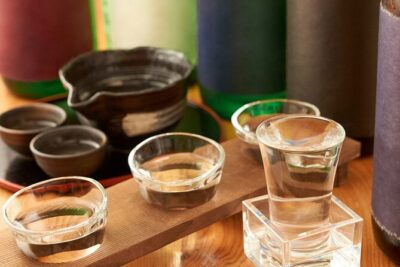
Ramen and Sushi Cooking Class with Sake Pairing Set in Tokyo
Read our review →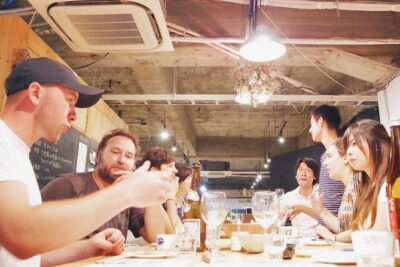
Sake Tasting Masterclass in Shinjuku (8+ Varieties with a Pro)
Read our review →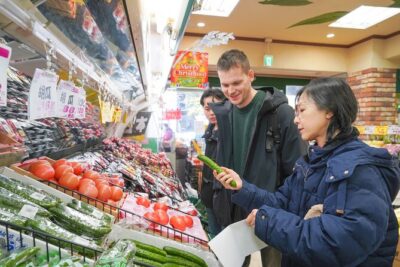
Tokyo Washoku 4-hour Cooking Class: From Market to Table
Read our review →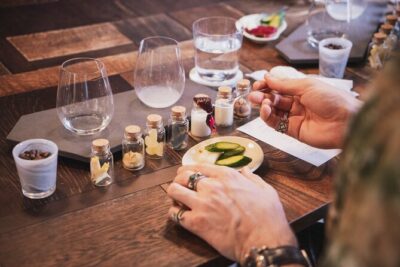
Sake Omakase in Tokyo: Guided Tasting by Certified Sommeliers
Read our review →Browse the lists this tour appears in