
REVIEW · KOBE SAKE TOURS
Kobe: 3-Hour Sake Breweries Tour with Special Tasting
Nada Gogo is where Kobe’s sake story becomes real. In three hours, you walk between working or exhibition breweries, see how rice becomes sake, and taste the results at three different producers. The tour can include Kikumasamune, Hamafukutsuru, and Hakutsuru, giving you both major names and smaller local products.
I like the clear comparison between old brewing methods and modern production, and I like that tasting fees are covered up to 1,000 yen per brewery. Guides such as Chiyuki, Kaito, Max, Atsuko, and Naoke have been praised for making technical details easy to follow, often adding Japanese phrases or local history.
The main drawback is the walking. You move between breweries, and one participant found the route tiring in 37°C heat. Go ready for an active three hours, especially in summer.
What makes this sake tour worth considering
- Three breweries in one short visit: Compare the approaches of Kikumasamune, Hamafukutsuru, Hakutsuru, and other local producers.
- Tasting money is built in: Up to 1,000 yen per brewery is included, so you can focus on the sake rather than each small charge.
- Rice polishing gets proper attention: You learn how the amount of polishing affects the character and quality of sake.
- Guides add a human touch: Chiyuki, Kaito, Max, Atsuko, and Naoke have been praised for clear explanations, humor, and kindness.
- A walking tour with a local setting: The route connects breweries in Nada Gogo instead of treating sake as a classroom subject.
- A practical introduction for beginners: You can taste several types while learning the basic production process and vocabulary.
Why Nada Gogo matters to sake drinkers
Nada Gogo is one of Japan’s best-known sake-producing areas, and Kobe gives you a useful base for seeing it. The district is not simply a place to sample drinks. It is a working part of Japan’s brewing culture, with long-established producers and newer methods operating side by side.
That contrast is the point of the tour. You are not asked to memorize a long list of labels. Instead, you see how brewers handle rice, fermentation, storage, and presentation, then taste enough examples to notice differences.
I find this format more useful than a single tasting bar. A bar can tell you what a sake tastes like, but three breweries show you why producers may make different choices. The guide can connect those choices to polishing, brewing technique, and local tradition.
The tour is also a good choice if you are curious about Japanese culture but do not know much about sake. You do not need a trained palate. You only need an interest in trying several styles and asking questions.
More Sake Brewery Tours in Kobe:
- KOBE Sake Tasting Tour at Breweries (tasting fee included)
★ 5.0 · 154 reviews - Kobe: Guided Sake Breweries Tour with Tastings
★ 5.0 · 55 reviews - Sake Brewery and Japanese Life Experience Tour in Kobe
★ 5.0 · 39 reviews
Meeting your guide at Hanshin Uozaki Station
The tour begins in front of the ticket gate at Hanshin Uozaki Station. Look for the guide holding the yellow sign with the DeepExperience logo. This is a useful meeting arrangement because it gives you a precise place to gather rather than leaving you to search around a large station.
Your guide may be Chiyuki, Kaito, Max, Atsuko, Naoke, or another member of the team. The available languages are English and Japanese. Several guides have been praised for adjusting their explanations to the group, and Chiyuki has also helped bridge the language gap when a Japanese explanation was not fully clear.
Allow a little extra time to reach Uozaki Station. The activity returns to the same meeting point, so you do not have to work out a new destination at the end of the three hours.
This is a walking experience, not a bus tour. Wear comfortable shoes and plan for weather. The route can feel easy in mild conditions, but one hot-weather outing at 37°C became a serious effort. Carrying water and choosing light clothing is sensible, even though those items are not part of the tour.
At the first brewery, start with the basics
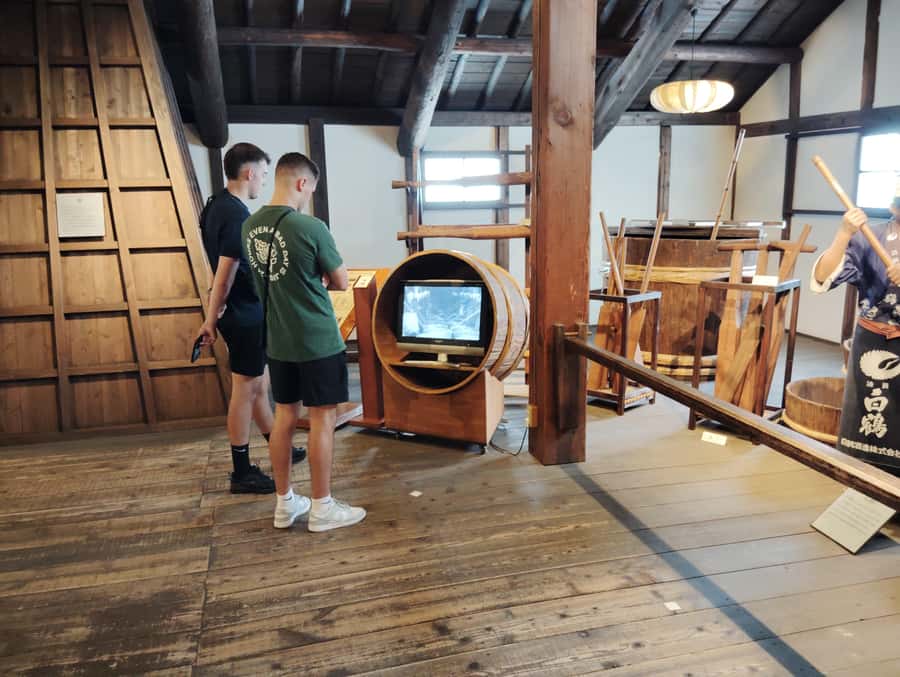
The first brewery gives you a foundation for the rest of the tour. Your guide explains how sake is made, beginning with rice and continuing through polishing and fermentation. The central lesson is that sake is not just one drink with one flavor.
Rice polishing is especially useful to understand. The more of the outer rice grain removed before brewing, the more the finished sake can change in style and quality. You will not become a sake expert in one afternoon, but this detail gives you a better way to compare the samples in front of you.
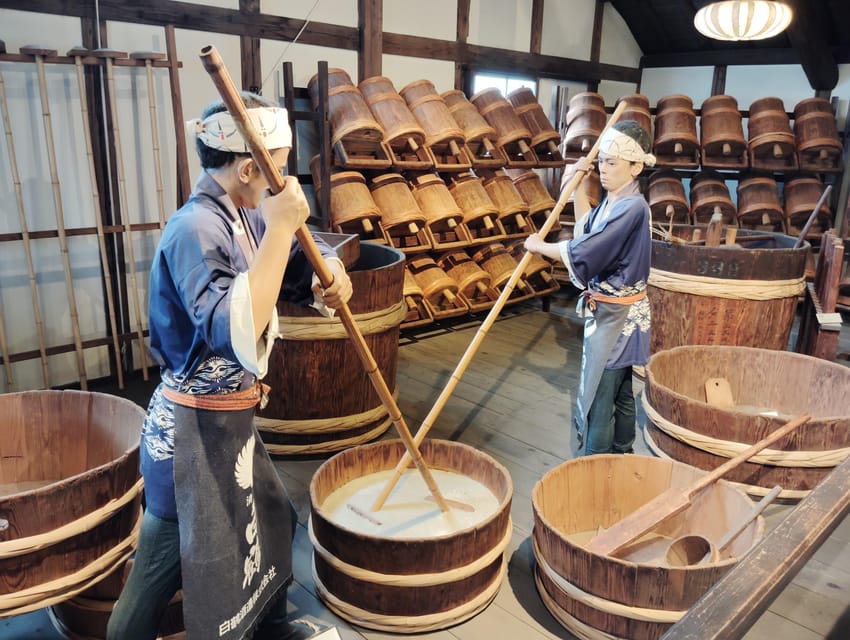
The tour also explains how brewing was done hundreds of years ago. This historical side matters because traditional sake production can otherwise look like a collection of mysterious steps. Once you know what the old process required, modern machinery and controlled methods make more sense.
At this stage, ask questions. The strongest part of this experience is the guide’s ability to turn production details into something understandable. Kaito has used note cards and Japanese sayings to add context, while other guides have brought a dry sense of humor or personal enthusiasm to the explanations.
Three breweries, three ways to understand sake
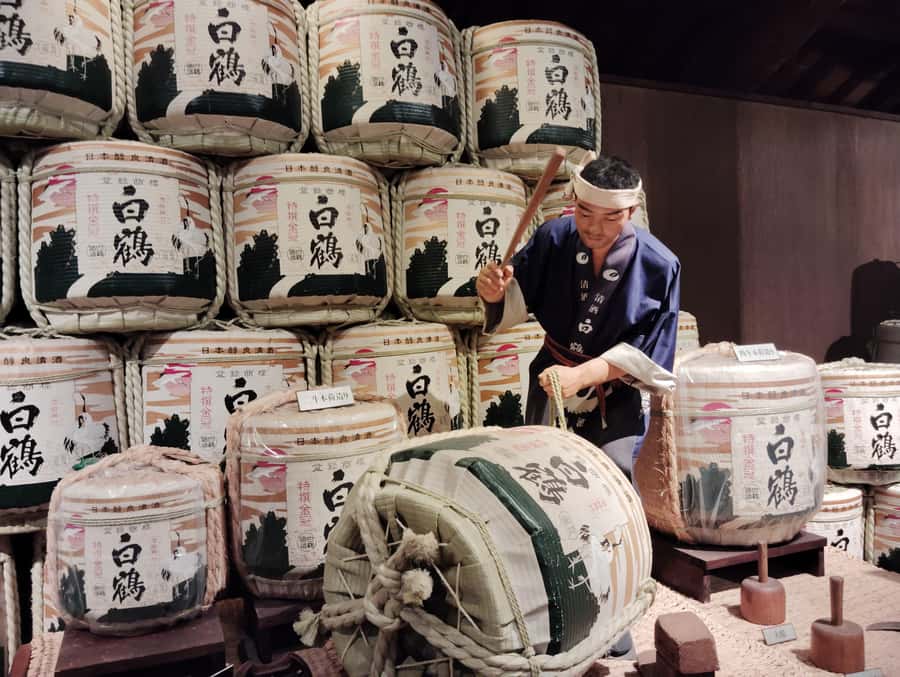
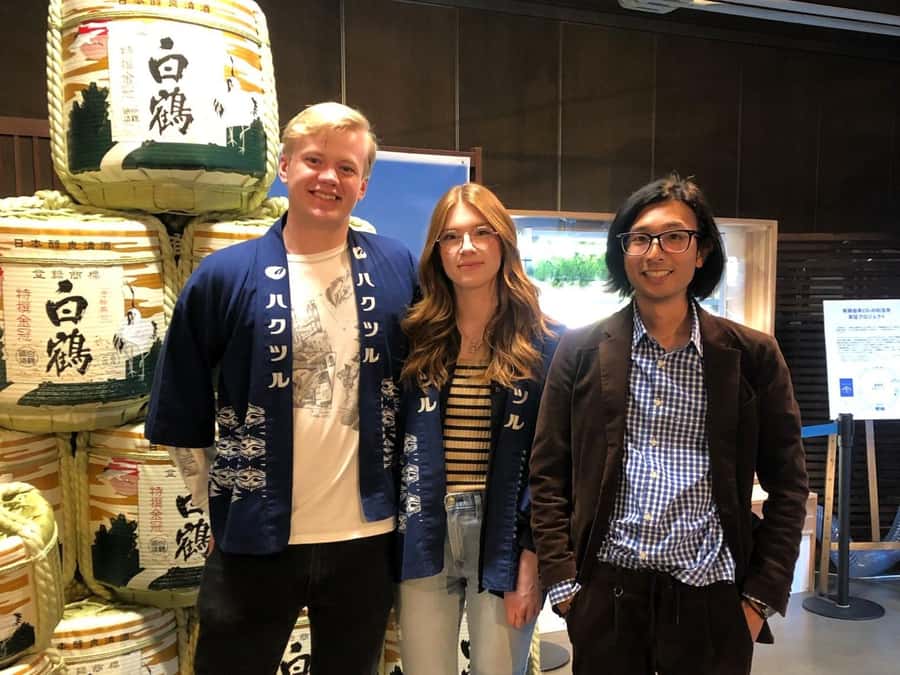
The route visits three breweries, and each stop has a different role. The exact order may vary, but the named producers include Kikumasamune, Hamafukutsuru, and Hakutsuru.
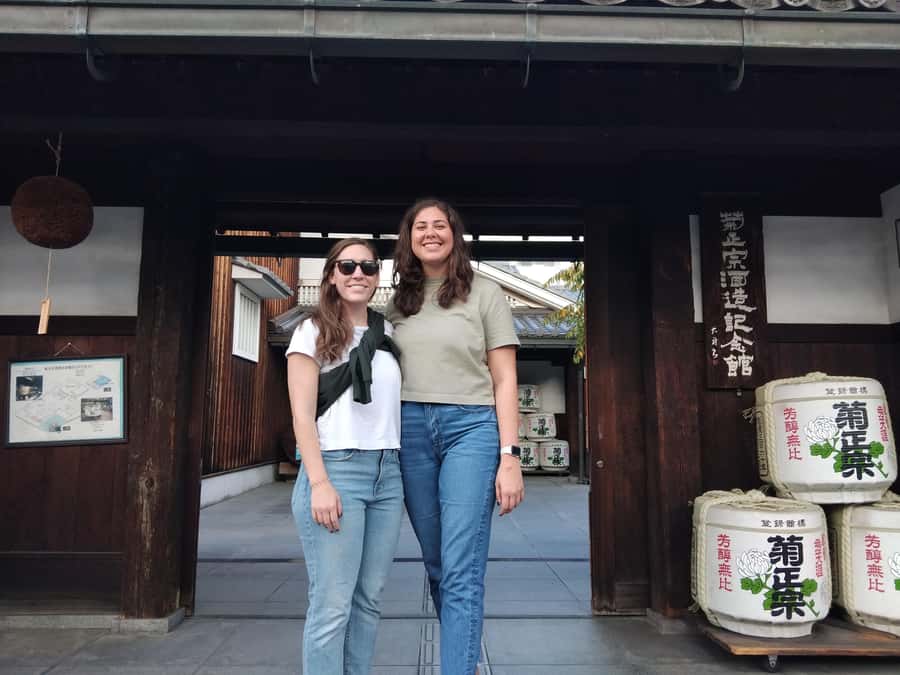
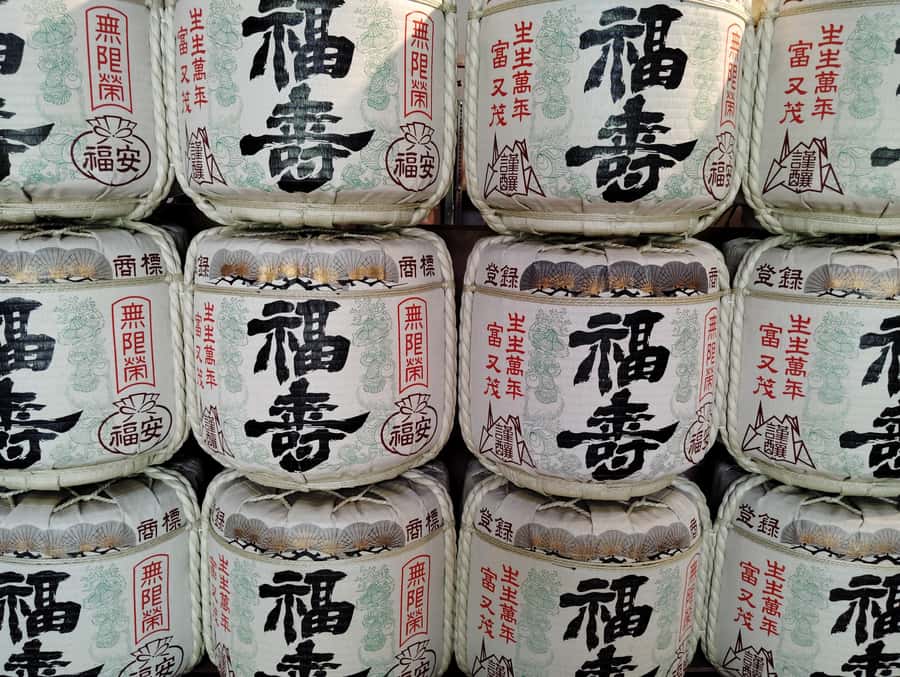
Kikumasamune helps place sake in the wider story of established Japanese brewing. You may find the visit useful if you want to understand how a major producer presents traditional methods while working within a modern industry.
Hamafukutsuru adds another point of comparison. The tour’s value here is not simply the chance to taste another label. You can ask how its approach differs from the other stops and use the tasting to test what you have just learned about rice and fermentation.
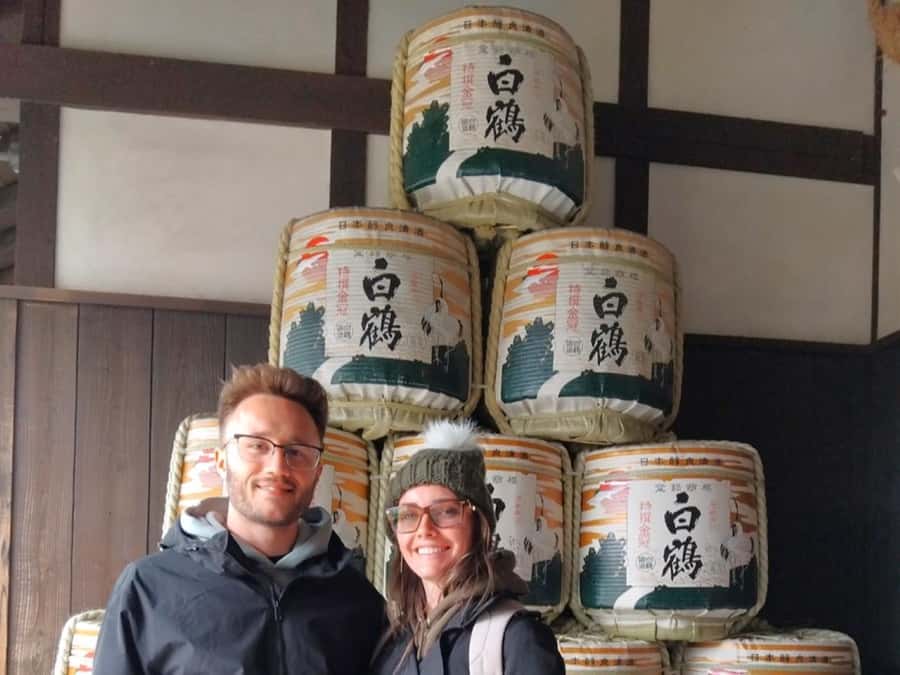
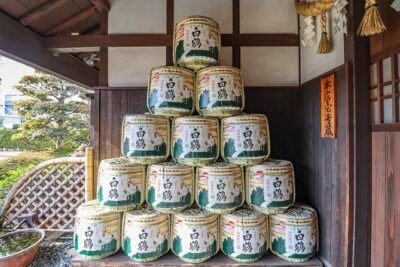
Hakutsuru is described as a large brewery and a particularly memorable stop for seeing the scale of a major sake producer. It gives the tour a different feel from a smaller local operation and helps show how recognizable brands bring sake to a broader market.
The stops may also include products you are unlikely to find in ordinary shops. That makes the tastings more than a standard brand survey. If you discover a bottle you like, ask the guide where it can be purchased, though the available information does not promise that every tasting product will be sold nearby.
Do not expect three identical museum visits. The appeal is the contrast among them. One location may focus more on old tools and customs, another on production, and another on the reach of a major brand. The guide’s explanations tie those pieces together.
More Sake Tastings in Kobe:
- 1-Day Kobe Highlights Tour including Sake Tasting
★ 4.5 · 28 reviews - Kobe: Sake Brewery Tour with Tasting and Kobe Beef Bites
★ 5.0 · 11 reviews - Kobe: Sake Brewery Tour with Tasting Sake
★ 4.7 · 9 reviews - Cruise Shore Excursion: Kobe Sake Tasting with Local Guide
★ 5.0 · 7 reviews
The tastings are the payoff, not a side note
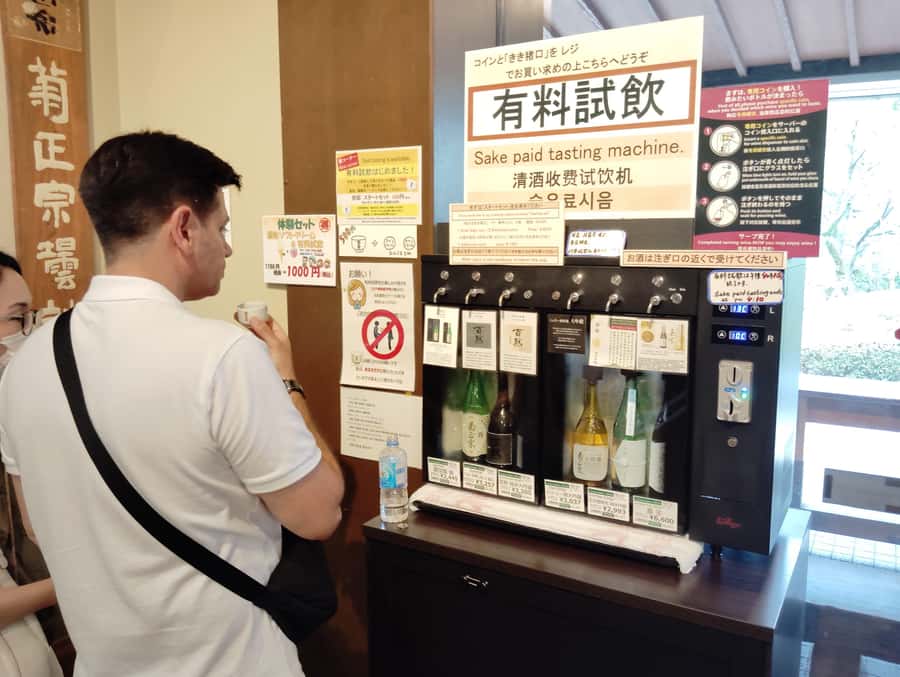
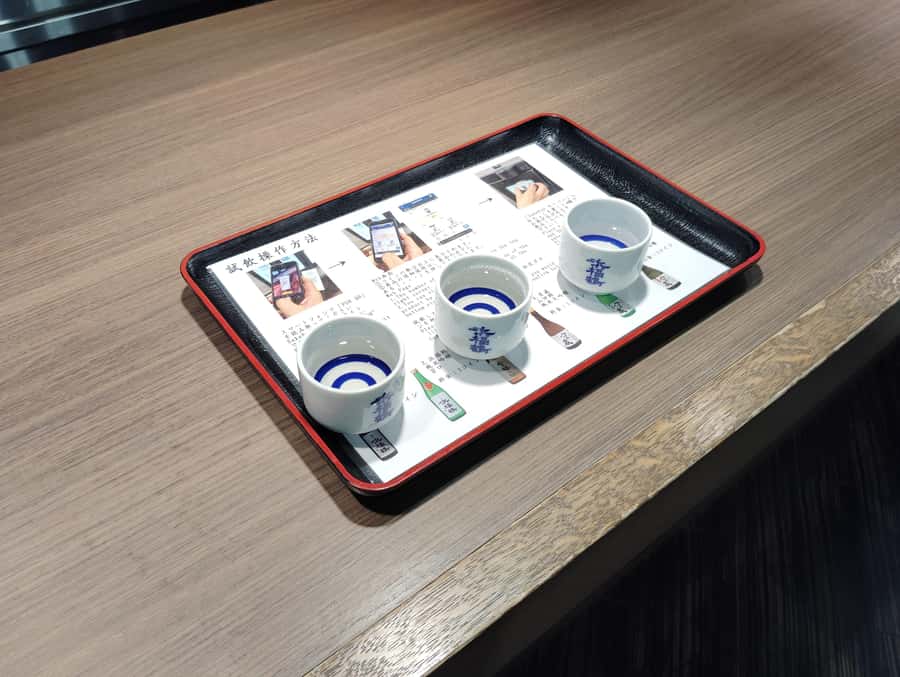
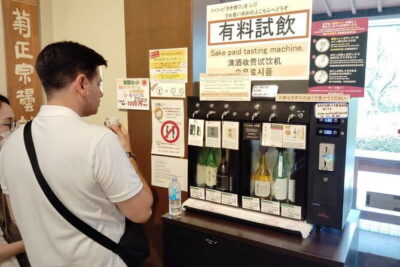
The included tastings are an important reason to book this tour. You try a range of sake varieties at the three breweries, and the tasting allowance covers up to 1,000 yen per brewery. At the full allowance, that means up to 3,000 yen in tasting fees is included, though the actual offerings and prices can vary.
This is a better setup than receiving one token sample at the end. Several tastings let you compare aroma, sweetness, weight, and finish while the production details are still fresh in your mind.
You should pace yourself. The activity lasts three hours and includes walking, so treating every sample as a race would work against the experience. Take notes if you are serious about sake, or simply remember which examples you prefer and ask the guide why they taste different.
Food is not listed among the inclusions, so do not assume that a meal or snack is part of the tour. The focus is sake, brewing, and tasting. If you need a full meal during the outing, plan that separately.
The tastings also suit people who normally feel unsure about sake. You can try several types without committing to a full bottle or relying on a shop label alone. The guide can explain what you are drinking in plain language, which makes the tasting less intimidating.
The guides make the difference
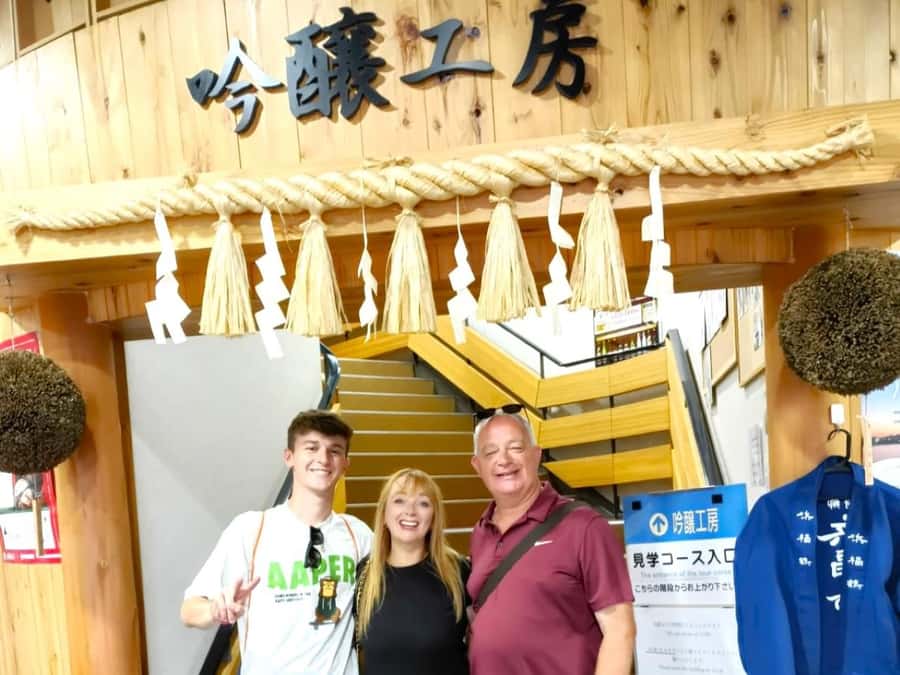
The strongest praise for this experience goes to the guides. That matters because brewery displays can be difficult to understand without context. A good guide helps you notice what deserves attention and keeps the three-hour route moving.
Chiyuki has been singled out for a friendly manner, strong explanations, and a good pace. She has guided visitors through three different breweries while explaining both traditional and current brewing methods. Her ability to discuss the area, sake culture, and production details makes her a particularly good match for first-time visitors.
Kaito has been praised for warmth and preparation. His note cards, Japanese sayings, and historical details add a personal layer to the tour. One small act of kindness, giving medicine to a family whose daughter was ill, also shows the sort of attentive approach you might encounter.
Max brings a friendly and informative style, with a focus on sake’s background. Atsuko kept one very hot walking tour light with humor and even bought ice cream for the group. Naoke has also been praised for kindness, fun, and making the time feel worthwhile.
Guide assignments can change, so you should not book solely on the promise of one person. Still, the range of positive comments suggests that the human side of the tour is a major part of its value.
The walking and pace deserve honest attention
Three breweries in three hours makes for a fairly full schedule. You spend time walking, listening, tasting, and moving on. That pace is useful because it prevents the outing from becoming a long lecture, but it also means you may not have much freedom to linger at every display.
The heat is the clearest concern. Nada Gogo is best approached with sensible footwear, water, and protection from strong sun. A 37°C day turned the walking section into an ordeal, even though the guide worked hard to keep the group comfortable.
You should also consider how alcohol affects your energy. This is not a long evening of drinking, but several tastings combined with warm weather and walking can catch up with you. Take the samples slowly and listen to your body.
For most people, the walking is part of the appeal. It connects the breweries and gives the tour a stronger sense of place than a single indoor tasting. If you have mobility concerns, the available details do not specify the route or accessibility arrangements, so contact the provider before booking.
Is $94 a fair price?
At $94 per person, the tour is not the cheapest way to taste sake in Kobe. It can still be good value if you want structure, background, and access to three breweries rather than a few casual samples.
The price includes the guide fee and up to 1,000 yen per brewery for tasting fees. You are paying for the time and interpretation as much as the liquid in the glass. A self-guided visit might cost less, but you would need to find the breweries, understand what you are seeing, compare the producers, and navigate Japanese and English information on your own.
The guide also saves you from treating each stop as a disconnected attraction. The rice-polishing lesson, old and modern methods, local history, and tasting notes build into one clear experience.
I would call the price reasonable for a sake enthusiast, a curious first-timer, or anyone with only a short stay in Kobe. It is less compelling if you already know the Nada Gogo breweries well or mainly want to buy bottles without spending three hours on a guided route.
The reserve-now, pay-later option gives you some planning flexibility. You can also cancel up to 24 hours in advance for a full refund, which is useful when arranging a busy Japan itinerary.
Who should book this Nada Gogo experience?
This tour suits you best if you want more than a drink in a glass. It is especially useful for:
- First-time sake drinkers who want a clear introduction
- Food and drink enthusiasts interested in Japanese production
- Visitors who enjoy walking between local sights
- Couples, families with adult children, and small groups who like guided learning
- People who want to compare major and local breweries
- Visitors with limited time in Kobe who want a focused regional experience
It may not suit you if you dislike alcohol, hot-weather walking, or a fairly structured schedule. It is also not the right pick if you are looking for a full meal, nightlife, or a relaxed tasting with no movement between stops.
FAQ
How long does the sake brewery tour last?
The activity lasts three hours.
Where does the tour begin?
Meet your guide in front of the Hanshin Uozaki Station ticket gate.
How will I find the guide?
The guide will hold a yellow sign with the DeepExperience logo.
Where does the tour end?
The activity ends back at the meeting point at Hanshin Uozaki Station.
Which breweries might I visit?
The tour visits three breweries in Nada Gogo. Named breweries include Kikumasamune, Hamafukutsuru, and Hakutsuru.
Are tasting fees included?
Yes. Up to 1,000 yen per brewery is included for tasting fees.
What languages are available?
The tour is offered in English and Japanese.
Can I reserve now and pay later?
Yes. You can reserve your place and pay nothing at the time of booking.
What is the cancellation policy?
You can cancel up to 24 hours in advance for a full refund.
Should you book it?
Book this tour if you want to understand sake while tasting it. The combination of three breweries, included tasting money, rice-polishing lessons, and a capable guide gives you far more context than a quick drink at a bar.
I would be most likely to recommend it to a curious beginner or a serious food lover. Just plan for walking, prepare for heat, and remember that the route is about learning as well as drinking. If that sounds like your kind of afternoon, $94 buys a focused and memorable look at Kobe’s Nada Gogo sake tradition.
More Three-Hour Sake Tours in Kobe
- Kobe: 3-Hour Private Sake Tour in Japan’s Top Sake Area
★ 5.0 · 9 reviews - 3-Hour Kyoto Insider Sake Brewery Tour with Tastings & Pairings
★ 5.0 · 917 reviews - 3 Hours Kyoto Insider Sake Experience | Tasting Konteki
★ 5.0 · 24 reviews - 3-Hour Gotemba Food and Nightlife Izakaya Walking Tour
★ 5.0 · 5 reviews
Just added around Kobe
- KOBE Sake brewery PRIVATE walking tour with Local guide★ 5.0 · 7 reviews
- Exploring Nada Sake Breweries Kobe Private Tour with Government-Licensed Guide★ 5.0 · 17 reviews
- Full Day Walking Tour Around Kobe Mountains Sea and Sake★ 5.0 · 6 reviews
- Kobe: 3-Hour Private Sake Tour in Japan’s Top Sake Area★ 5.0 · 9 reviews
- Kobe: Sake Brewery Tour with Tasting and Kobe Beef Bites★ 5.0 · 11 reviews
- Cruise Shore Excursion: Kobe Sake Tasting with Local Guide★ 5.0 · 7 reviews
- Kobe: Sake Brewery Tour with Tasting Sake★ 4.7 · 9 reviews
- Kobe: 5 Sake Breweries Tour in a Day★ 5.0 · 2 reviews
Kobe Sake Tours, compared.
KOBE Sake Tasting Tour at Breweries (tasting fee included)
Read our review →
Sake Brewery and Japanese Life Experience Tour in Kobe
Read our review →
1-Day Kobe Highlights Tour including Sake Tasting
Read our review →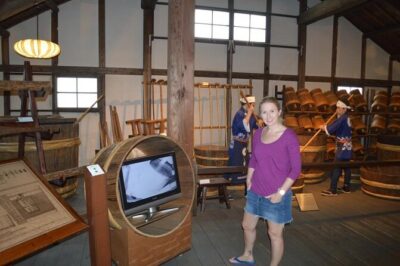
Exploring Nada Sake Breweries Kobe Private Tour with Government-Licensed Guide
Read our review →
Kobe: Sake Brewery Tour with Tasting and Kobe Beef Bites
Read our review →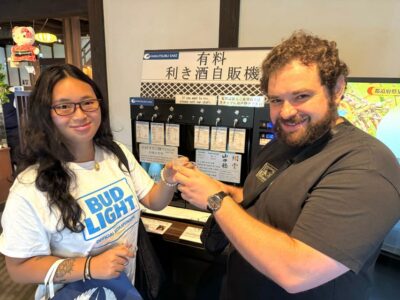
Kobe: 3-Hour Private Sake Tour in Japan’s Top Sake Area
Read our review →Browse the lists this tour appears in