
REVIEW · KOBE SAKE TOURS
Kobe: Guided Sake Breweries Tour with Tastings
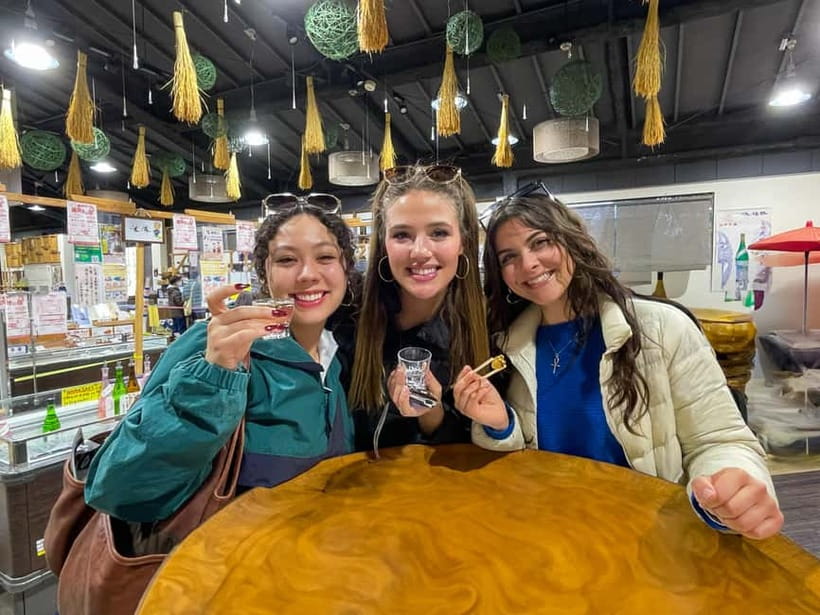
Nada is Kobe’s sake quarter, where small family breweries and major producers share the same streets. This 210-minute walking tour visits three or four sites, with tastings that show how much sake can vary from one brewery to the next. You’ll also stop at a tofu shop, a simple local touch that adds food and a welcome change of pace.
I like the mix of serious sake education and relaxed fun. Guides such as Hiro, Romi, Aya, Fuma, Aki, and Hiroman have been praised for clear English, humor, and real enthusiasm. I also like the small group limit of 10. The main drawback is the 4 km of walking, and the tofu stop is closed on Sundays and public holidays.
Key points to know before you book
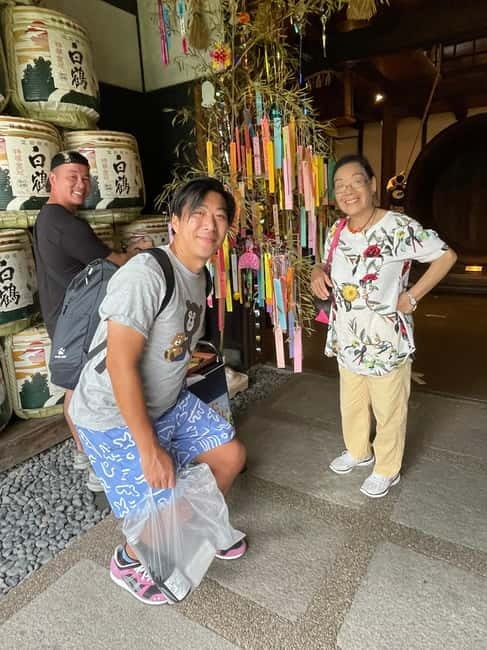
- Nada is Japan’s leading sake district: More than 26 breweries operate in the area, giving the tour a strong sense of place.
- You taste across different producers: The route can include Kobe Shushinkan, Hakutsuru, and Kiku-Masamune, plus another brewery when conditions allow.
- The tofu stop is a local bonus: Okage Tofu-an makes fresh tofu each morning and may offer just-made ganmodoki.
- The guide makes the difference: English-speaking guides explain brewing, sake styles, and Kobe culture in a friendly small-group setting.
- Plan for a walking afternoon: You meet at Ishiyagawa Station at 1 p.m. and finish near Uozaki Station around 4:30 p.m.
- Buy a bottle if you wish: A backpack is useful because brewery shops offer sake and souvenirs, and passport holders may qualify for tax exemption on purchases over ¥5,500.
Why Nada is the right place to learn about sake
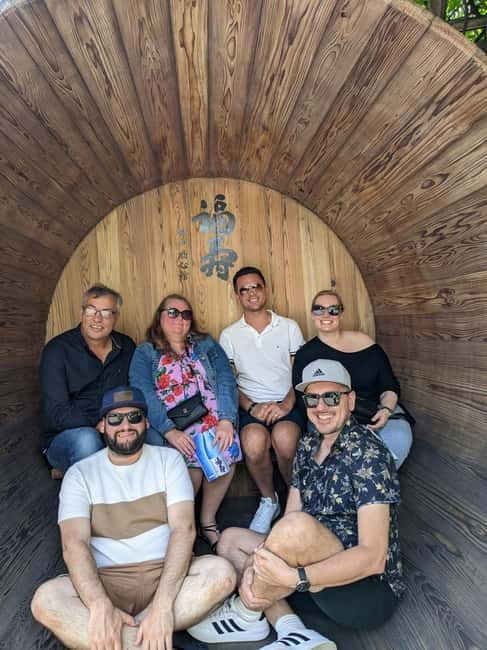
Sake is not just a drink you happen to sample in Kobe. In Nada, it is tied to water, rice, local trade, old brewing families, and working breweries that still shape the district.
The area has more than 26 breweries. That matters because you are not seeing one polished showroom and calling it a lesson. You move between producers with different identities, from a brewery focused on handcrafted production to Japan’s largest sake maker and a traditional producer known for the Kimoto method.
The route also gives you a look at the neighborhood between tastings. You walk from Ishiyagawa Station through the Nada district, then finish at Uozaki Station. The distance is about 4 km, so wear shoes you would happily use for a full afternoon in town.
The tour begins at 1 p.m. That timing works well if you eat lunch first. The organizers specifically advise you to do so, and I would take that seriously. Tastings at several breweries can add up, especially since some past groups found themselves pleasantly tipsy by the end.
More Sake Brewery Tours in Kobe:
- KOBE Sake Tasting Tour at Breweries (tasting fee included)
★ 5.0 · 154 reviews - Sake Brewery and Japanese Life Experience Tour in Kobe
★ 5.0 · 39 reviews - Kobe: 3-Hour Sake Breweries Tour with Special Tasting
★ 4.4 · 25 reviews
Starting at Ishiyagawa Station
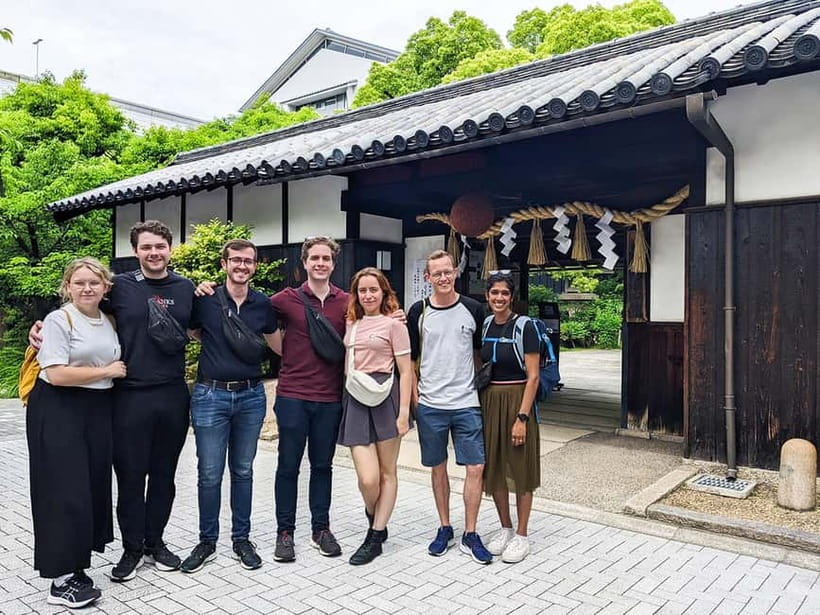
Meet at Ishiyagawa Station on the Hanshin Line at 1 p.m. Look for staff wearing a name tag with the KampaiSakeTours logo.
Your first walk lasts about 20 minutes. This is not a bus tour with a quick step off at each attraction. The walking is part of the point, letting your guide introduce the district as you go and connect the breweries to the streets around them.
The group is limited to 10 people, which is a useful size for tastings. You can ask questions without trying to speak over a large crowd, and your guide can keep an eye on the pace. English is the tour language.
Past guides have included Hiro, Romi, Aya, Fuma, Aki, Hiroman, and others. The guide assigned to your date may differ, but the best accounts of this tour give the same picture: clear explanations, a warm manner, and plenty of interest in sake beyond the basic brewing steps. One guide even used costumes and accessories to make the subject more playful.
Kobe Shushinkan and the Fukuju name
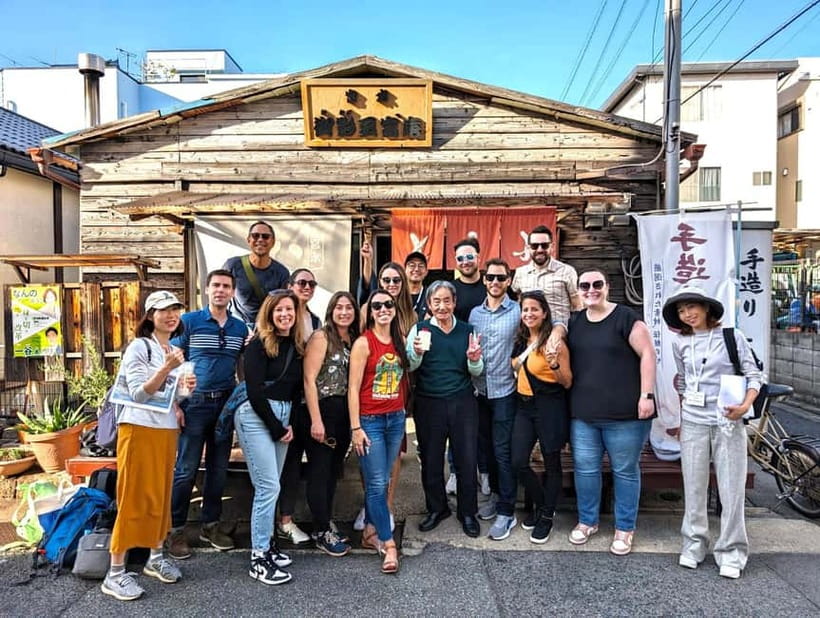
After the opening walk, you spend about 40 minutes at Kobe Shushinkan. The brewery dates to 1751 and makes sake under the Fukuju name.
This is a good first stop because it introduces sake as a craft rather than a generic Japanese drink. Fukuju focuses on handcrafted production, high-quality ingredients, and the judgment of its brewers. Your guide explains what goes into that process and helps you taste the results with more attention.
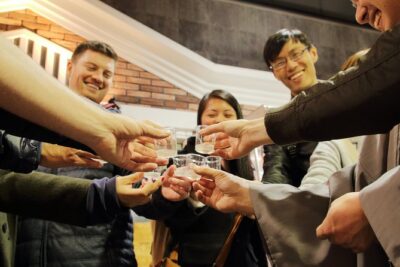
Expect several sake samples rather than one standard pour. The useful lesson is comparison. You may notice changes in aroma, sweetness, texture, and finish, even when the drinks all fall under the broad label of sake.
This stop also gives you a sense of the brewery’s values. Fukuju presents sake as something meant to bring people together, support its makers and local community, and carry brewing practice into the future. That may sound lofty on paper, but it becomes more practical when your guide links those ideas to the bottle in front of you.
A fresh tofu break at Okage Tofu-an
The next walk takes about 10 minutes, followed by a 15-minute tasting at Okage Tofu-an. This is one of the tour’s most appealing details because it breaks up the alcohol with a small taste of everyday food culture.
The shop has made fresh tofu each morning for more than 60 years. Its location among sake breweries is fitting: the shop stresses that good tofu, like good sake, begins with pure water.
The tofu is made in the traditional way and is described as delicate, clean, and full of flavor. If your timing is right, you may also get to try fresh ganmodoki, a tofu and vegetable fritter served straight from the kitchen.
There is an important catch. Okage Tofu-an is closed on Sundays and public holidays, so the tour will not stop there on those dates and tofu tastings will not be available. The overall experience continues, but you should not book a Sunday expecting this particular food stop.
More Sake Tastings in Kobe:
- 1-Day Kobe Highlights Tour including Sake Tasting
★ 4.5 · 28 reviews - Kobe: Sake Brewery Tour with Tasting and Kobe Beef Bites
★ 5.0 · 11 reviews - Kobe: Sake Brewery Tour with Tasting Sake
★ 4.7 · 9 reviews - Cruise Shore Excursion: Kobe Sake Tasting with Local Guide
★ 5.0 · 7 reviews
Hakutsuru Sake Brewery Museum
The route continues with another 10-minute walk to the Hakutsuru Sake Brewery Museum. Allow about an hour here, making it the longest stop of the afternoon.
Hakutsuru is Japan’s largest sake brewery. Its old brewhouse has been opened to the public in its original form as a museum, giving you a look at traditional brewing equipment and the working world behind the finished drink.
This is the stop for visual context. Instead of only hearing that sake was made by hand, you can see the tools and spaces associated with older production. Your guide helps explain how the process works and how traditional methods relate to the sake you are tasting.
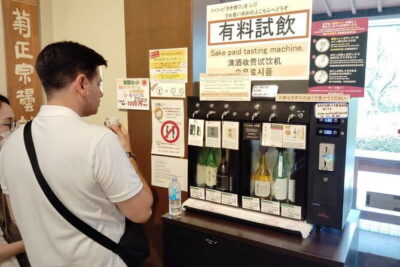
The museum also has a tasting corner and shop in the same building. You get another chance to sample sake, then browse bottles, alcohol, and souvenirs. This is useful if the first brewery made you curious but you were not ready to buy anything.
Hakutsuru is also where the tour feels most different from a visit to a small family producer. The scale is much larger, and that contrast is exactly why the stop earns its place. You can compare the presentation and production story of Japan’s biggest brewery with the more handcrafted approach introduced earlier.
Kiku-Masamune and the Kimoto method
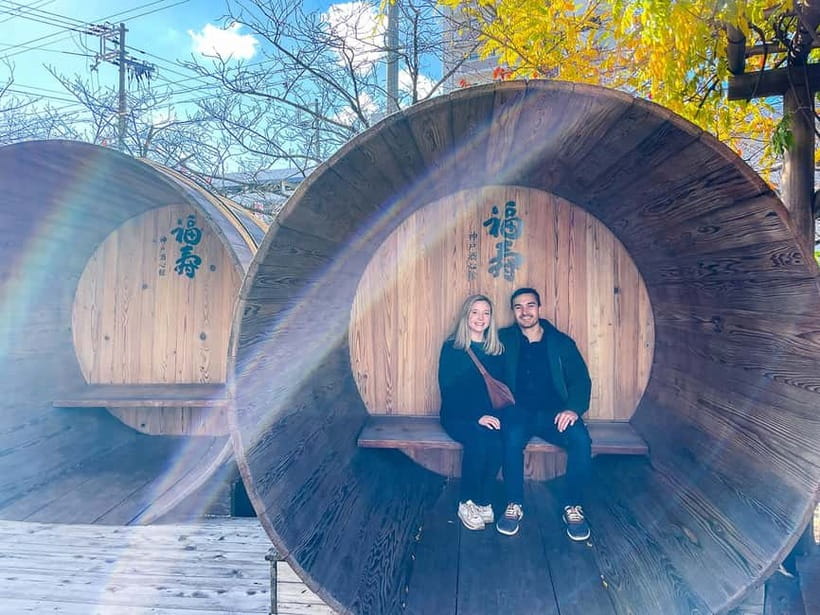
A 10-minute walk brings you to the Kiku-Masamune Shuzo Kinenkan, where you spend about 30 minutes.
Kiku-Masamune dates to 1625 and is known for preserving the traditional Kimoto method of yeast starter production. The museum displays wooden sake-making tools, which help make the older process easier to understand than a spoken explanation alone.
This stop adds another layer to the afternoon. At Kobe Shushinkan, you learn about a long-running handcrafted producer. At Hakutsuru, you see the scale of a national brewing company. At Kiku-Masamune, you focus on a specific traditional method and the equipment used to make sake in earlier periods.
The visit also includes tasting near a Japanese garden. That sounds like a small detail, but it changes the mood after a busy museum stop. You can pause, taste, and take in the setting rather than rushing through another display.
The exact brewery lineup can change because of closing days and weather. The tour promises three to four locations, not a fixed guarantee that every named site will be open on every date. This flexibility is worth accepting if your goal is to understand Nada as a working sake district rather than collect four identical checkmarks.
What the tastings teach you
The tastings are not simply a string of drinks. With a good guide, they become a way to understand the categories and choices behind sake.
You will sample different types from each brewery and hear about brewing, ingredients, production methods, and regional character. The information is aimed at ordinary drinkers, not only specialists. You do not need to know the difference between sake styles before arriving.
The guides have also been praised for answering wider questions about Kobe, Japanese culture, and the area’s past. That is useful because sake makes more sense when you understand its place in local life. The best moments may come when you ask why two samples taste different, why one is served in a particular way, or what makes a brewery’s approach distinctive.
If you are a wine drinker, this tour can be especially worthwhile. The comparison is not exact, but the tasting encourages you to notice delicate differences rather than treating sake as one uniform drink.
Pacing matters. Tastings at several stops can leave you tipsy, so eat before the tour and take the water and snacks seriously. Snacks are included, but they are not a substitute for lunch.
The tour is not suitable for pregnant women or anyone under 20. If you need to spit during a tasting for professional evaluation, contact the operator in advance so they can prepare.
Walking, shopping, and the finish at Uozaki
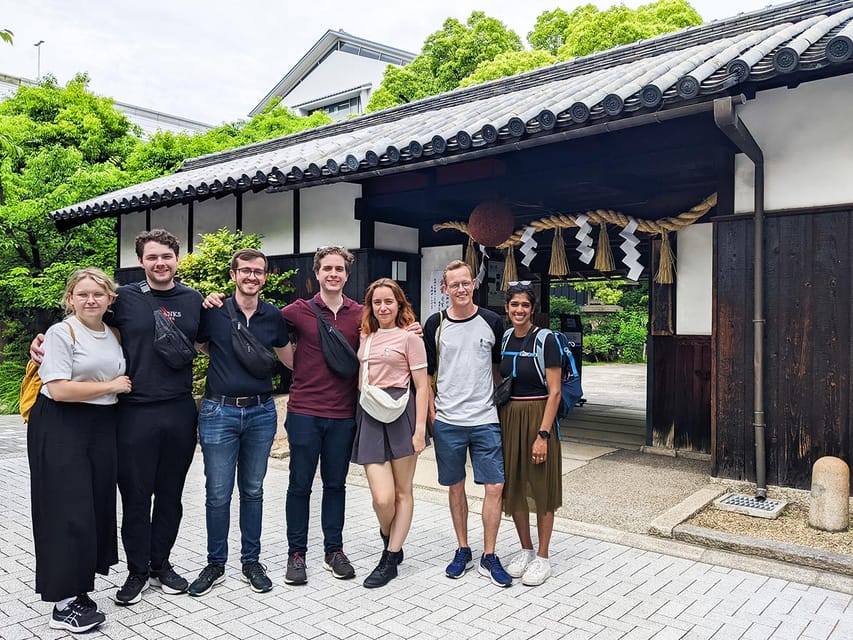
The final walk takes you to Uozaki Station on the Hanshin Line, where the tour ends around 4:30 p.m.
The route is manageable for most people who are comfortable walking 4 km, but it is not a good fit if you want a seated tasting with almost no movement. Comfortable shoes are listed as essential for good reason.
Bring a backpack rather than relying on a small shoulder bag. The brewery shops sell bottles and souvenirs, and you may find a sake you want to carry away. Tourists with a passport can be exempt from tax on purchases over ¥5,500 at breweries, subject to the purchase rules in effect there.
Wheelchair and stroller users should tell the operator when booking. That allows the team to discuss arrangements before the day rather than trying to solve access questions at the station.
Is $106 a fair price?
At $106 per person, this is not the cheapest way to taste sake in Kobe. You could buy a bottle or visit one museum on your own for less.
The value comes from the combination. Your fee covers a live English-speaking guide, organized walks between several breweries, sake tastings, snacks, and the chance to compare producers in one afternoon. You also get help understanding what you are drinking, which is the part that is hard to recreate by simply browsing a shop.
The small group limit improves the value. A group of up to 10 is large enough for a social afternoon but small enough for questions and personal attention. Several past guides have also arranged friendly contact with brewery staff, and one group had a private tasting space and a chance to speak directly with a master brewer. Those extras cannot be promised every time, but they show why the guide relationship matters.
I would call the price fair for a first-time sake drinker, a visitor who wants a structured afternoon, or anyone staying in Osaka and looking for an easy Kobe outing. It is less compelling for an experienced sake fan who already knows the Nada breweries and prefers to set an independent tasting route.
Free cancellation is available up to 24 hours before the start, and you can reserve now and pay later. Those terms make it easier to fit the tour into a changing Japan itinerary.
Who should book this Nada sake tour?
Book it if you want to learn as you taste, rather than simply drink. It suits adults interested in Japanese food, drink, local industry, and neighborhood culture.
It is also a strong choice if you are unsure how to visit breweries on your own. The guide handles the route, explains the labels, and keeps the afternoon moving.
I would especially recommend it to:
- First-time sake drinkers who want an easy introduction
- Wine fans interested in comparing tasting traditions
- Couples and friends looking for a social Kobe afternoon
- Visitors based in Osaka who want a focused side trip
- Sake fans who want to compare major and traditional producers
Think twice if you dislike walking, cannot drink alcohol, or want a fixed list of breweries with no possible changes. The tour is built around moving through the district, and the brewery schedule can shift with weather or closing days.
Should you book it?
Yes, if you want sake explained in its home district and like the idea of pairing brewery visits with fresh local tofu. The strongest reasons to book are the small group, the range of producers, and guides who bring both technical detail and humor to the afternoon.
Eat lunch first, wear good shoes, and bring a backpack. If you want the tofu stop, avoid Sundays and public holidays. For a practical, friendly introduction to Kobe’s Nada sake culture, $106 buys much more than a flight of samples. It gives you the context to understand why those samples taste different.
FAQ
Where does the tour begin?
The tour begins at Ishiyagawa Station on the Hanshin Line at 1 p.m. Staff wear a name tag showing the KampaiSakeTours logo.
Where does the tour finish?
It finishes at Uozaki Station on the Hanshin Line at about 4:30 p.m.
How long is the tour?
The tour lasts 210 minutes, or three and a half hours.
How much walking is involved?
You walk about 4 km between the stations and brewery stops. Comfortable shoes are recommended.
How many breweries will I visit?
The tour visits three to four locations. The named stops include Kobe Shushinkan, Hakutsuru Sake Brewery Museum, and Kiku-Masamune, with the lineup subject to closing days and weather.
Is the tour offered in English?
Yes. The tour has a live English-speaking guide.
Is tofu tasting available every day?
No. Okage Tofu-an is closed on Sundays and public holidays, so the tour does not stop there and tofu tasting is not available on those dates.
Who cannot join the tour?
The tour is not suitable for pregnant women or people under 20. If you use a wheelchair or bring a stroller, tell the operator when you make your reservation.
Just added around Kobe
- KOBE Sake brewery PRIVATE walking tour with Local guide★ 5.0 · 7 reviews
- Exploring Nada Sake Breweries Kobe Private Tour with Government-Licensed Guide★ 5.0 · 17 reviews
- Full Day Walking Tour Around Kobe Mountains Sea and Sake★ 5.0 · 6 reviews
- Kobe: 3-Hour Private Sake Tour in Japan’s Top Sake Area★ 5.0 · 9 reviews
- Kobe: Sake Brewery Tour with Tasting and Kobe Beef Bites★ 5.0 · 11 reviews
- Cruise Shore Excursion: Kobe Sake Tasting with Local Guide★ 5.0 · 7 reviews
- Kobe: Sake Brewery Tour with Tasting Sake★ 4.7 · 9 reviews
- Kobe: 5 Sake Breweries Tour in a Day★ 5.0 · 2 reviews
Kobe Sake Tours, compared.
KOBE Sake Tasting Tour at Breweries (tasting fee included)
Read our review →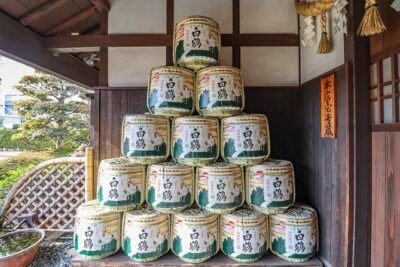
Sake Brewery and Japanese Life Experience Tour in Kobe
Read our review →
1-Day Kobe Highlights Tour including Sake Tasting
Read our review →
Kobe: 3-Hour Sake Breweries Tour with Special Tasting
Read our review →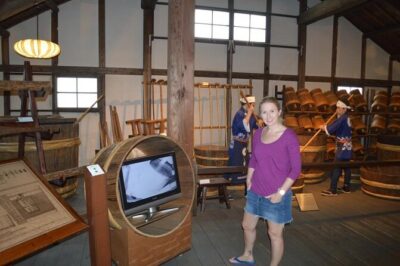
Exploring Nada Sake Breweries Kobe Private Tour with Government-Licensed Guide
Read our review →
Kobe: Sake Brewery Tour with Tasting and Kobe Beef Bites
Read our review →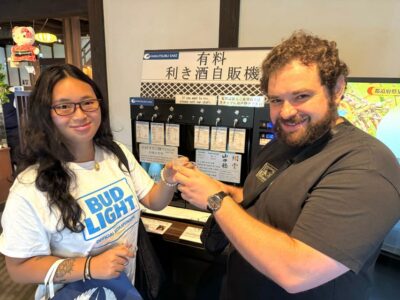
Kobe: 3-Hour Private Sake Tour in Japan’s Top Sake Area
Read our review →Browse the lists this tour appears in