
REVIEW · NAGANO SAKE TOURS
Nagano: Snow Monkeys, Zenkoji Temple & Sake Day Trip
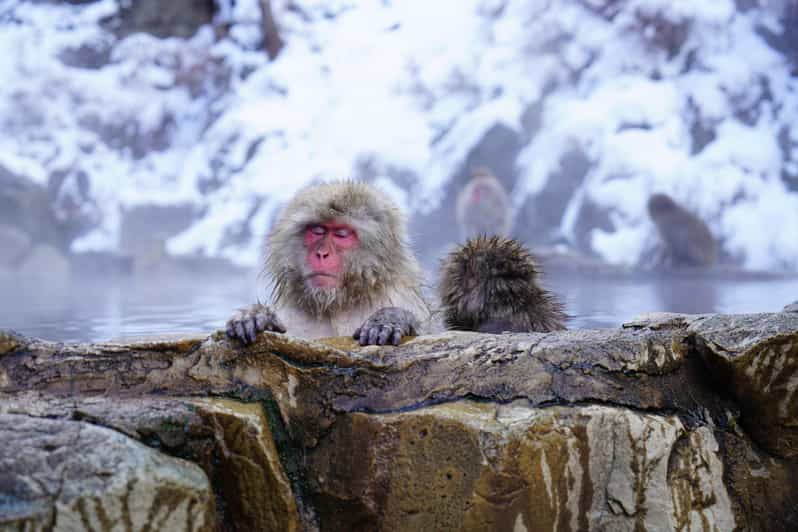
The snow monkeys are the star here, soaking in hot springs only a short walk from the forest trail. But this day trip works because you get more than a wildlife stop: Zenkoji Temple, sake, and a proper Nagano lunch give the day some cultural weight.
I like the friendly local guiding, with guides such as Dylan, Brent, Tom, Hiroshi, Kevin and Jens adding stories and useful advice. I also like the food, which is often a full, satisfying meal rather than a rushed tourist plate. The main drawback is the walk to the park. It covers about 1.6 kilometers and can be icy or slippery in winter, while monkey sightings can never be guaranteed.
Key points to know before booking
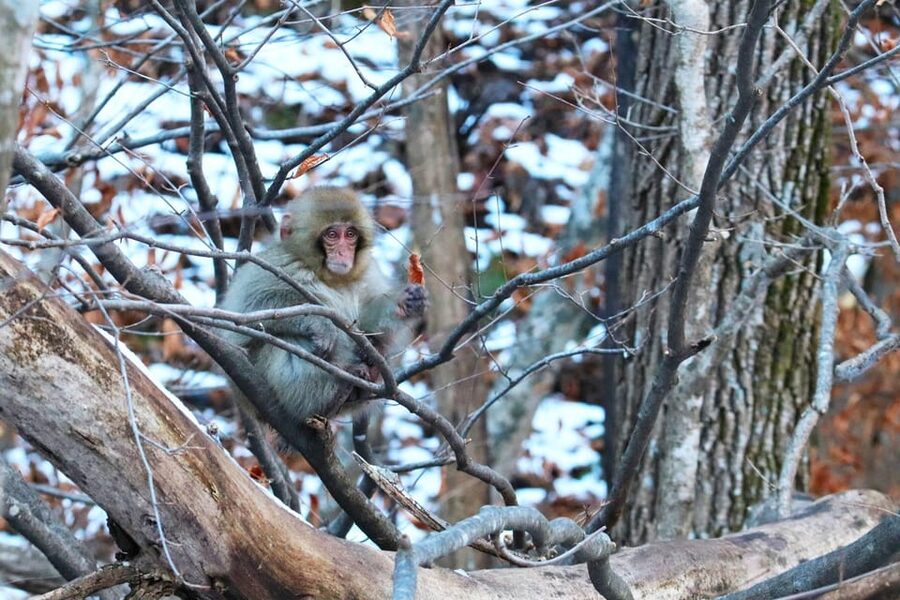
- Snow monkeys up close: Jigokudani Monkey Park lets you watch Japanese macaques bathe, play, eat and rest near the hot springs.
- A strong cultural mix: Zenkoji Temple, a sake tasting and regional food make this more than a quick animal excursion.
- Good winter access: You can join in Nagano or use a seasonal shuttle from Hakuba ski areas.
- Allow most of a day: The tour runs 8 to 12 hours, ending around 17:30 in Nagano or 18:45 for Hakuba departures in winter.
- Wear traction-ready shoes: The forest path may hold packed snow and ice, and high heels or sandals are not suitable.
- Excellent guide support: English-speaking guides explain the temple, sake, food and monkey park, while helping keep the day on schedule.
Why the snow monkeys are only part of the appeal
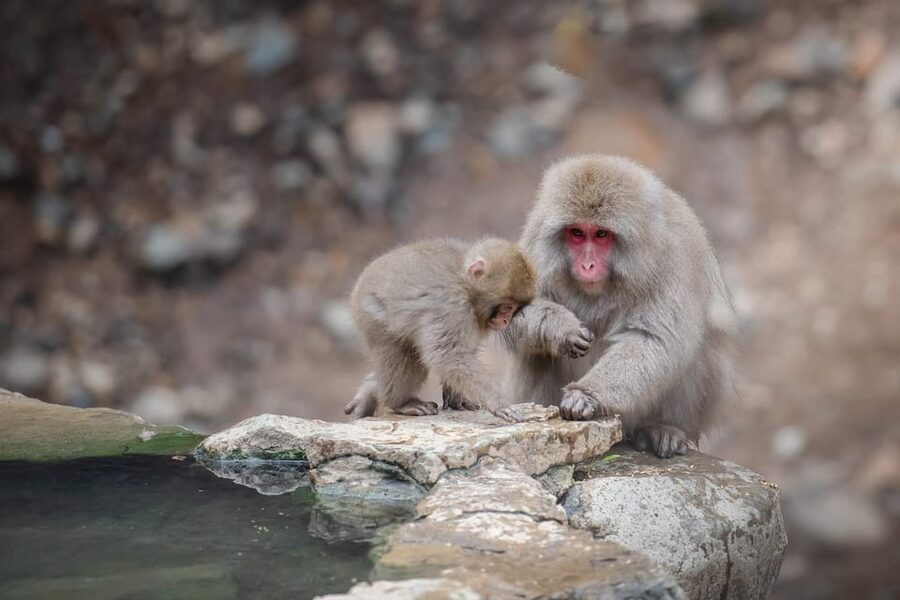
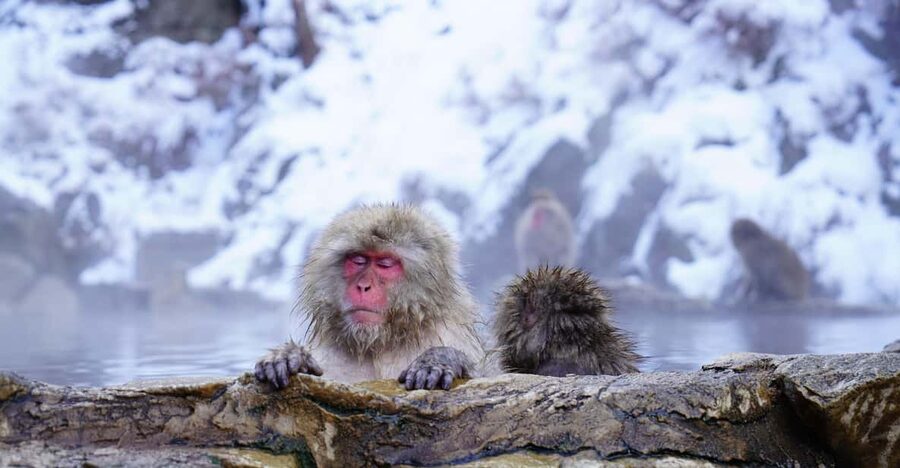
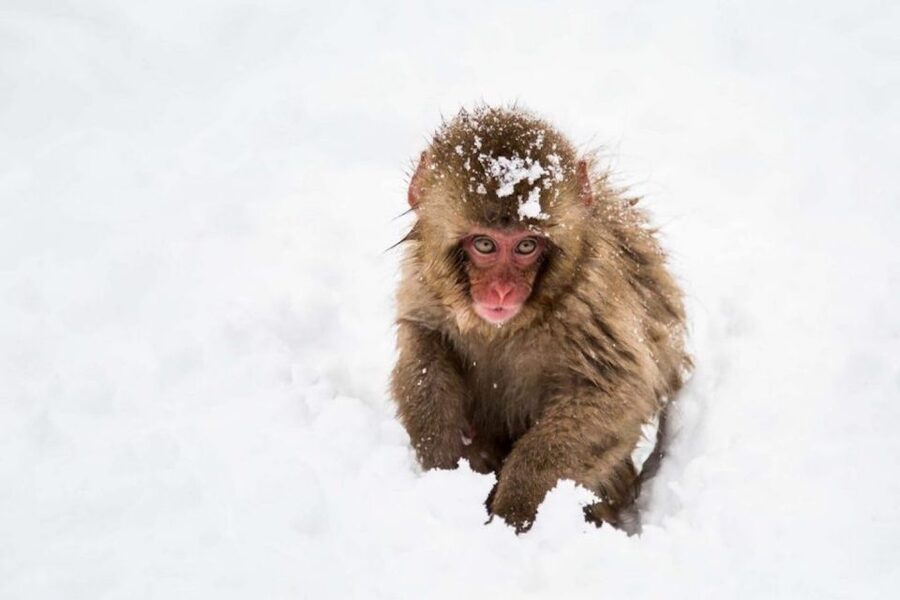
The famous photographs show red-faced monkeys sitting in steaming water while snow falls around them. That scene can happen, but the park is not a staged animal show. The monkeys move freely, and some days bring many active animals while other days produce fewer sightings. A few days each year may bring no monkeys at all.
That uncertainty is worth understanding before you pay for the trip. You are going for a real wildlife encounter, not a guaranteed performance. When the monkeys do gather, you might see them soaking, grooming, chasing one another or simply ignoring the people nearby. The close view is memorable because it feels natural and unforced.
The rest of the day helps protect your investment. Even if the monkeys are less active, you still visit one of Nagano’s most important temples, taste several kinds of sake and sit down to a substantial local meal.
More Snow Monkey and Sake Trips in Nagano:
- 1-Day Snow Monkeys, Zenko-ji Temple & Sake in Nagano
★ 5.0 · 1,020 reviews - Private Nagano 1-Day Tour:Snow Monkeys,Zenko-ji,Obuse,Sake,Onsen
★ 5.0 · 71 reviews - Snow Monkey, Zenko Ji Temple, Sake in Nagano Tour
★ 4.5 · 42 reviews
Starting in Nagano or Hakuba
The standard meeting point is Nagano Station at 9:35 AM. In winter, an additional 9:00 AM Nagano departure may open once the later departure fills, so check your confirmed time carefully.
For ski visitors in Hakuba, winter shuttle pickup is available from Hakuba Tokyu Hotel at 7:40 AM or Hakuba Happo Bus Terminal at 7:55 AM. Other listed pickup points include Tsugaikekogen Heights, Happo Information Center and Hotel La Vigne Hakuba by Onko Chishin.
This arrangement makes the tour especially useful during a ski holiday. You can spend a day away from the slopes without arranging several trains and local buses yourself. Some guides and drivers also help with luggage transfers when travelers are changing between Hakuba and Nagano services, but you should confirm any unusual pickup or drop-off plan in advance.
The coach rides connect the day’s scattered sights. The first ride from Nagano to Zenkoji is about 25 minutes, followed by longer drives between the temple area, lunch and the monkey park. The vehicle is clean and comfortable according to the available feedback, though taller people may find the bus a little tight.
Zenkoji Temple: a thoughtful first stop
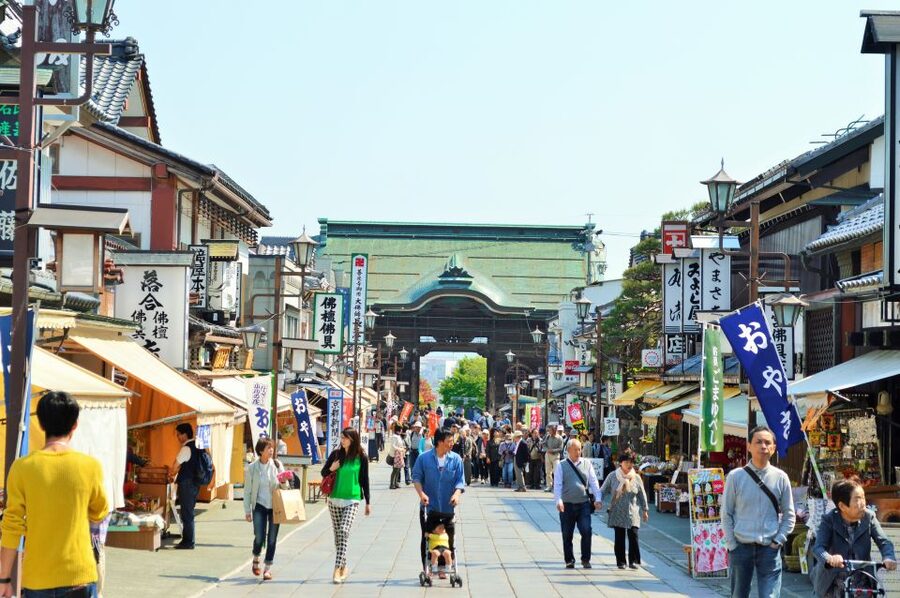
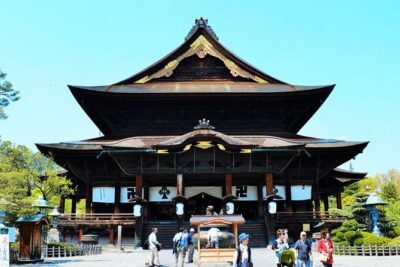
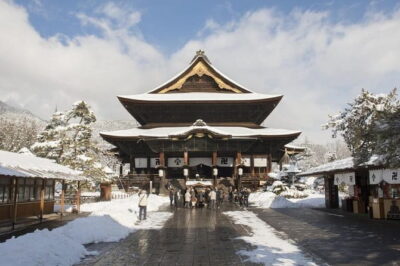
Zenkoji is one of Japan’s oldest and most important Buddhist temples. You spend about 1.5 hours here with a guide, usually walking through the approach and temple grounds while hearing about local customs, beliefs and Nagano’s place in Japanese culture.
This is not just a photo stop. The approach gives you time to notice the traditional town setting before reaching the main temple area. Guides such as Brent, Kevin and Jens have been praised for explaining the site in clear, approachable English, with enough detail to make the visit meaningful without turning it into a lecture.
One unusual option is the dark passage beneath the temple. The inner sanctuary entry is not included, but you can choose to pay for it separately. The pitch-black tunnel requires you to feel your way along rather than see where you are going. It is brief, simple and memorable, especially if you enjoy hands-on religious customs rather than only looking at architecture.
You will have some time to explore on your own, too. That balance matters. A guide can point out what you might otherwise miss, then give you room to walk, take photos and absorb the setting at your own pace.
Sake tasting before lunch
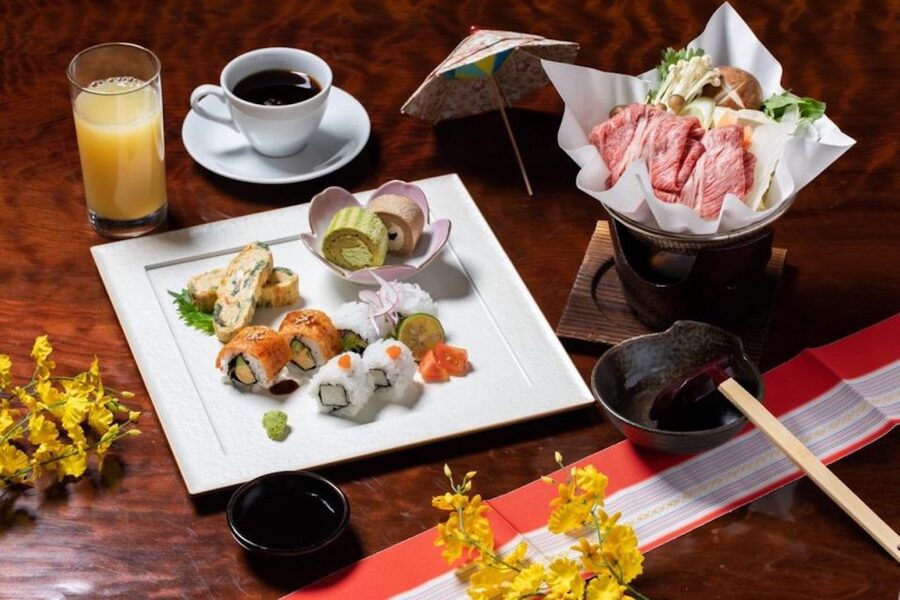
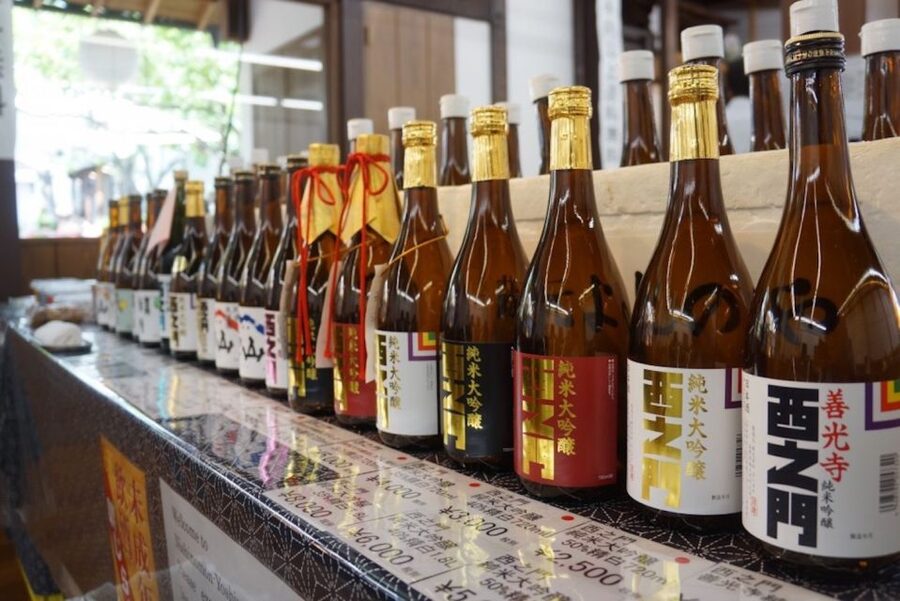
After Zenkoji, the group makes a short guided stop for sake tasting. You sample different styles and learn how the drink is made, including differences linked to production methods and individual producers.
The tasting is educational but not heavy. Small portions let you compare several types without turning the morning into a drinking session. If you are at least 20, the legal drinking age in Japan, you can taste the alcoholic sake. Non-alcoholic sake is available for anyone younger or anyone who prefers not to drink.
This stop adds local flavor in the truest sense. Sake is closely linked to Japanese food, climate and regional production, and tasting several varieties makes it easier to understand why the drink is not one single style. I would pay attention to the guide’s explanations, then ask which bottle best suits the meal or makes a useful souvenir.
The tasting takes about 30 minutes, so it will not satisfy anyone looking for a full brewery visit. Think of it as a compact introduction that fits neatly into a busy day.
More Sake and Temple Tours in Nagano:
- 1-Day Winter Tour From Nozawa Onsen: Snow Monkeys, Zenko-ji Temple & Sake
★ 5.0 · 32 reviews - Explore Matsumoto: Castle, Sake & Taste of Local Life
★ 4.8 · 6 reviews - Nagano: Togakushi Shrine, Sake & Zenkoji Private Tour
★ 4.2 · 3 reviews - Snow Monkeys Sake Tasting Zenko-ji and Monzen Terrace Lunch
★ 5.0 · 2 reviews
A Nagano lunch with real staying power
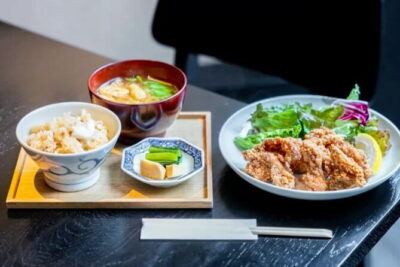
Lunch lasts about an hour at a local restaurant. The meal is one of the tour’s strongest features, and the setting may be a traditional older building in the mountains. The exact menu can vary, but the meal has been described as generous and multi-course, with options such as miso soup, tempura and sushi, along with a choice involving beef, seafood or vegetables.
This is welcome timing. The monkey park requires a walk, and a proper meal gives you fuel before the forest trail. You are not expected to grab a snack from a convenience store and hurry on.
Vegetarian options are available, and you should provide allergy information ahead of time so the meal can be arranged. If you are gluten-free, speak up early and confirm what can be provided. One gluten-free diner received a much simpler meal with plain rice and fewer choices, so the standard menu may not translate neatly to every dietary need.
The lunch is also a useful window into Nagano food culture. Rather than treating food as a filler between sights, the tour gives it enough time to feel like part of the experience. Still, menus and restaurants can change because of availability or local events, so do not book expecting one exact dish.
The forest walk to Jigokudani Monkey Park
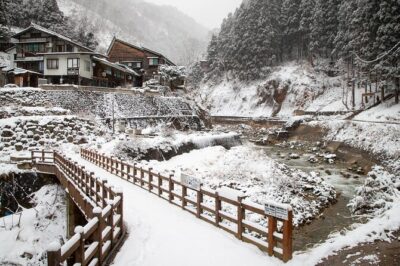
From the coach, you walk about 1.6 kilometers to and from the park. The route is generally manageable and fairly flat, but winter conditions change the equation. Packed snow, slush and ice can make the trail slippery, with some grades along the way.
Wear proper walking shoes with good grip. Some people have found traction aids such as crampons useful, especially after freezing weather. High heels and sandals are not allowed, and a small easy-to-carry bag is better than bulky luggage.
The walk is part of the reward. You move through a forested setting before reaching the hot spring area, rather than stepping directly off a bus into an enclosure. In winter, the path can feel cold and storybook-like, but you should dress for exposure and allow extra care on icy patches.
At the park, you have about 2.5 hours for the visit, including the guided introduction and your own time to watch the animals. That is a generous window. You can observe the troop without needing to rush from one photo opportunity to the next.
What you may see at the hot springs
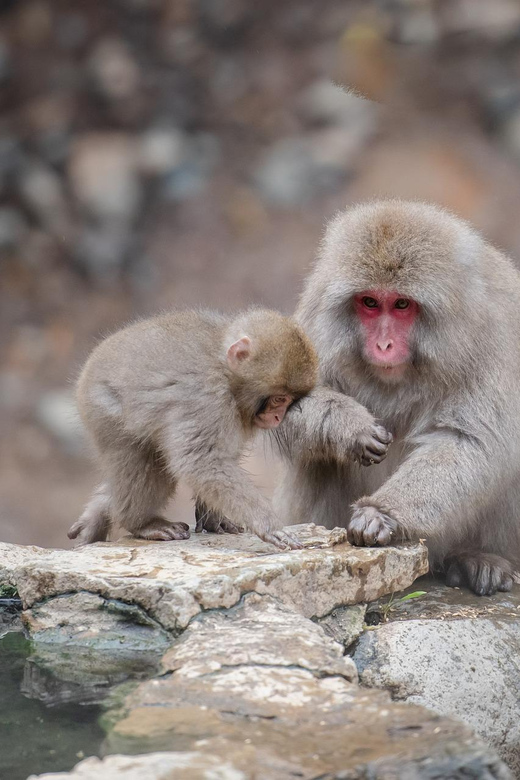
The monkeys are wild macaques, and their behavior changes from day to day. On a busy winter day, you might see dozens or even hundreds moving around the pools. They may soak quietly, groom one another, chase through the snow or gather near food.
Do not expect every animal to be in the water. Some may remain on the banks, and warm weather can reduce the appeal of the hot springs. One autumn visit produced only a single monkey, while other visits had large groups. That contrast is a useful reminder that season and weather affect the scene.
The animals can come close, which makes photography easy, but you still need to follow park rules and avoid touching or feeding them. Your guide can help you understand where to look and how to move through the area without disturbing the troop.
The park entry fee is included, so you do not need to queue separately to buy admission. That saves time, particularly when the park is busy in winter.
The value of a $135 day trip
At $135 per person, this is not the cheapest way to see the snow monkeys. You can arrange the park independently, but you would need to coordinate transport, admission, the temple visit, lunch and your return connection.
The price becomes easier to justify if you value time and simplicity. It includes transport between stops, an English-speaking guide, park admission, lunch, sake tasting and the seasonal Hakuba shuttle. It also gives you a local person to answer questions and keep the day moving when the schedule involves several separate places.
For a solo visitor or first-time Japan visitor, that practical help has real value. For a confident independent traveler already based in Nagano, doing the park alone may cost less and allow a slower visit. You would then need to decide if the savings are worth losing the guided temple walk, organized meal and direct transfers.
The schedule is well packed, but it is not designed for lingering at any one stop all afternoon. You are buying a broad introduction to Nagano, not a slow cultural retreat.
Who will enjoy this day most
I would recommend the tour to you if you want Nagano’s main sights in one organized day, especially if you are staying in Hakuba or visiting from Tokyo. It suits couples, families with older children and small groups that want a mix of wildlife, culture and food.
It is also a good break from skiing. Several people have used it during ski trips, enjoying a full cultural day while friends or family stayed on the slopes.
The tour is less suitable if you have mobility limits, use a wheelchair or dislike uneven winter walking. The park trail is not a minor stroll, and icy conditions can be difficult even for people who walk comfortably at home.
It may also disappoint you if your only goal is to photograph a monkey in a hot spring. The animals are not guaranteed, and the tour spends significant time on the temple, sake and lunch. That broader mix is its strength, but it will feel like extra time if you want only wildlife.
Practical details that matter
The tour finishes at Nagano Station around 17:30. For winter departures from Hakuba, the return is expected around 18:45. Delays can occur if weather, traffic or local conditions affect the route.
Free cancellation is available up to 24 hours before departure, and you can reserve now and pay later. Bullet train tickets are not included, nor are extra snacks, drinks or the optional inner sanctuary entry at Zenkoji.
The service is offered in English. Guides have included Dylan, Brent, Tom, Hiroshi, Kevin, Jens, John, Nadine, Kai and others, depending on the departure. Their role is more than translation: they explain local customs, help with food choices, offer trail advice and keep the group organized.
Should you book the Nagano snow monkey tour?
Book it if you want a full, well-supported day rather than a single park visit. The combination of Zenkoji, sake, a generous lunch and the snow monkeys gives you a much better sense of Nagano than an isolated wildlife stop.
I would be especially inclined to book from Hakuba, where the winter shuttle removes a lot of transport planning. Bring warm layers, grippy shoes and realistic expectations about the animals. If you can accept the walk and the possibility of fewer monkeys, this is a strong-value way to fit Nagano’s best-known sights into one day.
FAQ
Where does the tour start?
The main meeting point is Nagano Station at 9:35 AM. Depending on the option booked, pickup may also be available at Tsugaikekogen Heights, Hakuba Tokyu Hotel, Happo Information Center, Hakuba Happo Bus Terminal or Hotel La Vigne Hakuba by Onko Chishin.
Is pickup from Hakuba available?
Yes. From December through March, the winter shuttle can begin at Hakuba Tokyu Hotel at 7:40 AM or Hakuba Happo Bus Terminal at 7:55 AM. Check the pickup option and time on your booking.
How long does the tour last?
The experience lasts 8 to 12 hours. It is scheduled to finish at Nagano Station around 17:30, or around 18:45 for guests joining from Hakuba in winter.
Is lunch included?
Yes. Lunch is included, and vegetarian options are available. Tell the operator about food allergies in advance so the meal can be arranged.
Do I need to drink sake?
No. Alcoholic sake is available only to people aged 20 or older in Japan. Non-alcoholic sake is available for underage participants and anyone who does not drink alcohol.
How much walking is involved?
The visit to Jigokudani Monkey Park includes about 1.6 kilometers of walking to and from the park. The forest path may be slippery in winter, so wear suitable walking shoes and consider traction aids in icy conditions.
Are the snow monkeys guaranteed to appear?
No. The monkeys may not come down to the park on a few days each year. Their numbers and activity also vary with weather and season, so sightings cannot be guaranteed.
More Winter Activities in Nagano
- Snow Monkeys, Hokusai & Sake: A Perfect Day in Nagano
★ 5.0 · 19 reviews - Snow Monkeys, Hokusai & Sake: A Perfect Day in Nagano
★ 5.0 · 4 reviews - Nagano: Snow Monkey and Zenkoji Temple Free Sake Taste Day Tour
★ 4.5 · 8 reviews - Nagano: Snow Monkeys, Zenkoji Temple & Sake Day Trip
★ 5.0 · 4 reviews
More One-Day Sake Trips in Nagano
- 1-Day Kobe Highlights Tour including Sake Tasting
★ 4.5 · 28 reviews - From Nozawa Onsen: Snow Monkeys and Zenko-ji Day Trip & Sake
★ 4.9 · 13 reviews - 1-Day Walking Tour around Kobe : Mountains, Sea and Sake
★ 3.9 · 6 reviews - 1 Day Tour to Hill of the Buddha, Sapporo and Sake
★ 5.0 · 5 reviews
Just added around Nagano
- Snow Monkeys Sake Tasting Zenko-ji and Monzen Terrace Lunch★ 5.0 · 2 reviews
- Nagano Private Tour: Ninja Temple, Soba Making & Sake Tasting★ 5.0 · 2 reviews
- Heritage Town, Cuisine, Sake & Art: Explore Hokusai in Obuse★ 5.0 · 2 reviews
- Snow Monkeys, Hokusai & Sake: A Perfect Day in Nagano★ 5.0 · 4 reviews
- Nagano: Togakushi Shrine, Sake & Zenkoji Private Tour★ 4.2 · 3 reviews
- Explore Matsumoto: Castle, Sake & Taste of Local Life★ 4.8 · 6 reviews
- Izakaya Food Tour in Nagano★ 4.8 · 9 reviews
- Nagano Sake Tasting Walking Tour★ 5.0 · 17 reviews
Nagano Sake Tours, compared.
1-Day Snow Monkeys, Zenko-ji Temple & Sake in Nagano
Read our review →
Private Nagano 1-Day Tour:Snow Monkeys,Zenko-ji,Obuse,Sake,Onsen
Read our review →
1-Day Winter Tour From Nozawa Onsen: Snow Monkeys, Zenko-ji Temple & Sake
Read our review →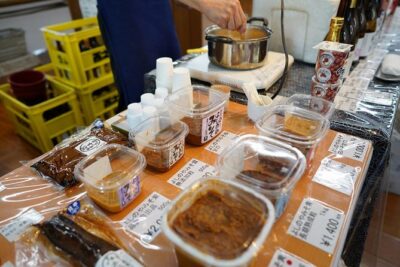
Snow Monkeys, Hokusai & Sake: A Perfect Day in Nagano
Read our review →Browse the lists this tour appears in