
REVIEW · KYOTO SAKE TOURS
Advanced Kyoto Insider Sake Tasting Experience
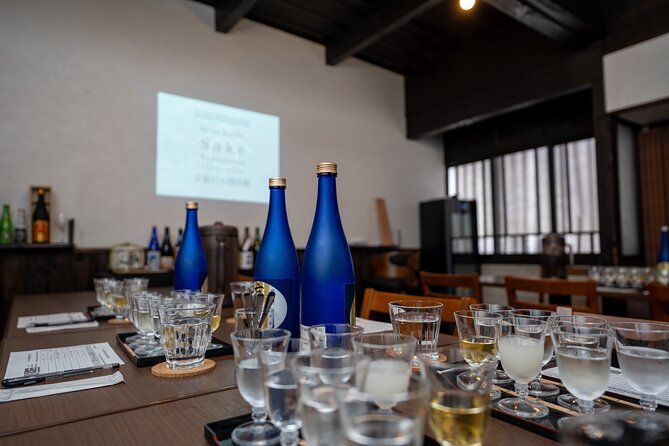
The most interesting part of this Kyoto tasting is its focus on sake that breaks the usual rules. You’ll compare brews made with ancient methods, unusual fermentation, and local wood, then see how much those choices can change the drink in your glass.
I like two things right away: the tasting includes 10 carefully chosen sakes, and the session teaches you how to read real bottles and labels used in restaurants. The main caution is simple: this is a serious alcohol tasting with no snacks included, so eat lunch or brunch first and arrive by public transportation, not by car or bicycle.
Key points at a glance
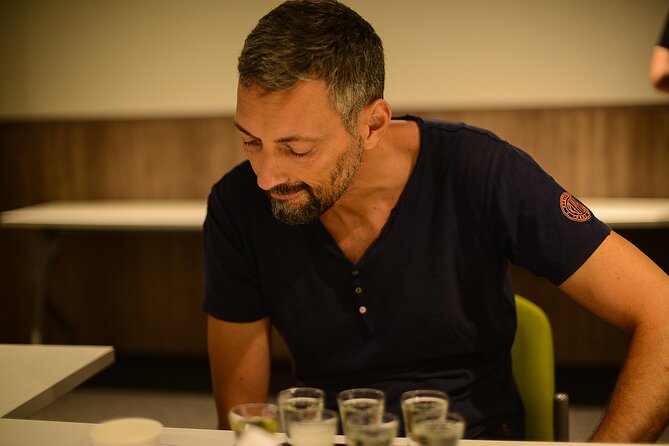
- Ten contrasting sakes: The tasting is built around comparison, not ten random samples.
- Beyond basic sake styles: You’ll look at ancient brewing practices, fermentation experiments, and sake influenced by local wood.
- Certified expert guidance: The session explains production, flavor structure, categories, and bottle labels in clear detail.
- Useful restaurant skills: You practice reading Japanese sake bottles, which can make future ordering less of a guess.
- Small two-hour class: The room holds no more than 12 people, allowing a focused lesson without a large crowd.
- No food included: Have lunch or brunch first, and remember that only people aged 20 and over may drink.
Why this Kyoto sake tasting is different
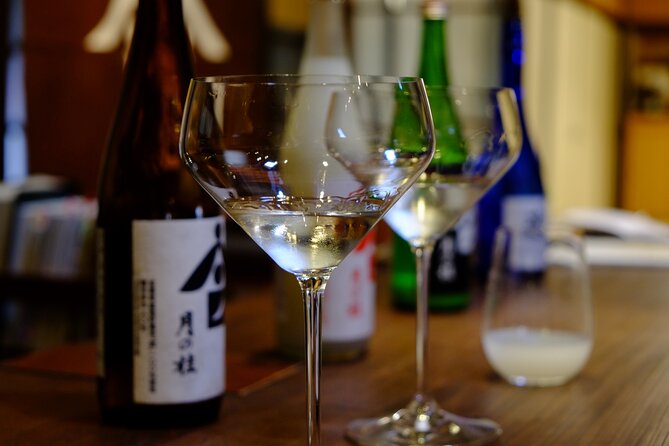
Many sake tastings give you a quick tour of broad categories, a few pours, and a polite nod toward rice polishing. This experience takes another route. It asks you to compare sake made with different ideas about fermentation, materials, and tradition.
That matters because sake can change dramatically even when the basic drink looks similar. The session uses 10 selections to show those differences side by side. You are not simply tasting one cup, hearing a short explanation, and moving on. You are asked to pay attention to how brewing choices affect aroma, texture, sweetness, acidity, and overall character.
The experience still covers the basics. You’ll learn about sake production and major styles, so you do not need to arrive with specialist knowledge. But the purpose is to move past the first lesson and show you why sake has much more variety than the familiar dry or sweet labels suggest.
I especially like the way this setup serves two kinds of people at once. If you are new to nihonshu, the guided structure gives you a clear starting point. If you already order sake at Japanese restaurants, the comparisons can help you sharpen your preferences instead of relying on a familiar brand.
More Sake Tastings in Kyoto:
- 3-Hour Kyoto Insider Sake Brewery Tour with Tastings & Pairings
★ 5.0 · 917 reviews - Kyoto Sake Brewery & Tasting Walking Tour
★ 5.0 · 623 reviews - 1.5-Hour Kyoto Insider Sake Experience with 7 Tastings & Pairings
★ 5.0 · 297 reviews
Starting in Fushimi Ward
The meeting point is Kyoto Insider Sake Experience at 271-1 Kurumamachi in Fushimi Ward. The activity begins and ends at this location, and it is near public transportation.
Fushimi is a useful setting for a sake lesson because the area is closely connected with Kyoto’s sake-making identity. The experience itself takes place in a dedicated tasting room rather than sending you between several outside venues. That keeps the two-hour schedule focused and protects the lesson from the noise and delays that can come with a larger sightseeing route.
You should plan your route before leaving. The exact meeting instructions should be checked with your booking confirmation, since the activity has a fixed start point. Arrive ready to begin the class rather than treating the location as a casual bar where you can drop in.
The group size is limited to 12 people. That is small enough for a more direct class, though the experience is still a group activity. If you are organizing a larger party, contact the provider before booking to check current availability.
Ten pours chosen for comparison
The heart of the session is the flight of 10 sakes. The number matters, but the selection matters more. These are chosen for distinctive brewing approaches and flavor profiles, so the lesson can show contrast rather than simply offering ten versions of the same drink.
You may taste sake made using older brewing methods, along with bottles that highlight the work of microorganisms during fermentation. Other selections use local wood to give the brew a particular regional character. These details are not just production trivia. They give you a reason to ask why one sake feels lighter, more earthy, more fragrant, more structured, or more unusual than another.
The tasting is designed around careful comparison. You’ll be guided to notice how ingredients and technique affect the final flavor. That makes the experience more useful than a standard tasting where each sample is judged alone and quickly forgotten.
Ten samples over about two hours also create a practical limit. You have enough time to think about each pour, but not so much time that the lesson becomes a full-day event. Still, this is alcohol, and the amount can add up. Pace yourself, use the available explanations, and do not treat the 10 pours as a challenge to finish quickly.
The exact bottle list is not provided in advance, and selections can change. That is normal for a tasting built around unusual sake. You should book this for the method of learning and comparing, not for one guaranteed label.
Ancient methods and modern fermentation
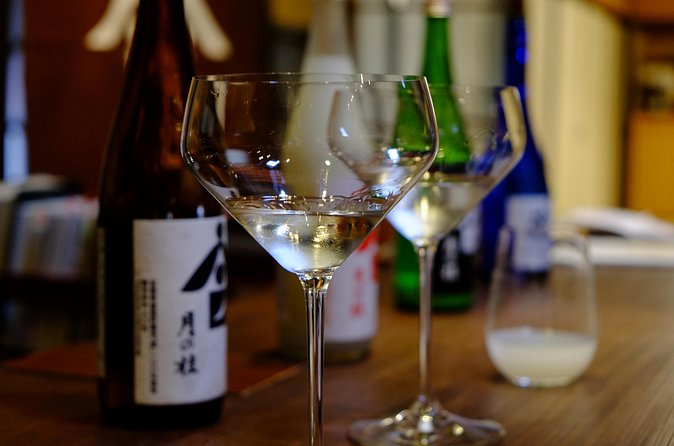
One of the best parts of the lesson is the tension between old and new. Ancient brewing methods show how sake was made before modern production became the standard. Innovative fermentation techniques show how brewers use microorganisms to shape flavor in less familiar ways.
You do not need to remember every technical term to get value from this section. The important point is that fermentation is not a minor step hidden behind the label. It is central to the drink’s taste and character.
A good guide can make this topic approachable by tying each explanation to what you are tasting. That is the purpose of the comparison here. You learn an idea, try a sake connected to that idea, and then compare it with the next pour.
The local-wood selections add another useful angle. Materials can influence the character of a drink, and the session uses sake made with local wood to show how regional choices can appear in the glass. This gives you a broader way to think about Japanese drinks. Place is not only about where a bottle was made. It can also involve what materials and methods shaped it.
More Sake Tours with a Local Guide in Kyoto:
- Kyoto: Insider Sake Brewery Tour with Sake and Food Pairing
★ 5.0 · 704 reviews - Kyoto: Insider Sake Experience with 7 Tastings and Snacks
★ 5.0 · 266 reviews - Kyoto: Gion Evening Walk with Hidden Gems, Geisha & Sake
★ 5.0 · 41 reviews - Kyoto: Beyond the Insider Sake Tasting Experience
★ 5.0 · 30 reviews
Learning to read a sake bottle
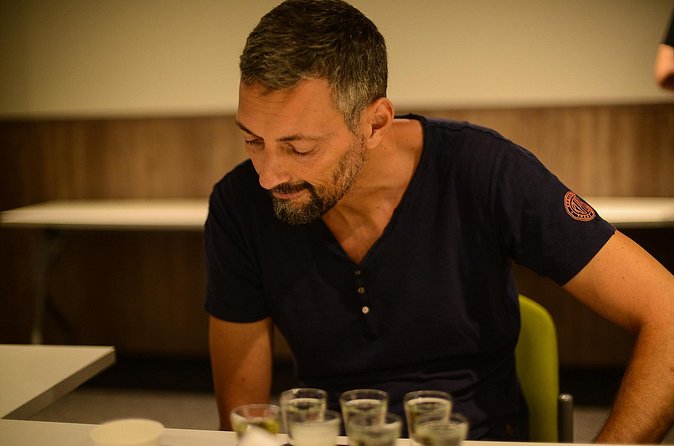
For many people, the most useful skill from the class may be the bottle-label practice. Japanese sake labels can look difficult when you are standing in a restaurant or shop, especially if you cannot read Japanese.
During the session, you work with real sake bottles and labels used in restaurants. The guide explains what to look for and gives you reference material and tasting notes to take into your own sake decisions.
This is a practical feature, not a decorative extra. After the class, you should have a better sense of how to ask questions and compare bottles. You may still need help with unfamiliar terms, but you will have more structure than simply choosing the most expensive bottle or pointing at one with attractive packaging.
The lesson also helps separate personal taste from assumed quality. A rare or carefully made sake is not automatically the one you will enjoy most. With 10 examples in front of you, you can start to identify what you actually like, then use the label to look for similar choices later.
A class for beginners and experienced drinkers
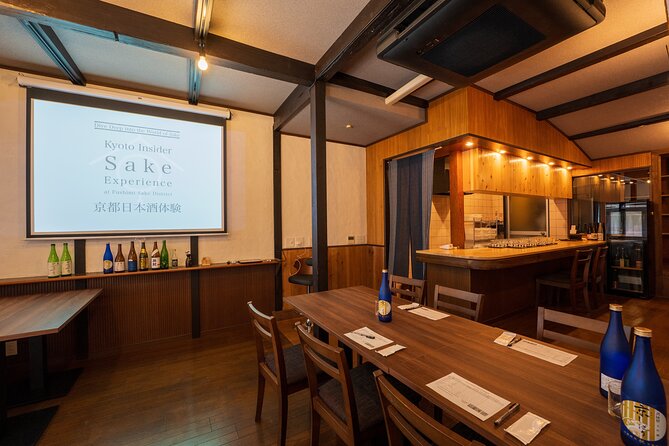
The session is described as advanced, but that does not mean you must already be an expert. The class covers sake production, categories, brewing methods, and flavor structure, so a curious beginner can follow the main lesson.
The difference is in the depth. A basic tasting might teach you what sake is and introduce a few styles. This experience spends more time on why the flavor changes. If you already know the broad categories, that extra attention to process and comparison is where the value lies.
The format has worked well for mixed groups. Someone new to sake can learn the foundations while a more experienced drinker gets more detail about production choices and flavor evaluation. That makes it a reasonable pick for a couple or small group with different levels of interest.
The instructor is a certified sake expert. The strongest part of the teaching is likely to be the combination of explanation and tasting, rather than a long lecture. The session includes presentations, guided pours, bottle reading, and written reference material, giving you several ways to understand the subject.
No guide names are provided, so you should not book this expecting a particular instructor. The important qualification is the certified sake expertise and the dedicated format.
No food pairing, so plan your meal
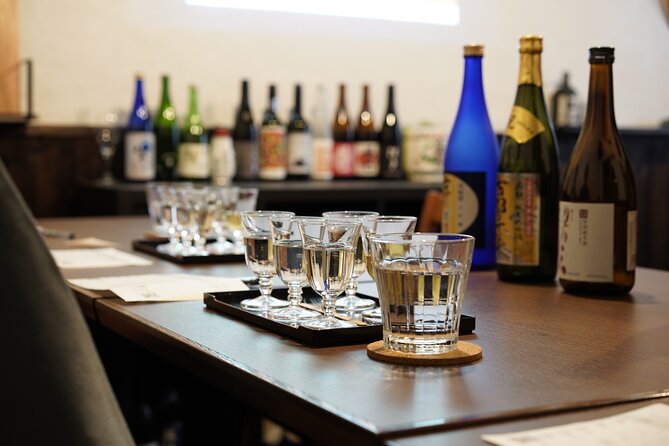
Food is not included. That is one of the clearest drawbacks, especially because the class lasts about two hours and includes 10 alcoholic samples.
Have lunch or brunch before you arrive. This is not only about comfort. Eating first can help you handle a sustained tasting more sensibly and keep your attention on the lesson.
The lack of snacks also means you should not expect a meal-pairing class. The focus is on sake itself, not on matching each pour with cheese, seafood, sweets, or a Kyoto meal. If food pairing is the main reason you want a sake activity, this may not be the right choice.
On the other hand, leaving food out keeps the price and schedule centered on the educational tasting. You can plan your own meal before or after the class, and you remain free to choose the kind of restaurant you prefer.
Getting there safely and legally
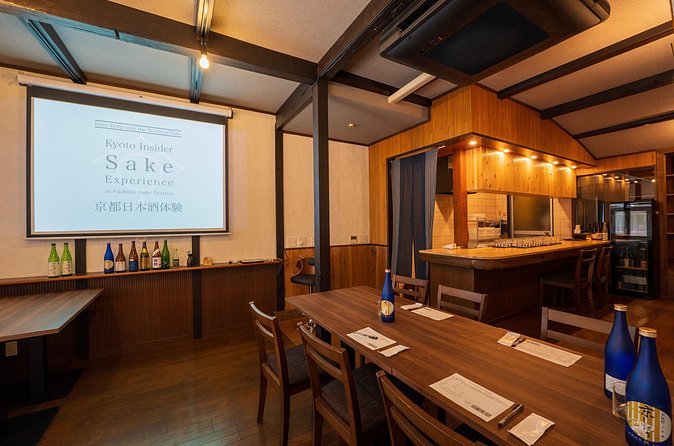
You must be at least 20 years old to drink in Japan, and only customers with reservations may join. That includes children and people who do not plan to drink, so do not bring an extra member of your party without booking a place.
The transportation rule is especially important. Alcohol will not be served to anyone who arrives by car or bicycle. Non-alcoholic drinks are available, but you will not receive a refund if that choice prevents you from taking part in the sake tasting.
Use public transportation and plan to walk from the nearest practical stop. The meeting point is near public transportation, but the available information does not specify a station name or walking time. Check your confirmation carefully before setting out.
These rules may feel strict, but they are useful to know before you pay. The activity is not a good match for someone who must drive, cycle, or supervise children during the session.
Is $74.64 a fair price?
At $74.64 per person, this is not the cheapest way to have a drink in Kyoto. It is also not priced like a casual bar visit. You are paying for a two-hour guided lesson, 10 selected sakes, expert instruction, label practice, tasting notes, and use of a dedicated room.
The value depends on what you want. If you only want to sample sake, you can likely spend less at a bar or restaurant. If you want to understand production choices and leave with skills you can use when ordering later, the price makes more sense.
The small group helps the value. A maximum of 12 people gives the session a more focused feel than a large tasting with little chance to ask questions. The price also covers a selection built around comparison, which is more useful than paying separately for ten unrelated pours.
I would book this for someone who enjoys structured learning and wants to make better sake choices in the future. I would skip it for someone who dislikes lectures, expects a full meal, or mainly wants a short social drink.
Cancellation and timing details
You can cancel at least 24 hours before the local start time for a full refund. Changes or cancellations made within 24 hours are not refunded, so keep that cutoff in mind when arranging your Kyoto schedule.
The activity can also be canceled if poor weather affects the experience or if the minimum number of customers is not reached. In those cases, you are offered another date or experience, or a full refund.
The average booking point is 11 days before the activity. That suggests planning ahead is sensible, especially if you need a particular date or have a group larger than the normal available space.
Who should book this sake experience?
I would put this near the top of your list if you already enjoy sake and want a clearer way to compare styles. It is also a good choice if you are new to nihonshu but like classes that explain what you are drinking rather than simply handing you a glass.
It suits adults who can give two hours to a focused tasting and who are happy to eat beforehand. It is less suited to children, non-drinkers, anyone arriving by car or bicycle, and visitors looking for a food tour.
The strongest reason to book is the unusual selection and the teaching around it. You are not just sampling famous labels. You are learning how brewing philosophy, fermentation, and materials can reshape sake.
Should you book the Advanced Kyoto Insider Sake Tasting?
Book it if you want to understand sake well enough to choose it with more confidence. The 10-pour format, certified expert, bottle-reading practice, and unusual brewing examples offer real value for curious beginners and experienced drinkers alike.
Skip it if you want snacks, a full meal, a casual drop-in bar, or transportation by car or bicycle. For the right audience, this is a focused and unusually thoughtful way to spend two hours in Kyoto, with skills that can follow you to your next Japanese restaurant.
FAQ
How long does the sake tasting last?
The experience lasts approximately two hours.
How many sakes will I taste?
You will taste 10 carefully selected sakes chosen for comparison of brewing methods and flavor profiles.
Is food included?
No. Snacks and food pairing are not included, so you should eat lunch or brunch before the activity.
What is the minimum drinking age?
The legal drinking age in Japan is 20. Customers under 20 will only receive non-alcoholic drinks.
Can I arrive by car or bicycle?
You should not arrive by car or bicycle if you want to take part in the alcohol tasting. Alcohol will not be served to people who arrive by either, though non-alcoholic drinks are available.
What is the cancellation policy?
You can cancel at least 24 hours before the local start time for a full refund. Cancellations or changes made less than 24 hours before the start time are not refunded.
Just added around Kyoto
- Nishiki Market, Private Sushi class & Sake Tasting in Townhouse★ 5.0 · 6 reviews
- Hidden Bamboo gem and Japanese foods in Izakaya Private Tour★ 5.0 · 3 reviews
- Private Nishiki Market Food & Sake Tour by Young Local Guides★ 5.0 · 12 reviews
- KYOTO Sake Tasting Tour at Local Breweries(tasting fee included)★ 5.0 · 16 reviews
- Kyoto: Sake Tasting Journey to Two Iconic Breweries★ 3.0 · 2 reviews
- Kyoto Food and Sake Tour Experience★ 4.0 · 5 reviews
- Japanese Sake Breweries Tour in Fushimi Kyoto★ 5.0 · 10 reviews
- Experience of pairing sake tasting with snacks in Kyoto★ 5.0 · 4 reviews
Kyoto Sake Tours, compared.

3-Hour Kyoto Insider Sake Brewery Tour with Tastings & Pairings
Read our review →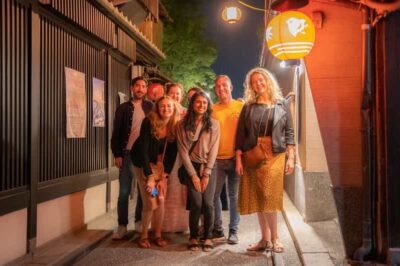

Kyoto: Insider Sake Brewery Tour with Sake and Food Pairing
Read our review →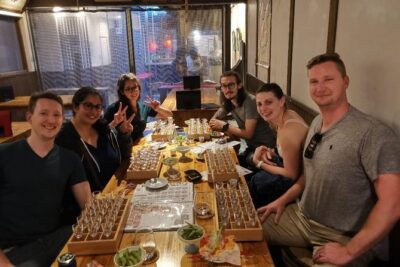
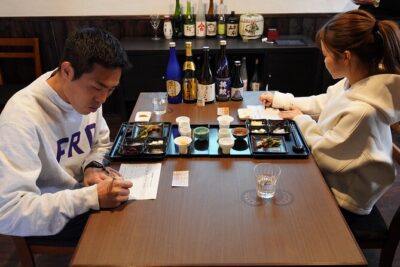
1.5-Hour Kyoto Insider Sake Experience with 7 Tastings & Pairings
Read our review →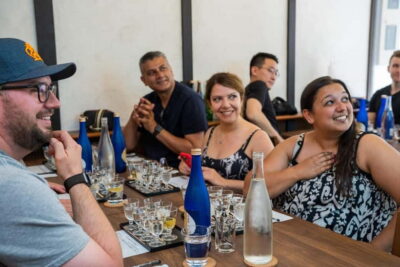
Kyoto: Insider Sake Experience with 7 Tastings and Snacks
Read our review →
Kyoto: Afternoon Japanese Izakaya Cooking Class
Read our review →
Browse the lists this tour appears in