
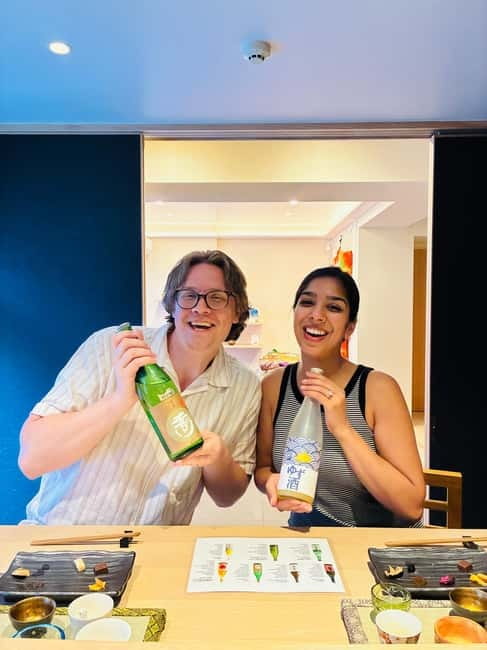
REVIEW · KYOTO SAKE TOURS
Kyoto: Newly Opened Sake Tasting – Sanjo Chasuian
Kyoto’s Sanjo Chasuian turns sake tasting into a useful lesson, not just a row of small pours. In 80 minutes, you sample eight sakes in total, pair seven with snacks, compare cups, and learn how to spot a style you actually like.
I like the easy access, just five minutes from Karasuma Oike Station, and the small group limit of six. I also like the practical focus: instructor Yuko explains how sake is made, how to read labels, and how food changes the drink.
The main consideration is simple: this is a tasting class, not a full meal or a tour of a brewery. At $50, it offers good value for drinkers who want context and variety, but less for anyone seeking a long evening of heavy pours.
Key points before you book
- Eight sake samples: You receive a welcome drink plus seven additional types of Japanese sake.
- Seven snack pairings: Each sake comes with a food match, so you can see how flavor combinations work.
- English instruction: A certified sake sommelier leads the session, with Yuko named as an instructor.
- A six-person limit: The Shared Plan places you with a small group, rather than in a large tasting crowd.
- Traditional presentation: Your instructor welcomes you in a kimono, and you taste from several styles of vessel.
- Central Kyoto location: Sanjo Chasuian is about a five-minute walk from Subway Karasuma Oike Station.
What happens during the 80-minute sake session
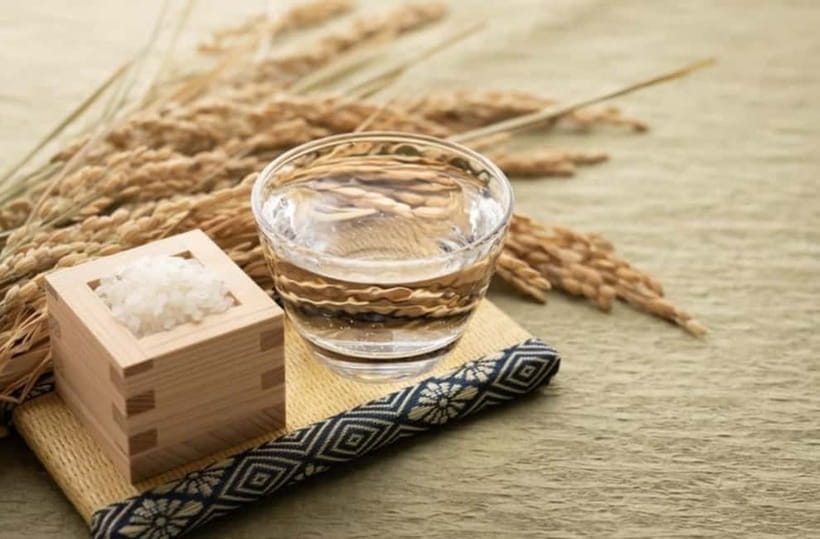
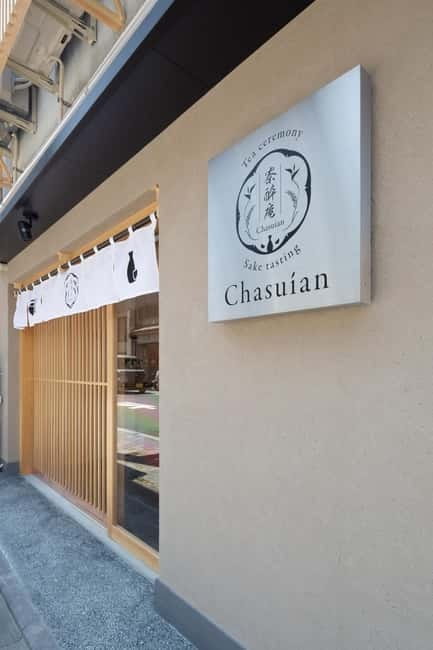
Sanjo Chasuian is a newly opened cultural facility that offers tea ceremony experiences and sake tastings. For this booking, your focus is the sake session. You arrive at the listed address, look for the large plate showing the Sanjo Chasuian logo, and open the door. Staff will be waiting inside.
The setting may use table seating or a Japanese-style room. That gives the experience a more local feel than a bar tasting, though the exact seating arrangement is not fixed. The Shared Plan is a group session, with no more than six participants.
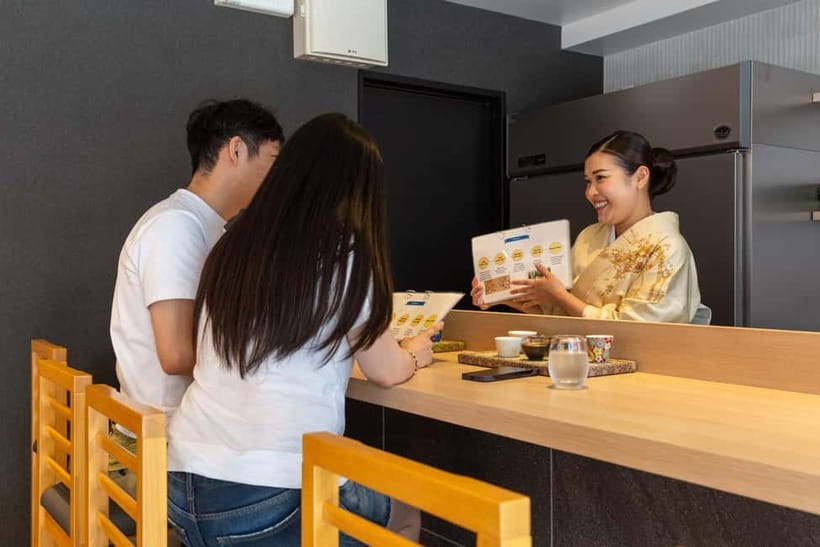
Your instructor welcomes you in a traditional kimono. Yuko is named among the instructors, and her role goes beyond pouring drinks. She has International Sommelier of Sake certification and explains the subject in English, which matters if sake labels and brewing terms are new to you.
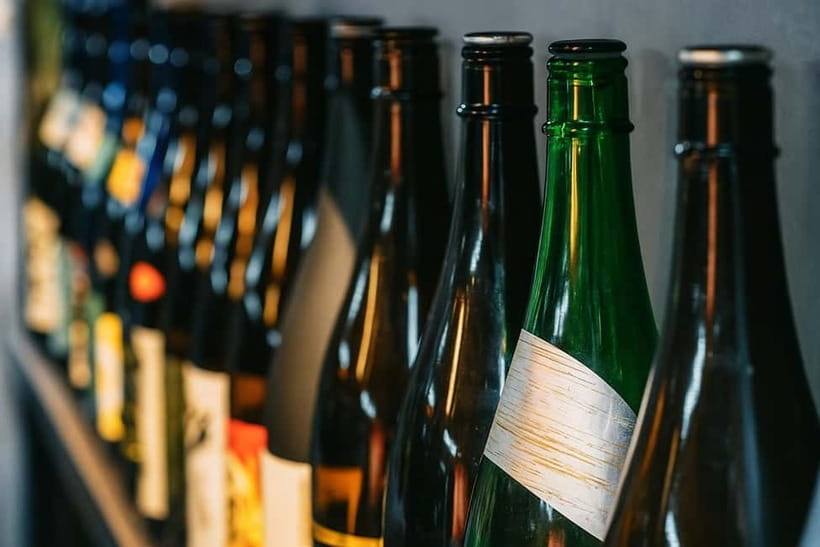
The session includes a welcome drink followed by seven kinds of Japanese sake. That makes eight sake servings altogether. The information provided does not specify the labels, regions, or exact order of the pours, so you should expect variety without booking this as a tasting of particular famous breweries.
The useful part is the structure. You learn about sake’s place in Japanese culture, the basic brewing process, the main types, and the way labels communicate information. You also receive guidance on tasting and choosing sake according to your own preferences.
That last point is more useful than it may sound. Many first-time drinkers see a Japanese label and have no clear way to decide what is dry, sweet, light, fragrant, or full-bodied. Learning how to read the label gives you a better chance of choosing well at a restaurant or shop later in your trip.
More Sake Tastings in Kyoto:
- 3-Hour Kyoto Insider Sake Brewery Tour with Tastings & Pairings
★ 5.0 · 917 reviews - Kyoto Sake Brewery & Tasting Walking Tour
★ 5.0 · 623 reviews - 1.5-Hour Kyoto Insider Sake Experience with 7 Tastings & Pairings
★ 5.0 · 297 reviews
Why the seven snack pairings matter
The snacks are not treated as decoration beside the sake. Each of the seven types is paired with a complementary bite, letting you test how the drink and food affect one another.
This is a smart format for beginners. A sake that seems sharp or unfamiliar on its own may work better with food. Another may show more aroma or sweetness beside a particular snack. You are not simply asking if you like the drink. You are learning where it belongs at the table.
The activity information does not name the snacks, so do not book expecting a specific menu. Dietary restrictions should be reported by email or WhatsApp before your visit. Sanjo Chasuian says it will do its best to accommodate requests, but it does not promise every substitution.
I would treat the food as pairing samples, not lunch. The experience includes snacks, but it is not described as a full meal. If you need substantial food, plan another meal before or after the session.
The seven pairings also help make the $50 price easier to judge. You are paying for instruction, eight pours, food samples, a small group, and a setting designed around Japanese culture. It is not the cheapest way to drink sake, but it offers more guidance than simply ordering several glasses at a bar.
The vessel changes more than the look
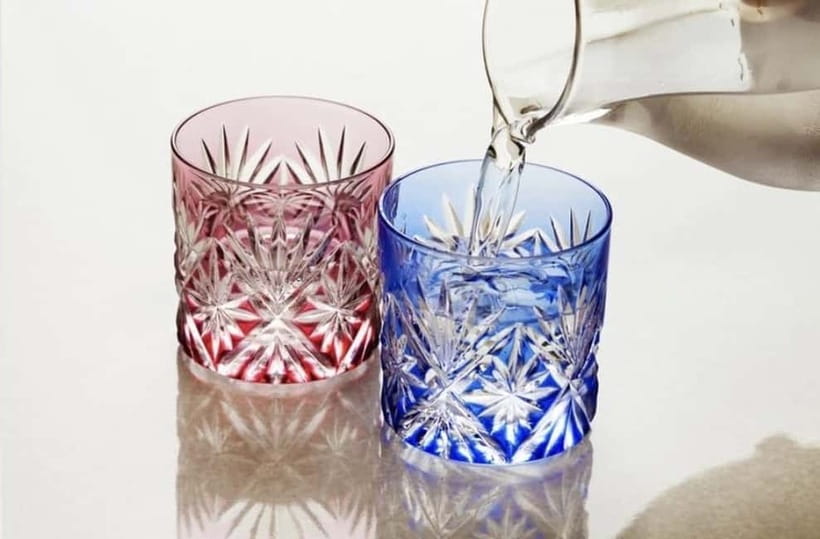
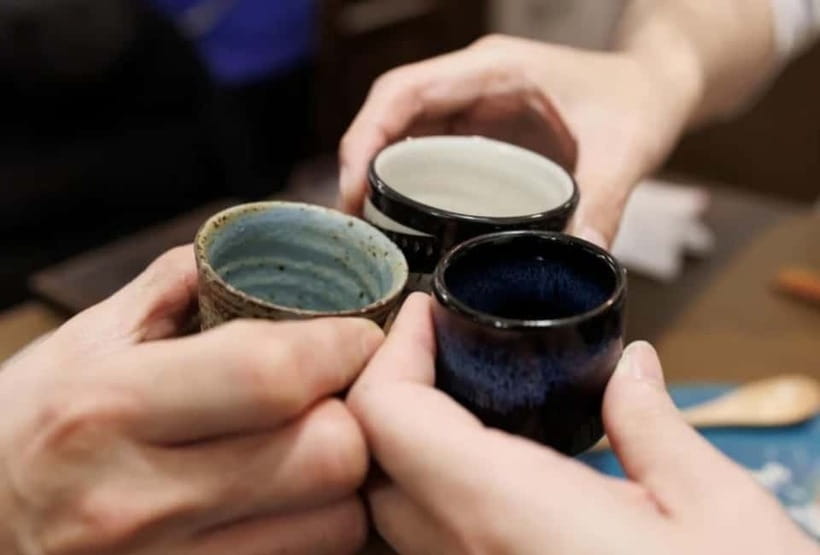
One of the more interesting details here is the selection of sake vessels. You try sake from different cups and see how the vessel affects aroma, taste, and presentation.
That gives the tasting a visual element, but it also makes a practical point. Sake is not experienced only through the liquid. The shape and material of a cup can change how the aroma reaches you and how the drink feels in your hand.
The exact vessels are not listed, so I would not arrive expecting a particular style. The point is comparison. You get to notice how the same kind of drink can feel different when served in another cup.
This part may appeal to you if you enjoy Japanese tableware as much as Japanese food and drink. Favorite sake and sake vessels are available for purchase at the shop, so you can take home something connected to the lesson. Purchases are optional and are not included in the booking price.
A useful introduction for sake beginners
You do not need prior sake experience. The class is designed for people who want an approachable introduction, and the instruction is offered in English.
That makes the session a good choice early in your Kyoto visit. If you take it near the start of your trip, you can use what you learn when ordering sake with dinner or shopping for a bottle. You may begin to recognize terms and styles that otherwise look like a wall of unfamiliar Japanese text.
The lesson also avoids reducing sake to a single category. Japan’s sake culture reaches back more than 2,000 years, and regions and seasons bring different flavors and aromas. You are introduced to that range through the tasting rather than asked to memorize a long list of facts.
The instructor’s certification adds confidence, but the real benefit is the chance to ask basic questions without feeling out of place. The supplied comments about Yuko specifically point to her clear explanations of sake culture, how to taste, and how to choose a bottle. Those are the skills you can carry into the rest of your holiday.
Still, this is an introduction, not an advanced certification course. The provided details do not promise a detailed study of rice varieties, water sources, brewery visits, or production at a working kura. If you already know sake well, you may find the broad beginner focus less demanding.
A few more sake tours around Kyoto worth a look
- Kyoto: Izakaya Bars Guided Walking Tour
★ 4.9 · 815 reviews - Kyoto: Insider Sake Brewery Tour with Sake and Food Pairing
★ 5.0 · 704 reviews - Kyoto: Insider Sake Experience with 7 Tastings and Snacks
★ 5.0 · 266 reviews - Kyoto: Afternoon Japanese Izakaya Cooking Class
★ 4.9 · 241 reviews
The location makes this easy to fit into Kyoto
Sanjo Chasuian is a five-minute walk from Subway Karasuma Oike Station. That is a strong practical advantage in Kyoto, where a central activity with simple subway access can save time and energy.
You do not need a hotel transfer, and none is included. You make your own way to the venue. The meeting instructions are straightforward: find the large Sanjo Chasuian logo plate at the address and open the door.
The location is especially handy if you are planning other central Kyoto activities on the same day. The exact travel time from your accommodation will vary, but the nearby subway station gives you a clear transport point. Check the available starting times before booking so the session fits your plans.
Arrive able to take part in the full tasting. The experience lasts 80 minutes, and the format depends on a set of explanations, pours, and pairings rather than a drop-in tasting counter.
Group size and the feel of the room
The small group limit is six people. That is large enough for a social session but small enough to keep the instructor’s explanations focused.
The Shared Plan means you may sit with other people. If you want a private activity, the information provided does not promise exclusive use, so you should not assume the session will be private. The group format can be a drawback if you prefer complete control over the pace, but it also keeps the price at a reasonable level for an instructor-led experience.
The room may have table seats or Japanese-style seating. If you have a strong preference, confirm it before booking, since the arrangement is not fixed in the details provided.
Anyone joining as an interpreter pays the participation fee as one guest. That is an important cost point for families or groups planning language support. All normal guidance is already offered in English, so an interpreter is not required for the standard experience.
Is $50 good value?
At $50 per person, the value depends on what you want from a sake tasting. You receive eight total sake servings, seven snack pairings, an English lesson from a certified instructor, a small group setting, and the chance to compare vessels.
That is a fair package for a visitor who wants more than alcohol alone. The lesson helps you make sense of sake culture and buying choices, while the food pairings show how the drink works with meals. The shop adds another useful option if you want to purchase a bottle or vessel afterward.
The price is less compelling if your only goal is to sample a large amount of sake as cheaply as possible. This is a guided cultural activity, and part of the price pays for explanation, presentation, and personal guidance. The pours are part of a lesson, not a promise of unlimited drinking.
A grand opening discount is offered until September 15, though the supplied information does not specify the year or the discounted amount. Check the current price when you book rather than assuming the promotion still applies.
Responsible drinking and age rules
You must be at least 20 years old to take part. Japan’s legal drinking age is relevant here, and the activity does not accept anyone under 20.
Do not drive a car or bicycle after drinking. That warning is especially important in Kyoto, where cycling is a common way to get around. Plan a subway, taxi, or walking route after the session, and do not combine the tasting with bicycle travel.
The experience is not suitable for anyone under 20, even if that person does not plan to drink. A mixed-age family should plan another activity for younger members.
Because you receive eight sake servings, pace yourself and pay attention to the instructor’s guidance. The goal is to compare flavors and learn what suits you, not to finish as much as possible.
Who will get the most from Sanjo Chasuian?
I would recommend this for first-time sake drinkers, couples, solo visitors who enjoy small group activities, and anyone who wants a clear introduction before ordering more sake in Japan.
It also suits people who like food pairing and Japanese tableware. The combination of snacks and vessels keeps the experience from becoming a lecture about brewing alone.
You may also like it if you want an activity that fits neatly into a Kyoto day. The central station location and 80-minute duration make it easier to place between sightseeing plans than a longer countryside brewery visit.
I would be more cautious if you want a substantial meal, a private booking, a visit to a sake brewery, or a tasting built around named premium bottles. None of those features is promised here.
The session also works best if you are comfortable with a social format. Six people is a small group, but the Shared Plan means you may not know the other participants in advance.
Booking details worth checking
You can cancel up to 24 hours before the activity for a full refund. A reserve-now, pay-later option is also available, which helps if your Kyoto schedule is still changing.
The activity is offered in English, and availability determines the starting times. The provider is Sanjo Chasuian.
Send dietary restrictions by email or WhatsApp before arrival. Do not wait until the first pour if you need a particular accommodation. The provider will try to help, but the information does not guarantee every request can be met.
The meeting point is the facility itself. Look for the large logo plate, open the door, and staff will welcome you.
Should you book this Kyoto sake tasting?
Book it if you want to understand sake rather than simply drink it. The best reasons are the eight-sake format, seven food pairings, English instruction, and the chance to compare vessels in a group of no more than six.
The session is especially strong for beginners. Yuko’s teaching, the label guidance, and the food matches give you practical skills for the rest of your time in Japan. At $50, the package is sensible when you value instruction and cultural context.
Skip it if you want a full meal, a private room, or a working brewery visit. For everyone else, Sanjo Chasuian offers a compact and well-focused way to make sake less mysterious, with enough variety to help you find what you like.
FAQ
How many sakes are included?
The experience includes a welcome drink and seven additional types of sake, for eight sakes in total.
Are snacks included?
Yes. The activity includes snack pairings with seven types of sake.
How long does the sake tasting last?
The session lasts 80 minutes.
Is the experience offered in English?
Yes. All guidance and explanations are offered in English.
How many people can join the group?
The group is limited to six participants. The Shared Plan is a group session with other participants.
What is the minimum age?
Participants must be at least 20 years old. People under 20 cannot join.
How far is Sanjo Chasuian from a subway station?
The facility is about a five-minute walk from Subway Karasuma Oike Station.
Can I buy sake or sake vessels afterward?
Yes. Favorite sake and sake vessels are available for purchase at the shop.
Can dietary restrictions be accommodated?
You should inform Sanjo Chasuian of dietary restrictions by email or WhatsApp. The provider will do its best to accommodate requests, but specific substitutions are not guaranteed.
Just added around Kyoto
- Nishiki Market, Private Sushi class & Sake Tasting in Townhouse★ 5.0 · 6 reviews
- Hidden Bamboo gem and Japanese foods in Izakaya Private Tour★ 5.0 · 3 reviews
- Private Nishiki Market Food & Sake Tour by Young Local Guides★ 5.0 · 12 reviews
- KYOTO Sake Tasting Tour at Local Breweries(tasting fee included)★ 5.0 · 16 reviews
- Kyoto: Sake Tasting Journey to Two Iconic Breweries★ 3.0 · 2 reviews
- Kyoto Food and Sake Tour Experience★ 4.0 · 5 reviews
- Japanese Sake Breweries Tour in Fushimi Kyoto★ 5.0 · 10 reviews
- Experience of pairing sake tasting with snacks in Kyoto★ 5.0 · 4 reviews
Kyoto Sake Tours, compared.

3-Hour Kyoto Insider Sake Brewery Tour with Tastings & Pairings
Read our review →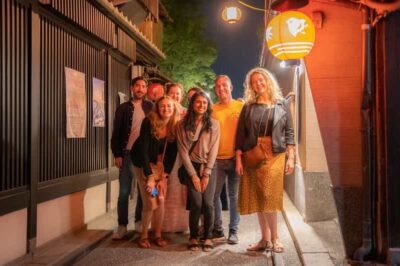

Kyoto: Insider Sake Brewery Tour with Sake and Food Pairing
Read our review →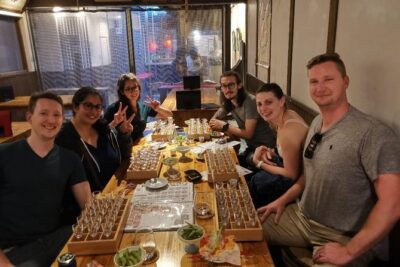
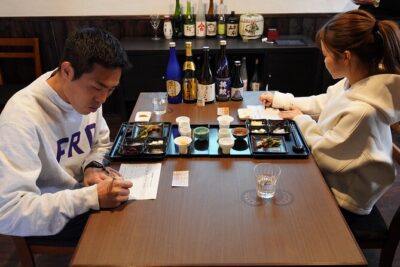
1.5-Hour Kyoto Insider Sake Experience with 7 Tastings & Pairings
Read our review →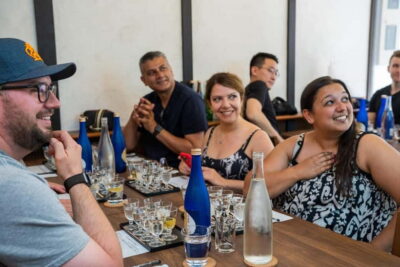
Kyoto: Insider Sake Experience with 7 Tastings and Snacks
Read our review →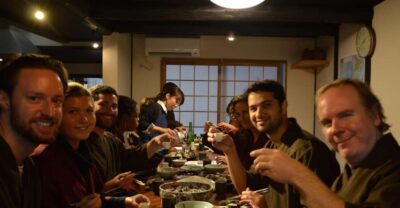
Kyoto: Afternoon Japanese Izakaya Cooking Class
Read our review →
Browse the lists this tour appears in