
REVIEW · KYOTO SAKE TOURS
Kyoto: Izakaya Nightlife Tour with Local Guide
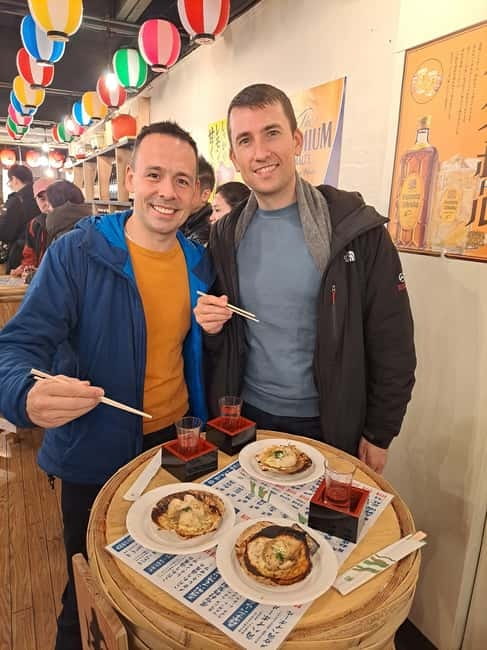
Kyoto’s best evening memories may come after the temples close. This private tour takes you into izakayas, the small Japanese pubs where locals gather over beer, sake, grilled skewers, gyoza, and easy conversation. Guide Hiro leads you through Gion, Pontocho, Kiyamachi, and Yasaka, helping with orders and explaining daily life along the way.
I like the private format, which lets you ask direct questions instead of trying to keep up with a large group. I also like the practical help with Japanese menus and ordering, plus the promise of photographs sent after the evening. The main catch is the food allowance: 2,500 yen per person is included, so you may need extra cash if you eat and drink beyond that amount.
Key details before you book
- Hiro is the named guide: He leads the private English-language tour and has been praised for explaining Japanese culture, daily life, and Kyoto.
- The evening begins at Minamiza: Meet outside Kyoto’s famous Kabuki theatre, close to Gion Shijo and Kyoto Kawaramachi stations.
- You visit Kyoto’s night districts: The route includes Gion, Pontocho, Kiyamachi, and Yasaka, with time for both food and walking.
- Food and drinks are included up to 2,500 yen: Beer, sake, local snacks, dinner dishes, yakitori, gyoza, and other izakaya items may be part of the meal.
- Plan for three hours on foot: Comfortable shoes matter, and you should arrive hungry.
- It is private and flexible: You can ask questions about Japanese customs, food, and everyday life without a large group setting.
Why Kyoto’s izakaya scene makes a good evening tour
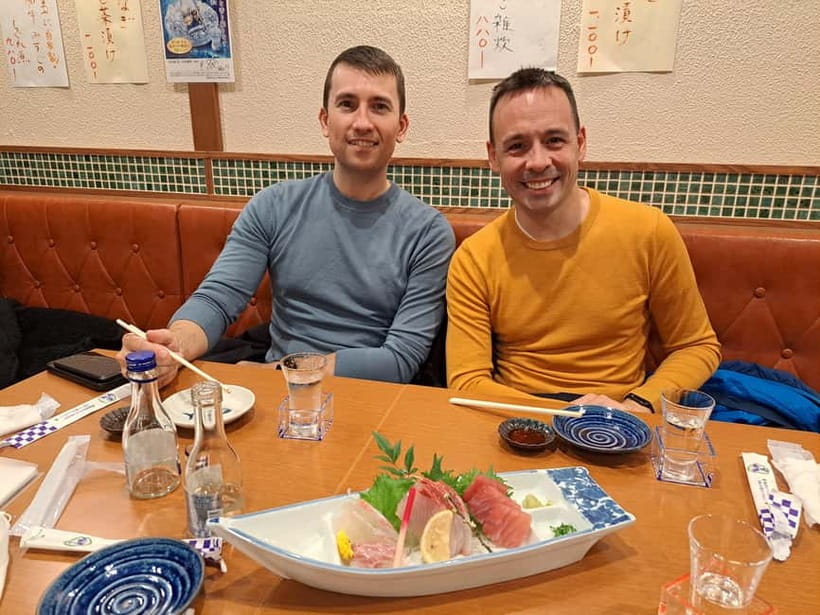
An izakaya is not simply a Japanese bar. It is a place for casual food, drinks, and conversation, often with a menu made for sharing. You might order several small dishes rather than one large meal, making the evening feel closer to a Japanese social outing than a standard restaurant dinner.
That can be tricky on your own. Menus may be in Japanese, dishes may arrive in an unfamiliar order, and some small restaurants can feel hard to enter when you do not know the local customs. Having Hiro order or negotiate for you removes much of that friction.
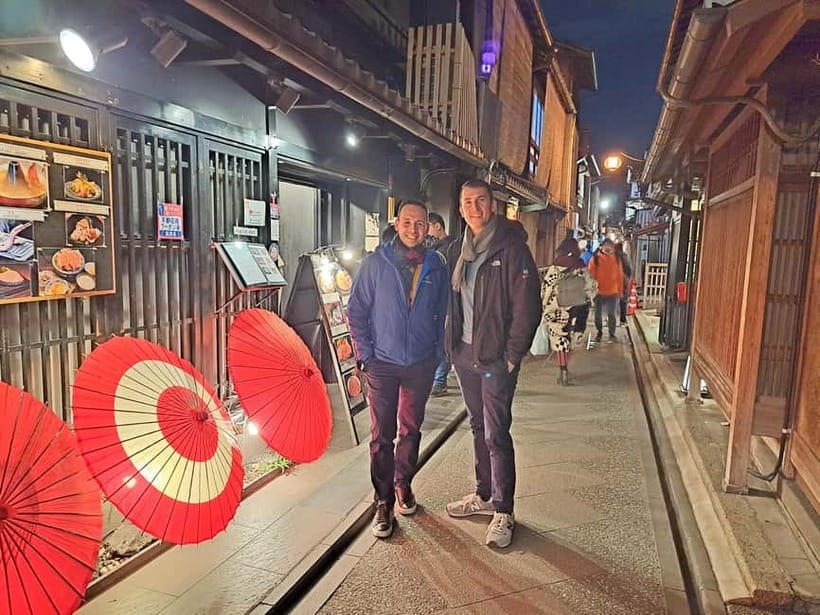
The setting also matters. After sunset, Kyoto changes character. Lanterns light narrow streets, riverside bars glow along Kiyamachi, and Pontocho’s wooden facades give the evening a traditional frame. You are not just sitting down for dinner. You are moving through several of Kyoto’s best-known night quarters and learning how they fit together.
I would not book this as a formal food lecture or a high-end restaurant crawl. It is a relaxed night of local dishes, drinks, walking, and conversation. The appeal is the combination of food and access to everyday Kyoto, not a long list of expensive specialties.
More Izakaya and Bar Hopping in Kyoto:
- Kyoto: Izakaya Bars Guided Walking Tour
★ 4.9 · 815 reviews - Kyoto: Afternoon Japanese Izakaya Cooking Class
★ 4.9 · 241 reviews - Izakaya Style Cooking Class
★ 5.0 · 219 reviews
Meeting Hiro at Minamiza Kabuki Theatre
The tour begins at Minamiza, Kyoto’s well-known Kabuki theatre. The meeting point is easy to place because Kyoto has only one Kabuki theatre. Gion Shijo Station and Kyoto Kawaramachi Station are nearby, followed by a short walk.
That location is useful if you are already sightseeing around central Kyoto. It also gives the evening a strong beginning. You meet beside one of Kyoto’s classic entertainment landmarks, then move into the streets around Gion and the Kamo River.
Allow enough time to find the theatre and arrive ready to walk. The activity information recommends comfortable shoes, and that advice is worth taking seriously. The tour lasts three hours and includes an hour listed for guided sightseeing in Gion, along with the izakaya stop and movement between areas.
Hiro has been described as fluent in English, with one booking party also noting that he speaks good German. He has also contacted people before the meeting to help them feel comfortable. That kind of early communication can be useful if you have food questions, special concerns, or want to understand the meeting point clearly.
Eating and drinking at one or two izakayas
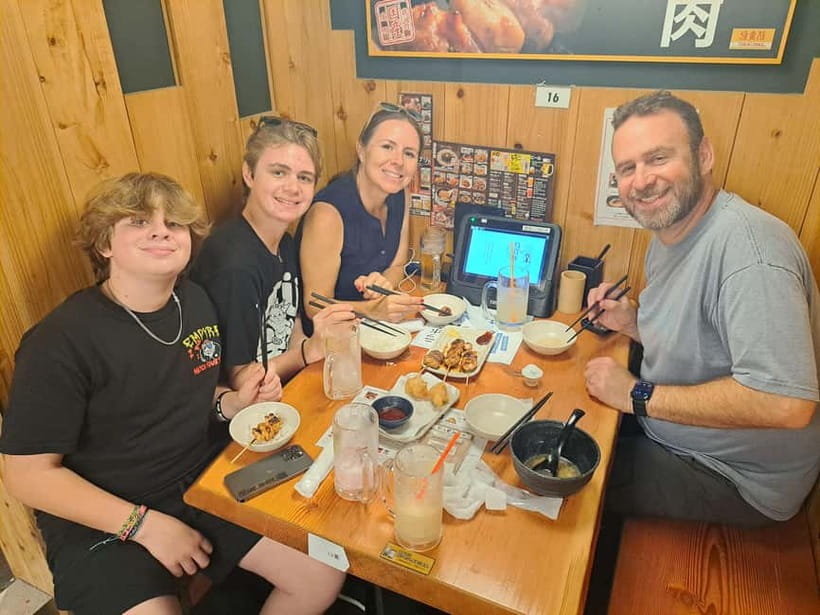
The food portion begins at a local restaurant or izakaya. The planned stop includes beer, dinner, local snacks, and food tasting, with about an hour set aside for eating. The wider tour description presents the evening as izakaya hopping, with one or two restaurants and the possibility of moving between several spots depending on the night.
Do not expect a fixed tasting menu with every dish announced in advance. The appeal is letting your guide choose or order suitable food while you try a range of Japanese pub dishes. The examples given include yakitori and gyoza, along with beer or sake and other local snacks.
This is where the tour offers real value for a first visit. Hiro can help you understand what you are eating, handle the language barrier, and guide the pace of the meal. You can focus on tasting rather than working out how to order five unfamiliar dishes from a menu.
The included food and drinks are valued at 2,500 yen per person. At a tour price of $80, that allowance does not cover the entire cost by itself. Part of what you are paying for is the private guide, the route through several nightlife districts, help with ordering, and the cultural conversation around the meal.
You should arrive hungry. The food is not described as a light drink stop, and the evening is built around filling your stomach as you go. If you have a large appetite or plan to drink more than the included amount, budget for personal expenses.
Alcohol is part of the experience, but you do not have to treat the tour as a drinking contest. Beer and sake are listed options, and the guide can help you navigate the food and drink choices. If you prefer to limit alcohol, make that clear to Hiro early in the evening.
Walking through Gion after dark
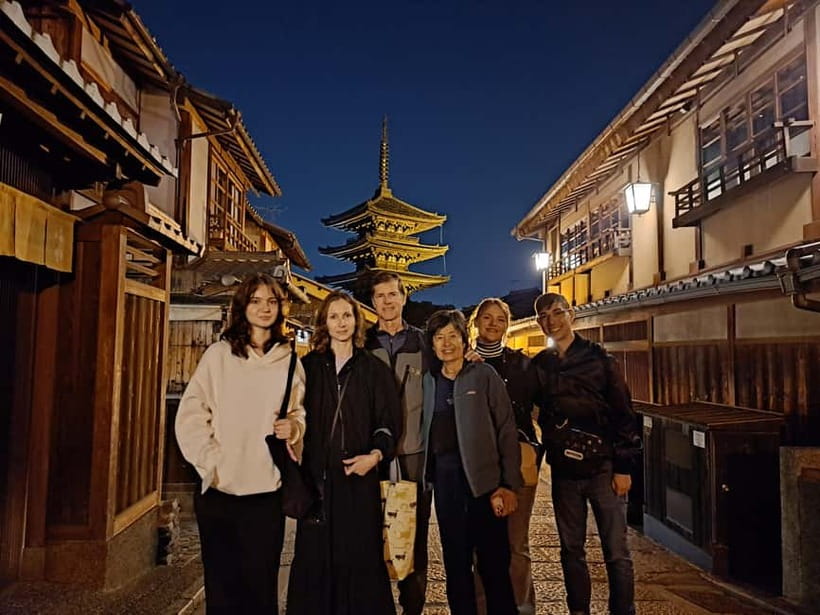
The itinerary gives about an hour to guided sightseeing in Gion. This district is known for traditional streets, wooden buildings, and its connection with Kyoto’s geisha culture. At night, the area takes on a quieter, more atmospheric feel than it has during a busy daytime sightseeing stop.
The value here comes from context. Hiro can explain how the old entertainment district fits into modern Kyoto and answer questions about Japanese customs and daily life. The direct feedback about his tours places strong emphasis on these conversations. People who wanted more than temple visits found that he explained Japanese ways of thinking, culture, and ordinary life in a clear, personal manner.
Keep your expectations sensible. This is a walking tour tied to dinner, not a dedicated geisha performance or an extended historical tour. You will see the district and hear about it as you move through the evening. If your main goal is detailed architectural history, another specialist tour may suit you better.
For many people, though, this balance works well. You get enough explanation to understand the streets, then return to the social side of the night. Kyoto is easier to understand when you see both its famous sights and the places where people eat and meet after work.
More Sake Tours with a Local Guide in Kyoto:
- 3-Hour Kyoto Insider Sake Brewery Tour with Tastings & Pairings
★ 5.0 · 917 reviews - Kyoto: Insider Sake Brewery Tour with Sake and Food Pairing
★ 5.0 · 704 reviews - 1.5-Hour Kyoto Insider Sake Experience with 7 Tastings & Pairings
★ 5.0 · 297 reviews - Kyoto: Insider Sake Experience with 7 Tastings and Snacks
★ 5.0 · 266 reviews
Pontocho, Kiyamachi, and Yasaka at night
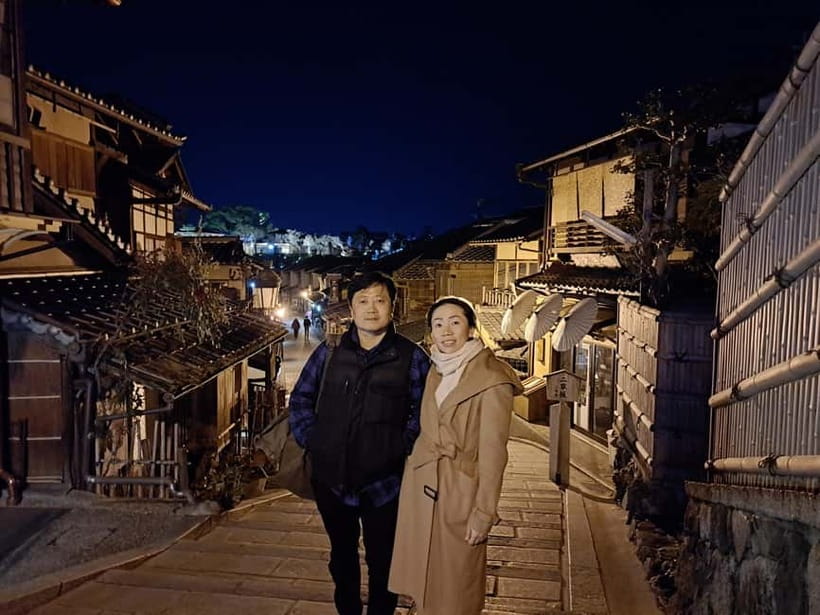
Pontocho is one of the most distinctive parts of the route. It is a narrow alley lined with traditional wooden buildings, many of them housing restaurants and bars. Space is tight, signs can be subtle, and the area can feel difficult to read on your own. A guide gives the lane more meaning than a quick photograph from the entrance.
Kiyamachi offers a different mood. Bars and restaurants line the area near the river, with illuminated buildings and evening activity. The route description points to riverside bars as part of the district’s appeal. You may pass through several types of nightlife venue, from old-style drinking spots to more modern restaurants.
Yasaka adds another familiar Kyoto name to the route. Together, these districts give you a sense of how central Kyoto works after dark. They are close enough to connect in one evening, but each has its own tone and visual character.
The route may change based on the night, the restaurants, and the group’s pace. That is normal for a private evening tour. The benefit is that Hiro can spend more time on food or conversation if that is what interests you. The tradeoff is that you should not treat every listed neighborhood as a guaranteed long stop.
What the private format changes
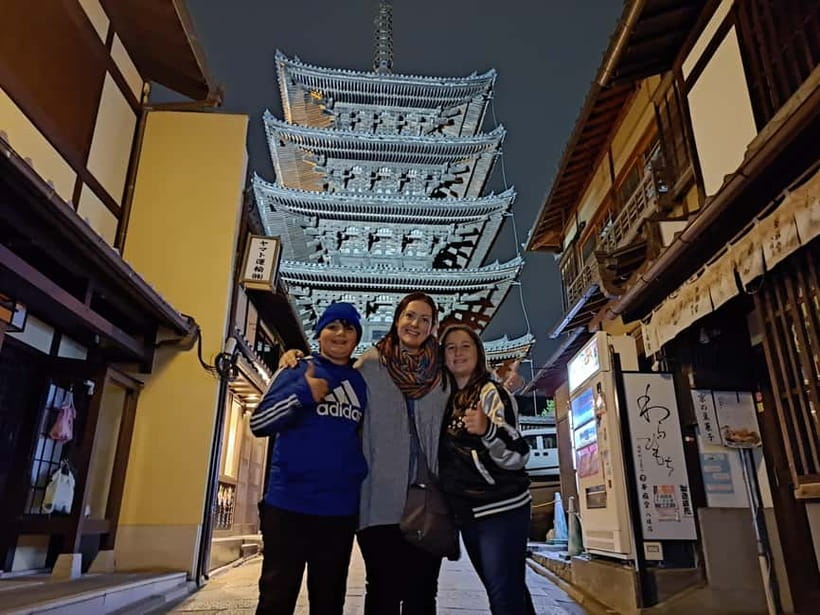
The private group setup is one of the strongest reasons to consider this activity. You can ask about Japanese drinking customs, food etiquette, Kyoto history, or daily life without worrying about slowing down strangers. If you are traveling as a couple, family, or small group, the evening can feel more like meeting a local contact than joining a standard sightseeing circuit.
A private guide also helps with practical decisions. You do not need to guess which dish to choose, wonder how much food to order, or worry about making a mistake with a Japanese menu. Hiro can manage the ordering and explain what is happening.
The tour also includes photographs taken by the guide, with the images sent afterward. That is a thoughtful extra, especially for couples or families who often have very few good photographs of themselves together. One person received photos the following morning, so prompt delivery is possible, though you should not treat a specific delivery time as guaranteed.
The activity is offered in English. The published ratings are all five out of five, with repeated praise for Hiro’s warmth, cultural explanations, food choices, and easy conversation. That is a small sample, so I would not use the rating alone to make the decision. The consistent details are more useful: the guide takes time with questions, the food is well received, and the evening feels personal.
Is $80 a fair price?
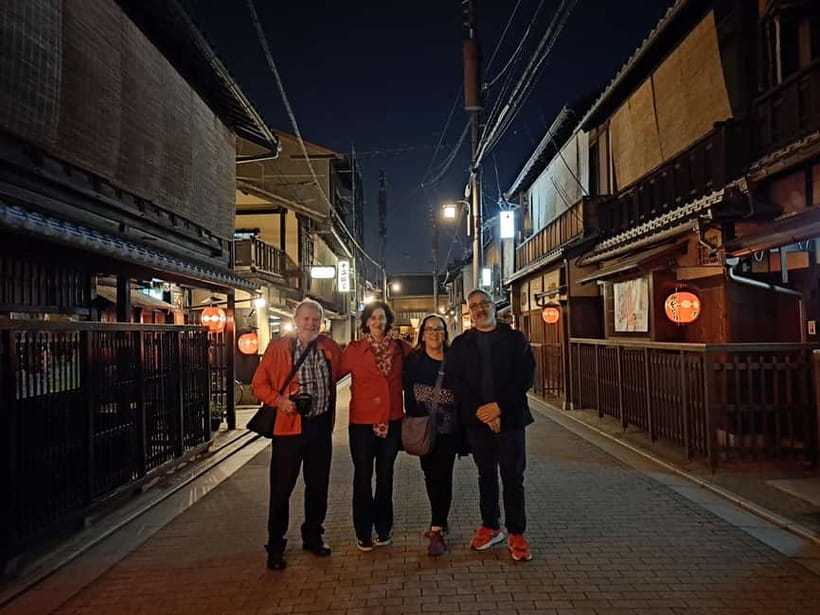
At $80 per person, this is not the cheapest way to eat in Kyoto. If your only goal is dinner, you can spend less by choosing an izakaya yourself. The included allowance is 2,500 yen, and anything above that is your responsibility.
The calculation changes if you are nervous about nightlife in Japan. You are paying for three hours with a local guide, food and drinks, help with ordering, a planned walk through several central districts, and private attention. For a first evening in Kyoto, that can save time and prevent the awkward pauses that come with choosing a restaurant alone.
I see the best value for people who want cultural explanation with their meal. Hiro’s role is not only to find food. He can explain the places you pass, answer questions about Japanese life, and help you understand what makes an izakaya different from a regular restaurant.
The price is less convincing if you already speak Japanese, know Kyoto well, and feel happy ordering anywhere. It is also less suitable if you want a large meal at a luxury restaurant or a strict food-focused tasting with exact dishes guaranteed.
Bring a payment method for extra personal spending. The included 2,500 yen covers food and drinks at the izakaya restaurants, but the activity specifically says you pay more if your spending goes beyond that amount.
Who should book this evening?
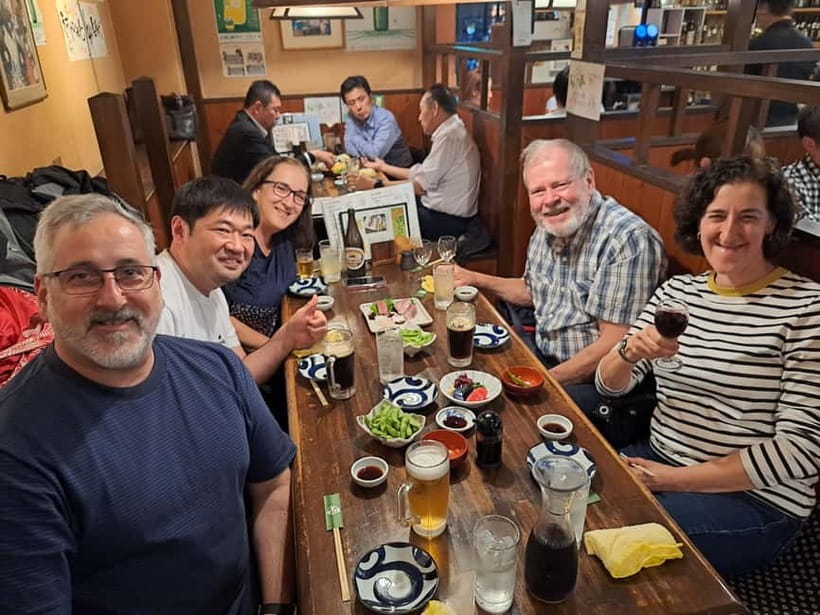
I would recommend it most strongly to first-time visitors who want a gentle introduction to Kyoto nightlife. It suits couples, small private groups, and people who would like to ask many questions about Japan without feeling rushed.
It is also a good choice for anyone who has avoided izakayas because of the language barrier. You can arrive hungry, let Hiro handle the ordering, and try several dishes with some explanation instead of relying on guesswork.
Food-focused visitors should note the limits. The exact dishes and number of izakayas can vary, and the included allowance is modest compared with the tour price. If you have allergies or strict dietary needs, contact the provider before booking so you can find out if the planned restaurants can accommodate you.
The walking requirement deserves attention. The activity asks you to wear comfortable shoes, and the information also says it is not suitable for people with mobility impairments. It is marked wheelchair accessible, but those two points do not fully match, so anyone with mobility concerns should confirm the route and restaurant access before paying.
Cancellation is flexible: you can cancel up to 24 hours ahead for a full refund. You can also reserve now and pay later, which helps if your Kyoto schedule is still changing.
My call on the Kyoto izakaya night
Book this tour if you want a social, food-based evening with a local guide and you value conversation as much as the meal. The strongest reason to go is Hiro’s personal approach, especially if you want to understand Japanese everyday life rather than simply collect another night photograph of Gion.
Skip it if you want a cheap dinner, a fixed tasting menu, or a long, formal history lecture. Also think twice if you dislike walking or do not want to spend extra beyond the included 2,500 yen.
For most first-time visitors, the combination makes sense: meet at Minamiza, eat in local izakayas, walk through Gion and the nearby nightlife streets, and let a fluent guide take care of the parts that can make Japanese dining feel confusing. That is a practical way to spend one Kyoto evening.
FAQ
Where does the tour meet?
The meeting point is Minamiza Kabuki Theatre in Kyoto. Gion Shijo Station and Kyoto Kawaramachi Station are nearby, followed by a short walk.
How long does the tour last?
The tour lasts three hours.
What language does the guide speak?
The live tour guide speaks English. The guide named Hiro has also been noted as speaking good German.
Is this a private tour?
Yes. The group type is private.
How many izakayas will I visit?
The experience describes visiting one or two izakaya restaurants, with the possibility of hopping between several locations depending on the evening.
What food and drinks are included?
Food and drinks are included up to a value of 2,500 yen per person. The meal may include beer, sake, local snacks, yakitori, gyoza, dinner dishes, and other izakaya food.
Do I need to bring extra money?
You may need extra money if your food and drink spending exceeds 2,500 yen per person. Transportation to the meeting point and other personal expenses are not included.
Can I cancel the booking?
You can cancel up to 24 hours in advance for a full refund. The activity also allows you to reserve now and pay later.
Just added around Kyoto
- Hidden Bamboo gem and Japanese foods in Izakaya Private Tour★ 5.0 · 3 reviews
- Private Nishiki Market Food & Sake Tour by Young Local Guides★ 5.0 · 12 reviews
- Nishiki Market, Private Sushi class & Sake Tasting in Townhouse★ 5.0 · 6 reviews
- KYOTO Sake Tasting Tour at Local Breweries(tasting fee included)★ 5.0 · 16 reviews
- Kyoto: Sake Tasting Journey to Two Iconic Breweries★ 3.0 · 2 reviews
- Kyoto Food and Sake Tour Experience★ 4.0 · 5 reviews
- Experience of pairing sake tasting with snacks in Kyoto★ 5.0 · 4 reviews
- Kyoto Luxury Sake, Whisky and Cocktail Tour★ 5.0 · 4 reviews
Kyoto Sake Tours, compared.

3-Hour Kyoto Insider Sake Brewery Tour with Tastings & Pairings
Read our review →

Kyoto: Insider Sake Brewery Tour with Sake and Food Pairing
Read our review →
1.5-Hour Kyoto Insider Sake Experience with 7 Tastings & Pairings
Read our review →
Kyoto: Insider Sake Experience with 7 Tastings and Snacks
Read our review →
Kyoto: Afternoon Japanese Izakaya Cooking Class
Read our review →
Browse the lists this tour appears in