
REVIEW · OSAKA SAKE TOURS
Sake “Omakase” in Osaka : Guided Tasting by a Active Sake brewer
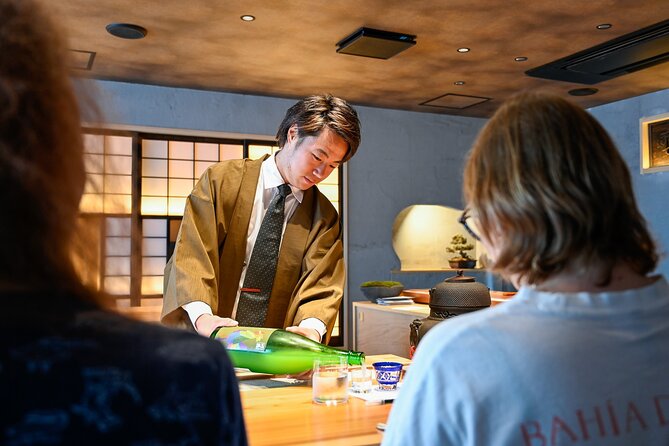
The best thing about this sake tasting is that Yuki is not simply pouring bottles and reading labels. He is an active sake brewer who trained for a year at a brewery in Osaka, so you learn how rice, water, and koji turn into the drink in your glass.
I like the smart tasting plan: seven sakes show changes in style, rice variety, and temperature. I also like the small size, with no more than 10 people, which leaves room for questions and conversation. The main drawback is the schedule. The experience is listed as about 90 minutes, but the sample timetable runs from 13:00 to 14:55, so confirm the exact finish time before fitting it between other plans.
Key Points at a Glance
- Seven sakes, three tasting comparisons: You sample different sake styles, rice varieties, and serving temperatures instead of simply trying seven unrelated pours.
- Yuki’s brewery experience: The owner and host trained at an Osaka brewery and explains the process from practical experience.
- A personal sake diagnosis: You complete a tasting sheet and leave with guidance on the sake styles that suit your palate.
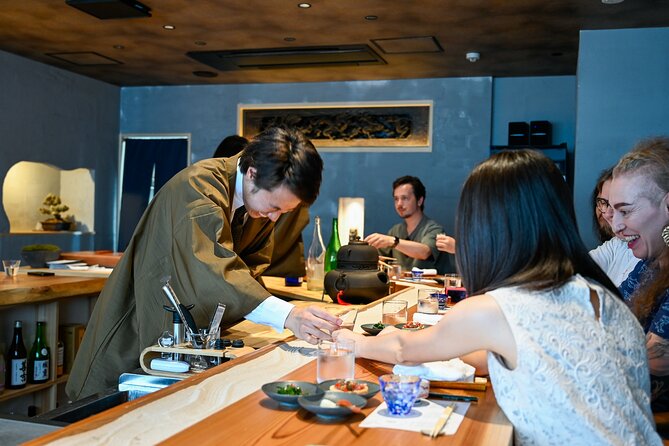
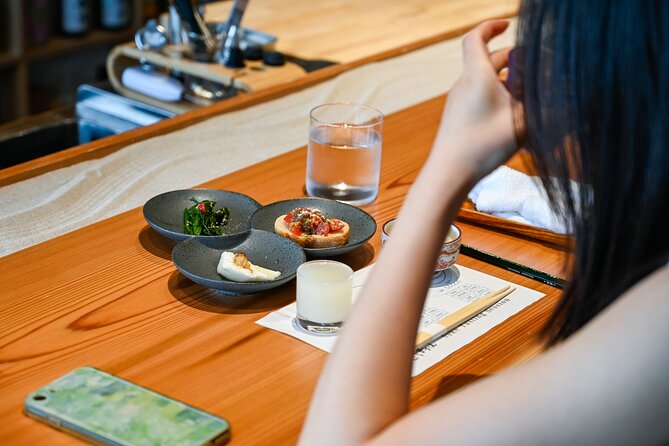
- Three seasonal Japanese dishes: The included snacks give you a chance to see how sake works with food, not just taste it on its own.
- A small Fukushima setting: Sake Pairing Bar Potan is near central Osaka and uses traditional Japanese architecture for a calm tasting room.
- A focused 90-minute format: The session suits an afternoon plan, though the published sample schedule suggests you should check the exact timing.
Meeting Yuki at Sake Pairing Bar Potan
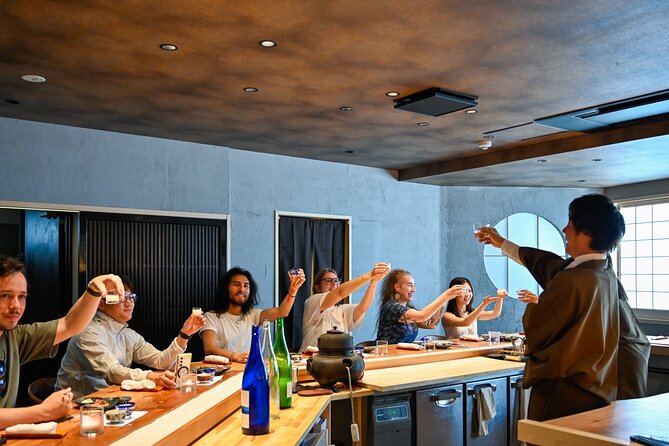
This experience takes place at Sake Pairing Bar Potan in Fukushima Ward, a short distance from central Osaka. The address is 2-chome 7-24, NANEI Fukushima Building, fourth floor, in the 553-0003 area.
The location matters. You are not being taken on a long ride to a remote brewery. Instead, you can reach the bar by public transportation and spend your time learning and tasting. The activity begins and ends at the same place, which keeps the logistics simple.
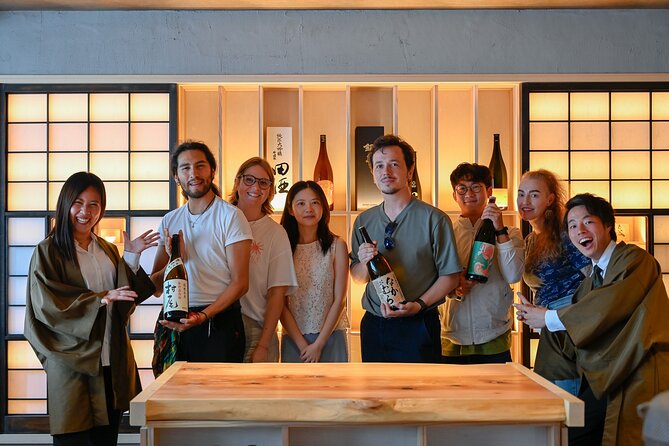
Potan is designed with traditional Japanese architectural touches, giving the session a more considered setting than a standard pub. The room is meant to keep attention on the sake. That makes sense for a tasting built around small differences in aroma, texture, and finish.
The group limit is 10 people. That is small enough for direct questions without making the session feel like a private lesson. It also creates a social side to the experience. Yuki enjoys talking about Japanese culture and travel, not only brewing, so the atmosphere is likely to suit people who prefer conversation to a formal lecture.
You should arrive ready to focus on the drink. This is not a quick stop where you grab one cup and move on. The point is to taste carefully, compare, and notice how your preferences change.
More Sake Tastings in Osaka:
- Osaka Sake Tasting with Takoyaki Cooking
★ 5.0 · 156 reviews - Osaka Sake Tasting & Takoyaki Cooking Experience
★ 5.0 · 149 reviews - Osaka Cooking Class and Sake Tasting with Local Supermarket Visit
★ 5.0 · 79 reviews
Why an Active Brewer Changes the Lesson
Many sake tastings can explain labels and serving styles. This one goes closer to the making of the drink because Yuki has actual brewery experience and continues to work as a brewer.
The introduction covers the basic history of sake, rice varieties, polishing ratios, and simple etiquette. These details give you a useful foundation. If terms such as junmai, polishing percentage, or koji usually blur together, the opening lesson should help you understand what you are tasting later.
Rice is especially important. Sake is made from rice, but not every rice variety behaves in the same way. The amount of polishing also affects what remains for fermentation. You will not just hear these points as abstract facts. The session includes actual brewing materials, giving you something physical to examine while Yuki explains the process.
Water and koji also get attention. Koji helps convert rice starch into sugars that yeast can ferment, and water affects the final character of the sake. You do not need prior knowledge to follow this. The lesson is designed to be clear and approachable, including for someone who knows very little about sake.
Yuki’s English is described as clear and easy to follow. That is important here because the value of the class depends on understanding the links between production and taste. You want more than a list of Japanese terms. You want to know why one sake smells different from another, or why the same bottle can taste altered at another temperature.
Seven Pours That Actually Teach You Something
The tasting is organized around comparisons. This is the strongest part of the design because it trains your palate rather than asking you to judge seven separate drinks with no framework.
The first section covers three different sake styles. You can look for contrasts in aroma, sweetness, acidity, body, and finish. The goal is not to memorize labels. It is to notice which style feels fresh and light, which has more weight, and which suits the food or setting you have in mind.
Next comes a comparison of two sakes made from different rice varieties. This is a useful lesson for anyone who assumes all sake begins with the same raw material. The rice can influence the result, and tasting the examples side by side makes the difference easier to understand than reading about it on a menu.
The final comparison uses the same sake at two temperatures. This may be the most practical part of the tasting. Serving temperature can change aroma, mouthfeel, and the way the finish comes across. A sake that seems subtle when chilled may show more body when warmed, while another may be more appealing cold.
The seven-pour structure also helps you find a personal favorite without relying on fashion or price. You might arrive expecting to like a particular style and leave with a different preference. That is useful information for your next izakaya visit or restaurant meal.
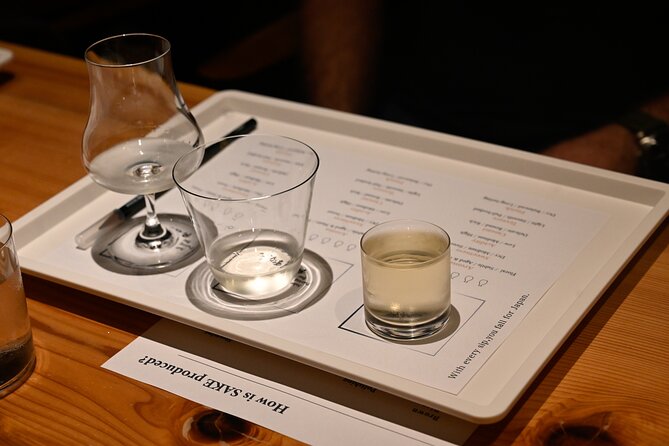
Pours are paired with a tasting sheet. Take notes as you go, even if you normally dislike formal tasting rituals. The sheet gives you a way to remember what you noticed and helps with the final preference diagnosis.
Seasonal Japanese Dishes Put the Sake in Context
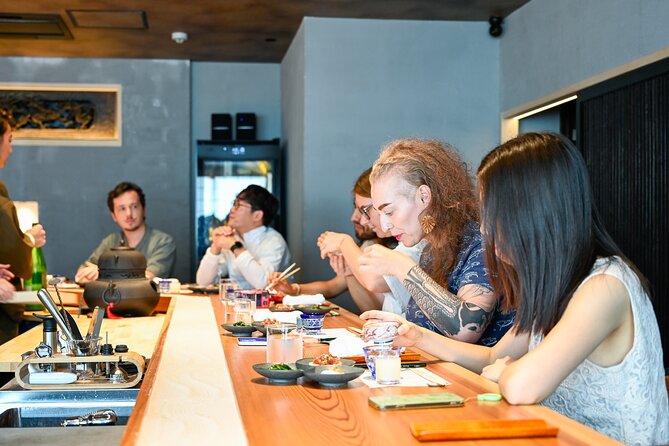
Three seasonal Japanese pairing dishes are included. They are described as snacks, so you should not book this as a full meal. Still, the food has an important job: it shows how sake behaves alongside Japanese flavors.
Sake is not only a drink to sip by itself. Food can soften acidity, bring out sweetness, or make a savory finish seem more pronounced. A small bite also gives you a break between pours, which is welcome during a concentrated tasting.
The dishes are seasonal, but the exact menu is not specified. That means you should not expect a fixed set of named foods. Instead, think of them as a supporting part of the lesson, designed to demonstrate pairing rather than fill you up.
If you are planning dinner afterward, leave room for a proper meal. The three dishes add value to the tasting but should not replace lunch or dinner.
More Sake and Food Tours in Osaka:
- [1 Group Only] Osaka Street Food Tour for Family
★ 5.0 · 208 reviews - Same Day OK! Osaka: Local Food, Izakaya & Local Bites Tour!
★ 4.8 · 17 reviews - Osaka Soul : IZAKAYA Shinsekai to Dotonbori Food Paradise!
★ 5.0 · 15 reviews - Osaka Sake & Food Tour
★ 5.0 · 8 reviews
A Closer Look at the Sample Schedule
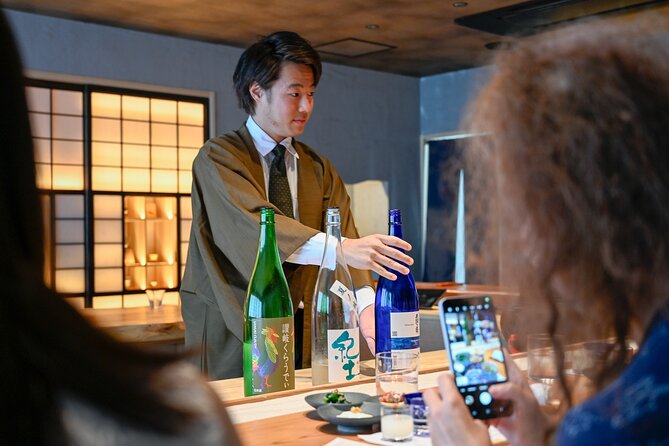
The listed program begins with sake brewing basics at 13:00. This opening covers history, rice, polishing ratios, water, koji, and etiquette. It is the part that helps beginners get their bearings before the glasses arrive.
At about 13:30, you move into the three-style tasting. This first comparison should give you the broadest look at how different sake can be. It is a good point to start using the tasting sheet and note your immediate reactions.
Around 14:00, the focus shifts to rice varieties. This is where the brewing explanation connects directly to the glass. You can compare two sakes made with different rice and consider which characteristics you notice first.
At approximately 14:20, you taste the same sake at two temperatures. This is a compact but valuable demonstration. It shows that serving advice is not mere ceremony. Temperature can change the drinking experience.
The session then allows time for questions and open conversation. This is where Yuki’s personal background adds something extra. He has traveled to about 35 countries by age 20 and uses that cross-cultural experience in his conversations about Japan. You can ask about brewing, Japanese drinking customs, regional differences, or how to order sake with more confidence.
The closing stage is the Sake Preference Diagnosis. You use your tasting notes to identify the styles that fit your palate. That gives the session a practical finish. Instead of leaving with a general impression that sake is complicated, you leave with a clearer idea of what to request next.
One timing point deserves attention. The advertised duration is approximately one hour and 30 minutes, while the sample schedule from 13:00 to 14:55 suggests nearly two hours. This could reflect a flexible timetable or a mismatch in the published details. If you have a train, meal, or another tour afterward, ask for the current start and finish times before booking.
What the $71.54 Price Includes
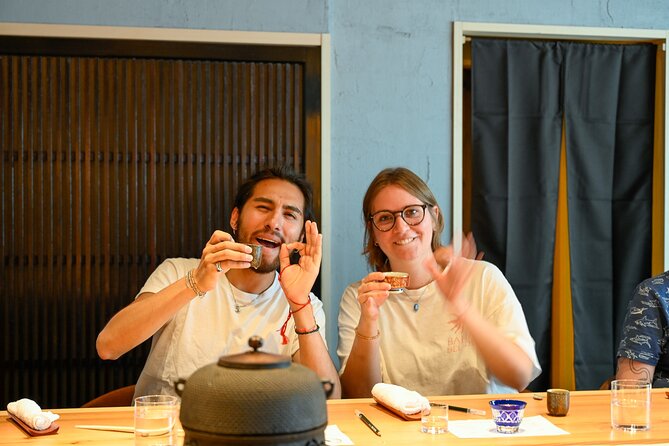
At $71.54 per person, this is not the cheapest way to have a drink in Osaka. You are paying for instruction as well as alcohol. The package includes seven sake tastings, three seasonal Japanese pairing dishes, the tasting sheet, and the owner’s time in a group capped at 10 people.
The price makes more sense if you want to understand sake rather than simply sample it. Seven small pours can teach you more than one large serving at a bar, especially when the tasting compares rice and temperature in a planned way. The personal diagnosis also gives you something useful after the session.
Still, value depends on your interest. If you already know the sake styles you enjoy and mainly want a full dinner, this may feel expensive for a 90-minute activity with snack-sized food. If you are new to sake, or have tried it before without understanding the differences, the guided structure offers a clearer return.
Group discounts are available, though the exact discount is not stated. Public transportation is not included, and tips are also not included. Factor in the cost of reaching Fukushima, even though the area is near central Osaka and served by public transportation.
Who Will Get the Most from This Tasting?
I would recommend this experience to a first-time sake drinker who wants a friendly explanation in English. You do not need to know Japanese labels or brewing terms in advance. The session starts with basics and builds through tasting.
It also suits someone who has already sampled sake but has never understood why bottles taste different. The rice and temperature comparisons answer practical questions that a casual bar visit may leave unresolved.
Food lovers should appreciate the three seasonal pairings. They are not a full meal, but they help show how sake works with Japanese dishes. The experience can also fit an afternoon in Osaka before dinner, provided you confirm the actual end time.
The social format will appeal to solo visitors and couples who enjoy meeting people through food and drink. With up to 10 people, you get a shared setting without the scale of a large class.
I would be more cautious about booking it for someone who does not drink alcohol. The listed inclusion is alcoholic sake, and no nonalcoholic alternative is specified. It is also not the best choice if you want a brewery tour with a long production-floor visit. The focus here is an indoor lesson and guided tasting at the bar.
Practical Details Before You Book
Confirmation is provided at the time of booking. The activity ends at the same meeting point, so you do not need to arrange a separate return transfer.
Service animals are allowed, and the venue is near public transportation. The maximum group size is 10. Those details make the experience relatively easy to fit into an Osaka itinerary, though the fourth-floor location means you should use the full address rather than relying only on the venue name.
Free cancellation is available if you cancel at least 24 hours before the start time. Cancellations or changes made less than 24 hours in advance are not accepted for a refund. The cut-off uses local Osaka time.
The booking information lists 5 or more bookings in the previous month and a 100 percent recommendation rate from 11 ratings, with an overall score of 5. Those figures suggest a well-received small experience, but the sample is still limited. I would treat them as encouraging rather than as a guarantee that every person will enjoy the format.
Should You Book the Osaka Sake Omakase?
Book it if you want a personal introduction to sake led by someone with real brewery experience. The strongest reasons are the seven-pour comparison, the same-sake temperature test, the rice variety lesson, and Yuki’s clear, friendly teaching style.
The session is especially useful before a wider Japan trip. Once you know which sake styles suit you, ordering becomes less intimidating. You can also understand why a server recommends a certain temperature or bottle.
Skip it if you want a full meal, a large brewery visit, or a quick drink with no instruction. Also check the timing carefully because the listed 90-minute duration and sample schedule do not match perfectly.
For most curious drinkers, the price is fair when you count the number of pours, food pairings, small group, and hands-on guidance. You are not only trying sake. You are learning how to make better choices after you leave Osaka.
FAQ
Where does the sake tasting take place?
The session takes place at Sake Pairing Bar Potan in Fukushima Ward, Osaka. The address is 2-chome 7-24, NANEI Fukushima Building, fourth floor, in the 553-0003 area.
How long does the experience last?
The stated duration is approximately one hour and 30 minutes. The sample schedule runs from 13:00 to 14:55, so confirm the exact end time if you have another booking afterward.
How many sakes will I taste?
You will taste seven sakes. The tasting includes three sake styles, two sakes made from different rice varieties, and the same sake served at two temperatures.
Is food included?
Yes. Three seasonal Japanese pairing dishes are included. They are described as snacks, so they should not be treated as a full meal.
How many people can join?
The activity has a maximum of 10 participants. Group discounts are available, although the exact discount is not specified.
What is the cancellation policy?
You can cancel for a full refund up to 24 hours before the experience begins. Cancellations or changes made less than 24 hours before the start time are not accepted for a refund.
Just added around Osaka
- Osaka Soul : IZAKAYA Shinsekai to Dotonbori Food Paradise!★ 5.0 · 15 reviews
- Osaka Sake & Food Tour★ 5.0 · 8 reviews
- Osaka Home Feast Cooking and Sake Experience★ 5.0 · 3 reviews
- Same Day OK! Osaka: Local Food, Izakaya & Local Bites Tour!★ 4.8 · 17 reviews
- Osaka Bar Hopping | Explore Hidden Bars & Izakayas in Namba★ 4.7 · 18 reviews
- 3.5h Osaka Night guided Local Bar Hopping, Sake & Karaoke★ 5.0 · 27 reviews
- Osaka: Cooking Class & Sake Tasting with Local Market Visit★ 4.8 · 31 reviews
- Osaka Cooking Class and Sake Tasting with Local Supermarket Visit★ 5.0 · 79 reviews
Osaka Sake Tours, compared.
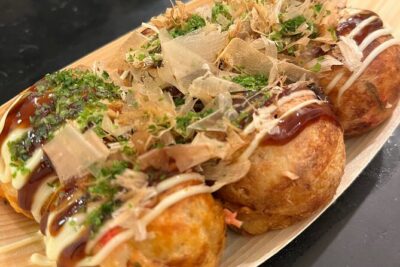
Osaka Sake Tasting & Takoyaki Cooking Experience
Read our review →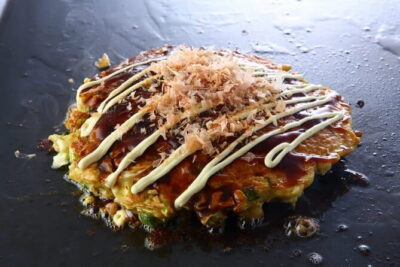
Osaka Cooking Class and Sake Tasting with Local Supermarket Visit
Read our review →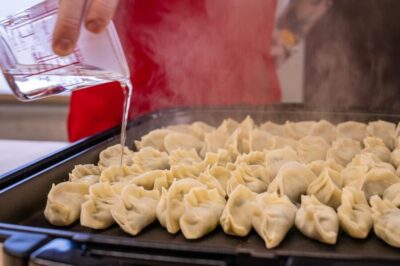
Osaka: Cooking Class & Sake Tasting with Local Market Visit
Read our review →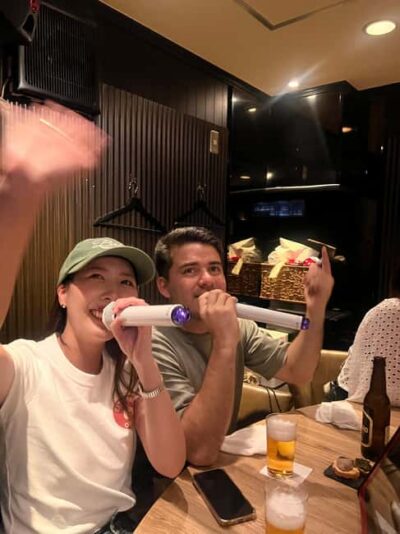
3.5h Osaka Night guided Local Bar Hopping, Sake & Karaoke
Read our review →
Osaka Bar Hopping | Explore Hidden Bars & Izakayas in Namba
Read our review →Browse the lists this tour appears in