
REVIEW · OSAKA SAKE TOURS
Osaka Cooking Class and Sake Tasting with Local Supermarket Visit
Osaka’s food culture makes more sense when you shop for the ingredients before you cook them. This four-hour experience takes you from a local supermarket to a private cooking studio, where you prepare niku-sui, okonomiyaki, and gyoza with step-by-step help from a local instructor.
I like the supermarket visit because it gives you a look at ordinary Osaka food shopping, not just a cooking demonstration. I also like the small group limit of seven, which leaves room for hands-on practice and personal help from guides such as Yuka and Mari.
The main consideration is the price, $92.50 per person. That is more than a simple restaurant meal, but it covers roughly four hours of activity, ingredients, instruction, and drinks. If you want a relaxed cultural activity you can repeat at home, the cost is easier to justify.
Key points at a glance
- Three Osaka comfort foods: Make niku-sui, a beef soup, along with okonomiyaki and gyoza.
- A supermarket comes first: Learn what local ingredients look like and how they fit into Japanese home cooking.
- Small group setting: The class accepts a maximum of seven people, so you are not lost in a crowd.
- Beginner-friendly instruction: You do not need previous cooking experience, and the guide gives live feedback.
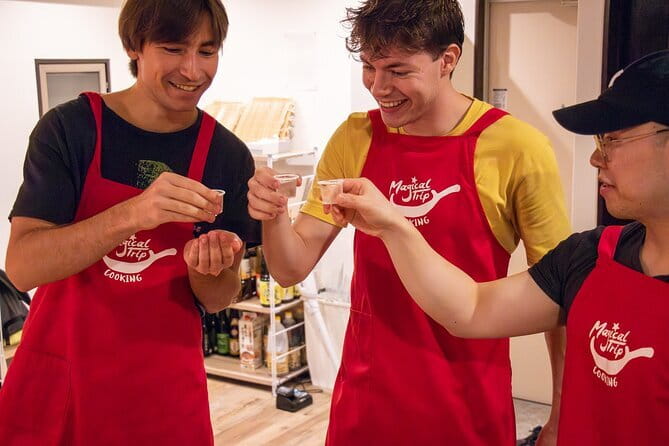
- Drinks with the meal: Taste local sake, beer, or soft drinks while eating what you prepare.
- Simple meeting point: Meet at 10:00 a.m. at the FamilyMart on the south side of Minamimorimachi Station.
Why the supermarket stop matters
Many Japanese cooking classes begin once the ingredients are already laid out. This one starts earlier, at a local supermarket. That small change gives the experience more context.
You can learn about the everyday products used in Osaka kitchens and see how familiar ingredients fit together before you handle them. The guide explains what to shop for and why it matters in each recipe. That is especially useful if you want to make the dishes again at home, since Japanese supermarkets can otherwise feel like a wall of unfamiliar labels and packaging.
I see this as more than a shopping errand. It is a look at ordinary Osaka life, with food as the doorway. You are not simply being told that a dish is local. You are seeing the building blocks and learning how they become lunch.
The available information does not specify the supermarket’s name or exact amount of walking involved. You should therefore wear comfortable shoes and allow the group to move at the guide’s pace. The meeting point is near public transportation, which makes the 10:00 a.m. start fairly straightforward to reach.
More Sake Tastings in Osaka:
- Osaka Sake Tasting with Takoyaki Cooking
★ 5.0 · 156 reviews - Osaka Sake Tasting & Takoyaki Cooking Experience
★ 5.0 · 149 reviews - Osaka: Cooking Class & Sake Tasting with Local Market Visit
★ 4.8 · 31 reviews
From FamilyMart to the cooking studio
The meeting point is the FamilyMart on the south side of Minamimorimachi Station in Osaka’s Kita Ward. The address is Japan, 530-0041 Osaka, Kita Ward, Tenjinbashi, 2-chome 3-10, first floor.
You meet there at 10:00 a.m., then begin the food-focused portion of the morning. Since the experience ends back at the same meeting point, you do not need to arrange a second pickup location or figure out where the class finishes.
The exact travel time from the supermarket to the studio is not provided, but the total experience lasts about four hours. I would keep the rest of your morning and early afternoon flexible. That gives you room for the shopping stop, cooking, eating, and any normal pauses along the way.
A mobile ticket makes entry simple. You should still check the meeting address carefully before setting out, since station exits in Osaka can put you on different sides of a busy road.
Making niku-sui, Osaka’s beef soup
Niku-sui is one of the more distinctive dishes included here. It is a simple beef soup, but that simplicity is part of its appeal. You work with a dish that feels close to everyday home cooking rather than a complicated restaurant specialty.
The class gives you a chance to see how Japanese cooking builds flavor with a short list of ingredients and careful preparation. For a beginner, soup is also a useful place to start because the steps are approachable and the result is easy to share at the table.
I like that niku-sui sits beside the better-known okonomiyaki and gyoza. You get the famous Osaka foods, but you also take home an example of a less obvious local comfort dish.
The supplied details do not state the full ingredient list or whether the recipe can be changed for dietary needs. If you have allergies or strict food restrictions, ask the provider before booking rather than assuming substitutions are available.
Okonomiyaki, cooked the Osaka way
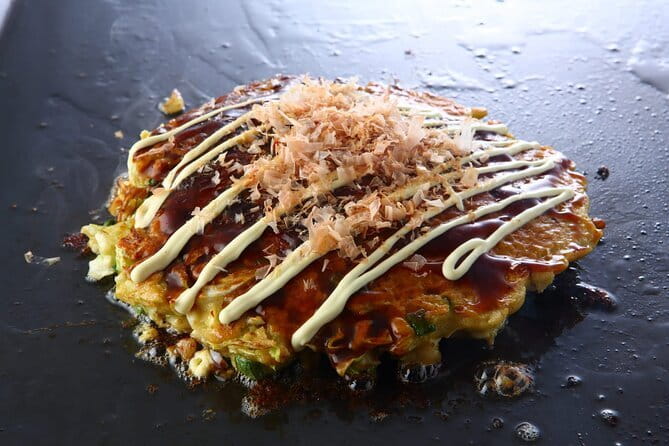
Okonomiyaki is the class’s most recognizable Osaka dish. It is a savory pancake, and the hands-on format lets you take part in shaping and cooking it instead of watching someone else handle the entire process.
The guide leads you through the method in clear steps. You do not need to be a confident cook, and live feedback means you can ask for help while working rather than waiting until the end to find out what went wrong.
This is where the class feels particularly useful for families and friends. Cooking a shared dish gives everyone a role, and the casual format suits people who would rather do something together than sit through a formal lecture.
The class is not presented as an advanced chef course. If you already cook often, you may not learn professional-level technique. You will, however, practice a familiar Osaka dish in its cultural setting and get a recipe that is meant to be manageable at home.
More Cooking Classes in Osaka:
- Osaka Home Feast Cooking and Sake Experience
★ 5.0 · 3 reviews - Ramen and Sushi Cooking Class with Sake Pairing Set in Tokyo
★ 5.0 · 291 reviews - Tokyo Washoku 4-hour Cooking Class: From Market to Table
★ 5.0 · 253 reviews - Kyoto: Afternoon Japanese Izakaya Cooking Class
★ 4.9 · 241 reviews
Folding gyoza with room to practice
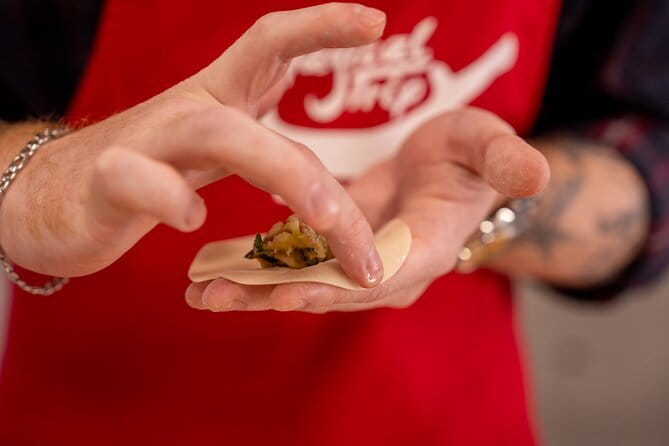
Gyoza adds a different kind of hands-on work. Folding the dumplings takes patience and a little coordination, so it gives the group a practical task that can be enjoyed at several skill levels.
A beginner can follow the guide’s example and improve with each dumpling. A more experienced cook can focus on neat folds or help keep the process moving. The key point is that you are not just sampling gyoza at a restaurant. You are learning the basic process behind it.
The class is described as suitable for all skill levels, with no cooking experience required. That makes it a good choice if you want an activity that includes children or a mixed group with different confidence levels, although the available information does not give a minimum age or specific child policy.
The experience also has a useful rhythm. Soup, savory pancakes, and dumplings are different enough to keep the session interesting, but they all remain familiar and practical dishes rather than difficult culinary projects.
A relaxed meal with sake, beer, or soft drinks
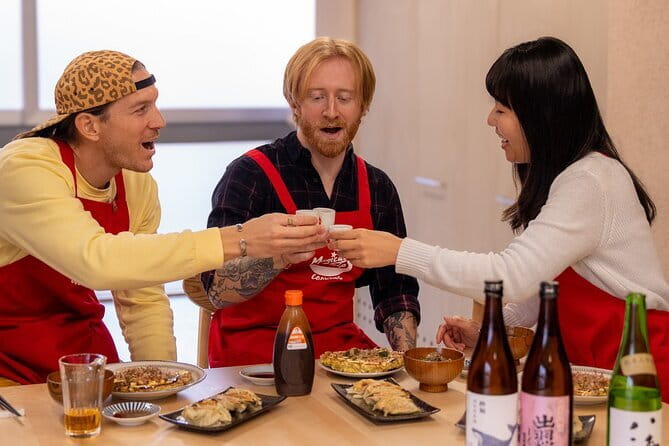
After cooking, you eat the dishes you helped prepare. You can also enjoy local sake, beer, or soft drinks. This turns the class into a full meal rather than a series of samples.
The sake tasting is the extra feature that makes the experience more than a standard cooking lesson. You get a chance to pair a Japanese drink with food you have just made, while still having nonalcoholic options if you do not drink alcohol.
The provided details do not name the sake brands, explain how many samples are included, or describe the tasting format. I would treat it as a casual introduction rather than a formal sake seminar. If your main goal is detailed sake education, this class may not be enough on its own.
For most people, the combination works well. You shop, cook, sit down, and eat. That natural progression gives the morning a clear purpose and keeps the cultural side connected to something you can taste.
What the guides add to the experience
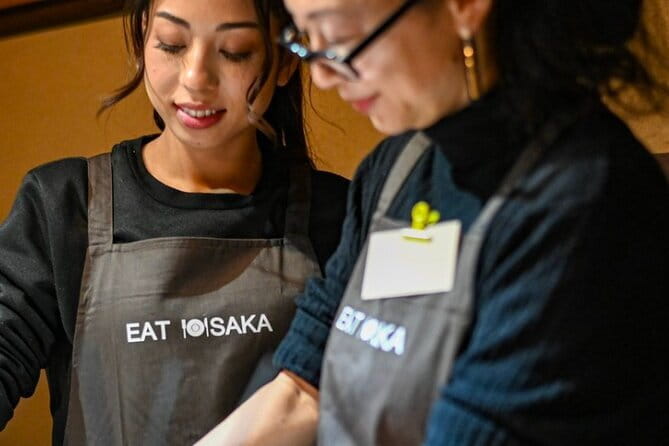
The instructor matters a great deal in a small cooking class. The information provided names Yuka and Mari as guides who have led this experience.
Yuka is associated with a four-hour session that included the supermarket visit and hands-on cooking of okonomiyaki, niku-sui, and yaki-gyoza. Mari is specifically noted for explaining what to shop for and helping everyone take part in the cooking. Those details suggest that the guide’s role is active, not limited to reading instructions from a recipe card.
That live help is valuable when you are handling unfamiliar ingredients or trying to fold gyoza for the first time. It also keeps the class friendly for people who may feel nervous about cooking in front of others.
The guide can explain the food in context, but the experience is still centered on doing. If you prefer to watch a chef demonstrate every step while you take notes, this may feel more active than expected. If you learn best with your hands, that is a strong reason to book.
Is $92.50 a fair price?
At $92.50 per person, this is not a bargain meal. You could eat okonomiyaki or gyoza for less in Osaka, especially if your only goal is to try the finished dishes.
The value comes from the full package: about four hours, a supermarket visit, ingredients, instruction, three dishes, and drinks. You also leave with cooking practice that can help you recreate the food at home. That makes the cost more reasonable for someone who wants a cultural activity rather than a quick lunch.
The maximum group size of seven also matters. Smaller groups tend to give you more chances to ask questions, handle the ingredients, and receive corrections. There is no promise that every minute will be private instruction, but the limit keeps the class from becoming a large demonstration.
I would compare it with the cost of a meal plus a guided food activity in Osaka, not with the price of a single restaurant dish. On that basis, the price is fair for someone who values participation and instruction.
Who will enjoy this class most?
This experience suits solo visitors who want an easy way to meet people around a shared task. The small group gives you a natural setting for conversation without requiring you to join a long sightseeing tour.
Couples and friends get a meal they make together, while families can enjoy the practical tasks and simple recipes. The available information does not confirm age limits, so families should check that point before booking.
It is also a good fit for anyone curious about Japanese home cooking. The supermarket visit helps you understand ingredients, and the recipes are designed to be simple enough for beginners to follow.
You may want to choose another activity if you want a long, formal sake lecture, advanced knife training, or a restaurant-style tasting menu. This is a friendly, participatory cooking session with a casual drink tasting, not a specialist culinary certification course.
Timing, transport, and cancellation
The class begins at 10:00 a.m. and lasts approximately four hours. Since it ends at the starting point, you can plan your next activity from the same general area, but leave some breathing room in case the session runs close to its full length.
The meeting point is near public transportation. A mobile ticket is provided, and booking confirmation arrives at the time of booking.
Free cancellation is available if you cancel at least 24 hours before the local start time. Cancellations made less than 24 hours before the experience, along with late changes, are not refunded or accepted.
Should you book the Osaka cooking class?
I would book this class if you want to do more than eat Osaka food. The supermarket stop, hands-on preparation, and shared meal give you a practical connection to the city’s food culture, while the small group and beginner-friendly recipes keep the morning approachable.
The strongest reasons to choose it are the chance to make three different dishes and the help of local guides such as Yuka and Mari. The main reasons to pause are the $92.50 price and the limited detail about the sake selection, dietary adjustments, and exact supermarket arrangements.
For a first visit to Osaka, this is a useful food experience that leaves you with more than a full stomach. You get cooking skills, a better sense of local ingredients, and recipes you can try again after you return home.
FAQ
How much does the Osaka cooking class cost?
The price is $92.50 per person.
How long does the experience last?
The experience lasts approximately four hours.
What time does the class begin?
The start time is 10:00 a.m.
Where is the meeting point?
Meet at the FamilyMart on the south side of Minamimorimachi Station, at Japan, 530-0041 Osaka, Kita Ward, Tenjinbashi, 2-chome 3-10, first floor.
What dishes will I make?
You will make niku-sui beef soup, okonomiyaki savory pancakes, and gyoza dumplings.
Do I need cooking experience?
No. The class is suitable for all skill levels, and no previous cooking experience is required.
What drinks are included?
You can enjoy local sake, beer, or soft drinks with the food you prepare.
How many people can join the class?
The activity has a maximum of seven people.
Can I cancel for a full refund?
Yes. You can cancel for a full refund up to 24 hours before the local start time. Cancellations or changes made less than 24 hours before the experience are not accepted, and the amount paid is not refunded.
More Sake Tours with a Local Guide in Osaka
- 3.5h Osaka Night guided Local Bar Hopping, Sake & Karaoke
★ 5.0 · 27 reviews - Osaka Bar Hopping | Explore Hidden Bars & Izakayas in Namba
★ 4.7 · 18 reviews - Same Day OK! Osaka: Local Food, Izakaya & Local Bites Tour!
★ 4.8 · 17 reviews - Tokyo: Shinjuku Local Bar and Izakaya Guided Walking Tour
★ 4.9 · 1,794 reviews
Just added around Osaka
- Osaka Sake & Food Tour★ 5.0 · 8 reviews
- Osaka Soul : IZAKAYA Shinsekai to Dotonbori Food Paradise!★ 5.0 · 15 reviews
- Osaka Home Feast Cooking and Sake Experience★ 5.0 · 3 reviews
- Sake “Omakase” in Osaka : Guided Tasting by a Active Sake brewer★ 5.0 · 11 reviews
- Same Day OK! Osaka: Local Food, Izakaya & Local Bites Tour!★ 4.8 · 17 reviews
- Osaka Bar Hopping | Explore Hidden Bars & Izakayas in Namba★ 4.7 · 18 reviews
- 3.5h Osaka Night guided Local Bar Hopping, Sake & Karaoke★ 5.0 · 27 reviews
- Osaka: Cooking Class & Sake Tasting with Local Market Visit★ 4.8 · 31 reviews
Osaka Sake Tours, compared.

Osaka Sake Tasting & Takoyaki Cooking Experience
Read our review →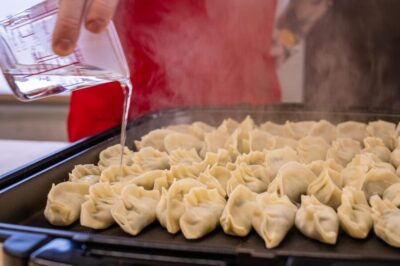
Osaka: Cooking Class & Sake Tasting with Local Market Visit
Read our review →
3.5h Osaka Night guided Local Bar Hopping, Sake & Karaoke
Read our review →
Osaka Bar Hopping | Explore Hidden Bars & Izakayas in Namba
Read our review →
Same Day OK! Osaka: Local Food, Izakaya & Local Bites Tour!
Read our review →Browse the lists this tour appears in