
REVIEW · KYOTO SAKE TOURS
Kyoto Sake Brewery & Tasting Walking Tour
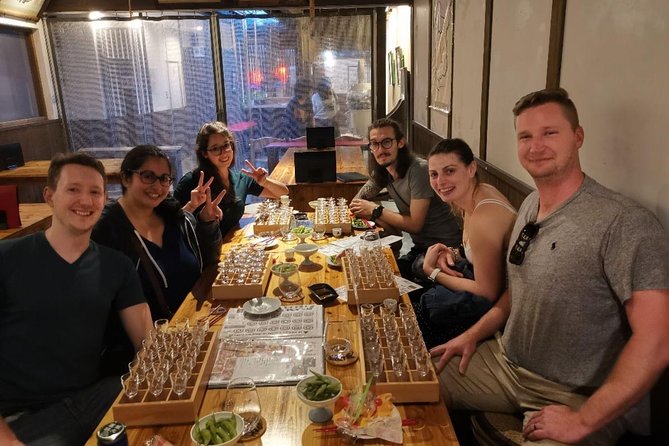
Fushimi is one of Kyoto’s best places to understand sake, and this tour gives you a useful mix of museum exhibits, local history, and a serious tasting session. You’ll visit the Gekkeikan Okura Sake Museum, pass the historic Teradaya, see the Kappa Gallery, and finish with as many as 18 Kyoto sakes at a local restaurant.
I like the small groups of no more than seven, which makes it easier to ask questions and keep up with the guide. I also like that the tasting comes after the museum visit, so you have a basic idea of rice polishing, fermentation, and brewing before sampling different styles. The main caution is simple: 18 tastings can feel like a lot, and this is more of a sake district walk and tasting tour than a series of brewery-floor visits.
Key points to know before booking
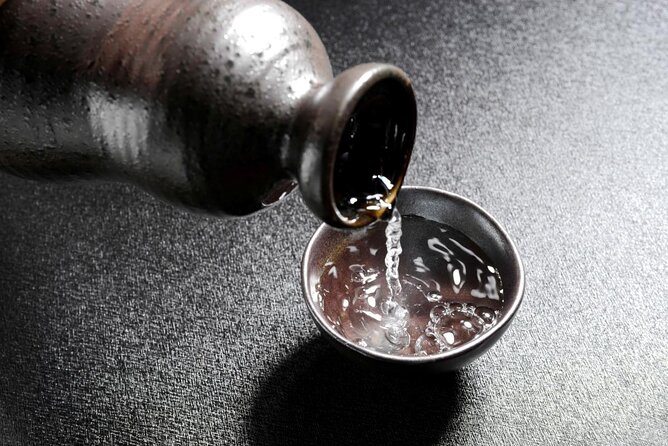
- Up to 18 sake samples: The tasting set gives you a broad look at Kyoto sake, though the exact number may vary. Some past groups tasted 17, 18, 21, or 22 varieties.
- Gekkeikan Okura Sake Museum: Admission is included, with exhibits on Gekkeikan’s long brewing tradition and the sake-making process.
- Small group format: The maximum group size is seven, making the walk and tasting more personal than a large bus tour.
- Three-hour route through Fushimi: You begin at Chushojima Station and finish near Fushimi-Momoyama Station.
- Food costs extra: You can buy food and additional drinks at the tasting restaurant, but they are not part of the tour price.
- Best for sake beginners and curious fans: Guides including Matt, Rika, Ayu, Kumi, Linda, and Yukari have been praised for clear explanations and useful recommendations.
Why Fushimi is the right place for a sake tour
Fushimi is not just a convenient setting for a tasting. It is one of Kyoto’s main sake-brewing areas, and the walk gives you a sense of how closely the drink is tied to the district.
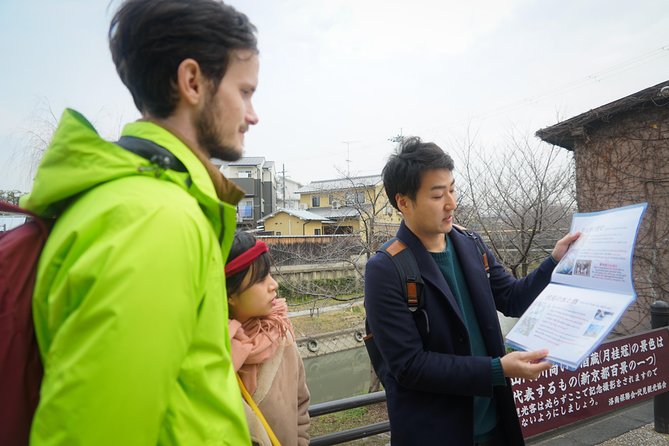
The tour begins at Chushojima Station in Fushimi Ward. From there, your guide leads you through streets lined with sake-related sites and local landmarks before ending near Fushimi-Momoyama Station. The route is easy to follow, but it does involve walking, so it is not a good pick if you have trouble covering several city blocks.
I like this format because sake can seem mysterious when you meet it only as a drink on a restaurant menu. Here, you start with the place and the process. You then taste different examples while the information is still fresh.
The guide also adds local context. You pass Teradaya, a famous Fushimi site tied to Sakamoto Ryoma and the Teradaya Disturbance near the end of the Edo period. It is not the central stop, but it gives the walk another layer beyond bottles and tasting glasses.
More Sake Brewery Tours in Kyoto:
- 3-Hour Kyoto Insider Sake Brewery Tour with Tastings & Pairings
★ 5.0 · 917 reviews - Kyoto: Insider Sake Brewery Tour with Sake and Food Pairing
★ 5.0 · 704 reviews - Kyoto: Sake Brewery and Tasting Tour in Fushimi
★ 4.8 · 55 reviews
Inside the Gekkeikan Okura Sake Museum
The museum visit lasts about 30 minutes, and admission is included. It is the most useful stop for anyone who has never had a clear explanation of how sake is produced.
Inside, you learn about Gekkeikan and see exhibits connected to traditional brewing. The focus is on the ingredients, equipment, and stages that turn rice into sake. You may also get a short introduction to how different brewing choices affect the final drink.
The timing works well. You are not asked to sit through a long lecture before doing anything. Instead, the museum gives you enough background to make the tasting more meaningful.
Gekkeikan has been brewing since the 1600s, and that long connection to Fushimi helps explain why the district matters. One useful surprise for some visitors is that Gekkeikan is also a brand sold internationally, including in the United States. That can be either a plus or a drawback. You get to see a major Kyoto producer, but this part of the visit may feel less like discovering a tiny family operation.
The museum also helps with basic tasting language. Several people have found it useful for understanding distinctions such as dry and sweet. If you are new to sake, this foundation makes the later tasting less random.
Teradaya and the short walk through Fushimi
The route passes Teradaya rather than treating it as a full museum visit. That means you should think of it as a brief historical landmark along the way, not a major stop with a long guided tour.
Teradaya is linked to Sakamoto Ryoma, a major figure from the final years of the Edo period. The site is associated with an attack on Ryoma and the Teradaya Disturbance. Your guide can connect the building and surrounding area to the political changes of that era.
This short pause breaks up the museum and tasting portions. It also gives you a look at Fushimi as a living neighborhood rather than a collection of tourist attractions.
The walk is part of the experience, but the route is not designed for people who want to avoid walking. The operator advises contacting them if you have mobility concerns, since a private version may be possible. Summer requires extra care: Kyoto can be hot and humid, so bring water and wear a hat.
The Kappa Gallery adds a quirky local touch
Another 30-minute stop is the Kappa Gallery. It focuses on the kappa, a water creature from Japanese folklore that has long been popular in Japan.
This is an unusual addition to a sake tour. It does not explain sake in the same direct way as the museum, but it gives the outing a lighter cultural turn and helps keep the tour from becoming one long technical talk.
The gallery is included, and your guide explains what you are seeing. If you prefer a tour devoted only to brewing equipment and tasting theory, this stop may feel slightly off-topic. If you enjoy odd local details, it adds personality to the route.
The mix of sake education, Fushimi history, and folklore is one reason the tour feels broader than a tasting held inside a hotel bar. You get a better sense of the district and its culture, even though the day is still centered on sake.
More Sake Tastings in Kyoto:
- 1.5-Hour Kyoto Insider Sake Experience with 7 Tastings & Pairings
★ 5.0 · 297 reviews - Kyoto: Insider Sake Experience with 7 Tastings and Snacks
★ 5.0 · 266 reviews - Private Tea Ceremony and Sake Tasting in Kyoto Samurai House
★ 5.0 · 163 reviews - Advanced Kyoto Insider Sake Tasting Experience
★ 5.0 · 44 reviews
The main tasting: up to 18 Kyoto sakes
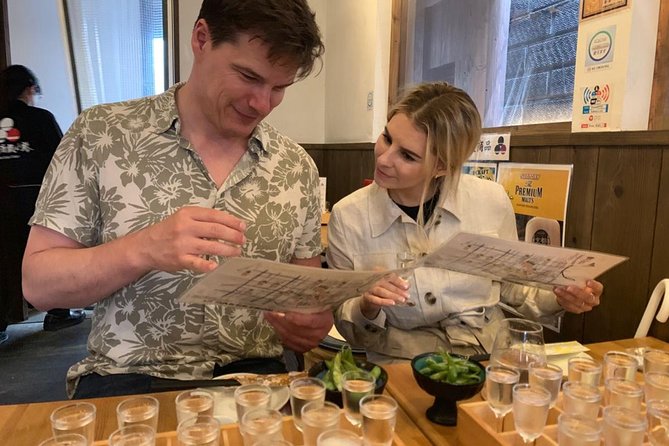
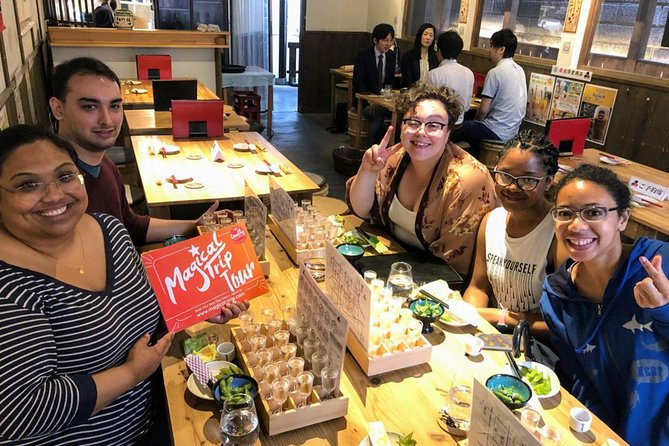
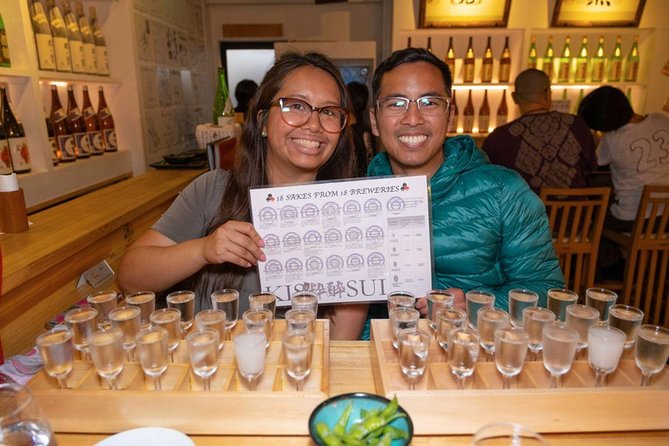
The final tasting is the heart of the tour. At a local sake restaurant, you sample a wide range of Kyoto-made varieties. The advertised tasting includes 18 kinds, though the exact count can differ. Some groups have tasted 17, 21, or 22 samples.
That range is excellent if you want to work out what you like. You can compare sweeter and drier bottles, lighter and fuller styles, and different expressions from producers in the area. You do not need to arrive with a trained palate. The point is to notice what appeals to you.
The format can also be a little overwhelming. Eighteen samples is a lot in three hours, especially if you try to remember every label and flavor. I suggest taking small sips, drinking water when available, and paying attention to broad preferences rather than trying to become a sake expert in one sitting.
Food is available for separate purchase at the restaurant. This matters because small snacks or a meal can make the tasting more comfortable and help you judge how sake works with food. The tour price does not include those extra orders, so plan to pay separately.
The tasting restaurant may offer bottles for purchase, depending on the stop. If you find a favorite, ask your guide where to buy it or how to identify a similar style later. Guides such as Rika and Yuka have helped people track down particular bottles and offered advice on other liquor shops.
One point to keep in mind is that the tasting may include sake from larger, internationally active producers as well as smaller breweries in the area. If your main goal is rare, hard-to-find Kyoto-only bottles, this tour may not fully match your expectations. It is better understood as a broad introduction to Fushimi sake, not a private trade tasting.
The guides make a real difference
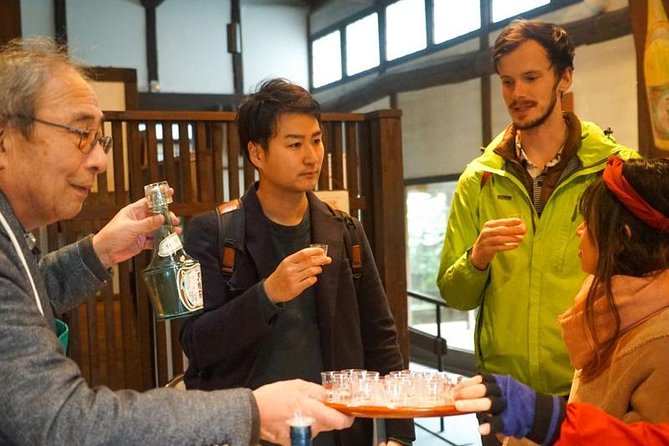
The guide is important here because the experience depends on explanation and conversation. Names that appear repeatedly in the tour’s feedback include Matt, Rika, Kumi, Ayu, Linda, Yukari, Yuka, Karin, Eri, Peco, Nobu, and Danny.
Matt has been praised for explaining both the brewing process and Fushimi’s history, while Rika has helped groups compare many sake styles without making the information feel too heavy. Kumi has answered questions about sake, Japanese culture, and Kyoto, and Linda brings the added perspective of a sake sommelier.
The strongest guides do more than identify bottles. They help you understand why one sake tastes sweeter, drier, lighter, or stronger than another. They also suggest personal favorites, answer questions, take photos during the tour, and sometimes offer practical advice for the rest of your Kyoto stay.
A few people have found that the large tasting set can outpace the guide’s ability to explain every bottle in detail. That is a fair limitation. If you want a detailed profile of all 18 sakes, you may need to ask direct questions and take your own notes.
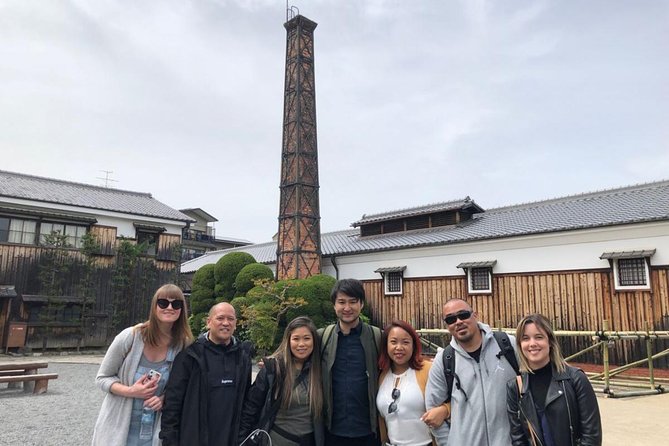
The maximum group size is seven. Some departures have ended up with only a few people, which allows more relaxed conversation and easier access to the guide. A small group also makes the station meeting point and walking route easier to manage.
Is the $98.82 price good value?
At $98.82 per person, this is not the cheapest way to drink sake in Kyoto. You can buy a few pours at a bar for much less. The value comes from having a guide, museum admission, a structured walk, photos, and a large tasting set arranged in one afternoon.
You are also paying for interpretation. Without a guide, the museum and bottles may tell only part of the story. The guide explains what you are seeing, helps you compare styles, and connects sake to Fushimi’s past.
The price makes the most sense if you are new to sake, want a planned cultural activity, or prefer not to figure out the brewery district on your own. It is less compelling if you already know your favorite producers and mainly want access to small breweries or private cellar tastings.
Food and extra drinks cost more, so include that in your budget. Anyone under 20 receives food or snacks instead of the sake tasting set. Japan’s legal drinking age is 20, and this tour follows that rule.
Practical details that affect your day
The experience lasts about three hours. It starts at Chushojima Station, at Yoshijima Yaguracho in Fushimi Ward, and ends near Fushimi-Momoyama Station on Ryogaemachi. Since the starting and ending stations differ, you should check your route before setting out.
A mobile ticket is provided, and booking confirmation arrives at the time of booking. The tour is near public transportation, which makes it easy to fit into a Kyoto day without arranging a private car.
The operator allows free cancellation up to 24 hours before the start time. Changes or cancellations made within 24 hours are not refunded. The tour may also be canceled for poor weather, in which case you are offered another date or a full refund.
The tour is not recommended if walking is difficult. Contact the operator before booking if that applies to you. Also tell them about food allergies or dietary restrictions, but keep expectations realistic. Food is prepared in kitchens outside the tour company, and substitutions are not always possible.
One operational problem has been reported: a guide once arrived late, leaving a group waiting beyond the start time. The company issued a refund in that case. It appears to be an exception, but you should keep your phone available on the day in case the operator needs to contact you.
Who will enjoy this sake walk most?
I would choose this tour if you want a guided introduction rather than a purely independent tasting. It works well for couples, small friend groups, solo visitors who enjoy meeting others, and anyone curious about Japanese drinks but unsure where to begin.
It is also a good fit for experienced sake drinkers who want to compare many Kyoto bottles in one sitting. The guide can add local context and help you find styles you may not order on your own.
I would hesitate if you dislike alcohol, have limited walking ability, or want a tour focused on hands-on brewing. The itinerary includes a museum and gallery, but it does not promise access to several active production floors.
You should also think about your tolerance. The tasting is generous, and the practical challenge is not finding enough sake. It is pacing yourself through the selection and leaving room for food.
Should you book the Fushimi sake tour?
Book it if you want a well-organized introduction to Fushimi sake, with history and local sights mixed into a three-hour walk. The museum gives you useful basics, the guides add personal advice, and the tasting offers enough variety to help you identify your preferences.
Skip it if your priority is visiting several small, traditional breweries or tasting bottles unavailable outside Japan. The tour includes a major producer with international distribution, and not every stop is a brewery tour.
For most visitors, the strongest reason to book is the combination of structure and choice. You learn how sake is made, see a few pieces of Fushimi’s past, and then taste a wide range without having to plan the route yourself. Just bring water, pace the samples, and budget extra for food.
FAQ
How long does the Kyoto sake tour last?
The tour lasts approximately three hours.
How many sake varieties are included?
The listed tasting includes 18 kinds of sake. The exact number can vary, with some departures offering 17, 21, or 22 samples.
Where does the tour start and finish?
It starts at Chushojima Station in Fushimi Ward and finishes near Fushimi-Momoyama Station.
Is admission to the sake museum included?
Yes. Admission to the Gekkeikan Okura Sake Museum is included in the tour price.
Can people under 20 join the tour?
Yes, but anyone under 20 receives food or snacks instead of the sake tasting set.
Is food included with the tasting?
No. Additional food and drinks are available for purchase at the tasting restaurant, but they are not included in the tour price.
More Sake Walking Tours in Kyoto
- Kyoto: Izakaya Bars Guided Walking Tour
★ 4.9 · 815 reviews - Kyoto: Gion Evening Walk with Hidden Gems, Geisha & Sake
★ 5.0 · 41 reviews - Kyoto: Gion Geisha District & Sake-in-Hand Walking Tour
★ 5.0 · 37 reviews - Fushimi Kyoto Walking Tour with Sake Tasting and Canal Boat Ride
★ 4.0 · 5 reviews
Just added around Kyoto
- Nishiki Market, Private Sushi class & Sake Tasting in Townhouse★ 5.0 · 6 reviews
- Hidden Bamboo gem and Japanese foods in Izakaya Private Tour★ 5.0 · 3 reviews
- Private Nishiki Market Food & Sake Tour by Young Local Guides★ 5.0 · 12 reviews
- KYOTO Sake Tasting Tour at Local Breweries(tasting fee included)★ 5.0 · 16 reviews
- Kyoto: Sake Tasting Journey to Two Iconic Breweries★ 3.0 · 2 reviews
- Kyoto Food and Sake Tour Experience★ 4.0 · 5 reviews
- Experience of pairing sake tasting with snacks in Kyoto★ 5.0 · 4 reviews
- Kyoto Luxury Sake, Whisky and Cocktail Tour★ 5.0 · 4 reviews
Kyoto Sake Tours, compared.

3-Hour Kyoto Insider Sake Brewery Tour with Tastings & Pairings
Read our review →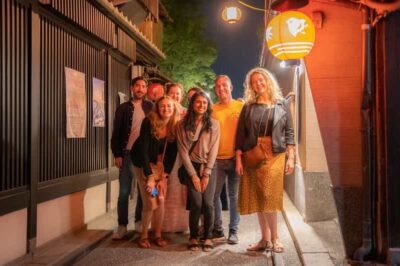

Kyoto: Insider Sake Brewery Tour with Sake and Food Pairing
Read our review →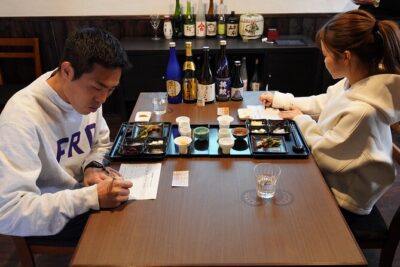
1.5-Hour Kyoto Insider Sake Experience with 7 Tastings & Pairings
Read our review →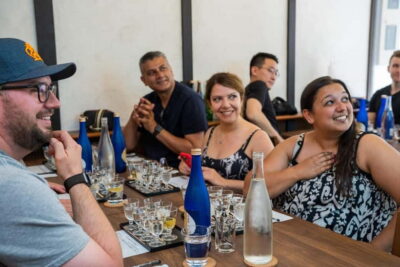
Kyoto: Insider Sake Experience with 7 Tastings and Snacks
Read our review →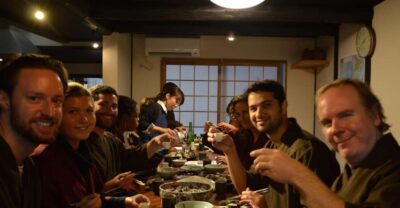
Kyoto: Afternoon Japanese Izakaya Cooking Class
Read our review →
Private Tea Ceremony and Sake Tasting in Kyoto Samurai House
Read our review →Browse the lists this tour appears in