
REVIEW · KYOTO SAKE TOURS
Kyoto Udon & Tempura Cooking Class with Professional Chefs
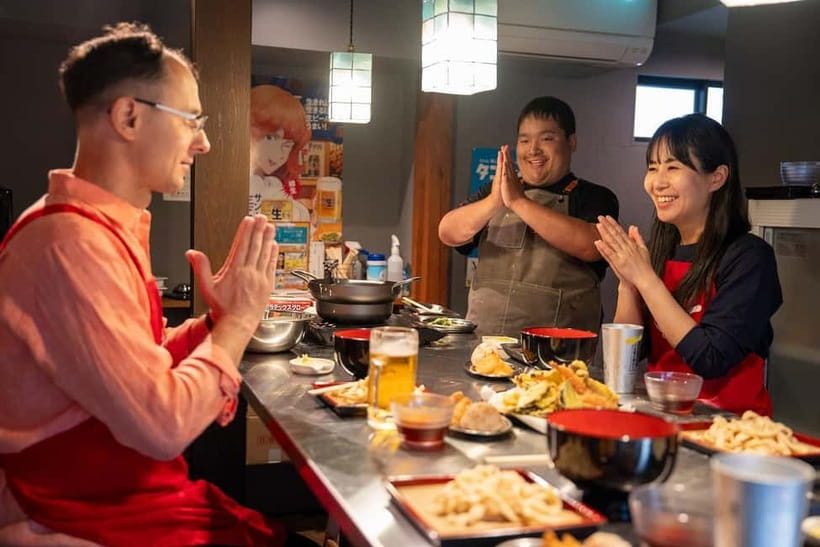
Turning flour and water into chewy udon by hand is the heart of this Kyoto class. You mix, knead, and roll the dough with help from a local udon master and an English-speaking guide, then sit down to eat what you made. I like the hands-on noodle work and the chance to cook in a friendly small group of no more than eight people.
I also like the English recipe set, since it gives the class value after you leave Japan. The $83 price includes the food, two drinks, instruction, recipes, and tour photos. One important caution: the advertised dishes and timing may not always match the session exactly. One recent class lasted about 1 hour and 20 minutes, and the participant made udon dough but did not cook the noodles or broth, make sushi, or prepare tempura batter from scratch.
Key points to know before booking
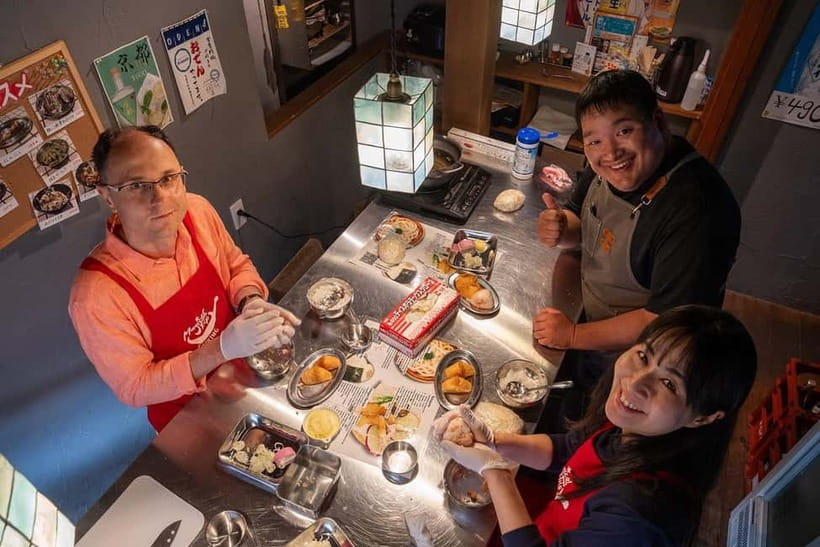
- Handmade udon is the main event: You work from flour and water, then mix, knead, and roll the dough.
- Three Japanese foods are planned: The class is designed to include udon, inari sushi, and tempura.
- A local udon master leads the cooking: An English-speaking guide helps explain each step and keeps the group moving.
- Small groups make participation easier: The class is limited to eight people, so you should have room to work and ask questions.
- Your meal comes with two drinks: The experience includes a mini sake tasting as part of the meal.
- The meeting point is central: Meet at the 7-Eleven near Kyoto-Kawaramachi-Takoyakushi, a short walk from two Keihan Line stations.
What you are really learning in two hours
This is not a formal culinary school course. It is a short, social introduction to several familiar Japanese foods, with udon at the center.
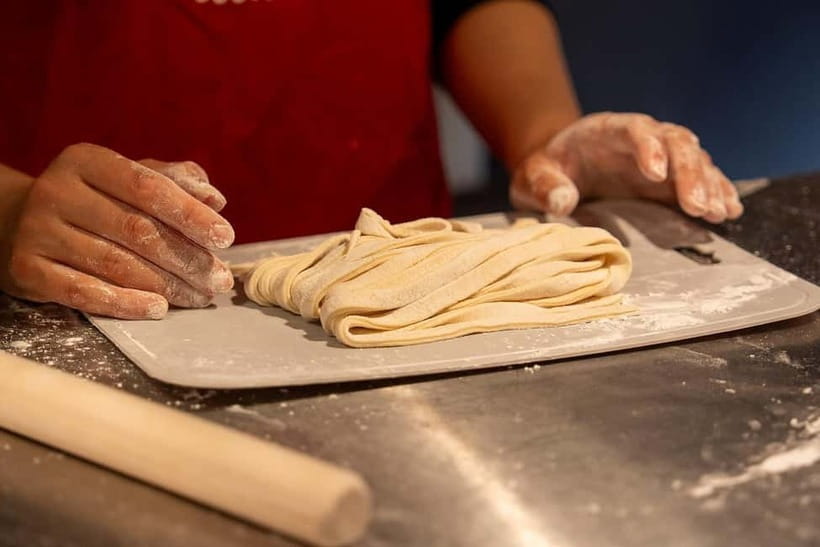
The most useful part is the noodle dough. Udon looks simple on the plate, but the texture depends on how the dough is mixed, worked, and rolled. Starting with just flour and water helps you see how a basic mixture becomes a springy noodle. You are not simply watching a chef prepare lunch. You are handling the dough yourself.
That makes this a good choice if you enjoy practical activities more than passive sightseeing. I would especially consider it for families, couples, and first-time visitors who want a food experience without committing half a day to a long market tour or advanced cooking lesson.
The class is suitable for all ages, and no previous cooking experience is needed. You receive the ingredients, so you do not need to shop beforehand or bring special food items.
The two-hour schedule sounds generous enough to cover the planned menu, but you should keep your expectations flexible. The exact balance between demonstration, preparation, frying, eating, and conversation can change. Based on one recent session, the actual activity and meal may take considerably less time than the advertised duration.
More Cooking Classes in Kyoto:
- Kyoto: Afternoon Japanese Izakaya Cooking Class
★ 4.9 · 241 reviews - Izakaya Style Cooking Class
★ 5.0 · 219 reviews - Ramen and Sushi Cooking Class with Sake Pairing Set in Tokyo
★ 5.0 · 291 reviews
Finding the class near Kawaramachi and Gion-Shijo
The meeting point is the 7-Eleven at Kyoto Kawaramachi-Takoyakushi. From Exit B3 of Kyoto-Kawaramachi Station on the Keihan Kyoto Line, it is about a three-minute walk.
From Exit 3 of Gion-Shijo Station on the Keihan Main Line, plan on about nine minutes on foot. These directions matter because Kyoto-Kawaramachi and Gion-Shijo are close, but the station exits can put you on different streets. I would allow a little extra time, especially if you are coming from a hotel or changing trains.
The location puts the class within reach of central Kyoto sights and the Gion area. You can fit it into a day of walking around downtown, but do not assume the activity begins directly at the convenience store. The supplied meeting instructions identify the store as the meeting point, so follow the booking details carefully for the final entry instructions.
The central setting is convenient, but it also means this is an urban cooking stop rather than a countryside food visit. You are coming here to work with a chef and eat your own meal, not to see a farm or a traditional rural kitchen.
Kneading udon from flour and water
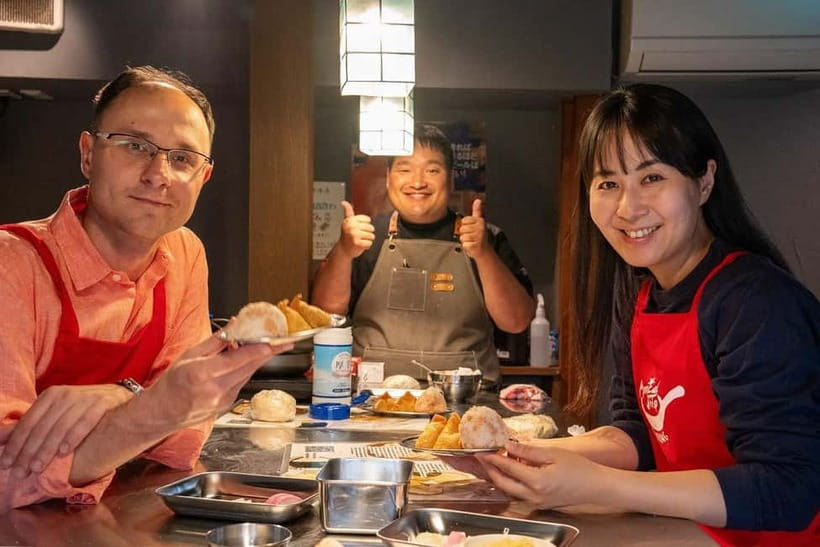
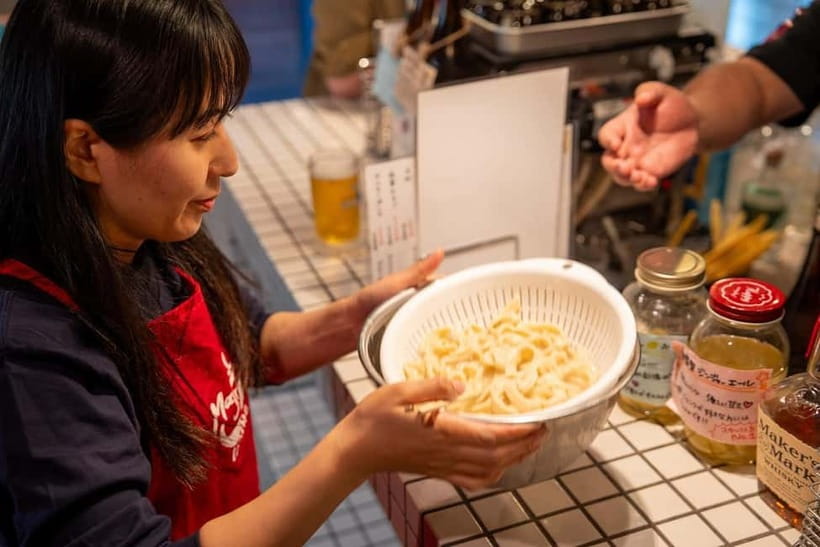
The first stage begins with flour and water. You mix the ingredients, knead the dough by hand, and roll it out under the direction of the udon master.
This is where the class earns much of its appeal. Kneading gives you a physical sense of the noodle-making process. You can feel the dough change as it comes together, and the chewy texture becomes less mysterious once you have worked the dough yourself.
The guide helps keep the activity approachable. You do not need to know Japanese cooking terms or have experience making noodles. The English instruction is meant to take you through the process in clear steps, while the local master provides the practical technique.
I would not book this expecting to leave with professional knife skills or a full course in noodle production. The experience is short, and the focus is on making and handling the dough. One session did not include cooking the udon or preparing the broth, so those steps may be demonstrated, handled by the staff, or omitted depending on the class format.
That is the main point to clarify mentally before you arrive: the most dependable part of the class appears to be making the dough. The final noodle cooking and broth work may not receive the same attention.
Rice, inari sushi, and onigiri
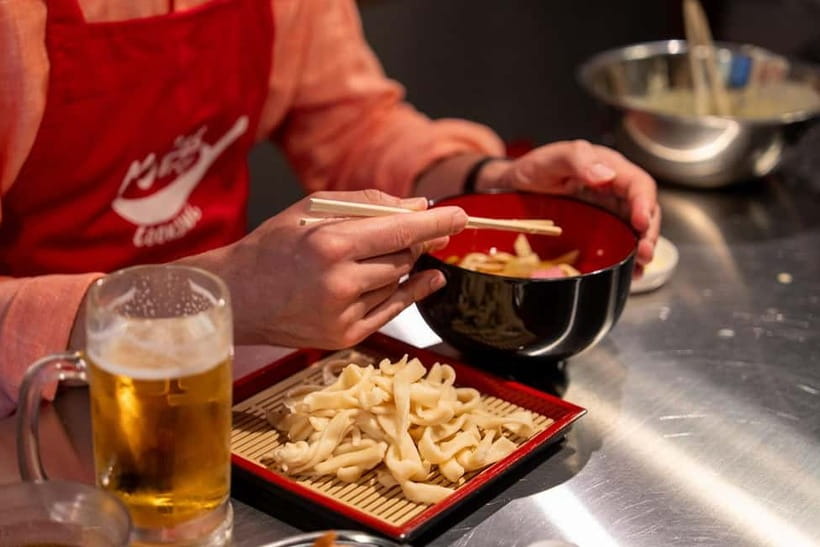
The planned menu also includes Japanese rice preparation. You learn how freshly steamed rice is seasoned and used for inari sushi and onigiri.
Inari sushi is rice tucked into a sweet, seasoned tofu pouch. It is different from the raw fish sushi many first-time visitors picture, and it is a friendly dish for a beginner cooking class. Onigiri, the familiar rice ball, gives you another simple way to shape and serve rice.
This section should appeal to you if you want a broader taste of home-style Japanese food. Udon alone would make a satisfying lesson, but the rice dishes show how the same staple ingredient can be shaped and served in different ways.
There is one important qualification. The planned menu names inari sushi, but a recent session did not include making sushi. That means you should treat inari preparation as an intended part of the experience, not an absolute guarantee for every class. If making sushi is your main reason for booking, ask for confirmation before paying.
The same advice applies to onigiri. It is included in the described cooking flow, but the available information does not confirm that every group makes both onigiri and inari sushi every time.
Same city, a different pour:
- 3-Hour Kyoto Insider Sake Brewery Tour with Tastings & Pairings
★ 5.0 · 917 reviews - Kyoto: Izakaya Bars Guided Walking Tour
★ 4.9 · 815 reviews - Kyoto: Insider Sake Brewery Tour with Sake and Food Pairing
★ 5.0 · 704 reviews - Kyoto Sake Brewery & Tasting Walking Tour
★ 5.0 · 623 reviews
Tempura with a practical, beginner-friendly approach
The tempura section introduces you to frying vegetables or other provided ingredients until crisp and golden. The chef and guide explain the steps, then you dip the ingredients and fry them.
This is likely to be fun because the result arrives quickly and is easy to appreciate at the table. Tempura also gives you a different cooking task from udon: instead of working dough, you handle ingredients and watch how they change in hot oil.
Still, do not expect a full lesson in making tempura batter from scratch. One recent session used batter that was already prepared, with participants dipping the ingredients before frying. If your goal is to learn the complete batter recipe and frying technique, this may feel more like guided participation than a full tempura workshop.
That is not necessarily a flaw. Pre-prepared batter can keep a short class moving and reduce the mess for beginners. It simply changes what you are buying. You are paying for a taste of the process, direct cooking time, and a shared meal, not a detailed professional lesson in every component.
Eating the food you prepared
The meal is the reward at the end, and you are expected to eat the udon, rice dishes, and tempura you helped prepare.
I like this format because the food has a clear connection to the work you just did. The meal also gives the group a chance to relax and compare results. The atmosphere is described as friendly, and the small group size should make it easier to talk with the guide and other participants.
The class includes two drinks and a mini sake tasting. Sake adds a useful cultural note to the meal, but you should not view this as a dedicated sake tour. The tasting is a small part of the cooking experience, not a visit to a brewery or a structured lesson in sake production.
If you do not drink alcohol, check the arrangements before booking. The provided information confirms two drinks and a mini sake tasting, but it does not specify alternative drinks or how substitutions are handled.
The food quantity may also be worth considering. One participant found it to be a lot of food. That is good news if you want a substantial meal, but you may not want to schedule another large lunch immediately afterward.
How the small group affects the experience
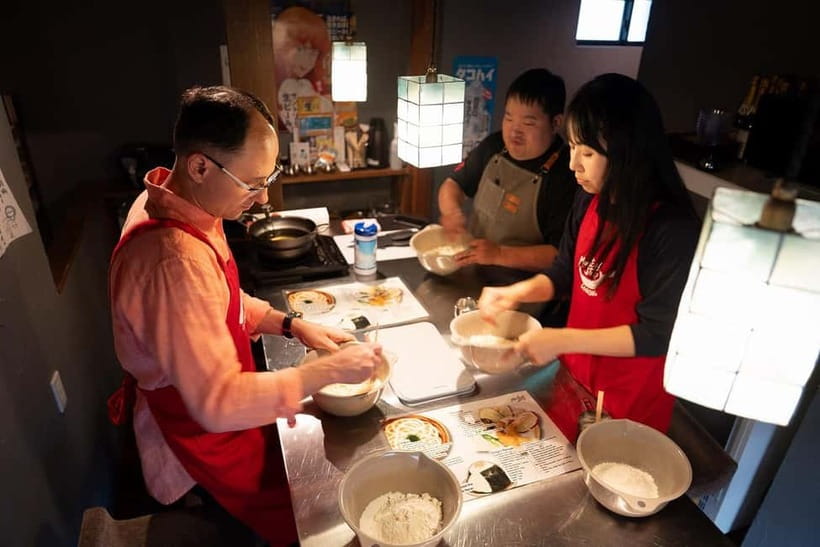
The group is limited to eight participants. That is a useful size for a cooking class because everyone should have a better chance to handle the ingredients instead of standing behind a demonstration table.
You can ask for help with kneading, shaping, and frying, and the English-speaking guide can explain what the master is doing. The guide’s attentiveness was one of the strongest points in the available feedback. That matters more here than fancy surroundings because the class depends on clear direction and timing.
The cooking takes place in a real restaurant setting. That gives the experience a working-food-business feel rather than the staged atmosphere of a large tourist workshop. It can also mean the pace and format are shaped by the space and the day’s operations.
The class is conducted in English. No other language is listed, so English is the language to rely on for instruction.
What the $83 price includes
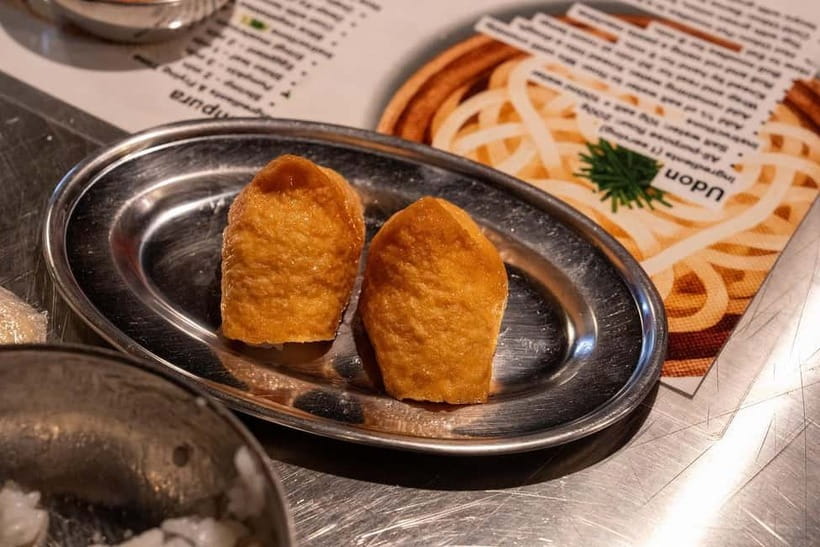
At $83 per person, this is not the cheapest way to eat udon in Kyoto. You can find a bowl of noodles for far less. The value comes from the activity, instruction, meal, drinks, recipes, and photos rather than the food alone.
I think the price is reasonable if you want an organized food lesson with a local master and a small group. The English recipe set adds practical value because it lets you attempt the dishes at home with ingredients that are easier to find outside Japan.
The value drops if the activity is much shorter than expected or if key menu items are skipped. A session lasting about 1 hour and 20 minutes instead of the advertised two hours gives you less cooking time per dollar. If you are mainly paying to make sushi or prepare tempura batter, confirm the exact format first.
The free cancellation window helps reduce that risk. You can cancel up to 24 hours in advance for a full refund, and the reserve-now, pay-later option lets you hold a place without paying immediately. These policies are useful when your Kyoto schedule is still changing, but they do not solve the issue of varying class content.
Recipes and photos to take home
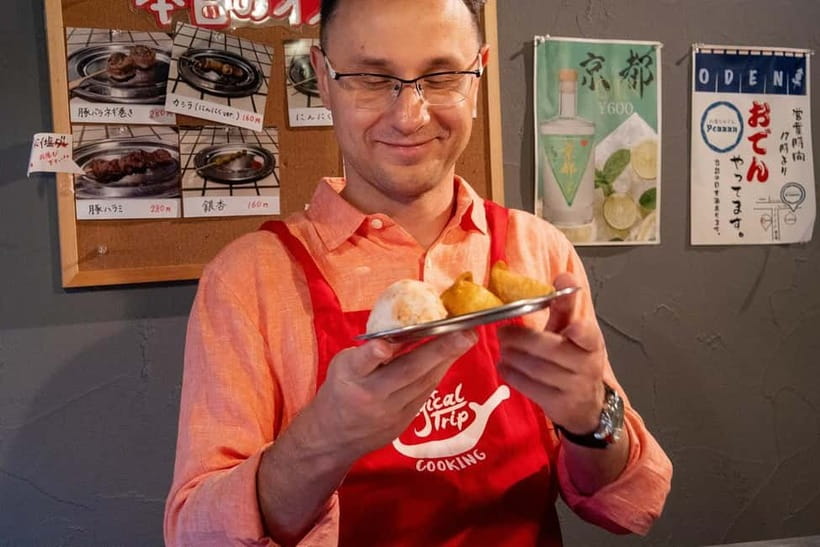
The English recipes are one of the best practical extras. You can use them to repeat the dishes at home, provided you can find suitable ingredients.
This turns the class into more than a one-time meal. The dough method, rice preparation, and tempura steps may give you enough confidence to try a simplified version in your own kitchen. Just remember that your home result will depend on the recipe details and the ingredients available to you.
Tour photos are also included. They provide a record of the class without requiring you to stop and photograph every stage. The supplied information does not specify how many photos you receive or how they are delivered, so treat this as a pleasant extra rather than the main reason to book.
Who will enjoy this Kyoto cooking class
I would recommend this experience most strongly to:
- First-time visitors who want a simple introduction to Japanese food
- Families looking for an activity suitable for all ages
- Couples who prefer doing something together instead of only visiting sights
- Anyone curious about udon dough and hands-on food preparation
- People who value English recipes they can use after the trip
- Diners who want a meal included with a short cultural activity
I would be more cautious if you are an experienced home cook seeking technical instruction. The class is designed for beginners, and the tempura batter and udon cooking may not always be handled by participants.
I would also hesitate if your schedule is tightly packed. The listed duration is two hours, but one session finished sooner. The activity might fit comfortably into a day, but you should not build an important train departure around the advertised end time without allowing a buffer.
Final call: book it for the noodles, not a guaranteed full menu
Book this class if your main goal is to knead udon dough, cook with a local master, eat a generous meal, and take home recipes. The attentive English guidance, small group, central meeting point, and friendly format make it a practical choice for a first Japanese cooking experience.
Before booking, contact the provider if inari sushi, onigiri, homemade tempura batter, cooked udon, or broth preparation is essential to your plans. The intended menu includes all of them, but one recent session covered fewer steps and finished sooner than expected.
At $83, I see this as a good-value cultural meal when the full format is delivered. I would treat it as a flexible beginner cooking activity rather than a strict two-hour culinary course. If that sounds right to you, it should fit nicely into a Kyoto itinerary.
FAQ
Where does the Kyoto cooking class meet?
The meeting point is the 7-Eleven at Kyoto Kawaramachi-Takoyakushi.
How far is the meeting point from Kyoto-Kawaramachi Station?
It is about a three-minute walk from Exit B3 of Kyoto-Kawaramachi Station on the Keihan Kyoto Line.
How far is the meeting point from Gion-Shijo Station?
It is about a nine-minute walk from Exit 3 of Gion-Shijo Station on the Keihan Main Line.
How long does the activity last?
The listed duration is two hours. One recent session lasted about 1 hour and 20 minutes, including the meal, so the actual timing may vary.
Is the class taught in English?
Yes. The activity includes an English-speaking local guide and a local udon master.
Do I need previous cooking experience?
No. The class is designed for beginners, and no prior cooking experience is required.
How many people are in the group?
The class is limited to eight participants.
What food is included?
The planned menu includes udon, tempura, and inari sushi. The class information also describes rice preparation for onigiri. The exact dishes and steps may vary by session.
Are drinks and recipes included?
Yes. The price includes two drinks, a mini sake tasting experience, and an English recipe set.
Just added around Kyoto
- Hidden Bamboo gem and Japanese foods in Izakaya Private Tour★ 5.0 · 3 reviews
- Private Nishiki Market Food & Sake Tour by Young Local Guides★ 5.0 · 12 reviews
- Nishiki Market, Private Sushi class & Sake Tasting in Townhouse★ 5.0 · 6 reviews
- KYOTO Sake Tasting Tour at Local Breweries(tasting fee included)★ 5.0 · 16 reviews
- Kyoto: Sake Tasting Journey to Two Iconic Breweries★ 3.0 · 2 reviews
- Kyoto Food and Sake Tour Experience★ 4.0 · 5 reviews
- Experience of pairing sake tasting with snacks in Kyoto★ 5.0 · 4 reviews
- Kyoto Luxury Sake, Whisky and Cocktail Tour★ 5.0 · 4 reviews
Kyoto Sake Tours, compared.

3-Hour Kyoto Insider Sake Brewery Tour with Tastings & Pairings
Read our review →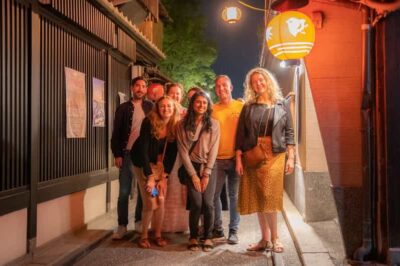

Kyoto: Insider Sake Brewery Tour with Sake and Food Pairing
Read our review →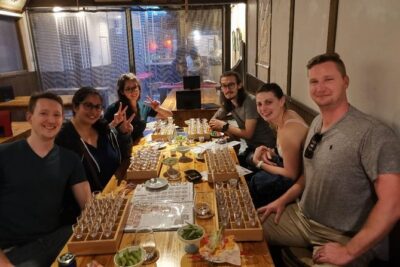
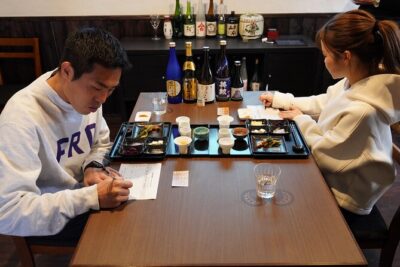
1.5-Hour Kyoto Insider Sake Experience with 7 Tastings & Pairings
Read our review →
Kyoto: Insider Sake Experience with 7 Tastings and Snacks
Read our review →
Kyoto: Afternoon Japanese Izakaya Cooking Class
Read our review →
Browse the lists this tour appears in