
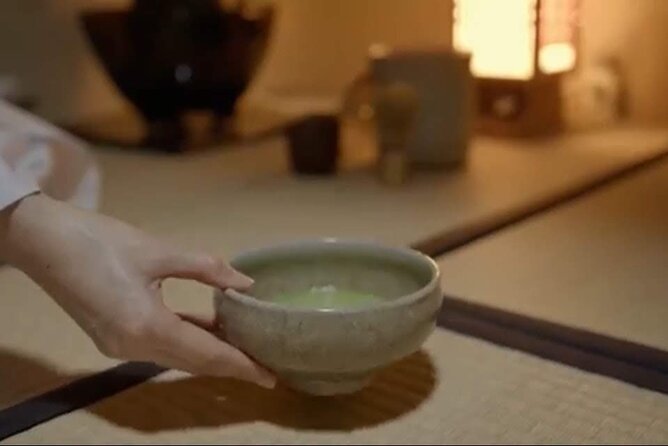
REVIEW · KYOTO SAKE TOURS
Private Tea Ceremony and Sake Tasting in Kyoto Samurai House
Kyoto’s best cultural moments often happen behind an ordinary door. Here, you enter a 300-year-old samurai house near Kyoto Station for a private tea ceremony, then move on to photos in traditional clothing and a tasting of sake or Japanese whisky. The setting feels personal because the whole house experience is reserved for your party.
I like the quiet, hands-on tea lesson and the chance to ask questions without a crowd pressing in. I also like the location, just an eight-minute walk from Kyoto Station, which makes this easy to add before dinner or a train ride. The main drawback is the short 50-minute schedule. If you want to wear a kimono during the ceremony, that takes an extra 30 minutes and costs more.
Key points to know
- A real 300-year-old family home: The house is tied to a samurai family and still feels like a lived-in historic space.
- High-grade Uji matcha: The tea is organic and locally sourced from Kyoto’s Uji area.
- Three tasting choices: Pick a matcha whisking lesson, five sake shots, or two Japanese whisky shots if you are over 20.
- Private by design: Only your party takes part, so you can ask questions and set a comfortable pace.
- Traditional clothing and katana photos: You may pose in a kimono or samurai outfit with swords, subject to the clothing arrangements.
- Close to Kyoto Station: The house at 384 Mongakucho is about an eight-minute walk from the station.
Entering a 300-year-old Kyoto samurai house
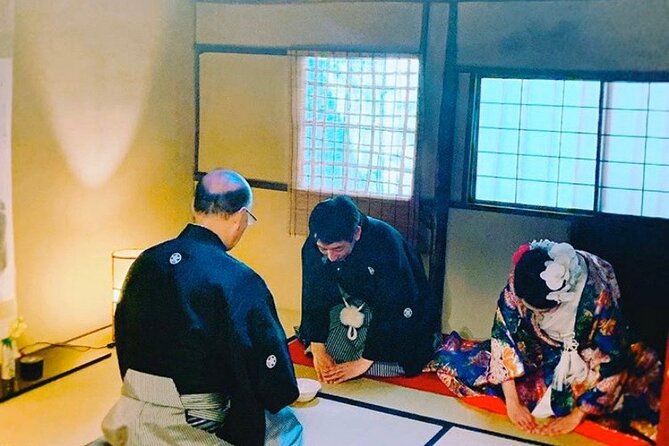
The experience begins at Kyoto Samurai House, at 384 Mongakucho in Shimogyo Ward. From Kyoto Station, the walk takes about eight minutes, a useful advantage in a city where many cultural activities require a longer ride and careful timing.
The house has remained with the same family for about three centuries, with family ties to the samurai class. That matters because the tea ceremony does not take place in a modern studio dressed up for the day. You are welcomed into a historic home, with the age and limits of the building still visible.
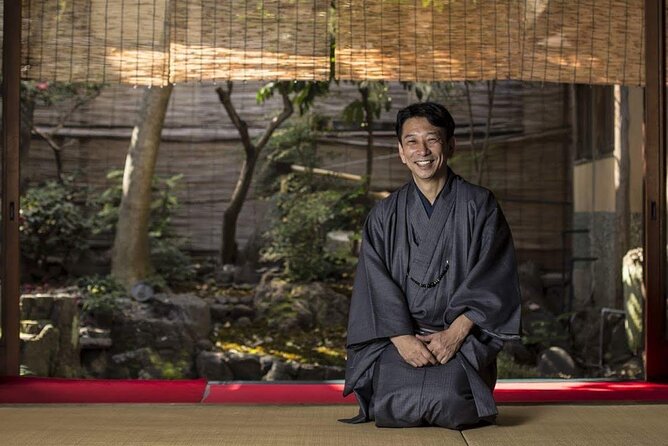
You should arrive ready to slow down. This is not a quick photo stop with a cup of tea added on. The hosts introduce the space and explain the setting before the ceremony begins. Several people who have taken part describe the family as warm and welcoming, and the personal tone is one of the strongest reasons to choose this experience over a larger tea demonstration.
The house is old, so comfort has a practical limit. There is only one old toilet, and you are specifically advised to use a restroom before arriving. I would take that advice seriously, especially if you are traveling with children or booking the experience between other activities.
More Sake Tastings in Kyoto:
- 3-Hour Kyoto Insider Sake Brewery Tour with Tastings & Pairings
★ 5.0 · 917 reviews - Kyoto Sake Brewery & Tasting Walking Tour
★ 5.0 · 623 reviews - 1.5-Hour Kyoto Insider Sake Experience with 7 Tastings & Pairings
★ 5.0 · 297 reviews
Learning the tea ceremony with Uji matcha
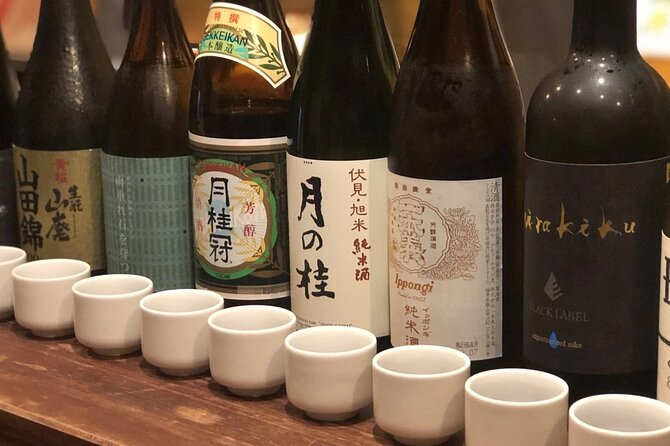
The central part of the visit is a traditional tea ceremony in a tea room. You learn how matcha is prepared, presented, and enjoyed, rather than simply being handed a sweet green drink in a souvenir shop.
The matcha is high-grade, organic tea sourced from Uji, the Kyoto area best known for its tea production. The flavor and preparation are treated with care, and the ceremony gives you a chance to notice the deliberate movements, quiet pauses, and manners that shape the ritual.
A tea master leads the ceremony. Details supplied about the hosts describe teachers with many decades of experience, including one master with 40 years in the art and another described as having studied for 14 years. The exact person leading your session can vary, but you can expect instruction from someone who treats the ceremony as a practiced discipline, not a stage trick.
I like this part best for first-time visitors because it explains the purpose behind the gestures. You learn the proper way to receive the bowl and how to approach the tea with attention. The point is not just the flavor. It is the act of giving and receiving tea with care.
The room also changes your sense of time. Kyoto can feel crowded and hurried, especially around the major temples. Inside the tea room, the focus narrows to the bowl, the whisk, and the person preparing the tea. That calm is a real part of the value.
Choosing your hands-on activity or tasting
After the ceremony, you choose one of three options. You can whisk your own matcha with a bamboo whisk, taste five shots of sake, or taste two shots of Japanese whisky.
The matcha option is the best pick if you want the cultural lesson to continue. You get to handle the chasen, the bamboo whisk used to turn powdered tea and water into a smooth foam. It is simple in theory, but the motion takes some practice. This choice also suits families and anyone who does not drink alcohol.
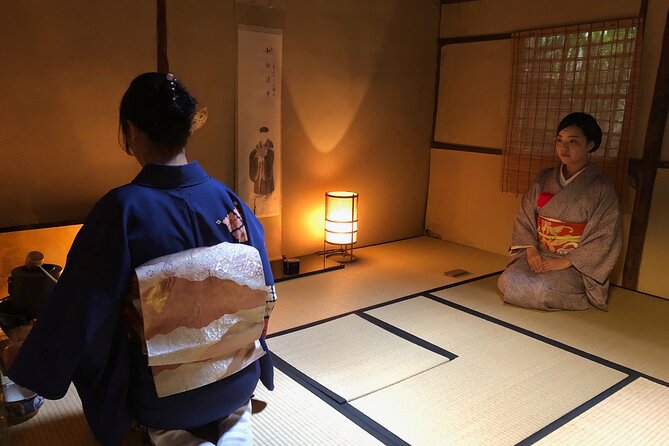
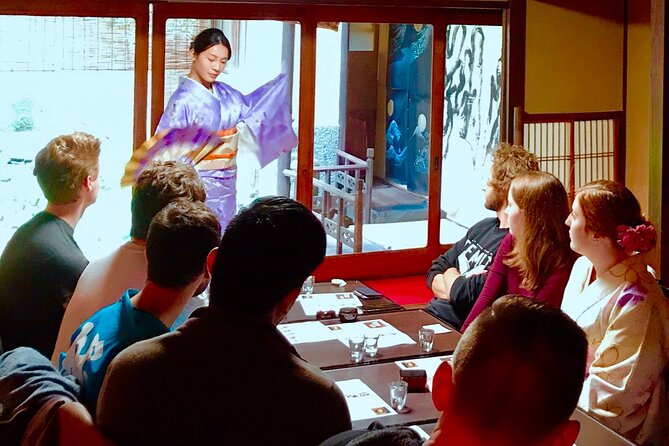
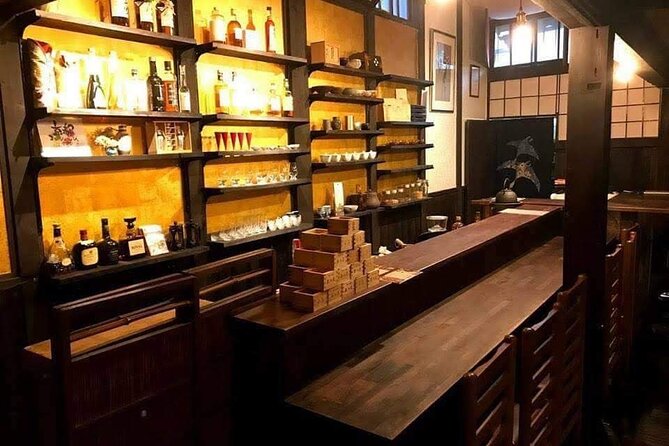
The sake choice gives you five shots and an introduction to different styles and flavors. The host explains the local drinks, and the tasting provides a lively finish after the quiet ceremony. It is not just a series of pours. You get context for what you are tasting, which makes the sake more memorable.
The Japanese whisky option includes two shots. The supplied details also mention that some sessions have included local whisky and special bottles, but you should not book expecting a particular brand or age. The stated option is two whisky shots, and the available selection may vary.
You choose only one of the three options. Alcohol is served only to people over 20, in keeping with Japanese law. If you are under 20, the post-ceremony activity is the matcha whisking lesson instead.
The alcohol tastings may appeal most to couples and adult friends, while the matcha lesson is a better fit for children, non-drinkers, and anyone who wants a more traditional finish. Families can still enjoy the visit, and children have been welcomed with special attention, including samurai-themed fun for younger boys.
Kimono, samurai clothing, and katana photographs
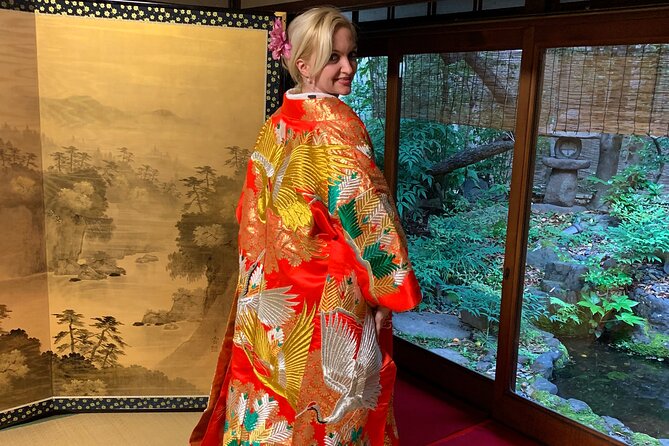
The photo session adds a playful contrast to the formal tea room. Women may wear an authentic silk wedding kimono, while men can pose in samurai-style clothing and use a katana for photographs. The clothing is one of the most memorable parts for couples and families because it gives you a physical connection to the setting.
You are welcome to take photos during the visit. The hosts also take pictures and help arrange poses, so you do not have to rely only on a quick phone selfie. The result is less formal than a full professional portrait session, but it gives you a lasting record of the experience.
Pay attention to the clothing details when booking. Wearing a kimono during the actual tea ceremony requires an additional 30 minutes and an extra fee. That arrangement is limited, and the standard visit appears to treat the clothing as a photo opportunity rather than a full tea ceremony costume session. If you want the complete dressing experience, confirm the cost and timing before you arrive.
The kimono is described as an authentic silk wedding kimono, and it is intended for women. Men can use samurai attire and swords for photographs. If your group has a particular combination in mind, ask ahead rather than assuming every outfit is available for every person.
The house also sells matcha chawans, or tea bowls, and authentic silk kimono. This can be a useful chance to buy something tied directly to the activity, but the purchase is optional and separate from the experience price.
More Private Sake Tours in Kyoto:
- Private Sake Tasting in Central Kyoto with Sake Sommelier
★ 5.0 · 32 reviews - Private Pewter Sake Cup Experience with a Kyoto Artisan
★ 5.0 · 31 reviews - Private Food & Sake Tour in Central Kyoto with Sake Sommelier
★ 5.0 · 24 reviews - Private Sake Tasting in Central Kyoto with Sake Sommelier
★ 5.0 · 13 reviews
Why the private format matters
The private setup is more than a marketing detail. Only your party takes part, so you can ask why a gesture is made, how the tea room is arranged, or what the family knows about the house without worrying about holding up a large group.
I find this especially useful for families and couples. Children can ask questions and look at the clothing without needing to stay silent in a large public demonstration. Couples get a calmer setting for the ceremony and photographs. Small groups can also choose the sake or whisky option without being mixed with strangers.
The private format does not mean the visit is completely unstructured. The 50-minute duration leaves limited room for long conversations, extensive dressing, and a full ceremony all at once. If you want the extra kimono time, plan for at least another 30 minutes and the additional charge.
The experience is also conducted in English according to the supplied details, and the hosts have been described as fluent and easy to talk with. That makes the historical and cultural explanations more useful, especially if this is your first formal tea ceremony.
Price, timing, and practical value
The advertised price is $99, with group discounts available. For about 50 minutes, that is not the cheapest way to drink matcha in Kyoto. You can find tea in many shops for far less.
But the comparison is not really tea against tea. You are paying for a private visit inside a historic samurai home, a guided ceremony, instruction in matcha preparation, a choice of tasting or hands-on activity, and access to traditional clothing and katana photographs. If you value the setting and personal attention, the price is easier to justify.
I would consider this good value for a couple or small family that wants one focused cultural activity without spending half a day at a museum. The short length also helps. You can fit it into a Kyoto Station day, pair it with nearby sightseeing, or schedule it before an evening meal.
The price is less attractive if you only want a formal tea ceremony and have no interest in the historic house, photos, sake, whisky, or matcha whisking. In that case, a simpler tea service may suit your budget better.
The eight-minute walk from Kyoto Station is a real advantage. You do not need a separate sightseeing transfer, and the activity ends back at the same meeting point. Still, leave enough time to find the house and arrive calmly. An old residence can be easier to miss than a large hotel or museum entrance.
The experience requires at least two people. Solo visitors cannot book it under the stated rules. A mobile ticket is available, and confirmation is provided at booking.
Who will enjoy this most
I would recommend it most strongly to couples, families, and first-time visitors who want a personal introduction to Japanese customs. The combination of tea, clothing, family history, and tasting gives you several ways into the culture.
It is also a good choice for people who want photographs but do not want to spend a full day in rented clothing around Kyoto. You can wear the kimono or samurai outfit for photos at the house, then change back and continue your sightseeing.
Families should find the private format helpful. Children under 20 cannot take part in the alcohol tasting, but they receive the matcha whisking lesson instead. The supplied details also show that younger children have been welcomed and accommodated.
Adult couples may prefer the sake or whisky option. The tasting gives the visit a social finish, and the host is described as especially good at explaining the flavors and keeping conversation easy.
I would be more cautious if anyone in your group has difficulty with old-house facilities or weighs 120 kilograms or more, since the experience is not recommended for people above that weight. The historic setting is part of the charm, but it also means you should not expect modern, spacious facilities.
The main strengths and limits
The strongest feature is the setting. A 300-year-old home connected to a samurai family gives the tea ceremony a sense of place that a modern rental room cannot easily match.
The second strength is the balance between quiet tradition and lighthearted fun. The tea ceremony is calm and formal, while the kimono, katana, sake, and whisky options let you relax and make the visit your own.
The hosts are another major asset. The experience depends on clear explanations and a welcoming manner, and the available details consistently point to warm family hosting and strong English communication.
The limits are clear too. Fifty minutes passes quickly. You must select one post-ceremony option, and full kimono participation costs extra time and money. The single old toilet may be inconvenient, and the experience is non-refundable, so do not book until your Kyoto plans are firm.
Should you book this Kyoto tea ceremony?
Book it if you want more than a cup of matcha. The private access, historic home, experienced tea master, locally sourced Uji tea, clothing photographs, and choice of sake, whisky, or matcha practice create a compact but varied Kyoto experience.
I would choose the matcha lesson for a family or non-drinking group, sake for adults who want a broader tasting, and whisky for a smaller, more spirit-focused visit. If the kimono is central to your plans, confirm the extra 30 minutes and fee before paying.
This is not the right choice for a solo visitor, anyone seeking a long formal tea study, or someone who needs modern facilities. For everyone else, especially couples and families with a free hour near Kyoto Station, it offers a thoughtful way to meet Japanese tradition inside a real family home.
FAQ
Where does the tea ceremony take place?
It takes place at Kyoto Samurai House, located at 384 Mongakucho, Shimogyo Ward, Kyoto, 600-8222, Japan.
How long does the experience last?
The main experience lasts approximately 50 minutes.
How far is the house from Kyoto Station?
The house is about an eight-minute walk from Kyoto Station.
Is the experience private?
Yes. Only your own group takes part in the activity.
How many people are required to book?
A minimum of two people is required.
What kind of tea is served?
The experience serves high-grade organic matcha sourced locally from Uji in Kyoto.
What can I choose after the tea ceremony?
You can choose a matcha whisking lesson, a sake tasting with five shots, or a Japanese whisky tasting with two shots.
Can people under 20 take part in the alcohol tasting?
No. Alcohol is provided only to people over 20. Younger participants take part in a matcha whisking lesson after the ceremony.
Can I wear a kimono during the tea ceremony?
You can request to wear a kimono during the ceremony, but this takes an additional 30 minutes and costs extra. Availability is limited.
Is the experience refundable if I cancel?
No. The experience is non-refundable and cannot be changed after booking. If the provider cancels because the minimum number of participants is not met, you will be offered another date or experience, or a full refund.
Just added around Kyoto
- Nishiki Market, Private Sushi class & Sake Tasting in Townhouse★ 5.0 · 6 reviews
- Hidden Bamboo gem and Japanese foods in Izakaya Private Tour★ 5.0 · 3 reviews
- Private Nishiki Market Food & Sake Tour by Young Local Guides★ 5.0 · 12 reviews
- Kyoto Food and Sake Tour Experience★ 4.0 · 5 reviews
- KYOTO Sake Tasting Tour at Local Breweries(tasting fee included)★ 5.0 · 16 reviews
- Kyoto: Sake Tasting Journey to Two Iconic Breweries★ 3.0 · 2 reviews
- Experience of pairing sake tasting with snacks in Kyoto★ 5.0 · 4 reviews
- Kyoto Luxury Sake, Whisky and Cocktail Tour★ 5.0 · 4 reviews
Kyoto Sake Tours, compared.

3-Hour Kyoto Insider Sake Brewery Tour with Tastings & Pairings
Read our review →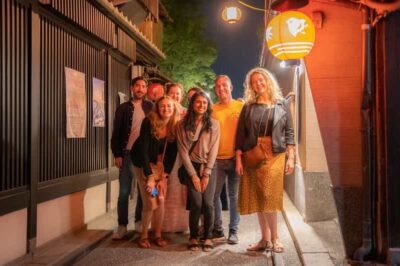

Kyoto: Insider Sake Brewery Tour with Sake and Food Pairing
Read our review →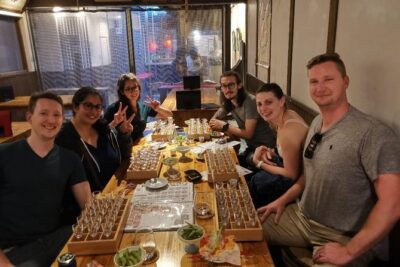
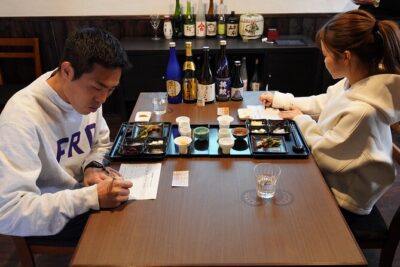
1.5-Hour Kyoto Insider Sake Experience with 7 Tastings & Pairings
Read our review →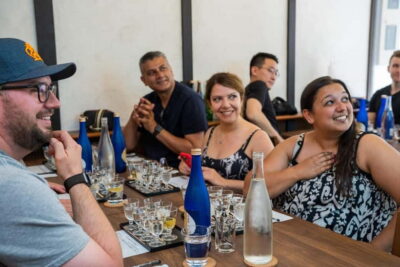
Kyoto: Insider Sake Experience with 7 Tastings and Snacks
Read our review →
Kyoto: Afternoon Japanese Izakaya Cooking Class
Read our review →
Browse the lists this tour appears in