
REVIEW · SAKE TASTING
Feel Mt Fuji and Sake Tasting Private Tour from in Shizuoka
Mt. Fuji is more than a mountain to admire from a distance. This private day connects the peak to woodblock art, Shinto faith, spring water, and local food, giving you several ways to understand why Fujisan became a UNESCO World Heritage Site. You will make a multicolor ukiyo-e print, visit the main Sengen shrine, and taste sake brewed with Fuji water.
I like the hands-on art session, since you do not just look at old prints, you try the careful process yourself. I also like the balance between major sights and everyday food, especially the chance to eat Fujinomiya yakisoba near the shrine. The main drawback is the price, $473.09 per person before lunch, so this makes the most sense for a private group that values a custom day over a low-cost bus tour.
Key points to know before booking
- Make your own ukiyo-e print: The Tokaido Hiroshige Art Museum includes a one-hour multicolor woodblock printing session.
- See Mt. Fuji through design: The Mt. Fuji World Heritage Centre uses exhibits to explain the mountain’s spiritual and artistic importance.
- Visit the main Sengen shrine: Fujisan Hongu Sengen Taisha is the central shrine among roughly 1,300 Sengen shrines in Japan.
- Taste sake made with Fuji spring water: Fuji Takasago Sake Brewery has operated since 1830 and includes a brewery visit and tasting.
- Lunch is local and separate: Omiya Yokocho offers Fujinomiya yakisoba and other inexpensive choices, but you pay for lunch yourself.
- Keep the day private: Only your group takes part, with a 9:30 am start and an ending back at the meeting point.
A seven-hour introduction to Mt. Fuji’s living culture
This tour works best if you want more than a photo stop. Its four main visits cover different parts of Fuji culture: art at the Hiroshige museum, world heritage interpretation at the center, religious practice at Sengen Taisha, and sake production at a historic brewery.
You also get a food break in Omiya Yokocho. That matters because a day around Mt. Fuji should include something ordinary and local, not only formal attractions. Fujinomiya yakisoba is a practical choice for lunch: filling, regional, and budget-friendly.
The schedule lasts about seven hours, beginning at 9:30 am. Total travel time is about one hour and 15 minutes, leaving substantial time at each stop. Since the tour is private, you avoid being grouped with strangers and can share the day with your own family or friends.
The private format also explains much of the cost. At $473.09 per person, this is not a bargain sightseeing ride, especially because lunch is not included. The fee does include admission charges, and group discounts are available, but you should confirm the final group pricing before committing. For a larger party, the cost may feel more reasonable than it would for one or two people.
More Sake Tastings in Japan:
- Best of Shinjuku: Izakaya Food Tour (4 Stops, 14+ Tastings)
★ 5.0 · 1,863 reviews - 3-Hour Kyoto Insider Sake Brewery Tour with Tastings & Pairings
★ 5.0 · 917 reviews - Kyoto Sake Brewery & Tasting Walking Tour
★ 5.0 · 623 reviews
Tokaido Hiroshige Art Museum and the craft of ukiyo-e
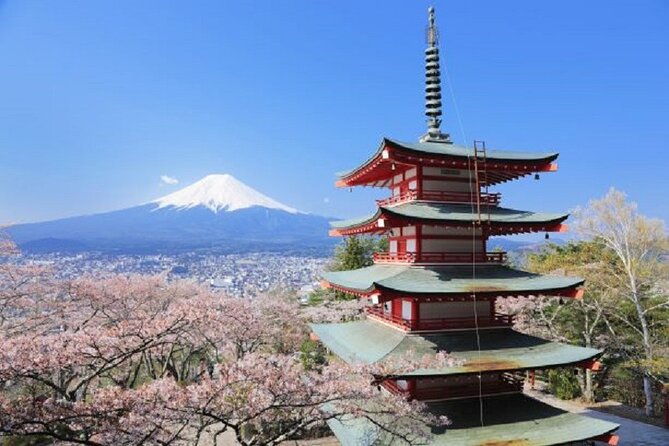
The first stop lasts about an hour at the Tokaido Hiroshige Art Museum. It is the first museum in Japan named after Utagawa Hiroshige, one of the best-known ukiyo-e artists of the Edo period.
The museum’s subject fits the rest of the day well. Hiroshige’s prints helped shape the way people imagined Japan’s roads, towns, weather, and mountains. Mt. Fuji appears again and again in Japanese art, and ukiyo-e gives you a useful way to see how the mountain became both a real place and an artistic symbol.
The best part is the polychrome printmaking activity. You apply one color at a time, following the basic method used to create colorful woodblock prints. It is a small but meaningful change from simply studying framed art. You see why alignment, pressure, and order matter when several colors must build one finished image.
Allow the full hour here. The museum visit and printing activity serve different purposes, and rushing through the exhibits would weaken the connection between the old works and your own attempt. This stop should appeal to families, hands-on learners, and anyone who enjoys craft more than passive sightseeing.
You should also keep expectations sensible. This is an introduction to the technique, not a professional printmaking class. The value comes from understanding the process and leaving with a personal sense of how much work sits behind a seemingly simple print.
Mt. Fuji World Heritage Centre, Shizuoka
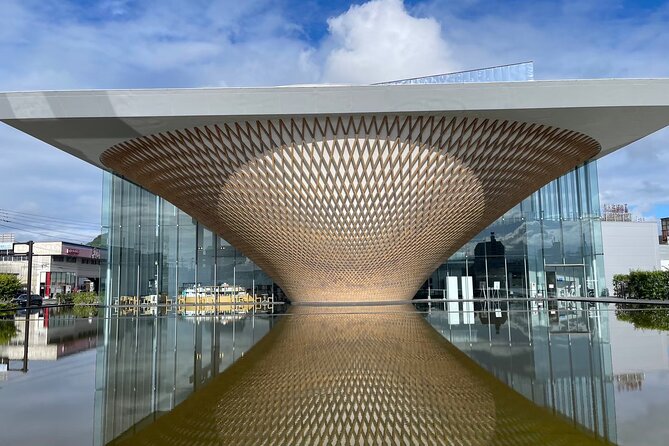
Next comes the Mt. Fuji World Heritage Centre, with about one hour and 15 minutes inside. Mt. Fuji entered the UNESCO World Heritage List in June 2013 under the title Fujisan, sacred place and source of artistic inspiration.
The center focuses on protecting, conserving, presenting, and passing on the mountain’s cultural value. That gives you more context than a viewpoint alone. You learn to see Fuji not just as a high peak, but as a place tied to religious belief and generations of artistic work.
This is an especially useful stop if your knowledge of Mt. Fuji begins and ends with its shape. The center helps explain why the mountain matters to Japanese culture and why its designation covers more than scenic beauty.
The visit is indoors, which also gives the day some balance. The schedule does not depend entirely on being outside or having a clear view of the summit. Still, the information provided does not promise a particular viewing condition, so you should not book this tour solely for a guaranteed Fuji photograph.
I like the placement of this stop after the ukiyo-e museum. You first handle the mechanics of a Fuji-related art form, then get a broader explanation of the mountain’s place in Japanese culture. That sequence makes the day feel connected rather than like a pile of unrelated attractions.
Fujisan Hongu Sengen Taisha and the faith of Fuji
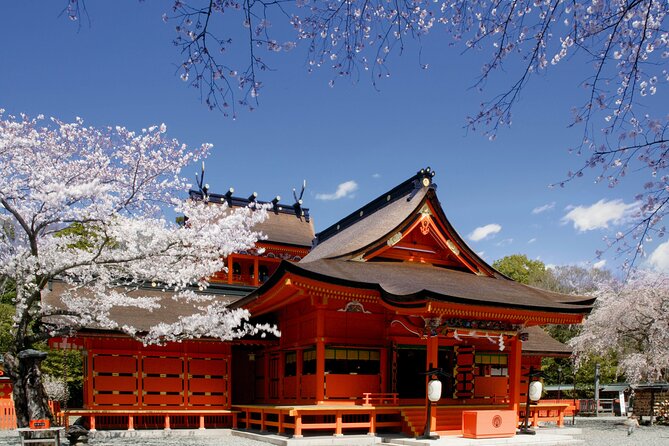
The one-hour visit to Fujisan Hongu Sengen Taisha brings the mountain’s spiritual side into focus. It is the main shrine among about 1,300 Sengen shrines throughout Japan and is closely linked to faith in Mt. Fuji.
The shrine is also associated with dragon-hole and earth-spirit beliefs. These ideas may be unfamiliar if you come from outside Japan, but you do not need to treat them as a checklist of supernatural claims. Pay attention to how water, sacred space, and the mountain connect in the shrine’s setting.
Wakutama Pond is particularly important. It is fed by spring water from Mt. Fuji and has been designated a special natural treasure. The pond gives you a visible link between the mountain above and the water used in local life below.
This is a place where a slower pace helps. The stop lasts an hour, enough time to see the shrine grounds and take in the atmosphere without turning the visit into a quick photograph. Wear comfortable shoes and be ready for a traditional religious site rather than a conventional museum attraction.
The shrine is also a useful bridge to the sake brewery. Both stops rely on Fuji’s water, but in very different ways. At Sengen Taisha, spring water has sacred meaning. At the brewery, it shapes taste and production.
More Private Sake Tours in Japan:
- Private Tea Ceremony and Sake Tasting in Kyoto Samurai House
★ 5.0 · 163 reviews - Private Nagano 1-Day Tour:Snow Monkeys,Zenko-ji,Obuse,Sake,Onsen
★ 5.0 · 71 reviews - Private Sake Brewery Visit and Tasting Tour in Hida
★ 5.0 · 65 reviews - Private Nara Tour and Sake Tasting (Departing from Kyoto/Nara)
★ 5.0 · 40 reviews
Omiya Yokocho and a plate of Fujinomiya yakisoba
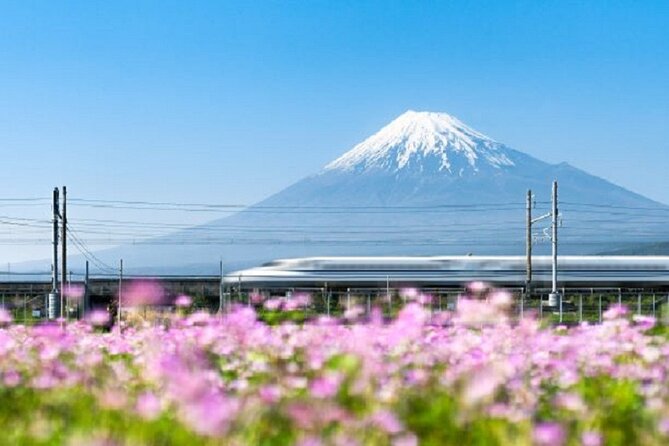
Lunch takes place at Omiya Yokocho, near Sengen Taisha. The food is not included, so bring money for your own meal. The area offers budget-friendly local dishes, including Fujinomiya yakisoba.
This arrangement gives you choice. You can select what appeals to you instead of paying for a fixed restaurant menu. You also get a chance to eat in a casual local food setting rather than spending every meal inside a formal dining room.
The tradeoff is that the final cost is less predictable. Your lunch may be inexpensive, but it is still an extra charge on top of the tour. If you have dietary restrictions, the available information does not specify which dishes can be adjusted, so ask your guide on the day.
One hour is set aside for lunch. That should be enough for a straightforward meal and a little time around the food area, though this is not designed as a long culinary tour. I would think of Omiya Yokocho as a well-chosen pause between cultural stops, not the main reason to book.
Fuji Takasago Sake Brewery and Fuji spring water
The final listed stop is Fuji Takasago Sake Brewery, a historic producer operating since 1830. The visit includes a brewery tour followed by sake tasting.
The key point here is the water. The sake is made with water that has filtered through Mt. Fuji, giving the tasting a direct link to the mountain’s natural resources. After seeing spring water at Wakutama Pond, you can consider how the same source carries both religious and culinary meaning.
The brewery also adds a practical local experience to the day. You are not only looking at a shrine or reading about world heritage status. You are sampling a product made in the area and learning how Fuji supports regional food and drink.
The tasting makes this stop less suitable for anyone who does not drink alcohol, although the supplied information does not state what alternatives are available. If you are traveling with children, ask ahead about how the brewery visit works for your group.
The one-hour timing includes the brewery visit and tasting, so do not expect an extensive multi-hour course in sake. You should come away with a better sense of local production and a chance to compare the regional styles offered that day.
How the private format affects the value
The tour is for your group only. That is the biggest practical advantage over a shared excursion. You can spend the day with family, friends, or a small party without adjusting to a large crowd.
The private setup may also help if you are visiting on a tight schedule. The tour starts at 9:30 am and ends back at the meeting point, with public transportation nearby. Admission fees are included, and confirmation is sent within 48 hours of booking if space is available.
The supplied trip details also mention a comfortable motorcoach for the full family, which is useful when you are moving between several stops. Still, the exact vehicle and pickup arrangement should be confirmed when you book, especially if you are joining from a cruise ship.
There is an important cruise-related warning. If a ship is delayed, fewer places may be visited. If the tour begins from Shimizu Port and the start time changes, the order of the stops may also change. This is not a flexible cancellation product, so a cruise passenger should leave a realistic time cushion.
The tour is described as suitable for most people and near public transportation. No special accessibility details are provided, so you should ask directly if your group needs particular arrangements.
Is $473.09 per person a fair price?
The price is high for a seven-hour day, particularly once you add lunch. Yet this is a private activity with several admission fees, transport between sites, a hands-on art session, shrine access, and a brewery tasting.
I would judge the value by group size. For one or two people, the price may be hard to defend unless private transport and a tightly organized day are your top priorities. For a family or group of friends, the private format can make the per-person cost more acceptable, especially if a group discount applies.
You are also paying for variety. A cheaper outing might take you to one Fuji viewpoint, while this day gives you art, heritage interpretation, religious culture, local noodles, and sake. That range is useful when you have only one day in the Fuji area.
The fee does not include lunch, and the tour is non-refundable and cannot be changed after booking. Treat the booking as a firm commitment, not a tentative plan. That matters most for cruise passengers or anyone whose wider Japan schedule may shift.
Who should book this Mt. Fuji tour?
I would choose this tour if you want a cultural day built around Mt. Fuji rather than a simple sightseeing transfer. It suits families, private groups, art lovers, first-time visitors who want context, and people who enjoy tasting regional food and drink.
The day is also a good fit if your group has mixed interests. One person can enjoy the printmaking, another can focus on the shrine, and someone else may look forward to the sake tasting. Few stops are devoted only to scenery, so book it for culture and local life, not a guaranteed mountain panorama.
I would hesitate if you want the lowest possible price, a long outdoor hike, or a tour centered on one dramatic viewpoint. I would also think carefully before booking if your schedule is uncertain, since the cancellation terms are strict.
FAQ
How long does the tour last?
The tour lasts approximately seven hours, beginning at 9:30 am and ending back at the meeting point.
Is this a private tour?
Yes. Only your group participates in the activity.
What is included in the price?
Admission fees are included. Lunch is not included.
Where does lunch take place?
Lunch is at Omiya Yokocho near Fujisan Hongu Sengen Taisha Shrine.
What food can I try at Omiya Yokocho?
The area offers local dishes such as Fujinomiya yakisoba, along with other budget-friendly choices.
Does the tour include sake tasting?
Yes. The visit to Fuji Takasago Sake Brewery includes a brewery tour and sake tasting.
Is the ukiyo-e printmaking activity included?
Yes. The Tokaido Hiroshige Art Museum includes an experience where you apply colors one at a time to create a woodblock print.
What happens if a cruise ship is delayed?
If the cruise ship is delayed, the order of the itinerary may change and fewer places may be visited. If the tour begins from Shimizu Port with a delayed start, the schedule may also be rearranged.
Should you book it?
Book this tour if you want a private, well-rounded look at Mt. Fuji’s cultural world and are happy to pay for convenience. The strongest features are the hands-on ukiyo-e activity, the main Sengen shrine, and the connection between Fuji spring water, local sake, and sacred tradition.
Skip it if you mainly want a cheap Fuji photo stop or a flexible booking. At $473.09 per person, with lunch extra and no refunds for cancellations or changes, this is best for a committed group that values a full cultural day more than a low price.
Just added around Japan
- Tokyo: Serene Sakura & Sake: An Exclusive Brewery Pairing Lunch★ 5.0 · 2 reviews
- Tokyo Sake Tasting Tour with a Sake Expert★ 5.0 · 7 reviews
- Wagyu BBQ & Sukiyaki with Sake Pairing Experience near Ginza★ 5.0 · 2 reviews
- Tokyo Izakaya crawl (A tour of 2 izakayas, 1 bar, and a shrine)★ 5.0 · 8 reviews
- Japanese Sake Tasting & Wagyu Sukiyaki Cooking Class in Tokyo★ 5.0 · 10 reviews
- Private Tokyo Food Tour – Retro Akabane Izakaya Experience★ 5.0 · 14 reviews
- Tokyo: Learn the Art of Chopsticks in a Cozy Izakaya!★ 5.0 · 2 reviews
- Shinjuku Underground Nightlife Tour: Izakaya Food & Bar Hopping★ 5.0 · 11 reviews
Sake Tasting, compared.
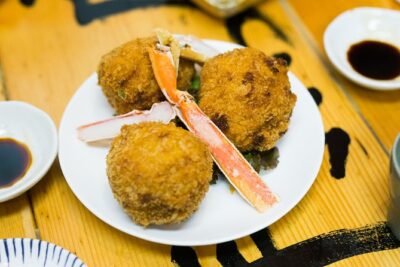
Best of Shinjuku: Izakaya Food Tour (4 Stops, 14+ Tastings)
Read our review →
3-Hour Kyoto Insider Sake Brewery Tour with Tastings & Pairings
Read our review →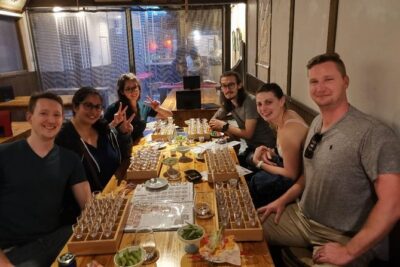
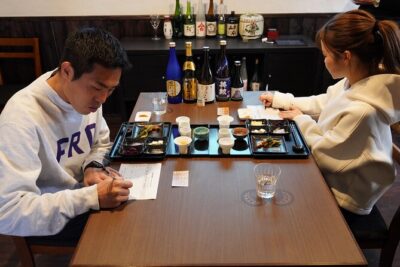
1.5-Hour Kyoto Insider Sake Experience with 7 Tastings & Pairings
Read our review →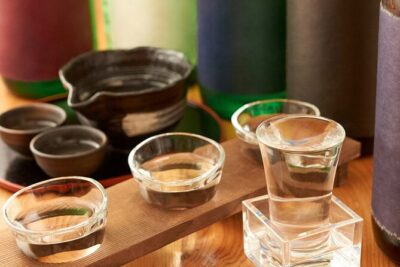
Ramen and Sushi Cooking Class with Sake Pairing Set in Tokyo
Read our review →
Sake Tasting Masterclass in Shinjuku (8+ Varieties with a Pro)
Read our review →
Kyoto: Insider Sake Experience with 7 Tastings and Snacks
Read our review →
Sake Omakase in Tokyo: Guided Tasting by Certified Sommeliers
Read our review →Browse the lists this tour appears in