
REVIEW · JAPAN SAKE TOURS
A pairing experience in Sapporo where you can enjoy tempura and 3 kinds of Hokkaido-only sake, along with a soba-noodle making experience!
The best part of this Sapporo experience is that you make soba from start to finish, then eat it while it is still fresh. You mix the buckwheat flour, bring the dough together, stretch it, cut it, and watch it become a proper meal in a working Japanese soba restaurant. The full process gives you a better feel for the care behind a simple bowl of noodles.
I like the direct instruction from cooks who make soba every day, and I like the pairing of three Hokkaido sakes with handmade noodles and seasonal tempura. The main drawback is the location: plan on roughly 40 minutes by subway, with the restaurant near the end of the orange line. English support is available but limited, so patience and a willingness to follow demonstrations will help.
Key points to know before booking
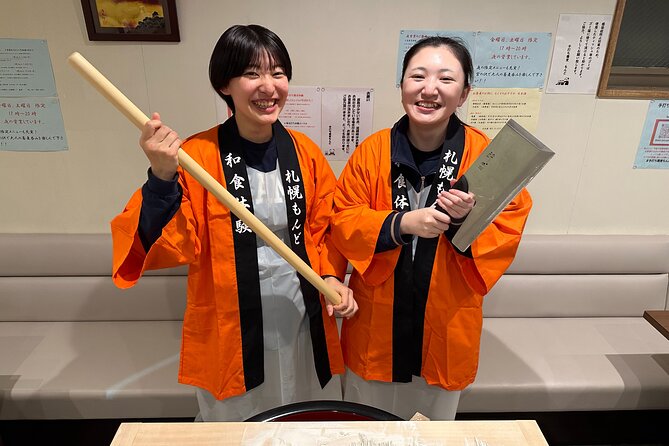
- You make the entire soba batch: Mix flour, form the dough, stretch it, cut it, and enjoy it boiled fresh.
- The meal is more than noodles: A Japanese chef prepares seasonal Hokkaido tempura, while you taste hot soba broth and tenkasu.
- Three sakes show different styles: You receive two chilled sakes and one warmed sake selected in Hokkaido.
- This is a real restaurant: The class takes place in an operating handmade soba shop, not a purpose-built tourist center.
- The group remains small and private: Only your party participates, creating close contact with the instructor.
- It is for adults only: Every participant must be at least 20 years old because sake is included.
Making soba in a working Sapporo restaurant
This is not a quick noodle demonstration where you handle one small step and then watch someone else do the work. You take part in the complete sequence, beginning with buckwheat flour and ending with noodles ready for the pot.
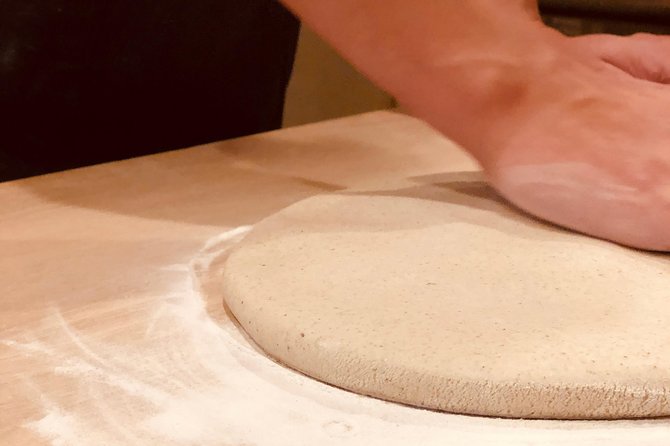
The order matters. First, you mix the flour. Then you gather the dough, stretch it carefully, and cut it into noodles. Each stage shows why soba making calls for practice. The dough must be handled with care, and the cutting needs enough control to produce noodles that cook properly.
I like this format because it gives you a useful sense of Japanese food culture without turning the meal into a staged show. Soba can look plain on the table, but the work behind it is precise. A cooking class that stops at mixing or shaping would leave out much of the craft. Here, you see the whole chain.
The setting adds to the experience. You are in a genuine soba restaurant that serves customers in the normal course of business. That makes the room feel connected to daily life in Japan. It also means you should not expect a polished classroom with every explanation delivered in fluent English. The cooking is the focus, and demonstrations will likely carry much of the instruction.
A few more sake tours around Japan worth a look
- Best of Shinjuku: Izakaya Food Tour (4 Stops, 14+ Tastings)
★ 5.0 · 1,863 reviews - Tokyo: Shinjuku Local Bar and Izakaya Guided Walking Tour
★ 4.9 · 1,794 reviews - 1-Day Snow Monkeys, Zenko-ji Temple & Sake in Nagano
★ 5.0 · 1,020 reviews
Why freshly boiled soba matters
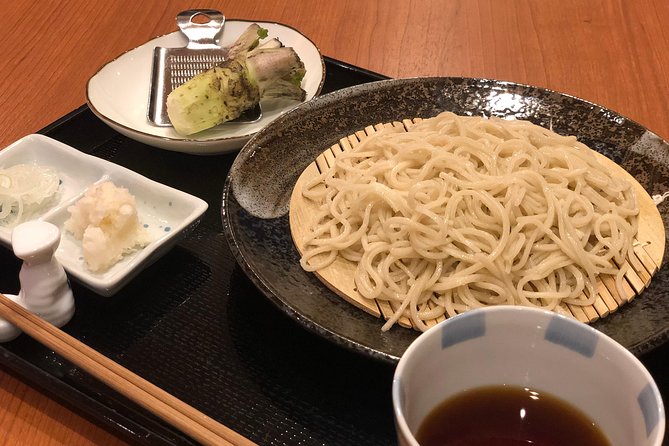
Once your noodles are ready, they are boiled and served without a long wait. Freshly made soba has a different aroma and texture from noodles that have been sitting in a restaurant kitchen or packaged for later use.
That timing is one of the strongest reasons to choose this activity. You do not just make food for the sake of making it. You get to taste the direct result of your work at its best point.
The meal includes warm soba sauce, and you can also use tenkasu, the crisp fried bits often added to Japanese noodle dishes. These extras help you understand how soba is commonly eaten. The meal is not presented as a Western-style cooking class followed by a separate lunch. The making, boiling, seasoning, and eating belong to the same experience.
You may find the finished noodles uneven in places. That is part of the lesson, not a problem. Handmade soba can show the touch of the person who prepared it. The aim is not factory-perfect strands. It is to understand the method, then enjoy the food while the scent and texture are at their freshest.
Hokkaido tempura with seasonal ingredients
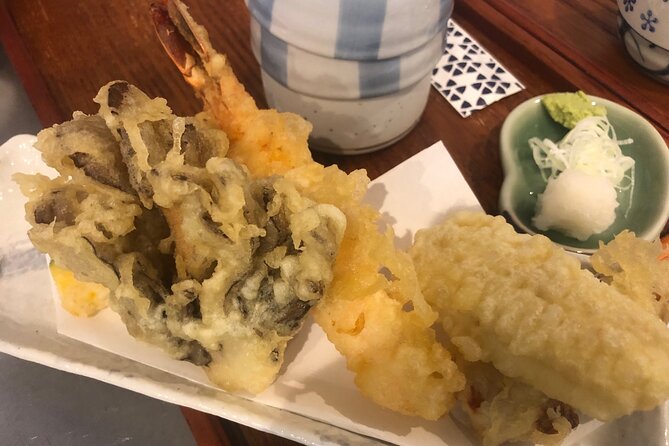
The tempura is prepared by a Japanese chef rather than by participants. That is a sensible choice. Frying oil can cause serious burns, and the activity specifically keeps this part in professional hands.
The ingredients are mainly seasonal produce from Hokkaido. The cooking is kept simple, with the taste of the ingredients and their match with soba taking priority. This is a good contrast to the hands-on noodle work. You make one part of the meal, then watch an experienced cook handle the hot oil.
The tempura also gives the meal more substance. Soba can be light, but noodles with tempura and sake make a filling lunch or dinner. The combination is familiar in Japan, yet the Hokkaido focus gives it a local connection rather than making it a generic cooking lesson.
The exact tempura ingredients are not fixed in the information provided, so you should expect the selection to change with the season. That is useful to know if you need a particular ingredient avoided. Ask the provider before booking if you have allergies or dietary restrictions, since no specific substitutions are promised.
Three Hokkaido sakes, served at different temperatures
The sake tasting is built around comparison rather than quantity. You receive three types of Hokkaido sake: two served cold and one served warm.
This setup shows how temperature can affect aroma and taste. A sake that feels clean and crisp when chilled may seem softer or more fragrant when warmed. You also get a practical lesson in how sake works with food. The purpose is not simply to drink local alcohol. It is to notice how each sake behaves alongside soba and tempura.
The selection is intended to be approachable for people who are new to sake. That makes this a reasonable introduction if you usually find sake unfamiliar. The meal gives you something to compare with each sample, which is more useful than tasting small pours without food.
Still, this is an alcoholic pairing, not a nonalcoholic cooking class with an optional sip. Participation is limited to people aged 20 and over. If you do not drink, or if you are booking for someone who cannot have alcohol, check with the provider before paying because the stated format includes all three sakes.
I also appreciate the warm sake in the lineup. Many visitors know sake mainly as a chilled drink, but serving temperature is part of the tradition. Trying two cold examples and one warm one gives you a clear reason to pay attention to the difference.
Same city, a different pour:
- 3-Hour Kyoto Insider Sake Brewery Tour with Tastings & Pairings
★ 5.0 · 917 reviews - Tokyo: Shinjuku Local Bar & Izakaya Crawl Tour
★ 5.0 · 890 reviews - Nagano: Snow Monkeys, Zenkoji Temple & Sake Day Trip
★ 4.9 · 833 reviews - Kyoto: Izakaya Bars Guided Walking Tour
★ 4.9 · 815 reviews
A small private group changes the feel
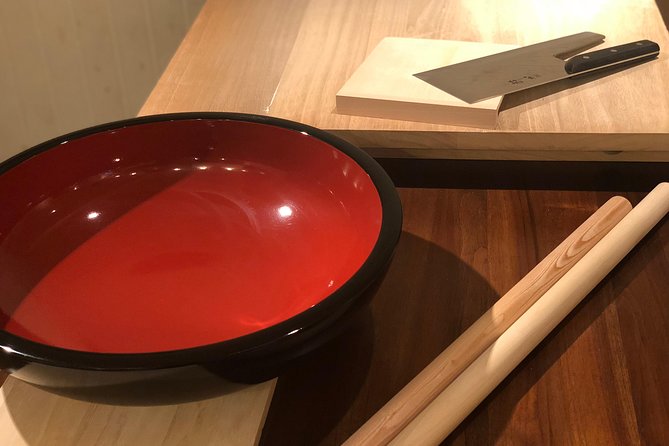
Only your own group takes part, and the activity is designed for a small number of people. That matters during the dough work. You can stay close to the instructor, watch the hand movements, and ask for help when the dough is difficult to handle.
A private format is especially useful when English communication is limited. You may need to rely on gestures, demonstrations, and simple explanations, but the instructor can focus on your party instead of managing a large room.
The available information does not give the names of the guides. It does indicate that the soba chefs provide the instruction and that the hosts speak some English, though not a great deal. One account describes a friendly young woman who did not speak English and another host who spoke English but was less engaging. The practical lesson is simple: come ready to watch carefully and participate rather than expecting a long spoken lecture.
Several parts of the experience have received especially strong praise: the friendly welcome, patient instruction, enjoyable noodle making, and generous meal. Those are the qualities that matter most here. You are choosing this activity for contact with the cooking process, not for a formal food-history talk.
What the 75-minute schedule feels like
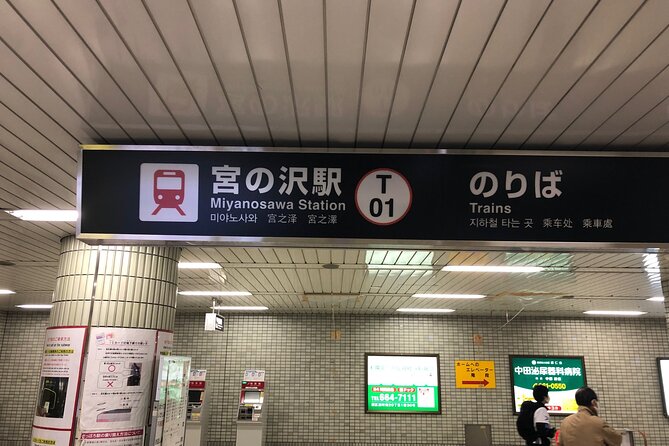
The stated duration is about one hour and 15 minutes. That is compact enough to fit into a busy Sapporo day, but long enough to cover the full noodle process and the meal.
The session follows a natural rhythm:
- You meet at 9-chōme-17-28 Hassamu 6 Jō in Nishi Ward.
- The instructor introduces the soba process and helps you mix the buckwheat flour.
- You bring the dough together and stretch it.
- You cut the dough into noodles.
- The noodles are boiled fresh.
- A chef prepares the seasonal tempura.
- You eat the soba with broth, tenkasu, tempura, and the three sake samples.
The timing may feel brisk if you want to stop for many photographs or ask detailed questions at every stage. Soba dough cannot wait forever, so listen closely and keep moving when the instructor signals the next step.
The activity ends back at the meeting point. Since the meal and lesson are combined in one place, you do not lose time changing locations between the cooking and tasting portions.
Getting to the restaurant in western Sapporo
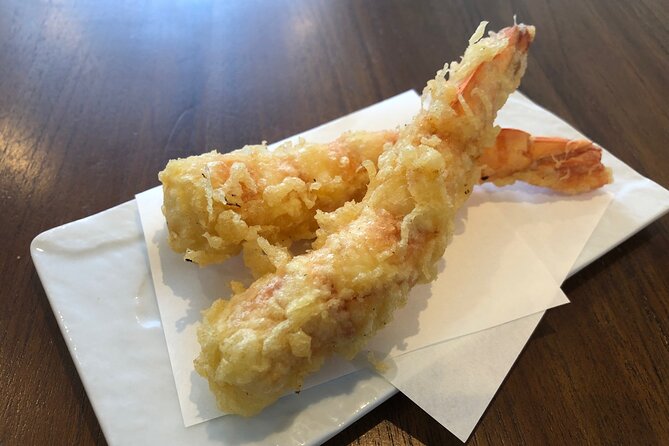
The meeting point is in Hassamu 6 Jō, Nishi Ward, at 9-chōme-17-28. Public transportation is nearby, but this is not a central Sapporo stop that you can casually reach from Odori in a few minutes.
Plan on about 40 minutes by subway, and expect the ride to reach the end of the orange line. Allow extra time, especially if you are unfamiliar with Sapporo’s stations or transfers. Arriving late could be awkward because the dough-making schedule is hands-on and the group is small.
The out-of-the-way location is the clearest tradeoff. You spend more of your day getting there, but you also reach a functioning local restaurant rather than a tourist venue designed around central-city convenience. I would place this activity on a day when you are already exploring western Sapporo, or treat the journey as the price of a more everyday setting.
Wear something comfortable and practical. The supplied information does not specify a dress code or special equipment, but you will be handling dough and taking part in food preparation. The restaurant provides the teaching and the meal, including the professionally prepared tempura.
Is the $123.79 price good value?
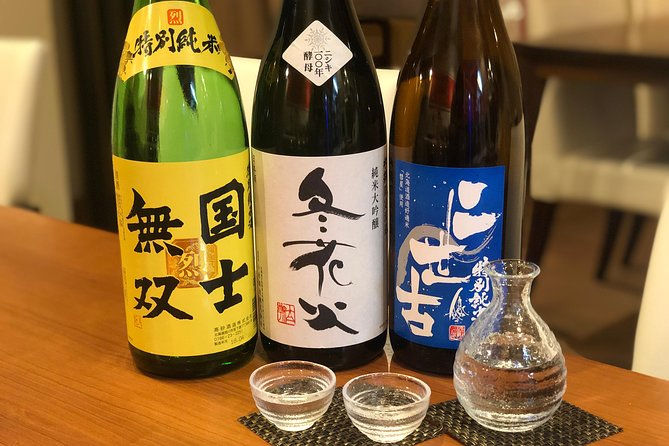
At $123.79 per person, this is not a bargain meal. You are paying for several parts at once: a private hands-on class, instruction from working soba chefs, freshly made noodles, a full tempura meal, and three Hokkaido sake tastings.
The value is strongest if you would otherwise pay separately for a quality meal and a cooking class. The activity gives you a memorable food lesson and dinner or lunch in one 75-minute session. The small private format also costs more than joining a large group with a standard demonstration.
The price is harder to justify if your main goal is simply to eat soba. Sapporo has many places where you can order noodles without spending this much or setting aside a full activity slot. You should book this because you want to understand how soba is made and compare local sake, not because it is the cheapest way to fill up.
The activity is often booked about 40 days ahead. That suggests you should reserve early if your Sapporo dates are fixed, especially since the format is private and limited to a small number of people. Group discounts are available, so the cost may work better for a couple or small party than for a solo visitor.
Who will enjoy this most
I would recommend this to adults who enjoy food, hands-on activities, and local customs. It works particularly well for someone who has already seen Sapporo’s main sights and wants a quieter activity with a strong regional connection.
It is also a good fit for people new to sake. The three-temperature comparison gives you a simple way to learn, and the food helps put each sample in context. You do not need to arrive as a sake expert.
Families with children cannot book this in the stated format because all participants must be 20 or older. People who need extensive English explanation should also think carefully. Some English is available, but the experience depends on demonstrations and direct participation more than detailed verbal instruction.
I would skip it if you dislike alcohol, need a central location, or want a long, relaxed cooking class. The schedule is short, the restaurant is outside the central core, and the instruction may be less verbal than you expect.
Booking, cancellation, and practical details
You receive confirmation when you book, and a mobile ticket is available. The activity is private, so only your party participates.
Free cancellation is available up to 24 hours before the start time for a full refund. Changes or cancellations made less than 24 hours before the start are not accepted for a refund. The cut-off follows local Sapporo time.
A minimum number of participants is required. If the provider cancels because that minimum is not reached, you are offered another date or experience, or a full refund.
Keep the meeting address handy, allow plenty of time for the subway journey, and remember that the tempura is handled by the chef for safety. The strongest preparation is simply to arrive on time, ready to work with your hands, and open to learning through demonstration.
Should you book this Sapporo soba experience?
Book it if you want more than a restaurant meal. You will make noodles from flour to finished bowl, eat them fresh, sample three Hokkaido sakes, and try seasonal tempura in a real soba shop. The patient instruction, small group, and filling meal are the strongest reasons to choose it.
Skip it if you need a central Sapporo activity, fluent English instruction, or a family option for anyone under 20. For adults who value food culture and do not mind the trip to Hassamu, the price buys a personal experience rather than just another meal.
FAQ
Where does the soba-making experience take place?
It takes place at 9-chōme-17-28 Hassamu 6 Jō, Nishi Ward, Sapporo, Hokkaido 063-0826, Japan.
How long does the activity last?
The experience lasts approximately one hour and 15 minutes.
Is the activity held in a real restaurant?
Yes. It takes place in a working handmade soba restaurant that is open for regular business, rather than in a dedicated tourist facility.
What parts of soba making will I do?
You will mix buckwheat flour, bring the dough together, stretch it, and cut it into noodles. The noodles are then boiled so you can eat them fresh.
Is the soba served immediately after making it?
Yes. The finished noodles are freshly made and boiled for the meal.
What food is served with the soba?
The meal includes seasonal Hokkaido tempura prepared by a Japanese chef, warm soba sauce, and tenkasu.
How many kinds of sake are included?
Three Hokkaido sakes are included. Two are served cold and one is served warm.
Is the activity available to children?
No. Participation is limited to people aged 20 and over.
Is the experience private?
Yes. Only your own group participates.
Can I cancel for a full refund?
You can cancel for a full refund up to 24 hours before the experience start time. Cancellations or changes made less than 24 hours before the start are not refunded or accepted.
Just added around Japan
- Tokyo: Serene Sakura & Sake: An Exclusive Brewery Pairing Lunch★ 5.0 · 2 reviews
- Tokyo Sake Tasting Tour with a Sake Expert★ 5.0 · 7 reviews
- Wagyu BBQ & Sukiyaki with Sake Pairing Experience near Ginza★ 5.0 · 2 reviews
- Japanese Sake Tasting & Wagyu Sukiyaki Cooking Class in Tokyo★ 5.0 · 10 reviews
- Tokyo Izakaya crawl (A tour of 2 izakayas, 1 bar, and a shrine)★ 5.0 · 8 reviews
- Private Tokyo Food Tour – Retro Akabane Izakaya Experience★ 5.0 · 14 reviews
- Tokyo: Learn the Art of Chopsticks in a Cozy Izakaya!★ 5.0 · 2 reviews
- Shinjuku Underground Nightlife Tour: Izakaya Food & Bar Hopping★ 5.0 · 11 reviews
Japan Sake Tours, compared.
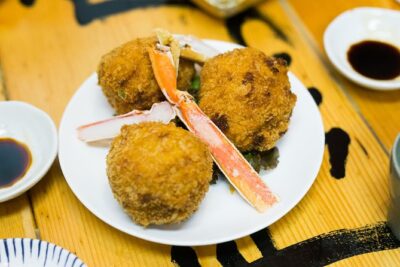
Best of Shinjuku: Izakaya Food Tour (4 Stops, 14+ Tastings)
Read our review →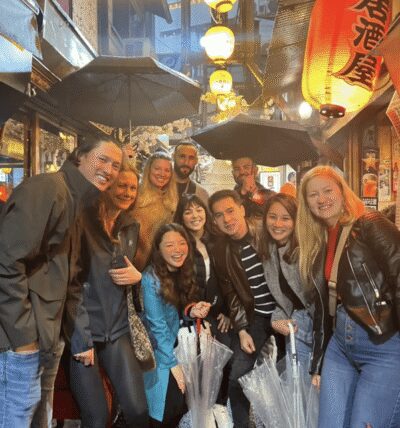
Tokyo: Shinjuku Local Bar and Izakaya Guided Walking Tour
Read our review →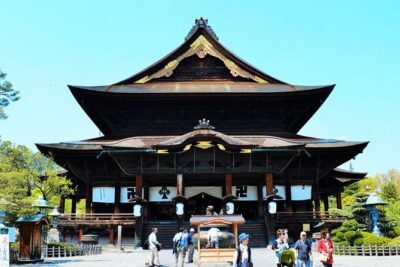
1-Day Snow Monkeys, Zenko-ji Temple & Sake in Nagano
Read our review →
3-Hour Kyoto Insider Sake Brewery Tour with Tastings & Pairings
Read our review →
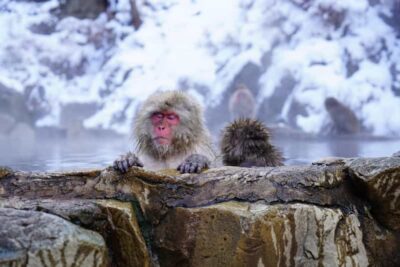
Nagano: Snow Monkeys, Zenkoji Temple & Sake Day Trip
Read our review →

Kyoto: Insider Sake Brewery Tour with Sake and Food Pairing
Read our review →Browse the lists this tour appears in