
REVIEW · NARA SAKE TOURS
Nara: Sake Tasting Tour at the Birthplace of Japanese Sake
Nara’s sake story began in Buddhist temples more than a thousand years ago, and this tour lets you taste that tradition at its source. I like the chance to visit three working breweries, not just a shop with bottles on a shelf, and I like the walk through quiet local streets between tastings. The main caution is simple: four tasting stops in three hours can leave you pleasantly giddy, so this is not a good fit if you want a completely dry afternoon.
The private format is another plus. Guides including Hiro Takeuchi, Takashi, and Yayoi have been praised for warm, personal help, with Hiro even accommodating a father in a wheelchair. I would allow extra attention for the walking sections, and I would arrive ready to ask questions, since the guide’s stories about brewing, food, climate, and spirituality are a major part of the value.
Key points to know before booking
- Three working breweries: Taste sake directly from producers rather than visiting only a retail counter.
- A fourth tasting stop: Finish the tasting route at a sake shop, adding a different view of Nara’s drinking culture.
- Temple-born tradition: Learn why Nara is linked to the early development of Japanese sake.
- Private three-hour format: You have room to ask questions and shape the conversation around your own interest.
- Four walking sections: The itinerary allows about 40 minutes at each stop, with walks through Nara’s sake districts.
- English and Japanese guides: Hiro Takeuchi, Takashi, and Yayoi are among the guides associated with the experience.
Why Nara is a fitting place for a sake tour
Nara is best known for temples, shrines, and its long role as an ancient capital. Sake adds another layer to the city. The drink was first developed in Buddhist temple settings, where it served religious, social, and practical purposes long before modern commercial breweries appeared.
That background gives the tasting a stronger sense of place. You are not simply comparing bottles from different producers. You are learning how a drink became tied to Japanese spirituality, seasonal conditions, local food, and generations of brewing practice.
The tour also moves away from the busiest sightseeing routes. You walk through Nara’s sake districts, visiting producers and shops while your guide explains what makes each operation different. That slower pace matters. It lets you see the working side of the city, not only its famous monuments.
I especially like the focus on the tōji, or master brewer. Each one follows a particular approach to ingredients, fermentation, and technique. The point is not to memorize technical terms. It is to understand why two sakes made in the same region can taste so different.
More Sake Tastings in Japan:
- Best of Shinjuku: Izakaya Food Tour (4 Stops, 14+ Tastings)
★ 5.0 · 1,863 reviews - 3-Hour Kyoto Insider Sake Brewery Tour with Tastings & Pairings
★ 5.0 · 917 reviews - Kyoto Sake Brewery & Tasting Walking Tour
★ 5.0 · 623 reviews
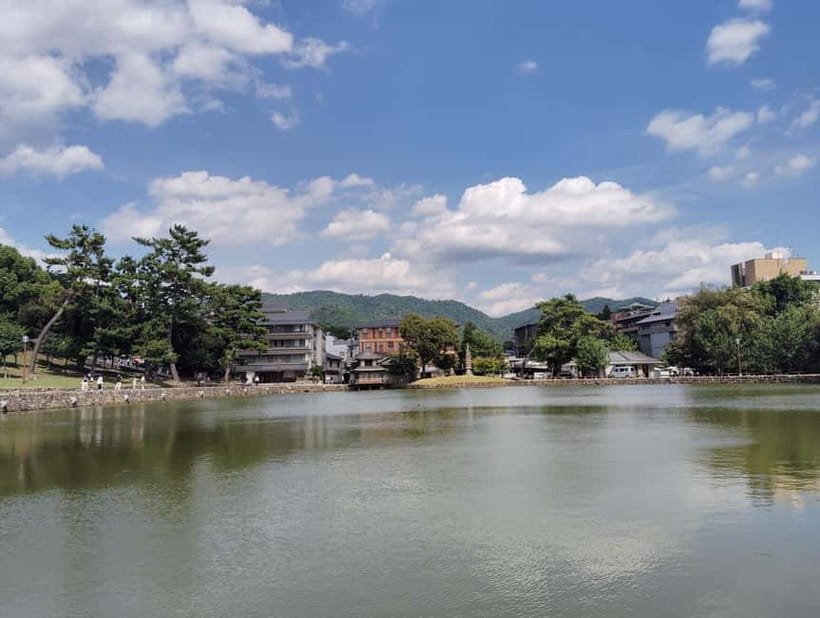
Meeting at Ukimi-do Pavilion
The tour begins at Ukimi-do Pavilion, written as 浮見堂 in Japanese. Your guide waits with a yellow sign panel, which should make the meeting point easier to spot.
This is a useful starting place because the tour then unfolds on foot. You do not spend the three hours moving between distant attractions. Instead, the route connects four tasting locations with walks through Nara’s older sake neighborhoods.
I would arrive a little early, especially if you are coming from Osaka or another part of Nara. One guide, Yayoi, has helped participants with train-line information and meeting arrangements, but the tour itself begins at Ukimi-do Pavilion, so you should confirm your route before the day.
The group is private, which changes the feel of the outing. You can ask a basic question about what makes sake dry, or spend more time on brewing methods if you already know your way around junmai and ginjo styles. You are not trying to keep up with a large group or wait for strangers to finish tasting.
Stop one: starting with Nara’s sake story
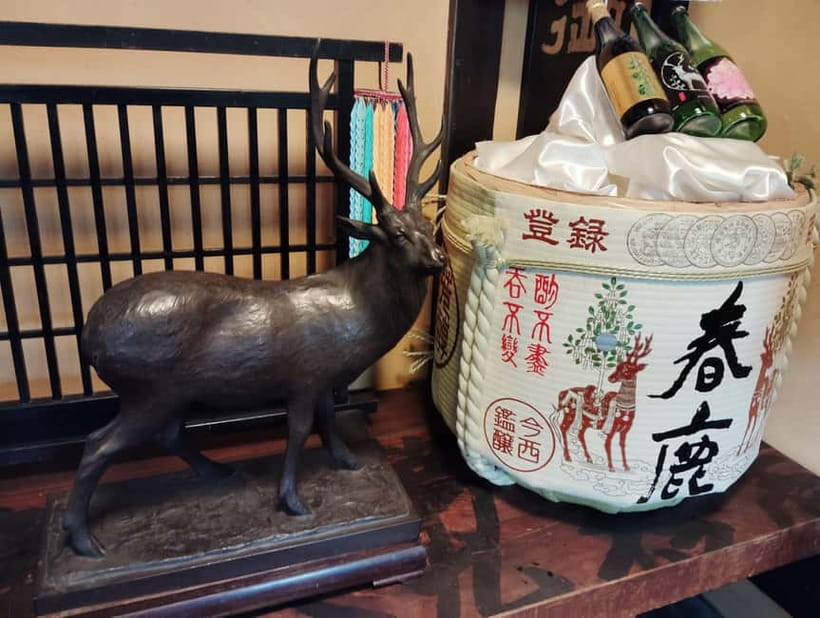
The first visit combines a guided tour, sightseeing, walking, and a tasting. The exact brewery name is not provided, so you should think of this as an introduction to the district rather than a guaranteed visit to a particular famous label.
This opening stop sets the context for the rest of the afternoon. Your guide explains how sake developed in Nara and why Buddhist temples played such an important early role. You also begin to connect the drink with local climate and cuisine.
The best way to use this part of the tour is to ask broad questions. What makes a sake crisp? Why does one feel mellow? How do brewing methods affect aroma and texture? The guide’s explanation gives you a base for judging the later tastings instead of treating each sample as an isolated drink.
The walking time is part of the stop, not dead time between attractions. You get to see the quieter side of Nara’s sake districts and notice how breweries and shops fit into ordinary neighborhood streets.
Stop two: meeting the philosophy of the brewer
The second 40-minute section includes a visit, guided sightseeing, and another walk. It is one of the places where the tour’s focus on individual tōji becomes useful.
A master brewer’s philosophy can involve the ingredients they favor, the way they handle fermentation, or the balance they want in the finished sake. You may find one brewery’s style clean and restrained, while another favors a softer or more rounded profile.
This is where the private format earns its keep. If you prefer dry sake, you can ask the guide to explain what you are tasting. If you are new to sake, you can compare the samples without feeling that you need expert vocabulary.
The tour does not promise a production-floor demonstration or a meal pairing, so keep expectations realistic. Its strength is the combination of tasting, place, and explanation. You are visiting working breweries, but the supplied details do not confirm how much of the actual production area you will enter.
A few more sake tours around Japan worth a look
- Tokyo: Shinjuku Local Bar and Izakaya Guided Walking Tour
★ 4.9 · 1,794 reviews - 1-Day Snow Monkeys, Zenko-ji Temple & Sake in Nagano
★ 5.0 · 1,020 reviews - Tokyo: Shinjuku Local Bar & Izakaya Crawl Tour
★ 5.0 · 890 reviews - Nagano: Snow Monkeys, Zenkoji Temple & Sake Day Trip
★ 4.9 · 833 reviews
Stop three: comparing crisp, dry, mellow, and full flavors
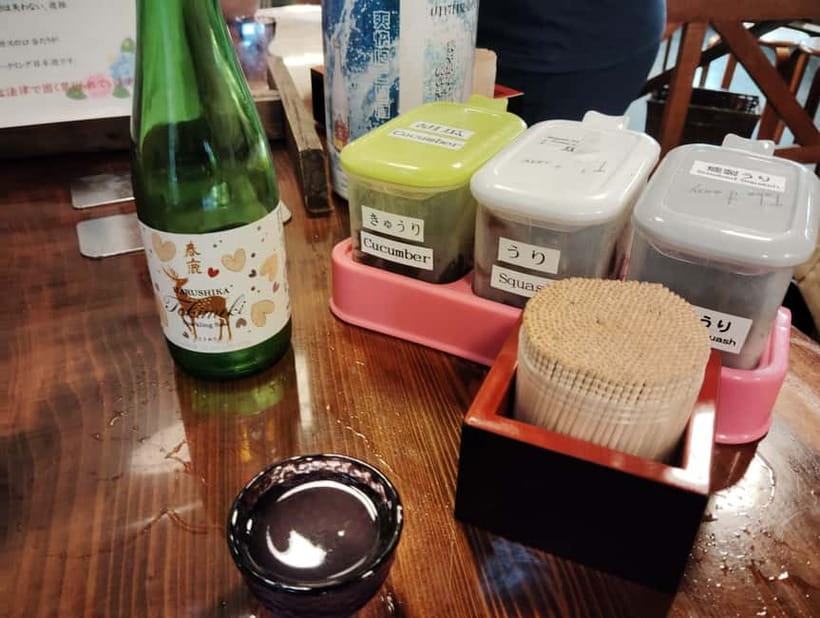
The third stop includes another tasting and guided walk. By this point, the range of sake becomes more meaningful because you have already heard how local producers approach their work.
Expect a spread from crisp and dry to richer, mellow styles. The contrast is useful for beginners. Sake is not one uniform drink, and tasting several styles close together makes that clear faster than reading a menu or buying one bottle at random.
I would take small sips and pause between samples. The aim is not to drink as much as possible. Notice how the aroma changes, how the sake feels on your tongue, and how the finish lingers or fades. Then ask your guide which style might work with the foods you normally eat.
The connection to Japanese cuisine is central here. Sake can be fresh and light, or it can have enough weight to match stronger flavors. Your guide can help connect those differences to the wider role sake plays at the table.
This is also the point where pacing matters. The tour has four locations, and the activity lasts three hours. You should expect a social tasting rather than a formal class, but the alcohol can catch up with you by the final stop.
Stop four: ending at a sake shop
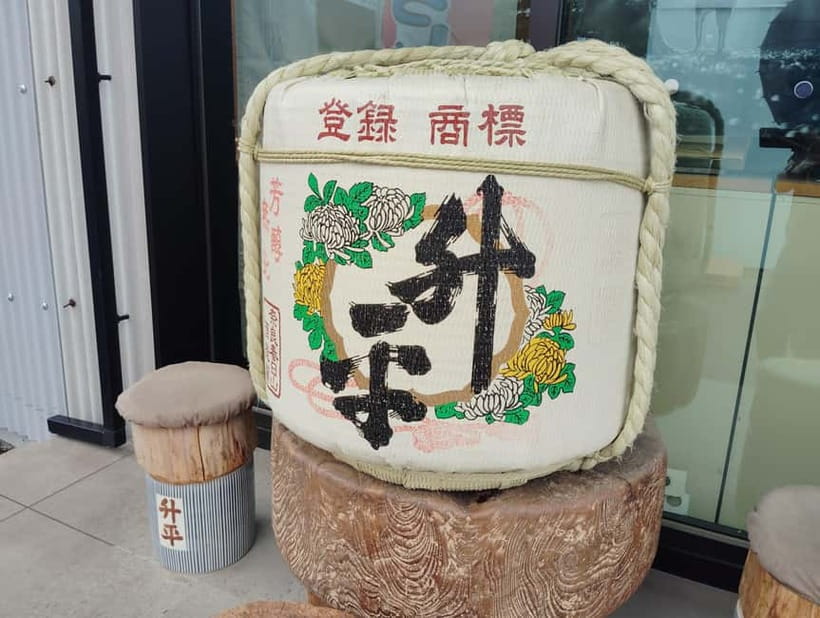
The final 40-minute section is a photo stop, visit, guided tour, sightseeing, and tasting. Unlike the three brewery visits, this stop takes place at a sake shop.
That change gives you a useful retail view. At a brewery, the focus is on the producer and its methods. At a shop, you can see how different bottles are presented and how the wider range of Nara sake reaches customers.
A shop also makes sense as the final stop because you have already tasted several styles. You can now identify what you like instead of choosing based only on a label or attractive bottle.
The available information does not say that bottle purchases are included, so treat shopping as an optional possibility rather than part of the tour price. If you hope to take sake home, ask your guide about the bottles you tasted and how to select among similar styles.
The route ends at Kintetsu Nara Station. That is practical for continuing your day, returning to your hotel, or catching a train after the tasting.
What the guide adds to the experience
The guide can make or break a tasting tour, and the strongest part of this experience appears to be the personal attention. Hiro Takeuchi is described as friendly and courteous, and he accommodated a father in a wheelchair. Takashi has led groups through several breweries while adding conversation and historical context. Yayoi has helped with train information and worked to make the afternoon fit the participant’s needs.
These details point to a tour that depends heavily on conversation. You are not simply handed samples and left to work them out alone. The guide introduces local shopkeepers, explains the sake tradition, and helps connect the drink to Nara.
One useful tip is to tell your guide what you already know. If you are a sake beginner, say so. If you already have favorite styles, mention them. A private group gives the guide more room to adjust the discussion.
English and Japanese are available. The tour is not described as a large scheduled group, so the private setup should suit couples, families, and small parties who want more control over the pace.
Walking, comfort, and accessibility
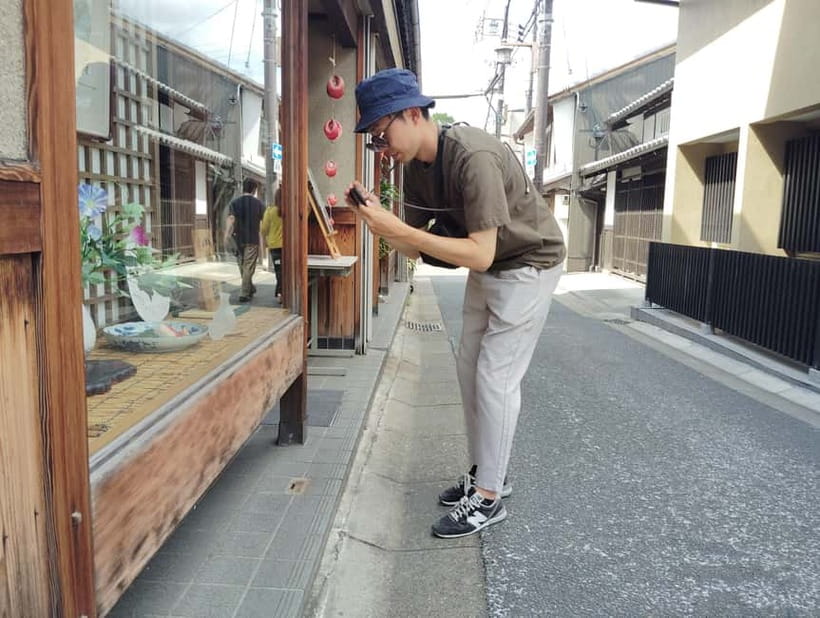
You spend much of the three hours on foot. Each itinerary section is listed at about 40 minutes, and the route includes walks through Nara’s sake districts. Wear comfortable shoes and avoid treating this as a seated tasting in one building.
The wheelchair experience deserves careful attention. Hiro accommodated a father in a wheelchair, which is encouraging, but the supplied details do not promise a fully step-free route or formal accessibility arrangements. If mobility is a concern, contact the provider before booking and explain your needs clearly.
The tour also involves alcohol, so plan the rest of your day with some care. One participant described the activity as capable of making you a bit giddy. That is a polite warning to pace yourself, drink water when available, and avoid scheduling a demanding activity immediately afterward.
Is $119 a fair price?
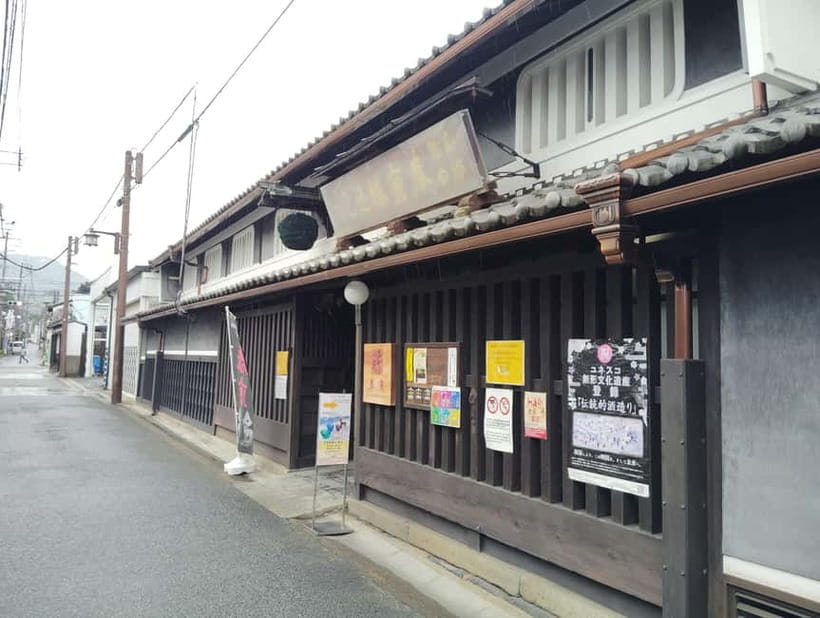
At $119 per person, this is not the cheapest way to sample sake in Nara. You are paying for more than the liquid in the tasting glasses, though. The price includes a private guide, a three-hour walking route, visits to four tasting locations, and tastings at three working breweries plus one sake shop.
For a first-time visitor, that can be good value. You avoid guessing which breweries welcome visitors, trying to connect several locations on your own, and missing the cultural meaning behind what you taste. The guide also adds local context that a retail purchase cannot provide.
The value is less clear if your main goal is simply to drink a large amount of sake at the lowest possible cost. This is a guided cultural experience, not a bargain bar crawl. You are paying for access, interpretation, and a route through local neighborhoods.
The private format strengthens the case for the price. You can ask more questions, move at a comfortable pace, and discuss your preferences without competing for the guide’s attention. For a couple or small group with a strong interest in Japanese food and drink, that personal service may justify the cost.
Who should book this Nara sake experience?
I would recommend it to several types of visitors:
- Sake beginners: The range of styles and plain-language explanations give you a clear starting point.
- Food-focused visitors: You learn how sake relates to Japanese cuisine, not just how it tastes by itself.
- Repeat visitors to Nara: The walk through sake districts offers a different side of the city than the major temples and deer parks.
- Small private groups: The guide can respond to your interests and questions.
- People curious about Japanese spiritual culture: The temple origins of sake add useful historical context.
I would hesitate if you dislike walking, want a very short tasting, or prefer a completely alcohol-free schedule. I would also think twice if your main aim is a long brewery tour with detailed production machinery, since the information provided emphasizes visits, tasting, walking, and conversation rather than a full technical tour.
The activity has a 4.9 rating from eight reviews, with praise focused on the guides’ kindness, humor, flexibility, and personal service. One person did note that parts of the newer tour felt less organized, especially with a very small group. That is a fair caution: the experience may feel more like a personal afternoon with a local guide than a tightly scripted museum program.
Booking details worth knowing
The tour lasts three hours and is offered as a private group experience. Live guiding is available in English and Japanese.
You meet at Ukimi-do Pavilion, where the guide carries a yellow sign panel. The tour finishes at Kintetsu Nara Station, giving you a clear endpoint for the next part of your day.
You can reserve now and pay later, and cancellation is free up to 24 hours before the activity for a full refund. Starting times vary, so check availability when choosing your date.
Should you book it?
Book this tour if you want sake explained through Nara’s neighborhoods, working breweries, local shopkeepers, and old religious traditions. The strongest reason to go is not the number of tastings. It is the chance to understand why the drink tastes different from one producer to the next, and why Nara matters to its story.
Skip it if you want a quick, inexpensive drink or a fully seated tasting. For everyone else, especially visitors who value a friendly private guide and a slower look at Nara, $119 can buy a memorable and useful afternoon. Just wear good shoes, pace your samples, and leave room for the guide’s stories.
FAQ
Where does the tour begin?
The meeting point is Ukimi-do Pavilion, also written as 浮見堂. Your guide waits with a yellow sign panel.
Where does the tour finish?
The tour ends at Kintetsu Nara Station.
How long does the sake tour last?
The experience lasts three hours.
How many tasting locations are included?
You visit four tasting locations in total.
How many working breweries will I visit?
The tour includes visits to three working breweries.
Is a sake shop included?
Yes. The fourth tasting location is a sake shop.
What kinds of sake will I taste?
The tastings range from crisp and dry styles to rich and mellow styles.
What languages are available?
Live guiding is available in English and Japanese.
Is this a private tour?
Yes. The experience is offered for a private group.
Can I cancel for a full refund?
Yes. You can cancel up to 24 hours in advance for a full refund.
Just added around Japan
- Tokyo: Serene Sakura & Sake: An Exclusive Brewery Pairing Lunch★ 5.0 · 2 reviews
- Tokyo Sake Tasting Tour with a Sake Expert★ 5.0 · 7 reviews
- Wagyu BBQ & Sukiyaki with Sake Pairing Experience near Ginza★ 5.0 · 2 reviews
- Japanese Sake Tasting & Wagyu Sukiyaki Cooking Class in Tokyo★ 5.0 · 10 reviews
- Tokyo Izakaya crawl (A tour of 2 izakayas, 1 bar, and a shrine)★ 5.0 · 8 reviews
- Private Tokyo Food Tour – Retro Akabane Izakaya Experience★ 5.0 · 14 reviews
- Tokyo: Learn the Art of Chopsticks in a Cozy Izakaya!★ 5.0 · 2 reviews
- Shinjuku Underground Nightlife Tour: Izakaya Food & Bar Hopping★ 5.0 · 11 reviews
Nara Sake Tours, compared.
Private Nara Tour and Sake Tasting (Departing from Kyoto/Nara)
Read our review →
Nara Sake Tasting Tour at Local Brewerie(tasting fee included)
Read our review →
Browse the lists this tour appears in