
REVIEW · NARA SAKE TOURS
Nara – Craft Beer, Sake, and Food Walking Tour
Nara’s best food story is not found beside the deer park. It unfolds in Naramachi, where fresh mochi, persimmon-leaf sushi, local sake, craft beer, ramen, and old-town streets fit into one 210-minute walk. The freshly pounded mochi and unusual kaki no ha zushi are the most memorable tastes.
I like the way this tour joins traditional Nara food with a modern microbrewery. I also like that it leads you into smaller shops and streets away from the main Kyoto-style sightseeing route. The main caution is that the experience depends heavily on the guide and the day: one disappointing outing had limited beer samples, no active mochi demonstration, and little explanation along the way.
Key points to know before booking
- Freshly pounded mochi: Watch a mochi-making session when the timing works, then taste the soft rice cake at its best.
- Persimmon-leaf sushi: Try Nara’s distinctive kaki no ha zushi, sushi wrapped in a fragrant persimmon leaf.
- Up to five sakes: Harushika Sake Brewery offers a tasting and an introduction to sake production.
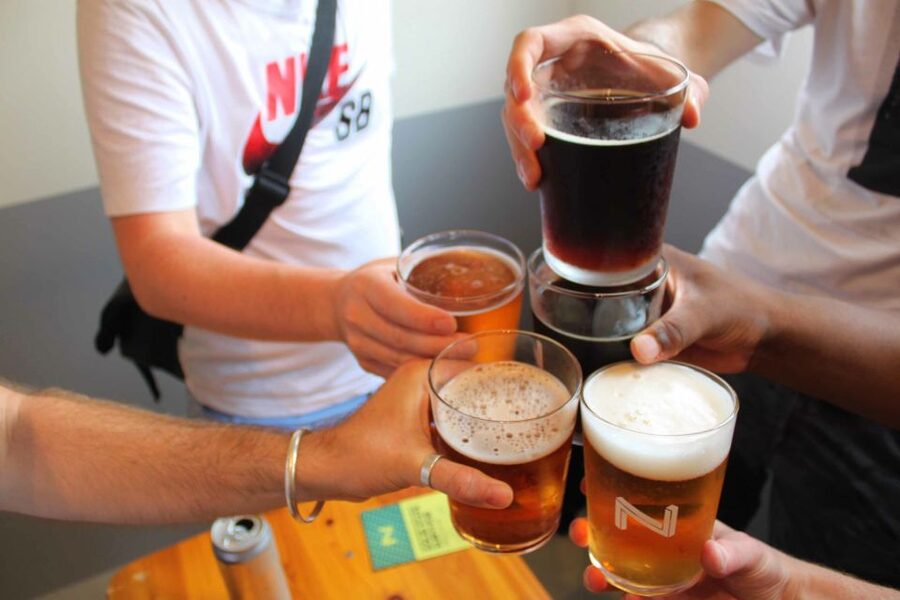
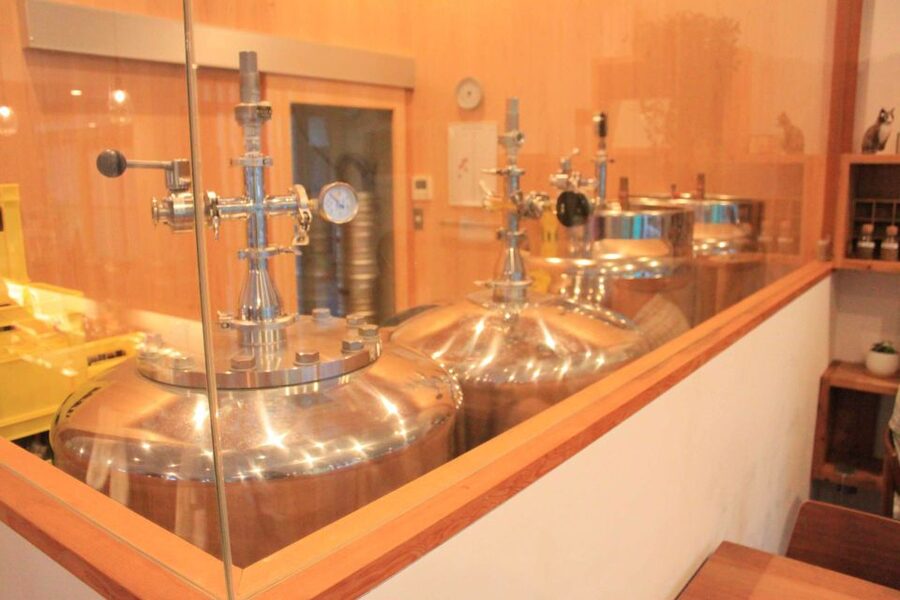
- Local craft beer: Nara Machi Craft Beer includes a drink and Japanese snacks, though the number of beers can vary.
- A full evening meal: Shikamaru provides ramen, regional food, tapas-style dishes, and traditional sushi.
- A real walking tour: Expect about 4 to 5 kilometers on foot, in rain or shine.
Starting in Naramachi, where Nara feels local

The meeting point is near the statue of Gyoki-bosatsu, close to the main Nara station area. Depending on the option you book, the exact starting point can vary, so check your confirmation carefully.
From there, you head toward Naramachi, Nara’s old merchant district. This is a useful change of pace from the broad paths around Todai-ji and the deer park. Naramachi has narrow lanes, wooden facades, small shops, traditional homes, cafés, and businesses that still serve local customers.
The opening food stop is described as a secret stop, with about 15 minutes for a tasting. That surprise element can be fun, though the exact food is not fixed in the tour details. You should think of it as a small introduction rather than a full meal.
The walk is part of the point. You are not being driven from restaurant to restaurant. The route links food with the texture of old Nara, and your guide can help explain what you are seeing between stops. Still, this is not a formal sightseeing tour of every major temple. If you want detailed commentary on Nara’s monuments, say so early and ask questions.
More Sake and Food Tours in Japan:
- Best of Shinjuku: Izakaya Food Tour (4 Stops, 14+ Tastings)
★ 5.0 · 1,863 reviews - Kyoto: Insider Sake Brewery Tour with Sake and Food Pairing
★ 5.0 · 704 reviews - Ramen and Sushi Cooking Class with Sake Pairing Set in Tokyo
★ 5.0 · 291 reviews
Mochi pounding and the best timing tip
Mochi is made from sticky rice that is steamed, pounded, and shaped while warm. Watching the pounding is a lively part of Japanese food culture, and tasting the finished mochi immediately gives you a much better sense of its texture than packaged mochi from a souvenir shop.
The tour promises a mochi-pounding session and a freshly made piece to taste. The important practical point is timing. One outing reached the shop after the day’s demonstration had finished, even though the mochi stop took place earlier than planned. If this part matters most to you, ask the guide at the beginning when the pounding will happen and whether the schedule can be arranged around it.
That small uncertainty is worth knowing. The food may still be available even when the pounding is over, but the performance is the more interesting part. A start earlier in the afternoon may give you a better chance of seeing the full process.
Okuta and Nara’s persimmon-leaf sushi
Okuta Head Shop and Café is listed as a short tasting stop, lasting about 10 minutes. The featured food is kaki no ha zushi, a Nara specialty made by wrapping sushi in a persimmon leaf.
The leaf is not simply decoration. It helped protect and preserve the sushi in the days before modern refrigeration, and it gives the food a gentle fragrance. You normally remove the leaf before eating. The result is different from the fresh sushi most visitors picture: it has a more settled, lightly seasoned character.
This is one of the tour’s strongest food choices because it is closely tied to Nara. You can buy the sushi on your own, but having a guide explain what makes it local gives the tasting more meaning. The stop is brief, so do not expect a long meal here. It is a regional sample, not the evening’s main course.
The food is also worth discussing if you have restrictions. One past guide, Remy, took care to find suitable options for someone avoiding gluten. That does not guarantee every dietary request can be met, so tell the operator in advance and repeat the request to your guide at the start.
Harushika Sake Brewery, five pours and a useful lesson

A short walk brings you to the Harushika Sake Brewery store for about 30 minutes. This is a tasting stop rather than a full working-factory tour. You learn about sake, its production, and its place in Japanese drinking culture, then sample up to five types.
The range of sake is what makes this stop useful for beginners. Instead of deciding that you either like or dislike sake after one glass, you can compare different styles. Pay attention to sweetness, fragrance, weight, and finish. If the guide explains how each type is made or served, the tasting becomes much easier to follow.
There is an important value question here. Harushika also allows people to do tastings independently, so this stop alone does not justify the $96 price. The tour earns its keep only if the guide adds context, helps you compare the pours, and connects the sake to the food that follows.
One criticism of an earlier outing was that the brewery was treated as a tasting shop rather than a proper brewery visit. That is a fair expectation to manage. Book this for the sake education and selection, not for an extended behind-the-scenes production tour.
More Craft Beer Tours in Japan:
- Nara – Craft Beer, Sake & Food Walking Tour
★ 4.0 · 7 reviews
Nara Machi Craft Beer and Japanese snacks
After about 10 minutes of walking, you reach Nara Machi Craft Beer. The planned stop lasts 45 minutes and includes craft beer plus local snacks.
This is the tour’s modern counterpoint to the sake tasting. Nara’s small-batch beer scene gives you a chance to try something made in the city rather than choosing a familiar international label. The snacks help keep the stop from becoming a simple drinking break.
The exact beer format needs a little caution. The tour describes an included drink, but one past outing offered one full-size beer per person rather than several small tasting pours. The group paid separately to try a third beer. Another outing included only two beers. If you are booking mainly for a serious beer flight, ask exactly what is included on your date.
That does not make the stop poor value. A full beer, local snacks, and time to talk can be pleasant. It simply means you should not assume that five beer samples are included just because the tour offers up to five sakes at the earlier stop.
The guide matters here. Melody received strong praise for making the evening social and enjoyable, while another outing felt quiet and required the participants to drive most of the conversation. If you prefer a guide who explains brewing, ask direct questions about the beer and its ingredients.
A short look at Naramachi’s lattice houses
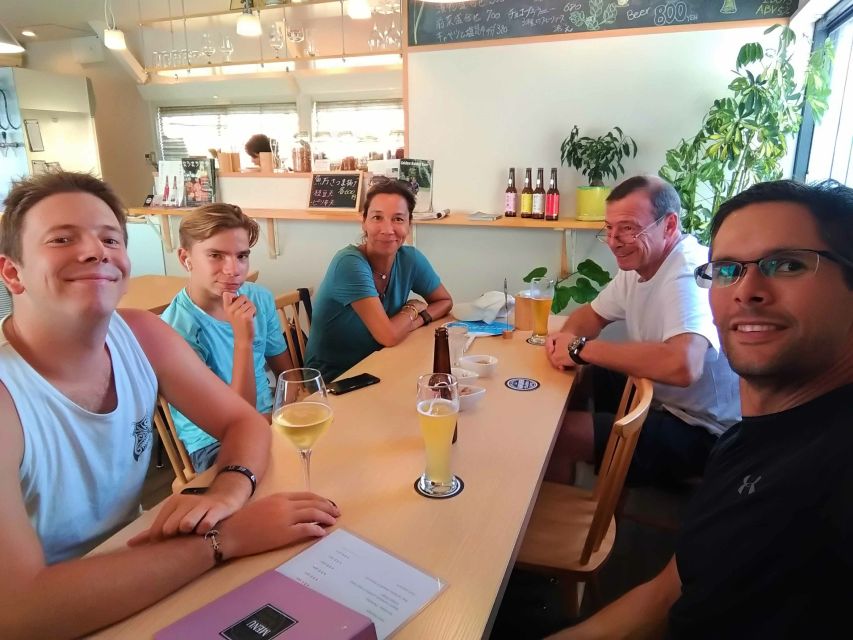
The route includes about 15 minutes at Naramachi Koshi-no-Ie, a traditional lattice house. This stop breaks up the eating and drinking with a look at domestic architecture.
The lattice frontage is a familiar feature of old Nara homes. It shows how a house could function as both a residence and a place of business, with a modest public face toward the street and living space behind it.
Fifteen minutes is enough for a quick look, not a full architectural visit. That is probably the right balance on a food walk, especially after several tastings. If you want to study the building in detail, you will need to return independently.
The stop also gives you a chance to walk off some of the food. By this stage, you have already covered several kilometers, and the remaining walk leads to the main dinner.
Shikamaru brings the tour to the table
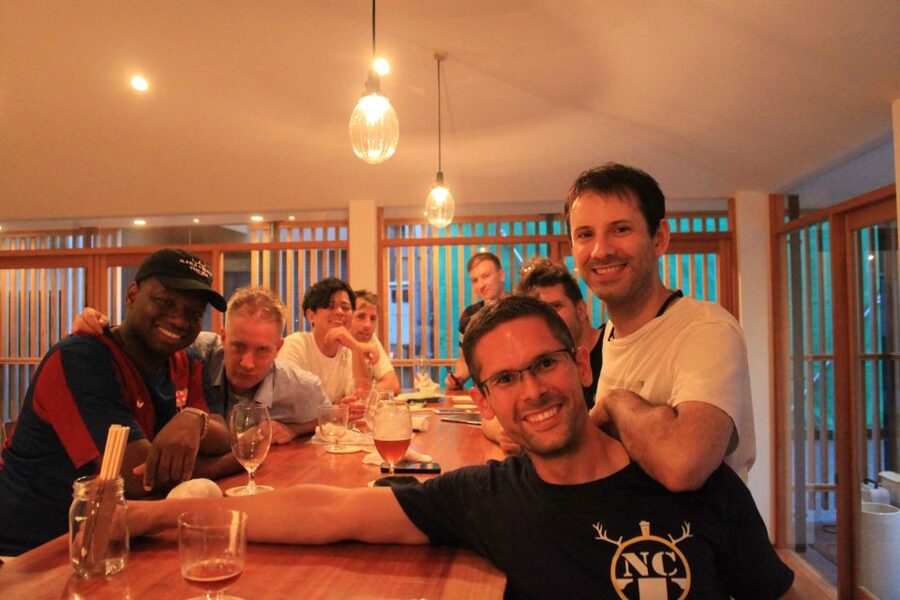
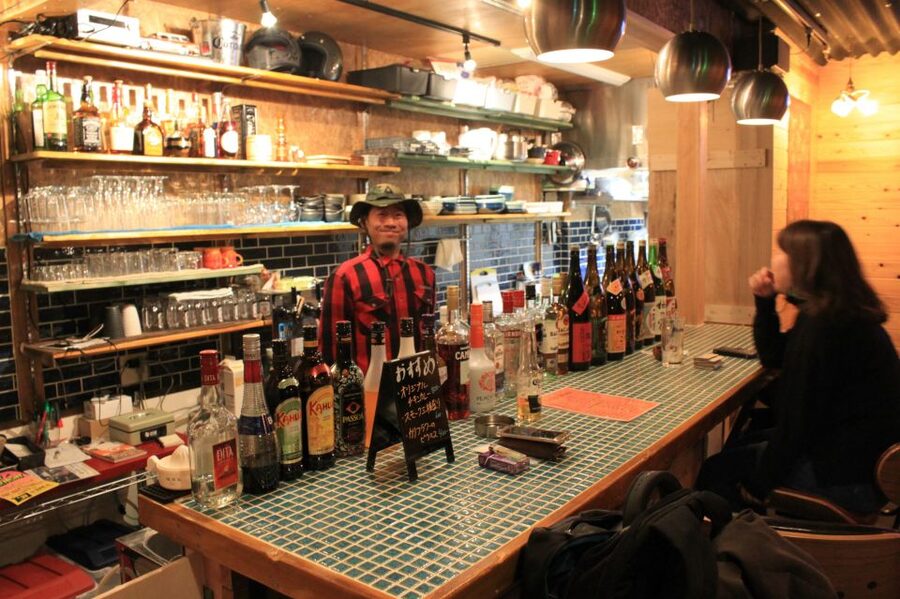
The final stop is Shikamaru, reached after another short walk. Plan on about an hour here, with dinner, ramen, regional dishes, tapas-style plates, drinks, and traditional sushi.
This is where the schedule shifts from sampling to a proper meal. The menu is described as a light Western and Japanese fusion dinner, followed by ramen and a visit to a traditional sushi restaurant with about 65 years of history. The supplied route names Shikamaru as the principal dinner stop, so the exact order and dishes may depend on the evening’s arrangements.
You should not expect a large restaurant feast that lets you choose anything on the menu. Food and drinks are included within a preset amount at each stop. Extra food and drinks are available for purchase, but they cost more.
The final meal helps make the price easier to understand. If you paid separately for the sake tasting, craft beer, snacks, ramen, sushi, and smaller tastings, the total could climb quickly. The $96 fee is not cheap for a walking tour, but it is reasonable if the included portions satisfy you and the guide adds useful local detail.
If you are a heavy eater or drinker, the value is less certain. You may want to buy an extra dish or drink, and those additions are not part of the advertised price. If you want a relaxed dinner with plenty of time at one restaurant, choose a normal restaurant reservation instead.
How much walking and talking to expect
The route covers roughly 4 to 5 kilometers and takes 3.5 hours. The walking is broken into short sections, with the longest listed stretch about 15 minutes, but you are still on your feet for most of the evening.
Wear comfortable shoes. The tour runs in rain or shine, so carry weather protection and avoid footwear that becomes uncomfortable when wet.
The guide is central to the quality of the experience. English and French are offered, but French is not guaranteed on a shared tour. The guides all speak at least English and Japanese, and a French-speaking guide may alternate between English and French if available. Contact the operator ahead of time if French is essential.
Single people can book, but the tour needs at least two participants to operate. If only one person is booked, the session may be canceled, with a rescheduled date or full refund offered. That rule matters if you are building a tight Nara schedule.
Private groups are available. A private booking may be the better choice if you want more time for questions, have dietary needs, or care strongly about French-language guiding. It may also help avoid the quiet, walk-and-pay feeling that can occur when the guide is not actively explaining each stop.
What the $96 price really buys
At $96 per person, this is a mid-priced food experience rather than a cheap bar crawl. The fee includes the bilingual guide, preset food portions, preset drinks and snacks, and downloadable souvenir photographs.
The strongest value comes from combining several different experiences in one evening:
- A Naramachi walk
- Fresh mochi and regional sushi
- A sake tasting of up to five types
- Craft beer and local snacks
- A traditional house
- Ramen and a substantial final meal
You also avoid the work of finding each shop, checking opening times, and deciding what to order. That convenience is useful in Nara, where smaller businesses may not have much English information.
The weak point is that some stops can be visited independently. Harushika offers its own sake tasting, and a determined visitor could find craft beer, sushi, ramen, and mochi without a guide. The tour earns its premium through timing, translation, social company, and explanations. If those extras are missing, the price becomes harder to defend.
The cancellation terms are traveler-friendly: you can cancel up to 24 hours ahead for a full refund, and you can reserve now and pay later. Those policies reduce the risk, but they do not solve the more important question of whether the day’s guide and stop arrangements will be strong.
Who will enjoy this Nara evening most
I would recommend this tour to someone who wants food to organize the sightseeing day. You get a taste of Nara’s older food traditions without spending an evening studying menus or navigating each stop alone.
It is especially suitable for:
- First-time visitors who want a quick introduction to Naramachi
- People curious about sake but unsure what to order
- Beer drinkers who want to try a local microbrewery
- Couples and small groups who enjoy walking and conversation
- Anyone looking for Nara food beyond the usual temple and deer circuit
- Visitors who appreciate a guide handling payments and ordering
It is less suitable if you want a polished cooking class, a long brewery tour, a large beer flight, or a detailed temple tour. It may also disappoint you if you expect every stop to include a special reservation or an exclusive tasting.
The mixed score reflects that difference in expectations. Some outings had warm, sociable guides such as Melody and Remy, with good food and helpful dietary attention. Another outing felt disorganized, with closed locations, a short beer tasting, and little commentary. Ask about the day’s starting time, the mochi demonstration, the number of beer pours, and what kind of guide language is available before you commit.
Should you book this Naramachi food walk?
Book it if you want a broad taste of Nara in one evening and value the combination of kaki no ha zushi, sake, craft beer, and old-town walking. The mochi and persimmon-leaf sushi give it a local identity that a generic food tour would lack.
I would book with realistic expectations. This is a guided tasting route, not a private culinary seminar. The best version depends on an engaged guide who explains the food and keeps the schedule moving. If you are flexible, comfortable walking 4 to 5 kilometers, and willing to buy an extra drink or dish if needed, the tour can be a convenient and enjoyable introduction to Naramachi.
If the mochi pounding is your main reason for booking, confirm the start time first. If craft beer is your priority, ask how many samples are included. Those two questions will tell you more about the likely value than the headline list of stops.
FAQ
How long does the Nara food and drink tour last?
The tour lasts 210 minutes, or about three and a half hours.
How much walking is involved?
You should expect to walk about 4 to 5 kilometers between the food, drink, and sightseeing stops.
Is food and drink included in the price?
Yes. Food, drinks, and snacks are included within the preset amount at each stop. Extra food and drinks can be purchased separately.
How many types of sake can I taste?
The sake stop offers tastings of up to five types of sake.
Is the tour available in French?
English and French are listed as available languages. French is not guaranteed on a shared tour, so contact the operator ahead of time if you need a French-speaking guide.
Can a single person book the tour?
Yes, a single person can book, but at least two participants are needed for the tour to operate. If only one person books, the session may be canceled and a rescheduling option or full refund offered.
More Sake Walking Tours in Japan
- Tokyo: Shinjuku Local Bar and Izakaya Guided Walking Tour
★ 4.9 · 1,794 reviews - Kyoto: Izakaya Bars Guided Walking Tour
★ 4.9 · 815 reviews - Kyoto Sake Brewery & Tasting Walking Tour
★ 5.0 · 623 reviews - Osaka: Izakaya Bars Guided Walking Tour
★ 4.9 · 385 reviews
More Food Tours in Japan
- Tokyo: The Best of Izakaya in Shinjuku Food & Cultural Tour
★ 4.9 · 221 reviews - [1 Group Only] Osaka Street Food Tour for Family
★ 5.0 · 208 reviews - [1 Group Only] Tokyo Shinjuku Food Tour for Family
★ 5.0 · 147 reviews - Osaka Authentic Local Izakaya Hopping Experience: Food & Drinks
★ 5.0 · 99 reviews
Just added around Japan
- Tokyo: Serene Sakura & Sake: An Exclusive Brewery Pairing Lunch★ 5.0 · 2 reviews
- Tokyo Sake Tasting Tour with a Sake Expert★ 5.0 · 7 reviews
- Wagyu BBQ & Sukiyaki with Sake Pairing Experience near Ginza★ 5.0 · 2 reviews
- Japanese Sake Tasting & Wagyu Sukiyaki Cooking Class in Tokyo★ 5.0 · 10 reviews
- Tokyo Izakaya crawl (A tour of 2 izakayas, 1 bar, and a shrine)★ 5.0 · 8 reviews
- Private Tokyo Food Tour – Retro Akabane Izakaya Experience★ 5.0 · 14 reviews
- Tokyo: Learn the Art of Chopsticks in a Cozy Izakaya!★ 5.0 · 2 reviews
- Shinjuku Underground Nightlife Tour: Izakaya Food & Bar Hopping★ 5.0 · 11 reviews
Nara Sake Tours, compared.
Private Nara Tour and Sake Tasting (Departing from Kyoto/Nara)
Read our review →
Nara Sake Tasting Tour at Local Brewerie(tasting fee included)
Read our review →
Nara: Sake Tasting Tour at the Birthplace of Japanese Sake
Read our review →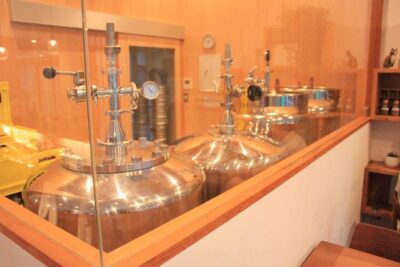
Browse the lists this tour appears in