
REVIEW · TOKYO SAKE TOURS
10 kinds Sake Tasting Experience in Tsukiji with local!!
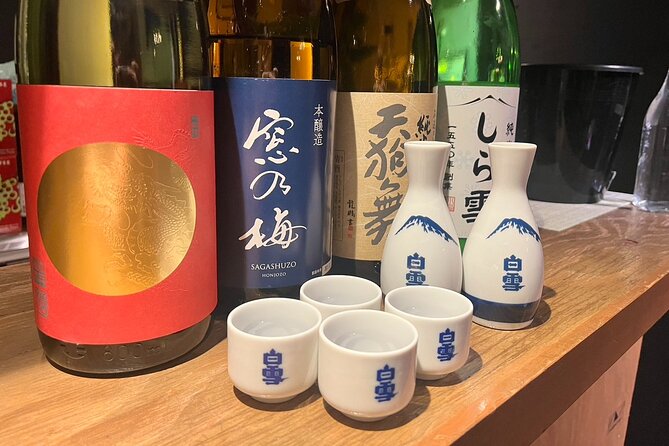
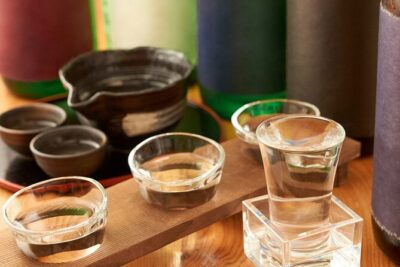
The best part of this experience is the chance to compare about 10 different sakes in one sitting, rather than ordering one unfamiliar bottle and hoping for the best. A local guide explains what you are drinking, how it was made, and why sakes from different parts of Japan can taste so different.
I like the private format and the practical teaching. I also like the handouts, small snacks such as nuts and soybeans, and the fact that a guide can help with language questions. The main drawback is simple: ten samples in 90 minutes can catch up with you, so pace yourself and do not arrive planning to treat this as a race.
Key points to know before booking
- About 10 sake samples: Compare several styles, with one session reported to include 11 pours.
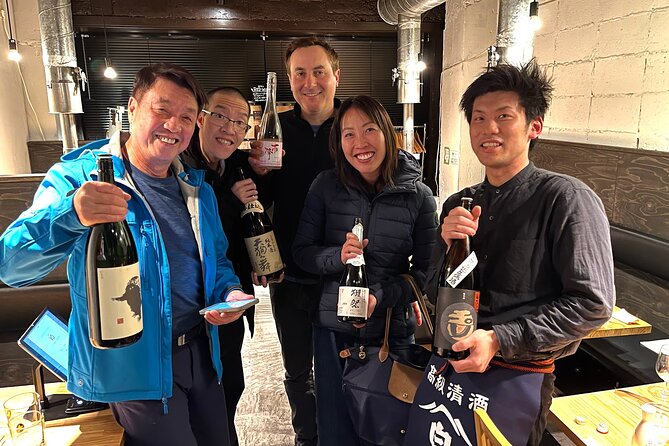
- Private setting: Only your group takes part, making it easier to ask questions or request help in English.
- Clear sake lessons: Learn about Junmai, Daiginjo, brewing methods, regional differences, and drinking etiquette.
- Nomuno meeting point: Meet at Wagyu Yakiniku & Sake all-you-can-drink Niku-no-Himalaya to nomuno in Shintomi.
- Small snacks included: Nuts and soybeans help keep the tasting comfortable.
- Ninety minutes for $62.40: The price makes the most sense if you value guided comparison and cultural context, not just alcohol.
Ten sakes, one useful introduction
This is not a quick drink at a bar. It is a guided comparison designed to show how broad sake can be.
You can expect around 10 samples, with the session covering basic sake information, ways to drink it, quality classifications, and regional differences. The tasting may move from lower-priced or more basic examples toward higher-quality pours, giving you a simple way to notice changes as you go.
That progression matters. If you have only tried one sake before, the labels can be confusing. Junmai, Daiginjo, and other terms refer to different production rules and styles, but a label alone does not tell you exactly what you will enjoy. Tasting several side by side helps you connect the explanation to what is in your glass.
A private session also gives you room to stop and ask questions. You can ask about serving customs, ingredients, flavor, or how a bottle differs from one you have seen in Japan. The format is relaxed rather than formal, so it suits curious beginners more than serious sake specialists looking for an advanced certification course.
More Sake Tastings in Tokyo:
- Best of Shinjuku: Izakaya Food Tour (4 Stops, 14+ Tastings)
★ 5.0 · 1,863 reviews - Ramen and Sushi Cooking Class with Sake Pairing Set in Tokyo
★ 5.0 · 291 reviews - Sake Tasting Masterclass in Shinjuku (8+ Varieties with a Pro)
★ 5.0 · 271 reviews
Meeting at Nomuno in Shintomi
The meeting point is Wagyu Yakiniku & Sake all-you-can-drink Niku-no-Himalaya to nomuno, at 2-chome-13-2 Shintomi, Chuo City, Tokyo 104-0041. This is the venue for both the start and finish, so you do not need to follow a guide through several parts of Tokyo.
The restaurant setting gives the tasting a local food-and-drink feel. One guide, Matsu, is also a chef at Nomuno, which adds a useful connection between sake and Japanese dining. You may get more from the session if you think of sake as part of a meal, not simply as a Japanese version of wine.
Allow extra time to locate the entrance. The address is specific, but the venue can be a little hard to spot, especially if you are arriving for a daytime appointment or navigating Tokyo for the first time. Keep the address ready on your phone and use the mobile ticket details before setting out.
The activity ends back at the same meeting point. That is convenient if you plan to continue with dinner nearby, though the tasting itself should not be confused with a full yakiniku meal. Small snacks such as nuts and soybeans have been included, but the supplied details do not promise a complete food service.
What happens during the 90-minute tasting
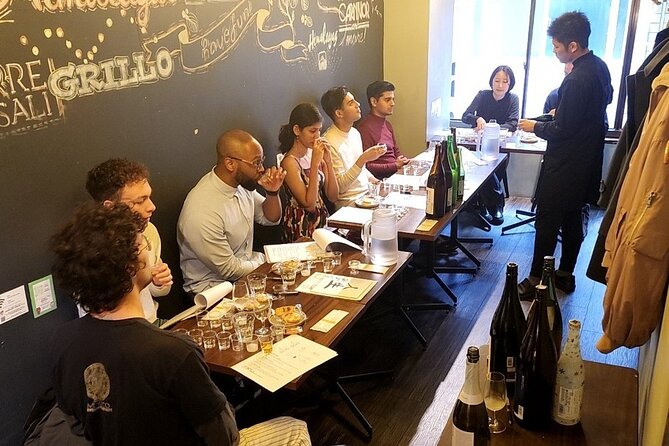
The session begins with the basics: what sake is, how people drink it, and how the main categories differ. Your guide then uses the samples to show those differences rather than leaving you with a list of technical terms.
You can expect explanations of classifications including Junmai and Daiginjo. The guide also discusses how sake is brewed and how production choices affect the finished drink. The details are presented with handouts in at least some sessions, so you have something to refer back to after the tasting.
The regional comparison is another strong point. Sake is made across Japan, and the session introduces differences between areas of the country. You may not leave able to identify a prefecture by smell alone, but you should have a better idea of why bottles from different regions can offer different experiences.
The tasting itself is the heart of the hour and a half. Ten samples sound manageable, but the pours add up. One session included 11 sakes, and that is enough alcohol to affect your judgment even if each serving is small. Eat beforehand or use the provided snacks, drink slowly, and remember that the goal is comparison, not finishing first.
Why the private format helps
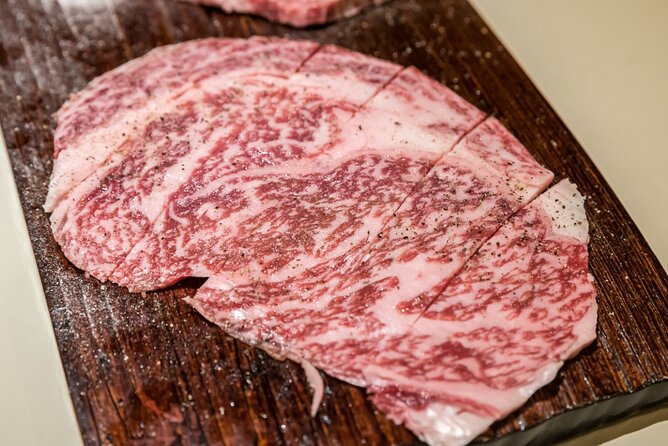
A private activity can be worth paying more for when the subject is unfamiliar. You are not competing with a large group to hear the guide, and you can ask basic questions without feeling you are holding up a room.
The private booking also works well for couples, friends, and families with adult members who have different levels of sake experience. Someone can ask about brewing while another person focuses on flavor or etiquette. The host can also help with language barriers, which is useful when you want to ask a precise question about a Japanese label or custom.
The tone is informal. That makes the session approachable, but you should not expect a polished lecture with a formal tasting-room setup. The appeal is the conversation, the comparison, and the local point of view.
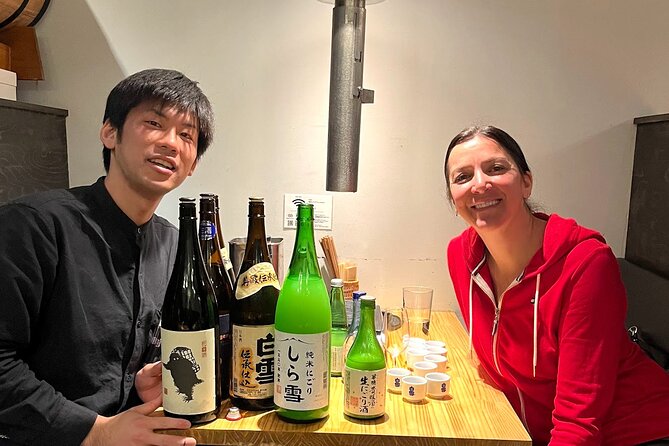
Guide Matsu has been described as speaking English very well and offering information sheets. Other sessions have been led by a friendly manager or chef at Nomuno. Since the exact guide may vary, the experience is best booked for its format and setting rather than for a guaranteed named host.
More Sake Tours with a Local Guide in Tokyo:
- Tokyo: Shinjuku Local Bar and Izakaya Guided Walking Tour
★ 4.9 · 1,794 reviews - Tokyo: Shinjuku Local Bar & Izakaya Crawl Tour
★ 5.0 · 890 reviews - Shibuya: Local Bar & Izakaya Crawl
★ 4.9 · 354 reviews - Tokyo: Shibuya Local Bar & Izakaya Crawl Tour
★ 5.0 · 218 reviews
What you learn about sake labels
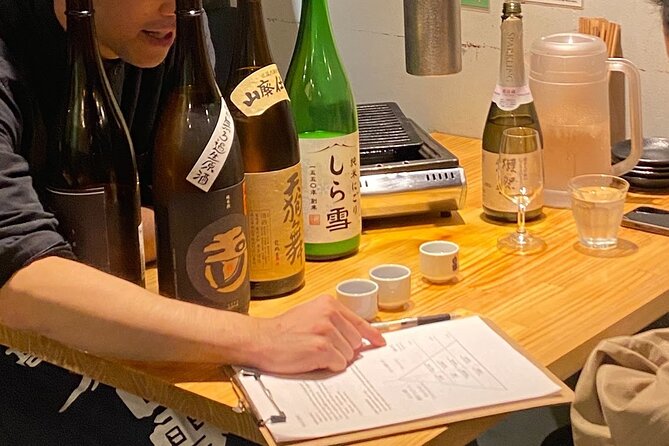
Sake labels can seem difficult because the words do not work like familiar wine categories. This tasting gives you a basic map.
Junmai is discussed as one classification, while Daiginjo represents another style with different production rules. The guide explains these distinctions in plain terms and lets you taste the result. That is far more useful than memorizing definitions without a glass in front of you.
You also learn that quality is not one simple ladder. A more expensive or highly classified sake will not automatically be your favorite. Some people prefer a fuller, more direct style, while others like a lighter and more fragrant pour. Tasting from simpler examples toward higher-quality selections helps you notice your own preference.
The session also covers drinking etiquette. You can learn how sake is served and the basic customs around drinking it. These small lessons are useful later in Tokyo, especially if you order sake at a restaurant and want to make a confident choice rather than pointing at a random bottle.
Snacks, food, and the restaurant setting
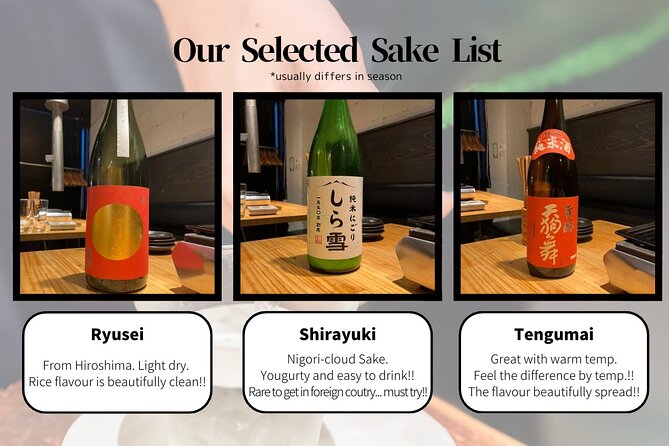
Small snacks are part of the experience. Nuts and soybeans have been served between samples, giving you something salty to eat as you move through the lineup.
That matters for two reasons. First, snacks make the tasting more comfortable. Second, they show how sake works with food. The venue is connected to wagyu yakiniku, and the guide has a chef background, so food pairing can become part of the conversation even though a full barbecue meal is not listed as part of the activity.
If you want dinner, treat it as a separate plan unless your booking information says otherwise. The restaurant setting may make it convenient to eat after the tasting, but do not assume the $62.40 price includes an all-you-can-eat meal simply because the venue name includes that wording.
Is $62.40 a fair price?
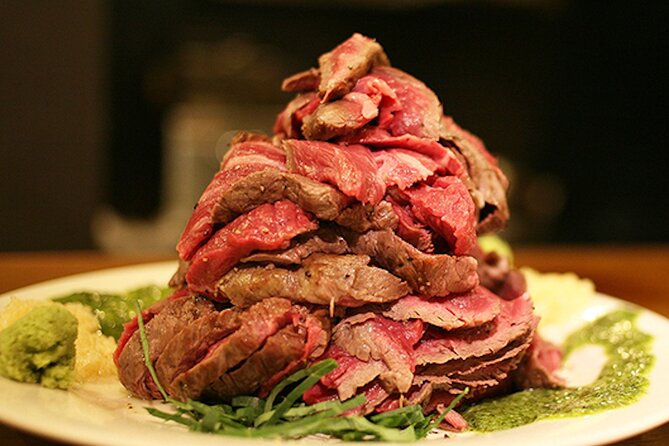
At $62.40 per person, this is not the cheapest way to drink sake in Tokyo. You could buy a bottle or order a few glasses for less, especially if your only goal is to sample alcohol.
The value comes from the guided comparison. Your price covers roughly 10 samples, a private guide, explanations of brewing and classifications, regional context, etiquette, language help, and small snacks. If you would otherwise spend an evening guessing at labels, the structure can save money and frustration.
I think the price is easier to justify for first-time sake drinkers, food-focused visitors, and people who want a local conversation rather than a self-guided tasting. It is less convincing for someone who already knows sake well or wants a long meal with generous portions.
The average booking lead time is 27 days, which suggests you should not leave it until the last minute if the timing matters. Confirmation is sent within 48 hours, subject to availability. Free cancellation is available until 24 hours before the start time. Changes or cancellations inside that window are not accepted for a refund.
Who will get the most from this experience?
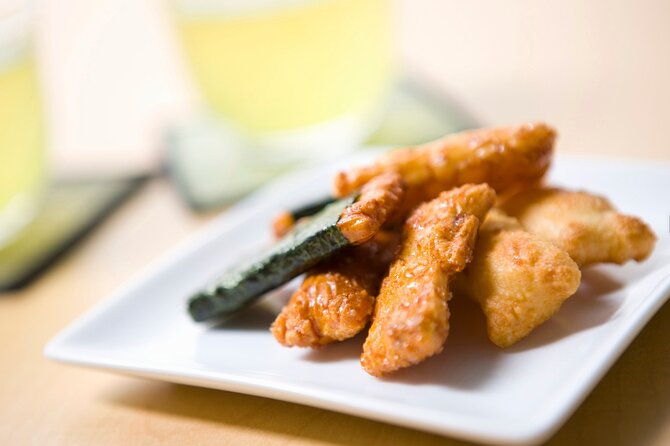
This is a good choice if you are curious about Japanese food culture but do not yet know how to order sake. The guide gives you a working vocabulary and lets you test it immediately.
It also suits solo visitors. One person who booked at noon on a Wednesday ended up with a one-on-one conversation, and the private format means a small booking can feel personal rather than awkward. If you are comfortable talking with a local guide, that quiet setting may be a real advantage.
Couples and small groups should enjoy the social side, especially if one person is more interested in history and another in taste. The informal approach leaves room for conversation about Japan as well as sake.
I would be more cautious if you dislike alcohol, need a very short tasting, or prefer a full meal to small snacks. The session is also not ideal if you want a nightlife crawl. You stay at one location and return to the same meeting point.
Practical tips for a better tasting
- Eat something before you arrive, even though snacks are provided.
- Pace yourself. Ten samples can be more alcohol than you expect.
- Keep the meeting address and mobile ticket open on your phone.
- Arrive early enough to find the entrance in Shintomi.
- Ask about styles you already know. Comparisons are more useful when tied to your own taste.
- Do not assume the most expensive sample will be your favorite.
- Plan your evening with the 90-minute duration in mind, and avoid scheduling something that requires you to rush away.
- If you want dinner, confirm separately what is included and what must be ordered at the venue.
My take: should you book it?
I would book this if you want a friendly, focused introduction to sake and like the idea of trying many styles with a local guide. The private format, English support, handouts, and snacks make the experience more useful than simply ordering a glass at random.
The strongest reason to go is the comparison of about 10 sakes. The main caution is the amount of alcohol packed into 90 minutes, so arrive prepared to drink slowly. At $62.40, it is a fair buy for cultural context and guided tasting, but not for food alone.
Book it if you want to leave Tokyo knowing what Junmai and Daiginjo mean, how regional bottles differ, and which styles you actually like. Skip it if your priority is a large dinner, a party atmosphere, or the lowest possible price for a drink.
FAQ
How long does the sake tasting last?
The activity lasts approximately 1 hour and 30 minutes.
How many sakes will I taste?
You can expect to taste around 10 varieties. One session included 11 samples.
Is the activity private?
Yes. Only your group participates in the private activity.
Where does the experience start?
It starts at Wagyu Yakiniku & Sake all-you-can-drink Niku-no-Himalaya to nomuno, at 2-chome-13-2 Shintomi, Chuo City, Tokyo 104-0041, Japan.
Where does the experience end?
The activity ends back at the same meeting point.
Will I learn about Junmai and Daiginjo?
Yes. The session covers sake quality classifications including Junmai and Daiginjo, along with basic brewing information.
Are snacks included?
Small snacks such as nuts and soybeans have been included during the tasting.
Can I cancel for a full refund?
Yes, if you cancel at least 24 hours before the experience start time. Cancellations or changes made less than 24 hours before the start time are not accepted for a refund.
Just added around Tokyo
- Tokyo Sake Tasting Tour with a Sake Expert★ 5.0 · 7 reviews
- Wagyu BBQ & Sukiyaki with Sake Pairing Experience near Ginza★ 5.0 · 2 reviews
- Tokyo: Serene Sakura & Sake: An Exclusive Brewery Pairing Lunch★ 5.0 · 2 reviews
- Japanese Sake Tasting & Wagyu Sukiyaki Cooking Class in Tokyo★ 5.0 · 10 reviews
- Tokyo Izakaya crawl (A tour of 2 izakayas, 1 bar, and a shrine)★ 5.0 · 8 reviews
- Private Tokyo Food Tour – Retro Akabane Izakaya Experience★ 5.0 · 14 reviews
- Tokyo: Learn the Art of Chopsticks in a Cozy Izakaya!★ 5.0 · 2 reviews
- Shinjuku Underground Nightlife Tour: Izakaya Food & Bar Hopping★ 5.0 · 11 reviews
Tokyo Sake Tours, compared.
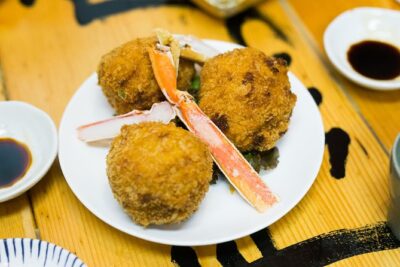
Best of Shinjuku: Izakaya Food Tour (4 Stops, 14+ Tastings)
Read our review →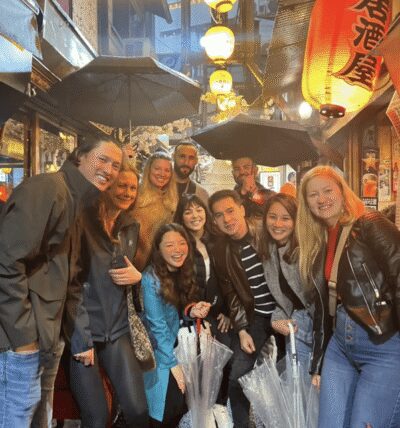
Tokyo: Shinjuku Local Bar and Izakaya Guided Walking Tour
Read our review →
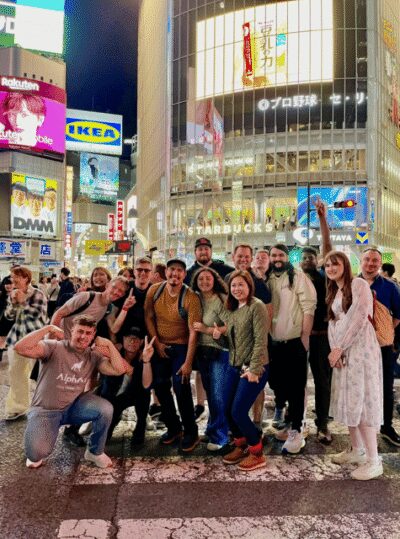
Ramen and Sushi Cooking Class with Sake Pairing Set in Tokyo
Read our review →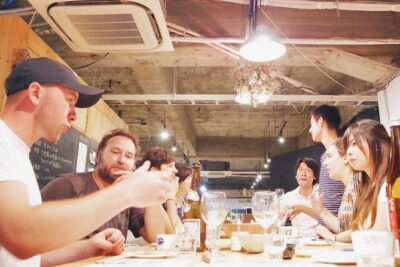
Sake Tasting Masterclass in Shinjuku (8+ Varieties with a Pro)
Read our review →
Tokyo Washoku 4-hour Cooking Class: From Market to Table
Read our review →
Sake Omakase in Tokyo: Guided Tasting by Certified Sommeliers
Read our review →Browse the lists this tour appears in