
REVIEW · TOKYO SAKE TOURS
7 Kinds of Sake Tasting with Complementary Foods
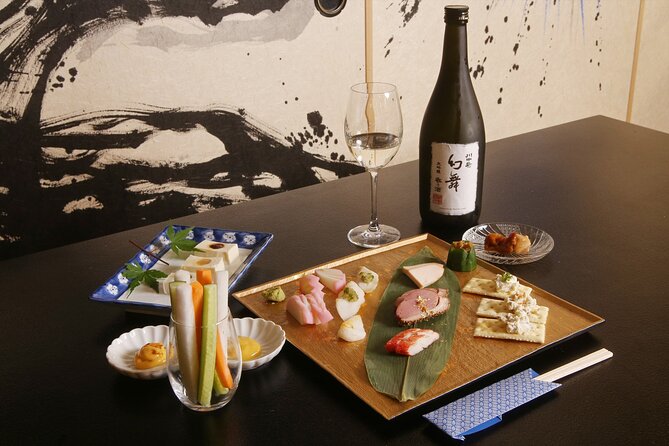
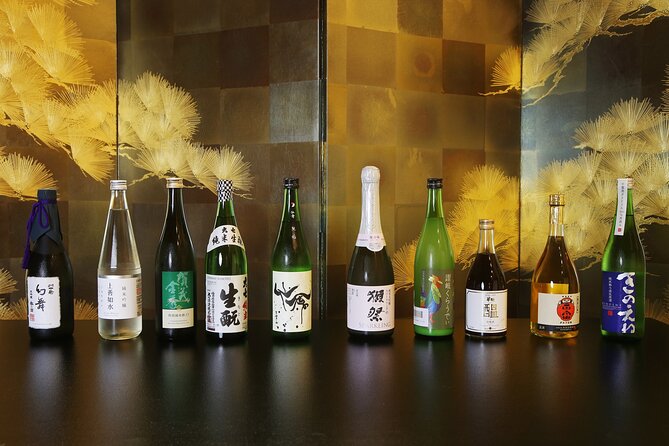
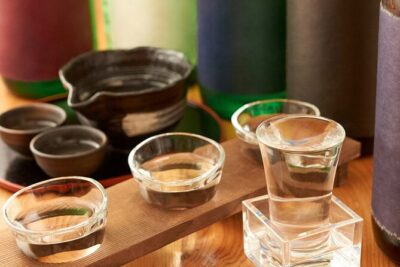
The clever part of this Tokyo evening is the full progression: seven sakes from seven Japanese regions, each matched with a small dish. You start with an easy way into sake, then move through sparkling, sweet, savory, and dessert-friendly styles while a certified instructor explains what is in your glass.
I like the practical food pairing lesson, since it gives you a reason to taste each sake rather than simply count pours. I also like the production explanation, which helps beginners understand why two bottles made from the same basic ingredients can taste so different. The main drawback is price: at $107.50 per person, this is not a quick sampling stop, and the setting is a basement room in an office building rather than a traditional brewery or polished restaurant.
Key points to know before booking
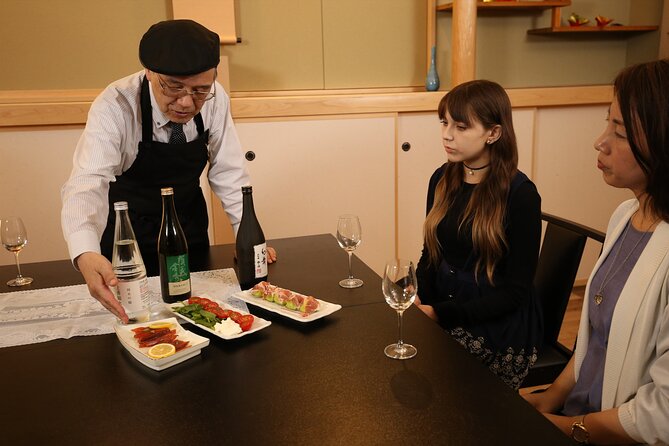
- Seven sakes, seven paired dishes: The tasting moves beyond drinks alone, with Japanese and Western foods served alongside each pour.
- A useful first lesson for beginners: You learn sake history, production, varieties, and ways to identify styles you enjoy.
- Sparkling and dessert sake are included: The selection is designed to show a wide range, not just dry sake.
- Dinner may be partly covered: The food is described as small bites, but the multi-course serving can be substantial enough for supper.
- A central Tokyo evening stop: Meet at 6:15 pm at Kikai Shinko Kaikan in Shibakoen, near Tokyo Tower and public transportation.
- Plan for a possible large group: The maximum is 100 people, so the atmosphere may vary from personal and relaxed to more class-like.
Seven pours that make sake easier to understand
Sake can seem confusing because labels often use unfamiliar terms, rice varieties, polishing numbers, and serving suggestions. This tasting gives you a simpler starting point: taste seven distinct examples and listen to how the instructor explains their differences.
The selection comes from seven regions of Japan. That matters because sake reflects more than a producer’s recipe. Water, rice, brewing methods, climate, and local traditions all affect the final drink. You are not expected to memorize every detail. Instead, you get a practical sense of how regional styles can vary.
The tasting includes several types of sake, including sparkling sake, sweet sake, and sake suited to dessert pairings. That range is especially useful if your only previous experience has been with one dry, chilled bottle at a Japanese restaurant.
I like this format because it gives you comparisons. A single glass can be enjoyable, but it is hard to know what you are tasting without a second style beside it. Seven pours let you notice changes in sweetness, fragrance, body, and finish. The instructor can point out those shifts as they happen, when the glass is still in front of you.
The event lasts about 1 hour and 15 minutes. That is long enough for a proper introduction but short enough to fit neatly into an evening in Tokyo. Start time is 6:15 pm, so you can use it as an early dinner plan or pair it with sightseeing around Tokyo Tower and Shibakoen.
More Sake Tastings in Tokyo:
- Best of Shinjuku: Izakaya Food Tour (4 Stops, 14+ Tastings)
★ 5.0 · 1,863 reviews - Ramen and Sushi Cooking Class with Sake Pairing Set in Tokyo
★ 5.0 · 291 reviews - Sake Tasting Masterclass in Shinjuku (8+ Varieties with a Pro)
★ 5.0 · 271 reviews
What the sake lesson actually covers
The class begins with the culture and history of Japanese sake, followed by an explanation of how sake is made. You learn the basic process and the broad styles available, rather than receiving a technical lecture with no connection to your glass.
That balance is important. If you are new to sake, production details can become a blur of unfamiliar words. Here, the information is tied to the tasting, so you can connect the explanation to what you are drinking.
You also learn how to appreciate different flavors. The instructor helps you look at sake as more than simply sweet or dry. You may find yourself thinking about aroma, texture, balance, and the way the finish changes when you eat.
The class is led by a nationally accredited sake instructor, described as a certified sake sommelier. One particularly praised instructor is Micki, who was noted for explaining both the sake and the food pairings with warmth and clarity. Since instructors can vary, you should think of Micki as a named example rather than a guaranteed host for every date.
The teaching style appears friendly and conversational. That helps if you arrive knowing very little. You can ask questions about production, regional differences, or how to choose a bottle later in your trip without feeling that you need specialist vocabulary first.
Seven dishes, from savory bites to dessert
The food is not an afterthought. Each of the seven sakes is served with a complementary Japanese dish, with some Western food included as well. The point is to show how sake changes when you eat, and how the right pairing can make both the drink and the dish more enjoyable.
This is one of the best reasons to book the session. You do not just hear that a sake works with a certain food. You taste the combination and get an explanation of why it fits.
The pairings can include sweet courses and dessert combinations, which many first-time sake drinkers do not expect. Sweet sake is often a surprise for people who associate the drink only with savory Japanese meals. A dessert pairing shows another side of sake and may help you find a style you would not have ordered on your own.
The food is described in different ways, from small bites to a multi-course meal. You should not book it expecting a formal full restaurant dinner, but the portions may add up to enough for supper, especially for a light eater. One account described the food as substantial rather than a token snack.
That makes the $107.50 price easier to assess. You are paying for seven drinks, seven food pairings, instruction, and the chance to ask questions in one organized sitting. It is still a significant amount, especially if you are mainly looking for a drink or two. But if you would otherwise pay for dinner and several sake samples, the value becomes more reasonable.
Dietary requirements should be provided when booking. Extra food and beverages are not included, so budget for those separately if you want more after the class.
A practical meeting point near Tokyo Tower
The meeting point is Kikai Shinko Kaikan, at 3-chome-5-8 Shibakoen in Minato City. The building is near public transportation and across from Tokyo Tower, according to the location description.
Do not expect the address to look like a traditional sake cellar. The tasting takes place in the basement of an office building, which can feel unusual when you first arrive. That setting is a small drawback if atmosphere is a major part of your Tokyo dining plans.
Once inside, the room becomes more important than the exterior. The location provides a functional place for a guided lesson, food service, and a group tasting. You may want to allow a little extra time to find the correct building and room, especially if you are coming straight from another sight.
Tokyo Tower gives you an easy landmark for orientation. You could plan a visit to the tower or nearby Shibakoen before the tasting, then walk to the meeting point for the 6:15 pm start. The activity returns to the same location when it ends, so you are not left at an unfamiliar neighborhood across the city.
A few more sake tours around Tokyo worth a look
- Tokyo: Shinjuku Local Bar and Izakaya Guided Walking Tour
★ 4.9 · 1,794 reviews - Tokyo: Shinjuku Local Bar & Izakaya Crawl Tour
★ 5.0 · 890 reviews - Shibuya: Local Bar & Izakaya Crawl
★ 4.9 · 354 reviews - Sake Omakase in Tokyo: Guided Tasting by Certified Sommeliers
★ 5.0 · 239 reviews
How personal is the group setting?
The maximum group size is 100 people. That is a wide range, and the mood can depend on how many people book your date. A small group can feel almost like a private class, while a fuller session may feel more like a formal presentation.
The available feedback includes both experiences. One couple had a very personal session, while a group of eight received attentive service from two hosts. That suggests the staff can manage different group sizes, but you should not assume a private tasting unless you book a separate arrangement.
The class format is likely to suit you if you enjoy learning alongside other people and asking questions when the opportunity comes up. It may be less suitable if you want a quiet, intimate dinner with long pauses between courses.
Group discounts are available, which can help if you are traveling with friends or family. A mobile ticket is also offered, making the booking simple to carry on your phone.
Who will get the most from this tasting?
This is a strong choice for a first sake experience. You do not need to know the difference between sake styles before arriving. The sequence gives you a broad introduction and helps you work out what you like.
It also suits people who already enjoy sake but want a better framework. You can compare seven types, ask about production, and learn how to pair bottles with food instead of ordering by guesswork.
Food-focused visitors will get extra value here. The tasting treats sake as part of a meal, not a separate drink. You can take the pairing ideas to a restaurant later in Japan, especially if you want to try sake with dishes beyond the familiar options.
I would be more cautious if you dislike structured instruction or want to spend the evening in a historic brewery. This is a guided class in Tokyo, not a brewery visit, and the office-building setting will not provide the atmosphere of a countryside sake estate.
It is also worth considering your drinking pace. Seven sakes in 75 minutes is a lot of comparison for one short session. The educational format keeps the tasting focused, but you should not plan demanding sightseeing immediately afterward.
Is $107.50 fair for the time and food?
The price is not cheap. The German-language feedback described the session as enjoyable but acknowledged that it was not inexpensive. That is a fair assessment.
The value depends on what you want. If you are simply thirsty for sake, you can spend less at a bar. If you want a polished introduction with seven different pours, seven dishes, a qualified instructor, and a lesson on production, the cost is easier to justify.
The food matters here. A tasting with only crackers or a few tiny samples would feel expensive at this price. The multi-course pairings make the event closer to a small educational dinner, even though extra food and drinks are not included.
You are also paying for guidance. A sake menu can be hard to read, and a random flight will not necessarily teach you much. This session gives you context for each pour and shows how food affects your impression of the drink.
My advice is to book it when sake is one of your priorities in Japan, not as a casual filler activity. If you are already planning to spend the evening on dinner and drinks, this can combine both plans in a more useful way.
Booking timing and cancellation details
This activity is often booked about 24 days ahead, so I would not leave it until the last minute if your Tokyo dates are fixed. Confirmation is sent within 48 hours of booking, subject to availability.
Free cancellation is available if you cancel at least 24 hours before the 6:15 pm start time. Cancellations or changes made later are not accepted for a refund.
Most people can participate, and the activity is near public transportation. Tell the operator about dietary requirements when you book. The stated maximum is 100 people, although the actual group may be smaller.
Should you book the seven-sake tasting?
Book this if you want a clear, friendly introduction to Japanese sake and enjoy learning through food. The strongest features are the seven regional styles, the unusual inclusion of sparkling and dessert-friendly sake, and the way each pour is tied to a dish.
I would especially recommend it for couples, small groups, and anyone who has tasted sake before but still cannot explain what they like. You leave with more than a pleasant evening. You should also have a better idea of how sake is made, which styles suit your palate, and how food can change the drink.
Skip it if you want a traditional brewery visit, a private table, or a low-cost nightcap. The basement office setting is practical rather than atmospheric, and the 100-person capacity means the session may not always feel intimate.
For the right audience, $107.50 buys a useful lesson, a generous range of sake, and enough food to make the evening feel like more than a sample flight. That makes it a smart first step into sake culture in Tokyo.
FAQ
Where does the sake tasting take place?
The meeting point is Kikai Shinko Kaikan, 3-chome-5-8 Shibakoen, Minato City, Tokyo 105-0011, Japan. The location is near public transportation and across from Tokyo Tower.
What time does the tasting start?
The tasting starts at 6:15 pm.
How long does the activity last?
The session lasts approximately 1 hour and 15 minutes.
How many kinds of sake will I taste?
You will taste seven different kinds of Japanese sake from a specially selected collection featuring sake from seven regions of Japan.
What food is included?
Seven complementary Japanese dishes are included, along with Japanese and Western food pairings served through a multi-course meal. Extra food and beverages are not included.
Is the tasting suitable for beginners?
Yes. The session covers sake history, production, varieties, and ways to appreciate different flavors, making it suitable for people with limited sake experience.
Can I cancel the booking?
You can cancel for a full refund up to 24 hours before the experience start time. Cancellations or changes made less than 24 hours before the start are not accepted for a refund.
Just added around Tokyo
- Tokyo: Serene Sakura & Sake: An Exclusive Brewery Pairing Lunch★ 5.0 · 2 reviews
- Tokyo Sake Tasting Tour with a Sake Expert★ 5.0 · 7 reviews
- Wagyu BBQ & Sukiyaki with Sake Pairing Experience near Ginza★ 5.0 · 2 reviews
- Japanese Sake Tasting & Wagyu Sukiyaki Cooking Class in Tokyo★ 5.0 · 10 reviews
- Tokyo Izakaya crawl (A tour of 2 izakayas, 1 bar, and a shrine)★ 5.0 · 8 reviews
- Tokyo: Learn the Art of Chopsticks in a Cozy Izakaya!★ 5.0 · 2 reviews
- Shinjuku Underground Nightlife Tour: Izakaya Food & Bar Hopping★ 5.0 · 11 reviews
- Private Tokyo Food Tour – Retro Akabane Izakaya Experience★ 5.0 · 14 reviews
Tokyo Sake Tours, compared.
Best of Shinjuku: Izakaya Food Tour (4 Stops, 14+ Tastings)
Read our review →
Tokyo: Shinjuku Local Bar and Izakaya Guided Walking Tour
Read our review →
Ramen and Sushi Cooking Class with Sake Pairing Set in Tokyo
Read our review →
Sake Tasting Masterclass in Shinjuku (8+ Varieties with a Pro)
Read our review →
Tokyo Washoku 4-hour Cooking Class: From Market to Table
Read our review →
Sake Omakase in Tokyo: Guided Tasting by Certified Sommeliers
Read our review →Browse the lists this tour appears in