
REVIEW · TOKYO SAKE TOURS
Tokyo: Izakaya Bar at Bistro Fukumimi, Ginza Corridor
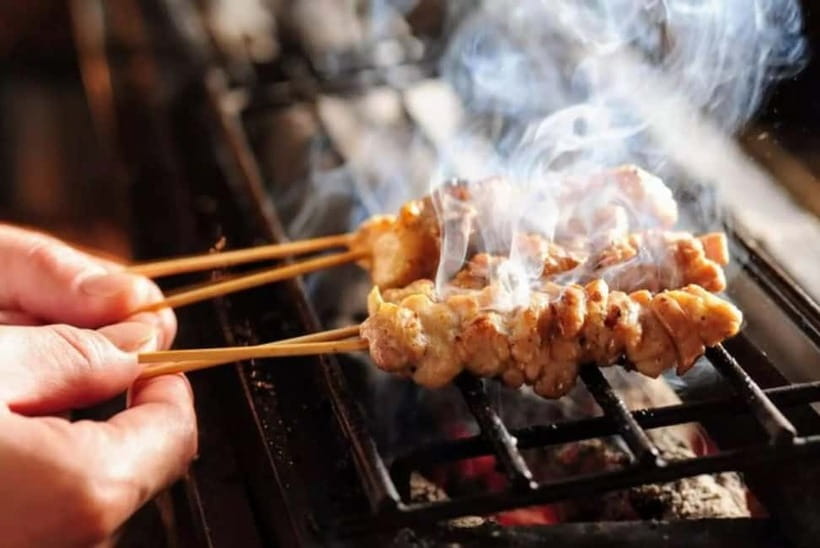
Bistro Fukumimi puts you right into the part of Tokyo dining many visitors hope to find: smoky skewers, cold drinks, quick service, and a room built for conversation. The menu moves from tender chicken meatballs and crispy chicken skin to beef tongue, mackerel, and chicken Nanban.
I like the choice between seven and 12 skewers, and I like that the two-hour meal ends with comforting chicken-broth rice porridge rather than simply stopping after the grilled food. The main consideration is atmosphere: this is an energetic, somewhat noisy izakaya, not the polished dining room suggested by some of the photos.
Key points to know
- Seven or 12 skewers: Pick the standard Fukumimi Course or the longer Kushiyaki Satisfaction Course.
- A real izakaya setting: Expect a lively Ginza bar atmosphere, friendly staff, and a room that can be loud.
- Strong variety on the grill: Menus include chicken, beef, pork, mackerel, vegetables, cartilage, and chicken tail.
- Drinking plans matter: Each course includes a bottle of sparkling sake, while two versions add all-you-can-drink service.
- A full two-hour reservation: You are booking a restaurant meal, not joining a tour with a guide.
- A useful Ginza introduction: The location works well for an evening meal when you want Japanese food culture without committing to a formal restaurant.
Yakitori in the Ginza Corridor
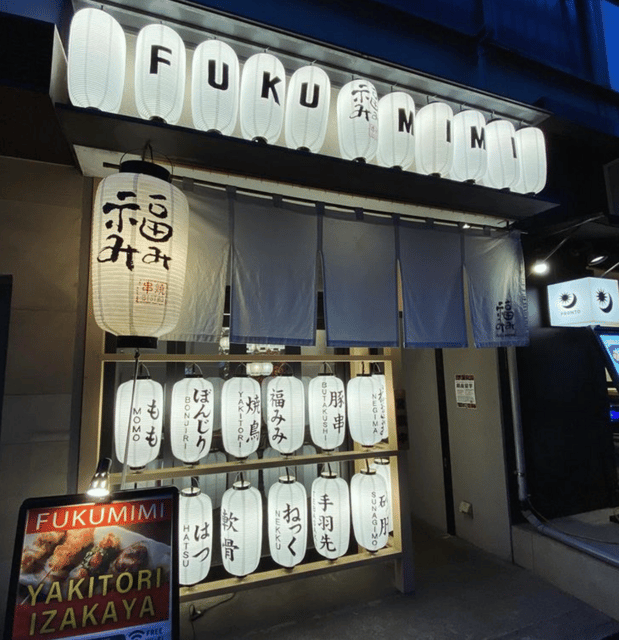
Bistro Fukumimi sits in Tokyo’s Ginza Corridor, an area known for compact restaurants and after-work dining. The setting suits an izakaya meal: you arrive, settle in, and let a sequence of small dishes and skewers fill the table over roughly two hours.
The kitchen’s focus is yakitori and kushiyaki. Yakitori usually means grilled chicken on skewers, while kushiyaki is the broader category of grilled skewered foods. Here, that difference matters because the menu goes well beyond the familiar chicken and leek combination.
The grill selection can include beef harami, beef tongue, chicken meatballs, chicken skin, wings, pork belly, chicken tail, grilled tomato, and other seasonal or selected items. A grill master chooses the assorted skewers, so you do not control every piece in advance. That is part of the fun, but it also means you should not book this meal expecting a fully customizable menu.
The restaurant describes itself as a WAGYU-focused establishment and presents the meal as a meeting point between wine and WAGYU. The specific courses supplied for this experience, however, emphasize skewers, mackerel, chicken Nanban, sparkling sake, and rice porridge. If a particular WAGYU cut or wine pairing is your main reason for booking, ask about the current menu before you arrive.
More Izakaya and Bar Hopping in Tokyo:
- Best of Shinjuku: Izakaya Food Tour (4 Stops, 14+ Tastings)
★ 5.0 · 1,863 reviews - Tokyo: Shinjuku Local Bar and Izakaya Guided Walking Tour
★ 4.9 · 1,794 reviews - Tokyo: Shinjuku Local Bar & Izakaya Crawl Tour
★ 5.0 · 890 reviews
What arrives during the Fukumimi Course
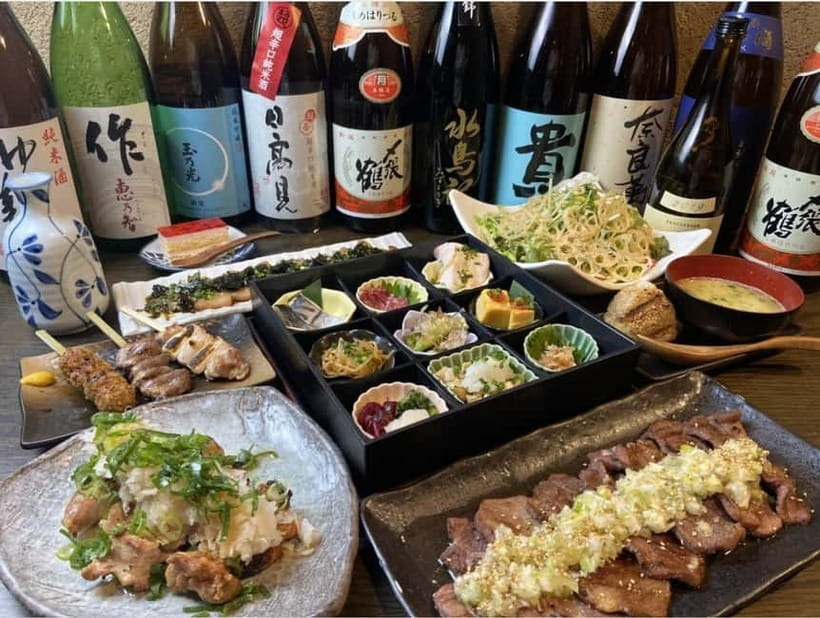
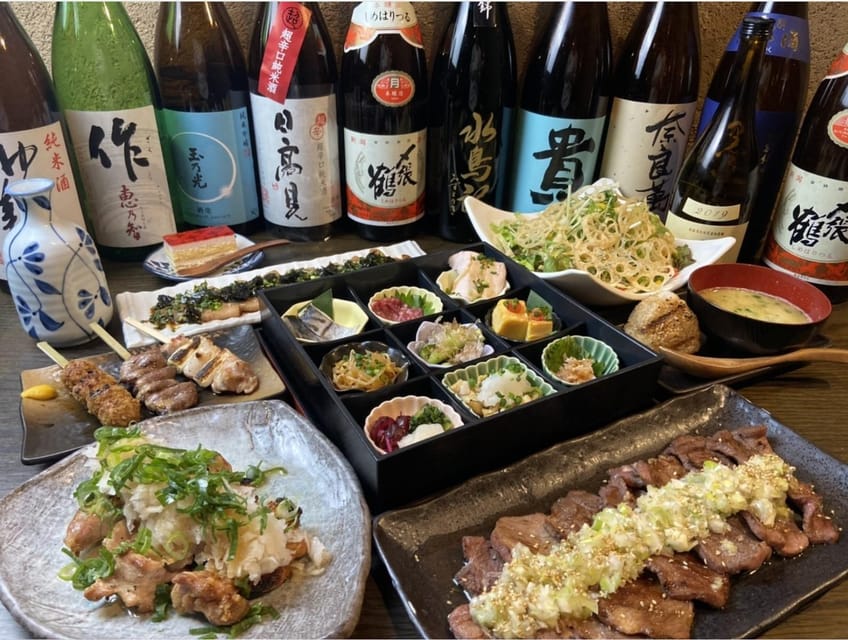
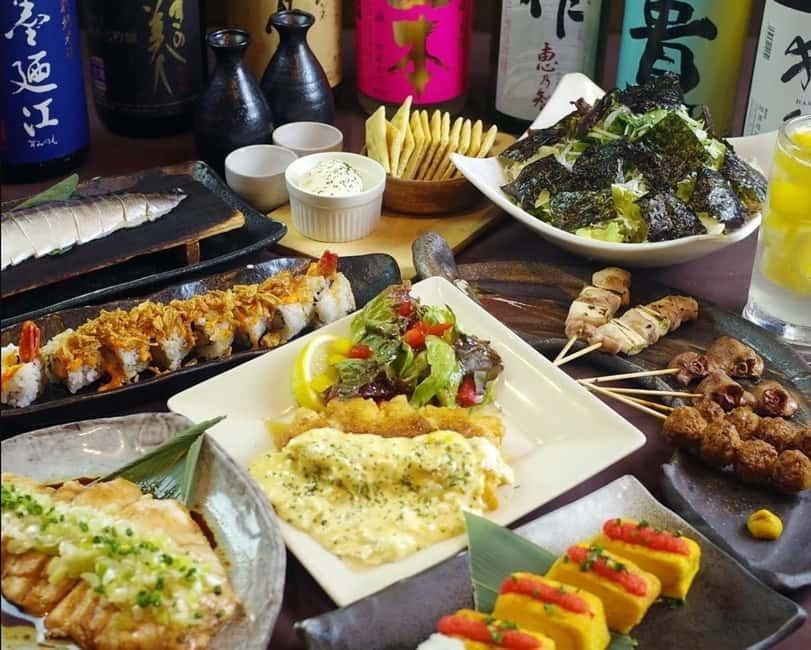
The standard Fukumimi Course gives you a substantial meal without making the evening feel like a marathon. It begins with homemade apple cream cheese and crackers, followed by the day’s salad. The sweet and creamy opening is a gentle start before the saltier grilled dishes arrive.
Next comes seared mackerel, or shimesaba. This preparation gives you a break from the grill and adds a cooler, more delicate course to the meal. Mackerel has a firm texture and a pronounced flavor, so this is a better fit for someone who already enjoys fish than for a cautious first-time seafood eater.
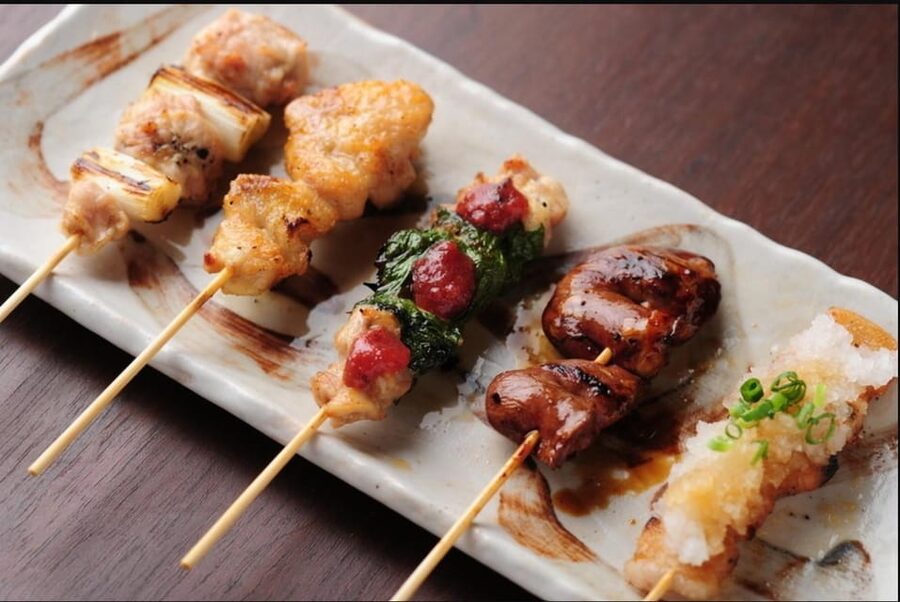
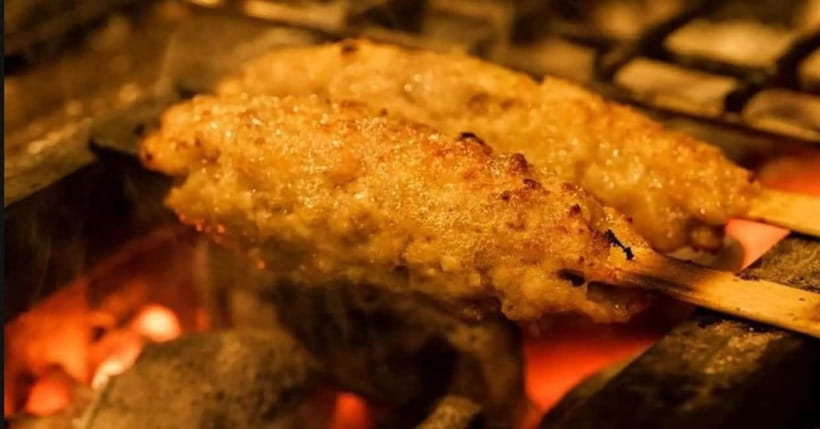
The central part of the course is seven assorted skewers selected by the grill master. The listed group includes beef harami, beef tongue, chicken meatball, chicken and leek, chicken skin, chicken wing, and grilled tomato.
The beef harami skewer brings a fuller, meatier flavor. Beef tongue has a firm bite when grilled and is one of the cuts that can make a skewered meal feel more distinctly Japanese. The chicken meatball, called Man’s Tsukune on the menu, should appeal to you if you prefer a softer, savory skewer.
Negima combines chicken with leek. Chicken skin is crisp and fatty when properly grilled, while the wing offers a more substantial piece of chicken with plenty of roasted flavor. The grilled tomato adds moisture and acidity, which helps break up the richer meat courses.
After the skewers, chicken Nanban arrives with tartar sauce. This is fried chicken paired with a creamy topping, and it changes the rhythm of the meal again. The final savory course is chicken-broth rice porridge, listed as tori takikomi gohan. It is a useful ending because it is warm and filling without asking you to eat another heavy plate of meat.
The Fukumimi Course includes one bottle of sparkling sake per group. If you prefer to order other drinks, personal expenses beyond the selected course are not included.
Twelve skewers for serious appetites
The Fukumimi Kushiyaki Satisfaction Course follows the same general pattern but expands the grill selection to 12 assorted skewers. This is the better choice if the skewers are the main reason you are going.
Along with beef harami, beef tongue, chicken meatball, negima, chicken skin, chicken wing, and grilled tomato, the longer course adds chicken cartilage, pork belly, bonjiri, cheese mochi, garlic sprout-wrapped skewers, and other grill selections.
Chicken cartilage gives the meal a firm, crunchy texture that is very different from soft meatball or juicy pork belly. Bonjiri is chicken tail, a rich cut with a distinctly fatty character. You might love it for that reason, or prefer to leave it untouched. This is one of the places where an adventurous appetite helps.
Cheese mochi offers a softer, more elastic bite, while a garlic sprout-wrapped skewer brings a sharper vegetable flavor. These extra skewers make the longer menu feel like more than simply a larger serving. You get a broader sample of the Japanese grill, including cuts that may not appear on a familiar Western yakitori menu.
The longer course still includes seared mackerel, chicken Nanban, rice porridge, and a bottle of sparkling sake per group. It is a lot of food for a two-hour sitting, so I would choose it for dinner rather than for a light snack before another reservation.
Sake, beer, and the all-you-can-drink choice
The standard food-only courses include sparkling sake, but not unlimited drinks. Two other versions add all-you-can-drink service, with the food remaining the same.
That distinction affects the value. At $41 per person, the food-only course already covers a multi-part meal, a bottle of sparkling sake per group, taxes, and the reservation. For a pair sharing that bottle, the price is easier to judge than it would be for a single diner, since the drink is supplied by group rather than by person.
The all-you-can-drink option makes more sense if you plan to spend the full two hours having several drinks with dinner. Local sake and beer are natural partners for yakitori, especially when the menu moves between salty grilled meat, fried chicken, fish, and rice porridge.
Drink responsibly. Japan’s legal drinking age is 20, and children under that age should not be treated as part of the drinking plan. You can also ask about current drink choices at the restaurant, since the course information specifically names sparkling sake, sake, and beer but does not provide a complete beverage list.
The restaurant’s concept also talks about wine with WAGYU. That may interest you if you enjoy pairing red wine with beef, but the booked course itself does not promise a wine pairing. Consider this meal a flexible izakaya dinner first, not a fixed wine-and-beef tasting.
A few more sake tours around Tokyo worth a look
- Shibuya: Local Bar & Izakaya Crawl
★ 4.9 · 354 reviews - Ramen and Sushi Cooking Class with Sake Pairing Set in Tokyo
★ 5.0 · 291 reviews - Sake Tasting Masterclass in Shinjuku (8+ Varieties with a Pro)
★ 5.0 · 271 reviews - Sake Omakase in Tokyo: Guided Tasting by Certified Sommeliers
★ 5.0 · 239 reviews
The room is casual, friendly, and loud
The atmosphere is one of the strongest reasons to choose Bistro Fukumimi, but it is also the point most likely to surprise you. The room is described as lively and traditional in spirit, with friendly service and the sound of a working evening restaurant around you.
Do not expect a quiet, formal Ginza dining room. The mood is closer to a neighborhood izakaya where people eat, drink, talk, and order another skewer. That noise is part of the setting, but it can make conversation harder, especially if you prefer a calm meal.
The room may also feel more rustic than the promotional photos suggest. I would book this place for the food and atmosphere rather than for design details or a polished luxury setting. The appeal is the combination of grilled food, drinks, and a relaxed evening in central Tokyo.
For many people, this is precisely the right first izakaya experience. You get to see how a Japanese meal can unfold through many small plates, rather than one large entrée. You also get a chance to try cuts such as chicken tail, skin, cartilage, and tongue in manageable portions.
This is a restaurant reservation, not a guided tour
The practical detail to understand is simple: you enter the restaurant directly at your reserved time. There is no guide, walking route, food lecture, or organized meeting group.
The meeting point is described as diagonally across from Starbucks, but the reservation instructions tell you to go directly into the restaurant when the time arrives. Allow enough time to identify the entrance and arrive ready for the two-hour seating.
Seats are reserved for a maximum of two hours. Specific seat types cannot be guaranteed, so you should not book this expecting a particular counter spot or table. The time limit is normal for a popular city restaurant, but it matters if you hope to linger over drinks late into the night.
The meal is designed for people who want an easy dinner plan. You do not need to coordinate separate food orders, and the core dishes are set in advance. At the same time, you should leave dietary restrictions in the booking comments. The menu includes chicken, beef, pork, fish, dairy, and several unusual cuts, so do not assume the course can be adjusted after you arrive.
Who will like this Ginza dinner
I would recommend Bistro Fukumimi to you if you want a full Japanese meal in a casual setting and enjoy trying several flavors in one sitting. It works particularly well for first-time izakaya diners who want a set menu rather than the pressure of translating a long menu at the table.
It is also a good fit for anyone who likes grilled food. The seven-skewer course gives you variety without going too far, while the 12-skewer option is aimed at people who want the grill to dominate the evening.
The meal may be less suitable if you need a quiet room, have a very limited diet, or dislike organ-style and fatty cuts. Beef tongue, chicken skin, cartilage, and chicken tail are part of the experience, not obscure possibilities you can safely ignore. The menu does include familiar choices such as chicken and leek, grilled tomato, chicken wing, and fried chicken, but the longer course reaches further.
Families should also note the age policy. Children under eight are free, while children eight and older must order the regular course. The course itself is adult-friendly in its use of alcohol and strong flavors, so parents should judge the menu for their own children.
Is $41 a fair price?
The listed price of $41 per person is reasonable for a two-hour, multi-course meal in Ginza, especially when you value convenience and variety. You receive a starter, salad, fish, a substantial set of skewers, chicken Nanban, rice porridge, taxes, and a bottle of sparkling sake per group.
The value improves if you would otherwise order many separate dishes and drinks. The set format lets you sample several cuts without paying for a full plate of each one. It also removes the guesswork that can make a first izakaya visit harder.
The value is less clear if you want only a few skewers or if you do not drink. The meal is built as a full course, and the two-hour reservation means you are paying for a complete evening rather than a quick bite. The all-you-can-drink versions cost more, so choose them only if you expect to use that option.
Keep in mind that personal expenses outside the selected course are not included. The exact course price can also vary by booking option, so compare the food-only and all-you-can-drink versions before confirming.
Booking details worth knowing
You can cancel up to three days in advance for a full refund. That is useful in Tokyo, where dinner plans often change as you adjust to neighborhoods, weather, and train timing.
Make the reservation for the exact number of people attending. The booking information specifically asks you to reserve based on the number of diners, and the children’s pricing rule applies to the course order.
Photos are for reference only. I would use them to understand the general mood, not to promise a particular table, decoration, or level of formality.
If you have dietary restrictions, add them during checkout. The restaurant can then review the request before your meal. Since the menu includes several animal proteins and dairy-based items, this is not a place to leave food concerns until the last minute.
Should you book Bistro Fukumimi?
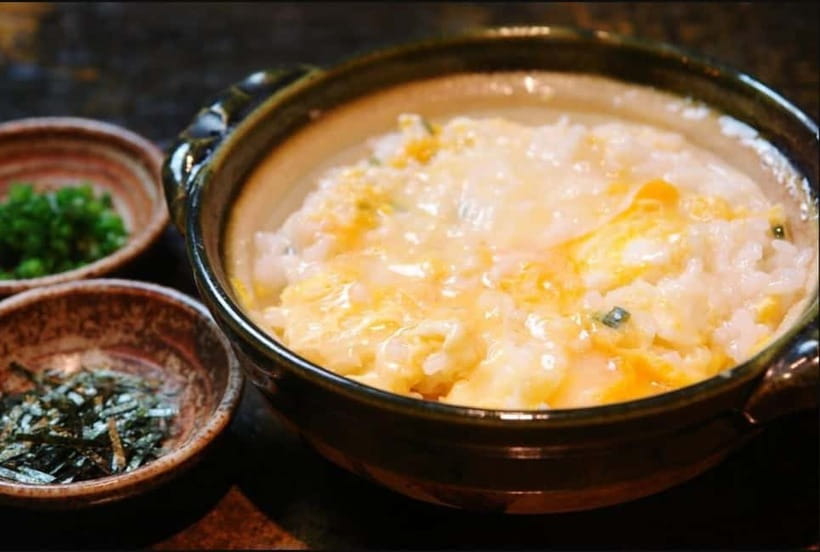
Book it if you want yakitori variety, sparkling sake, and a lively Ginza evening in one straightforward reservation. The seven-skewer course is the sensible choice for a balanced meal, while the 12-skewer course rewards a bigger appetite and a willingness to try less familiar cuts.
I would skip it if your priority is silence, formal service, or a guaranteed WAGYU-and-wine tasting. The restaurant’s identity points toward beef and wine, but the listed courses center on a broader izakaya spread with chicken, pork, fish, vegetables, and sake.
For an accessible first taste of Tokyo nightlife, this meal makes a good case for itself. Come hungry, expect some noise, and treat the unusual skewers as part of the point.
FAQ
Is Bistro Fukumimi a guided tour?
No. This is a restaurant reservation only. You enter the restaurant directly at your reserved time, and no guide is provided.
How long is the meal?
The reserved seating lasts two hours.
How many course options are available?
There are four choices: the Fukumimi Course with food only, the Fukumimi Course with all-you-can-drink service, the 12-skewer Kushiyaki Satisfaction Course with food only, and the same longer course with all-you-can-drink service.
Does every course include drinks?
The food-only courses include one bottle of sparkling sake per group. The other two options add all-you-can-drink service.
Are children allowed?
Children under eight are free of charge. Children eight and older must order the regular course.
What is the drinking age in Japan?
The legal drinking age in Japan is 20 years or older.
Just added around Tokyo
- Tokyo: Serene Sakura & Sake: An Exclusive Brewery Pairing Lunch★ 5.0 · 2 reviews
- Tokyo Sake Tasting Tour with a Sake Expert★ 5.0 · 7 reviews
- Wagyu BBQ & Sukiyaki with Sake Pairing Experience near Ginza★ 5.0 · 2 reviews
- Japanese Sake Tasting & Wagyu Sukiyaki Cooking Class in Tokyo★ 5.0 · 10 reviews
- Tokyo Izakaya crawl (A tour of 2 izakayas, 1 bar, and a shrine)★ 5.0 · 8 reviews
- Private Tokyo Food Tour – Retro Akabane Izakaya Experience★ 5.0 · 14 reviews
- Tokyo: Learn the Art of Chopsticks in a Cozy Izakaya!★ 5.0 · 2 reviews
- Shinjuku Underground Nightlife Tour: Izakaya Food & Bar Hopping★ 5.0 · 11 reviews
Tokyo Sake Tours, compared.
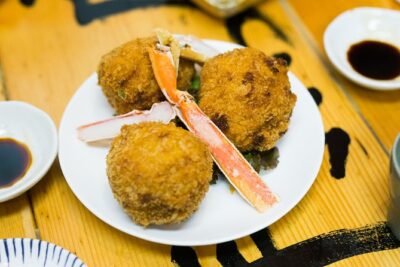
Best of Shinjuku: Izakaya Food Tour (4 Stops, 14+ Tastings)
Read our review →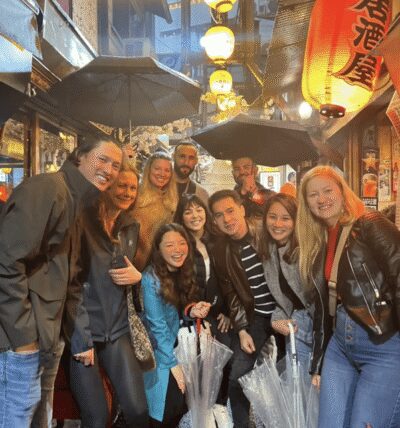
Tokyo: Shinjuku Local Bar and Izakaya Guided Walking Tour
Read our review →

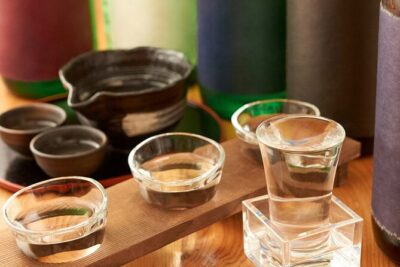
Ramen and Sushi Cooking Class with Sake Pairing Set in Tokyo
Read our review →
Sake Tasting Masterclass in Shinjuku (8+ Varieties with a Pro)
Read our review →
Tokyo Washoku 4-hour Cooking Class: From Market to Table
Read our review →
Sake Omakase in Tokyo: Guided Tasting by Certified Sommeliers
Read our review →Browse the lists this tour appears in