
REVIEW · TOKYO SAKE TOURS
Bon Dance IZAKAYA in Shinjuku, Tokyo
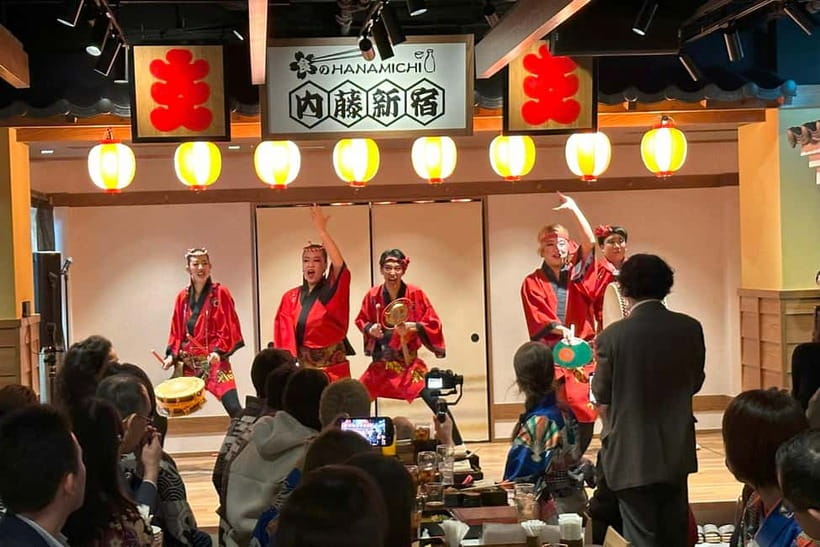
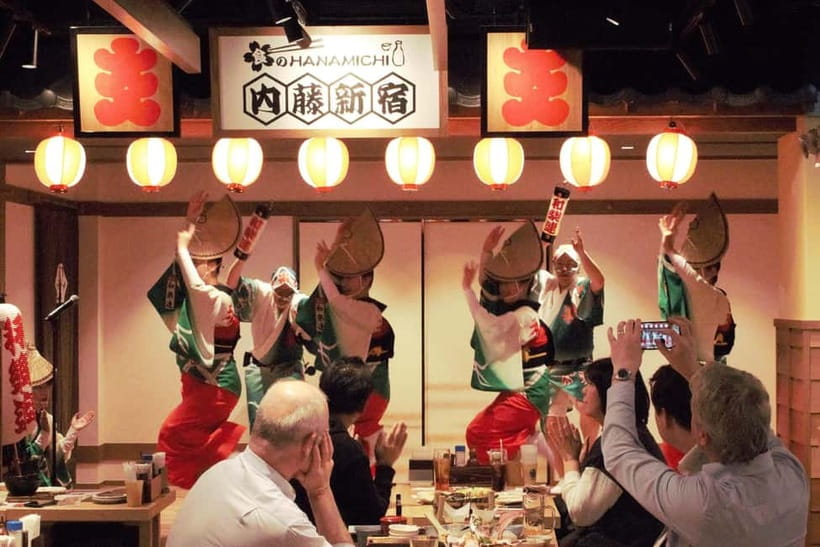
The best part of Bon Dance IZAKAYA is that dinner comes with a real cultural activity, not just background music and decorative lanterns. In the middle of a 90-minute meal, dancers lead a 30-minute Bon Odori session, a traditional dance linked to Japan’s Obon season and the honoring of ancestors. You can watch, join in, or do a little of both.
I like the small group size, limited to six, and the broad dinner menu: sushi, tempura, chicken skewers, tofu, soba salad, miso soup, and one included drink. I also like the central Shinjuku location, just behind Shinjuku City Hall. The main catch is timing: the dance is short and interactive, and some diners may expect a longer stage show with more time to sit and watch.
Key points
- A 30-minute Bon Odori session brings a traditional summer festival dance into the restaurant every Tuesday, Wednesday, and Thursday.
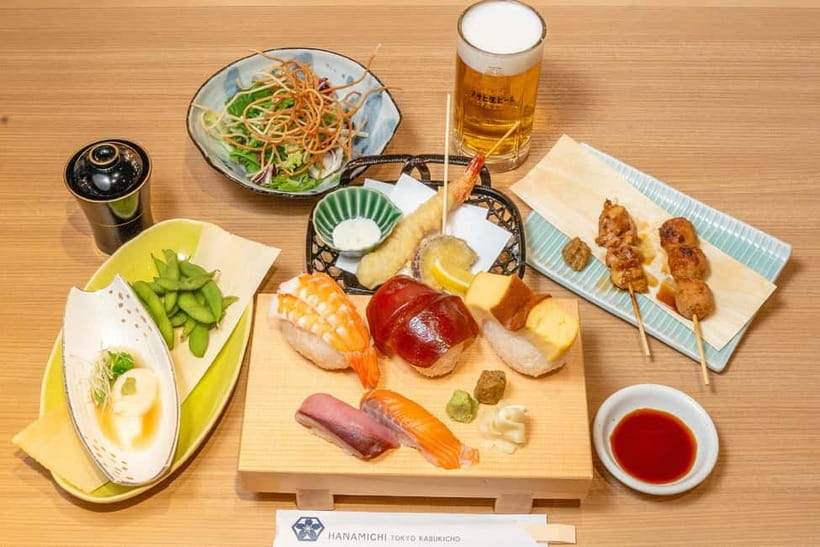
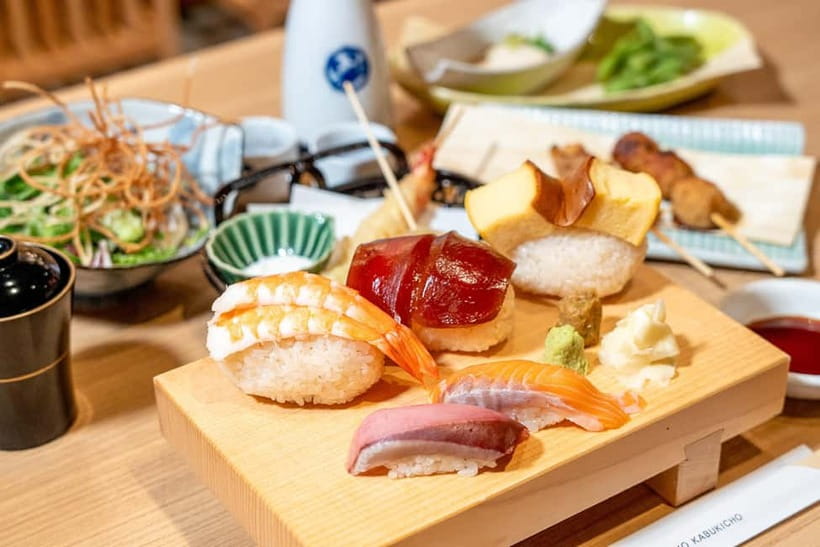
- An Edo-inspired dinner includes five pieces of sushi, shrimp and sweet potato tempura, chicken skewers, tofu, soba salad, and red miso soup.
- One drink is included, with choices such as beer, sake, whiskey, shochu, wine, or a soft drink.
- The dance is participatory, so prepare to copy simple movements rather than remain only in the audience.
- The meeting point can be easy to miss: HANAMICHI TOKYO KABUKICHO is on the third floor, with the elevator entrance below.
- Dietary requests need advance notice. Vegetarian and allergy accommodations may be possible, but halal options are not available.
A festival dinner in the heart of Kabukicho
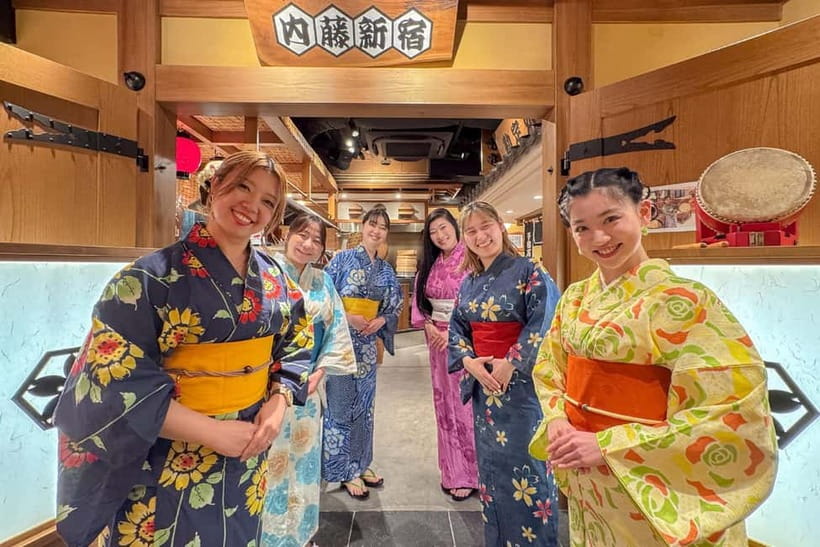
Bon Dance IZAKAYA gives you a compact introduction to Japanese food and festival culture under one roof. It is located at HANAMICHI TOKYO KABUKICHO, a commercial building about five minutes on foot from Shinjuku Station and directly behind Shinjuku City Hall.
That location matters. Shinjuku is a convenient place to fit an evening activity into a Tokyo schedule, especially if you are already exploring the Kabukicho district. You do not need to set aside a full day for this experience. The evening runs from 7:00 to 8:30 p.m., with the dance from 7:30 to 8:00.
The restaurant is designed around Japanese theatrical and festival traditions. You get the feel of an izakaya, the casual Japanese dining style built around shared dishes and drinks, but with a planned cultural performance in the middle. It is not a quiet meal, and it is not a formal history lecture. Think of it as dinner with a short, lively lesson that asks you to take part.
There is no personal tour guide accompanying you through Shinjuku or the restaurant. You make your own way to the venue, then take part in the dinner and dance program. That keeps the evening simple, but it also means you should not expect a walking tour or constant cultural interpretation.
More Izakaya and Bar Hopping in Tokyo:
- Best of Shinjuku: Izakaya Food Tour (4 Stops, 14+ Tastings)
★ 5.0 · 1,863 reviews - Tokyo: Shinjuku Local Bar and Izakaya Guided Walking Tour
★ 4.9 · 1,794 reviews - Tokyo: Shinjuku Local Bar & Izakaya Crawl Tour
★ 5.0 · 890 reviews
Finding the third-floor entrance
Allow extra time to locate the building. The meeting point is in a commercial building, and the elevator entrance can be hard to spot from street level. The venue is on the third floor, so do not assume the most obvious ground-floor entrance is the restaurant itself.
I would arrive at least 10 minutes early, as requested. This is especially sensible in Shinjuku, where large station exits, busy streets, and many signs can slow you down. Save the venue name, HANAMICHI TOKYO KABUKICHO, and use the stated position behind Shinjuku City Hall as your reference.
The booking information gives a five-minute walk from Shinjuku Station, but station exits vary greatly in how quickly they get you onto the correct street. If you are meeting friends, agree to meet at the venue rather than trying to find one another inside Shinjuku Station.
The experience is listed as wheelchair accessible. If you need a particular seating or meal arrangement, tell the restaurant when booking. Same-day requests may not be possible.
What arrives during the 7:00 dinner
The meal is served as a set course, with the menu subject to change. The listed lineup gives you a good sense of the evening’s range.
You begin with edamame and tofu with a savory sauce. These are familiar Japanese izakaya-style foods, light enough to start the meal without filling you up too quickly. The tofu also gives the meal a softer, cooler contrast to the fried and grilled dishes that follow.
Next comes a crispy soba noodle salad. This is a useful change of texture, with the crunch of noodles balancing the softer tofu and later sushi. If you choose the all-you-can-drink option, this salad is replaced by the drinks package, so consider that trade carefully. The standard dinner already includes one drink, while the alternate option focuses more heavily on beverages.
The skewer course includes tsukune, a Japanese-style chicken meatball, and grilled chicken thigh. These are the heartier items in the meal and should appeal to anyone who wants something warm and savory beyond raw fish.
The HANAMICHI tempura includes shrimp and sweet potato. The shrimp brings a classic tempura flavor, while the sweet potato gives you a naturally sweet, filling bite. Since tempura is served as part of a larger course, you get a taste of the style without making the entire meal about fried food.
The sushi course includes five pieces. The listed selection combines marinated tuna and egg rice ball sushi with nigiri sushi made from salmon, yellowtail, and sea bream. That gives you several styles and fish types in a small portion, which is useful if you want variety rather than a large sushi platter.
Red miso soup closes the main food lineup. It is a practical finish after the colder sushi and richer skewers, and it keeps the meal tied to familiar Japanese comfort food.
The Bon Odori performance at 7:30
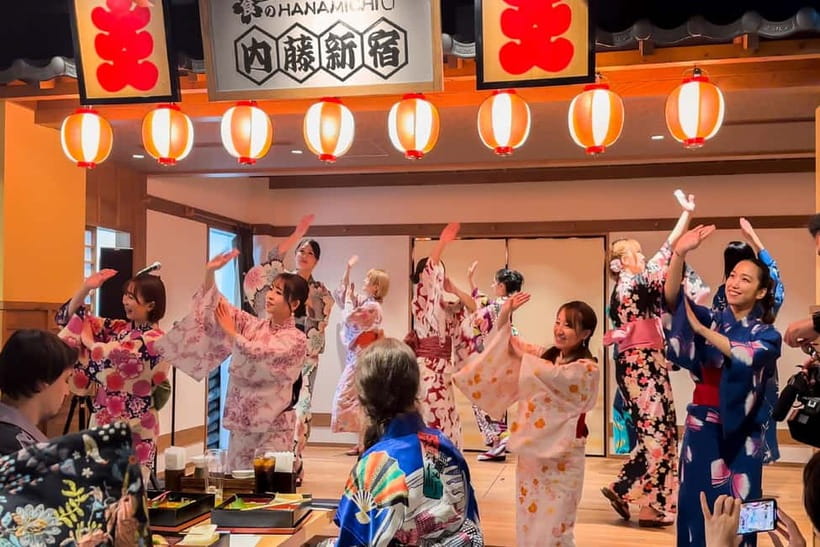
The dance begins halfway through dinner, from 7:30 to 8:00. Bon Odori has existed in Japan for centuries and is associated with Obon, a summer tradition for honoring ancestors. The restaurant presents the dance outside its usual seasonal setting, so you can see and join it during a Tokyo visit at any time of year.
The performance is short, but it is not simply a show you watch from your table. Dancers and staff encourage participation and teach the movements. You should expect a social activity, not a polished theater production lasting the entire evening.
That distinction is important. If you want a staged performance with several dances, elaborate costumes, and a long period of observation, this may feel brief. The 30-minute format works better if you want a low-pressure introduction. You can follow the movement, laugh at your mistakes, and enjoy the room’s energy without committing an entire night to a cultural performance.
The interaction is one of the stronger parts of the experience. The organizer can explain the background of Bon Odori and answer questions about Japanese culture and history while keeping the session light. After the dance, you may have a chance to speak with the host and organizer, although the program should not be treated as a private cultural lesson.
One point to consider: some people want to watch without dancing. Here, participation is part of the design. You may be invited to join, and the event can feel rushed if you are trying to observe quietly while the group is being taught. If you prefer active experiences, this is a plus. If you want dinner and a passive show, it is a limitation.
A few more sake tours around Tokyo worth a look
- Shibuya: Local Bar & Izakaya Crawl
★ 4.9 · 354 reviews - Ramen and Sushi Cooking Class with Sake Pairing Set in Tokyo
★ 5.0 · 291 reviews - Sake Tasting Masterclass in Shinjuku (8+ Varieties with a Pro)
★ 5.0 · 271 reviews - Sake Omakase in Tokyo: Guided Tasting by Certified Sommeliers
★ 5.0 · 239 reviews
Food, drinks, and the all-you-can-drink choice
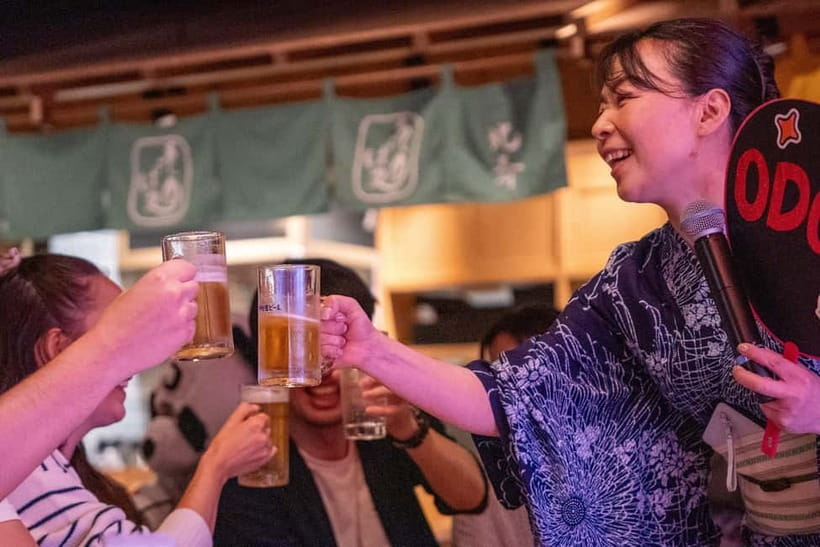
The standard package includes one drink. You can choose from beer, sake, whiskey, shochu, a glass of wine, or a soft drink. That range makes the dinner workable for both drinkers and non-drinkers, and it lets you try a Japanese option such as sake or shochu without paying separately for the first serving.
You can also replace the crispy soba noodle salad with an all-you-can-drink option. The available drinks include beer, shochu, whiskey, sake, soft drinks, and wine by the glass. Every person in the booking must choose the same option, so a mixed arrangement for a group is not available.
For most diners, the standard plan is the better starting point. You receive a varied meal, one drink, and the dance, all within 90 minutes. The all-you-can-drink choice makes more sense if your group places a high value on drinks and is happy to give up one food course.
Do not treat the package as a free-form evening at the restaurant. The meal is organized around a set schedule, and the dance begins at a fixed time. You get variety and entertainment, but not the long, slow pacing of an unstructured izakaya night.
How the $70 price compares
The price is listed at 11,000 yen, or about $70 per person, though the dollar amount can change with exchange rates. That is not a bargain meal by Tokyo standards, but you are paying for more than food.
The value comes from four parts: a multi-course dinner, one drink, a 30-minute cultural performance, and a small group capped at six. You also get a central location and a planned evening that requires little decision-making once you arrive.
I would compare it with the price of buying dinner and then booking a separate cultural activity in Shinjuku. If you want only sushi or only an inexpensive izakaya meal, you can likely spend less elsewhere. If you want food plus a simple introduction to Bon Odori, the combined format is easier and may be worth the extra cost.
The value is strongest for first-time visitors who want a friendly cultural activity without traveling outside central Tokyo. It is also useful for couples, families, and friends who enjoy joining in rather than sitting through a formal presentation.
Dietary needs and meal planning
Tell the restaurant about allergies or dietary restrictions when you book. The staff may be able to adjust the meal, and shellfish substitutions have included chicken and pork. Vegetarian arrangements have also been accommodated.
Halal options are not available. That is an important limit, so anyone requiring halal food should not assume that a general allergy adjustment will solve the problem.
The menu includes shrimp, fish, tofu, chicken, egg, and other ingredients that can change. If your request is important, provide clear details in advance. Same-day requests may not be possible, and the menu itself can change.
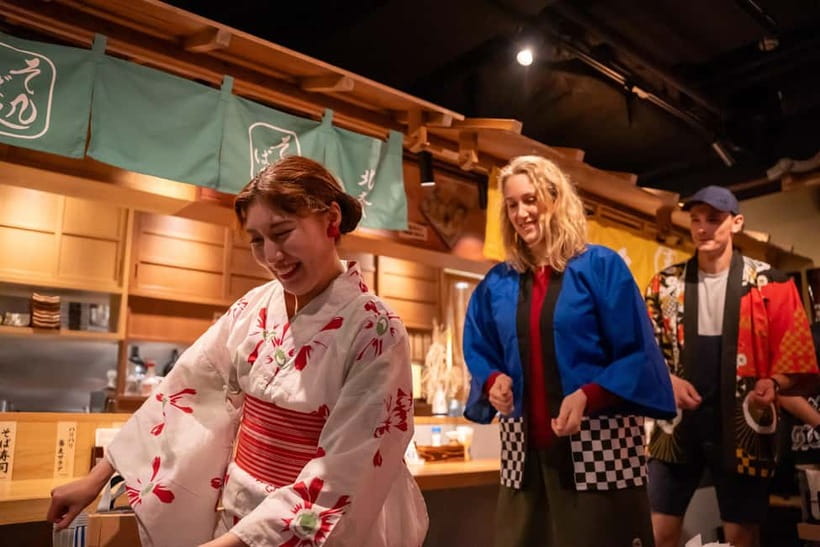
One especially nice touch available during the experience is the chance to wear a haori and take it home. This was an unexpected extra for one diner, but it should not be treated as guaranteed for every booking unless confirmed by the provider.
Who will enjoy this evening most
I would recommend Bon Dance IZAKAYA to you if you want a cultural activity that stays relaxed and social. You do not need prior dance experience, and the session is designed to teach you as it goes.
It suits couples and groups of friends particularly well because everyone can eat, drink, and take part together. Families may also enjoy it, provided children are comfortable with a lively restaurant setting and participating in a group dance.
It is a good fit for a first Tokyo visit when you want a taste of Japanese tradition but do not have time for a longer class or excursion. The food covers many familiar categories, so it can also work for a mixed group with different tastes.
I would be more cautious about recommending it if you want a quiet dinner, a full performance, or a detailed guided explanation of Japanese culture. The dance lasts only 30 minutes, and the evening has a quick rhythm. You are there to participate, not simply to sit back.
The small group limit is a real advantage. With no more than six participants, the dance instruction and conversation can feel more personal than a large theater-style event. Still, the booking information does not name a specific guide, and you should not expect a dedicated guide to meet you at the station or escort you through the district.
Cancellation, timing, and useful booking details

You can cancel up to 24 hours before the activity for a full refund. Reserve now and pay later is available, which helps if your Tokyo schedule is still shifting.
The activity is valid for one day, with availability and start times shown during booking. The dinner course is specifically scheduled for Tuesday, Wednesday, and Thursday at 7:00 p.m. The Bon Odori portion runs from 7:30 to 8:00 p.m.
Arrive at least 10 minutes early. The meeting point is five minutes from Shinjuku Station in theory, but the third-floor location and less obvious elevator entrance can cost you time. A late arrival would be especially awkward because the meal and dance follow a fixed schedule.
Should you book Bon Dance IZAKAYA?
Book it if you want a meal with active cultural contact, not just a restaurant meal with Japanese decorations. The food gives you a broad taste of izakaya-style dishes, and the Bon Odori session adds something you would not get at an ordinary dinner.
The strongest reasons to go are the friendly staff, the varied menu, the chance to ask about Bon Odori, and the invitation to join the dance. The main reasons to hesitate are the price, the short performance, and the fact that participation is expected rather than optional in spirit.
My practical advice is simple: choose the standard one-drink course unless your group specifically wants unlimited drinks, arrive early, confirm dietary needs in advance, and be ready to dance for at least a few minutes. If that sounds like fun, this is a smart way to add Japanese festival culture to an evening in Shinjuku.
FAQ
How long does Bon Dance IZAKAYA last?
The dinner experience lasts 90 minutes, from 7:00 to 8:30 p.m. The Bon Odori portion runs for 30 minutes, from 7:30 to 8:00 p.m.
What food is included?
The listed course includes edamame and tofu with savory sauce, crispy soba noodle salad, chicken skewers, shrimp and sweet potato tempura, five pieces of Edo-style sushi, and red miso soup. The menu can change.
Is a drink included?
Yes. One drink is included, with choices such as beer, sake, whiskey, shochu, wine by the glass, or a soft drink.
Can I choose all-you-can-drink instead?
Yes. You can replace the crispy soba noodle salad with an all-you-can-drink option. Everyone in the same group must choose the same option.
Is the experience suitable for wheelchair users?
Yes, the activity is listed as wheelchair accessible.
Where is the meeting point?
The meeting point is HANAMICHI TOKYO KABUKICHO, a commercial building about five minutes on foot from Shinjuku Station and directly behind Shinjuku City Hall. The venue is on the third floor, and the elevator entrance may be difficult to spot, so arrive at least 10 minutes early.
Just added around Tokyo
- Tokyo: Serene Sakura & Sake: An Exclusive Brewery Pairing Lunch★ 5.0 · 2 reviews
- Tokyo Sake Tasting Tour with a Sake Expert★ 5.0 · 7 reviews
- Wagyu BBQ & Sukiyaki with Sake Pairing Experience near Ginza★ 5.0 · 2 reviews
- Japanese Sake Tasting & Wagyu Sukiyaki Cooking Class in Tokyo★ 5.0 · 10 reviews
- Tokyo Izakaya crawl (A tour of 2 izakayas, 1 bar, and a shrine)★ 5.0 · 8 reviews
- Private Tokyo Food Tour – Retro Akabane Izakaya Experience★ 5.0 · 14 reviews
- Tokyo: Learn the Art of Chopsticks in a Cozy Izakaya!★ 5.0 · 2 reviews
- Shinjuku Underground Nightlife Tour: Izakaya Food & Bar Hopping★ 5.0 · 11 reviews
Tokyo Sake Tours, compared.
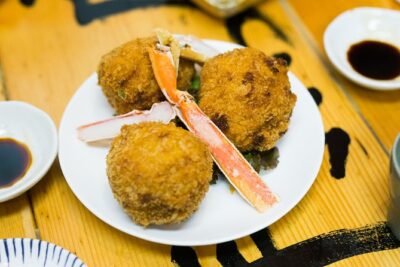
Best of Shinjuku: Izakaya Food Tour (4 Stops, 14+ Tastings)
Read our review →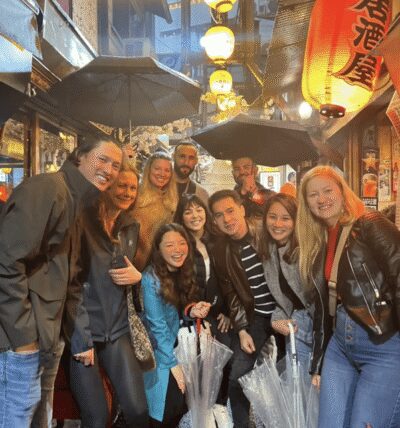
Tokyo: Shinjuku Local Bar and Izakaya Guided Walking Tour
Read our review →

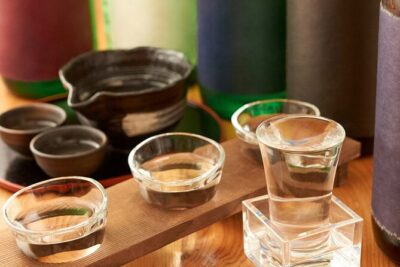
Ramen and Sushi Cooking Class with Sake Pairing Set in Tokyo
Read our review →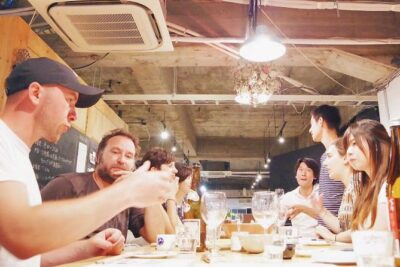
Sake Tasting Masterclass in Shinjuku (8+ Varieties with a Pro)
Read our review →
Tokyo Washoku 4-hour Cooking Class: From Market to Table
Read our review →
Sake Omakase in Tokyo: Guided Tasting by Certified Sommeliers
Read our review →Browse the lists this tour appears in