
REVIEW · TOKYO SAKE TOURS
Ginza, Tokyo: Sake Experience with traditional vessels
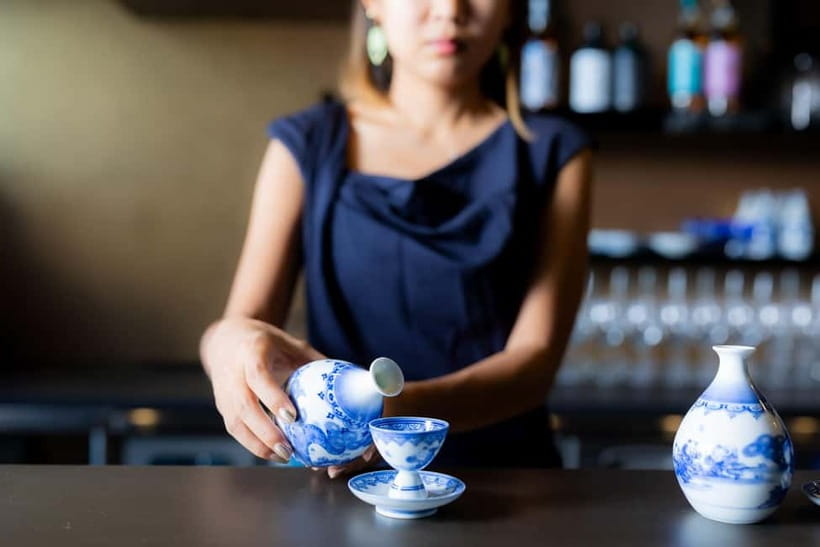
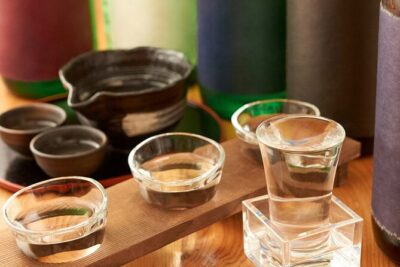
Tokyo sake tasting gets a thoughtful twist at JIDAI, a small bar on the 11th floor of Ginza’s JEWEL BOX building. You taste three different sakes, and each arrives in a vessel chosen to suit its character, including wine glasses and KINTSUGI with 400-year-old Imari porcelain.
I like the small group of no more than seven, which gives the bilingual host time to explain the brewing traditions and answer questions. I also like the Tokyo Bay view, an unusual backdrop for a compact Ginza tasting. The main consideration is that $22 covers only the three samples, so extra drinks and snacks cost more.
Key points to know before booking
- Three sakes, three serving styles: Compare how the same drink changes when served in a wine glass or traditional porcelain.
- A useful first tasting: The selected pours are intended to suit people trying sake for the first time.
- English-speaking hosts: Hiyori, Nana, and Rireka have each been praised for clear explanations and friendly help.
- High-floor Ginza setting: Find JIDAI on the 11th floor of JEWEL BOX GINZA, with Swarovski at street level and a Tokyo Bay view.
- More than a drink stop: Staff can offer travel tips and recommendations for the rest of your Japan trip.
- Good value at $22: The price covers three sakes and their special vessels, but not snacks, extra sake, or other drinks.
Why the vessel matters as much as the sake
Many sake tastings simply line up a few small cups and ask you to compare the liquid. JIDAI takes a different route. The point here is that the serving vessel can affect how you experience the sake, from its aroma to the way it reaches your mouth.
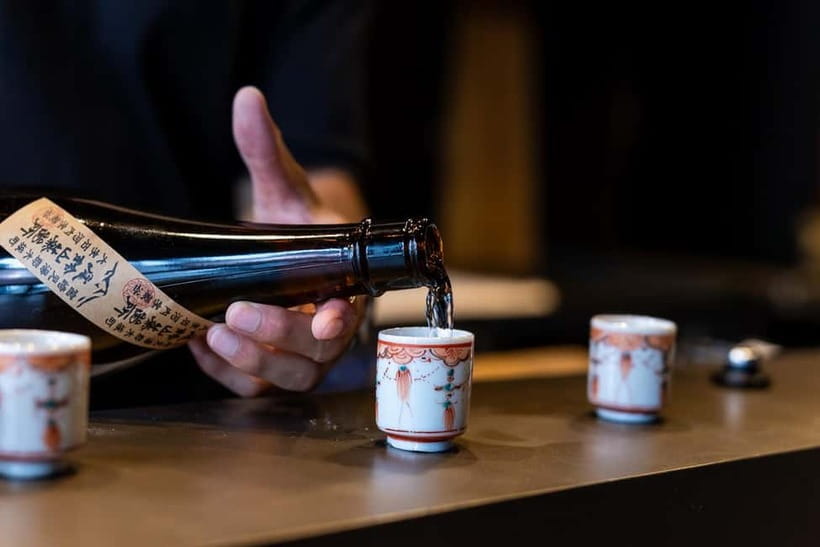
One sample may be poured into a wine glass. That shape gives you room to notice the fragrance before drinking. Another may be served in a traditional vessel, helping you connect the drink with Japanese craft and dining customs.
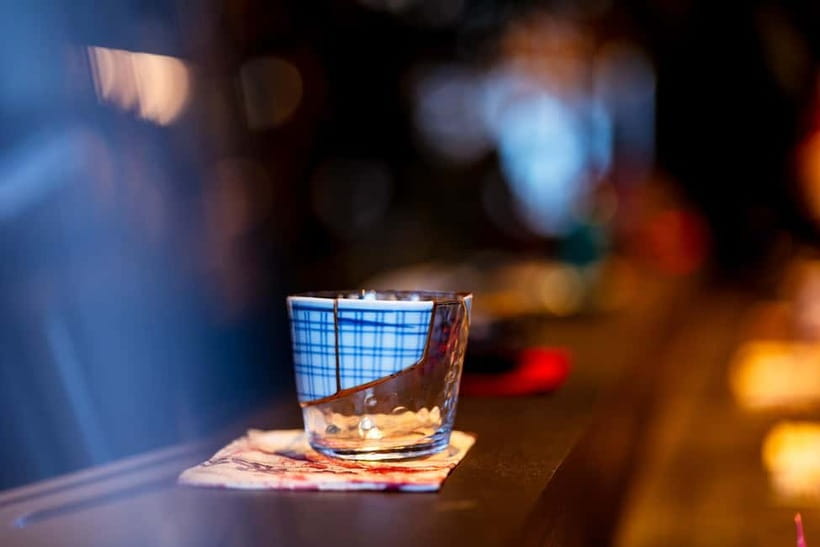
The most unusual detail is the use of KINTSUGI with 400-year-old Imari porcelain. KINTSUGI is associated with repairing ceramics so their cracks become part of the object’s story rather than something to hide. The experience description presents this as a way to enjoy both the sake and a piece of Japanese culture.
You do not need prior knowledge to appreciate the idea. The host guides you through the reason for each choice, so you can compare the samples without feeling as if you need to know tasting vocabulary. That makes this a better fit for a first sake experience than a serious technical seminar.
A few more sake tours around Tokyo worth a look
- Best of Shinjuku: Izakaya Food Tour (4 Stops, 14+ Tastings)
★ 5.0 · 1,863 reviews - Tokyo: Shinjuku Local Bar and Izakaya Guided Walking Tour
★ 4.9 · 1,794 reviews - Tokyo: Shinjuku Local Bar & Izakaya Crawl Tour
★ 5.0 · 890 reviews
Three regional tastes in one short sitting
Japan has about 1,500 sake breweries. Each one makes sake within a local setting shaped by regional ingredients, customs, and brewing traditions. You will not sample all of Japan in one visit, of course, but three carefully chosen types can show you how broad the category is.
The three pours are selected as an introduction rather than as an advanced tasting flight. That matters if sake is still unfamiliar to you. Instead of facing a long list and guessing what to order, you receive a clear starting point.
Expect the host to explain the history and culture of sake while you taste. The available information does not name the three labels or identify their brewing regions in advance, so you should not book this expecting a fixed menu. The selection may be best understood as a guided introduction, not a bottle-by-bottle lesson in every major sake style.
Take your time with the first sample. Notice the aroma, the weight on your tongue, and the finish. Then compare it with the next one. The vessel is part of the comparison, and that gives you something concrete to look for even if you cannot yet describe the sake in technical terms.
The hosts make the small group worthwhile
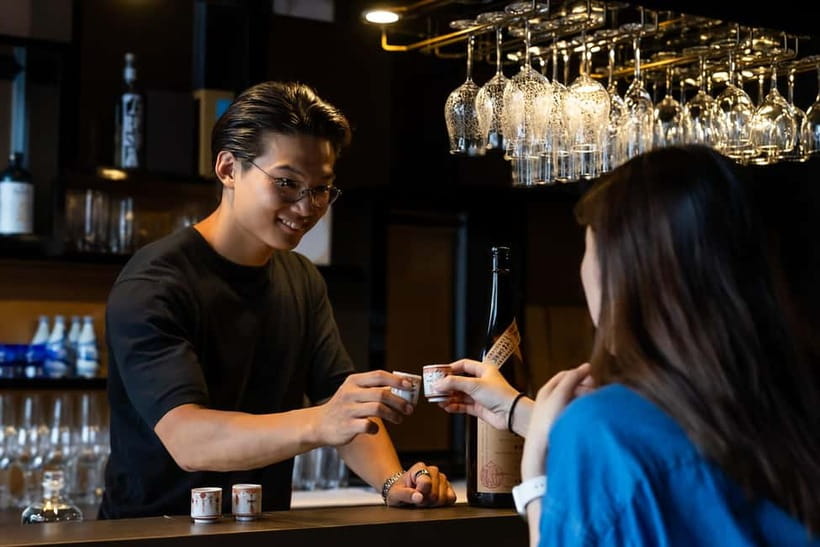
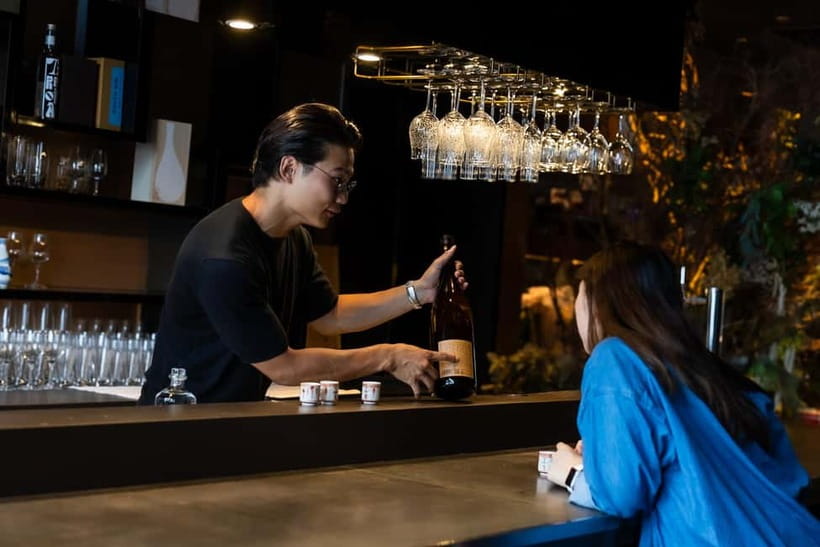
The experience is conducted in English, with bilingual staff explaining sake and responding to questions. Several hosts have been singled out for their warm and helpful manner, including Hiyori and Nana, who explained how sake is made, and Rireka, who offered both sake information and practical Japan advice.
That personal attention is one of the strongest reasons to choose this activity over a larger tasting. With a maximum of seven participants, you have a reasonable chance to ask about the brewing process, the vessels, or where to go next in Tokyo. A larger class might move faster, but this format should feel more like a conversation at a bar.
The staff’s travel advice is an extra benefit. You can ask for recommendations that fit your plans, though the supplied details do not promise a particular set of destinations or restaurants. Think of it as a chance to get local suggestions while you already have an English-speaking host in front of you.
The atmosphere also matters. A pleasant setting cannot rescue a weak tasting, but it can make a short evening feel special. The high-floor room, porcelain, and view give the activity a sense of occasion without requiring a formal meal or a full night out.
Finding JIDAI in Ginza
The meeting point is easy to identify if you use the building details carefully. Go to the 11th floor of the JEWEL BOX GINZA building. Swarovski is located on the first floor, which serves as a useful landmark when you arrive.
Ginza is known for its luxury shopping, polished streets, and central location. That makes JIDAI a practical stop if you are already spending time in the district. You can fit the tasting into an evening without committing to a full-day excursion outside central Tokyo.
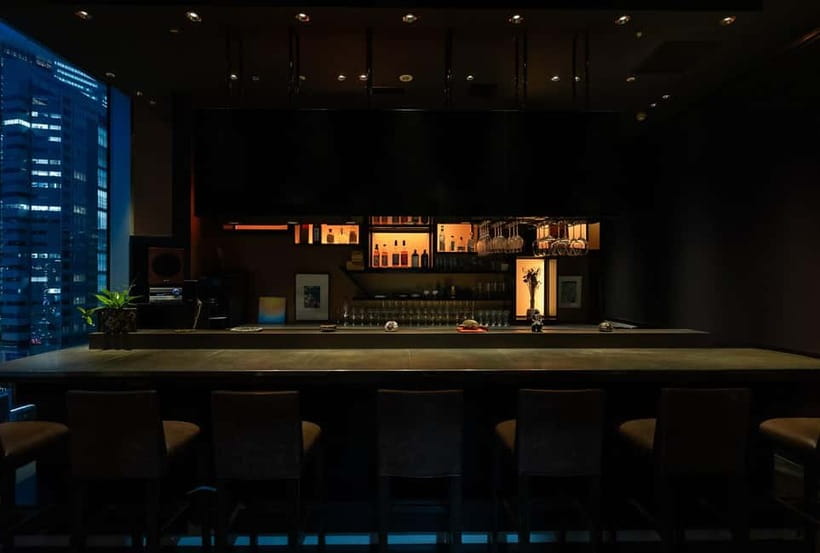
The supplied information describes a view of Tokyo Bay from the bar. Keep your expectations measured: this is a city view from a high-floor Ginza venue, not a waterfront cruise or an outdoor observation deck. Still, the view gives your sake a stronger sense of place than a windowless tasting room would.
The building setting also means you should pay attention to the meeting instructions. Go straight up to the 11th floor rather than looking for a street-level bar entrance. If you are meeting friends, agree on the building before arrival so nobody wanders around Ginza searching for a separate storefront.
Same city, a different pour:
- Shibuya: Local Bar & Izakaya Crawl
★ 4.9 · 354 reviews - Ramen and Sushi Cooking Class with Sake Pairing Set in Tokyo
★ 5.0 · 291 reviews - Sake Tasting Masterclass in Shinjuku (8+ Varieties with a Pro)
★ 5.0 · 271 reviews - Tokyo Washoku 4-hour Cooking Class: From Market to Table
★ 5.0 · 253 reviews
A simple itinerary with room to ask questions
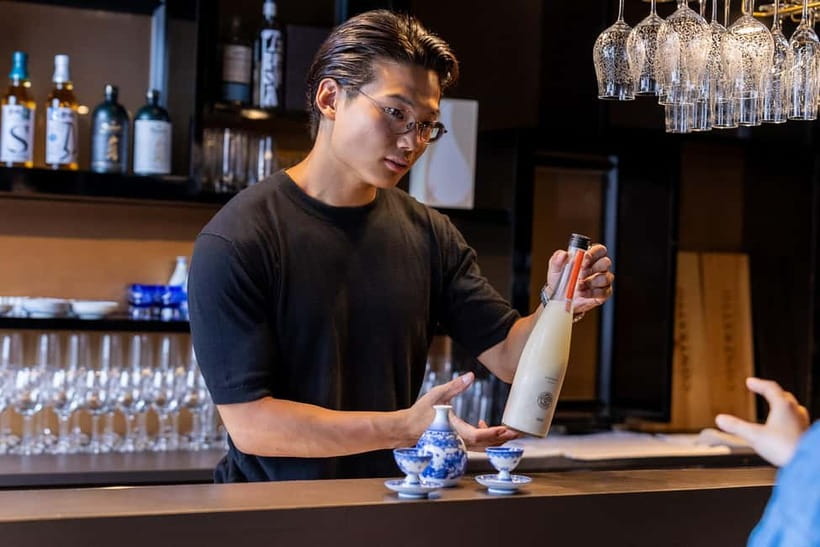
The activity is designed as a single tasting visit rather than a sightseeing tour. After reaching JIDAI, you settle in at the bar and begin with an explanation of sake, its place in Japanese culture, and the way the tasting will work.
You then sample three different types. Each is paired with a vessel chosen to bring out its qualities. The sequence gives you a chance to compare not only sake with sake, but also one serving style with another.
The hosts explain the samples as you go. This is where the small group helps. If you are unsure why one sake is in a wine glass or what makes the Imari porcelain significant, you can ask directly rather than waiting for a general presentation to finish.
The experience ends with the option to ask for travel recommendations before you return to your hotel or continue your evening. Additional sake, other drinks, and snacks are not included, so budget separately if you want to stay longer.
The activity is listed as valid for one day, with starting times based on availability. A precise tasting length is not provided, so check the selected time before booking if you are trying to connect it with dinner, theater, or another reservation.
What the $22 price really buys you
At $22 per person, this is a modestly priced introduction to sake in one of Tokyo’s more expensive districts. The value comes from the combination of three samples, the guided explanation, and the unusual serving vessels.
You are not paying for a meal, a long excursion, or a large quantity of alcohol. You are paying for a structured way to understand what you are drinking. If you simply want a cheap glass of sake, a bar may offer more volume for less money. If you want someone to explain the differences and help you notice them, this tasting makes better sense.
The use of 400-year-old Imari porcelain adds a cultural element that most casual drinks do not provide. It also gives the experience a clear focus. You leave with more than a list of sake names, assuming you take the time to notice why each vessel was selected.
Extra costs are easy to understand. Additional sake, any other drinks, and snacks are excluded. I would treat the $22 booking as the complete tasting price, then decide at the bar if you want to spend more.
What the praise tells you, and what it does not
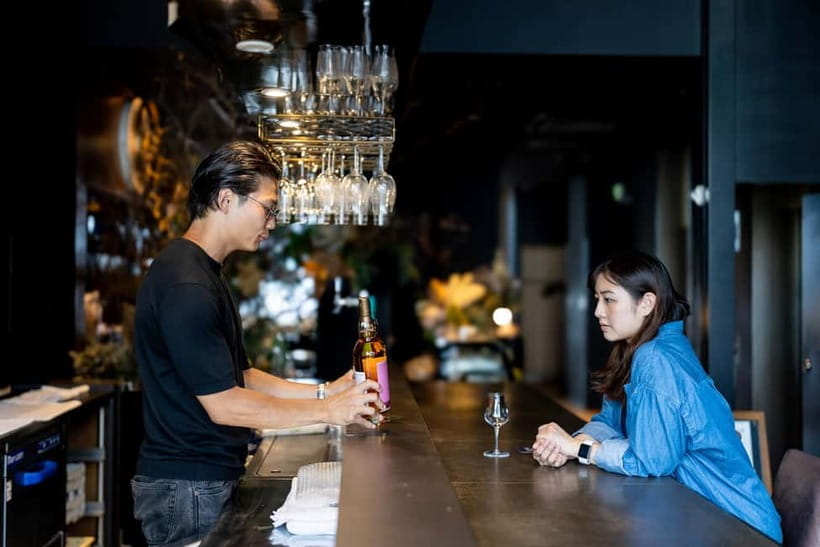
The strongest pattern in the feedback is the hosts. Hiyori and Nana were praised for explaining the sake-making process clearly and creating a friendly atmosphere. Rireka received similar praise for being helpful and offering useful advice.
The setting also earns attention. A pleasant atmosphere, a high-floor view, and the chance to learn about sake-making across different parts of Japan all add to the experience. The high overall score of 4.7 from eight ratings supports the idea that this is a reliable small-group introduction, though eight ratings are not enough to predict every visit.
One rating gave only two stars without written detail. That is worth noting because no activity suits everyone. You might prefer a larger tasting with more bottles, a meal pairing, a brewery visit, or a more formal lecture. This experience is deliberately compact and personal.
The feedback is especially useful for setting expectations about the staff. You should book this for the human explanation and relaxed setting, not just for the alcohol. The hosts are a major part of what you are buying.
Who should choose this Ginza tasting
This activity suits you if you are curious about sake but do not know where to begin. The three-sample format keeps the choice simple, and the host provides context without requiring previous study.
It also works well for a couple or a small group that wants a quiet evening activity. The seven-person limit is small enough for questions, while the Ginza location makes it easy to combine with other plans in central Tokyo.
You may especially enjoy it if Japanese craft interests you. The KINTSUGI and old Imari porcelain are not just decoration. They give the tasting a link to objects, repair, age, and tradition.
It is less suitable if you are looking for a full meal, a long sake tour, or unlimited pours. It is also not for anyone under 18. The activity information lists pregnant women and people with a wide range of medical conditions as unsuitable, including heart problems, vertigo, respiratory issues, epilepsy, diabetes, kidney problems, high blood pressure, recent surgery, and other pre-existing conditions. It also lists people with lactose intolerance, a cold, haemophilia, or claustrophobia, along with children under 33 pounds, or 15 kilograms.
Those restrictions are unusually broad for a tasting, so read them carefully and contact the provider if you are unsure. The experience is listed as wheelchair accessible, but accessibility does not remove the other stated restrictions.
Booking details that matter in practice
You can cancel up to 24 hours before the activity for a full refund. The reserve-now, pay-later option lets you hold a place without paying immediately, which is useful when your Tokyo schedule is still moving around.
The activity is offered in English, and the group is capped at seven participants. Starting times depend on availability, so check the calendar before building the rest of your evening around it.
At the meeting point, look for JEWEL BOX GINZA and the Swarovski store on the first floor. Then go to the 11th floor. That small detail is worth saving in your phone, especially if you are arriving after dark or meeting other people.
The provider is Y COMPANY, LIMITED LIABILITY COMPANY. The experience takes place at JIDAI, rather than involving transportation between several locations, so you are responsible for reaching the building.
Should you book it?
Book this sake tasting if you want a compact, well-explained introduction with a strong sense of place. The best reasons are the three different pours, the carefully matched vessels, the 400-year-old Imari porcelain, and the chance to speak with hosts such as Hiyori, Nana, or Rireka.
At $22, it offers good value for a guided cultural activity in Ginza. Just remember that it is a tasting, not dinner, and that extra drinks and snacks cost more. If you prefer a brewery tour, a larger selection, or a substantial meal pairing, choose something else.
For a first sake experience in Tokyo, especially one that leaves room for questions and practical Japan advice, this is an easy activity to fit into your plans.
FAQ
Where is the sake tasting held?
JIDAI is on the 11th floor of the JEWEL BOX GINZA building in Ginza. Swarovski is located on the first floor and can help you identify the building.
How many types of sake are included?
Three different types of sake are included in the tasting.
Are the serving vessels included?
Yes. The experience includes specific vessels for each sake, including wine glasses and KINTSUGI using 400-year-old Imari porcelain.
Is the activity conducted in English?
Yes. English-speaking bilingual staff explain the history and culture of sake.
How large is the group?
The activity is limited to seven participants.
Are drinks and snacks included beyond the tasting?
No. Additional glasses of sake, other drinks, and snacks are not included.
Can I cancel the booking?
Yes. You can cancel up to 24 hours in advance for a full refund. The reserve-now, pay-later option also allows you to book without paying immediately.
Just added around Tokyo
- Wagyu BBQ & Sukiyaki with Sake Pairing Experience near Ginza★ 5.0 · 2 reviews
- Tokyo: Serene Sakura & Sake: An Exclusive Brewery Pairing Lunch★ 5.0 · 2 reviews
- Tokyo Sake Tasting Tour with a Sake Expert★ 5.0 · 7 reviews
- Japanese Sake Tasting & Wagyu Sukiyaki Cooking Class in Tokyo★ 5.0 · 10 reviews
- Tokyo Izakaya crawl (A tour of 2 izakayas, 1 bar, and a shrine)★ 5.0 · 8 reviews
- Private Tokyo Food Tour – Retro Akabane Izakaya Experience★ 5.0 · 14 reviews
- Tokyo: Learn the Art of Chopsticks in a Cozy Izakaya!★ 5.0 · 2 reviews
- Shinjuku Underground Nightlife Tour: Izakaya Food & Bar Hopping★ 5.0 · 11 reviews
Tokyo Sake Tours, compared.
Best of Shinjuku: Izakaya Food Tour (4 Stops, 14+ Tastings)
Read our review →
Tokyo: Shinjuku Local Bar and Izakaya Guided Walking Tour
Read our review →
Ramen and Sushi Cooking Class with Sake Pairing Set in Tokyo
Read our review →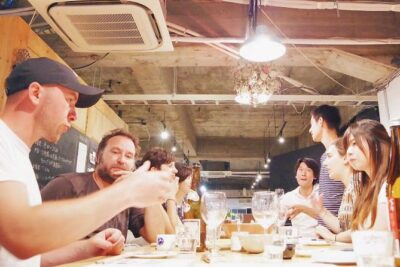
Sake Tasting Masterclass in Shinjuku (8+ Varieties with a Pro)
Read our review →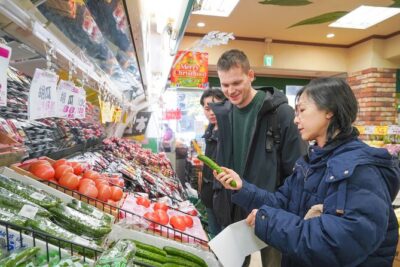
Tokyo Washoku 4-hour Cooking Class: From Market to Table
Read our review →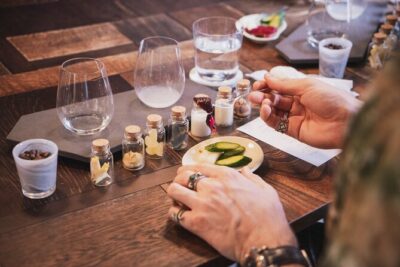
Sake Omakase in Tokyo: Guided Tasting by Certified Sommeliers
Read our review →Browse the lists this tour appears in