
REVIEW · SAKE BREWERY TOURS
Unique Brewery Tour and One-of-a-Kind Sake Tasting Near Tokyo
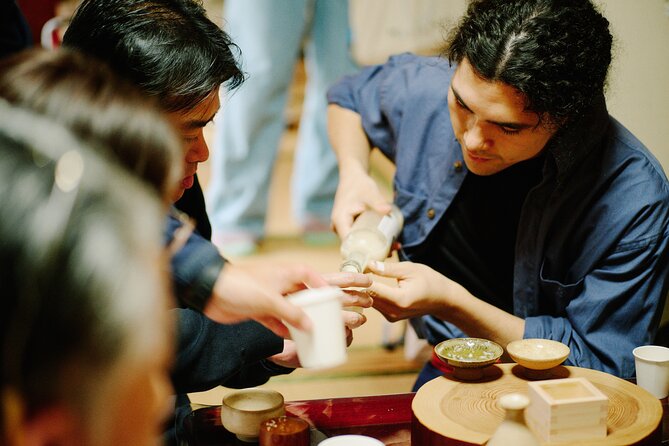
Doburoku is the star here: an unfiltered sake bottled with its fermenting mash still inside. It is hard to store, rarely found in restaurants, and made at Yamane Brewery in small batches. I like the wooden Nishikawa timber barrels and the way this tour ties the drink to Hanno’s forests, water, soil, and local craft.
I also like the small group, capped at eight, and the tasting cups made from 100% Hanno soil. The main drawback is practical: the $100.43 price does not include bus fares or lunch, and the tour starts at 1 p.m., so it works best as a focused Hanno outing rather than a full-day sightseeing tour.
Key points before you book
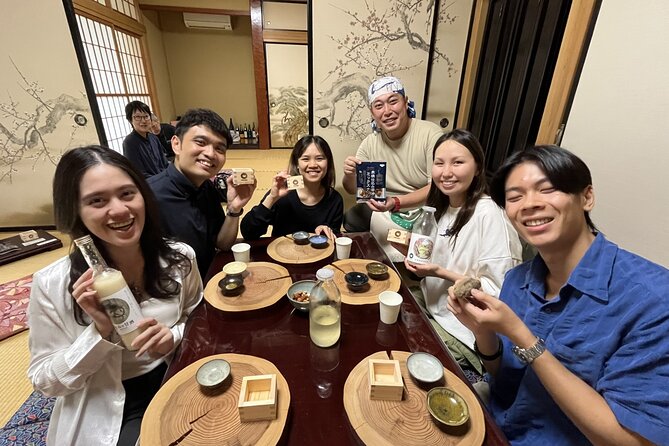
- Rare doburoku tasting: Try three types of unfiltered sake that continue fermenting after bottling.
- Former convenience-store brewery: Yamane Brewery uses a modest, repurposed building rather than a polished industrial facility.
- Local wood matters: Traditional barrels made from Nishikawa timber help shape the flavor.
- Hanno-made cups: Your tasting vessels use limited-quantity clay made from local Hanno soil.
- Small, personal group: The tour accepts no more than eight people, allowing plenty of room for questions.
- Easy station meeting point: Meet at Hannō Station, travel by bus with the guide, and return to the same place.
Why Yamane Brewery is different from a standard sake visit
Many sake tours focus on stainless-steel tanks, production scale, and a tidy explanation of the brewing process. Yamane Brewery takes a more personal route. The operation is small, the batches are limited, and the brewing takes place in a former convenience store.
That unusual setting is part of the appeal. You are not entering a large commercial plant designed for crowds. You are seeing how a very small producer works with what is close at hand. The brewery uses wooden barrels made from local Nishikawa timber instead of relying only on modern tanks.
Wood can allow natural microorganisms to remain part of the brewing environment. That gives each batch the chance to develop its own character, shaped by the barrel, the water, and the ingredients. You should not expect a uniform product that tastes exactly the same every season. Here, variation is part of the point.
The brewery also connects sake-making with nature conservation. The owner, Fukunari Wakabayashi, is described as a researcher with a strong interest in natural materials and local environmental care. His approach is not simply about producing alcohol. It is about keeping local resources in use and showing how food and drink can tell the story of a place.
More Sake Brewery Tours in Japan:
- 3-Hour Kyoto Insider Sake Brewery Tour with Tastings & Pairings
★ 5.0 · 917 reviews - Kyoto: Insider Sake Brewery Tour with Sake and Food Pairing
★ 5.0 · 704 reviews - Kyoto Sake Brewery & Tasting Walking Tour
★ 5.0 · 623 reviews
Understanding the rare doburoku tasting
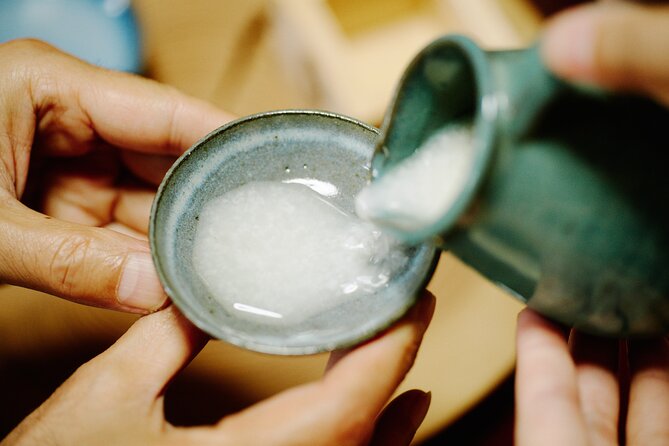
Doburoku is not the same as the clear, polished sake you may find in a restaurant. It contains the unfiltered moromi, or fermenting mash, and fermentation continues after bottling. That makes it more fragile and difficult to store.
This is why a tasting at the source has real value. You are trying a product that is not widely available and may not travel well. The experience gives you a chance to notice how unfiltered sake differs in texture, aroma, sweetness, and weight.
The tasting includes three types of sake. The exact selection can change, and one seasonal bottle mentioned in the available information, Yamane no Minori, was no longer available at one point. That is useful to know: you should think of the tasting as a chance to sample the brewery’s current work, not a promise of one fixed menu.
Some batches may taste sweet, while others may show more earthy, grain-like, or lively notes. The point is not to find one correct flavor. It is to compare how ingredients, fermentation, and wood can shape the final drink.
Snacks are included with the alcohol. These small accompaniments help you handle the tasting at a comfortable pace, but lunch is not included. Eat beforehand if you need a full meal, or ask the guide for a local restaurant suggestion after returning to Hannō Station.
Meeting at Hannō Station and getting started
The tour begins at 1 p.m. at Hannō Station in Saitama Prefecture. After leaving the ticket gate, look for the guide holding a tour placard. You will meet the rest of the group, receive a short briefing, and walk together to the bus.
This is a sensible meeting point for an experience outside central Tokyo. Hannō is about an hour by train from Tokyo, and the station is also useful for reaching Chichibu, Kawagoe, and Moominvalley Park. If you are already planning one of those areas, the brewery can fit into a broader Saitama day.
The first station-to-brewery section takes about 40 minutes, including the meeting and bus transfer. Your transportation costs are not included in the tour price, so carry money or a suitable payment method for the ride. The tour is not private transportation, and you should plan on traveling with the guide and the rest of the group.
A small point that matters: the start is not at the brewery. Arrive at Hannō Station with enough time to find the meeting spot without rushing. The mobile ticket and confirmation at booking should make the appointment easy to identify, but the guide still needs to locate you at the station.
Entering a traditional Japanese home
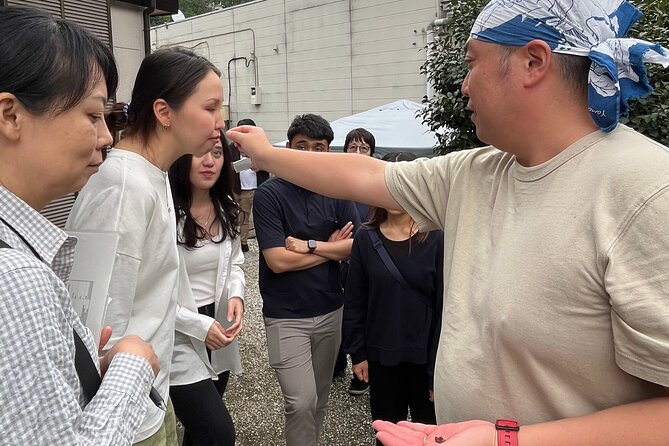
At Yamane Brewery, the visit begins at the home of the head of a traditional Japanese house. The setting adds context before the sake tasting starts. Rather than treating the brewery as an isolated production room, the visit places it within a living local environment.
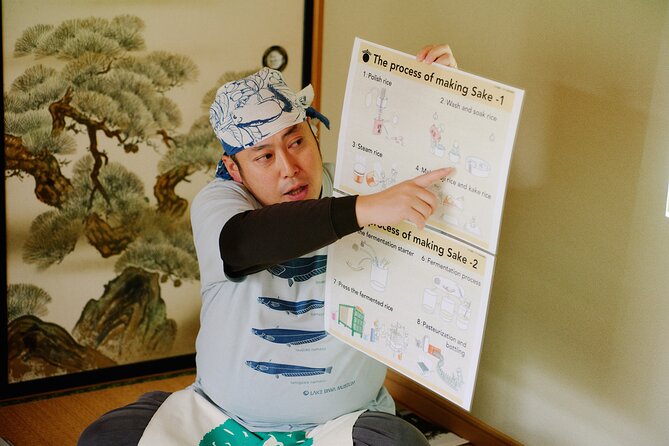
You can expect an explanation of how Yamane’s brewing differs from conventional methods. The talk covers the wooden barrels, local materials, and the way the producer works in small batches. The guide or brewery host also explains the tools and stages involved in making the sake.
Fukunari Wakabayashi is praised for his personal approach to hosting. He has spoken about sake, local nature, and the need to protect quality rather than chase quantity. He also operates other hospitality activities connected with the area, including an inn and barbecue space, according to the information available for the experience.
Do not expect a museum-style display with rows of machines and long printed panels. The attraction is the chance to hear directly about a working craft operation. If you like meeting the person behind a product, this part may be more interesting than a highly polished commercial tour.
The language experience may vary, but English information boards are available. Some visitors also found the guide’s explanations clear and helpful. If you have questions about fermentation, serving temperature, the wooden barrels, or the local materials, this is the time to ask them.
More Sake Tastings in Japan:
- Best of Shinjuku: Izakaya Food Tour (4 Stops, 14+ Tastings)
★ 5.0 · 1,863 reviews - 1.5-Hour Kyoto Insider Sake Experience with 7 Tastings & Pairings
★ 5.0 · 297 reviews - Ramen and Sushi Cooking Class with Sake Pairing Set in Tokyo
★ 5.0 · 291 reviews - Sake Tasting Masterclass in Shinjuku (8+ Varieties with a Pro)
★ 5.0 · 271 reviews
Seeing the wooden-barrel brewing method
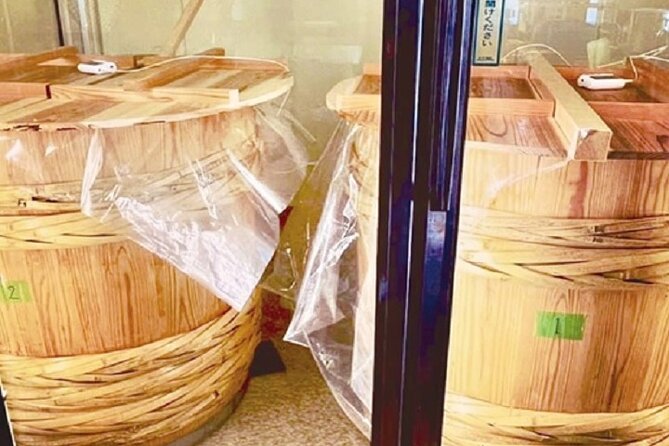
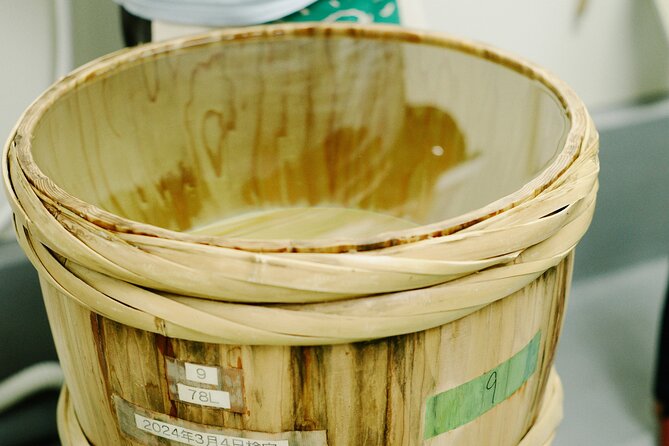
The wooden barrels are one of the strongest reasons to choose this tour. Nishikawa timber comes from the local area, and using it brings the brewery into direct contact with Hanno’s forests.
Modern equipment can make production easier to control. Wooden vessels are less simple. Their surface and natural microorganisms can affect the fermentation, creating small differences from one batch to another. That is why this sake is not just a drink with a local label. The brewing method itself is tied to the area.
The brewery’s use of a former convenience store also gives the operation a practical, almost improvised character. You are seeing a small producer make careful use of an existing building instead of building a large facility from scratch. That fits the broader environmental idea behind the business.
The method may appeal to you if you care about traditional food production, local forestry, or small-scale businesses. It may be less satisfying if you want a long technical tour with every stage of industrial sake production shown in detail. The visit is intimate and specific, not a complete textbook course on every kind of Japanese sake.
Tasting from Hanno soil cups
The tasting vessels are more than a decorative touch. They are made from 100% Hanno soil, a material that is no longer produced and exists only in limited quantities.
That detail gives the tasting a useful sense of place. You are not only tasting a local sake. You are holding a cup connected to the same area. The wood, water, soil, snacks, and sake all point back to Hanno rather than treating the town as a backdrop.
The cups also make the experience memorable without turning it into a souvenir shopping stop. The information provided does not say that you receive a cup to take home, so do not assume the tasting vessel is included as a keepsake.
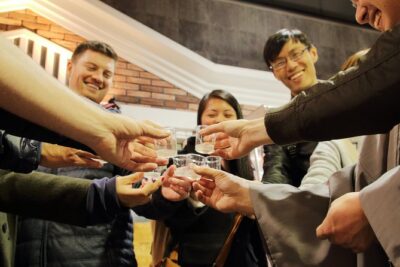
You will taste three types of sake, with snacks served alongside them. Take your time. Doburoku can be very different from the familiar clear sake served at many restaurants, and the unfiltered mash may give it a thicker or more textured feel.
Because alcoholic drinks are included, use the tasting as the center of your afternoon. The tour lasts about three and a half hours, but it is not a drinking contest. The small group makes it easier to pay attention to the differences between samples and to ask about how each one was made.
What the $100.43 price really covers
At $100.43 per person, this is not a cheap station-side tasting. The price makes more sense if you value access to a very small brewery, a guided explanation, three sake samples, snacks, and the transport coordination between Hannō Station and the brewery.
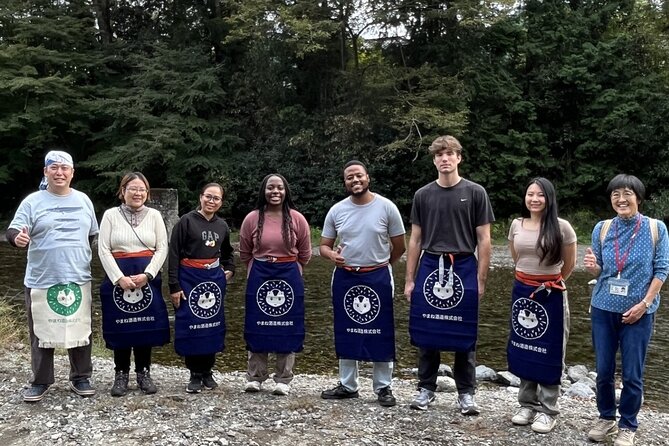
The group limit of eight is important. A larger group could make a small home-based brewery feel crowded and would reduce the chance for direct conversation. Here, the limited capacity supports the personal side of the visit.
Still, you should count the extra costs. Bus transportation is not included, and lunch is separate. You are paying for the hosted brewery experience, not an all-inclusive day in Hanno.
I would compare this price with your interests rather than with the cost of a standard sake flight. If you want a quick sample of Japanese alcohol, a bar will cost less. If you want to understand a rare local brewing method and meet the person behind it, the price is easier to justify.
Group discounts are available, which may help if you are booking with family or friends. Confirmation is provided at booking, and free cancellation is available when you cancel at least 24 hours before the 1 p.m. start time. Changes or cancellations within 24 hours are not accepted for a refund.
Returning to Hannō for lunch and more Saitama plans
After the brewery visit, you ride the bus back to Hannō Station with the guide. The activity ends where it began, which keeps the logistics simple and lets you continue your day without arranging a separate pickup.
Lunch is not part of the tour, but the guide can recommend local restaurants near the station. This is useful because the tasting includes snacks rather than a full meal. Plan your restaurant stop after the tour, or eat before the 1 p.m. start if you prefer not to wait.
Hannō is also a practical base for adding another stop. The area gives you access to Chichibu, Kawagoe, and Moominvalley Park. The timing may work well as part of a wider outing, but check train and attraction schedules yourself. The brewery visit is about three hours and 30 minutes, so it will occupy most of the afternoon once station transfers are included.
The tour is best treated as one focused part of a Saitama plan. Trying to squeeze in several distant attractions on the same day could make the schedule uncomfortable.
Who should book this brewery tour?
I would choose this experience if you like food and drink with a strong local connection. It suits people who want to learn how a product is made, ask questions, and see a small operation rather than simply order a drink at a restaurant.
It is also a good match for anyone interested in traditional Japanese materials. The wooden barrels, Nishikawa timber, Hanno soil cups, and natural fermentation all give the visit more depth than a routine tasting.
The experience can work for a mixed group, too. You do not need to be a sake expert. The host explains the process, and the tasting gives you a simple way to compare styles. The maximum of eight people should help keep the atmosphere friendly and manageable.
I would hesitate if you do not drink alcohol, need a full lunch included, or prefer to move independently without a set meeting time. You should also be comfortable with public transportation and a visit that takes place in a modest, working setting rather than a large visitor center.
Most people can participate, and the tour is near public transportation. The available information does not give detailed accessibility notes, so contact the provider if you need specific arrangements.
Should you book Yamane Brewery?
Book it if rare sake, local materials, and personal contact matter more to you than a low price or a packed sightseeing schedule. Doburoku is unusual enough to make the tasting worthwhile, and Yamane’s use of wooden barrels gives the visit a clear reason to exist.
The best value comes from treating it as a cultural experience, not just a three-glass tasting. You are paying to connect the drink with Hanno’s timber, soil, water, and small-scale craft.
Skip it if your main goal is a quick, inexpensive sake sample or if the extra bus fare and separate lunch make the cost too high. For the right visitor, though, this is a memorable way to spend an afternoon outside Tokyo, with a rare drink and a story you cannot get from a standard restaurant menu.
FAQ
Where does the tour begin?
The tour begins at Hannō Station in Saitama, Japan. Meet the guide after exiting the ticket gate and look for a tour placard.
What time does the experience start?
The scheduled start time is 1 p.m.
How long does the tour last?
The experience lasts approximately three hours and 30 minutes.
How many people can join?
The tour has a maximum of eight participants.
What is included in the price?
The tour includes a Japanese sake tasting and snacks. The tasting includes three types of special sake.
Is lunch included?
No. Lunch is not included, although the guide can recommend local restaurants near Hannō Station after the tour.
Can I cancel for a refund?
Yes. You can receive a full refund if you cancel at least 24 hours before the experience start time. Cancellations or changes made less than 24 hours in advance are not accepted for a refund.
Just added around Japan
- Tokyo: Serene Sakura & Sake: An Exclusive Brewery Pairing Lunch★ 5.0 · 2 reviews
- Tokyo Sake Tasting Tour with a Sake Expert★ 5.0 · 7 reviews
- Wagyu BBQ & Sukiyaki with Sake Pairing Experience near Ginza★ 5.0 · 2 reviews
- Japanese Sake Tasting & Wagyu Sukiyaki Cooking Class in Tokyo★ 5.0 · 10 reviews
- Tokyo Izakaya crawl (A tour of 2 izakayas, 1 bar, and a shrine)★ 5.0 · 8 reviews
- Private Tokyo Food Tour – Retro Akabane Izakaya Experience★ 5.0 · 14 reviews
- Tokyo: Learn the Art of Chopsticks in a Cozy Izakaya!★ 5.0 · 2 reviews
- Shinjuku Underground Nightlife Tour: Izakaya Food & Bar Hopping★ 5.0 · 11 reviews
Sake Brewery Tours, compared.

3-Hour Kyoto Insider Sake Brewery Tour with Tastings & Pairings
Read our review →
Kyoto: Insider Sake Brewery Tour with Sake and Food Pairing
Read our review →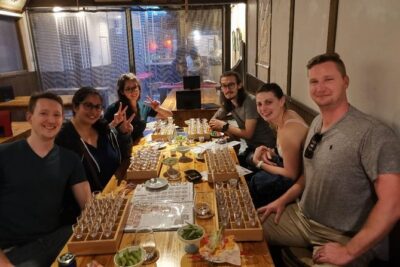
KOBE Sake Tasting Tour at Breweries (tasting fee included)
Read our review →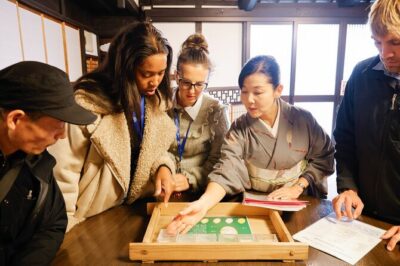
Hiroshima Saijo Sake Tasting Tour with visit to 7 Breweries
Read our review →
Takayama: Authentic Sake Tasting at a Historic Brewery
Read our review →
Private Sake Brewery Visit and Tasting Tour in Hida
Read our review →
Browse the lists this tour appears in