
REVIEW · TOKYO SAKE TOURS
Unlimited SAKE Tasting《OVER-THIRTY-BOTTLES》From ALL OVER JAPAN!
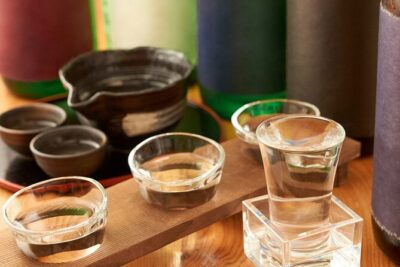
More than 30 bottles from all 47 Japanese prefectures is a bold promise, and this tasting comes close to delivering the full sweep. In two hours, you can compare crisp, dry, fragrant, rich, and unusual sakes rather than settle for one restaurant pour. Nana and Suemi are among the guides who lead sessions, bringing a friendly, personal touch to the lesson.
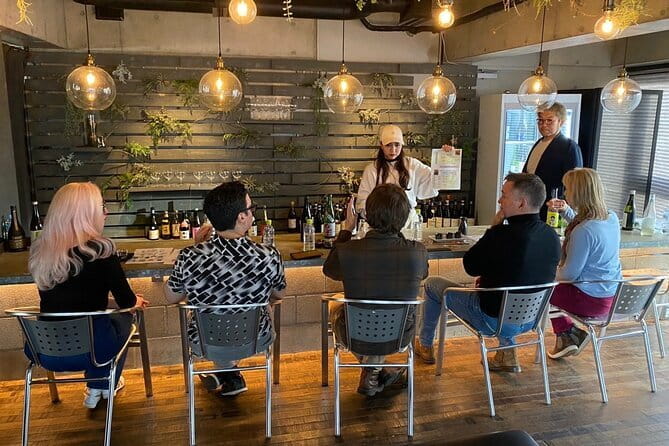
I like two things right away: the tiny group, usually capped at four, gives you room to ask questions, and the station access is excellent. I also like the food support, with Japanese snacks and small brunch-style bites served as you taste. The main consideration is pace. Some people sample 16 types, while others reach 28 or 32, so the advertised 30-plus is not a guaranteed count for every session.
- Thirty to 40 bottles: Sample sake selected from across Japan, including bottles that can be difficult to find.
- A four-person feel: The activity may be listed with a higher maximum, but the operating information says it is usually held for up to four people.
- Guides with personality: Nana and Suemi lead sessions, and the owner may also join the tasting.
- Food with the pours: Japanese snacks, small appetizers, bottled water, and a soft drink are included.
- Easy Tokyo location: Meet at the Starbucks beside Acorde Yoyogi-Uehara, about 10 seconds from the station.
- A useful souvenir: You receive a small takeaway gift, plus photos from the session.
Starting beside Yoyogi-Uehara Station
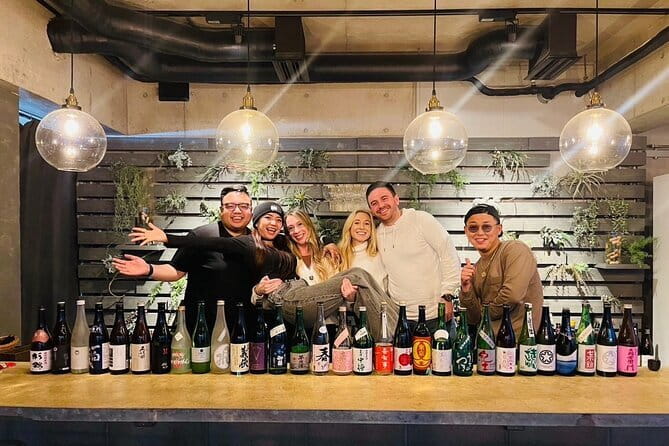
The meeting point is unusually easy for Tokyo. You meet at Starbucks Coffee in Acorde Yoyogi-Uehara, at Nishihara 3-chome 8-5 in Shibuya. The activity description puts the station only about 10 seconds away, which is useful when you are fitting a tasting into a packed day.
Yoyogi-Uehara is also advertised as roughly 10 minutes from Shinjuku and Shibuya. That makes this a practical break from sightseeing, not a time-consuming side trip. Still, allow enough time to find the exact Starbucks and arrive promptly. One participant arrived late and was still welcomed, but the session had to make the best of the shortened time.
The activity lasts about two hours and ends back at the meeting point. There is no sightseeing route or vehicle transfer. That is a plus for anyone who wants a focused food and drink experience, though it also means the value depends almost entirely on the quality of the tasting and guide.
A small room, not a large bar crawl
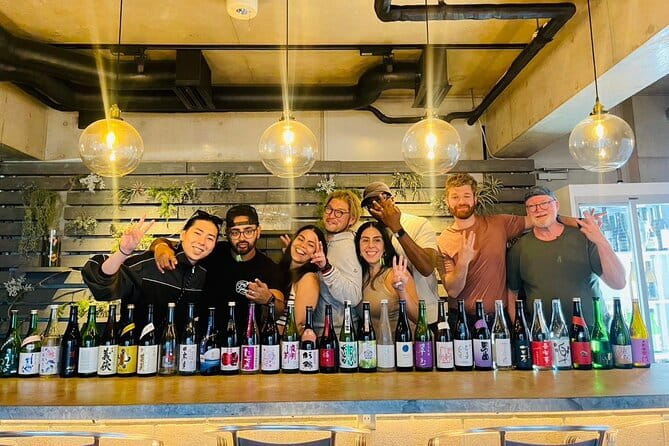
This is designed as a seated, social tasting rather than a pub crawl. The stated maximum varies between four and six people in the booking information, while the operating note says the tour is held for up to four. I would plan on a very small group, but confirm the final number if that matters to you.
A small group changes the experience in a good way. You can ask why one sake tastes sweeter than another, how the rice was polished, or where a bottle was made without waiting for a guide to work through a crowd. You also swap impressions with the other people at the table, which makes the tasting less formal.
The mood appears to be relaxed and playful. Suemi is described as warm and energetic, and one session included a quiz along with stories about the drinks. The owner of the bar may also be present, adding another voice and a closer connection to the venue.
Do not expect a hushed sommelier lecture. The tone is friendly, lively, and social. That will suit you if you enjoy conversation with your drinks. If you want a quiet, highly structured master class with printed tasting sheets, this may feel more casual than expected.
More Sake Tastings in Tokyo:
- Best of Shinjuku: Izakaya Food Tour (4 Stops, 14+ Tastings)
★ 5.0 · 1,863 reviews - Ramen and Sushi Cooking Class with Sake Pairing Set in Tokyo
★ 5.0 · 291 reviews - Sake Tasting Masterclass in Shinjuku (8+ Varieties with a Pro)
★ 5.0 · 271 reviews
How the sake tasting unfolds
The session begins with an introduction to sake and the basic ideas that help you understand the glass in front of you. You learn about production, the areas of Japan that make sake, and the reasons bottles can taste so different.
The information provided does not give a fixed pouring order, so the exact progression can vary by guide and group. You can expect to move through a broad selection rather than taste one brand in depth. The guides explain origins and differences as you go, which is more useful than simply lining up bottles and asking you to judge them alone.
Sake is often treated by first-time drinkers as one single style. This tasting corrects that quickly. The selection can include differences in aroma, sweetness, dryness, body, polish, and serving character. A bottle from one region may feel clean and light, while another seems rounder, fuller, or more fragrant.
One session reached 16 varieties, another reached 28, and another reached 32. Those numbers tell you something important about the format: the count depends on the group, the guide, and how much time goes into explanation and conversation. You may taste more than 30, but do not treat that number as a timed guarantee.
A session that reaches 28 carefully explained bottles may be more useful than one that rushes through 40. I would focus less on counting and more on whether you leave able to identify the styles you like.
From all over Japan, including harder-to-find bottles
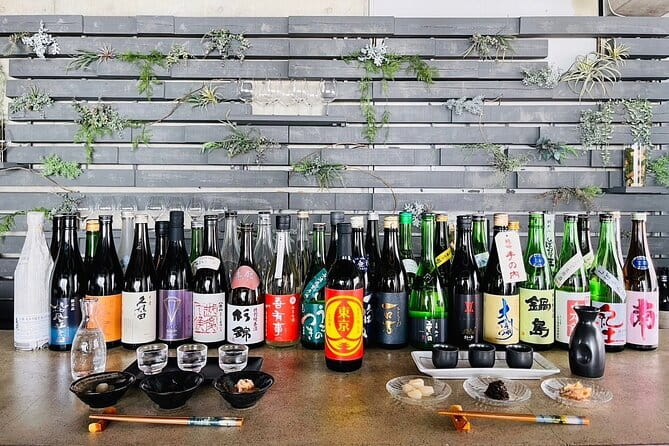
The tasting is built around sake from across Japan, with selections intended to represent all 47 prefectures as much as possible. The range is a major reason to book this rather than order two or three random bottles at dinner.
The host also promises rare bottles that even many Japanese drinkers may not easily find. That does not mean every session will contain the same rare labels, since stock changes. It does mean the selection aims to go beyond the most familiar supermarket names.
One especially useful point is the emphasis on top-quality Junmai sake and above in at least one session. Junmai refers to sake made without added distilled alcohol, although the label alone does not tell you whether you will prefer the taste. The guide’s explanation helps put terms like Junmai into context instead of leaving them as menu decoration.
You can expect the guide to discuss production areas and manufacturing processes. This matters because place and method are not just background facts. They help explain why two clear drinks made from rice can have such different aromas and textures.
The value is strongest for someone who has tasted sake before but has never compared a wide range side by side. You get a reference point for future restaurant orders and bottle-shop purchases. Even if you forget some of the technical terms, you will have a better idea of whether you prefer lighter, drier, sweeter, or more aromatic styles.
Snacks and brunch bites keep the tasting comfortable
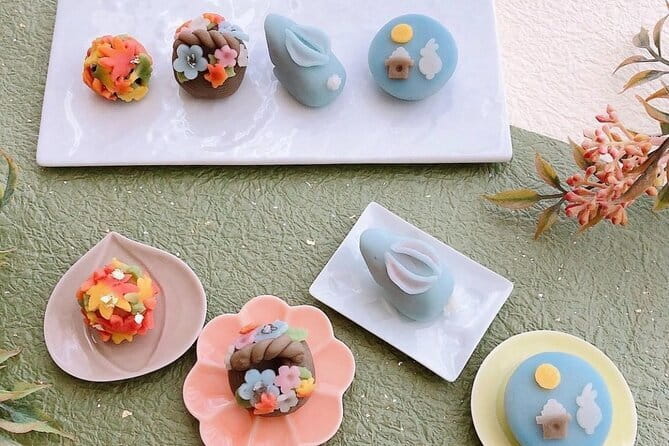
Alcohol without food can turn a thoughtful tasting into a blurry one. This experience includes Japanese snacks, small appetizers described as brunch, bottled water, and a free soft drink to use as a chaser.
The food is not presented as a full restaurant meal. Think of it as palate support and a few pairings that help you continue tasting. The organizers select snacks that match sake and include some items related to Japanese drinking culture.
That arrangement is practical. A salty or savory bite can reset your mouth after a stronger pour, while water gives you a chance to slow down. The appetizers also add a cultural layer, since sake is best understood alongside the foods it commonly accompanies.
You should still eat sensibly before or around the activity. The included bites are useful, but they are not advertised as a substantial lunch or dinner. If you arrive hungry, you may want to plan a proper meal before or after the tasting.
The tour includes all alcoholic beverages, snacks, brunch items, bottled water, and a soft drink. You do not need to pay the guide separately for the drinks or food. That makes the $85.66 price easier to judge, since your main out-of-pocket cost is known in advance.
A few more sake tours around Tokyo worth a look
- Tokyo: Shinjuku Local Bar and Izakaya Guided Walking Tour
★ 4.9 · 1,794 reviews - Tokyo: Shinjuku Local Bar & Izakaya Crawl Tour
★ 5.0 · 890 reviews - Shibuya: Local Bar & Izakaya Crawl
★ 4.9 · 354 reviews - Sake Omakase in Tokyo: Guided Tasting by Certified Sommeliers
★ 5.0 · 239 reviews
What $85.66 buys you in Tokyo
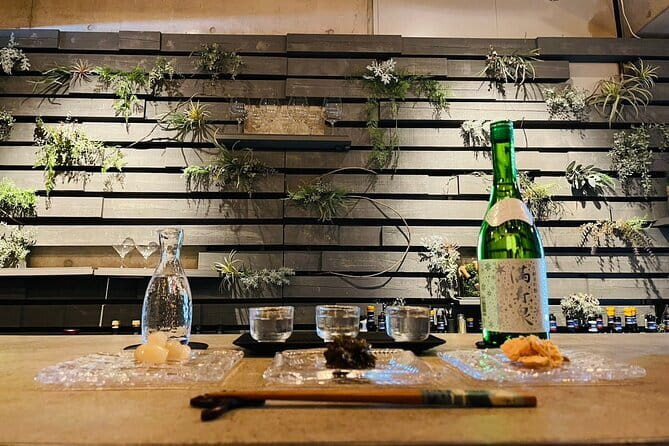
At $85.66 per person, this is not a cheap way to have a couple of drinks. It is priced as a guided education and sampling session, with a potentially large range of bottles, food, photos, and a souvenir included.
The value is good if you are curious about sake and would otherwise spend money ordering several bottles or glasses without knowing what you are getting. A restaurant tasting flight might offer a few carefully chosen pours, but it is unlikely to give you this much regional variety in a small group.
The value is less convincing if you only want a quick drink or already know exactly which sake you like. You are paying for comparison, explanation, and access to a broad collection. A person who dislikes alcohol, prefers a quiet meal, or is not interested in how sake is made may not get enough from the format.
The unlimited wording needs a little common sense. You can taste as much as you reasonably can during the two-hour session, but the experience is not a challenge to consume as much as possible. The best approach is to sip, take notes mentally, use the snacks and water, and stop when you have found styles worth remembering.
Photos are included, which gives you a record of the session. The souvenir is described as a hidden or special takeaway meant to help you enjoy Japanese food culture after returning home. Since the exact item is not specified, treat it as a pleasant extra rather than a reason to book.
Nana, Suemi, and the value of the guide
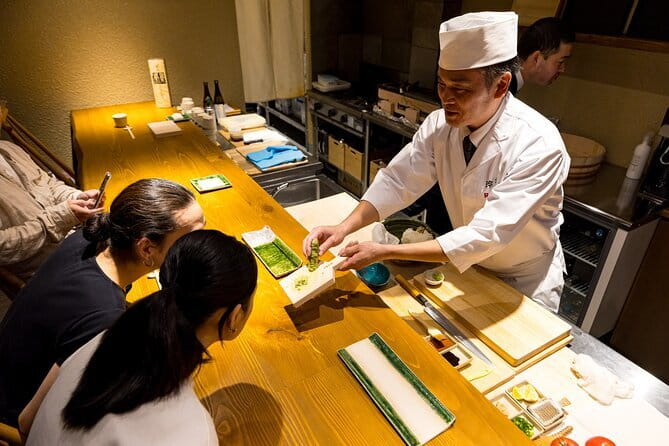
The guide makes or breaks a tasting. Here, Nana is identified as both guide and sommelier, while Suemi is described as energetic, personable, and comfortable keeping the room relaxed. Different dates may have different hosts, so you should not assume one specific guide unless the operator confirms it.
Nana’s role is especially helpful if you are new to sake. The session can cover origins, production, and flavor differences while still allowing time to taste. Suemi’s reported style sounds more social, with quizzes, stories, and plenty of conversation.
The strongest aspect of the guide format is not memorizing technical vocabulary. It is learning how to ask better questions. You can find out why a bottle smells fruity, why another tastes dry, or what to look for when ordering in a Japanese restaurant.
The hosts also appear willing to make the session personal. A small group lets them respond to your tastes rather than deliver the same speech at a large table. If you tell them you prefer beer, wine, sweet drinks, or crisp flavors, they can likely use that as a starting point, though the exact level of personalization depends on the day.
Who should book this experience
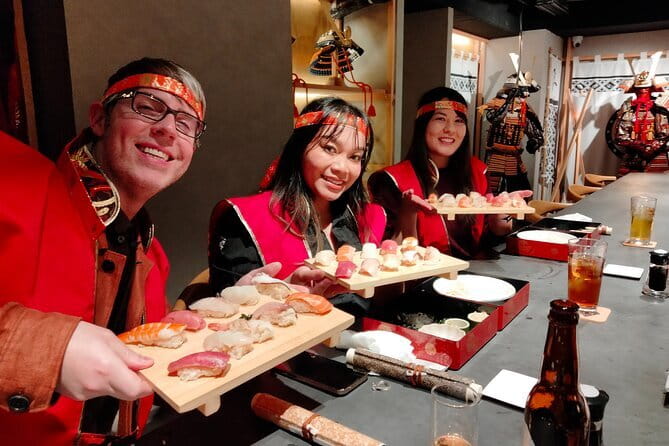
I would recommend this for adults who want a focused introduction to Japanese sake, especially if you are spending time around Shinjuku or Shibuya. The short duration fits neatly into a Tokyo itinerary, and the station location keeps the transport simple.
It is a strong choice for:
- First-time sake drinkers who want guidance before ordering bottles on their own.
- Wine or spirits drinkers who enjoy comparing styles and production methods.
- Couples and small friend groups looking for a social indoor activity.
- People who want rare or regional bottles rather than only famous labels.
- Visitors who like learning through conversation instead of a formal museum-style talk.
Families may also be able to take part, since babysitting can be arranged for an extra fee. The operator says the babysitting team includes licensed babysitters with overseas and group-home experience, and that children may take part in traditional Japanese cultural activities. You should contact the provider directly before booking, since this is an additional service and is not included in the listed price.
This is not the best fit for anyone under the legal drinking age, anyone who avoids alcohol, or anyone hoping for a full meal. It is also not ideal if you need a perfectly fixed tasting list, since the number and selection can vary.
Timing, booking, and cancellation details
The tour is often booked about 47 days ahead, and the small capacity explains why popular dates can sell out. If you have only one free afternoon in Tokyo, book early rather than assume a last-minute place will be available.
You receive confirmation when booking, and a mobile ticket is available. The meeting point is near public transportation, with the start and finish at Starbucks Coffee in Acorde Yoyogi-Uehara.
Free cancellation is available up to 24 hours before the local start time. Cancellations or changes made inside that window are not refunded. The activity may also be canceled if the minimum number is not met or if poor weather affects the session, in which case you are offered another date or a full refund.
The weather rule is worth noting because this is primarily an indoor drink experience. The operator still lists good weather as a requirement, so check your messages before setting out if conditions are poor.
Should you book the unlimited sake tasting?
Book it if you want to understand sake through comparison, conversation, and a wide selection of bottles. The combination of an easy station location, a group of around four, Japanese snacks, and guides such as Nana or Suemi gives the activity more substance than a simple bar visit.
Go in with realistic expectations. You may taste 30 or more bottles, but you may also reach 16 or 28 if the group spends more time learning and discussing. The $85.66 price is fair for a serious sampler with food, photos, a souvenir, and no extra drink bill, but it is not a bargain for anyone who only wants a casual glass.
For the best experience, arrive on time, eat something beforehand, use the water, and pay attention to the styles you prefer. If you leave with two or three sake types you would happily order again, the tasting has done its job.
FAQ
How long does the sake tasting last?
The activity lasts approximately two hours and finishes back at the meeting point.
Where does the tour meet?
You meet at Starbucks Coffee in Acorde Yoyogi-Uehara, at Nishihara 3-chome 8-5 in Shibuya, Tokyo. The meeting point is about 10 seconds from Yoyogi-Uehara Station.
How many people can join?
The activity information gives a maximum of four travelers, while another capacity note says up to six. The operator also explains that sessions are usually held for up to four people, so you should expect a small group.
What is included in the price?
The price includes all-you-can-drink sake from a selection of roughly 30 to 40 types, Japanese snacks, small brunch appetizers, bottled water, a soft drink, photos during the activity, and a souvenir.
Will I definitely taste more than 30 sakes?
The experience is advertised around 30 to 40 types, but the number can vary. Recorded sessions have reached 16, 28, and 32 varieties, depending on the pace and discussion.
Can I cancel for a refund?
Yes. You can cancel at least 24 hours before the local start time for a full refund. Cancellations or changes made less than 24 hours before the start are not refunded.
Just added around Tokyo
- Tokyo: Serene Sakura & Sake: An Exclusive Brewery Pairing Lunch★ 5.0 · 2 reviews
- Tokyo Sake Tasting Tour with a Sake Expert★ 5.0 · 7 reviews
- Wagyu BBQ & Sukiyaki with Sake Pairing Experience near Ginza★ 5.0 · 2 reviews
- Tokyo Izakaya crawl (A tour of 2 izakayas, 1 bar, and a shrine)★ 5.0 · 8 reviews
- Japanese Sake Tasting & Wagyu Sukiyaki Cooking Class in Tokyo★ 5.0 · 10 reviews
- Private Tokyo Food Tour – Retro Akabane Izakaya Experience★ 5.0 · 14 reviews
- Tokyo: Learn the Art of Chopsticks in a Cozy Izakaya!★ 5.0 · 2 reviews
- Shinjuku Underground Nightlife Tour: Izakaya Food & Bar Hopping★ 5.0 · 11 reviews
Tokyo Sake Tours, compared.
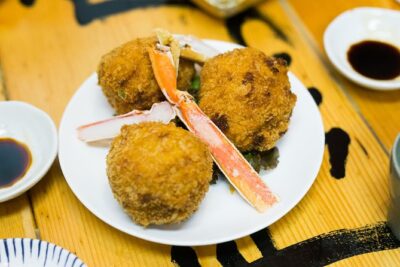
Best of Shinjuku: Izakaya Food Tour (4 Stops, 14+ Tastings)
Read our review →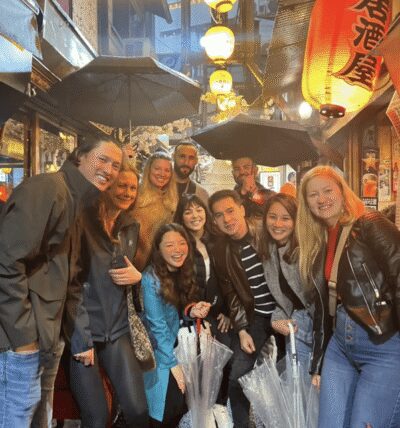
Tokyo: Shinjuku Local Bar and Izakaya Guided Walking Tour
Read our review →
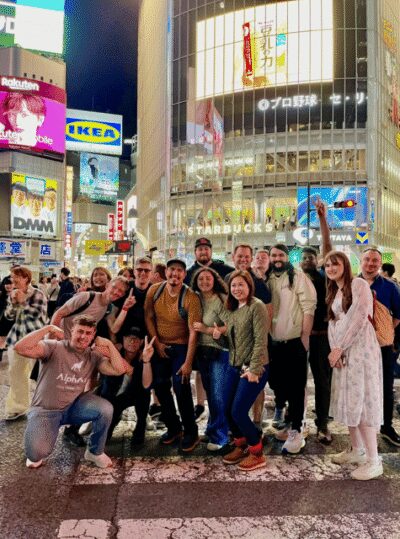
Ramen and Sushi Cooking Class with Sake Pairing Set in Tokyo
Read our review →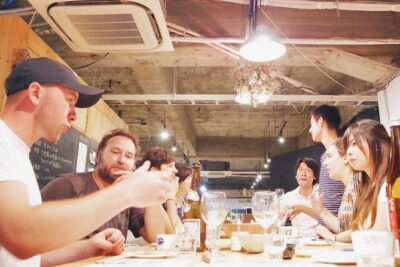
Sake Tasting Masterclass in Shinjuku (8+ Varieties with a Pro)
Read our review →
Tokyo Washoku 4-hour Cooking Class: From Market to Table
Read our review →
Sake Omakase in Tokyo: Guided Tasting by Certified Sommeliers
Read our review →Browse the lists this tour appears in