
REVIEW · TOKYO SAKE TOURS
Tasting All Types of Sake with Sommelier
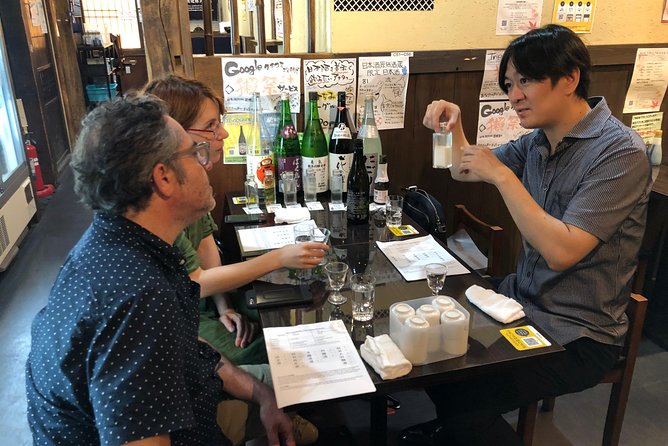
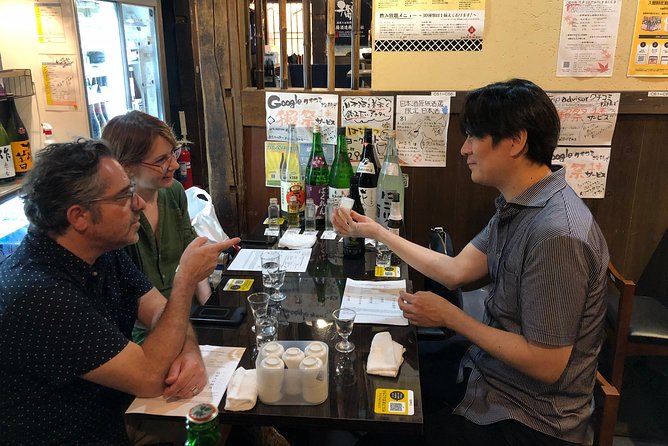
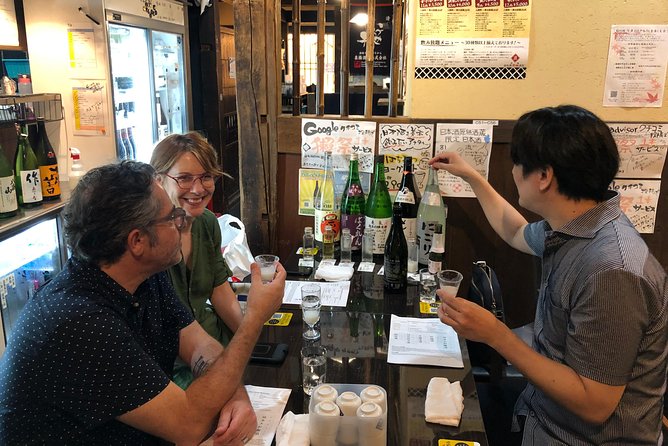
The most useful part of this Shinjuku experience is that it turns a confusing drinks menu into something you can actually understand. Sommelier Aki guides you through six or seven types of sake, explains how each one is made, and shows you what to look for on a bottle label. I like the small sake-bar setting and the chance to try Japanese bottles that can be difficult to find outside Japan.
I also like that the tasting is more than a string of drinks. Aki talks about sparkling, sweet, dry, hot, pasteurized, and unpasteurized sake, then adds practical advice about ordering in restaurants and shopping for bottles. The drawback is simple: ninety minutes can feel short if you want a full technical lesson, and the amount of information may be a lot if you only wanted casual drinks.
Key points to know before booking
- Six to seven sake styles: Expect a broad tasting rather than several versions of one narrow style.
- Sommelier-led instruction: Aki or Akira explains production, labels, serving methods, taste, and food matches in English.
- Small group format: The maximum group size is 12, and some departures may feel nearly private.
- Shinjuku after dark: The route includes Shinjuku San-chome, Kabukicho, and conversation about Golden Gai.
- Best early-trip timing: Take this near the beginning of your Tokyo stay so you can use the advice in restaurants and shops.
- Included tasting: The listed price is $62.76 per person, with the sake tastings included.
Why this Shinjuku sake tasting is useful
Sake can look simple until you face a wall of bottles covered in Japanese writing. Terms, rice-polishing numbers, serving temperatures, and production methods all affect the drink, but they are not easy to sort out during a busy dinner.
This experience gives you a practical starting point. Aki explains how sake is produced and how different choices in brewing affect flavor. You are not left with only a list of names. You learn how to connect a label with the taste in your glass.
That matters because sake is not one uniform drink. You might try a light sparkling style, a sweeter pour, a dry version, and sake served warm. You may also compare pasteurized and unpasteurized examples. The point is not to decide which type is best. It is to find the styles that suit you.
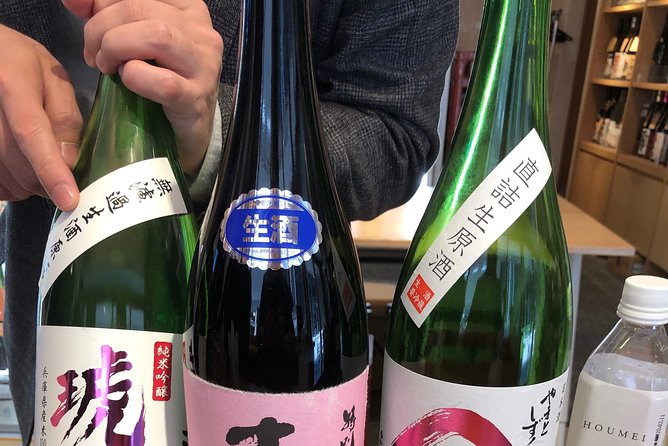
I especially like the label lesson. After the tasting, you should have a better idea of how to choose a bottle based on your own preferences instead of picking by price or attractive packaging. This is the sort of information you can use again at an izakaya, department-store food hall, or sake shop.
The tour also helps with language barriers. You can ask direct questions in English and get an explanation before ordering. If you have ever stared at a Japanese menu and guessed, this is practical help rather than abstract theory.
More Sake Tastings in Tokyo:
- Best of Shinjuku: Izakaya Food Tour (4 Stops, 14+ Tastings)
★ 5.0 · 1,863 reviews - Ramen and Sushi Cooking Class with Sake Pairing Set in Tokyo
★ 5.0 · 291 reviews - Sake Tasting Masterclass in Shinjuku (8+ Varieties with a Pro)
★ 5.0 · 271 reviews
Meeting Aki near Shinjuku San-chome
The meeting point is in front of Shinjuku San-chome Station area at 4 pm, at 3-chome-4-8 Shinjuku, Shinjuku City. Shinjuku is one of Tokyo’s busiest entertainment districts, so give yourself enough time to reach the exact spot.
The first few minutes are used to talk about Shinjuku. That sounds brief, but it gives the tasting a sense of place. You are not simply being taken into a bar with no context. Aki introduces the neighborhood and helps you get oriented before the drinks begin.
The meeting point is near public transportation, which makes this a reasonable afternoon activity before dinner. It also works well as a starting point for a night in Shinjuku. Afterward, you are already near Kabukicho and Golden Gai, two areas that are often part of an evening walk through the district.
Aki’s easy manner is one of the strongest parts of the experience. He is described as funny, welcoming, and comfortable speaking English. That matters in a tasting because questions are half the value. You should feel free to ask why one sake tastes sweeter, why another is served warm, or what a particular label term means.
The group limit is 12 people. That is small enough for an interactive session, though the exact feel will depend on the day. Some bookings have been made by couples or small family groups, and a lightly booked departure may feel almost private.
A short look at Shinjuku 3-chome
Before reaching the sake bar, Aki spends a few minutes discussing Shinjuku 3-chome. This area is useful as a transition between the station and the tasting itself.
You get a quick introduction rather than a full neighborhood tour. Do not book this expecting a long walking history lesson. The neighborhood talk is there to put the evening in context and lead you toward the main activity.
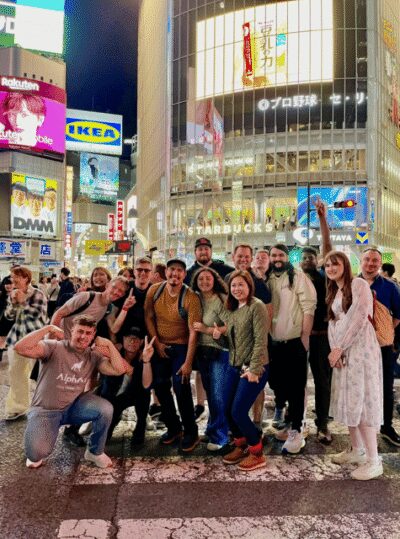
That short walk may also help you notice how quickly Tokyo changes from department stores and major retail brands to compact bars and narrow nightlife streets. The sake tasting is located near Louis Vuitton Shinjuku, so the setting is easy to identify once you arrive.
Six or seven pours at a small sake bar
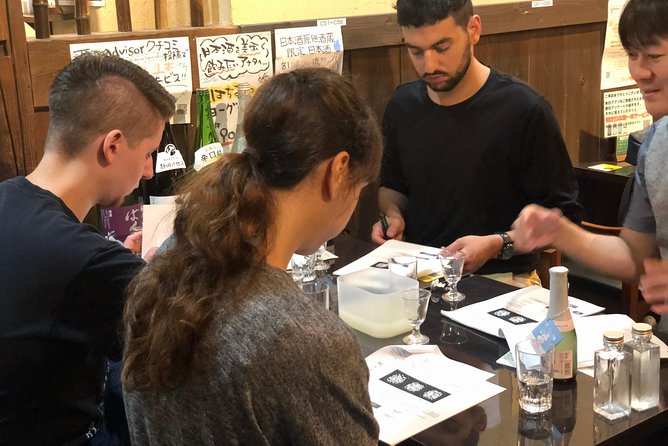
The main session takes place at a sake bar near Louis Vuitton Shinjuku. This is the heart of the experience, and it lasts about 80 minutes within the stated 90-minute tour.
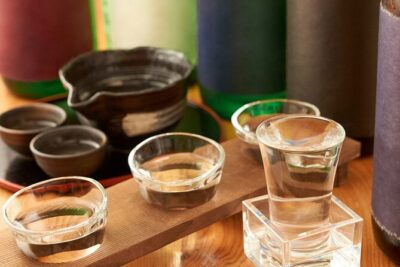
Aki serves a range of sake and explains what he notices in each glass. The tasting can include sparkling, sweet, dry, hot, pasteurized, and unpasteurized examples. That variety gives you a better sense of sake than sampling six bottles that all have a similar style.
The number is generally six or seven types, with an additional welcome sake mentioned in one account of the experience. The exact selection may vary, so you should think of the tasting as a guided range rather than a fixed menu.
One important benefit is the chance to try sake that may not be available in the United States. Unpasteurized sake can be difficult to ship, which makes Tokyo a good place to sample it. If you already enjoy sake, this may be the part that justifies the price. You are not only learning about bottles you can find at home. You may taste styles that are much harder to access outside Japan.
Aki explains how to drink each type and what foods may suit it. The food-pairing advice is useful because sake is often ordered alongside small dishes, grilled foods, seafood, or richer Japanese meals. Even if you do not remember every technical term, you should leave with a clearer sense of which sake works with a meal and which one you might enjoy on its own.
The lesson covers ingredients, brewing, aging, the market, and the reasons sake can taste so different from one bottle to another. It can feel like an introductory class, not simply a bar crawl. That is a strength if you want substance, but it may be more detail than you want if your goal is only to have a quick drink.
Bring a little food into the afternoon. One useful tip from the experience is to eat lunch first, since several pours on an empty stomach can catch up with you. The tour is educational, but it is still alcohol tasting.
A few more sake tours around Tokyo worth a look
- Tokyo: Shinjuku Local Bar and Izakaya Guided Walking Tour
★ 4.9 · 1,794 reviews - Tokyo: Shinjuku Local Bar & Izakaya Crawl Tour
★ 5.0 · 890 reviews - Shibuya: Local Bar & Izakaya Crawl
★ 4.9 · 354 reviews - Sake Omakase in Tokyo: Guided Tasting by Certified Sommeliers
★ 5.0 · 239 reviews
Learning to read a sake label
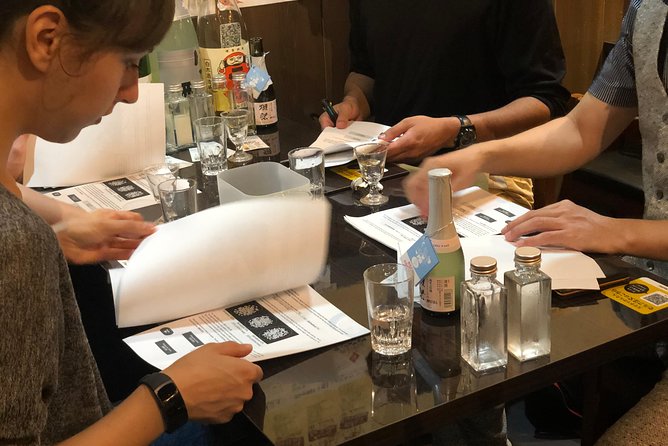
A bottle label can tell you more than its name, but only if you know what to notice. Aki provides a handout covering sake production, types, and related information, which gives you something to refer to after the tasting.
The label discussion is one of the most practical parts of the session. You learn how to connect the information on the bottle with your own taste preferences. If you like dry sake, for example, you can ask better questions about a bottle rather than relying on a random recommendation.
The printed material is helpful, though it is more of a general guide than a full record of the tasting. It does not necessarily list every sake served with details such as acidity or pasteurization. If you want a permanent record, take notes or ask Aki to repeat the name of a bottle you like.
That small limitation is worth knowing before you arrive. The experience gives you a foundation for choosing sake, but you will need to keep track of your personal favorites yourself.
Kabukicho, Golden Gai, and the evening setting
The tour includes discussion of Kabukicho and Golden Gai, two well-known parts of Shinjuku nightlife. These stops are not presented as long, separate sightseeing visits. Instead, Aki talks about them during the experience and gives you a better idea of what surrounds the sake bar.
This is useful if you plan to continue your evening nearby. Shinjuku can feel confusing after dark, with large streets, small alleys, and countless bars packed into a compact area. Aki can also offer general advice about places to visit and things to avoid in Japan.
Do not expect the sake tasting to include a full night tour or drinks at multiple venues. The activity ends back at the meeting point, and its main purpose remains the guided tasting. The nightlife information is a helpful extra, not the central product.
I like the timing. Starting at 4 pm lets you learn about sake before dinner, then use what you have learned at your next meal. You can also continue toward Kabukicho or Golden Gai afterward if you want more of Shinjuku’s evening atmosphere.
What $62.76 buys you
At $62.76 per person, this is not the cheapest way to drink sake in Tokyo. You could order a glass at a bar for less. The value comes from the range of pours, the instruction, and the chance to ask an expert how to make sense of what you are tasting.
Six or seven samples add up quickly, especially when they cover several styles rather than one basic house sake. The price also includes the structure that most casual bar visits lack. You taste in a planned order, hear why each sake is different, and get advice you can use later.
I would judge the price by your interest level. If you already want to understand sake, the fee is reasonable for a focused introduction in central Tokyo. If you are traveling with family or friends who enjoy learning through food and drink, it can be a good shared activity.
If you only want a single drink and a lively bar atmosphere, you may find better value elsewhere. This is a class with alcohol, not simply an evening out.
The tour is frequently booked about 23 days ahead on average. That does not guarantee you need to reserve weeks in advance, but it is a useful sign that you should not wait until the last afternoon of a short Tokyo visit.
Who will enjoy this most
I would recommend this experience to first-time sake drinkers who want a clear introduction without having to decode every detail alone. It is also a strong choice for sake fans who want to try Japanese bottles that may not travel well internationally.
Couples, families with adult children, and small groups of friends fit the format well. The host’s humor and friendly approach help keep the lesson from becoming stiff. You can learn seriously while still having a relaxed afternoon.
This also works for solo visitors. A group of up to 12 gives you a chance to meet other people, while the guide keeps the session organized. If you prefer total privacy, note that the activity is not advertised as private.
The experience is less suitable for anyone who dislikes alcohol tastings, wants a long city walk, or needs a detailed bottle-by-bottle record for later. It is also smart to schedule it when you are rested. Several types of sake, served in a compact session, are not ideal when you are already tired or hungry.
Practical details that affect your visit
You receive confirmation at booking, and a mobile ticket is available. The tour starts at 4 pm and lasts about 1 hour and 30 minutes, with the main sake-bar portion taking roughly 1 hour and 20 minutes.
The activity is near public transportation, and most people can take part. The group maximum is 12. Since the first meeting point is in busy Shinjuku, check the address carefully and arrive with enough time to find the guide.
The tour ends back at the meeting point. You can then walk toward Kabukicho or Golden Gai, eat dinner, or return to another part of Tokyo.
Free cancellation is available if you cancel at least 24 hours before the local start time. Changes or cancellations inside that window are not accepted for a refund.
Should you book the Shinjuku sake tasting?
Book it if you want to understand what you are drinking, not just sample alcohol in Tokyo. Aki’s friendly English explanations, the broad mix of sake styles, and the label-reading lesson give you tools you can use for the rest of your trip.
I would especially choose it early in a Tokyo visit, after a meal and before a free evening in Shinjuku. You may leave with a favorite style, a better bottle-buying strategy, and enough confidence to order sake without pointing at a random label.
Skip it if you want a large-scale nightlife tour, a private bar evening, or a quick tasting with little explanation. For everyone else, the $62.76 price is fair for a focused lesson, six or seven pours, and access to sake that may be difficult to find at home.
FAQ
Where does the sake tasting begin?
It begins near Shinjuku San-chome at 3-chome-4-8 Shinjuku, Shinjuku City, Tokyo 160-0022, Japan.
What time does the experience start?
The start time is 4 pm.
How long does the experience last?
The tour lasts approximately 1 hour and 30 minutes. The main sake-bar session takes about 1 hour and 20 minutes.
How many types of sake will I taste?
You will generally taste six to seven types of sake. An additional welcome sake may also be served.
What kinds of sake are included?
The tasting can include sparkling, sweet, dry, hot, pasteurized, and unpasteurized sake. The exact selection may vary.
How many people can join?
The maximum group size is 12 people.
Can I cancel for a full refund?
Yes. You can cancel at least 24 hours before the experience start time for a full refund. Cancellations or changes made less than 24 hours before the start time are not accepted for a refund.
Just added around Tokyo
- Wagyu BBQ & Sukiyaki with Sake Pairing Experience near Ginza★ 5.0 · 2 reviews
- Tokyo: Serene Sakura & Sake: An Exclusive Brewery Pairing Lunch★ 5.0 · 2 reviews
- Tokyo Sake Tasting Tour with a Sake Expert★ 5.0 · 7 reviews
- Japanese Sake Tasting & Wagyu Sukiyaki Cooking Class in Tokyo★ 5.0 · 10 reviews
- Tokyo Izakaya crawl (A tour of 2 izakayas, 1 bar, and a shrine)★ 5.0 · 8 reviews
- Private Tokyo Food Tour – Retro Akabane Izakaya Experience★ 5.0 · 14 reviews
- Tokyo: Learn the Art of Chopsticks in a Cozy Izakaya!★ 5.0 · 2 reviews
- Shinjuku Underground Nightlife Tour: Izakaya Food & Bar Hopping★ 5.0 · 11 reviews
Tokyo Sake Tours, compared.
Best of Shinjuku: Izakaya Food Tour (4 Stops, 14+ Tastings)
Read our review →
Tokyo: Shinjuku Local Bar and Izakaya Guided Walking Tour
Read our review →
Ramen and Sushi Cooking Class with Sake Pairing Set in Tokyo
Read our review →
Sake Tasting Masterclass in Shinjuku (8+ Varieties with a Pro)
Read our review →
Tokyo Washoku 4-hour Cooking Class: From Market to Table
Read our review →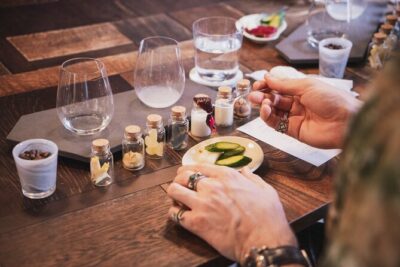
Sake Omakase in Tokyo: Guided Tasting by Certified Sommeliers
Read our review →Browse the lists this tour appears in