
REVIEW · TOKYO SAKE TOURS
Japanese Sake Tasting and Masu Crafting Experience in Tokyo
Japanese sake changes character with temperature, and this compact Tokyo experience lets you taste that difference rather than simply hear about it. You’ll try five to six varieties, sample warm kanzake, and see how aromas and flavors shift from one pour to the next.
I like the mix of tasting and hands-on craft. The small food pairings can be surprisingly inventive, including curry bread, and your decorated masu cup gives you a useful keepsake instead of a forgettable souvenir. The main consideration is that vegetarian and vegan food is not available, and the session is for adults aged 20 and over.
Key points to know before booking
- Five to six sake samples: Compare different styles, aromas, flavors, and serving temperatures.
- Warm kanzake included: Hot sake shows how heat can bring out new notes and soften others.
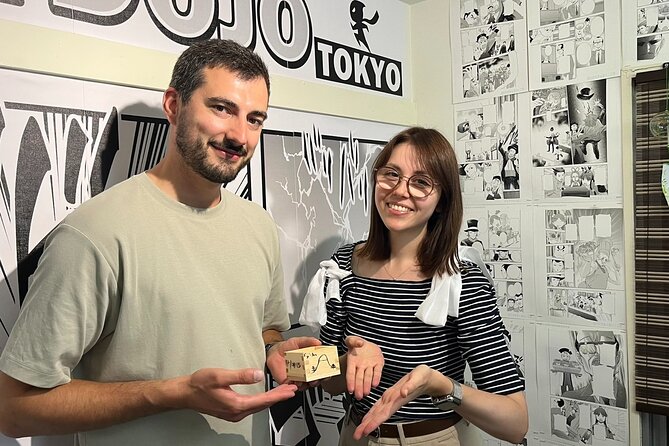
- Masu cup craft: Decorate a traditional wooden sake cup with Japanese brush pens and take it home.
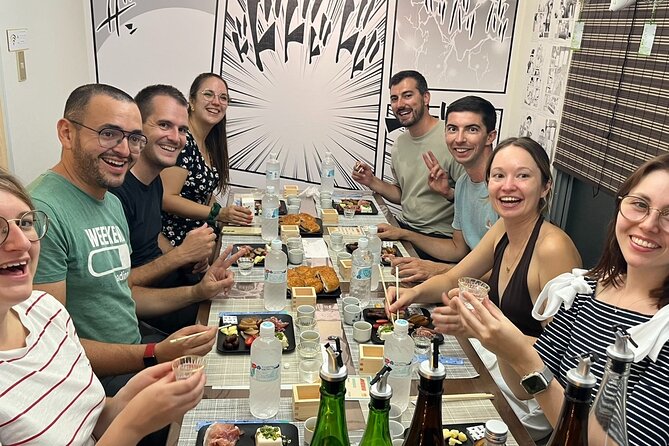
- Small English-language group: The maximum is eight people, making questions and conversation easier.
- Ikebukuro location: Manga Dojo Tokyo is a few minutes from Ikebukuro Station, near Animate.
- Food limits matter: Vegetarian and vegan options are not offered, but allergy-friendly choices are available if you ask ahead.
Tasting sake in a small Ikebukuro room
The experience takes place at Manga Dojo Tokyo, in Higashiikebukuro, a short walk from Ikebukuro Station. The setting is not a grand brewery or a formal restaurant. It is a cozy apartment-style room used for manga activities, with Japanese manga on display and a casual atmosphere that makes conversation easy.
That setting is part of the appeal. You are not simply seated at a bar and handed a flight of drinks. The room gives the evening a personal, local feel. It also connects sake with another part of modern Japanese culture, manga, rather than presenting the drink as an isolated museum subject.
Host Aki-san leads the session in English. The maximum group size is eight, so you should have room to ask questions about labels, brewing styles, temperature, and food pairings. With a small group, the event can feel more like a guided cultural workshop than a scheduled tasting stop.
The meeting time is 6:00 pm, and the activity lasts about 90 minutes. That timing works well after a day of sightseeing in northern Tokyo. You can visit Ikebukuro’s shopping and entertainment areas first, then settle into the tasting without giving up your entire evening.
More Sake Tastings in Tokyo:
- Best of Shinjuku: Izakaya Food Tour (4 Stops, 14+ Tastings)
★ 5.0 · 1,863 reviews - Ramen and Sushi Cooking Class with Sake Pairing Set in Tokyo
★ 5.0 · 291 reviews - Sake Tasting Masterclass in Shinjuku (8+ Varieties with a Pro)
★ 5.0 · 271 reviews
What the first sake explanation covers
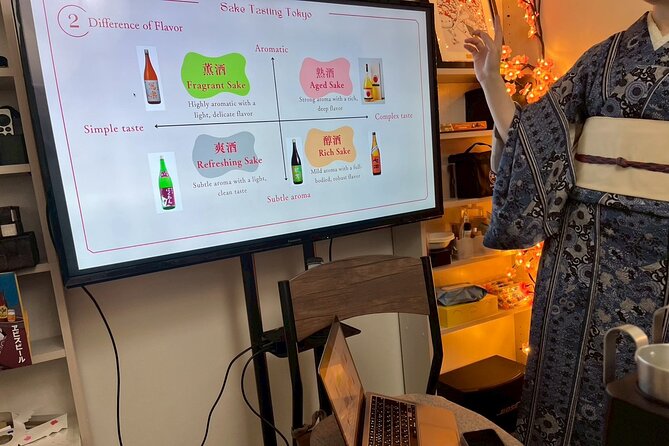
After you arrive, Aki-san introduces the basics of sake. You learn how it is made, how to taste it, and why different bottles can have such different profiles.
This introduction is useful even if you already drink sake. One of the surprising lessons is that sake is not one single flavor category. The samples can differ in aroma, sweetness, dryness, texture, and finish. The session also touches on familiar terms such as ginjo and daiginjo, distinctions that even some Japanese participants may not have fully understood before the class.
For a beginner, this foundation keeps the tasting from becoming a string of unfamiliar names. You get a simple way to compare each pour. Look at the color, notice the aroma, take a small sip, and pay attention to the finish. Then compare it with the next sample.
For someone who already enjoys sake, the value is different. You can use the tasting to identify the styles you prefer and remember what to look for when buying a bottle later. The aim is not to turn you into a brewer in 90 minutes. It is to give you a clearer sense of why one sake suits you more than another.
Comparing five to six sake styles
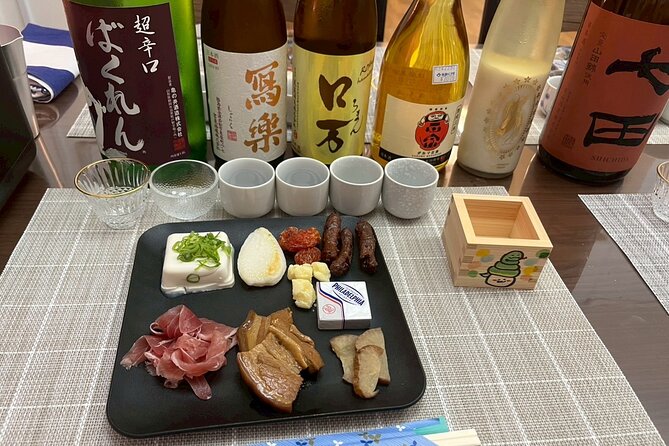
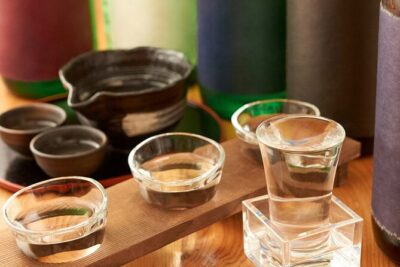
The central part of the evening is the tasting flight. You sample about five or six different sakes, each selected to show a different side of the drink.
That number is large enough to make contrasts clear without turning the session into a long drinking marathon. You might notice changes in sweetness, acidity, fragrance, body, or aftertaste. The point is not only to decide which one tastes best. It is to understand what you like and why.
The tasting also gives you a chance to talk through your impressions. If one sake seems light and fragrant while another feels fuller or more direct, Aki-san can explain the reasons behind that difference. The small group format should make this easier than a crowded bar tasting where you receive little guidance.
The event is friendly to beginners. You do not need to arrive with sake vocabulary or a favorite brand in mind. The explanations are designed to help you follow along, and the food gives you another way to compare the drinks.
At the same time, sake lovers should not expect an advanced certification class. This is a short cultural tasting, not a full professional course. You receive an approachable overview and several samples, rather than a technical study of brewing regions, rice polishing percentages, or production methods.
Why the hot sake sample matters
One of the most useful parts of the tasting is the chance to try kanzake, or warm sake. Many people first encounter sake cold, so the warm sample can reset your assumptions about the drink.
Heat can change how sake smells and tastes. It may bring certain aromas forward, make the texture feel rounder, or reveal flavors that are less noticeable when chilled. Comparing the same general category of drink at different temperatures helps you understand why sake is served in more than one way.
The hot sample also adds a seasonal and traditional element to the evening. Warm sake fits naturally into a cool Tokyo night, especially with small savory snacks. Still, if you strongly prefer chilled drinks, this part may be less appealing. The point is comparison, not serving every sake at the temperature you already prefer.
A few more sake tours around Tokyo worth a look
- Tokyo: Shinjuku Local Bar and Izakaya Guided Walking Tour
★ 4.9 · 1,794 reviews - Tokyo: Shinjuku Local Bar & Izakaya Crawl Tour
★ 5.0 · 890 reviews - Shibuya: Local Bar & Izakaya Crawl
★ 4.9 · 354 reviews - Sake Omakase in Tokyo: Guided Tasting by Certified Sommeliers
★ 5.0 · 239 reviews
Snack pairings, including an unexpected curry bread match
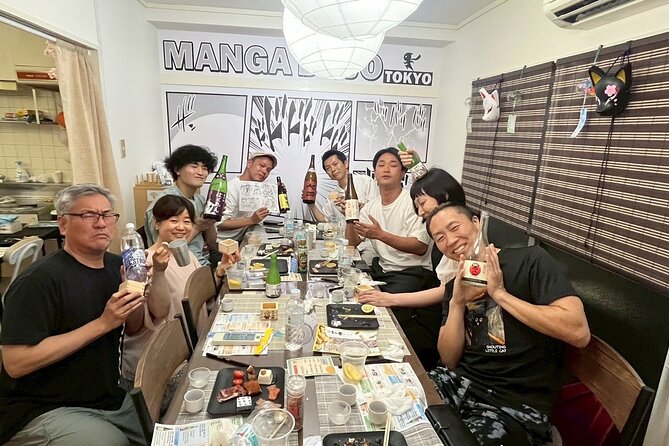
Small snacks are served throughout the tasting. They are not a full dinner, so plan to eat beforehand if you arrive hungry. Their purpose is to show how food affects the taste of sake.
A particularly memorable pairing is curry bread with sake. It is not the match most people expect, but the contrast shows why guided tastings can be worthwhile. Spices, salt, oil, sweetness, and texture can change how a drink feels on your palate.
Other small pairings may vary by season. You should not expect an identical menu every time, and the available information does not promise a fixed list of dishes. That is normal for a tasting built around seasonal food.
The food policy is important. Vegetarian and vegan options are not available. Allergy-friendly choices can be arranged if you tell the host in advance, so contact the provider before the session rather than waiting until you arrive.
Because the snacks are small, I would treat them as tasting accompaniments rather than a meal. Pair the experience with dinner before or after, especially if you plan to continue drinking later in the evening.
Decorating your own traditional masu cup
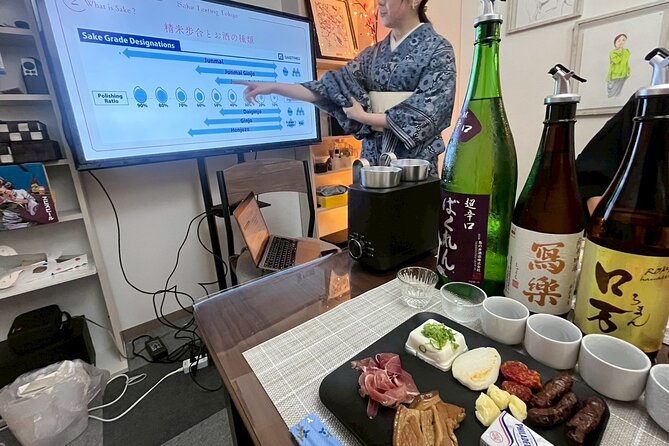
After the tasting, you move from drinking to making. Each person decorates a traditional wooden masu cup using Japanese brush pens.
A masu is a small wooden vessel associated with sake. In this setting, it serves both as a cultural object and a practical souvenir. You can add your own design, then take the finished cup home.
This craft portion gives the experience a welcome change of pace. The tasting asks you to observe flavors and aromas. The cup activity lets you work with your hands and create something personal. It also means the evening does not end when the last sample is poured.
The activity is not presented as a formal calligraphy course, so do not expect a long lesson in brush technique. Think of it as a relaxed art session with a Japanese connection. If you are not confident with drawing, the brush pens make it easier to create a simple design without bringing special materials.
The cup is also more meaningful than a generic shop purchase. You made it during an evening focused on sake, manga, and conversation. Pack it carefully in your luggage, since it is wooden and decorated by hand.
The manga connection at Manga Dojo Tokyo
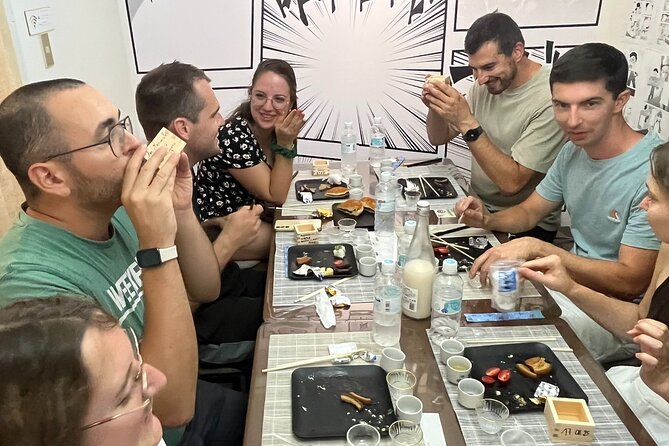
Manga Dojo Tokyo is not only a meeting room for sake. The space is connected with manga workshops, and manga artwork may be displayed during your visit.
That connection gives the event its own character. You get a glimpse of a creative side of Japan while learning about a traditional drink. Depending on the evening, you may also meet people connected with the manga activities, adding an informal cultural exchange to the tasting.
Do not book this expecting a full manga lesson. The main focus is sake tasting and masu decorating. The manga setting is an added feature that makes the venue different from a standard izakaya or hotel bar.
The location near Animate is useful if you are already exploring Ikebukuro’s anime and manga district. Manga fans may find the pairing especially fitting, while other visitors can simply enjoy the relaxed Japanese-style room.
What $60 gets you in 90 minutes
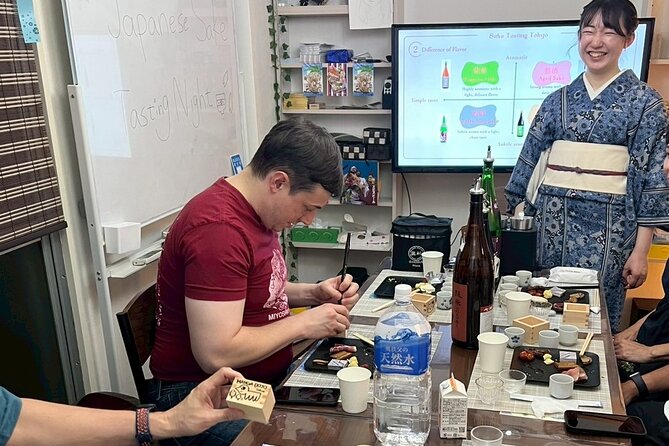
At $60 per person, this is not the cheapest way to drink sake in Tokyo. You could buy a bottle or several small pours at a bar for less money. The price makes more sense when you count the full package: an English explanation, five to six samples, food pairings, hot sake, a guided comparison, and a decorated wooden cup to take home.
The small group size also matters. With no more than eight people, your payment supports a personal format rather than a large commercial tasting. You have a better chance to ask questions and discuss what you are tasting.
The cup adds practical value, but you should not choose the activity only for the souvenir. The main benefit is learning how to compare sake. If you already know exactly which sake you like and want only a drink, a bar may be better value.
For a first visit to Japan, the experience works well as a short evening activity. It combines food, drink, craft, and conversation without taking up half a day. For a sake enthusiast, it can help identify new preferences, though serious specialists may want a longer brewery visit or a more technical class.
Getting there and planning the evening
The address is Manga Dojo Tokyo, 602 Sansho Building, 1-31-6 Higashiikebukuro, Toshima City, Tokyo 170-0013. It is near public transportation and a few minutes from Ikebukuro Station.
Use the mobile ticket and allow enough time to find the building. The venue is in an apartment-style building, so do not expect a large street-facing attraction with a prominent tasting-room entrance. Check the exact meeting details before setting out.
The session begins at 6:00 pm and returns to the same meeting point at the end. Since there is no separate drop-off, you can plan dinner or more evening sightseeing from Ikebukuro afterward.
Confirmation is sent within 48 hours of booking, subject to availability. Since the experience is often reserved well ahead of time, planning early is sensible if your Tokyo dates are fixed. You can cancel for a full refund up to 24 hours before the start time. Changes or cancellations inside that window are not accepted or refunded.
Who will enjoy this sake experience most
I would recommend this for:
- First-time sake drinkers who want a clear introduction
- Sake fans who want to compare several styles in one sitting
- Solo visitors who enjoy small-group conversation
- Couples seeking a low-key evening activity
- Manga fans who like the idea of a creative venue
- Anyone who prefers a hands-on souvenir to a standard shopping purchase
It is less suitable if you need a substantial meal, require vegetarian or vegan food, or want a large-scale brewery tour. It may also be a poor match if you dislike alcohol or cannot drink under Japanese law.
Japanese law prohibits alcohol consumption for anyone under 20. Everyone joining the tasting should meet that legal age requirement.
FAQ
Where does the sake tasting take place?
It takes place at Manga Dojo Tokyo in Higashiikebukuro, Toshima City, Tokyo. The venue is a few minutes from Ikebukuro Station and near Animate.
What time does the experience begin?
The start time is 6:00 pm.
How long does the activity last?
The experience lasts approximately 1 hour and 30 minutes.
How many types of sake will I taste?
You will sample five to six different sake varieties, including a warm sake served as kanzake.
Is the experience held in English?
Yes. The session is conducted in English.
What is included besides sake tasting?
You receive small snack pairings and decorate your own traditional wooden masu cup with Japanese brush pens. You can take the cup home.
Are vegetarian or vegan food options available?
No. Vegetarian and vegan options are not offered. Allergy-friendly options are available if you inform the provider in advance, and the menu may change by season.
Can I cancel for a full refund?
Yes. You can cancel at least 24 hours before the local start time for a full refund. Cancellations or changes made less than 24 hours before the activity are not accepted or refunded.
Should you book the Ikebukuro sake and masu experience?
Book it if you want more than a drink. The strongest parts are the guided comparison of five to six styles, the warm kanzake sample, the clever food pairings, and the handmade masu cup. Aki-san’s friendly English-led format and the eight-person limit make it approachable without feeling like a lecture.
At $60, you are paying for instruction, samples, snacks, a craft activity, and a small cultural setting. That is fair value for a 90-minute introduction, especially if you are new to sake or want an evening activity near Ikebukuro.
Skip it if you need a full dinner, avoid animal products, or prefer a technical brewery tour. For everyone else, this is a pleasant way to understand why Japanese sake offers far more variety than the familiar hot or cold pour found at a restaurant.
Just added around Tokyo
- Tokyo: Serene Sakura & Sake: An Exclusive Brewery Pairing Lunch★ 5.0 · 2 reviews
- Tokyo Sake Tasting Tour with a Sake Expert★ 5.0 · 7 reviews
- Wagyu BBQ & Sukiyaki with Sake Pairing Experience near Ginza★ 5.0 · 2 reviews
- Japanese Sake Tasting & Wagyu Sukiyaki Cooking Class in Tokyo★ 5.0 · 10 reviews
- Tokyo Izakaya crawl (A tour of 2 izakayas, 1 bar, and a shrine)★ 5.0 · 8 reviews
- Private Tokyo Food Tour – Retro Akabane Izakaya Experience★ 5.0 · 14 reviews
- Tokyo: Learn the Art of Chopsticks in a Cozy Izakaya!★ 5.0 · 2 reviews
- Shinjuku Underground Nightlife Tour: Izakaya Food & Bar Hopping★ 5.0 · 11 reviews
Tokyo Sake Tours, compared.
Best of Shinjuku: Izakaya Food Tour (4 Stops, 14+ Tastings)
Read our review →
Tokyo: Shinjuku Local Bar and Izakaya Guided Walking Tour
Read our review →
Ramen and Sushi Cooking Class with Sake Pairing Set in Tokyo
Read our review →
Sake Tasting Masterclass in Shinjuku (8+ Varieties with a Pro)
Read our review →
Tokyo Washoku 4-hour Cooking Class: From Market to Table
Read our review →
Sake Omakase in Tokyo: Guided Tasting by Certified Sommeliers
Read our review →Browse the lists this tour appears in