
REVIEW · TOKYO SAKE TOURS
Cherry blossom & Japanese Sake Tasting in Shinjuku
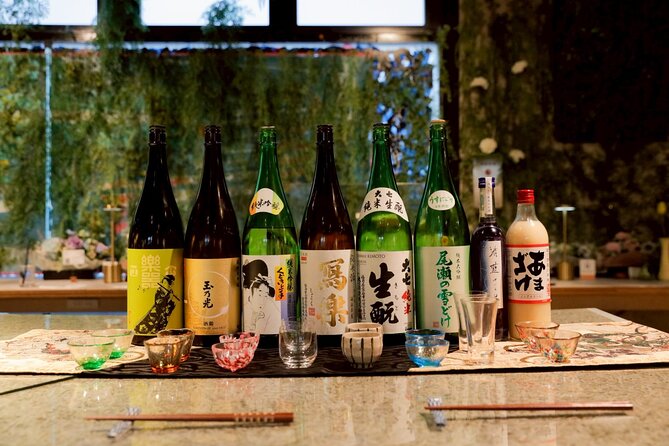
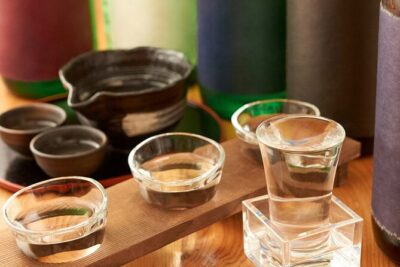
The best part of this Shinjuku experience is its clear, friendly progression through eight Japan-only sakes. You start with simpler bottles at about 15 to 16 percent alcohol, then move toward stronger aromas and fuller flavors, with Japanese snacks to show how food changes the drink.
I like the small, focused format and the sweet amazake finish, a fermented rice drink served as a dessert. I also like that host Shuma pays attention to the pairing and atmosphere, with music and a carefully arranged tasting. The main drawback is time: one hour gives you a useful introduction, not a long evening of sake study.
Key points to know before booking
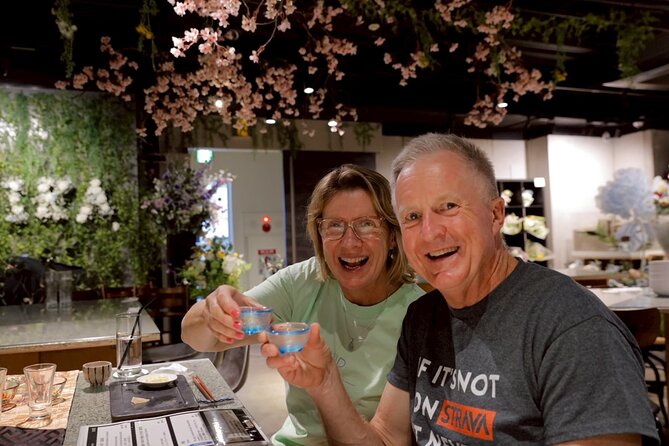
- Eight sake samples: Taste a progression from simpler, lower-alcohol styles to bottles with more distinct aromas and flavors.
- Food pairings included: Traditional Japanese snacks help you see how sake works with food, not just how it tastes alone.
- Amazake ends the tasting: Finish with a sweet, fermented rice drink that works like dessert.
- Hosted by Shuma: The setting includes music, a relaxed mood, and thoughtful sake and snack arrangements.
- Central Shinjuku meeting point: Meet at A house with flowers, near public transportation, at 3-chōme67 第6三和ビル 4階.
- One-hour commitment: The $39.02 price includes all fees and taxes, but not transportation or extra food and drinks.
Eight sakes, one clear tasting path
Many first-time sake tastings make the same mistake: they pour several drinks without giving you a sense of order. This experience takes a better route. The tasting begins with sake that usually contains about 15 to 16 percent alcohol, then gradually moves toward bottles with more noticeable aromas and flavors.
That sequence matters. If you begin with the most powerful or perfumed sake, it can flatten your sense of taste for everything that follows. Starting with simpler pours gives you a baseline. You can notice how the later drinks differ rather than treating every glass as the same clear Japanese alcohol.
You can expect eight selections in total. The exact brands and regions are not specified, but the sakes are sourced from across Japan and are available exclusively in Japan. That makes this a useful chance to try bottles you may not find easily at home.
The experience is designed for both newcomers and people who already know sake. If you are new to it, the progression should make the category less confusing. If you already enjoy sake, the value lies in tasting several carefully chosen examples side by side rather than ordering one bottle at random.
More Sake Tastings in Tokyo:
- Best of Shinjuku: Izakaya Food Tour (4 Stops, 14+ Tastings)
★ 5.0 · 1,863 reviews - Ramen and Sushi Cooking Class with Sake Pairing Set in Tokyo
★ 5.0 · 291 reviews - Sake Tasting Masterclass in Shinjuku (8+ Varieties with a Pro)
★ 5.0 · 271 reviews
Why the order of the tasting helps
Sake is not one single flavor. It can be crisp, sweet, fragrant, earthy, light, or full, and it can be served at different temperatures depending on the season and the food. The tasting uses that range as a teaching tool, even though the available details do not specify the serving temperature for each pour.
Pay attention to the changes as you go. The first glasses are meant to be easier introductions. Later pours bring more distinctive aromas and flavors. You do not need specialist vocabulary to enjoy this. Notice simple things: Does it smell floral or fruity? Does it feel dry or sweet? Does the finish disappear quickly or linger?
I appreciate that the format does not appear to assume you already understand sake terminology. You are not expected to identify every style or region. Instead, you get a gradual route from straightforward examples to more characterful ones.
The alcohol level also deserves attention. At roughly 15 to 16 percent, sake is stronger than most table wine, so eight samples can add up even if each serving is modest. Pace yourself, eat the snacks, and treat the hour as a tasting rather than a race to finish every glass.
Japanese snacks make the lesson more useful
The traditional snacks are not just something to nibble between drinks. They help explain why sake is often enjoyed with food. A bite can soften a sharp edge, bring out sweetness, or make a dry sake feel more rounded.
The exact snack menu is not provided, so you should not book this expecting a full meal. Additional meals and drinks are not included. Think of the food as tasting support, enough to create pairings and keep the experience from being eight glasses in isolation.
This is one of the stronger features for anyone who wants practical knowledge. Tasting a drink by itself tells you only part of the story. A sake that seems plain on its own may work well with a salty or savory snack. Another may become sweeter or more aromatic when paired with food.
The pairing also gives the session a Japanese dining connection. You are not only sampling alcohol. You are seeing how a traditional drink fits into a meal, which is more useful than memorizing bottle names.
The amazake finish adds a different kind of sweetness
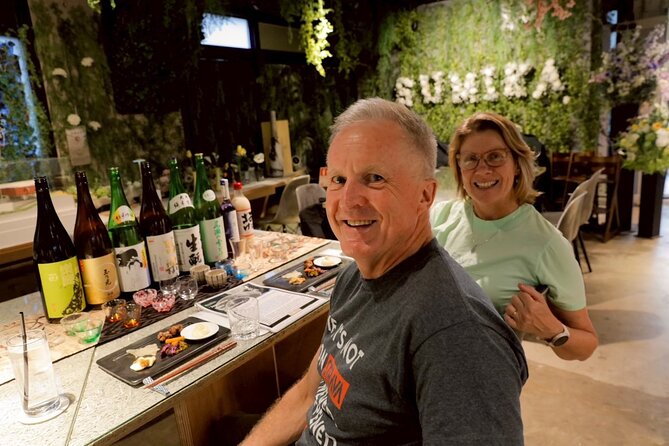
The final taste is amazake, a sweet fermented drink made from rice koji. It is served as a dessert and is known in Japan as drinkable IV, a nickname tied to its reputation as a nourishing drink.
Amazake is not simply a sweeter sake. It offers a different ending to the tasting, shifting the focus from alcohol and aroma to rice, fermentation, and dessert-like sweetness. That change helps close the session cleanly.
This finish may be especially helpful if you are unsure about dry or stronger sake. You get a gentle final drink rather than ending on the most alcoholic pour. It also gives you a small glimpse of another fermented Japanese beverage that many short sake tastings leave out.
Do keep the distinction in mind: the experience includes amazake, but it does not promise a full dessert course. The information describes it as a sweet fermented drink enjoyed as dessert.
A few more sake tours around Tokyo worth a look
- Tokyo: Shinjuku Local Bar and Izakaya Guided Walking Tour
★ 4.9 · 1,794 reviews - Tokyo: Shinjuku Local Bar & Izakaya Crawl Tour
★ 5.0 · 890 reviews - Shibuya: Local Bar & Izakaya Crawl
★ 4.9 · 354 reviews - Sake Omakase in Tokyo: Guided Tasting by Certified Sommeliers
★ 5.0 · 239 reviews
Shuma’s setting and the mood of the room
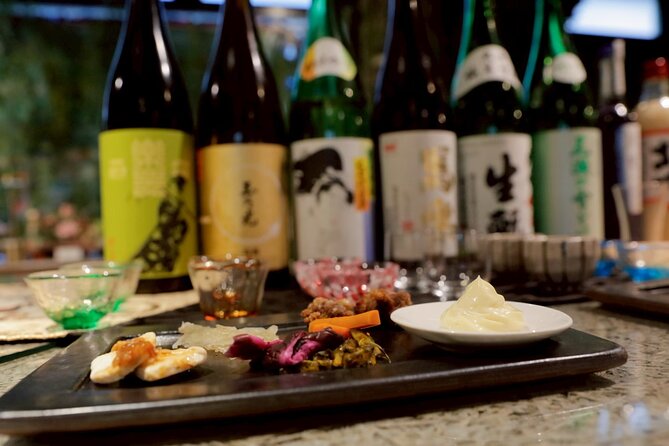
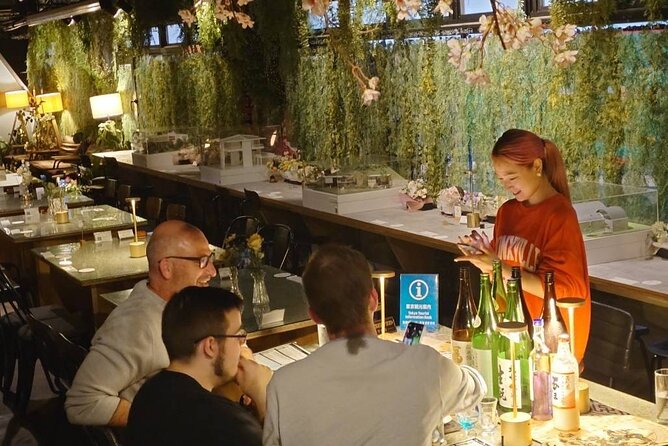
The host is Shuma, and the experience is built around a relaxed presentation rather than a formal lecture. Music is part of the setting, and the sake arrangement and food pairing receive careful attention.
That atmosphere matters in Shinjuku, where you can easily spend an evening rushing from one crowded bar to the next. This tasting gives you a fixed one-hour stop with a clear purpose. You arrive, settle in, taste through the sequence, and return to the same meeting point at the end.
The maximum group size is 20 people. That is not an intimate private lesson, but it is still a contained group rather than an enormous bus tour. Your experience will depend partly on the final group size and the room itself. With a full group, questions may need to be brief. With fewer people, the host may have more room to explain the differences between pours.
The setting is at A house with flowers, at 第6三和ビル 4階 in Shinjuku City. The address is listed as Japan, 160-0022 Tokyo, Shinjuku City, Shinjuku, 3-chōme67 第6三和ビル 4階. Check the mobile ticket and address carefully before leaving for the meeting point, since the activity begins and ends there.
Is $39.02 fair for one hour?
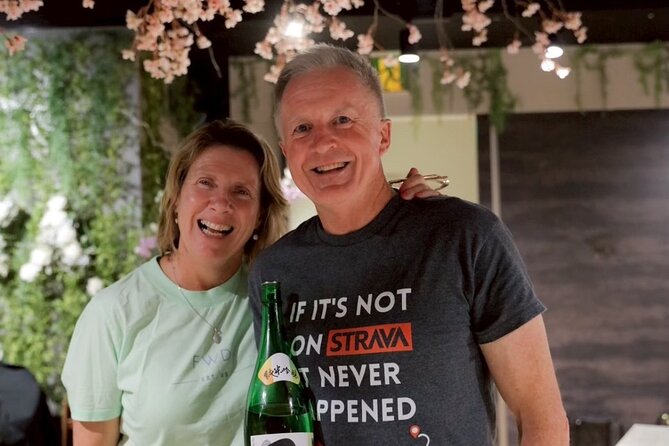
At $39.02 per person, this is not the cheapest way to drink sake in Tokyo. You can certainly buy a single drink for less. The value comes from the structure: eight selections, traditional snacks, amazake, a host, and all fees and taxes included.
If you already know which sake styles you like, ordering one bottle at a bar may suit you better. You will have more control over the pace and perhaps spend less. But that approach does not give you the same side-by-side comparison, and it can be hard to know what to order if Japanese labels are unfamiliar.
For a first introduction, the price is reasonable because you are paying for guidance as well as samples. The progression from simpler to more distinctive sake removes some guesswork. The snacks add another layer, and the final amazake gives you a drink you may not think to order on your own.
The one-hour duration also keeps the cost and time commitment manageable. You can fit it into a Shinjuku day without giving up an entire evening. The tradeoff is that the session cannot cover every major sake style, production method, or regional difference in detail.
The practical details that affect your choice
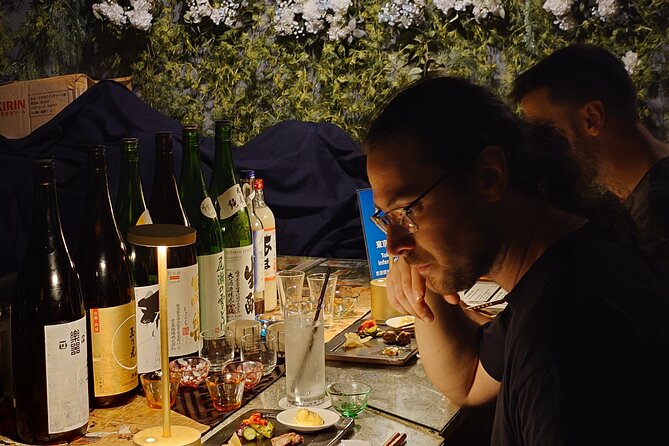
You meet at the listed Shinjuku address and finish back there. Transportation to the meeting point is not included, and there is no hotel pickup or drop-off. The location is near public transportation, so you should plan your own route and allow time to find the correct building and fourth-floor room.
A mobile ticket is provided. Have it ready when you arrive. Confirmation is sent at booking, which is useful if you are arranging several Tokyo activities around a tight schedule.
This is an alcohol tasting, not a sightseeing tour. The cherry blossom wording may appeal to people planning a spring visit, but the provided details do not promise a blossom-viewing stop or outdoor cherry tree visit. Book it for the sake and food experience itself, not as a guaranteed flower-sighting activity.
The experience requires good weather and a minimum number of participants. If poor weather or low enrollment causes cancellation, you are offered another date or experience, or a full refund. You can also cancel for a full refund up to 24 hours before the start time. Cancellations or changes made less than 24 hours before the start are not refunded or accepted.
Anyone under 20 cannot participate because Japanese law prohibits underage drinking. That applies even if the person does not plan to drink. The activity is therefore for adults aged 20 and older.
Who will get the most from this tasting?
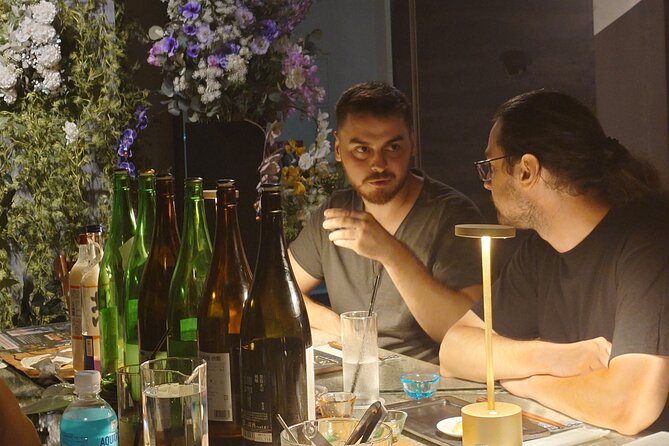
I would recommend this to a first-time sake drinker who wants more guidance than a bar menu provides. The opening pours should feel approachable, while the later selections show how broad the drink can be.
It also suits a sake fan who wants to sample Japan-only bottles without committing to full bottles. You may not learn every technical detail, but you will taste a range in a short period and have food to test alongside it.
The format works well for couples, friends, and solo visitors who enjoy a social setting. A group maximum of 20 keeps the activity organized, though people seeking a quiet, private consultation should look for a smaller tasting.
I would skip it if you want a full meal, a long evening, or a tour of several Shinjuku neighborhoods. You should also skip it if your main goal is cherry blossom viewing. Nothing in the supplied details guarantees an outdoor blossom walk.
How to make the most of the hour
Arrive ready to focus on flavor rather than quantity. Eight sakes in an hour move at a brisk pace, so take small sips and notice the difference between each pour before reaching for the snack.
Use the food pairing as part of the lesson. Try a sake alone, take a bite, then taste it again. That simple comparison can tell you more than trying to remember a list of technical terms.
Ask about the differences you notice, especially when the tasting shifts from the simpler opening drinks to more aromatic or distinctive selections. Shuma’s role is to guide the experience, so questions are more useful than trying to guess the correct answer.
Finally, leave room for amazake. It is easy to treat the last drink as an afterthought, but its sweetness provides a useful contrast to the sake and gives you a pleasant finish.
Should you book it?
Book this tasting if you want an easy, organized introduction to Japanese sake in central Shinjuku. The strongest reasons are the eight-drink progression, the traditional snack pairings, Shuma’s relaxed presentation, and the unusual amazake ending.
At $39.02, it offers good value for a compact tasting, especially if you would otherwise struggle to choose among unfamiliar bottles. Just keep your expectations in check: it is a one-hour tasting, not a full meal, private lesson, or cherry blossom walking tour.
FAQ
How long does the Japanese sake tasting last?
The experience lasts approximately one hour.
How many sakes will be included?
You will taste eight carefully selected sakes sourced from across Japan.
What alcohol levels should I expect?
The tasting begins with sakes that typically contain about 15 to 16 percent alcohol. The exact alcohol level can vary by selection.
Is food included?
Yes. Traditional Japanese snacks are included for pairing with the sake. Additional meals and drinks are not included.
What is served at the end?
The tasting finishes with amazake, a sweet fermented drink made from rice koji that is enjoyed as a dessert.
Where does the activity meet?
You meet at A house with flowers, Japan, 160-0022 Tokyo, Shinjuku City, Shinjuku, 3-chōme67 第6三和ビル 4階. The activity ends at the same meeting point.
Can people under 20 participate?
No. People under 20 are not allowed to participate because underage drinking is prohibited under Japan’s Minors’ Alcoholic Beverage Law.
Can I cancel for a full refund?
Yes. You can cancel at least 24 hours before the experience start time for a full refund. Cancellations or changes made less than 24 hours before the start time are not refunded or accepted.
Just added around Tokyo
- Tokyo Sake Tasting Tour with a Sake Expert★ 5.0 · 7 reviews
- Wagyu BBQ & Sukiyaki with Sake Pairing Experience near Ginza★ 5.0 · 2 reviews
- Tokyo: Serene Sakura & Sake: An Exclusive Brewery Pairing Lunch★ 5.0 · 2 reviews
- Japanese Sake Tasting & Wagyu Sukiyaki Cooking Class in Tokyo★ 5.0 · 10 reviews
- Tokyo Izakaya crawl (A tour of 2 izakayas, 1 bar, and a shrine)★ 5.0 · 8 reviews
- Private Tokyo Food Tour – Retro Akabane Izakaya Experience★ 5.0 · 14 reviews
- Tokyo: Learn the Art of Chopsticks in a Cozy Izakaya!★ 5.0 · 2 reviews
- Shinjuku Underground Nightlife Tour: Izakaya Food & Bar Hopping★ 5.0 · 11 reviews
Tokyo Sake Tours, compared.
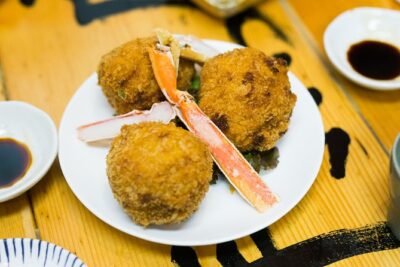
Best of Shinjuku: Izakaya Food Tour (4 Stops, 14+ Tastings)
Read our review →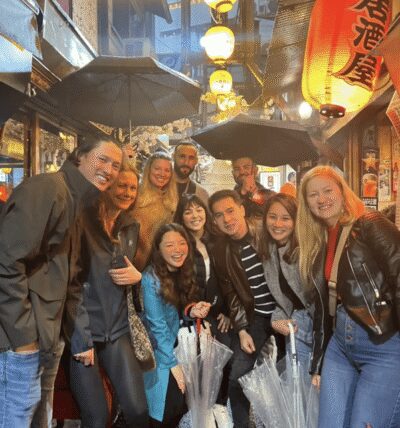
Tokyo: Shinjuku Local Bar and Izakaya Guided Walking Tour
Read our review →
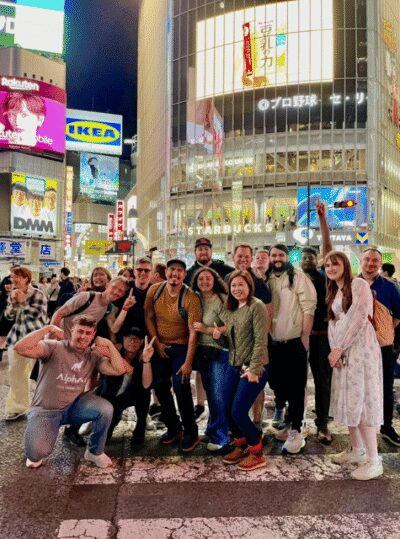
Ramen and Sushi Cooking Class with Sake Pairing Set in Tokyo
Read our review →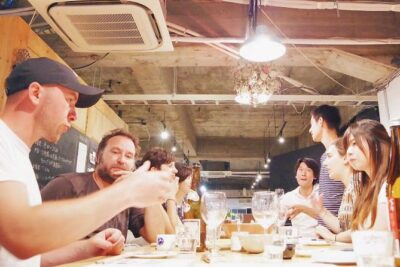
Sake Tasting Masterclass in Shinjuku (8+ Varieties with a Pro)
Read our review →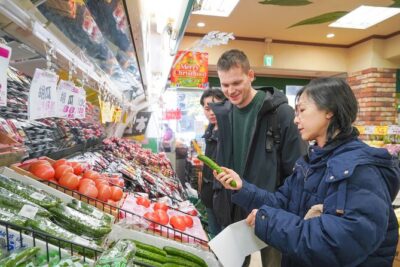
Tokyo Washoku 4-hour Cooking Class: From Market to Table
Read our review →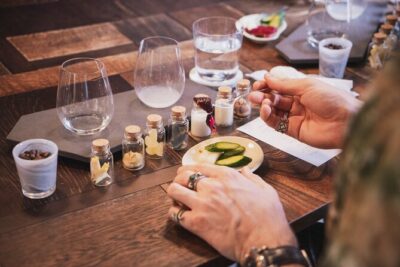
Sake Omakase in Tokyo: Guided Tasting by Certified Sommeliers
Read our review →Browse the lists this tour appears in