
REVIEW · TOKYO SAKE TOURS
Tokyo: Izakaya Bar Experience at Kuuraku Ginza Reservation
Kuuraku Ginza turns dinner into a small Japanese food lesson, one charcoal-grilled skewer at a time. You sit down in a cozy izakaya, order one of three set courses, and work through chicken, vegetables, soup, rice, and small seasonal dishes over about two hours.
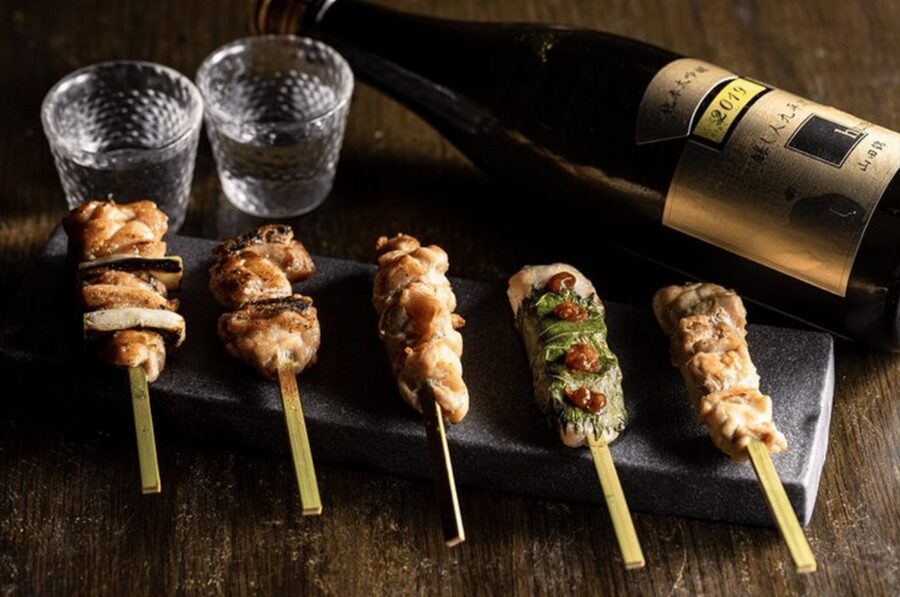
I like the binchotan charcoal cooking, which gives the chicken a crisp edge while keeping it juicy. I also like the clear course choices, especially the seven-skewer menu, which gives you a broad taste without making dinner too long or too expensive.
The main catch is simple: this is a restaurant reservation, not a guided activity. You enter the restaurant yourself, drinks are extra, and your table is held for a maximum of two hours. If you want a host to explain every dish, this is not that kind of evening.
Key points at a glance
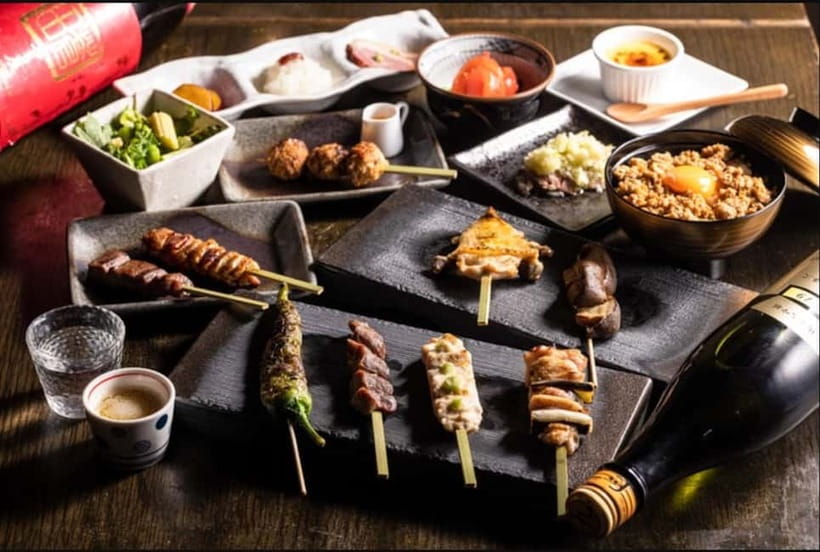
- Binchotan-grilled Michinoku Seiryu chicken: Expect tender chicken with several cuts and house-made tsukune, or chicken meatball.
- Three set menus: Choose five, seven, or nine selected skewers, with the larger courses adding rare parts, beef, dessert, and more side dishes.
- Drinks cost extra: Seasonal Japanese sake and award-winning wines are available, including Aota from Kitaya in Fukuoka.
- Independent dining: You go directly to the restaurant near the Family Mart meeting point, with no guide or hosted tour.
- Foreign visitor-friendly details: An English menu and attentive service make ordering easier for international diners.
- Two-hour format: The meal fits neatly into a Ginza evening, but the fixed seating limit gives you little reason to linger.
Why this Ginza dinner feels different
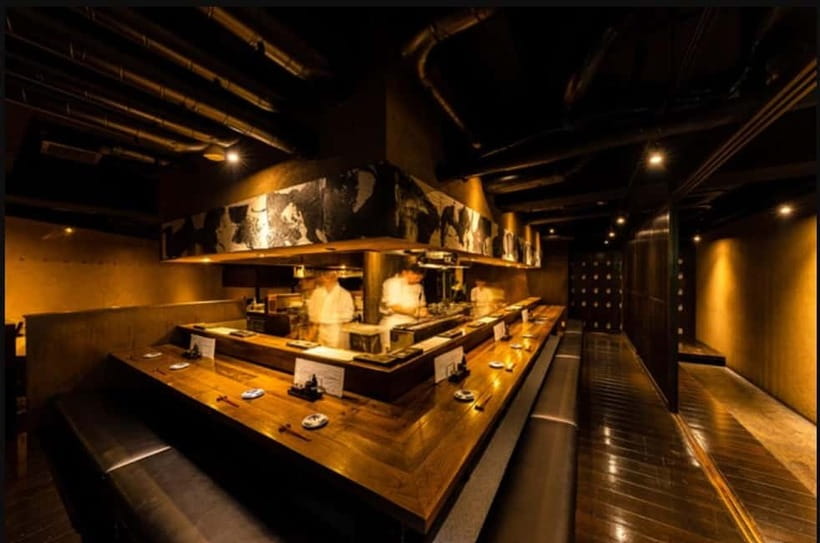
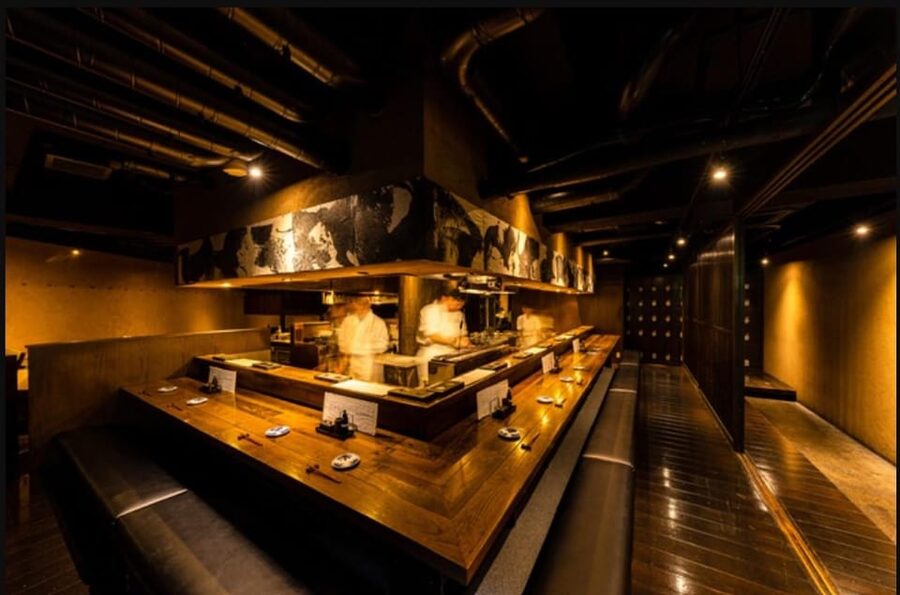
Ginza is known for polished shops, bright streets, and serious restaurants. Kuuraku gives you a more relaxed way to eat in the district. The room is designed like a modern izakaya, with a warm, inviting feel that lets you settle in after a day around Tokyo.
An izakaya is more than a bar with food. It is a place where people order several dishes, share them, and pair them with drinks. Here, the set course takes care of that decision-making for you. You do not need to study a long Japanese menu or guess how many skewers to order.
The setting also has a strong visual side. Neon-lit surroundings and a compact Japanese tavern atmosphere make the meal appealing if you enjoy photographing food and interiors. Just keep your attention on the grill as well as your camera. The real point is the texture and flavor of the chicken.
More Izakaya and Bar Hopping in Tokyo:
- Best of Shinjuku: Izakaya Food Tour (4 Stops, 14+ Tastings)
★ 5.0 · 1,863 reviews - Tokyo: Shinjuku Local Bar and Izakaya Guided Walking Tour
★ 4.9 · 1,794 reviews - Tokyo: Shinjuku Local Bar & Izakaya Crawl Tour
★ 5.0 · 890 reviews
Starting with the five-skewer course
The smallest full course includes 11 dishes, so do not mistake five skewers for a light meal. You begin with an appetizer and salad, then move into four chicken skewers, one vegetable skewer, a small dish, a specialty toro liver preparation, chicken soup, and a minced meat rice bowl.
This option suits you if you want a proper dinner but prefer to keep the focus on the core yakitori experience. You get chicken with scallion, breast, zuri or maruhatsu, and house-made tsukune. The exact progression can depend on the kitchen, but the menu gives you a useful range of textures.
The tsukune is worth special attention. It is a seasoned chicken meatball, and it shows how the restaurant handles minced meat rather than simply presenting whole cuts. The chicken with scallion offers a more familiar combination, while zuri or maruhatsu introduces a less standard part of the bird.
The course finishes with chicken soup and a minced meat rice bowl. That closing rice dish matters because grilled skewers alone can feel like a series of snacks. The soup and rice turn the meal into a complete dinner.
The seven-skewer course is the best middle ground
I would choose the seven-skewer menu for a first visit. It contains 14 dishes and adds a wider spread of chicken and side dishes without reaching the length of the largest course.
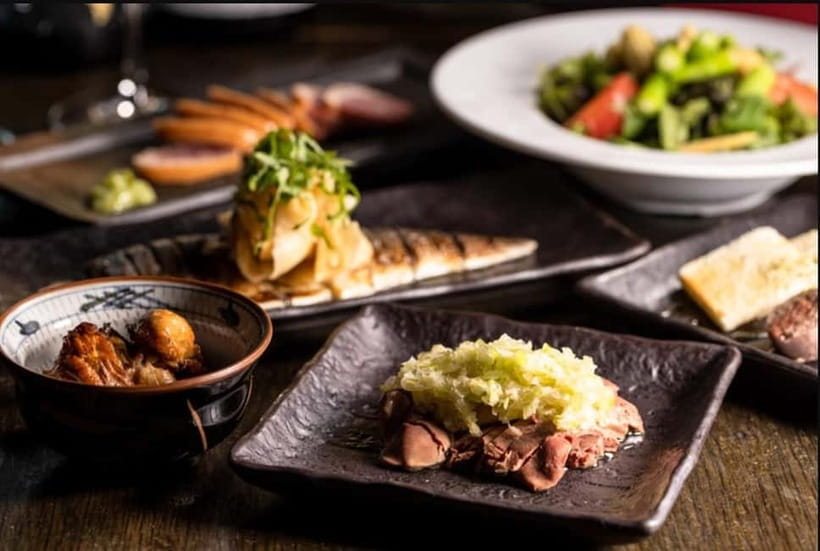
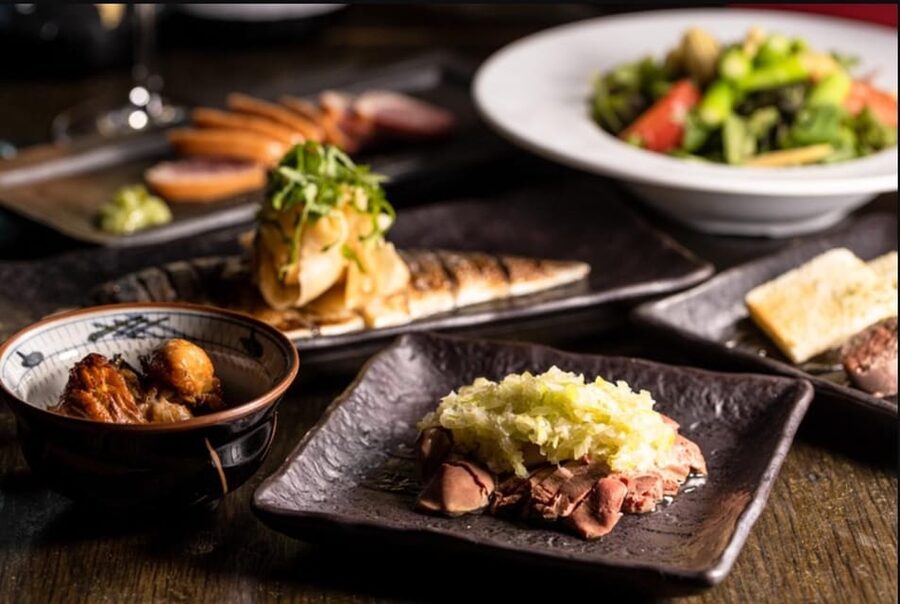
You receive an appetizer, salad, five chicken skewers, two vegetable skewers, a small dish, special toro liver, grilled soused mackerel, chicken soup, and a minced meat rice bowl. The chicken selection includes scallion, breast, zuri or maruhatsu, wings, and house-made tsukune.
The addition of wings changes the meal in a useful way. Wings bring a different balance of skin, meat, and charcoal flavor, while the breast gives you a leaner comparison. The two vegetable skewers prevent the course from becoming all chicken, and the grilled soused mackerel adds a completely different taste from the grill.
This menu has also worked well for international diners because the English menu makes the choices easier to follow. You still may not know every cut before it arrives, but the structure is clear enough to keep dinner relaxed.
At $34 per person, the seven-skewer course offers good value if you want a set dinner in central Tokyo rather than a quick snack. The price covers the full menu and sales tax, but not alcohol. Your final bill will depend on how much sake or wine you order.
The nine-skewer course adds rare cuts and beef
The largest option contains 17 dishes and is designed for people who want the full meal. It includes six chicken skewers, two vegetable skewers, one beef skewer, a small dish, special toro liver, soup, dessert, and a minced meat rice bowl.
The chicken selection includes scallion, breast, zuri or maruhatsu, wings, four kinds of rare parts, and tsukune. This is the menu to choose if you are curious about the less familiar side of yakitori and want to compare several cuts in one sitting.
The rare parts may not suit every diner. That is part of the point, but it is also a reason to think carefully before booking the largest course. If you prefer familiar cuts, the five or seven-skewer options are likely to be more comfortable.
The beef skewer and dessert give the nine-skewer course more variety, while the extra chicken cuts make it a longer tasting menu. At two hours, the pace should keep moving. You will not have much room to turn it into a slow, open-ended evening.
A few more sake tours around Tokyo worth a look
- Shibuya: Local Bar & Izakaya Crawl
★ 4.9 · 354 reviews - Ramen and Sushi Cooking Class with Sake Pairing Set in Tokyo
★ 5.0 · 291 reviews - Sake Tasting Masterclass in Shinjuku (8+ Varieties with a Pro)
★ 5.0 · 271 reviews - Sake Omakase in Tokyo: Guided Tasting by Certified Sommeliers
★ 5.0 · 239 reviews
What binchotan does to the chicken
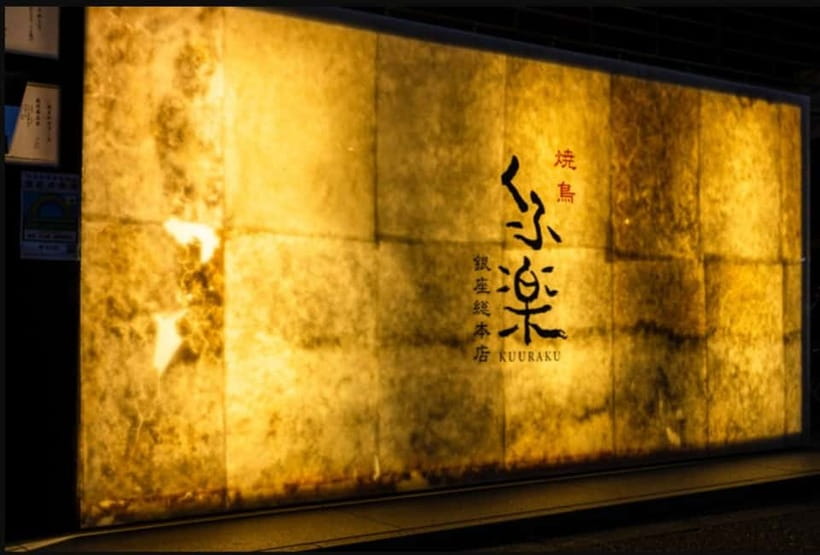
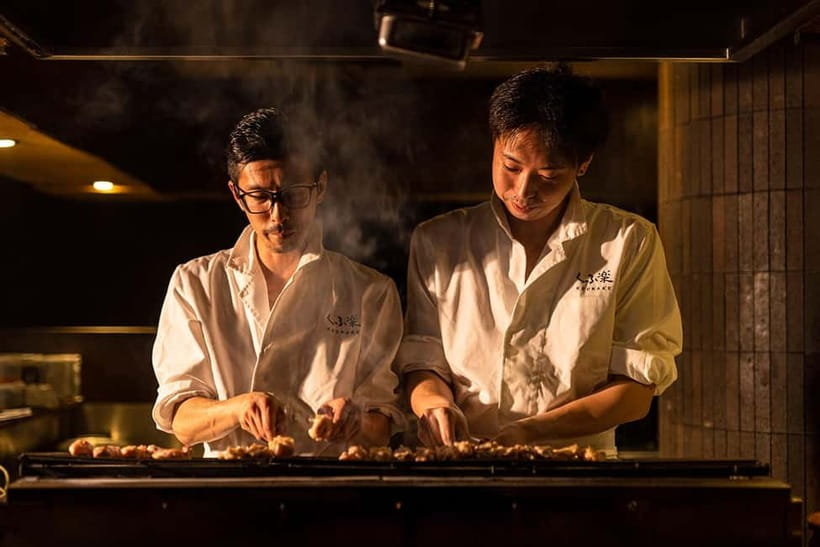
Binchotan is a very dense charcoal used in Japanese grilling. The menu specifically highlights it, and the effect you should look for is a lightly crisp outside with juicy meat inside.
That contrast is the reason yakitori is best eaten soon after it leaves the grill. The simple ingredients leave little for a sauce to hide. You can pay attention to the smoky edge, the tenderness of the chicken, and the difference between breast, wing, skinier cuts, and minced tsukune.
The restaurant uses Michinoku Seiryu chicken, described as premium chicken from the Tohoku region. The name matters less than the way the menu uses the bird from several angles. A good yakitori course is not just a pile of identical skewers. It shows how different cuts behave over charcoal.
The special toro liver is another distinctive part of the meal. Liver has a softer texture and a more pronounced flavor than standard chicken pieces. If you enjoy trying regional food and less common cuts, it adds character. If you are cautious with offal, you should mention dietary concerns when booking.
Pairing the meal with sake or wine
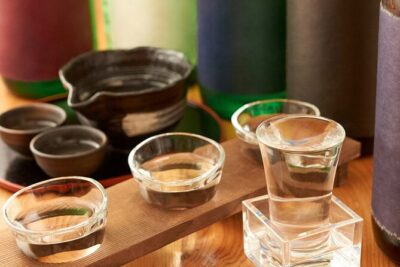
Drinks are not included, but the restaurant offers seasonal Japanese sake and award-winning wines. One named option is Aota from Kitaya in Fukuoka.
That drink selection gives you two different ways to shape the evening. Sake keeps the meal tied to the izakaya tradition, while wine may feel more familiar if you are not used to Japanese spirits or fermented drinks.
You do not need to order alcohol to enjoy the course. Water is available, and the food provides enough variety on its own. Still, the grilled chicken, mackerel, and liver each have strong flavors that can make a drink pairing worthwhile.
The legal drinking age in Japan is 20. If anyone in your party is younger than that, plan on a meal without alcoholic drinks for that person. Drinks are also the largest unknown in the final cost, so keep the advertised $34 price in perspective.
Service and the independent format
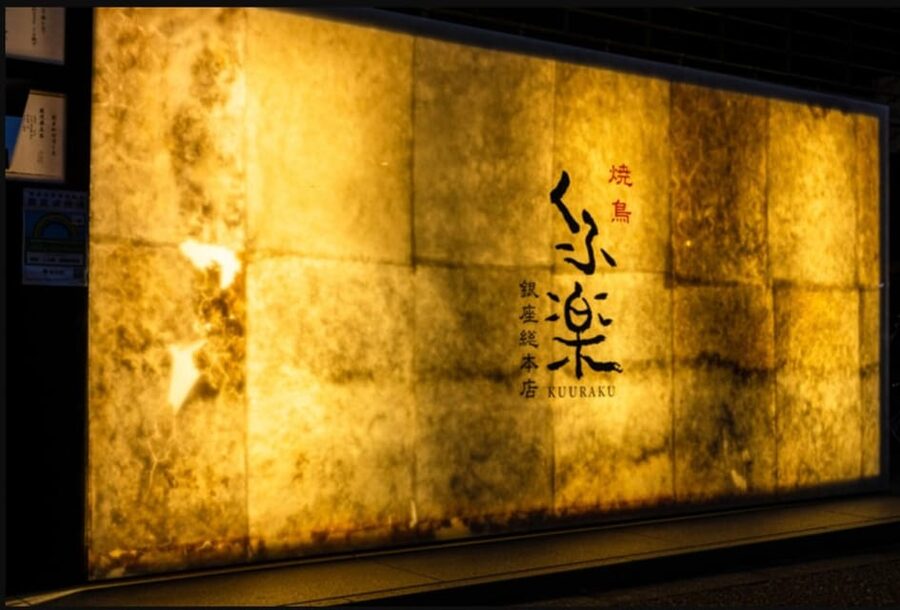
This reservation is intentionally simple. At your reservation time, you enter the restaurant directly. The meeting point is next to a Family Mart convenience store, but no guide meets you there and no guide stays with you during dinner.
That can be a benefit. You set the tone of the evening, and you do not have to keep up with a group. It works well for couples, solo diners, and small parties who want a meal in Ginza without committing to a full food walk.
The drawback is that you are responsible for arriving at the right place and handling the restaurant experience on your own. The available details include an English menu and friendly, attentive service, which should help, but this is still a normal restaurant visit rather than a hosted tasting.
A booking can be made for one person, which is useful if you are traveling alone. Make sure the reservation reflects the full number of diners. Children under six eat free, while children aged six and older must order the regular course.
Timing, seating, and practical planning
Plan on two hours from the start of the course. That is enough time for a full dinner, but the restaurant reserves seats for a maximum of two hours. Do not book this as a place to spend the entire night talking over repeated drinks.
You also cannot guarantee a specific seat type. If you care about sitting at a particular table or near a certain part of the room, this reservation does not promise it.
The location in Ginza makes the meal easy to pair with nearby shopping or evening sightseeing, but the important practical step is finding the restaurant before your reservation time. Use the Family Mart as the stated reference point, then enter the restaurant directly when it is time.
The cancellation rule is friendly: you can cancel up to two days in advance for a full refund. Dietary restrictions should be written in the checkout comments. That is especially important for a course built around chicken, seafood, vegetables, and less familiar cuts.
Who will enjoy Kuuraku Ginza most
I would recommend this meal if you want to try yakitori in a planned, low-stress way. The course format removes the worry of ordering too little, while the English menu makes the experience more approachable for first-time visitors to Japan.
It is also a good choice for someone who wants a central Tokyo dinner at a known price before drinks. The set food cost is reasonable for a multi-course meal in Ginza, particularly when you consider the soup, rice, salad, vegetables, mackerel, and dessert in the larger menus.
Solo diners have a clear advantage here because one-person bookings are accepted. The two-hour limit also keeps the meal from feeling awkward if you are dining alone.
I would be more cautious if you want a quiet, long dinner or if you dislike offal and unfamiliar chicken parts. The course includes specialties such as toro liver, and the nine-skewer option adds rare parts. You can choose the smaller menu, but the experience is still built around variety.
Should you book this Ginza yakitori course?
Book it if you want a proper Japanese tavern meal, enjoy grilled chicken, and like the security of a set menu. The seven-skewer course is the safest pick for most first-time diners, since it offers wings, vegetables, mackerel, tsukune, soup, rice, and several chicken cuts without becoming the longest option.
Choose the five-skewer menu if you want a shorter, simpler dinner. Pick the nine-skewer menu if rare chicken parts, beef, and dessert appeal to you. In every case, budget separately for sake or wine, and remember that you are booking a table, not a guide.
Kuuraku Ginza is not the right choice for a hosted food tour or an all-night izakaya crawl. It is a focused two-hour meal with friendly service, an English menu, carefully grilled chicken, and enough variety to make dinner feel like a real part of your Tokyo visit.
FAQ
Is this a guided food tour?
No. This is a restaurant reservation only. You enter the restaurant directly at your reservation time, and no guide is provided.
How long does the meal last?
The course lasts about two hours, and seats are reserved for a maximum of two hours.
How many people can book?
Bookings are accepted from one person, so solo diners can reserve a course. Your booking should reflect the total number of people in your party.
Are drinks included?
No. The full course, sales tax, and reservation are included, but drinks other than water cost extra.
What course menus are available?
You can choose a five-skewer course with 11 dishes, a seven-skewer course with 14 dishes, or a nine-skewer course with 17 dishes.
Are children charged for the course?
Children under six years old are free. Children aged six and older must order the regular course.
Can I request dietary accommodations?
Yes. If you have dietary restrictions, leave a comment during checkout. Specific seat types cannot be guaranteed.
Just added around Tokyo
- Tokyo: Serene Sakura & Sake: An Exclusive Brewery Pairing Lunch★ 5.0 · 2 reviews
- Tokyo Sake Tasting Tour with a Sake Expert★ 5.0 · 7 reviews
- Wagyu BBQ & Sukiyaki with Sake Pairing Experience near Ginza★ 5.0 · 2 reviews
- Japanese Sake Tasting & Wagyu Sukiyaki Cooking Class in Tokyo★ 5.0 · 10 reviews
- Tokyo Izakaya crawl (A tour of 2 izakayas, 1 bar, and a shrine)★ 5.0 · 8 reviews
- Private Tokyo Food Tour – Retro Akabane Izakaya Experience★ 5.0 · 14 reviews
- Tokyo: Learn the Art of Chopsticks in a Cozy Izakaya!★ 5.0 · 2 reviews
- Shinjuku Underground Nightlife Tour: Izakaya Food & Bar Hopping★ 5.0 · 11 reviews
Tokyo Sake Tours, compared.
Best of Shinjuku: Izakaya Food Tour (4 Stops, 14+ Tastings)
Read our review →
Tokyo: Shinjuku Local Bar and Izakaya Guided Walking Tour
Read our review →

Ramen and Sushi Cooking Class with Sake Pairing Set in Tokyo
Read our review →
Sake Tasting Masterclass in Shinjuku (8+ Varieties with a Pro)
Read our review →
Tokyo Washoku 4-hour Cooking Class: From Market to Table
Read our review →
Sake Omakase in Tokyo: Guided Tasting by Certified Sommeliers
Read our review →Browse the lists this tour appears in