
REVIEW · TOKYO SAKE TOURS
Tokyo Sake Tasting with a Pro: Find Your Perfect Sake
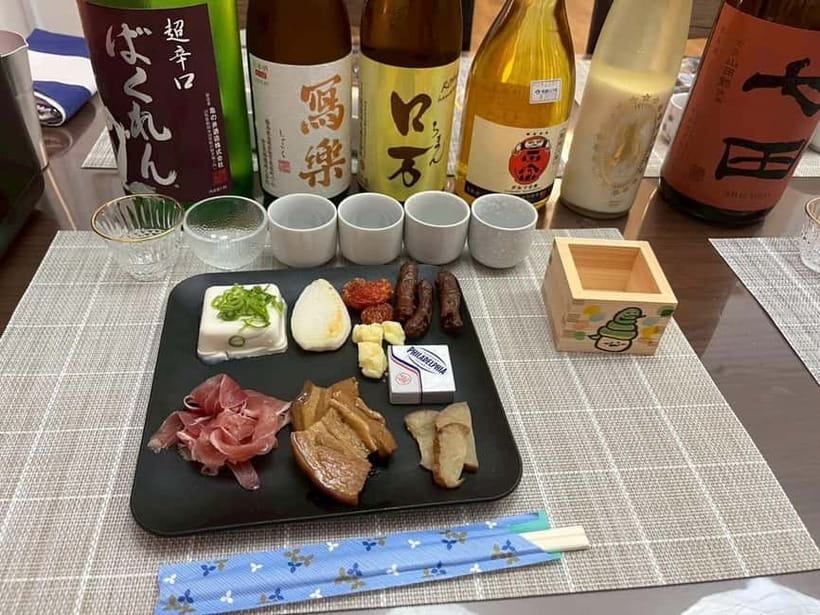
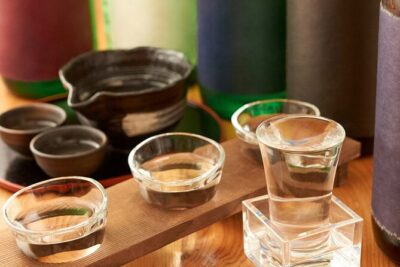
Tokyo sake tasting is most useful when it helps you find what you actually like. This 90-minute session does that by serving five to six different sakes, including warm sake, and arranging them around four main styles: fragrant Kunshu, light Soshu, full-bodied Junshu, and aged Jukushu.
I like the clear English instruction and the small group limit of eight people. I also like that you make a decorated wooden masu cup, rather than leaving with only a fading memory and a slightly unsteady walk. The main drawback is simple: at $45 per person, this is a focused tasting, not a long meal or a full brewery visit.
Key points at a glance
- Five to six sake samples: Compare several styles instead of committing to one unfamiliar bottle.
- Warm sake included: Learn firsthand how heat can change aroma, flavor, and the way a sake feels.
- Four style categories: Kunshu, Soshu, Junshu, and Jukushu give beginners a useful map of Japanese sake.
- Make a traditional souvenir: Decorate your own masu cup with Japanese brush pens and take it home.
- Small, English-speaking group: The activity is limited to eight participants and led by a certified Sake Navigator.
- Snack pairings included: Light food helps clear the palate and shows how sake works with a meal.
A friendly introduction to sake in central Tokyo
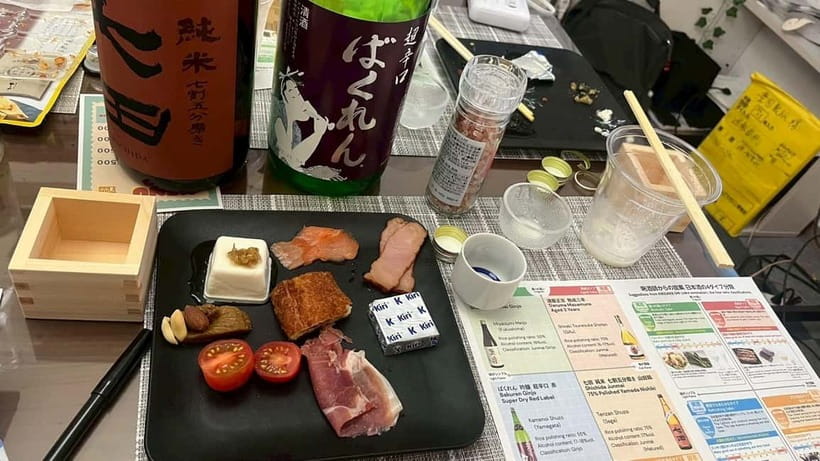
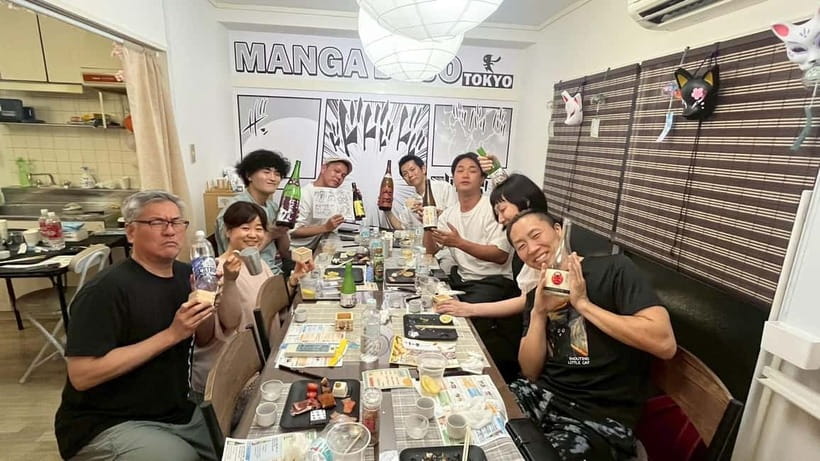
This experience is designed for people who want an approachable introduction to sake without needing to decode a Japanese menu or know the difference between brewing terms. You meet at Manga Dojo Tokyo, in Sansho Building 602 at 1-31-6 Higashi-Ikebukuro, Toshima-ku.
Take the elevator to the sixth floor and go to room 602. Transportation is not included, so you will need to make your own way to the building. The meeting point is specific, which helps, but give yourself enough time to find the address before the session begins.
The setting is described as cozy and stylish, with the room reserved for international visitors. That matters because the value here is not only in the drinks. You are also getting a setting where questions in English are welcome and the host can explain Japanese drinking customs without assuming prior knowledge.
The two hosts who led the sessions recorded in the supplied feedback were praised for making the activity fun and teaching a great deal in a relaxed way. Their names are not provided, so I cannot identify them, but the useful point is clear: the tone is friendly rather than formal.
More Sake Tastings in Tokyo:
- Best of Shinjuku: Izakaya Food Tour (4 Stops, 14+ Tastings)
★ 5.0 · 1,863 reviews - Ramen and Sushi Cooking Class with Sake Pairing Set in Tokyo
★ 5.0 · 291 reviews - Sake Tasting Masterclass in Shinjuku (8+ Varieties with a Pro)
★ 5.0 · 271 reviews
The four sake styles give you a useful tasting map
A beginner can easily feel lost when faced with a shelf of Japanese sake. Labels may include terms about rice polishing, brewing methods, region, or serving temperature. This session starts with four broad styles, giving you a simpler way to sort what is in your glass.
Kunshu is the fragrant style. If you enjoy noticeable aromas, this is the category to watch. The tasting lets you consider the scent before you drink, then compare that impression with the flavor.
Soshu is the light style. It may suit you if you prefer a cleaner, less heavy drink. This is also a useful comparison point because it shows that sake is not one single taste.
Junshu is the fuller, more substantial style. It gives the tasting a different weight and texture from the lighter examples. You may find this category more suitable with stronger foods.
Jukushu is aged sake. Aging creates another point of contrast, allowing you to consider how time affects the drink. You do not have to memorize the Japanese names, but knowing these four categories makes it easier to describe your preferences later.
This structure is one of the strongest parts of the activity. Rather than presenting six unrelated glasses, the Sake Navigator gives you a framework. You can leave knowing that you prefer fragrant sake, light sake, fuller sake, or aged sake, which is much more useful than simply remembering that one glass tasted good.
Warm sake shows why temperature matters
Many people first meet sake chilled, then assume that is the standard way to serve it. This tasting corrects that idea with a warm sake, known as kanzake.
The point is not simply to add a novelty sample. You get to consider how the same general drink can change when temperature changes. Aroma, softness, intensity, and finish may seem different when sake is served warm instead of cold.
The activity information does not specify that you taste the same sake at several temperatures, so you should not expect a controlled comparison of one bottle heated and chilled. Instead, the warm sake is part of the wider set of samples and helps show how serving temperature shapes the experience.
That is valuable in practical terms. If you order sake at a Tokyo restaurant later, you will have a better idea of what you want to try. You can also ask for warm sake with more confidence instead of treating it as an unfamiliar gamble.
This section should appeal to both beginners and people who already know a few sake styles. Beginners get a memorable lesson, while experienced drinkers have a chance to notice differences they may not have explored before.
Light snacks make the tasting more useful
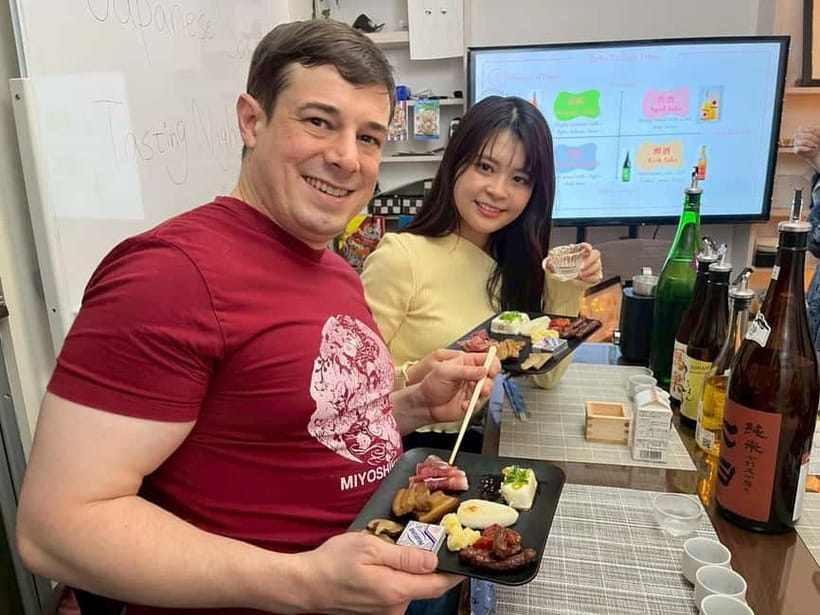
Light snacks are served during the tasting and are chosen to pair with the sake. They are not presented as a full lunch or dinner, so you should eat beforehand if you need a substantial meal.
The pairings are important because sake is rarely meant to be considered in isolation. A drink that seems sharp or delicate by itself can work differently with food. A fuller sake may feel more balanced beside a savory bite, while a lighter style may refresh the palate.
The supplied feedback specifically praised the snack pairings. That is a useful sign for anyone who worries that a tasting will become six small pours with no sense of how the drink fits into ordinary Japanese dining.
You should still think of the snacks as support for the tasting, not the main event. At $45, the price covers guided instruction, several premium sake samples, food pairings, materials, and the souvenir cup. It does not promise a large meal, and the description does not list the exact snacks or their quantity.
A few more sake tours around Tokyo worth a look
- Tokyo: Shinjuku Local Bar and Izakaya Guided Walking Tour
★ 4.9 · 1,794 reviews - Tokyo: Shinjuku Local Bar & Izakaya Crawl Tour
★ 5.0 · 890 reviews - Shibuya: Local Bar & Izakaya Crawl
★ 4.9 · 354 reviews - Sake Omakase in Tokyo: Guided Tasting by Certified Sommeliers
★ 5.0 · 239 reviews
Decorating the masu cup adds a hands-on finish
The final creative part is simple but memorable. You receive a traditional masu, a small wooden sake cup, along with Japanese brush pens and materials for decorating it.
You can write your name, draw a design, or create a personal mark. The activity does not require artistic skill. In fact, the rough, handmade quality is part of the appeal. A carefully perfect design is not the point.
This is a good feature for anyone who likes bringing home something linked to a specific moment. A purchased souvenir can feel generic. A cup you decorate during the sake session has a clearer connection to your time in Tokyo.
The masu is also practical as a reminder of the tasting lesson. When you see it later, you are likely to remember the four sake styles, the warm sample, and the question of which type you preferred.
Do not expect a long craft workshop. The main event is the sake tasting, and the cup decoration is one part of the 90-minute schedule. Still, it gives the activity a satisfying ending and helps break up the drinking with a quiet, hands-on task.
Why the small group size matters
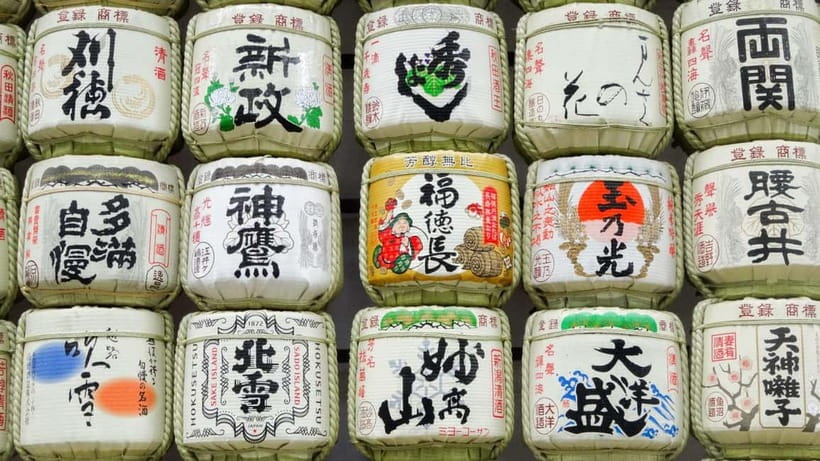
The group is limited to eight participants. That is small enough for the Sake Navigator to keep the session conversational and explain terms as they come up.
For a tasting, group size affects the quality of the experience. In a large room, you may have to wait to ask about a flavor or serving temperature. With eight or fewer people, you should have a better chance to ask which sake matches your preferences and how to order something similar elsewhere.
The session is conducted entirely in English. That makes a real difference for anyone who wants to understand the process rather than simply follow a pour-by-pour routine. You can ask what makes a sake fragrant, why one style feels lighter, or how warm serving changes the drink.
The activity is also listed as wheelchair accessible. No transportation is provided, and the meeting point is on the sixth floor, reached by elevator. If you have detailed mobility needs, check the venue arrangements before booking, but the stated accessibility information is encouraging.
Is $45 a fair price for 90 minutes?
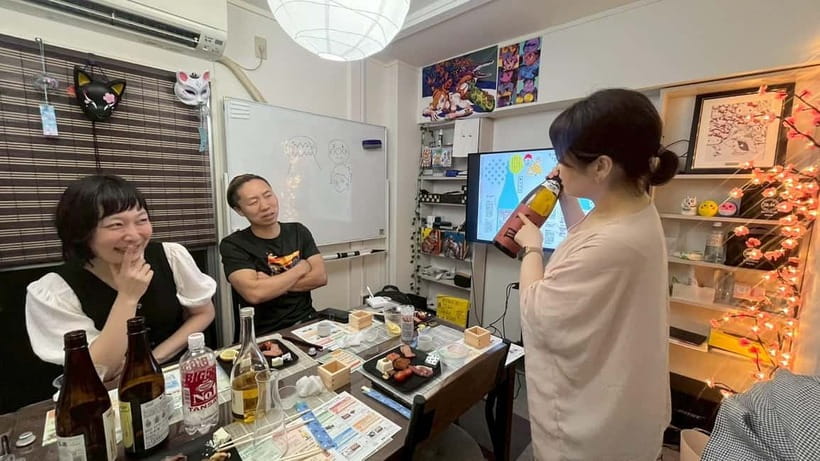
I think the price is reasonable if you want instruction, several sake samples, snacks, and a take-home item in one short activity. The cost is not just paying for alcohol. You are paying for a guided comparison, English support, a certified Sake Navigator, food pairings, and the decorated masu.
The value is strongest for a first sake tasting. Buying several bottles on your own could cost more, and you would not necessarily know how to compare them. Here, the selection is made for you and organized around clear categories.
The value is less convincing if you already have extensive sake experience and mainly want a large amount of drink. Six samples in 90 minutes is a structured introduction, not an open-ended evening at a sake bar.
The small group also improves the value. You are not paying for a crowded presentation where the host can offer only general remarks. The format is intended for a maximum of eight participants, which supports questions and personal guidance.
At $45, I would see this as a cultural activity with a tasting component, rather than a cheap drinking deal. That distinction helps set the right expectation.
Who will enjoy this sake session most?
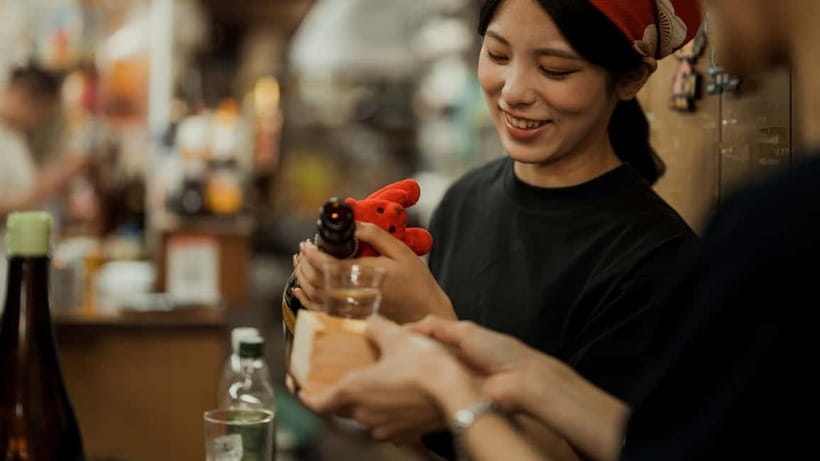
I would recommend it to:
- First-time sake drinkers who want a clear introduction
- Couples looking for a compact cultural activity in Tokyo
- Solo visitors who prefer a small, guided setting
- People curious about warm sake and serving temperature
- Anyone who enjoys food and drink pairings
- Sake fans who want a quick comparison of broad style categories
- International visitors who want the full session in English
It also suits people who like a souvenir with a personal touch. The decorated masu is more distinctive than a standard shop purchase, and the activity gives you time to make it your own.
Younger visitors should note the age rule. Anyone under 20 is not suitable for this experience. Since sake is alcoholic, this is an adults-only activity under the stated conditions.
The session may not suit you if you want a full Japanese meal, a brewery tour, or a long evening of drinking. It also may not be the right choice if you dislike alcohol, though the description does not provide a nonalcoholic alternative.
Practical details before you book
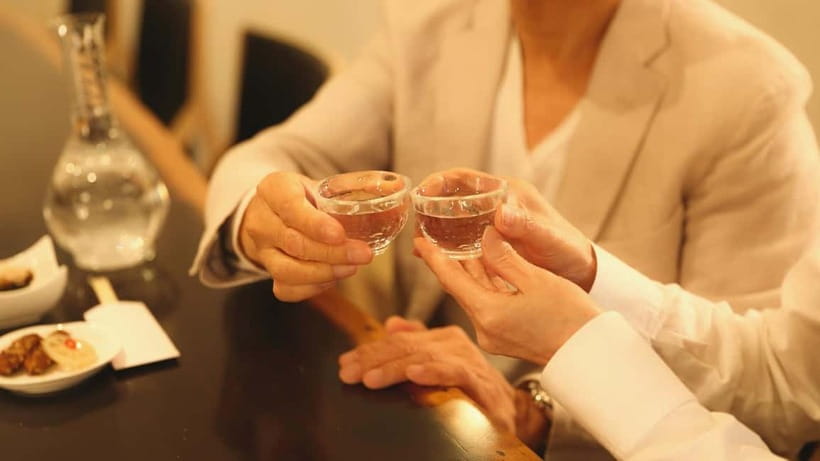
The experience lasts 90 minutes, so it fits neatly into a Tokyo day. You can place it between sightseeing stops without giving up half an afternoon, though you should allow extra time to reach the building.
The venue is Manga Dojo Tokyo, Sansho Building 602, 1-31-6 Higashi-Ikebukuro, Toshima-ku, Tokyo 170-0013. Use the elevator to the sixth floor and proceed to room 602.
Starting times vary, so check availability for your chosen date. The activity offers free cancellation up to 24 hours in advance for a full refund, and you can reserve now and pay later. Those terms are useful when your Tokyo schedule is still shifting.
Only English instruction and support are listed. That makes this a particularly practical choice for international visitors who want more than a silent tasting flight.
The current rating is 5 out of 5 from two verified bookings, with praise focused on the friendly hosts, clear learning, enjoyable snack pairings, and the overall memory of the session. That is a very small sample, so I would treat it as encouraging rather than definitive. Still, the praised features match the activity’s strongest practical points.
Should you book this Tokyo sake tasting?
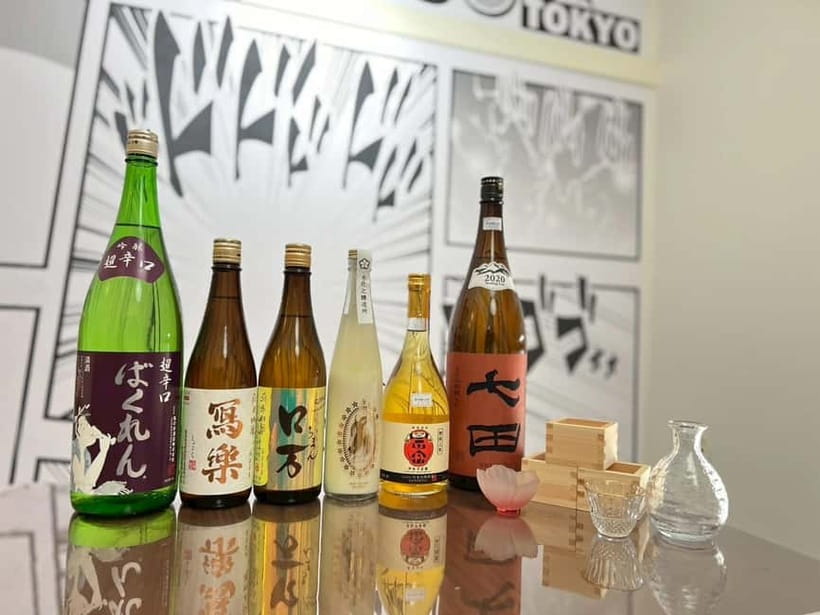
Book it if you want to understand sake rather than simply drink it. The four style categories, warm sake sample, English instruction, and snack pairings give you a useful base for future meals in Japan.
I especially like the balance between explanation and participation. You taste, compare, ask questions, eat small bites, and decorate a wooden cup. The pace should feel varied without becoming a full-day class.
Skip it if your priority is a large meal, a brewery visit, or a long sake bar session. At $45, you are paying for a compact, guided cultural experience with a souvenir, not an all-you-can-drink evening.
For most first-time sake drinkers, couples, solo visitors, and small groups, I think it is a sensible Tokyo booking. You leave with a better idea of your own taste, a few useful Japanese terms, and a masu cup that can remind you which kind of sake you liked best.
FAQ
Where does the Tokyo sake tasting take place?
It takes place at Manga Dojo Tokyo, Sansho Building 602, 1-31-6 Higashi-Ikebukuro, Toshima-ku, Tokyo 170-0013. Take the elevator to the sixth floor and proceed to room 602.
How long does the activity last?
The sake tasting lasts 90 minutes.
How many types of sake will I taste?
You will taste five to six carefully selected types of Japanese sake, including warm sake.
Is the activity conducted in English?
Yes. The instructor provides English-language instruction and support throughout the activity.
Is food included?
Yes. Light snacks paired with the sake are included. The activity does not describe these snacks as a full meal.
Can I cancel the booking?
You can cancel up to 24 hours in advance for a full refund. The activity also allows you to reserve now and pay later.
Just added around Tokyo
- Tokyo: Serene Sakura & Sake: An Exclusive Brewery Pairing Lunch★ 5.0 · 2 reviews
- Tokyo Sake Tasting Tour with a Sake Expert★ 5.0 · 7 reviews
- Wagyu BBQ & Sukiyaki with Sake Pairing Experience near Ginza★ 5.0 · 2 reviews
- Japanese Sake Tasting & Wagyu Sukiyaki Cooking Class in Tokyo★ 5.0 · 10 reviews
- Tokyo Izakaya crawl (A tour of 2 izakayas, 1 bar, and a shrine)★ 5.0 · 8 reviews
- Private Tokyo Food Tour – Retro Akabane Izakaya Experience★ 5.0 · 14 reviews
- Tokyo: Learn the Art of Chopsticks in a Cozy Izakaya!★ 5.0 · 2 reviews
- Shinjuku Underground Nightlife Tour: Izakaya Food & Bar Hopping★ 5.0 · 11 reviews
Tokyo Sake Tours, compared.
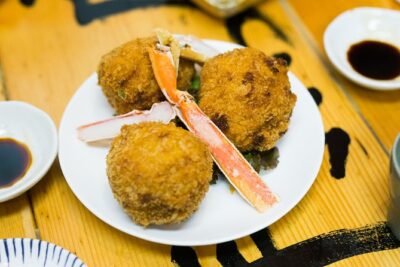
Best of Shinjuku: Izakaya Food Tour (4 Stops, 14+ Tastings)
Read our review →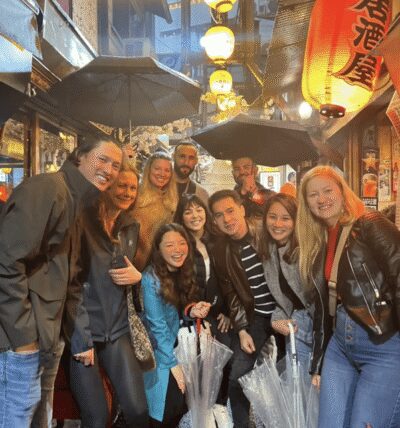
Tokyo: Shinjuku Local Bar and Izakaya Guided Walking Tour
Read our review →
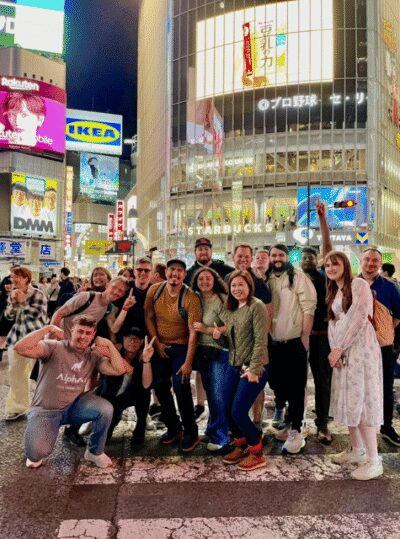
Ramen and Sushi Cooking Class with Sake Pairing Set in Tokyo
Read our review →
Sake Tasting Masterclass in Shinjuku (8+ Varieties with a Pro)
Read our review →
Tokyo Washoku 4-hour Cooking Class: From Market to Table
Read our review →
Sake Omakase in Tokyo: Guided Tasting by Certified Sommeliers
Read our review →Browse the lists this tour appears in