
REVIEW · TOKYO SAKE TOURS
Shibuya: Local Bar & Izakaya Crawl
Shibuya is much more than its famous crossing. This three-hour night out takes you into small bars and izakayas that are hard to find alone, with a local guide handling the ordering, directions, and social introductions. I like the mix of local food and sake and the easy way the evening helps solo visitors meet people. I also like that guides such as Tomomi, Kento, Asato, and Yuna adjust the pace and food choices to suit the group.
The main thing to plan for is cost. The $29 price covers the guide, walking tour, venue admission, and photos, but food and drinks are extra, so bring cash. Karaoke is often part of the final stop, though its appeal depends on how much you enjoy singing with new people.
Key points to know before you book
- Three different local stops: The evening often moves from an izakaya for food to a sake bar and then karaoke.
- A strong choice for solo visitors: The small-group social setting makes it easier to meet people without arranging your own night out.
- Food and drinks cost extra: The $29 fee does not cover meals, sake, beer, or other beverages.
- Guides shape the night: Tomomi, Kento, Miyabi, Shota, Yushi, Yuna, and others have led evenings with different personalities and styles.
- Dietary needs can be discussed ahead: Guides have helped arrange vegetarian food and checked for fish flakes.
- Bring cash and WhatsApp: You need cash for purchases, and the guide contacts you through WhatsApp before the meeting.
A local start in the back streets of Shibuya
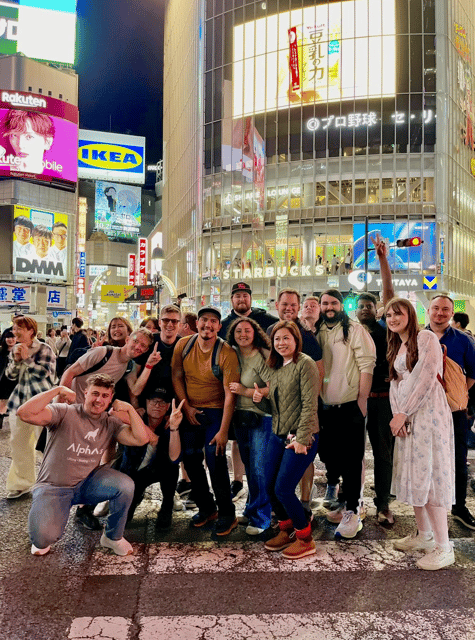
The evening begins in front of the Shibuya Branch of Mizuho Bank. This is a practical meeting point in one of Tokyo’s busiest districts, so give yourself enough time to find it and watch for messages from your guide.
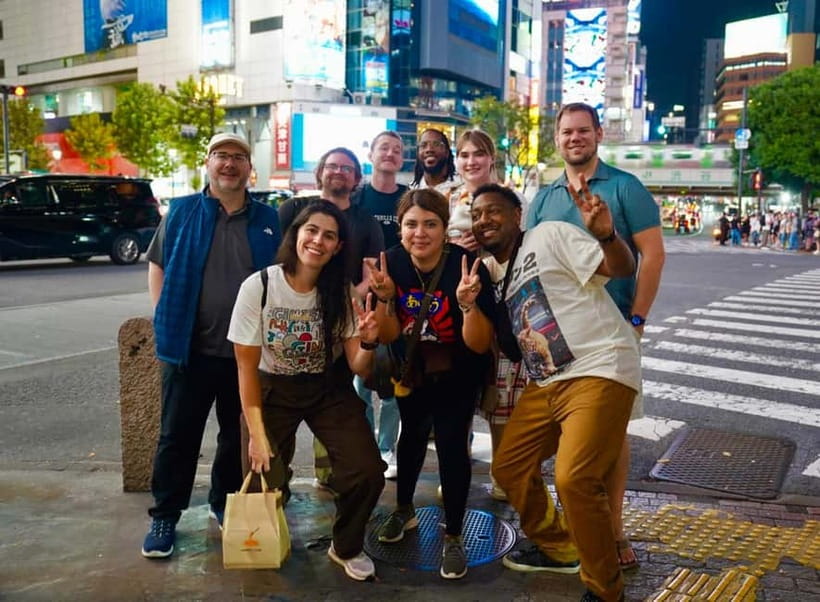
After a short introduction, you set off on foot. The walking is part of the point. Shibuya changes quickly from bright main roads and department stores to narrow streets with compact bars, restaurant signs, and small entrances that are easy to miss. You do not need to spend your night studying a map or wondering if a quiet doorway is open to visitors.
Your English-speaking guide provides the bridge between you and the local nightlife. Guides are not all the same, and that is worth knowing. Tomomi has been praised for her lively manner and local suggestions, while Kento has mixed food, sake, and cultural explanations into the evening. Shota, Asato, Miyabi, Yuna, Yushi, Kei, and others have also led groups, often joining in the social side rather than simply pointing out venues.
That personal contact matters in Shibuya. A tiny bar can feel awkward if you do not know how the room works, what to order, or when to move aside for regulars. A guide makes the first step easier and can help you ask questions without fuss.
More Izakaya and Bar Hopping in Tokyo:
- Best of Shinjuku: Izakaya Food Tour (4 Stops, 14+ Tastings)
★ 5.0 · 1,863 reviews - Tokyo: Shinjuku Local Bar and Izakaya Guided Walking Tour
★ 4.9 · 1,794 reviews - Tokyo: Shinjuku Local Bar & Izakaya Crawl Tour
★ 5.0 · 890 reviews
Stop one: food and drinks at an izakaya
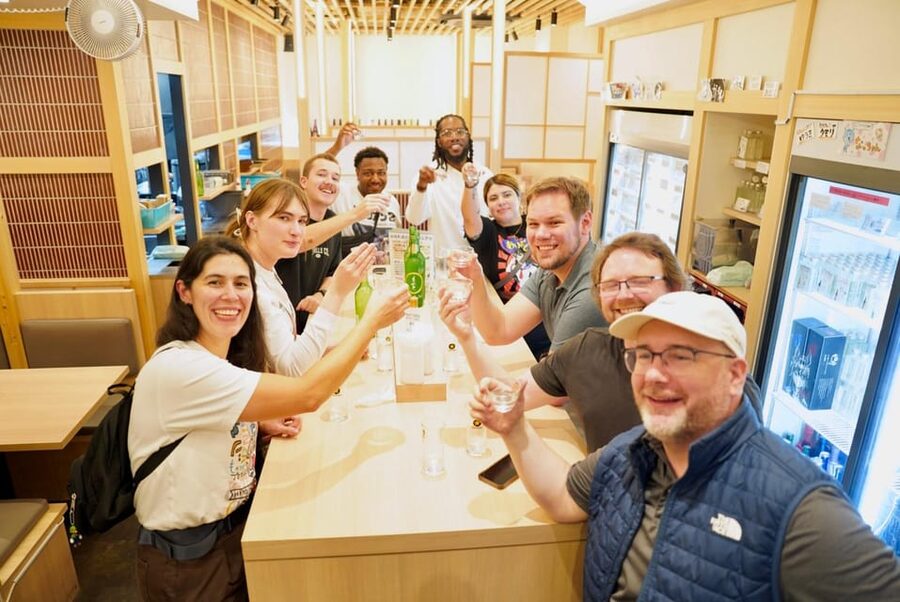
The first stop is generally an izakaya or small local restaurant. This is where the group gets comfortable, shares food, and begins learning how Japanese drinking culture works.
An izakaya is not just a place to order one large meal. The format usually centers on small dishes shared around the table, which suits a mixed group. You might try several types of Japanese food rather than committing to a single entrée. Past evenings have included Japanese tapas-style dishes, beer, and food chosen with help from the guide.
I like this opening because it gives the night a natural rhythm. You sit down, learn who is in the group, and have something to talk about before the drinks become the focus. Your guide can also explain what you are ordering and suggest items that work well for the table.
The food is not included in the tour fee, so you should treat $29 as the cost of access and guidance, not the full price of the night. The exact amount you spend depends on what you order and how much you drink. Bring Japanese yen in cash, since that is the stated requirement.
Dietary communication is one of the useful reasons to contact the local partner ahead of time. A guide named Kei adapted food choices for dietary restrictions, and Yushi took special care with a vegetarian request, checking that dishes did not contain fish flakes. You should still explain your needs clearly before the tour, since Japanese food can contain fish stock or flakes in dishes that appear vegetarian.
Stop two: tasting sake in Shibuya
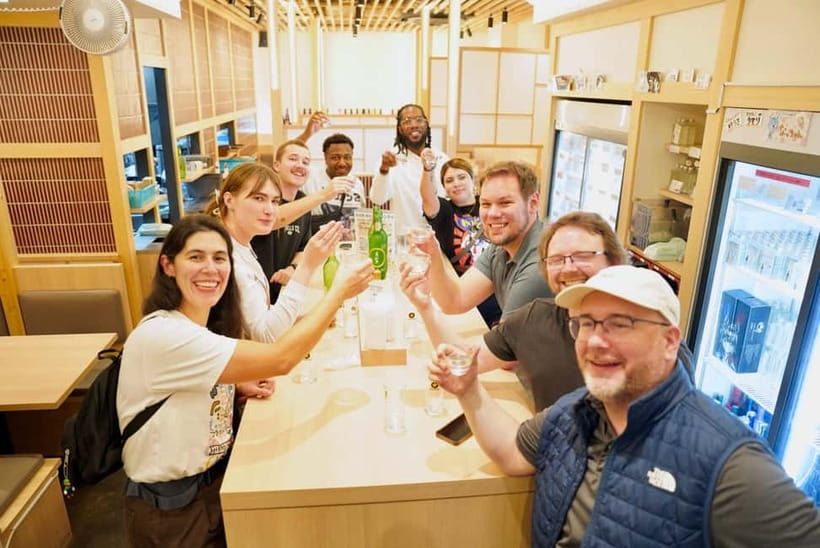
The second stop often shifts the mood from shared food to sake tasting. This is the part of the evening that gives the crawl more substance than a standard bar visit.
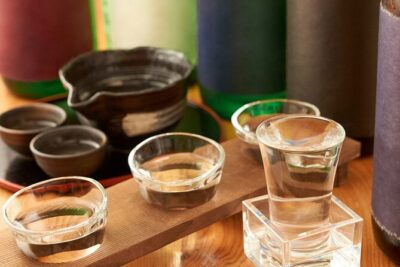
You may sample several styles of sake and compare differences in sweetness and dryness. Some evenings have included around six varieties, while one account described the tasting as generous enough to require some restraint. That is a friendly warning: the tasting can add up quickly, especially if you have already had drinks with your meal.
Your guide can explain how the drinks differ and help you order with more confidence. You do not need to arrive with technical knowledge. The value here is having someone explain the choices in plain language while you taste them in a social setting.
I would pace yourself at this stop. Sake can taste light and easy to drink, but three hours can pass quickly when each venue offers something new. Drink water when you can, eat at the first stop, and remember that the evening is more enjoyable if you still have energy for the final venue.
This is also where the tour can feel most personal. The group is usually talking more freely by this point, and the guide may share details about drinking customs or local bar etiquette. The goal is not a formal lecture. It is a conversation that helps you understand why a small sake bar feels different from a large international nightlife venue.
Stop three: karaoke as the lively finale
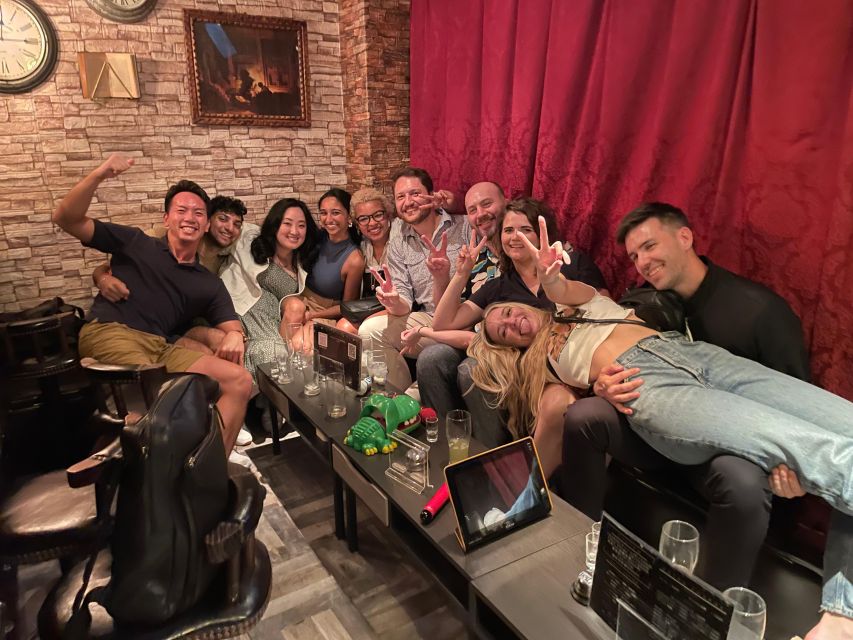
Karaoke is commonly the last stop, and it changes the evening again. You move from eating and tasting to taking part.
You do not need to be a good singer. In fact, the social pressure is lower when everyone is trying to have fun rather than perform perfectly. Several guides have joined the singing, and Shota, Shogo, Yushi, Miyabi, and Kei have been singled out for bringing extra energy to the room. Shogo even brought a guitar on one occasion.
For many people, karaoke becomes the most memorable part of the night because the group has already shared food and drinks. You are not walking into a room of strangers at the start. By the final stop, you have a reason to cheer for one another.
Still, karaoke is the clearest matter of personal taste. If you dislike singing, you may find this portion less appealing than the izakaya and sake stops. The good news is that the emphasis is social, and you can take part at your own comfort level. One evening included a group that was less excited about karaoke at first but ended up having fun.
The final venue may also extend the night’s momentum. Some groups have continued together after the scheduled experience, but that is optional and not part of the guaranteed program. Keep an eye on the last train if you plan to stay out afterward. One person missed it after a long evening, though that was not caused by the guide.
More Sake Tours with a Local Guide in Tokyo:
- Tokyo: Shibuya Local Bar & Izakaya Crawl Tour
★ 5.0 · 218 reviews - Tokyo: Shinjuku Local Bar Hopping Walking Tour
★ 5.0 · 186 reviews - Tokyo Wagyu & Sake Pairing Tasting Experience with Local Flavors
★ 5.0 · 108 reviews - Tsukiji Market Eating Tour, Authentic Sushi & Sake Comparison
★ 5.0 · 52 reviews
Why the social side matters
The strongest reason to book this experience is not simply finding three bars. You can visit bars on your own. The harder part is choosing places where you feel welcome, understanding the setting, and meeting people when you have just arrived in Tokyo.
This tour gives you a ready-made evening. The guide introduces the group, explains the area while you walk, and keeps the night moving. That structure is especially useful if you are traveling alone or have just arrived in Japan and want an easy first-night activity.
The group can also change the experience. Some evenings have been small, with around six people, while others have been larger and needed two guides to keep everyone involved. A small group usually gives you more time to speak with the guide and fellow participants. A larger group can bring more energy but may feel less personal.
Your own attitude matters. If you are willing to share a table, ask questions, try unfamiliar food, and sing a little badly, you are likely to get more from the evening. If you want a quiet, private dinner or a carefully planned tasting led by a specialist, this is probably not the right format.
What the $29 price really covers
At $29 per person, the fee is reasonable for an organized three-hour introduction to Shibuya nightlife. You are paying for an English-speaking guide, a walking route, admission to each venue, and photos during the evening.
The value comes from reducing uncertainty. You do not have to search for three suitable places, work out how to enter, or manage the route between them. You also get a local person who can explain food, sake, and drinking customs as the evening unfolds.
The price does not cover food or drinks. That is the main budget point, and you should not treat this as a $29 all-in night. Bring cash for dinner, drinks, sake, and any orders made at the venues.
Because the itinerary can be adjusted, the final cost and exact feel of the evening may vary. You can contact the local partner before the tour to request certain types of food, alcohol, or places to visit. Requests are not a guarantee of every detail, but this option is useful if you have clear preferences.
Practical details that make the night easier
Download WhatsApp before you go. The guide uses it to contact you, which helps with meeting arrangements and communication during the evening.
Wear comfortable shoes. This is a walking tour through Shibuya, with several stops over three hours. You do not need specialist clothing, but you will be happier moving through the district in something comfortable.
Arrive at the Mizuho Bank meeting point with enough time to spare. Shibuya can be confusing when you are rushing, especially near the major crossings and station exits.
The activity is for people aged 20 and older. Bring cash, since food and drinks are not included and cash is specifically requested.
Cancellation is flexible up to 24 hours before the start for a full refund. You can also reserve now and pay later, which helps if your Tokyo schedule is still shifting.
Who should book this Shibuya bar crawl?
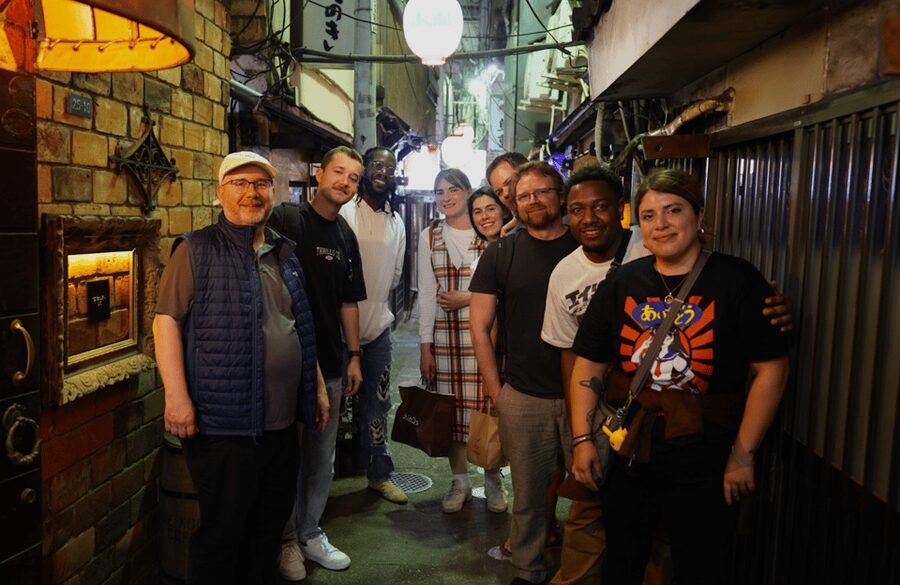
I would choose this for a solo visitor, a couple who wants a social night, or anyone who finds Japanese nightlife intimidating without local help. It is also useful early in a Tokyo stay, when you want to meet people and get a better feel for the city’s evening culture.
Food-focused visitors should contact the partner in advance with dietary needs. Vegetarians may be accommodated, but fish-based ingredients need careful checking.
The tour is less suitable if you do not drink, dislike group activities, or want every stop fixed in advance. The itinerary is designed to respond to the group, and karaoke is often part of the evening. That flexibility is a strength for some people and a drawback for others.
Should you book it?
Book this Shibuya bar and izakaya crawl if you want a friendly introduction to local nightlife without having to plan the route yourself. The best parts are the mix of shared food, sake tasting, and karaoke, plus the chance to meet people while a guide handles the awkward details.
Go in with a cash budget, an open mind, and sensible limits on drinking. If you do that, the $29 fee buys more than entry to three venues. It gives you a structured night in Shibuya, local help when you need it, and a good chance to leave with both new food memories and new acquaintances.
FAQ
Where does the Shibuya bar crawl meet?
Meet your English-speaking guide in front of the Shibuya Branch of Mizuho Bank.
How long does the experience last?
The activity lasts three hours. Starting times depend on availability when you book.
What does the $29 price include?
The price includes an English-speaking guide, the walking tour, admission fees for each venue, and photos during the tour.
Are food and drinks included?
No. Food and drinks are not included, so bring cash to pay for what you order at the izakaya, bars, and other venues.
Can I request particular foods or drinks?
Yes. You can contact the local partner before the tour to request certain types of food, alcohol, or places to visit. Dietary needs should be explained in advance.
Is the activity suitable for people under 20?
No. The experience is not suitable for people under 20 years old.
Just added around Tokyo
- Tokyo: Serene Sakura & Sake: An Exclusive Brewery Pairing Lunch★ 5.0 · 2 reviews
- Tokyo Sake Tasting Tour with a Sake Expert★ 5.0 · 7 reviews
- Wagyu BBQ & Sukiyaki with Sake Pairing Experience near Ginza★ 5.0 · 2 reviews
- Japanese Sake Tasting & Wagyu Sukiyaki Cooking Class in Tokyo★ 5.0 · 10 reviews
- Tokyo Izakaya crawl (A tour of 2 izakayas, 1 bar, and a shrine)★ 5.0 · 8 reviews
- Shinjuku Underground Nightlife Tour: Izakaya Food & Bar Hopping★ 5.0 · 11 reviews
- Private Tokyo Food Tour – Retro Akabane Izakaya Experience★ 5.0 · 14 reviews
- Tokyo: Learn the Art of Chopsticks in a Cozy Izakaya!★ 5.0 · 2 reviews
Tokyo Sake Tours, compared.
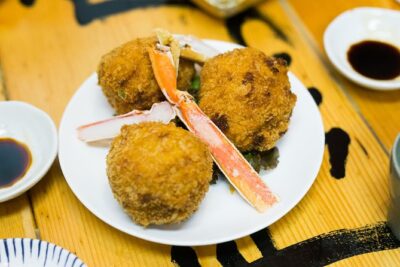
Best of Shinjuku: Izakaya Food Tour (4 Stops, 14+ Tastings)
Read our review →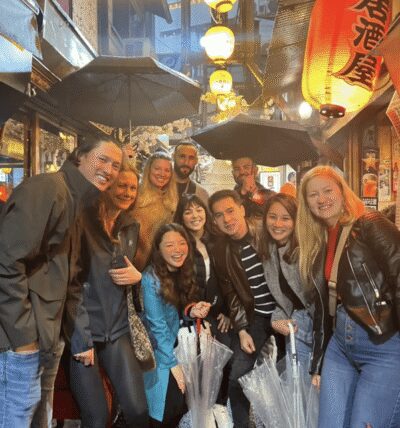
Tokyo: Shinjuku Local Bar and Izakaya Guided Walking Tour
Read our review →
Ramen and Sushi Cooking Class with Sake Pairing Set in Tokyo
Read our review →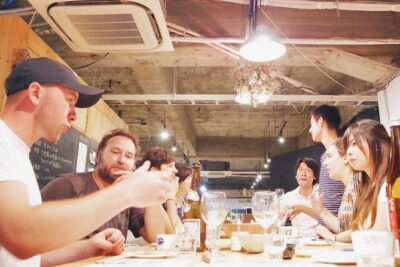
Sake Tasting Masterclass in Shinjuku (8+ Varieties with a Pro)
Read our review →
Tokyo Washoku 4-hour Cooking Class: From Market to Table
Read our review →
Sake Omakase in Tokyo: Guided Tasting by Certified Sommeliers
Read our review →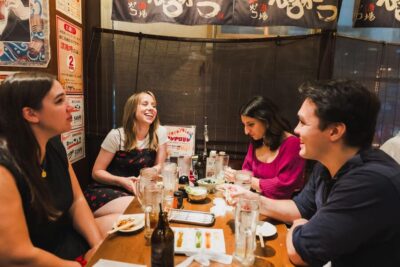
Tokyo: The Best of Izakaya in Shinjuku Food & Cultural Tour
Read our review →Browse the lists this tour appears in