
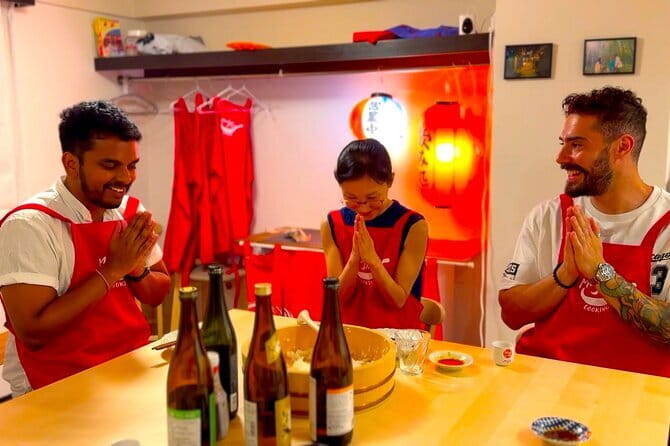
REVIEW · TOKYO SAKE TOURS
Tokyo: Night Cooking Class: 5 Home-Cooked Japanese Dishes
Tokyo’s best cooking classes do more than show you how to chop vegetables. This evening session introduces the social side of Japanese food, where small plates, cold drinks, and good company matter as much as the main dish. You prepare five home-style foods, then share them in the spirit of an izakaya gathering.
I like the class for two clear reasons: the recipes use ingredients you can find at home, and the small group of up to six people gives the guide room to help. I also like that three alcoholic or soft drinks are included, so pairing sake, beer, or nonalcoholic drinks is part of the lesson rather than an afterthought.
The main limitation is dietary and physical access. Vegetarians can be accommodated, but the class is not suitable for vegans or people who need gluten-free food, and allergy-free preparation cannot be guaranteed. Some parts of the space are also not suitable for wheelchairs or strollers.
Key points to know before you book
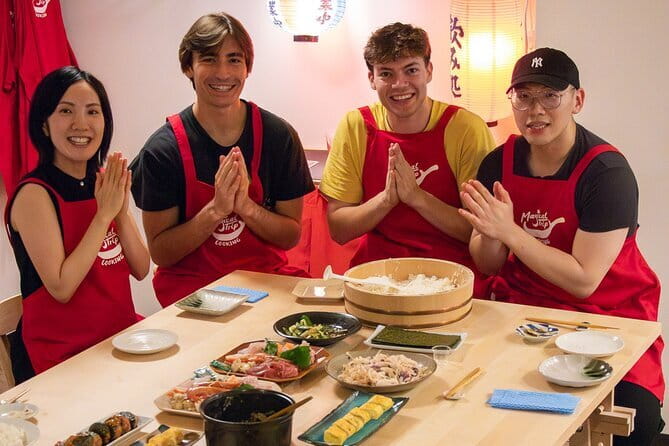
- Five useful home recipes: Prepare hand-roll sushi, wagyu or tofu steak, Japanese rolled egg, and grilled eggplant with miso sauce, along with other izakaya-style dishes.
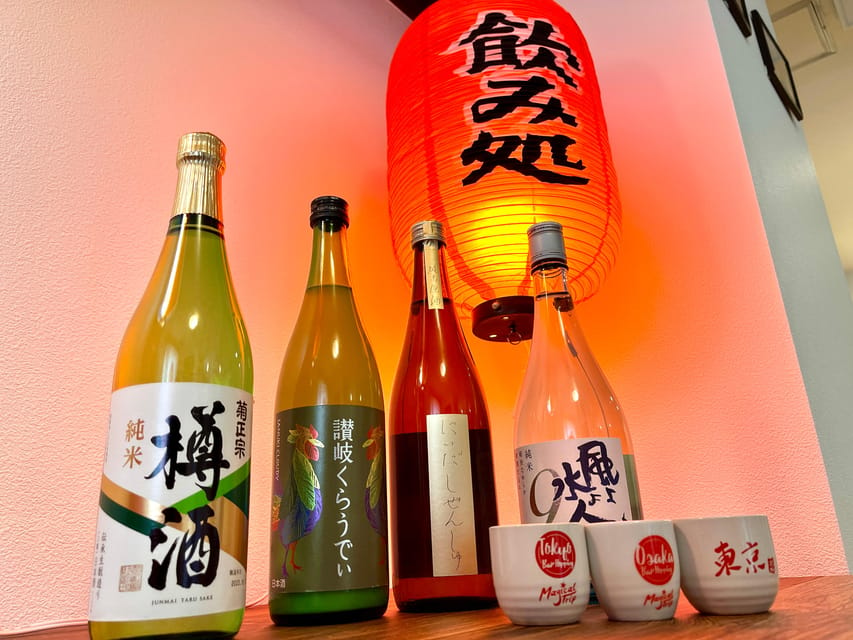
- Three drinks included: Choose alcoholic or soft drinks and learn how different flavors pair with the food.
- Small English-language class: The group is limited to six, with guides such as Alice, Masae, and Fuji leading recent sessions.
- A social night, not just a lesson: Cooking, tasting, and conversation are built around Japanese nomikai, or home drinking-party culture.
- Family details matter: Participants must be at least 6, but knife and hot cooking tasks are limited to those 12 and older with a parent or guardian.
- Easy-to-recreate food: The recipes and cooking methods are meant to work in kitchens outside Japan, with ingredients available in your home country.
An evening built around Japanese home drinking culture
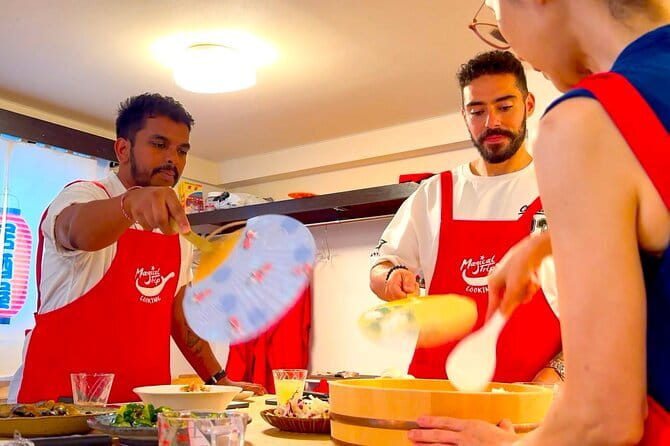
This is not a sushi-only lesson, and that is its main appeal. The class uses the izakaya format, where several modest dishes arrive over time and each one gives you a reason to take another sip.
In Japan, an evening of food and drinks often works this way. You do not need one large entrée to carry the meal. A grilled item, a salty snack, a little pickled food, and something warm or savory can create a longer, more social meal.
The class presents that idea in a practical way. You learn what makes a dish suitable for a drink, how contrasting textures keep a meal interesting, and why a mild dish may suit a different beverage from a strongly seasoned one. You are not simply copying recipes. You are learning how a Japanese home cook might plan a casual night with friends.
The setting is especially useful for couples and friends who want a shared activity rather than another restaurant meal. Solo visitors also have a natural way to meet people, since everyone works toward the same meal in a group of no more than six.
More Cooking Classes in Tokyo:
- Ramen and Sushi Cooking Class with Sake Pairing Set in Tokyo
★ 5.0 · 291 reviews - Tokyo Washoku 4-hour Cooking Class: From Market to Table
★ 5.0 · 253 reviews - Tokyo: Sushi and Ramen Cooking Class with Sake Pairing Set
★ 5.0 · 81 reviews
Meeting the group near Iriya Station
The meeting point is in front of the FamilyMart beside the Gindako shop at Iriya Station Exit 2. This detail matters because there are two FamilyMart stores at Iriya Station.
Look for the branch next to both Gindako takoyaki and Doutor Coffee. If you simply follow a map to FamilyMart, you could easily wait at the wrong store. Give yourself enough time to identify the nearby shops before the class begins.
The activity lasts three hours. Exact starting times vary, so you need to check the available departure when you reserve. Hotel pickup and drop-off are not included, which keeps the price focused on the class itself but means you handle your own way to Iriya.
The cooking menu: four named dishes with plenty of pairing potential
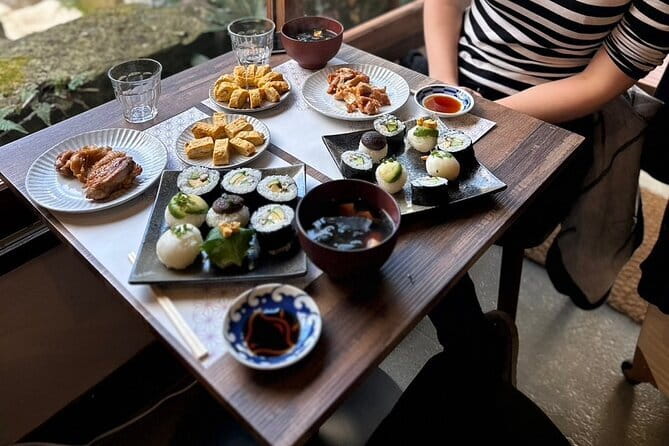
The included menu centers on food that fits a Japanese drinking table. The class includes hand-roll sushi, wagyu or tofu steak, Japanese-style rolled egg, and grilled eggplant with miso sauce. The wider class description also refers to skewers, tempura, pickles, and other small dishes, so the precise preparation sequence may vary.
Hand-roll sushi
Hand-roll sushi is a good starting point because it is direct and social. Instead of building formal restaurant-style sushi, you assemble a cone-shaped roll by hand and eat it soon after making it.
This format suits a party. Each person can prepare a roll, adjust the amount of filling, and eat it while the next dish is underway. It also gives you a recipe that is less intimidating to repeat at home than carefully shaped nigiri.
More Evening Sake Tours in Tokyo:
- Tokyo Night Cooking Class: 5 Home-Cooked Japanese Dishes
★ 5.0 · 70 reviews - Tokyo Shibuya Hidden Izakaya and Karaoke Night Tour
★ 5.0 · 18 reviews - Shinjuku: bar hopping night tour at Japanese Izakaya
★ 5.0 · 8 reviews - Tokyo: Night tour of bars and izakayas in Shinjuku – English / Spanish
★ 5.0 · 2 reviews
Wagyu or tofu steak
The steak course brings a more substantial bite to the table. Wagyu adds a special Japanese ingredient, while the tofu option gives vegetarians a comparable centerpiece.
You should confirm the available choice and any dietary needs before cooking begins. Vegetarian substitutions are arranged, but the class cannot promise solutions for every restriction. If you are avoiding meat, this is one of the dishes where the tofu option matters most.
Japanese rolled egg
Japanese rolled omelette, often called tamagoyaki, looks simple but requires control. The egg is cooked in layers and rolled repeatedly, so the final shape depends on timing and technique.
It is a useful home lesson because the dish can serve as breakfast, a lunch-box item, a sushi accompaniment, or a small plate with drinks. You get more from this part of the class than a single recipe. You also see how a few thin layers can turn a basic egg mixture into something with a different texture and appearance.
Grilled eggplant with miso sauce
Eggplant with miso sauce brings sweetness, salt, and a soft texture to the menu. It is also one of the easier dishes to repeat after you return home, since the preparation does not require specialist equipment.
This is the sort of home cooking that makes the class worthwhile for people who already know Japanese restaurant food. You learn a dish that may not be the first thing you order at an izakaya, yet it can become a dependable side dish in your own kitchen.
Skewers, tempura, pickles, and other small plates
The class description also highlights savory skewers, crisp tempura, tangy pickles, and other foods that suit drinks. Since the included list names four main preparations while the wider description mentions more, treat the menu as a selection of small dishes rather than a fixed restaurant-style course.
That variety is part of the point. Japanese home drinking food depends on contrast: crisp beside soft, salty beside fresh, and warm beside chilled. You will likely get more practical value from learning several small preparations than from spending three hours on one complex dish.
Three drinks make the lesson more useful
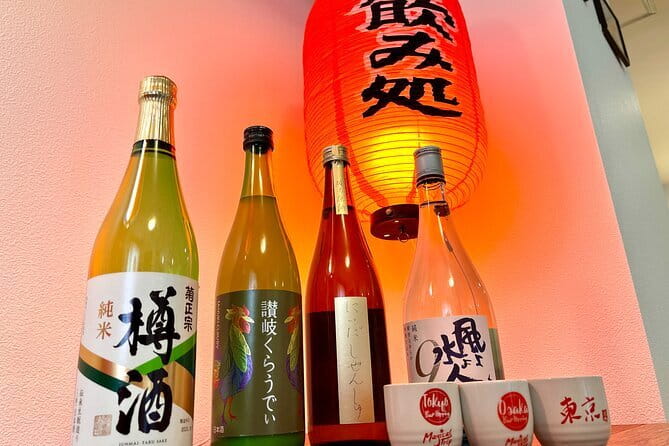
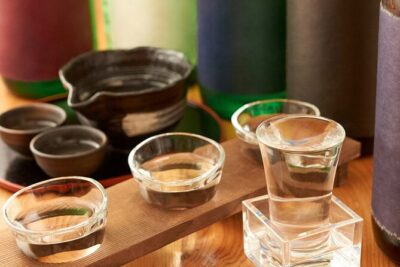
Your booking includes three cans of alcoholic or soft drinks. For adults aged 20 and over, this can include sake or beer, subject to what is offered during the class. Japanese law does not allow alcohol to be served to anyone younger than 20.
The drinks are not simply refreshments. They help explain the class theme. You can compare how a beverage works with grilled food, miso, egg, or a lighter vegetable dish. The lesson is less about memorizing strict rules and more about noticing balance.
For anyone who does not drink alcohol, the soft-drink option keeps the social part intact. You can still take part in the meal and the pairing discussion. Pregnant participants are listed as unsuitable for the activity, so this is not the right choice if you need a pregnancy-friendly cooking experience.
Guides who make the difference
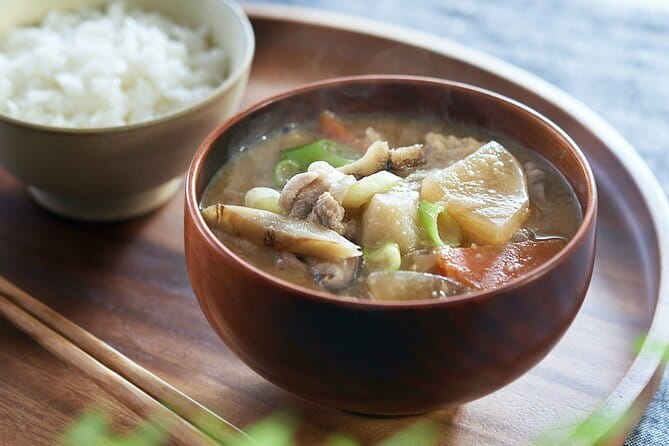
The class is taught in English by a local guide, and the guide’s personality matters because this is a small, conversational activity. Alice is described as making the evening fun while explaining the food clearly. Fuji has also led sessions as both guide and instructor.
Masae has taken the group to a local supermarket before welcoming them into the cooking studio. That added stop can give you a closer look at ordinary Japanese ingredients and the way a home cook shops, rather than showing only polished dishes in a teaching kitchen.
You should not assume that every session includes a supermarket visit, since the available details do not promise it as a fixed part of every class. Still, the guide-led format is a strength. With six people or fewer, you have a better chance to ask about ingredients, cooking methods, and home customs than you would in a large demonstration.
Tour photos are included, along with recipes to take home. The recipe sheets are especially valuable here because the class aims to give you food you can make after returning home, not just dishes you taste once in Tokyo.
What the three-hour flow is likely to feel like
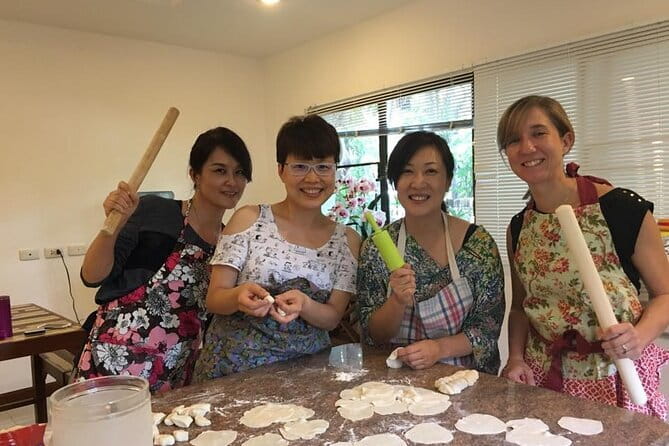
The class begins at the Iriya meeting point, followed by the cooking session. If a market visit is part of your particular class, it can add local context before the group starts preparing food.
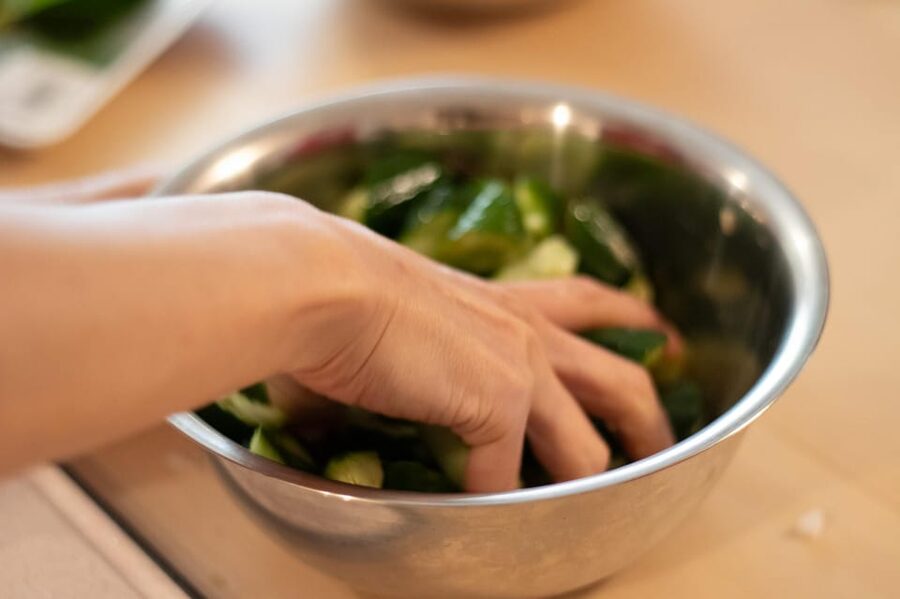
Once cooking begins, expect several tasks rather than one long demonstration. You may move between chopping, mixing, grilling, rolling, and assembling. The format keeps the night active, though it also means you should be ready to work rather than sit back and watch.
The drinking element is introduced alongside the food. You prepare a dish, taste it, and consider which drink works best. That rhythm gives the three hours a relaxed dinner-party feel.
At the end, you have eaten the food you prepared, received the recipes, and taken part in a meal that reflects Japanese home entertaining. The experience is best understood as a guided social evening with cooking at its center, not as professional chef training.
Is $103 a fair price?
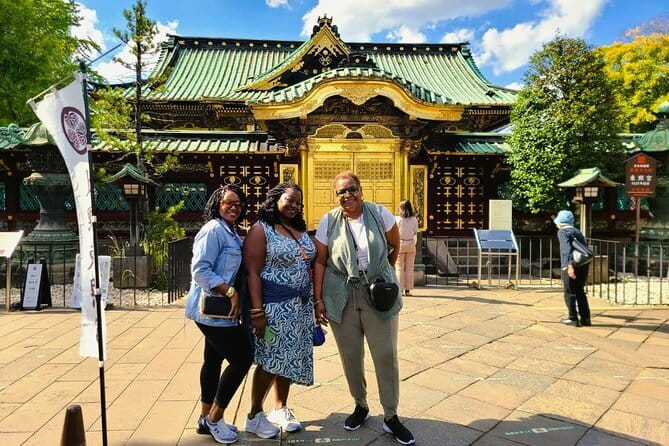
At $103 per person, the price is not a bargain cooking lesson, but it covers more than instruction. You receive three hours of small-group teaching, ingredients, equipment, three drinks, recipes, a local English-speaking guide, and tour photos.
The group limit is important when judging the cost. A six-person maximum allows more direct help with rolled egg, hot pans, knives, and seasoning than a large class. If the session is even smaller, as happened for one couple who attended with only three people, the class can feel close to private instruction.
You also save the cost of buying five dishes and three drinks separately at a restaurant, though that should not be the only measure. The real value is the repeatable knowledge. If you enjoy cooking Japanese food at home, the recipes and pairing ideas can continue paying off after the evening ends.
The price makes less sense if you want a cheap meal or a formal chef certificate. It makes more sense if you want food, cultural context, conversation, and practical recipes in one night.
Who will enjoy this class most?
I would recommend it most strongly to:
- Couples looking for a hands-on evening rather than a standard dinner
- Solo visitors who enjoy meeting a small group
- Home cooks who want Japanese recipes using accessible ingredients
- Sake and Japanese beer fans interested in food pairings
- Families with older children who can follow the safety rules
- Vegetarians who can eat tofu and the other arranged dishes
Complete beginners are welcome. You do not need to arrive with Japanese cooking experience. The class also works for confident cooks, although experienced participants should expect a friendly home-cooking lesson rather than advanced culinary training.
Children aged 6 and older may attend, but the safety rules need careful reading. Knife and hot cooking tasks are limited to participants aged 12 and older, under a parent or guardian’s supervision. The activity is also marked as unsuitable for children under 12, so families should confirm the age policy before paying.
A kids’ playroom is available, which may help families, but it does not remove the need for adult supervision or make every cooking station safe for young children.
Dietary, allergy, and access limits
Vegetarians are welcome, and the cooking process and ingredients can be arranged for them. Vegans and people requiring gluten-free food should not book this class.
The operator cannot guarantee an allergy-free meal because the food is prepared in kitchens that do not belong to MagicalTrip. Substitutions may not be possible at every stage, although efforts can be made to compensate elsewhere in the meal. If you have a serious allergy, ask detailed questions before booking rather than relying on last-minute changes.
Smoking is not allowed. Some parts of the activity are not accessible to wheelchairs or strollers, so this class may not suit anyone who needs fully step-free access.
Cancellation is flexible up to 24 hours before the activity for a full refund, and you can reserve now and pay later. Those policies are useful in Tokyo, where plans can change quickly, but they do not solve the dietary or access limits.
Final call: should you book it?
Book this class if you want a friendly, small-group night built around Japanese home food rather than a polished restaurant performance. The strongest reasons are the practical recipes, the drink-pairing lesson, and the chance to learn from guides such as Alice, Masae, or Fuji in an English-language setting.
Skip it if you need vegan, gluten-free, or carefully controlled allergy-safe food, or if you want a fully accessible activity. Also skip it if your main goal is advanced chef instruction.
For most food-focused visitors, $103 is a reasonable spend for three hours of cooking, drinks, and conversation, especially when the group has six people or fewer. Come ready to participate, arrive at the correct FamilyMart beside Gindako, and treat the class as a Japanese dinner party you help create.
FAQ
Where does the cooking class meet?
Meet in front of the FamilyMart next to the Gindako takoyaki shop and Doutor Coffee at Iriya Station Exit 2. Iriya has two FamilyMart stores, so use the branch beside both of those shops.
How long does the activity last?
The class lasts three hours. Starting times vary, so check the available time when booking.
What food will I prepare?
The included dishes are hand-roll sushi, wagyu or tofu steak, Japanese-style rolled egg, and grilled eggplant with miso sauce. The class also covers izakaya-style foods such as skewers, tempura, pickles, and other small plates.
Are drinks included?
Yes. Three cans of alcoholic or soft drinks are included. Alcoholic drinks are available only to people aged 20 and over under Japanese law.
Can vegetarians join?
Yes. Vegetarian participants are welcome, and ingredients and cooking methods can be arranged. The class is not available for vegans or people who require gluten-free food.
Is the class suitable for children?
The activity is open to participants aged 6 and older, but knife and hot cooking tasks are limited to those aged 12 and older under a parent or guardian’s supervision. The activity is listed as unsuitable for children under 12, so families should confirm the policy before booking.
Just added around Tokyo
- Tokyo Sake Tasting Tour with a Sake Expert★ 5.0 · 7 reviews
- Wagyu BBQ & Sukiyaki with Sake Pairing Experience near Ginza★ 5.0 · 2 reviews
- Tokyo: Serene Sakura & Sake: An Exclusive Brewery Pairing Lunch★ 5.0 · 2 reviews
- Japanese Sake Tasting & Wagyu Sukiyaki Cooking Class in Tokyo★ 5.0 · 10 reviews
- Tokyo Izakaya crawl (A tour of 2 izakayas, 1 bar, and a shrine)★ 5.0 · 8 reviews
- Private Tokyo Food Tour – Retro Akabane Izakaya Experience★ 5.0 · 14 reviews
- Tokyo: Learn the Art of Chopsticks in a Cozy Izakaya!★ 5.0 · 2 reviews
- Shinjuku Underground Nightlife Tour: Izakaya Food & Bar Hopping★ 5.0 · 11 reviews
Tokyo Sake Tours, compared.
Best of Shinjuku: Izakaya Food Tour (4 Stops, 14+ Tastings)
Read our review →
Tokyo: Shinjuku Local Bar and Izakaya Guided Walking Tour
Read our review →

Ramen and Sushi Cooking Class with Sake Pairing Set in Tokyo
Read our review →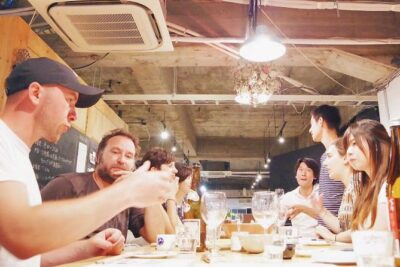
Sake Tasting Masterclass in Shinjuku (8+ Varieties with a Pro)
Read our review →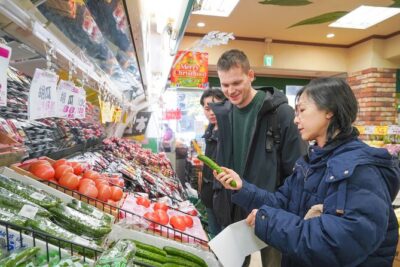
Tokyo Washoku 4-hour Cooking Class: From Market to Table
Read our review →
Sake Omakase in Tokyo: Guided Tasting by Certified Sommeliers
Read our review →Browse the lists this tour appears in