
REVIEW · TOKYO SAKE TOURS
Tokyo’s Best-Kept Secret: Kichijoji Food & Izakaya Hopping
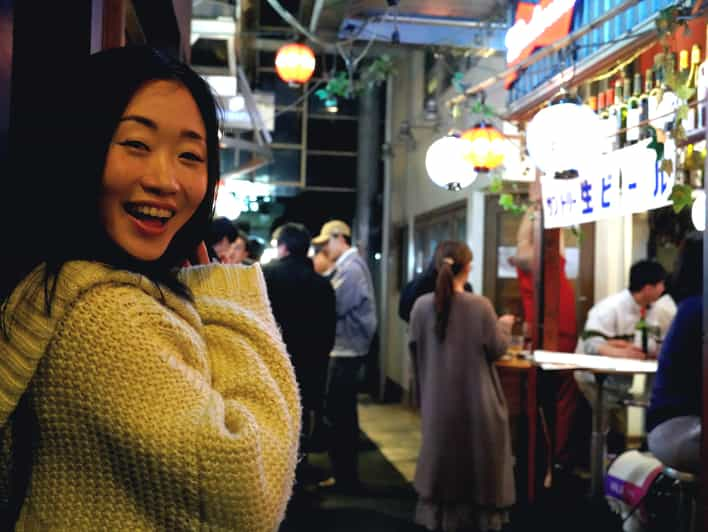
Kichijoji gives you a very different night out from the giant bars of Shibuya or Shinjuku. With guide Hibi, you slip into tiny izakayas around Harmonica Yokocho, where a few seats, red lanterns, and local regulars create a much more personal evening.
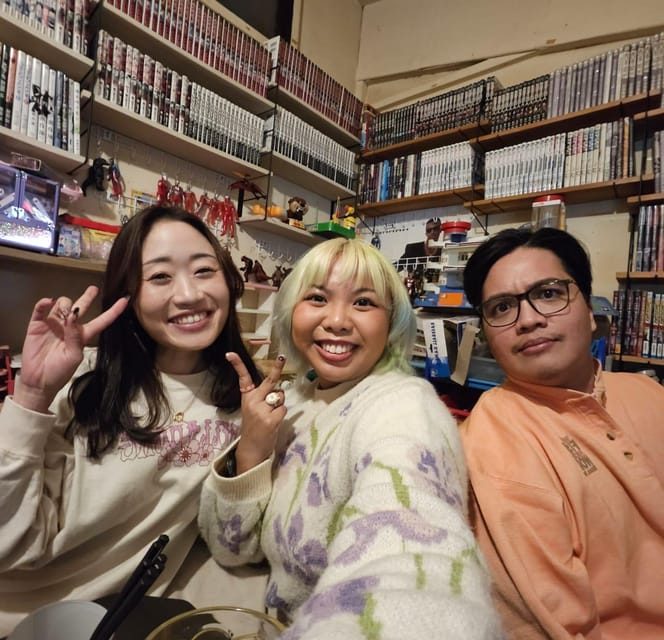
I like the small group limit of five, which makes it easier to talk with Hibi and the people you meet. I also like that the tour teaches useful Japanese phrases and drinking manners, rather than simply taking you from one restaurant to the next.
The main drawback is that drinks are not included, and the narrow bars may feel cramped if you prefer spacious restaurants. You should also bring plenty of cash and coins, since local payment options can be limited.
Key points to know before you book
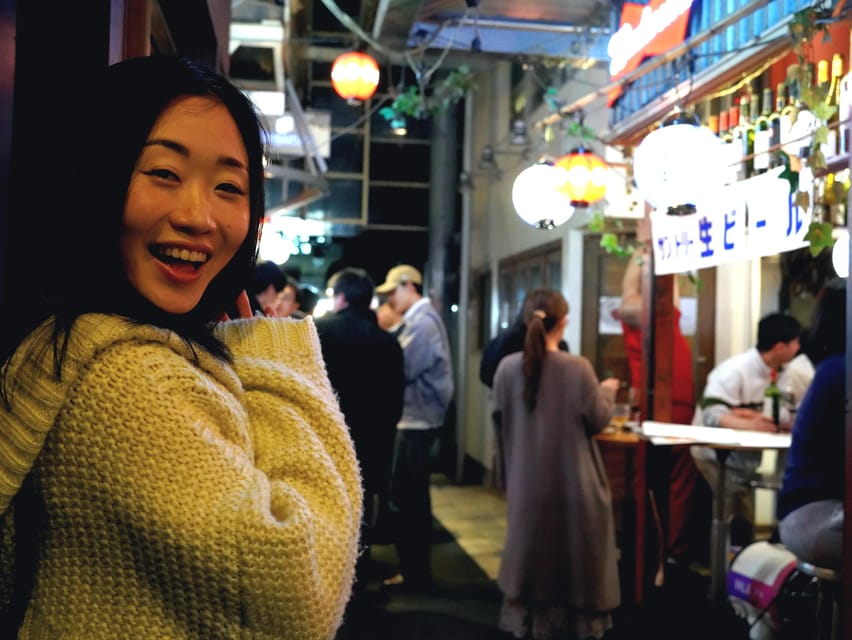
- Harmonica Yokocho after dark: Explore a postwar alley district filled with tiny bars, food counters, and red lanterns.
- Three to five stops: Expect a mix of izakayas, standing bars, food stalls, and casual pubs.
- Guide Hibi’s local connections: Hibi knows many people in Kichijoji and helps you speak with locals.
- Drinks cost extra: Budget around 400 to 700 yen per drink, plus any additional food ordered.
- Small group setting: The tour is limited to five participants and runs for 3.5 hours.
- A practical cultural lesson: Learn how to say cheers, order drinks, and follow basic Japanese drinking customs.
Why Kichijoji makes a good night out
Tokyo nightlife often gets reduced to bright signs, packed train stations, and enormous entertainment districts. Kichijoji offers another side of the city. It is one of Tokyo’s popular residential neighborhoods, and its evening streets feel more connected to daily local life.
That difference matters. You are not simply checking off a famous nightlife district. You are walking through a neighborhood where people meet friends after work, stop for a quick drink, and return to the same small bars again and again.
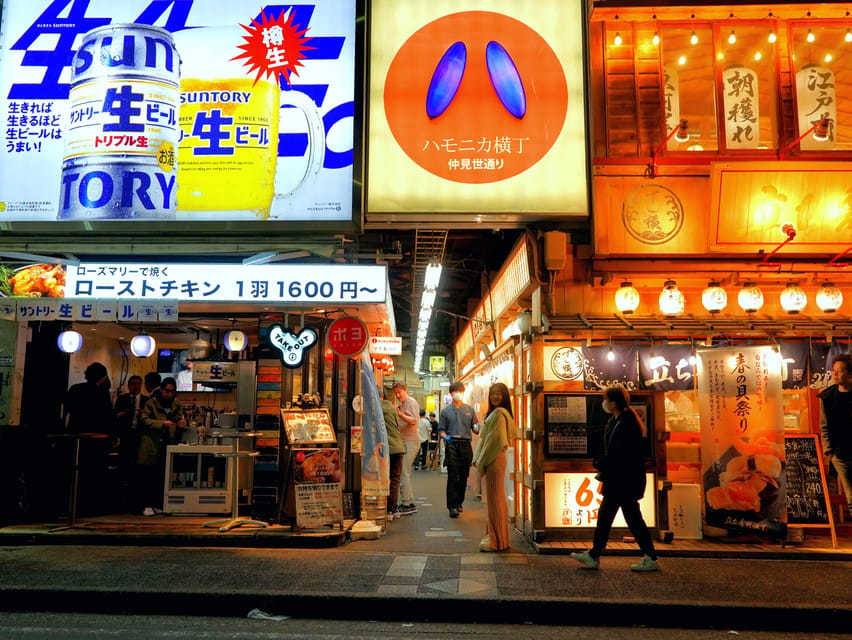
The focus is Harmonica Yokocho, a maze of narrow lanes near Kichijoji Station. The area dates to the years after World War II and keeps much of its old-fashioned character. Tiny storefronts sit close together, and some bars can hold only a handful of people.
I like this setting because it gives the evening a clear sense of place. You are not in a generic restaurant designed for visitors. You are in a compact local drinking area where the size of the room helps shape the experience.
Still, the setting is not for everyone. Narrow aisles, limited seats, and close tables are part of the charm, but you should expect an informal night rather than a polished dining experience.
More Izakaya and Bar Hopping in Tokyo:
- Best of Shinjuku: Izakaya Food Tour (4 Stops, 14+ Tastings)
★ 5.0 · 1,863 reviews - Tokyo: Shinjuku Local Bar and Izakaya Guided Walking Tour
★ 4.9 · 1,794 reviews - Tokyo: Shinjuku Local Bar & Izakaya Crawl Tour
★ 5.0 · 890 reviews
Meeting Hibi near the north exit
The tour begins outside the Baskin-Robbins near the north exit of Kichijoji Station. The listed meeting point is easy to identify, but you should arrive on time. The tour may include other groups, and the evening follows a set schedule.
Kichijoji is well served by the station, making this a sensible place to begin and end. You do not need to arrange separate transport between stops. The activity finishes back at the same Baskin-Robbins meeting point.
Guide Hibi leads the experience in English and Japanese. Hibi is also a language instructor, so the language tips should be more useful than a few memorized menu words. You can learn simple ways to order, join a toast, and make friendly conversation.
The strongest part of Hibi’s role is the personal connection to the neighborhood. Hibi knows many people in Kichijoji and helps introduce you to locals. That can make a major difference in a small bar, where a short greeting or shared toast feels more natural with someone guiding the exchange.
The first local bar and the shape of the evening
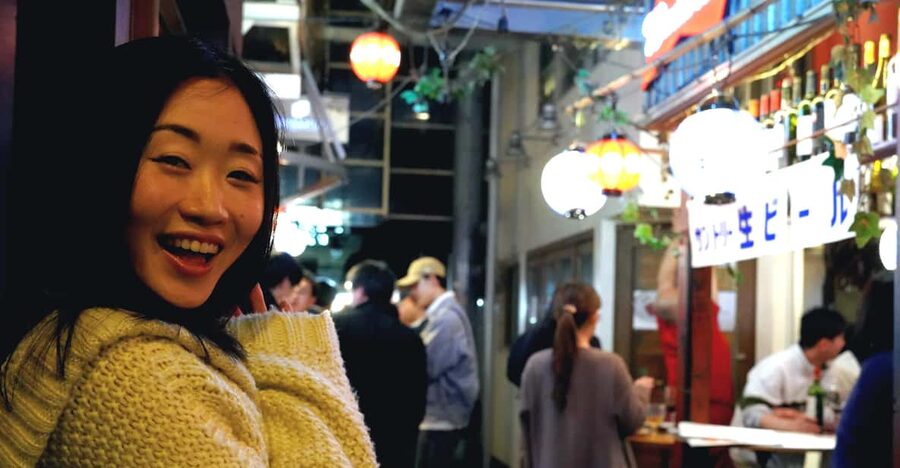
The itinerary includes an initial local bar stop and a short photo stop of about 20 minutes. This gives you time to settle in, take pictures, and get a feel for the area before the longer walk through Kichijoji.
Do not expect the photo stop to be a major sightseeing visit. Its value is practical. You are getting oriented in a maze-like part of town, and the guide can explain what makes the lanes different from the larger nightlife zones elsewhere in Tokyo.
A further guided portion lasts about 20 minutes before the main three-hour Kichijoji experience. The precise order of venues can vary, since small local bars operate on their own schedules. That flexibility is useful, but it also means you should not expect a fixed menu or a guaranteed list of named establishments.
The tour visits three to five izakayas, bars, and food stalls. Some may be standing bars, while others may offer a few stools or tables. The variety lets you compare different styles of Japanese drinking culture within one evening.
What you eat at the izakayas
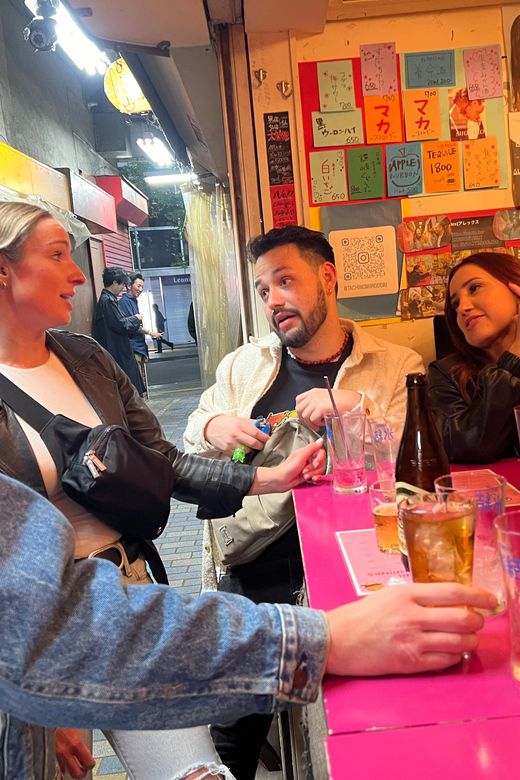
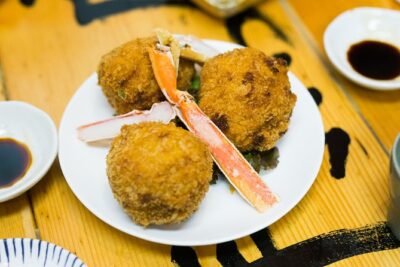
Food is recommended at each izakaya and store. You might sample familiar Japanese pub dishes such as yakitori, along with other local snacks and sweets. The point is not a long, formal dinner at one restaurant. Instead, you try small portions as you move from one stop to the next.
That format suits you if you want variety. You can taste several kinds of food without committing the entire evening to one menu. It also keeps the pace moving and lets each bar offer something different.
The tradeoff is that the total amount of food is not presented as a full dinner with a set menu. If you arrive very hungry, you may want to eat something beforehand or plan another meal later. Food recommendations are included, but the tour information does not promise a fixed number of dishes or a specific quantity.
I like the way the food supports the cultural lesson. At an izakaya, food is meant to accompany drinks and conversation. Sharing small plates gives you a reason to slow down, watch how people order, and ask Hibi about what you are eating.
More Sake and Food Tours in Tokyo:
- Ramen and Sushi Cooking Class with Sake Pairing Set in Tokyo
★ 5.0 · 291 reviews - Sake Omakase in Tokyo: Guided Tasting by Certified Sommeliers
★ 5.0 · 239 reviews - Tokyo: The Best of Izakaya in Shinjuku Food & Cultural Tour
★ 4.9 · 221 reviews - [1 Group Only] Tokyo Shinjuku Food Tour for Family
★ 5.0 · 147 reviews
Sake, shochu, beer, and Japanese cocktails
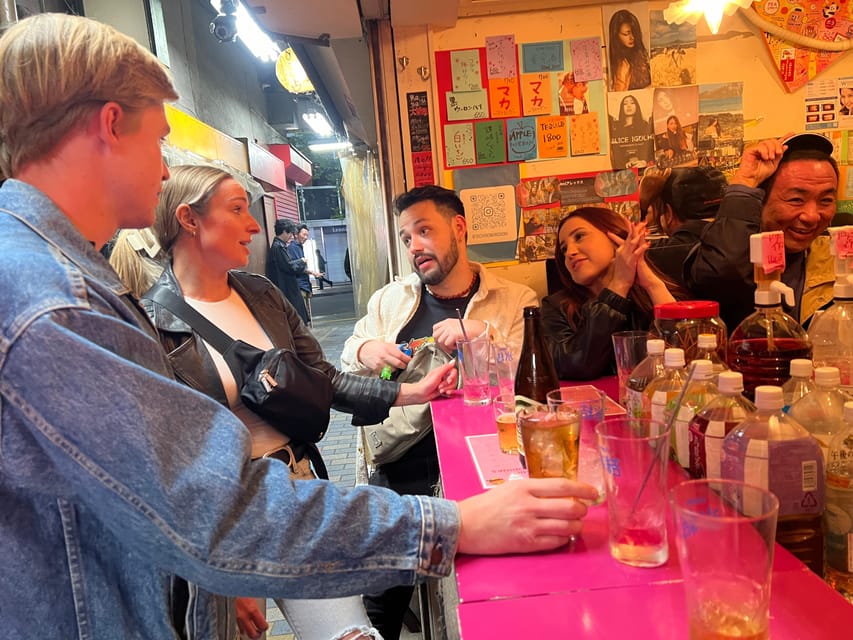
Drinks are not included in the $101 price. You should budget separately for them, with typical drinks costing about 400 to 700 yen each. Bring cash, including coins you would like to use up before leaving Japan.
The tour offers recommendations for Japanese cocktails, local craft beers, premium sake, and shochu. The exact drinks available can vary by venue, so you should think of this as a guided introduction rather than a fixed tasting flight.
This is where the price requires a closer look. At $101 per person, the tour is not simply a cheap bar crawl, especially since you still pay for drinks. You are paying for a small group, three and a half hours with a bilingual guide, interpretation, local introductions, food recommendations, and help navigating places that can be difficult to enter on your own.
The value is strongest if you want social and cultural help. If you already speak Japanese, feel comfortable ordering in tiny bars, and plan to visit Kichijoji independently, you may find the cost harder to justify. If you want a smooth first evening in an unfamiliar neighborhood, the guide’s local contacts can make the price more reasonable.
You should also pace yourself. Moving between several places can make it easy to order more than planned. Since drinks are extra, deciding on a spending limit before the tour will help you enjoy the evening without surprises.
Japanese drinking customs made practical
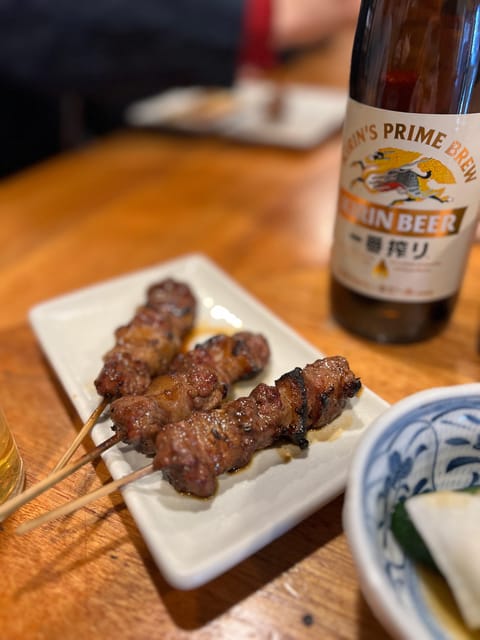
The cultural instruction is one of the most useful parts of the tour. Hibi explains basic drinking etiquette and teaches phrases you can use when ordering or speaking with local people.
You will learn about kampai, the Japanese word for cheers, and other customs connected with drinking together. These details help you participate rather than simply watch. Even a few correct words can make ordering feel less stressful and can open the door to a friendly exchange.
The language practice is also useful beyond this one evening. You may remember how to ask for a drink, thank someone, or respond during a toast when you visit another izakaya later in your trip.
I appreciate that the guide is also a language instructor. That suggests the phrases are chosen for real use, not just for entertainment. Still, the tour is not a full Japanese lesson. Expect practical tips, simple expressions, and interpretation during the evening rather than a formal class.
Meeting locals in small rooms
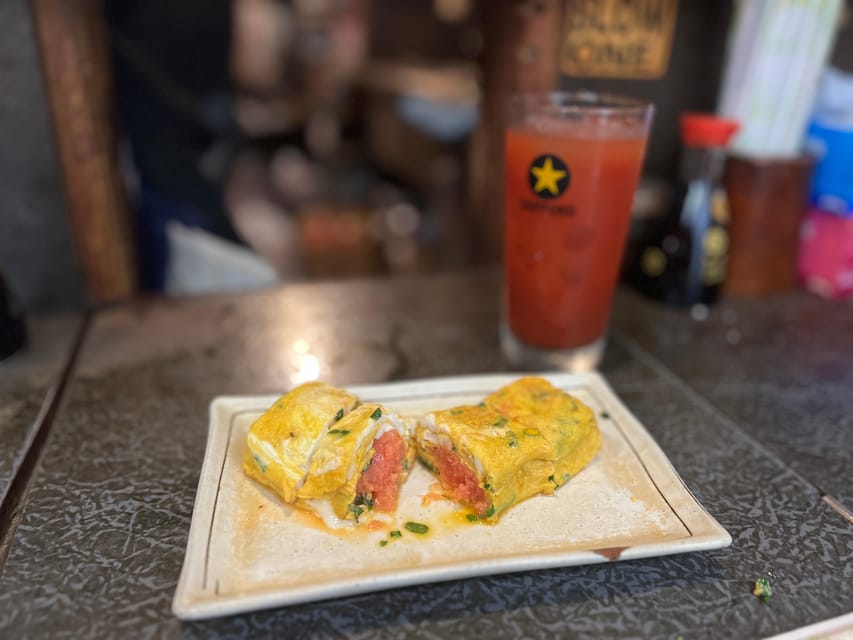
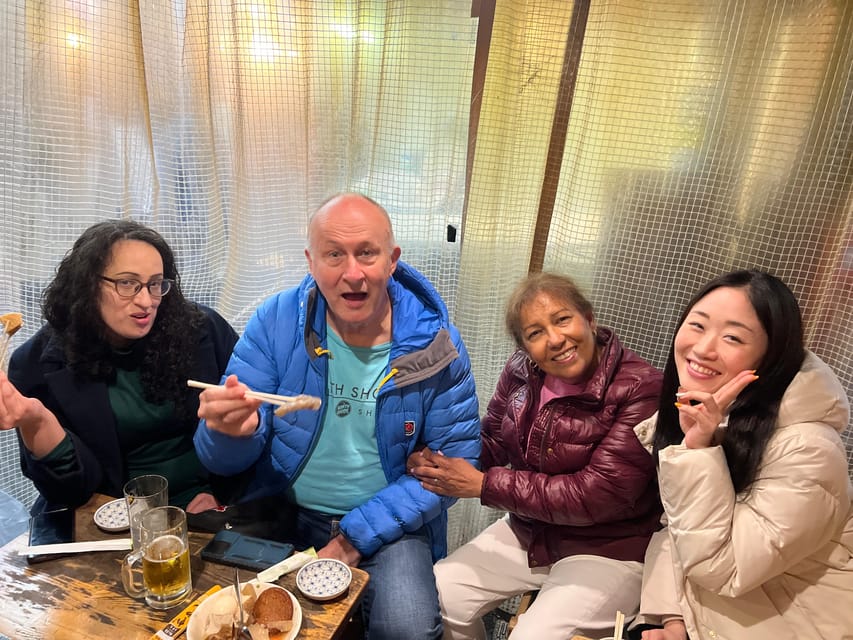
The small bars are designed for conversation. When a room seats only a few people, you are closer to the staff and other customers than you would be in a large tourist-oriented pub.
Hibi helps bridge that gap. You can chat and raise a glass with locals, with the guide providing interpretation when needed. This is the clearest difference between the experience and simply following a restaurant list from a guidebook.
The setting can produce memorable conversations, but it cannot guarantee that every local customer will want to talk. The tour includes access and support, not a promise that each stop becomes a long conversation. Your own friendliness and willingness to try a few Japanese phrases will matter.
The small group size helps here. With no more than five participants, you are less likely to overwhelm a compact venue. You also get more time to ask Hibi questions and take part in conversations.
If you are shy, this may be a comfortable way to try local nightlife. If you strongly prefer privacy or quiet meals, the close quarters may not suit you.
Showa-era character and the changing evening
Kichijoji changes as the day fades. It begins as a shopping and residential district, then takes on a different mood as the bars open and red lanterns light the lanes.
Harmonica Yokocho’s older appearance gives the evening a sense of Tokyo from another period. The area’s postwar roots and small storefronts create a nostalgic backdrop, but you should not mistake nostalgia for a museum display. This is a working nightlife district where people still come to eat and drink.
I like the contrast with the large entertainment neighborhoods. Shibuya and Shinjuku can be exciting, but their scale may make it hard to know where to begin. Kichijoji feels easier to read once Hibi points out the right lanes and explains how the area works.
You will still be in Tokyo, not in a quiet rural village. The station area can be active, and the lanes are compact. The appeal is the neighborhood feel, not total peace and quiet.
The three-hour Kichijoji route
The main guided portion lasts about three hours, giving you enough time to visit several venues without rushing through each one. A typical flow includes a bar or food stall, a short walk through the surrounding lanes, another izakaya, and later stops selected by the guide.
Because the itinerary is built around local businesses, the order may depend on the evening. That is a reasonable tradeoff for visiting small venues rather than a fixed tourist circuit. You should come ready for some walking, short waits, and changes in the exact sequence.
Comfortable shoes are important. The tour moves through narrow streets and includes several stops, so practical footwear will serve you better than anything chosen only for appearance.
Bring a camera if you want photographs of the lanterns and alleyways, but be considerate inside the small bars. The close setting means you should follow Hibi’s advice about where and when to take pictures.
Who will get the most from this tour
I would recommend this experience to you if you want:
- A small-group night with no more than five participants
- A local introduction to Kichijoji rather than a major tourist district
- Help speaking Japanese in real social situations
- Several drinks and food stops instead of one long restaurant meal
- A guide who can interpret conversations with local customers
- A relaxed way to try izakayas without choosing every stop yourself
Food enthusiasts should enjoy the variety, especially if you like pairing snacks with different drinks. Culture-focused visitors will appreciate the lessons about kampai, ordering, and local bar etiquette.
The tour can also work well for solo visitors who want company for an evening. The small group and guide create a social setting without the size of a large bus tour.
I would think twice if you do not drink, have strict dietary needs that require a confirmed menu, or want a full dinner included in the price. The available food is described in general terms, and the drinks are an additional cost.
Practical details, from cash to cancellation
The tour costs $101 per person and lasts 3.5 hours. It is offered in English and Japanese, and the group is limited to five participants.
Drinks are extra, usually 400 to 700 yen each. Cash is important in the local bar area, so bring enough yen for drinks and food. Coins can be especially useful.
Wear comfortable shoes and arrive at the Baskin-Robbins near the north exit of Kichijoji Station at the agreed meeting time. The tour returns to that same location.
You can cancel up to 24 hours before the activity for a full refund. A reserve-now, pay-later option is also available, which helps if your Tokyo schedule is still shifting.
Should you book the Kichijoji izakaya tour?
Book this tour if you want a personal introduction to Kichijoji, enjoy trying unfamiliar food and drinks, and value a guide who can help you talk with local people. Hibi’s local connections, language instruction, and interpretation are the main reasons to choose it over wandering through the area alone.
Skip it if you want drinks included, a set dinner, or a spacious bar with a fixed menu. The $101 price makes the most sense when you use the guide’s cultural help and local access, not when you treat the evening as a simple pub crawl.
For a first taste of Japanese nightlife away from the largest tourist districts, this is a practical and social choice. Bring cash, wear sensible shoes, arrive on time, and leave room in your evening for the narrow lanes of Harmonica Yokocho.
FAQ
Where does the tour begin?
It begins near the Baskin-Robbins, or サーティワンアイスクリーム, near the north exit of Kichijoji Station by the bus stop.
Where does the tour end?
The tour ends back at the same meeting point near Kichijoji Station.
How long does the experience last?
The activity lasts 3.5 hours. Starting times depend on availability.
How many people are in the group?
The tour is limited to five participants.
Which languages are offered?
The live guide speaks English and Japanese, with full interpretation provided during the activity.
Is Hibi the guide?
Hibi is identified as the local guide for the experience and is also a language instructor.
How many bars and izakayas will I visit?
You will visit three to five izakayas, bars, and food stalls.
Are drinks included in the price?
No. Drinks are purchased separately, and they usually cost about 400 to 700 yen each.
What should I bring?
Bring comfortable shoes, a camera if you want photographs, and cash. Coins are useful in the local bar area.
Can I cancel for a full refund?
Yes. You can cancel up to 24 hours in advance for a full refund.
More Food Tours in Tokyo
- Wagyu Beef and Sake Pairing Foodie Tour in Tokyo
★ 5.0 · 71 reviews - Tokyo: 7 Kinds of Sake Tasting with Japanese Food Pairings
★ 4.9 · 37 reviews - Tokyo Ginza Authentic Food Tour (Izakaya Hopping by local guide)
★ 5.0 · 31 reviews - Sake & Food Pairing with Sake Professional
★ 5.0 · 28 reviews
Just added around Tokyo
- Wagyu BBQ & Sukiyaki with Sake Pairing Experience near Ginza★ 5.0 · 2 reviews
- Tokyo: Serene Sakura & Sake: An Exclusive Brewery Pairing Lunch★ 5.0 · 2 reviews
- Tokyo Sake Tasting Tour with a Sake Expert★ 5.0 · 7 reviews
- Japanese Sake Tasting & Wagyu Sukiyaki Cooking Class in Tokyo★ 5.0 · 10 reviews
- Tokyo Izakaya crawl (A tour of 2 izakayas, 1 bar, and a shrine)★ 5.0 · 8 reviews
- Private Tokyo Food Tour – Retro Akabane Izakaya Experience★ 5.0 · 14 reviews
- Tokyo: Learn the Art of Chopsticks in a Cozy Izakaya!★ 5.0 · 2 reviews
- Shinjuku Underground Nightlife Tour: Izakaya Food & Bar Hopping★ 5.0 · 11 reviews
Tokyo Sake Tours, compared.
Best of Shinjuku: Izakaya Food Tour (4 Stops, 14+ Tastings)
Read our review →
Tokyo: Shinjuku Local Bar and Izakaya Guided Walking Tour
Read our review →
Ramen and Sushi Cooking Class with Sake Pairing Set in Tokyo
Read our review →
Sake Tasting Masterclass in Shinjuku (8+ Varieties with a Pro)
Read our review →
Tokyo Washoku 4-hour Cooking Class: From Market to Table
Read our review →
Sake Omakase in Tokyo: Guided Tasting by Certified Sommeliers
Read our review →Browse the lists this tour appears in