
REVIEW · TOKYO SAKE TOURS
Tokyo: 7 Kinds of Sake Tasting with Japanese Food Pairings
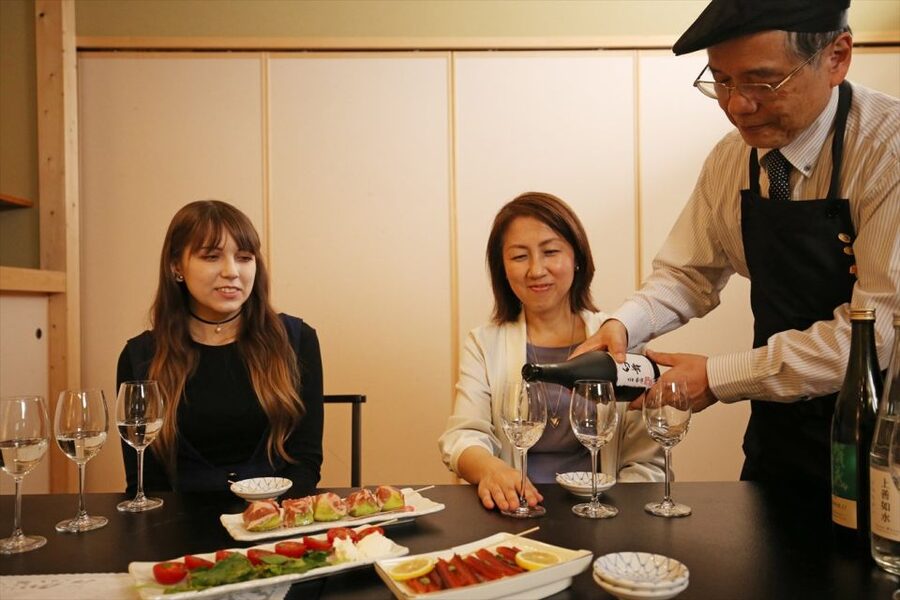
The most useful feature here is the seven-sake progression. You move from sparkling and sweet styles toward more savory expressions, then finish with dessert sake. Each pour comes with food, so you learn by tasting rather than trying to remember a lecture.
I like the small groups, capped at 10, and the warm, personal teaching. I also like that the pairings include both Japanese and Western bites, such as cheese, vegetables, duck, and hot food prepared in front of you. The main drawback is the meeting point: the office building near Tokyo Tower can be hard to spot, so allow extra time.
- Seven different sake samples: Taste a broad range, including sparkling, sweet, savory, and dessert styles.
- Seven matching food bites: Each sake is served with a Japanese or Western pairing, making the differences easier to understand.
- English-speaking instruction: A nationally accredited sake instructor explains production, tasting, serving, and cultural traditions.
- Small-group setting: The class holds no more than 10 people, and some sessions feel almost private.
- Convenient Tokyo Tower location: The meeting point is at Kikai Shinko Kaikan, but the basement venue is not obvious from the street.
- A 75-minute introduction: This is compact enough for a busy Tokyo schedule but detailed enough to give you a working grasp of sake.
Seven Sakes, Seven Ways to Understand Japan’s Favorite Drink
Sake can seem simple at first. It is often served in a small glass or cup, and many visitors first encounter it as a single drink on a restaurant menu. This tasting shows you how broad the category is.
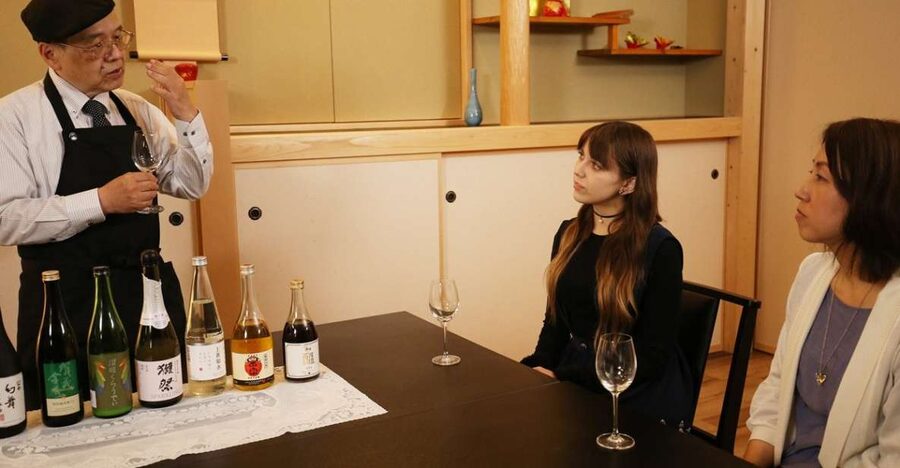
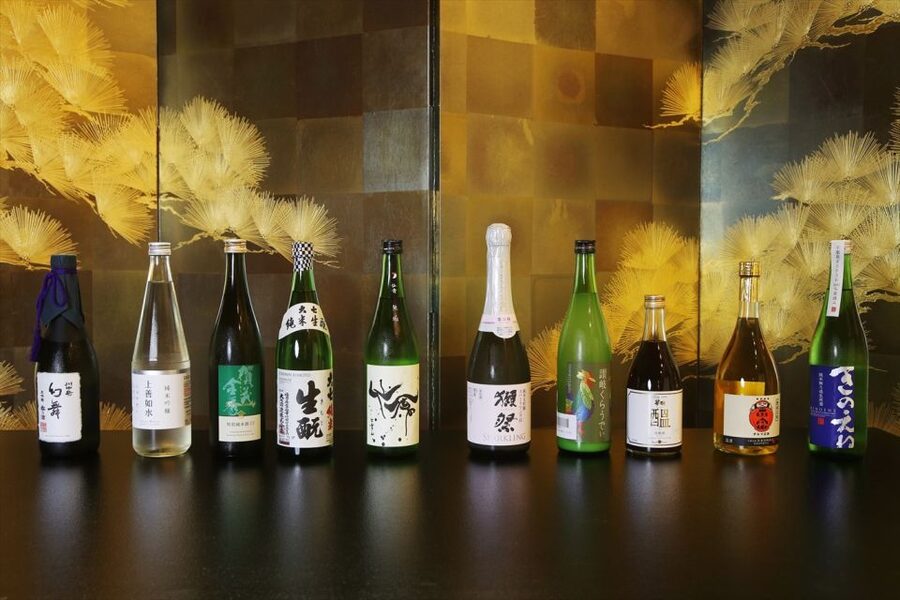
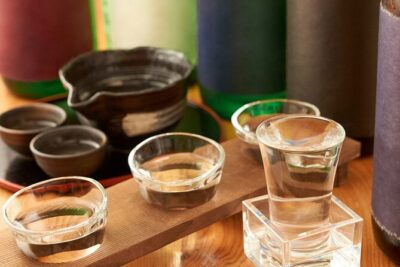
You sample seven varieties selected to show different flavors. The line-up includes sparkling sake, sweet styles, savory examples, and a dessert-style pour at the end. The point is not just to drink seven samples. It is to notice how aroma, sweetness, texture, and food change from one glass to the next.
That range makes this a good first sake experience. If you already enjoy sake, it gives you a chance to compare several styles in one sitting rather than ordering random bottles and hoping for the best.
The tasting lasts 75 minutes. That is a brisk format, but the session includes instruction, seven samples, and seven pairings. You should expect a focused class rather than a long restaurant meal.
What the Sake Lesson Covers
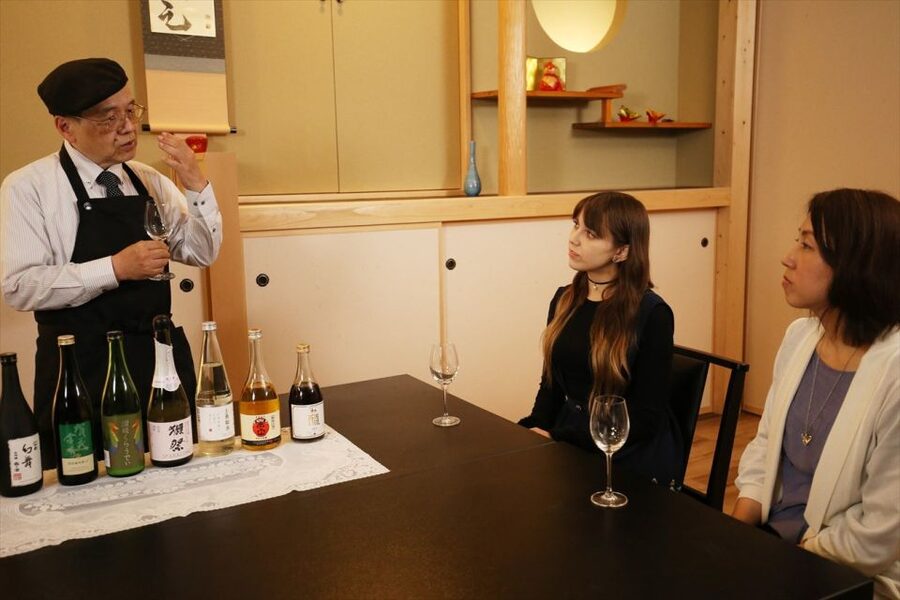
Your instructor explains how sake is made and how the main varieties differ. You also learn about the drink’s role in Japanese religion, tradition, and everyday culture. Sake has been part of Japanese life for more than a thousand years, so the cultural portion adds useful context to the tasting.
The English-language instruction matters. Sake terminology can be confusing when you first encounter it, especially if you are trying to understand labels in Japan. An accredited instructor can explain what you are tasting and help connect the flavor to the production method.
The teaching style seems to vary slightly by session. Tanaka-san and Taka-san have led particularly warm and engaging tastings, while another session featured a training sake sommelier who explained production, serving, and the different types available in Japan. You should expect friendly instruction, though the exact instructor may not be listed in advance.
I would not book this expecting a technical certification course. In 75 minutes, you get a useful foundation, not a full professional education. That is the right level for most visitors who want to order sake with more confidence during the rest of their trip.
More Sake Tastings in Tokyo:
- Best of Shinjuku: Izakaya Food Tour (4 Stops, 14+ Tastings)
★ 5.0 · 1,863 reviews - Ramen and Sushi Cooking Class with Sake Pairing Set in Tokyo
★ 5.0 · 291 reviews - Sake Tasting Masterclass in Shinjuku (8+ Varieties with a Pro)
★ 5.0 · 271 reviews
How the Seven-Pour Sequence Works
The experience begins with an introduction to sake and its place in Japanese culture. From there, the instructor guides you through the selected pours one by one.
The samples cover a flavor range from sparkling to sweet and savory. This is important because sake is not one uniform drink. Some styles can feel light and easy, while others have a fuller taste that works better with food.
You do not need to know how to taste sake before you arrive. The instructor explains what to notice and gives you a practical way to compare the samples. Pay attention to how your impression changes when you eat the matching bite. A sake that seems too sweet or too strong on its own may make better sense with food.
The final pour is dessert sake. It gives the session a clear finish and offers something different from the earlier samples. If you usually associate sake only with savory Japanese meals, this last course helps broaden that view.
The exact brands and labels are not specified, and the selection may change. That is worth keeping in mind if you are hoping to taste a particular brewery or bottle. The value is in the range and the guided comparison, not in a guaranteed brand list.
Why the Food Pairings Matter
The seven food pairings are more than snacks between drinks. They give you a direct lesson in how sake works at the table.
The food includes Japanese and Western dishes. Past pairings have included Japanese cheese, crudités, duck, and small hot dishes prepared in front of the group. This mix keeps the session from feeling like a narrow lesson limited to one type of Japanese cuisine.
Some bites are cooked during the class and served warm. That small detail adds a sense of occasion and makes the experience feel more like a meal than a row of tasting glasses. You may also find that a warm, savory bite changes the way you perceive the next sake.
The pairing format is especially useful if you plan to eat and drink your way through Tokyo. You learn which styles suit richer food, which work with lighter bites, and how sweetness can be used at the end of a meal.
Do not expect seven large courses. The food is designed to match the pours, not replace lunch or dinner. Arrive ready to taste and snack, but do not treat this as a full evening meal.
A Small Class With Personal Attention
The group limit is 10 people. That is a good size for a tasting because you can hear the explanation, ask questions, and watch the preparation without the room feeling crowded.
Several sessions have been especially intimate, with only two participants or one small party attending. In those cases, the class can feel almost private. You get more time to ask about sake production, serving customs, and the differences between the bottles.
Of course, a small group is not guaranteed. If the class fills, you will share the space with up to nine other participants. Even then, the limit is modest compared with a large food tour.
The instructors are repeatedly praised for being kind, attentive, and easy to talk with. That personal approach is one of the strongest reasons to choose this activity. You are not simply handed seven glasses and left to form your own opinion.
More Sake and Food Tours in Tokyo:
- Sake Omakase in Tokyo: Guided Tasting by Certified Sommeliers
★ 5.0 · 239 reviews - Tokyo: The Best of Izakaya in Shinjuku Food & Cultural Tour
★ 4.9 · 221 reviews - [1 Group Only] Tokyo Shinjuku Food Tour for Family
★ 5.0 · 147 reviews - Wagyu & Sake Pairing in Shinjuku – Steak, Shabu-Shabu & More
★ 5.0 · 112 reviews
Finding the Kikai Shinko Kaikan Meeting Point
The meeting point is the main entrance of the Kikai Shinko Kaikan building on the first floor, directly opposite Tokyo Tower. The actual tasting takes place in a basement room connected with True Japan Tour, listed as Room B109.
This setup is practical once you know where to go, but it can be confusing on arrival. The building looks like an office property rather than a traditional tasting room, and the basement location is not immediately obvious. Some people have had to circle the building or call for help.
I recommend arriving early and saving the building name and room number before leaving your hotel. If you cannot find the instructor, go to True Japan Tour in Room B109 on the basement level. The meeting instructions have been described as needing an update, so do not wait until the exact start time to begin searching.
The Tokyo Tower location is still a plus. You can pair the tasting with nearby sightseeing, and the landmark gives you a clear general area. Just remember that being opposite Tokyo Tower does not mean the class entrance will be obvious.
Is $106 a Fair Price?
At $106 per person, this is not a cheap drink stop. You are paying for seven sake samples, seven food pairings, an English-speaking accredited instructor, and a 75-minute guided lesson.
The value depends on what you want. If you only want to try one glass of sake, a bar or restaurant will cost less. If you want to understand why different sakes taste different and how to match them with food, this gives you more useful information in one sitting.
The small group also affects the value. A large commercial tasting can be inexpensive, but it may offer less chance to ask questions. Here, the instructor can respond to your interests, explain unfamiliar terms, and adjust the conversation when the group is small.
The food helps justify the cost. You are not paying for seven isolated pours. Each sample comes with a planned pairing, and some of the food is cooked during the session. The combination makes the price easier to accept for people who care about both dining and drinks.
I would call it good value for a sake enthusiast, a food-focused visitor, or a first-time drinker who wants a clear introduction. It is less appealing if you are looking for a long, relaxed dinner or a large amount of alcohol.
Who Will Enjoy This Sake Tasting
This experience suits adults who want to understand Japanese drinking culture without committing to a full-day food tour. It also works well for couples and small groups because the format is social but still focused.
You will get the most from it if you are willing to ask questions and compare the samples. The instructor can explain a great deal, but the real lesson comes from noticing your own preferences. You may discover that you prefer sparkling sake, sweeter styles, or fuller savory pours.
It is also a useful choice for visitors who feel unsure when ordering sake in Japan. After the session, you will have tasted enough variety to describe what you like more clearly.
People under 20 cannot participate. The activity is wheelchair accessible, and instruction is provided in English. Hotel pickup and drop-off are not included, so you need to make your own way to the Tokyo Tower area.
Practical Tips Before You Book
Plan this as a tasting class, not a pub crawl. The session lasts only 75 minutes, and the seven samples are presented with purpose. You will get more from it if you focus on the explanations instead of rushing through the drinks.
Eat normally earlier in the day, but avoid arriving overly full. The pairings include several savory bites and some hot food, yet they are still tasting portions.
Give yourself extra time to locate the building. The main entrance is at Kikai Shinko Kaikan, opposite Tokyo Tower, and the fallback location is True Japan Tour, Room B109 in the basement. This is the one part of the experience where a little planning makes a real difference.
The activity offers free cancellation up to 24 hours before the start time. You can also reserve now and pay later, which helps if your Tokyo schedule is still shifting.
Should You Book It?
Book this tasting if you want more than a quick sake sample. The seven styles, matched food, English instruction, and small group give you a practical way to understand a drink that can otherwise seem mysterious.
I especially recommend it to food lovers, first-time sake drinkers, and anyone planning to visit Japanese restaurants during the rest of the trip. The dessert-style sake and mixed Japanese and Western pairings add variety, while the cultural explanation gives the tasting a clear sense of place.
Skip it if you want a full meal, a long brewery visit, or a guaranteed selection of specific brands. Also be ready for the slightly awkward office-building meeting point. With that limitation in mind, the 75-minute format offers a friendly and well-organized introduction for the $106 price.
FAQ
How long does the sake tasting last?
The experience lasts 75 minutes.
How many sake samples are included?
You receive seven sake samples, including sparkling, sweet, savory, and dessert-style examples.
How many food pairings are included?
Seven food pairings are included, with Japanese and Western dishes served alongside the sake.
Is the instruction provided in English?
Yes. The instructor speaks English.
Who leads the tasting?
A nationally accredited sake instructor leads the session. Instructors who have hosted sessions include Tanaka-san and Taka-san, though the exact instructor may vary.
Where is the meeting point?
Meet at the main entrance of the Kikai Shinko Kaikan building on the first floor, opposite Tokyo Tower. If you cannot find the instructor, visit True Japan Tour in Room B109 on the basement level.
Is the activity suitable for wheelchair users?
Yes. The activity is wheelchair accessible.
Can people under 20 participate?
No. The experience is not suitable for people under 20.
Is hotel transportation included?
No. Hotel pickup and drop-off are not included.
More Food Tours in Tokyo
- Wagyu Beef and Sake Pairing Foodie Tour in Tokyo
★ 5.0 · 71 reviews - Tokyo Ginza Authentic Food Tour (Izakaya Hopping by local guide)
★ 5.0 · 31 reviews - Sake & Food Pairing with Sake Professional
★ 5.0 · 28 reviews - [1 Group Only] Tokyo Shibuya Food Tour for Family
★ 5.0 · 16 reviews
Just added around Tokyo
- Tokyo: Serene Sakura & Sake: An Exclusive Brewery Pairing Lunch★ 5.0 · 2 reviews
- Tokyo Sake Tasting Tour with a Sake Expert★ 5.0 · 7 reviews
- Wagyu BBQ & Sukiyaki with Sake Pairing Experience near Ginza★ 5.0 · 2 reviews
- Japanese Sake Tasting & Wagyu Sukiyaki Cooking Class in Tokyo★ 5.0 · 10 reviews
- Tokyo Izakaya crawl (A tour of 2 izakayas, 1 bar, and a shrine)★ 5.0 · 8 reviews
- Tokyo: Learn the Art of Chopsticks in a Cozy Izakaya!★ 5.0 · 2 reviews
- Shinjuku Underground Nightlife Tour: Izakaya Food & Bar Hopping★ 5.0 · 11 reviews
- Private Tokyo Food Tour – Retro Akabane Izakaya Experience★ 5.0 · 14 reviews
Tokyo Sake Tours, compared.
Best of Shinjuku: Izakaya Food Tour (4 Stops, 14+ Tastings)
Read our review →
Tokyo: Shinjuku Local Bar and Izakaya Guided Walking Tour
Read our review →
Ramen and Sushi Cooking Class with Sake Pairing Set in Tokyo
Read our review →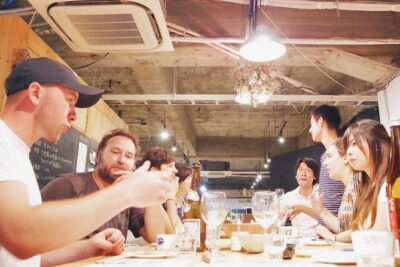
Sake Tasting Masterclass in Shinjuku (8+ Varieties with a Pro)
Read our review →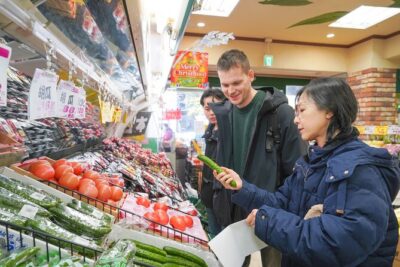
Tokyo Washoku 4-hour Cooking Class: From Market to Table
Read our review →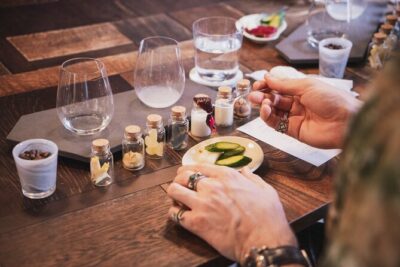
Sake Omakase in Tokyo: Guided Tasting by Certified Sommeliers
Read our review →Browse the lists this tour appears in