
REVIEW · TOKYO SAKE TOURS
Beauty Vegan Dessert Cooking Class + Sake Kasu Hand Mask Trial!
Japanese fermentation is the star here, not a side note. In this small Tokyo class, you’ll use amazake and sake kasu to make vegan desserts while learning how these traditional ingredients connect with Japanese food, health, and beauty. The sake kasu hand mask adds an unusual hands-on touch.
I like the short two-hour format and the small maximum of six people. You get a focused activity that fits neatly into a busy Tokyo day, plus recipes, tea, snacks, and an apron. The main consideration is that sake kasu contains about 8 percent alcohol, and the hand mask may irritate sensitive skin.
I also like that this is more than a standard cooking lesson. The teacher explains fermented foods and their place in Japanese life, then turns amazake and sake lees into sweets that you can enjoy as a Japanese beauty afternoon tea. The menu changes with the season, so the exact desserts are not fixed.
Key points to know before booking
- Amazake replaces refined sugar: Learn how sweet fermented rice can flavor desserts without adding sugar.
- Sake kasu appears in food and skincare: Taste this sake-making byproduct and try it as a hand mask.
- The class is fully vegan: Every dish uses plant-based ingredients.
- Only six people can attend: The small group suits anyone who prefers a more personal lesson.
- The afternoon starts at 2:00 pm: Meet at the Akasaka-Mitsuke Station area and finish at the same meeting point.
- Alcohol restrictions matter: Ask for the banana option if anyone is under 20 or avoids alcohol.
A two-hour introduction to Japanese fermented sweets
This class gives you a compact way to learn about a subject that can be hard to encounter in a regular Tokyo food tour. Fermented foods sit near the center of Japanese cooking, but most visitors meet them through familiar items such as miso, soy sauce, pickles, or sake. Here, the focus shifts to sweet applications.
The class uses amazake, a traditional fermented rice drink or paste. Despite its name, amazake does not have to be an alcoholic drink. The version used here is naturally very sweet and can be used in desserts without refined sugar.
You’ll also work with sake kasu, the lees left after sake is pressed. It contains nutrients and a noticeable alcohol content, listed here at about 8 percent. The teacher uses it as both a food ingredient and a cosmetic trial, giving you two ways to think about a product that is often treated as a byproduct.
The format is easy to fit into a Tokyo itinerary. The start time is 2:00 pm, and the class lasts about two hours. That leaves your morning free for sightseeing and gives you a planned afternoon activity that is not dependent on walking around outside.
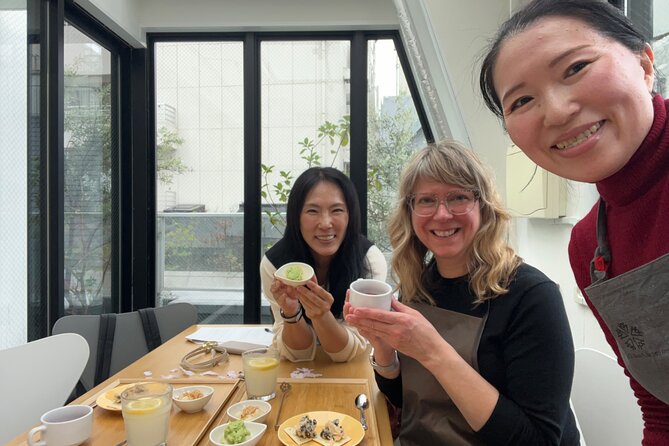
The group maximum is six people. That matters in a cooking class because the experience can become frustrating when too many hands crowd one counter. A group this size should give you a better chance to follow the lecture, ask questions, and take part in the preparation.
More Cooking Classes in Tokyo:
- Ramen and Sushi Cooking Class with Sake Pairing Set in Tokyo
★ 5.0 · 291 reviews - Tokyo Washoku 4-hour Cooking Class: From Market to Table
★ 5.0 · 253 reviews - Tokyo: Sushi and Ramen Cooking Class with Sake Pairing Set
★ 5.0 · 81 reviews
What happens when you arrive near Akasaka-Mitsuke
The meeting point is at Akasaka-Mitsuke Station, at 3-chōme-1-6 Akasaka, Minato City, Tokyo 107-0052. The activity begins and ends at the meeting point, so you do not need to arrange a separate return transfer.
The venue is described as being in central Tokyo and about ten minutes from Shibuya Station. It is also near public transportation, which makes this a practical choice if you are planning your day around the city’s major districts. You should still allow enough time to find the exact meeting spot, since station areas in Tokyo can have several exits and busy streets.
The activity is indoors, so it can give you a break from hot, cold, or wet weather. The cancellation terms note that the class requires good weather, however, so poor conditions can still affect the schedule. If that happens, you may be offered another date or a full refund.
Once the class begins, you receive an apron and settle into the lesson. The supplied handout includes the recipes and presentation material, which is useful if you want to recreate the desserts at home. This is not just a tasting session. You take part in making the food and leave with written guidance.
Learning why amazake belongs in dessert
The most useful part of the class is the explanation of how amazake works. It is made from fermented rice and has a naturally sweet flavor. Used in a dessert, it can add sweetness while also introducing a distinctly Japanese ingredient that you might not otherwise know how to use.
The teacher connects amazake with gut health and beauty, but you should treat those points as cultural and culinary context rather than a medical promise. The class presents fermented foods as part of a broader Japanese approach to food and daily well-being. You get a chance to ask practical questions and see how a traditional ingredient fits into modern vegan cooking.
The food also gives you a reason to pay attention to texture. Fermented rice products are not simply substitutes for sugar. They can affect moisture, flavor, and the overall feel of a dessert. The exact recipes depend on the season, so you should expect the menu to change instead of arriving with a fixed list of sweets in mind.
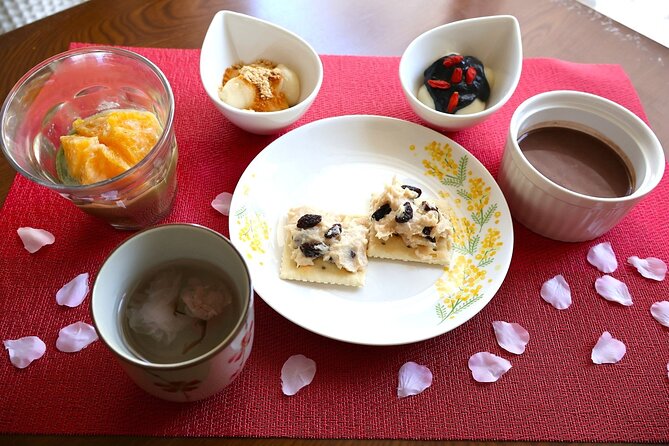
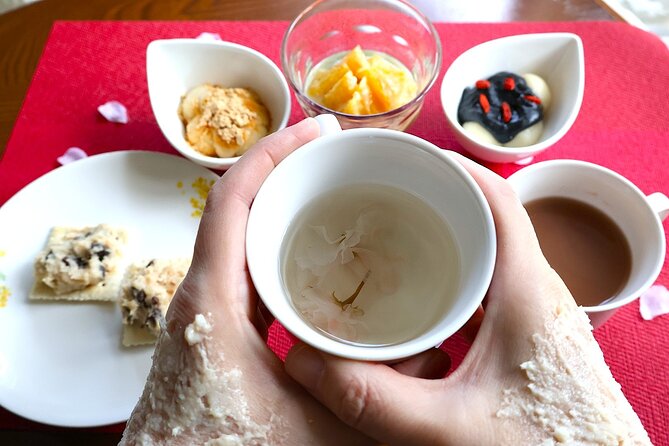
The class includes the desserts you make together. You also receive snacks and coffee or tea, including green tea or another Japanese tea. Sakura tea is part of the Japanese beauty afternoon tea, adding a floral seasonal note to the tasting.
The lesson is especially useful if you have already taken the provider’s fermented food lunch class. That separate class starts at 11:00 am, and booking both on the same day brings a special gift: the rice koji amazake used in the dessert class. You do not need to take both classes, but the pairing gives you a fuller look at fermented foods in savory and sweet cooking.
Sake kasu in the kitchen, then on your hands
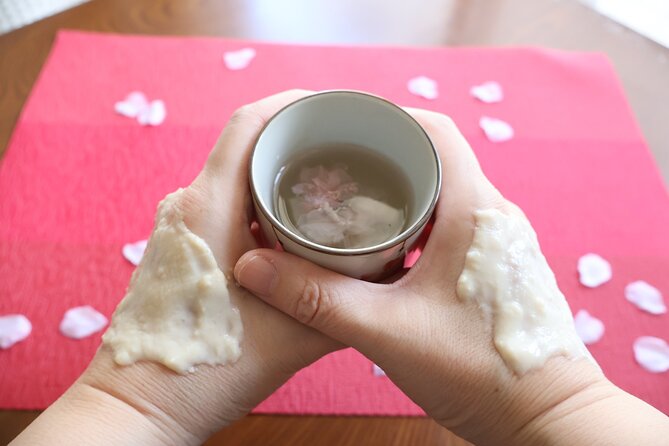
Sake kasu gives this experience its most unusual feature. It is the nutrient-rich material left after sake production, and the class shows how it can be used beyond brewing. You’ll learn how it can be incorporated into snacks and desserts, then try it in a hand mask.
The hand mask is a trial rather than a full spa treatment. You apply sake kasu to your hands and experience how the ingredient feels as a cosmetic. The activity connects the food lesson with the class theme of Japanese beauty from the inside and outside.
There are important limits. Sake kasu may not suit every skin type, and it can irritate sensitive skin. Do not take part in the hand mask if you have cuts or wounds on your hands. If you are unsure how your skin will react, tell the teacher before applying it.
The alcohol content also needs attention. Sake kasu contains around 8 percent alcohol, so you should not drive after the class. Anyone under 20, or anyone who does not drink alcohol, can request a banana option instead. You need to provide that information when booking or before the class so the ingredient can be adjusted.
This point is easy to overlook because the activity is centered on desserts and beauty. If your group includes young people or anyone avoiding alcohol for personal, religious, medical, or other reasons, make the request clearly in advance.
Same city, a different pour:
- Best of Shinjuku: Izakaya Food Tour (4 Stops, 14+ Tastings)
★ 5.0 · 1,863 reviews - Tokyo: Shinjuku Local Bar and Izakaya Guided Walking Tour
★ 4.9 · 1,794 reviews - Tokyo: Shinjuku Local Bar & Izakaya Crawl Tour
★ 5.0 · 890 reviews - Shibuya: Local Bar & Izakaya Crawl
★ 4.9 · 354 reviews
The afternoon tea is part of the experience
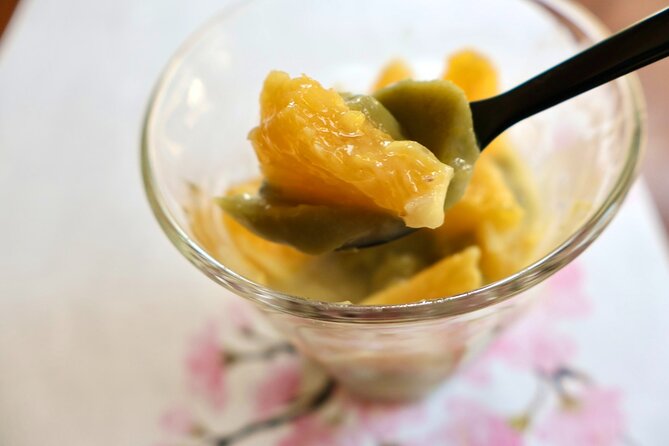
After preparing the desserts, you sit down to enjoy them with Japanese tea. The meal is not a large lunch, so you should arrive expecting a tasting and light afternoon tea rather than a full replacement for a main meal.
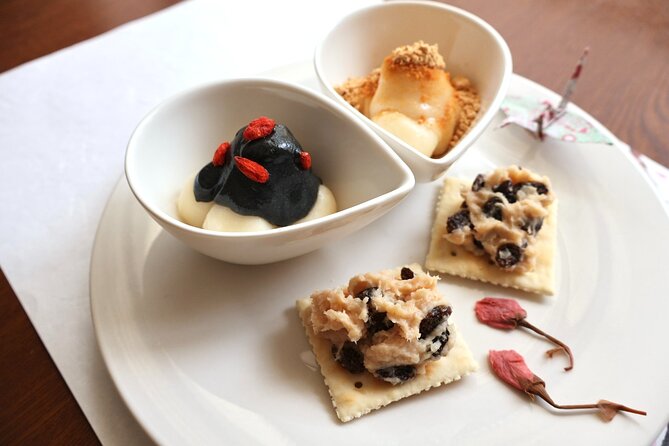
The tea service gives the class a pleasant finish. You can try the sweets in the setting they were made for, with green tea or another Japanese tea, and enjoy the sakura tea included in the experience. This makes the class feel connected to Japanese tea culture without turning it into a formal tea ceremony.
I like this balance. The class offers enough food to make the cooking meaningful, but it does not take up half your day. You get a practical lesson, a cultural explanation, a beauty trial, and a small meal in about two hours.
The vegan format is another advantage. All dishes are plant-based, which makes the experience suitable for anyone seeking vegan food in Tokyo. You should still share any allergies or ingredient restrictions before attending. The provider specifically asks you to disclose allergen concerns.
Because the menu is seasonal, the sweets may differ from one visit to another. That is good for repeat visitors, but it means you should not book based on one particular dessert unless the provider confirms it.
Is $64.09 a fair price?
At $64.09 per person, this is not the cheapest way to eat a dessert in Tokyo. The value comes from the combination of activities rather than the amount of food alone.
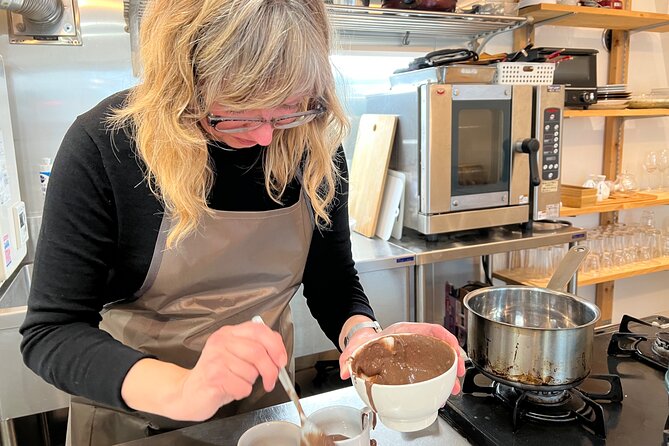
Your price includes the teacher-led class, apron, desserts and snacks made together, coffee or tea, a recipe and lecture handout, and the sake kasu hand mask. You are paying for instruction and access to ingredients that are not always easy for visitors to understand or buy with confidence.
The small group also helps justify the cost. With a maximum of six people, the class has room for questions and individual participation. The lesson is short enough to fit into a packed Tokyo schedule, and the central location reduces the time and cost of traveling to a distant cooking studio.
The strongest value is for someone who wants a specific cultural subject. If you only want a quick vegan snack, you can spend less at a cafe. If you want to understand amazake, sake kasu, and their place in Japanese food and beauty traditions, this class gives you several connected activities in one booking.
Booking both the morning fermented food lunch class and this afternoon dessert class may make sense if you want a full day focused on fermentation. The gift of rice koji amazake adds a practical benefit, since you can continue experimenting with the same ingredient at home.
Who will enjoy this class most?
This is a good fit for vegan food lovers, home cooks, and anyone interested in Japanese ingredients beyond sushi and ramen. It also suits visitors who enjoy small classes where the teacher can explain the background instead of rushing through a large group.
The class works well for a two-hour afternoon gap. You do not need to give up a full sightseeing day, and the indoor setting offers a comfortable change of pace. It may also appeal to anyone interested in Japanese beauty customs, especially because the hand mask links food and skincare.
Children six and under may find the lecture difficult, so this is better suited to older children and adults. The alcohol issue makes the banana option important for participants under 20 or for anyone who does not drink.
You should also consider your skin sensitivity. The dessert portion may still interest you if you skip the hand mask, but the supplied information warns that sake kasu can cause irritation and that the provider cannot accept responsibility for skin problems. Ask questions before taking part.
Practical details that affect your day
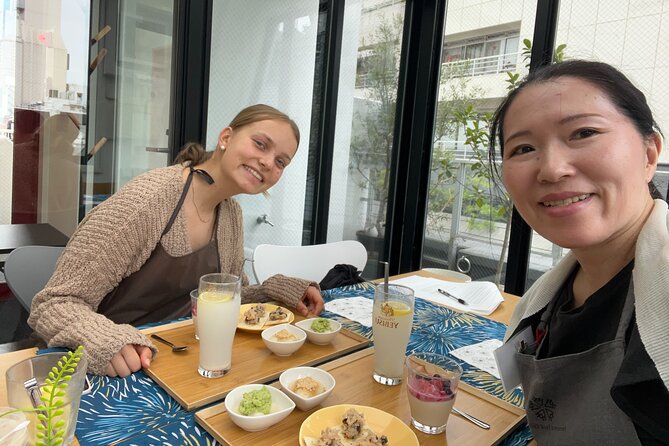
The class starts at 2:00 pm and lasts approximately two hours. It begins and ends at the Akasaka-Mitsuke meeting point, and transportation to the venue is not included.
You receive booking confirmation at the time of reservation in most cases. If you book within three days of the activity, confirmation may arrive within 48 hours and depends on availability.
Free cancellation is available if you cancel at least 24 hours before the start time. Cancellations or changes made less than 24 hours before the start time are not refunded or accepted. If the class is canceled because of poor weather or because the minimum number of participants is not reached, you can receive another date, another activity, or a full refund.
The class is often booked about nine days ahead. That is useful planning information for a small activity with only six places, especially if your Tokyo dates are fixed.
Should you book the amazake dessert class?
Book it if you want an intimate, practical food lesson with a clear Japanese focus. The best reasons are the rare focus on fermented desserts, the fully vegan menu, the small group, and the chance to try sake kasu as both food and a hand mask.
I would be cautious if you have very sensitive skin, open cuts on your hands, strict alcohol restrictions, or a strong allergy concern that has not been discussed with the provider. The banana option handles the alcohol issue for younger participants and non-drinkers, but you need to request it.
For most suitable participants, $64.09 is fair because the price covers much more than a dessert tasting. You learn recipes, prepare seasonal sweets, drink Japanese tea, and leave with a better sense of how amazake and sake kasu fit into Japanese life. If that sounds more appealing than another standard cooking class, this is a smart two-hour addition to a Tokyo itinerary.
FAQ
Where does the class meet?
The meeting point is near Akasaka-Mitsuke Station at 3-chōme-1-6 Akasaka, Minato City, Tokyo 107-0052, Japan.
What time does the class start?
The class starts at 2:00 pm.
How long does the experience last?
The activity lasts approximately two hours.
Does the class end at the same place?
Yes. The activity ends back at the meeting point.
Is the food vegan?
Yes. All dishes prepared in the class are vegan.
What is included in the price?
The price includes an apron, the snacks and desserts you make together, coffee or tea, a lecture handout with recipes and presentation material, and a sake kasu hand mask trial.
Does sake kasu contain alcohol?
Yes. Sake kasu contains around 8 percent alcohol. Participants under 20 and people who do not drink alcohol can request a banana option instead.
Can I join if I have sensitive skin?
Sake kasu may irritate sensitive skin. It should not be used on cuts or wounds, and the provider cannot be responsible for skin problems that may occur. Tell the teacher about your concerns before taking part.
Can I cancel for a refund?
You can cancel at least 24 hours before the start time for a full refund. Cancellations or changes made less than 24 hours before the start time are not accepted or refunded.
More Food Tours in Tokyo
- Tokyo: The Best of Izakaya in Shinjuku Food & Cultural Tour
★ 4.9 · 221 reviews - [1 Group Only] Tokyo Shinjuku Food Tour for Family
★ 5.0 · 147 reviews - Wagyu Beef and Sake Pairing Foodie Tour in Tokyo
★ 5.0 · 71 reviews - Tokyo: 7 Kinds of Sake Tasting with Japanese Food Pairings
★ 4.9 · 37 reviews
Just added around Tokyo
- Tokyo: Serene Sakura & Sake: An Exclusive Brewery Pairing Lunch★ 5.0 · 2 reviews
- Tokyo Sake Tasting Tour with a Sake Expert★ 5.0 · 7 reviews
- Wagyu BBQ & Sukiyaki with Sake Pairing Experience near Ginza★ 5.0 · 2 reviews
- Japanese Sake Tasting & Wagyu Sukiyaki Cooking Class in Tokyo★ 5.0 · 10 reviews
- Tokyo Izakaya crawl (A tour of 2 izakayas, 1 bar, and a shrine)★ 5.0 · 8 reviews
- Tokyo: Learn the Art of Chopsticks in a Cozy Izakaya!★ 5.0 · 2 reviews
- Shinjuku Underground Nightlife Tour: Izakaya Food & Bar Hopping★ 5.0 · 11 reviews
- Private Tokyo Food Tour – Retro Akabane Izakaya Experience★ 5.0 · 14 reviews
Tokyo Sake Tours, compared.
Best of Shinjuku: Izakaya Food Tour (4 Stops, 14+ Tastings)
Read our review →
Tokyo: Shinjuku Local Bar and Izakaya Guided Walking Tour
Read our review →
Ramen and Sushi Cooking Class with Sake Pairing Set in Tokyo
Read our review →
Sake Tasting Masterclass in Shinjuku (8+ Varieties with a Pro)
Read our review →
Tokyo Washoku 4-hour Cooking Class: From Market to Table
Read our review →
Sake Omakase in Tokyo: Guided Tasting by Certified Sommeliers
Read our review →Browse the lists this tour appears in