
REVIEW · TOKYO SAKE TOURS
Sake Omakase in Tokyo: Guided Tasting by Certified Sommeliers
Tokyo’s sake scene gets a thoughtful introduction at Sake Studio, where certified sommeliers pour seven Japan-only sakes across four small courses. The session is less about knocking back drinks and more about noticing how rice, temperature, food, and serving vessels change what is in your glass.
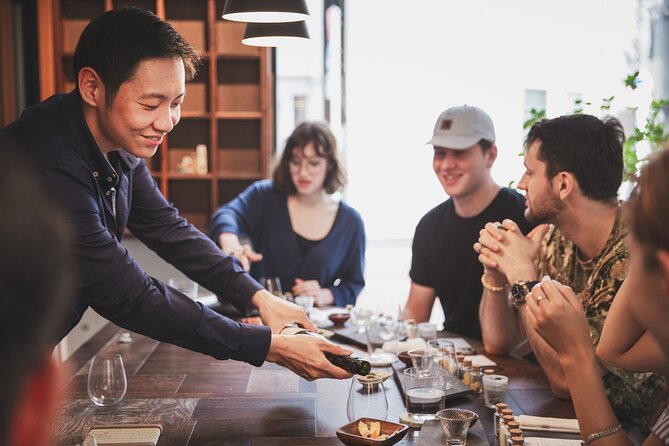
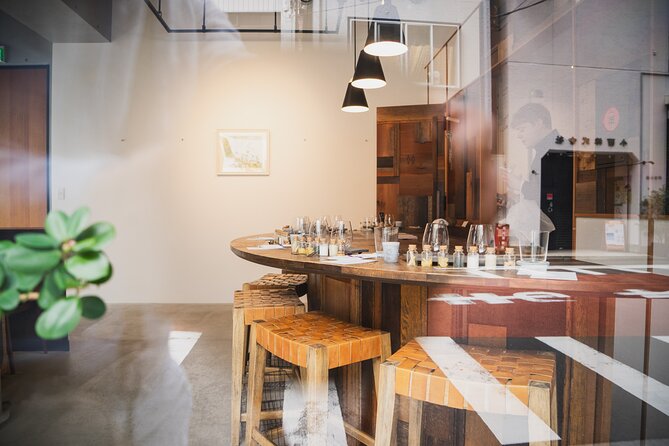
I like the small group of six, which gives you room to ask direct questions and compare impressions with the people at your table. I also like the Showa-era wood table and designer tasting room, a setting that feels special without turning the lesson into a stiff ceremony.
The main consideration is simple: this is a serious amount of alcohol in about two hours, especially with free refills. Eat beforehand, pace yourself, and skip this experience if you have an alcohol allergy or prefer not to drink.
Key points to know before booking
- Seven sakes, four courses: You taste a range of styles while moving through different themes rather than sampling random pours.
- Temperature changes matter: One part of the session shows how the same sake can taste different at five temperatures.
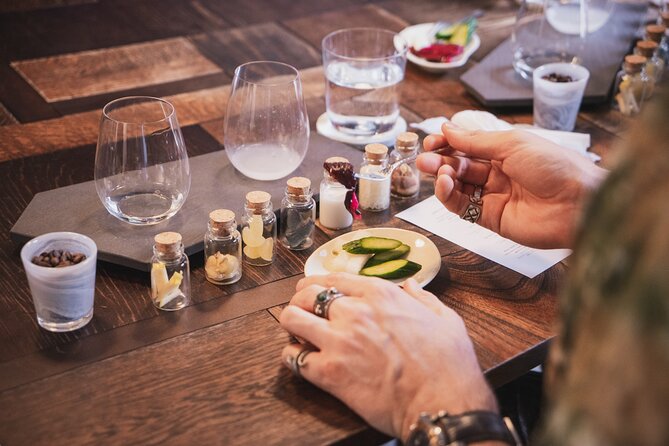
- Food is part of the lesson: Pickles, cheeses, cured meats, and dessert are matched with the pours.
- English guidance is built in: Native English-speaking sommeliers explain brewing, flavor, and pairings, with Japanese and Chinese also available.
- The setting is intimate: The group is limited to six, and the activity begins and ends at Linden House in Kanda.
- The price includes free-flow sake: At $79.52 per person, the value depends on how much you want to learn as well as how much you drink.
Why this Tokyo sake tasting is different
Many sake tastings are simply a row of small glasses and a quick description of each bottle. This session takes a more useful approach. It asks you to compare specific changes, so you can work out what you actually like.
You may already know that you prefer sake that is sweet, dry, fruity, or earthy. The point here is to connect that preference with brewing choices and serving methods. That makes the lesson useful after you leave Tokyo, when you face a sake list without a guide standing beside you.
The seven selections are described as Japan-exclusive, giving you access to bottles chosen for this setting rather than a basic international lineup. The exact pours can change, so you should come ready to taste a broad range rather than expecting a particular label.
The hosts have substantial experience and lead the room in clear English. Eric, Aaron, Frank, and Phillip are among the sommeliers associated with the sessions. Their role is not just to pour. They explain sake production, compare styles, and help you put words to the flavors in front of you.
More Sake Tastings in Tokyo:
- Best of Shinjuku: Izakaya Food Tour (4 Stops, 14+ Tastings)
★ 5.0 · 1,863 reviews - Ramen and Sushi Cooking Class with Sake Pairing Set in Tokyo
★ 5.0 · 291 reviews - Sake Tasting Masterclass in Shinjuku (8+ Varieties with a Pro)
★ 5.0 · 271 reviews
Starting at Linden House in Kanda
The meeting point is Linden House, at 1-chome-9-9 Kanda Ogawamachi, Chiyoda City. The activity is near public transportation, and you return to the same location at the end.
That central location makes the tasting easy to add to a day in Tokyo. Still, give yourself enough time to find the building. A mobile ticket is provided, and confirmation arrives when you book.
The room itself is part of the appeal. At its center is a large table made from reclaimed wood from a Showa-era building. Showa refers to the period from 1926 to 1989, so the table brings a small piece of Tokyo’s older character into a modern tasting room.
You are not being taken around several sights, so the location is not the focus. That is useful here. Once seated, you can keep your attention on the sake, the food, and the explanations without losing time to transfers.
Course one: learning how sake begins
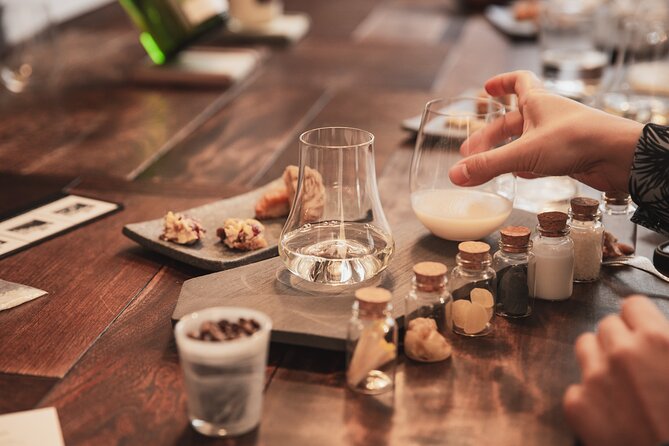
The opening course sets up the basic ideas behind sake. You can expect an explanation of how rice selection and brewing affect the final drink, followed by pours chosen to make those differences clear.
Rice comparison is one of the stated themes. That matters because sake is not made from table rice in the same way ordinary steamed rice is eaten. The rice used for brewing, how much of the outer layer is polished away, and the brewing method all influence aroma, texture, and taste.
You do not need prior knowledge. If sake has always seemed like one broad category to you, this first stage gives you a practical set of reference points. You may begin noticing whether a pour feels light, rich, dry, soft, fragrant, or more savory.
Small bites accompany the course. Pickles, cheese, cured meats, and other snacks help prevent the tasting from feeling like an empty-stomach drinking session. They also show why a sake that seems sharp on its own may work better with food.
Course two: five temperatures, five impressions
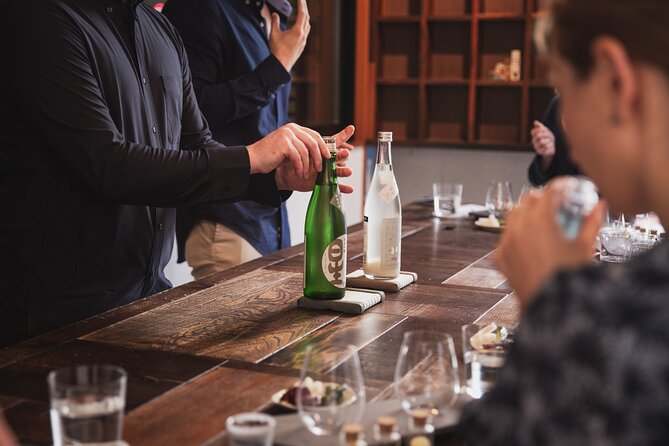
Temperature is one of the most useful parts of the tasting. The experience presents sake at five different temperatures, allowing you to see how heat or chill changes its character.
Cold sake may seem crisp and direct. Warmer sake can reveal more weight, aroma, or savory notes. The important lesson is that the best temperature is not always fixed by the bottle. It can depend on the style, the food, and your own taste.
This comparison gives you something practical to try in restaurants. If you order a sake and find it too plain or too sharp, temperature may be part of the answer. You can ask how it is served, or try a different style rather than deciding that you dislike sake altogether.
The pace also helps. A two-hour session leaves enough time to notice differences without making the experience feel like a lecture. You taste, listen, eat, and ask questions as you go.
More Sake and Food Tours in Tokyo:
- Tokyo: The Best of Izakaya in Shinjuku Food & Cultural Tour
★ 4.9 · 221 reviews - [1 Group Only] Tokyo Shinjuku Food Tour for Family
★ 5.0 · 147 reviews - Wagyu & Sake Pairing in Shinjuku – Steak, Shabu-Shabu & More
★ 5.0 · 112 reviews - Tokyo Wagyu & Sake Pairing Tasting Experience with Local Flavors
★ 5.0 · 108 reviews
Course three: spices, herbs, and unexpected combinations
Another course looks at spice and herb infusions. This moves the tasting away from the idea that sake must be served only in one traditional form.
Infused sake can be divisive. Some people enjoy the added aroma and unusual pairing possibilities, while others prefer a clean, unflavored pour. That is precisely why this part earns its place. It lets you identify where your own taste falls instead of treating one style as the correct answer.
The food pairings are especially helpful here. The small plates include cured meats, cheese, pickles, and other snacks, with dessert also included during the full progression. You can see how salt, fat, acidity, sweetness, and spice interact with the drinks.
Do not expect a full meal. The food is designed to support the tasting, not replace lunch or dinner. Have something to eat before arriving, particularly because seven sake varieties and free refills can add up quickly.
Course four: the glass changes the sake
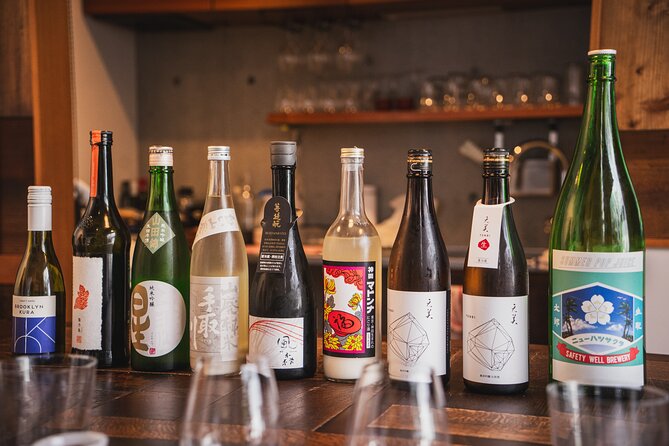
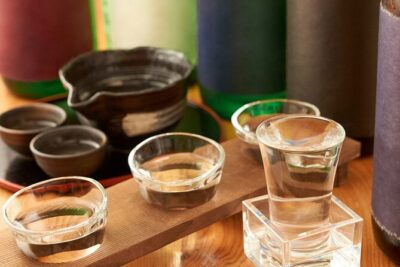
The final theme examines drinking vessels. This may sound like a minor detail, but the shape and material of a cup can affect aroma, temperature, and the way sake reaches your palate.
A narrow vessel may focus aroma differently from a broad glass. A ceramic cup may create a different impression from a clear glass. You are not simply being shown tableware. You are being encouraged to notice how presentation influences taste.
This is the kind of detail I find most useful for future meals. You do not need to buy special equipment, but you may become more aware of why a restaurant serves a particular sake in a particular cup.
By the end, the four courses have covered rice, temperature, infusion, food, and vessels. Those themes give the session a clear shape and help keep seven pours from blurring together.
What the $79.52 price includes
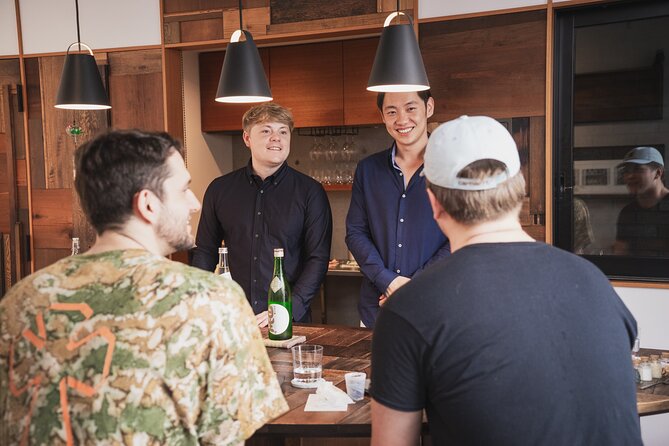
The $79.52 price includes seven sommelier-selected sakes served free-flow across the four courses. It also includes the small bites paired with the drinks.
The value is strongest if you want instruction along with alcohol. You are paying for the setting, the hosts’ time, the selection of Japan-only bottles, the structured comparisons, and the chance to ask questions in a small group. A person who simply wants the cheapest way to drink sake can find less expensive options elsewhere.
Unlimited refills sound generous, but I would not use that as the main reason to book. The better value is the range of examples and the guidance that helps you understand them. Drinking too quickly will make it harder to tell the sakes apart and may shorten your enjoyment of the evening.
The food also improves the value, though it is not a complete meal. Think of the snacks as careful pairings and light protection against drinking on an empty stomach.
Who will enjoy this most
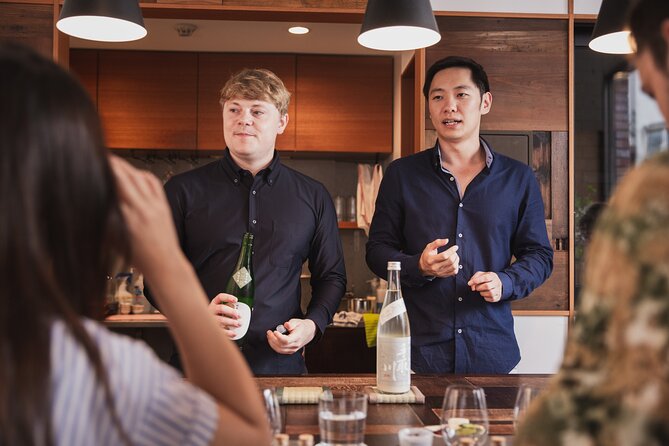
This is a good choice if you have tried sake once or twice and want a clearer sense of why some bottles appeal to you. It also suits experienced drinkers who want to compare unusual selections and serving methods.
Beginners should feel comfortable. The hosts explain the basics without requiring technical knowledge, and the small group makes it easier to ask a question you might avoid in a large class.
It is also a strong pick for a couple or a small group of friends who want a quiet indoor activity in central Tokyo. The six-person limit encourages conversation, and you may leave with new drinking companions.
I would be more cautious if you dislike structured tastings. The experience follows a planned four-course format, so it is not the same as wandering into an izakaya and ordering whatever catches your eye. It is also not suitable for anyone with an alcohol allergy.
Most people can take part, and the activity is near public transportation. Hotel pickup and drop-off are not included, so you must make your own way to Kanda and back.
How to pace the two hours
Start with food before you arrive. The supplied snacks are helpful, but they are not meant to be a full meal.
Use the first pours to set a baseline. Notice aroma, sweetness, dryness, body, and finish. You do not need the perfect vocabulary. Telling the sommelier that something feels light, sharp, fruity, heavy, or smooth is enough to begin a useful conversation.
Take advantage of the free refills carefully. Ask for another taste when a comparison interests you, but do not feel obliged to accept every pour. The goal is to remember the differences between the seven sakes, not to prove how much you can drink.
If you already know a sake style you like, explain it early. The hosts can point out which flavors and brewing choices may be behind that preference. That makes the tasting more personal than a standard presentation.
Booking, cancellation, and group size
The activity lasts approximately two hours and ends back at Linden House. It is limited to a maximum of six people, a useful detail if you prefer direct conversation over a crowded bar.
Free cancellation is available when you cancel at least 24 hours before the local start time. Changes or cancellations inside that window are not accepted for a refund. If the minimum number needed to run the session is not reached, you are offered another date or experience, or a full refund.
The mobile ticket keeps things simple, but you still need to arrive at the stated meeting point. There is no hotel transportation included.
Should you book this sake experience?
I would book it if you want more than a quick drink and are curious about what makes one sake different from another. The strongest features are the tiny group, English-speaking certified sommeliers, thoughtful comparisons, Japan-only selections, and food pairings that give each course a purpose.
I would skip it if you are looking for a full dinner, a nightlife party, or a short introductory sip. The free-flow format demands sensible pacing, and the activity is best enjoyed with attention.
For most sake beginners and curious drinkers, $79.52 is fair value for two hours of guided tasting in central Tokyo. Eat first, arrive ready to ask questions, and treat the refills as a chance to compare rather than a drinking contest.
FAQ
How long does the sake tasting last?
The experience lasts approximately two hours.
Where does the tasting begin?
It begins at Linden House, 1-chome-9-9 Kanda Ogawamachi, Chiyoda City, Tokyo 101-0052, Japan.
Where does the activity end?
The tasting ends back at the meeting point.
How many people can join?
The activity has a maximum of six participants.
How many sakes are included?
Seven varieties of sake are included.
Are refills included?
Yes. The sake is served free-flow across the four themed courses.
What food is provided?
Small bites are provided, including pickles, cheeses, cured meats, and dessert.
Is the tasting offered in English?
Yes. Native English-speaking sommeliers lead the experience. Guidance is also available in Japanese and Chinese.
Is transportation included?
No. Transportation to and from the activity, as well as hotel pickup and drop-off, is not included.
Can I cancel for a full refund?
Yes, if you cancel at least 24 hours before the experience start time. Cancellations made less than 24 hours in advance are not refunded.
Just added around Tokyo
- Tokyo: Serene Sakura & Sake: An Exclusive Brewery Pairing Lunch★ 5.0 · 2 reviews
- Tokyo Sake Tasting Tour with a Sake Expert★ 5.0 · 7 reviews
- Wagyu BBQ & Sukiyaki with Sake Pairing Experience near Ginza★ 5.0 · 2 reviews
- Tokyo Izakaya crawl (A tour of 2 izakayas, 1 bar, and a shrine)★ 5.0 · 8 reviews
- Japanese Sake Tasting & Wagyu Sukiyaki Cooking Class in Tokyo★ 5.0 · 10 reviews
- Private Tokyo Food Tour – Retro Akabane Izakaya Experience★ 5.0 · 14 reviews
- Tokyo: Learn the Art of Chopsticks in a Cozy Izakaya!★ 5.0 · 2 reviews
- Shinjuku Underground Nightlife Tour: Izakaya Food & Bar Hopping★ 5.0 · 11 reviews
Tokyo Sake Tours, compared.
Best of Shinjuku: Izakaya Food Tour (4 Stops, 14+ Tastings)
Read our review →
Tokyo: Shinjuku Local Bar and Izakaya Guided Walking Tour
Read our review →
Ramen and Sushi Cooking Class with Sake Pairing Set in Tokyo
Read our review →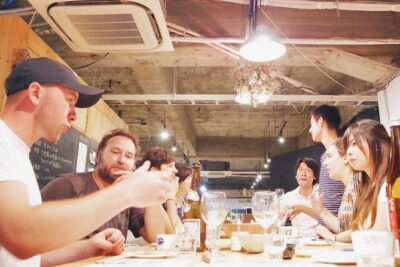
Sake Tasting Masterclass in Shinjuku (8+ Varieties with a Pro)
Read our review →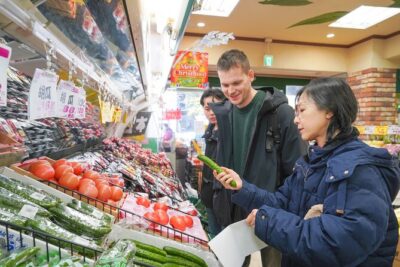
Tokyo Washoku 4-hour Cooking Class: From Market to Table
Read our review →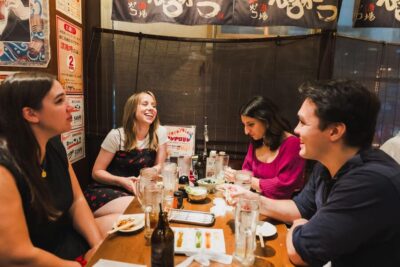
Tokyo: The Best of Izakaya in Shinjuku Food & Cultural Tour
Read our review →Browse the lists this tour appears in