
REVIEW · TOKYO SAKE TOURS
Tsukiji Market Eating Tour, Authentic Sushi & Sake Comparison
Tsukiji is easiest to enjoy when someone helps you read the market. This small-group walk moves from Tsukiji Hongwanji Temple to seafood stalls, cooking shops, shrines, sake counters, and a proper sushi lunch. You get more than a quick look at the market. You get a guided way to taste it.
I like the small maximum of six people, which keeps the guide close and makes questions easy. I also like the food mix: market snacks, Japanese tea, dashi, sake, and a fresh sushi lunch rather than one oversized meal.
The main caution is practical. The experience depends on the guide meeting you at the stated time, and one booking ended badly when the group was told about a cancellation only after arriving. Confirm the tour before setting out, and leave at least 24 hours if you need to cancel.
Key Points at a Glance
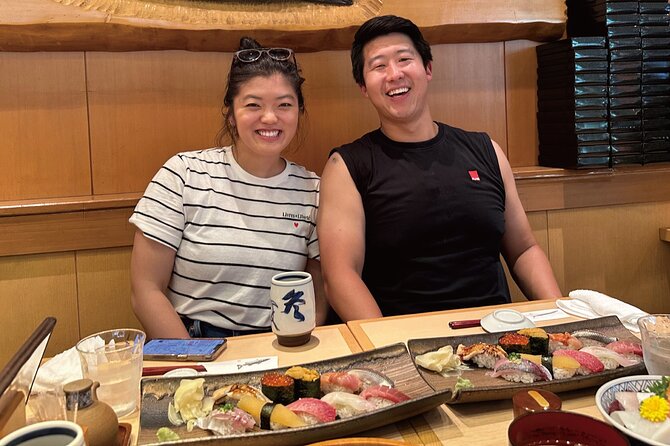
- Three types of sake let you compare several Japanese brands alongside sushi and market foods.
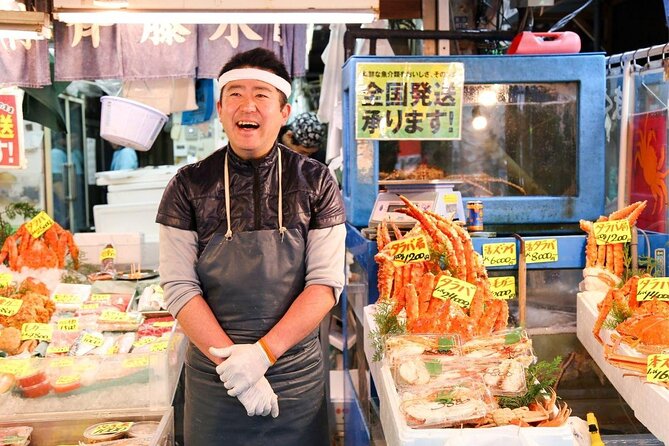
- Ariel is a particularly praised guide, known for friendly explanations, good local food advice, and an easy manner with families.
- The tour ends with sushi lunch, using fresh seafood from the Tsukiji area.
- The six-person limit gives you a better chance to hear the guide and ask about unfamiliar foods.
- Temple and shrine stops add cultural context, including the unusual animal sculptures at Hongwanji and the lion statue at Namiyoke Inari.
- The $30 price includes substantial food, though extra purchases, drinks, and souvenirs cost more.
Why Tsukiji Works Better With a Guide
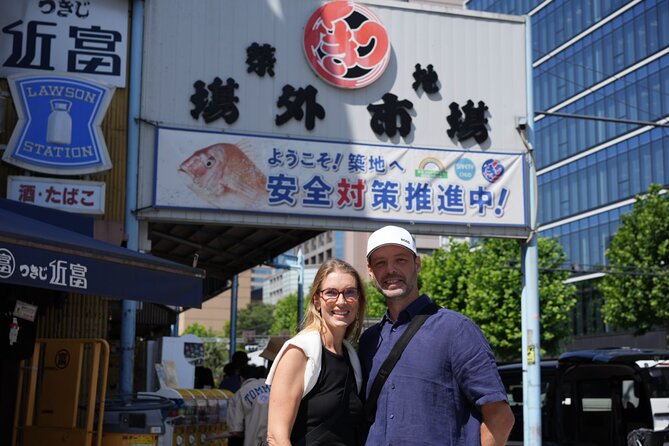
Tsukiji’s outer market is not a single food hall with a neat entrance and exit. It is a collection of narrow shopping streets and specialty stores, with more than 400 businesses selling seafood, knives, cooking tools, sweets, soup stock, sake, and prepared foods.
That variety is the pleasure, but it can also make your first visit feel scattered. You may spot something appealing without knowing what it is, how it is eaten, or if it is worth buying. A guide gives the walk a shape and helps you spend your time on the parts that match your interests.
The English-speaking guide can answer questions as you go. With no more than six people, you should be able to hear explanations clearly and stop when something catches your eye. This is especially useful for food terms, unfamiliar ingredients, and market customs.
Ariel receives especially warm praise for her energy and friendly style. She is described as feeling more like a companion taking you around than a formal guide. Families with children aged 8 and 14 also found the pace and food choices enjoyable, which makes this a good option if your group has mixed ages.
More Sake and Food Tours in Tokyo:
- Best of Shinjuku: Izakaya Food Tour (4 Stops, 14+ Tastings)
★ 5.0 · 1,863 reviews - Ramen and Sushi Cooking Class with Sake Pairing Set in Tokyo
★ 5.0 · 291 reviews - Sake Omakase in Tokyo: Guided Tasting by Certified Sommeliers
★ 5.0 · 239 reviews
Starting at Tsukiji Hongwanji Temple
The meeting point is near Tsukiji Station at 3 Chome-9 Tsukiji, Chuo City. The first stop is Tsukiji Hongwanji Temple, and the visit lasts about 10 minutes.
This is a smart opening stop. It gives you a quiet cultural pause before the food stalls take over. The temple’s exterior draws on Buddhist architecture from India and other parts of Asia, while stained glass appears at the entrance to the main hall. Animal sculptures add another memorable detail.
Admission is free, and the stop is brief. Do not expect a long temple visit or a formal religious program. Instead, use it to notice how a place of worship sits beside one of Tokyo’s best-known food districts.
The temple also helps set up the theme of the tour. Tsukiji is not only about buying breakfast or finding sushi. Food, work, faith, and daily life sit close together here.
One Hour Among Tsukiji’s Specialty Stalls
The main market walk lasts about an hour at Tsukiji Jogai Market. This is where the tour earns its keep. You can browse stores selling fresh seafood, knives, cooking implements, sweets, soup stock, tea, sake, and other Japanese food products.
The guide can shape the route around your interests. If you care about seafood, you can focus there. If kitchen knives or Japanese sweets appeal more, the market offers both. That flexibility matters because a short visit cannot cover every corner.
The included snacks give you several small tastes instead of asking you to commit to one large dish early in the walk. The stated menu includes egg omelet, strawberry daifuku, dashi, Japanese tea, and nuts. The food experiences described by the guide service also include items such as skewers and mochi.
This is a useful arrangement for cautious eaters. You can try a little, ask what you are tasting, and decide what deserves a second purchase. If you already know Japanese food well, the guide can help you move beyond the most obvious choices.
Keep your shopping budget separate from the tour price. The included tastings and lunch are a strong part of the $30 value, but knives, packaged foods, sweets, sake, and other market finds are personal expenses.
Fresh Seafood at Tsukiji Fish Market
The next market section lasts about 45 minutes. Specialty stores here sell fresh seafood, and culinary buyers also come to shop. That working-market character gives the area more purpose than a standard sightseeing arcade.
You can get a close look at seafood that may be unfamiliar, and timing may allow you to watch a tuna dismantling show. The wording matters: this is possible, not guaranteed. Do not book the tour solely for that event.
The seafood section is also where a guide helps you understand what you are seeing. A stall can be visually impressive but hard to interpret without context. Ask about names, preparation, season, or how an item is commonly served. The small group makes those questions easier to handle.
The market is an active shopping area, so you should expect a walking tour rather than a seated tasting session. Stay close to the guide, especially if you pause at a stall or take photographs. The experience is most useful when you remain engaged with the surroundings instead of treating the market as a backdrop.
More Sake Tours with a Local Guide in Tokyo:
- Tokyo: Shinjuku Local Bar and Izakaya Guided Walking Tour
★ 4.9 · 1,794 reviews - Tokyo: Shinjuku Local Bar & Izakaya Crawl Tour
★ 5.0 · 890 reviews - Shibuya: Local Bar & Izakaya Crawl
★ 4.9 · 354 reviews - Tokyo: Shibuya Local Bar & Izakaya Crawl Tour
★ 5.0 · 218 reviews
Namiyoke Inari Shrine and the Working Market
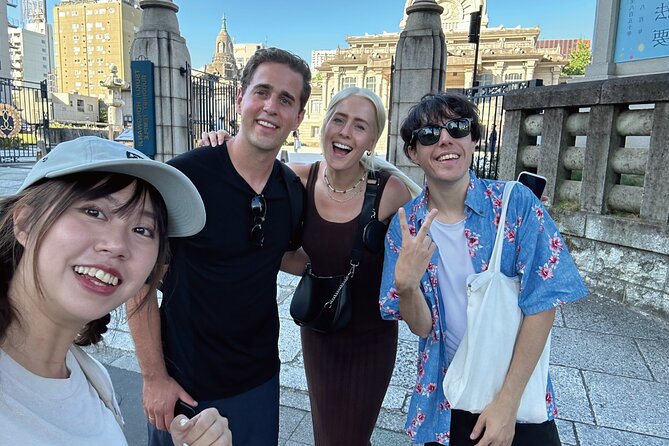
The 10-minute stop at Namiyoke Inari Shrine adds another layer to Tsukiji. Fishermen and market workers pray here for safety, making the shrine closely tied to the people who work with the sea and the market.
The unusual lion statue is the visual detail to watch for. Like the temple, this stop is short, but it gives the food district a human and spiritual setting. You see that Tsukiji is not simply a place built for visitors. It serves people whose daily work depends on seafood, trade, and safe passage.
If you enjoy old shrines and temples, these stops will appeal to you. If you want three straight hours of eating, they may feel like a pause in the main event. I think the balance is worthwhile, particularly for a first visit to Tokyo.
Sake Comparison and the Sushi Finish
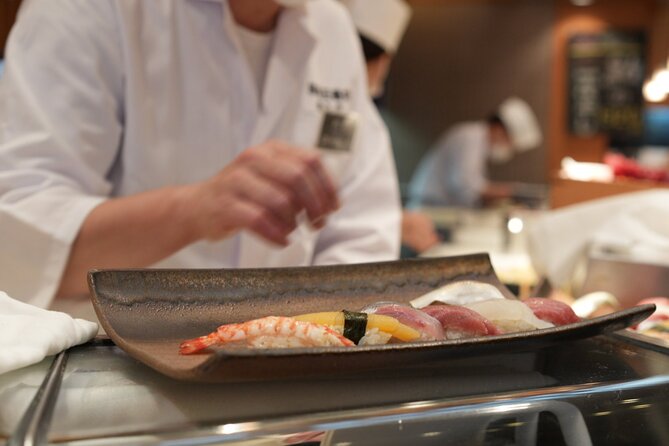
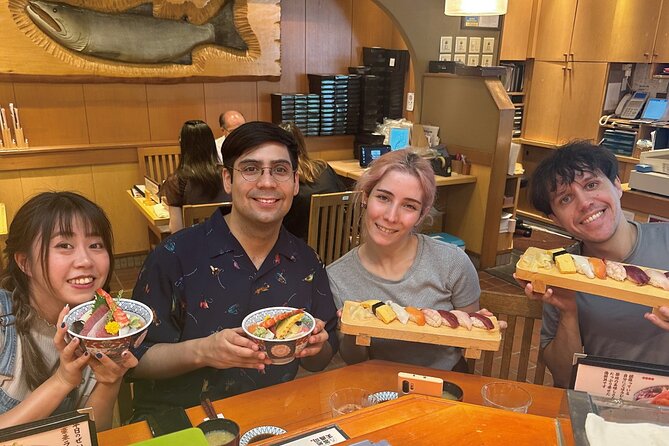
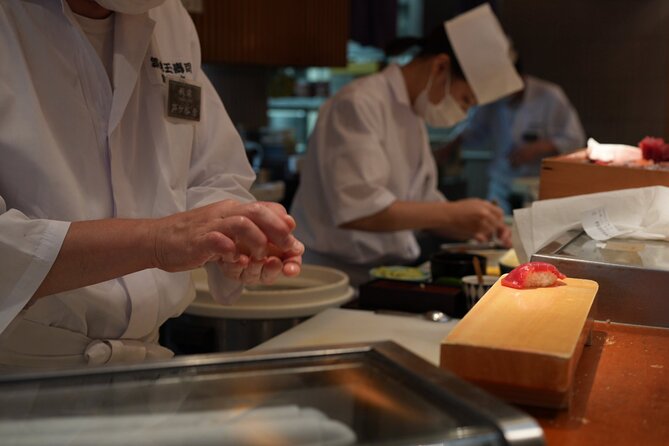
The tour concludes with a real sushi lunch in the Tsukiji area. The lunch uses fresh seafood, and it is the part that many people will remember most. You are not merely walking past sushi counters. You sit down for a proper meal after seeing where many ingredients are sold.
The sake comparison adds a useful point of contrast. You can compare three types of sake from several Japanese brands, rather than trying one glass without context. That makes the tasting more informative. Pay attention to differences in flavor, weight, and finish, then ask the guide which bottle or style might suit your taste.
Alcoholic drinks are included when you choose the Sake Drinking Comparison option. The tour also includes the sushi lunch and listed snacks, while extra meals and beverages are not included. Check your selected option carefully when booking.
The sushi lunch is a strong reason to choose this experience over a simple market stroll. It provides a clear finish and more food value for the price. Still, the exact sushi selection is not specified, so you should not book expecting a named restaurant, a particular fish, or a fixed number of pieces.
The food is not the only useful part of lunch. By this stage, you can connect the seafood you saw in the stalls with the food on your plate. That link turns the walk into a lesson in Japanese food culture without making it feel like a classroom.
Is $30 a Good Price?
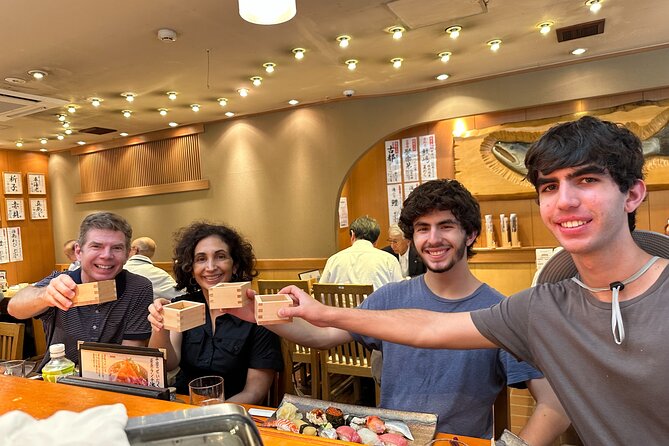
At $30, this is a low-cost guided food experience for Tokyo, especially because the fee includes multiple snacks, Japanese tea, sake comparison, an English-speaking guide, and a sushi lunch. If you bought a full sushi lunch and several tastings separately, the total could quickly rise.
The six-person limit also improves the value. A large group can make a market visit feel like a slow-moving line. Here, you have a better chance of hearing the guide, asking questions, and receiving suggestions that match your interests.
The price does not cover souvenirs, extra food, additional drinks, private transportation, or hotel pickup. You meet at Tsukiji Station, so you need to reach the starting point yourself. Since the tour lasts about three hours, plan your wider day around a late morning or afternoon food stop, depending on the assigned start time.
One practical extra is the Kanji name sticker. It is a small souvenir rather than a major feature, but it adds a personal touch and gives children something fun to take home.
Who Will Enjoy This Tsukiji Experience?
I would choose this tour if you are visiting Tsukiji for the first time and want help deciding what to taste. It is also well suited to couples, families, and small groups who prefer conversation over a large organized outing.
Food lovers will get the most from the market stalls, seafood explanations, sake comparison, and sushi lunch. You do not need expert knowledge. The guide’s role is to make unfamiliar choices easier.
Families should find the short cultural stops manageable, and the included snacks provide variety for different tastes. The positive family experience is encouraging, though children and teenagers may not want much sake. The market food and sushi still give them plenty to sample.
This is less suitable if you want private transportation, hotel pickup, or a fully private route. It is also not the right choice if you dislike seafood, sushi, or alcohol-related tastings. You can browse other foods, but the final lunch centers on sushi.
The tour is rated 4.9 from 52 ratings, with 98 percent recommending it. Those numbers suggest a very dependable experience overall, but I would still treat the meeting arrangement seriously because one canceled departure was handled too late for the person who arrived.
Booking Tips for a Smoother Visit
Use the mobile ticket and save the meeting details before leaving your hotel. The start point is at Tsukiji Station, and the tour does not include hotel pickup or private transportation.
Wear shoes suitable for walking and keep your belongings easy to manage in market lanes. The available information does not promise accessibility details, so contact the provider if you have mobility needs or require specific support.
The tour is operated by Rec Loc Experience and has a maximum of six people. Confirmation is provided when you book, and the activity is near public transportation.
Free cancellation applies when you cancel at least 24 hours before the local start time. Inside that window, the payment is not refunded and changes are not accepted. Because of the reported late cancellation problem, I would also check for any last-minute message before traveling to the station.
Should You Book It?
Book this Tsukiji tour if you want a guided introduction to Japanese market food, a little temple and shrine culture, and a satisfying sushi lunch without spending a large amount. The small group, sake comparison, and warm guiding style associated with Ariel make it more personal than a basic market walk.
Skip it if you want to explore alone, shop at your own speed, or avoid sushi and sake. For most first-time visitors who want help choosing food and understanding the area, the combination of tastings, local context, and lunch makes $30 a sensible buy. Just confirm the departure and arrive ready to walk, taste, and ask questions.
FAQ
How long does the Tsukiji Market Eating Tour last?
The experience lasts approximately three hours, including the temple, market, seafood area, shrine, tastings, sake comparison, and sushi lunch.
Where does the tour meet?
The meeting point is Tsukiji Station at 3 Chome-9 Tsukiji, Chuo City, Tokyo 104-0045, Japan.
How many people can join the tour?
The tour has a maximum of six participants.
Is sushi lunch included?
Yes. The tour includes a sushi lunch made with fresh seafood from Tsukiji.
Is sake included?
Yes, alcoholic beverages are included when you choose the Sake Drinking Comparison option. This lets you compare several types of sake from different Japanese brands.
What happens if I cancel?
You receive a full refund if you cancel at least 24 hours before the experience start time. Cancellations or changes made within 24 hours are not accepted, and the amount paid is not refunded.
More Shopping Trips in Tokyo
- Nishiki Market, Private Sushi class & Sake Tasting in Townhouse
★ 5.0 · 6 reviews
More Market Tours in Tokyo
- Tokyo Washoku 4-hour Cooking Class: From Market to Table
★ 5.0 · 253 reviews - Tsukiji: Outer Market Walking Tour & Sake Tasting Experience
★ 4.9 · 81 reviews - Osaka: Cooking Class & Sake Tasting with Local Market Visit
★ 4.8 · 31 reviews - Private Nishiki Market Food & Sake Tour by Young Local Guides
★ 5.0 · 12 reviews
Just added around Tokyo
- Tokyo: Serene Sakura & Sake: An Exclusive Brewery Pairing Lunch★ 5.0 · 2 reviews
- Tokyo Sake Tasting Tour with a Sake Expert★ 5.0 · 7 reviews
- Wagyu BBQ & Sukiyaki with Sake Pairing Experience near Ginza★ 5.0 · 2 reviews
- Japanese Sake Tasting & Wagyu Sukiyaki Cooking Class in Tokyo★ 5.0 · 10 reviews
- Tokyo Izakaya crawl (A tour of 2 izakayas, 1 bar, and a shrine)★ 5.0 · 8 reviews
- Private Tokyo Food Tour – Retro Akabane Izakaya Experience★ 5.0 · 14 reviews
- Tokyo: Learn the Art of Chopsticks in a Cozy Izakaya!★ 5.0 · 2 reviews
- Shinjuku Underground Nightlife Tour: Izakaya Food & Bar Hopping★ 5.0 · 11 reviews
Tokyo Sake Tours, compared.
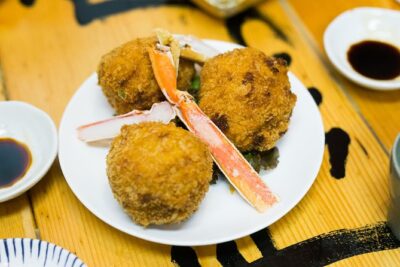
Best of Shinjuku: Izakaya Food Tour (4 Stops, 14+ Tastings)
Read our review →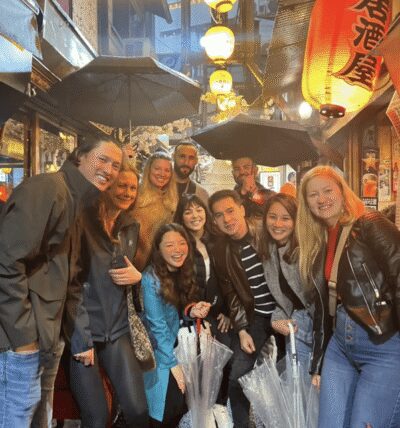
Tokyo: Shinjuku Local Bar and Izakaya Guided Walking Tour
Read our review →

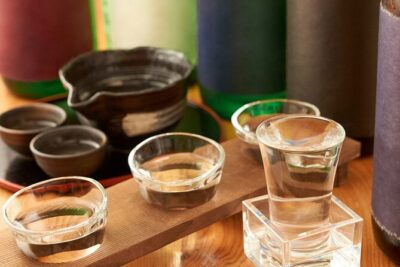
Ramen and Sushi Cooking Class with Sake Pairing Set in Tokyo
Read our review →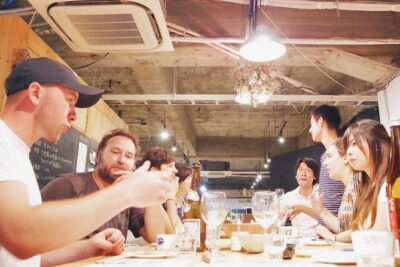
Sake Tasting Masterclass in Shinjuku (8+ Varieties with a Pro)
Read our review →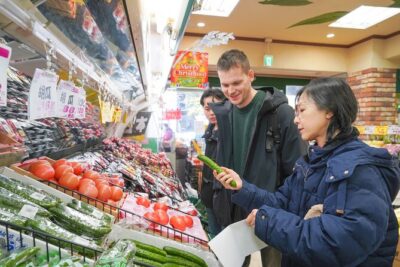
Tokyo Washoku 4-hour Cooking Class: From Market to Table
Read our review →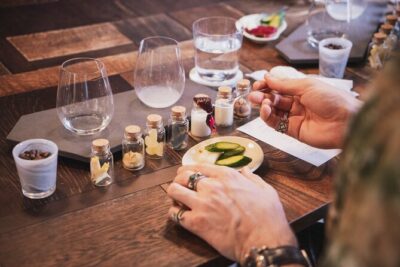
Sake Omakase in Tokyo: Guided Tasting by Certified Sommeliers
Read our review →Browse the lists this tour appears in