
REVIEW · TOKYO SAKE TOURS
Cozy Tokyo Class: Ramen, Sushi, Sake Pairing & Cultural Exchange
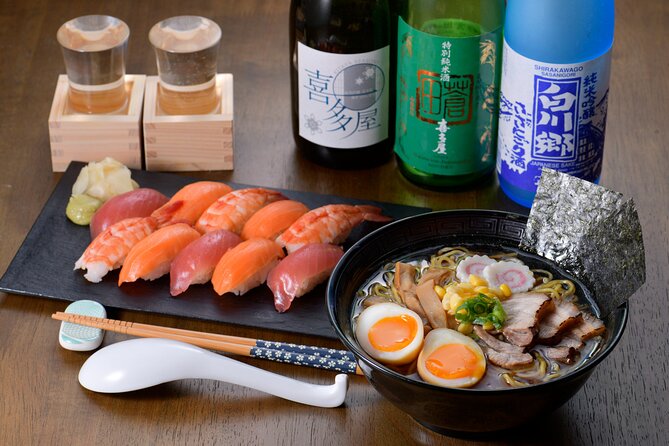
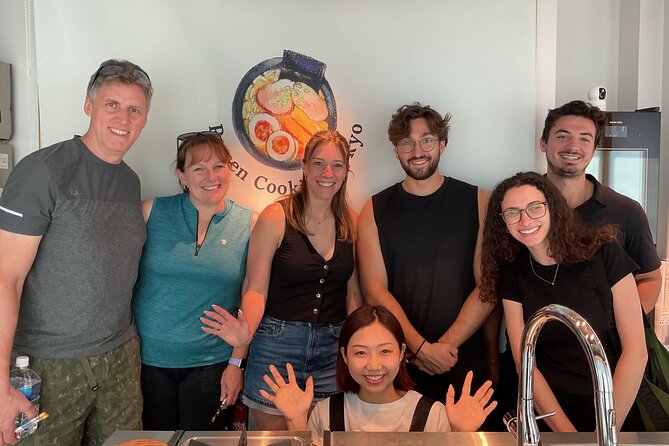
The best part of this Tokyo cooking class is the small-group setting. You are not lost in a crowded demonstration room. You cook ramen and sushi, or choose optional gyoza, while the hosts explain each step and share stories about Japanese food. Umi, Kou, Komi, Alissa, Risa, and Namiko are among the friendly instructors connected with the class.
I like two things right away: you get to make two famous Japanese dishes from scratch, and you leave with recipes so the meal does not end when you leave Tokyo. The unlimited sake pairing, Japanese beer, or non-alcoholic drinks also make this feel like a social evening rather than a basic lesson.
The main point to check is group size. The experience is described as capped at four people, while the additional information gives a maximum of eight. Either way, confirm the current size when booking if a very private class matters to you.
Key points at a glance
- Make ramen and sushi in one three-hour session: You get hands-on time with two Japanese staples, with gyoza offered as an option.
- A small class keeps the lesson personal: The advertised format is capped at four, though the stated maximum is eight.
- English-friendly Japanese hosts lead the class: Umi, Kou, Komi, Alissa, Risa, and Namiko are among the instructors associated with the experience.
- Sake comes with the cooking: You can enjoy unlimited sake pairings, Japanese beer, or non-alcoholic drinks.
- Recipes help you repeat the meal at home: This is useful for cooks who want more than a pleasant afternoon in Tokyo.
- The class is built around conversation: You learn food traditions while sharing stories and cultural questions with the hosts.
Why this class works well in a short Tokyo stay
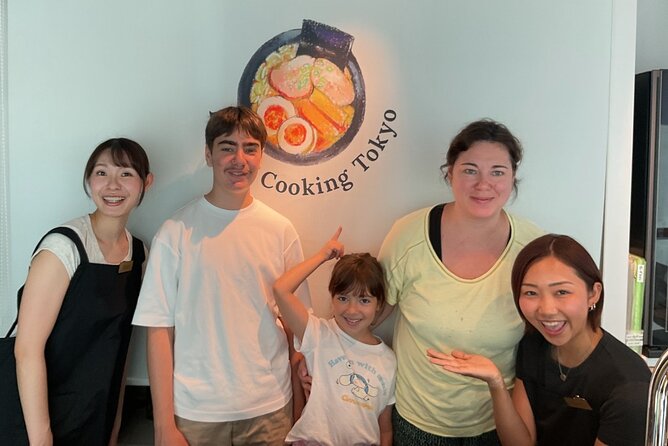
Tokyo offers endless places to eat ramen and sushi. That is precisely why a cooking class needs to offer more than a meal. This one gives you the chance to understand how the dishes come together, then sit down and eat what you prepared.
At $79 for roughly three hours, the price is reasonable if you value instruction, food, drinks, and a social setting. You are not paying only for ingredients. You are also paying for time with English-friendly hosts, a guided lesson, cultural conversation, and recipes you can use later.
I would not book this class if your only goal is the cheapest possible lunch. You can eat ramen for less. I would consider it good value if you want a hands-on activity that works for a couple, family, or group of friends, especially on a rainy day or after several days of sightseeing.
More Sake Tastings in Tokyo:
- Best of Shinjuku: Izakaya Food Tour (4 Stops, 14+ Tastings)
★ 5.0 · 1,863 reviews - Ramen and Sushi Cooking Class with Sake Pairing Set in Tokyo
★ 5.0 · 291 reviews - Sake Tasting Masterclass in Shinjuku (8+ Varieties with a Pro)
★ 5.0 · 271 reviews
Arriving in Tsukishima and meeting the hosts
The class begins at HAUS Tsukishima, at 2-chōme 13-5 in Tsukuda, Chuo City, Tokyo 104-0051. The meeting point is near public transportation, which helps, though private transportation is not included.
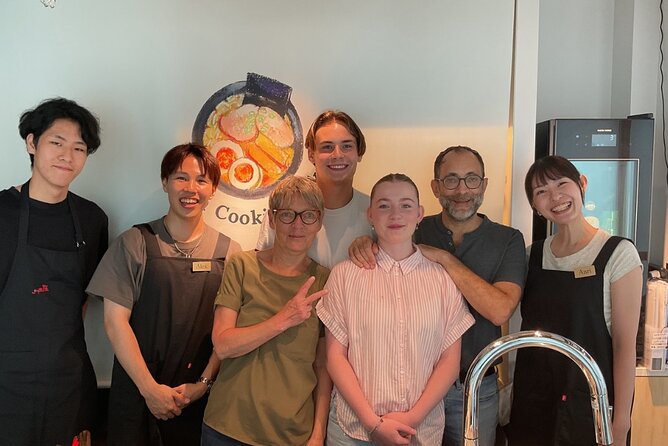
The first moments matter in a class like this. You want clear instructions, a relaxed pace, and enough help at the work surface. The teaching team is described as warm and welcoming, with names including Umi, Kou, Komi, Alissa, Risa, and Namiko appearing in the class experience.
English support is an important practical feature. You can ask questions about ingredients, technique, and Japanese food customs without needing to follow a lesson in Japanese. The hosts also make room for cultural exchange, so the conversation is part of the activity rather than a small extra.
The exact class size deserves attention before you reserve. The main description says the group is capped at four people, which would give the lesson a very intimate feel. The additional booking information says the maximum is eight. That may reflect different class formats or a change in capacity, so ask if you need the smaller arrangement.
Making ramen from scratch
Ramen is a familiar dish to many people, but a cooking lesson lets you look at it from the other side of the bowl. Instead of simply choosing from a menu, you learn how the components become one meal.
The class teaches ramen from scratch, with the instructor guiding you through the process. The supplied details do not list the precise broth, toppings, noodle type, or cooking equipment, so do not book expecting a particular regional style or a fixed recipe. What you can count on is practical instruction and a chance to prepare the dish yourself.
This is useful for beginners because the hosts keep the steps easy to follow. It also gives experienced home cooks a chance to compare their own methods with Japanese cooking habits. The class is not presented as advanced chef training. Its strength is making a well-known dish approachable and repeatable.
I like the fact that the ramen is paired with a cultural explanation. Food in Japan is tied to timing, texture, presentation, and everyday habits. Stories from the hosts help you understand why the dish is prepared in a certain way, rather than treating it as a pile of ingredients and instructions.
Fresh ingredients are another plus. Several comments about the class point to the quality of the food and the care taken with preparation. Since the meal is made and eaten during the class, you can judge the result immediately and ask questions while the process is still fresh in your mind.
Preparing sushi, with gyoza as an option
The second main dish is sushi, giving you a different set of skills from the ramen portion. Ramen teaches you about a composed hot dish. Sushi brings attention to shaping, balance, and presentation.
The class information also mentions optional gyoza. This is worth checking when you book, since the wording presents ramen and sushi as the main pairing while gyoza may be available as an alternative. If your group has a strong preference, ask the host what the current menu will be.
The sushi lesson suits beginners because the instructors explain the work at a manageable pace. The feedback repeatedly points to clear directions and supportive teaching. That matters when you are handling an unfamiliar technique and want to avoid feeling rushed.
For experienced cooks, the value is less about mastering professional sushi technique and more about learning a reliable home version. You get to ask questions, work with the ingredients, and taste the result. The take-home recipe makes the class more useful than a meal that exists only in your memory.
Do not expect this to replace a specialist sushi course. The class is designed as a friendly cultural activity covering multiple dishes in about three hours. Its appeal is variety and participation, not a long technical study of one style.
More Sake and Food Tours in Tokyo:
- Sake Omakase in Tokyo: Guided Tasting by Certified Sommeliers
★ 5.0 · 239 reviews - Tokyo: The Best of Izakaya in Shinjuku Food & Cultural Tour
★ 4.9 · 221 reviews - [1 Group Only] Tokyo Shinjuku Food Tour for Family
★ 5.0 · 147 reviews - Wagyu & Sake Pairing in Shinjuku – Steak, Shabu-Shabu & More
★ 5.0 · 112 reviews
Sake pairing and the social side of the meal
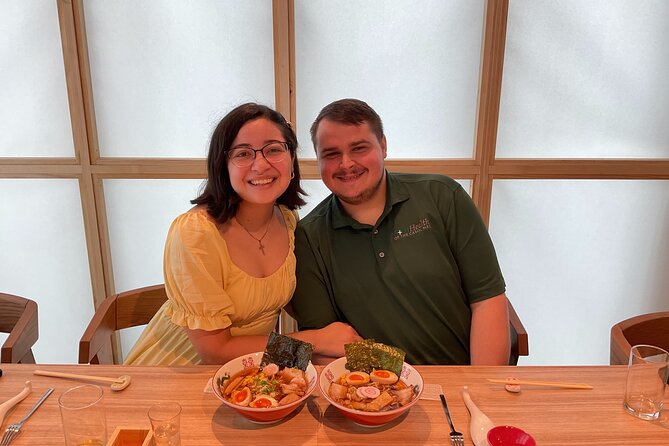
Drinks help set the tone. The class includes unlimited sake pairings, Japanese beer, or non-alcoholic beverages. That gives you a choice, which is useful for children, anyone avoiding alcohol, and people who simply prefer a soft drink.
The sake is meant to accompany the food and conversation. You can compare the drink with the dishes you make, while the hosts explain aspects of Japanese food culture. The available details do not identify particular sake brands or styles, so you should not expect a formal tasting menu with named pours.
This is also one reason the class suits birthdays, honeymoons, and other celebrations. The meal gives you a shared task before you sit down to eat. That tends to create more conversation than simply booking a restaurant table.
Families should note that the experience is described as suitable for all ages and skill levels. Children can take part in the cooking, while adults can enjoy the drinks and cultural discussion. Exact age rules are not provided, so check directly if you are booking for very young children.
Cultural exchange beyond the recipes
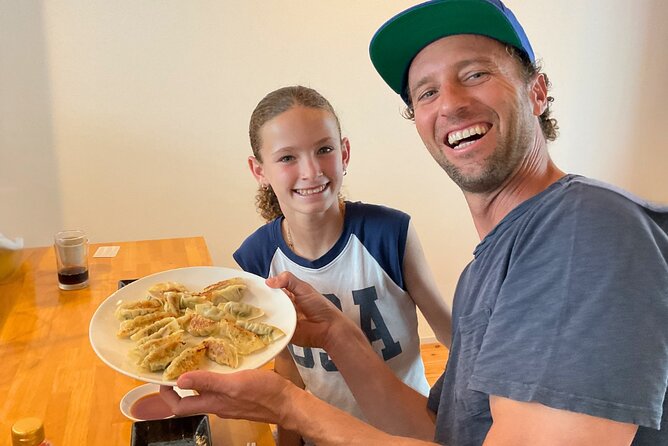
The class theme is Beyond Cooking, Feel the Connection. That idea shows up in the way the experience is described: you are encouraged to talk with the hosts, ask questions, and learn about Japanese culinary traditions while working.
I find this more valuable than a lesson that treats food as a set of mechanical instructions. You learn what you are cooking and also get a small window into how food connects with daily life in Japan. The exchange works both ways, since the hosts welcome conversation about different cultures.
The teaching team’s warmth is a major part of the experience. Umi and Kou are specifically associated with a welcoming atmosphere, while Umi, Komi, and Alissa are praised for making the lesson personal and fun. Risa and Namiko are also noted for explaining things at a good pace and keeping the mood light.
That does not mean every minute will feel equally active. Some time must go into listening, preparing, and waiting for food to cook. If you want nonstop sightseeing or a fast series of photo opportunities, this is the wrong kind of activity. If you enjoy sitting down with people and learning through conversation, the slower rhythm is an advantage.
What you take home besides a full stomach
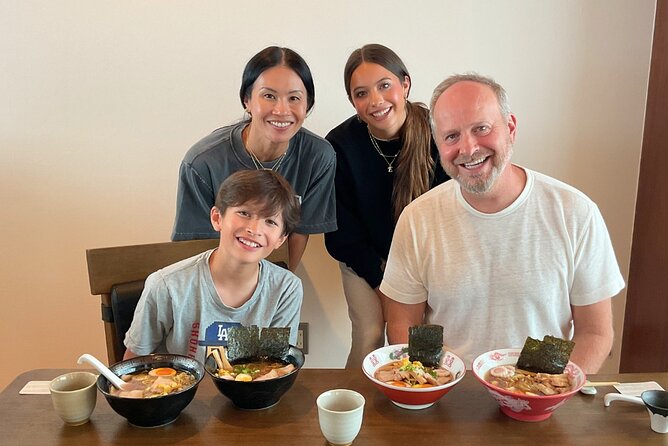
The practical souvenir is the recipe. You receive detailed instructions so you can try the dishes again at home. That is a real benefit for anyone who likes to connect a trip with future meals.
Recipes alone do not guarantee success. Ingredients and equipment at home may differ, and the class details do not promise that every Japanese ingredient will be easy to find elsewhere. Still, making the dishes once under guidance gives you a better starting point than reading a recipe without context.
You also take home a clearer sense of proportion, timing, and method. Those are the parts of cooking that are often hard to learn from a page. If you forget a step, you can refer to the recipe, but the memory of preparing and tasting the food gives it more meaning.
The $79 value and possible limitations
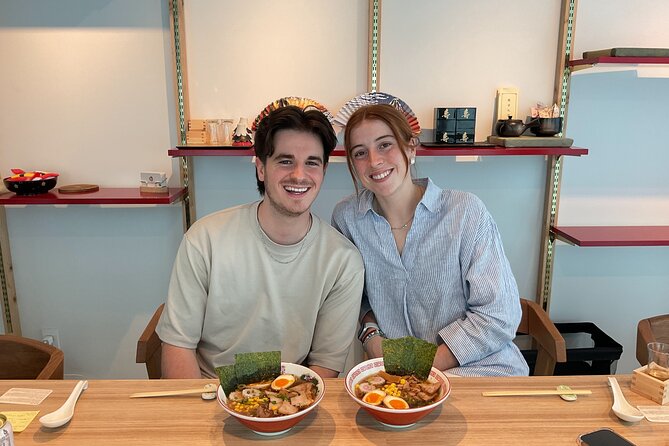
At $79, the experience includes the class, food, all fees and taxes, and the listed drink choices. For a three-hour activity in Tokyo, that is a fair price if you plan to eat the dishes as your meal and want instruction rather than a simple restaurant visit.
The unlimited drink arrangement adds value, especially for adults who enjoy sake or beer. Non-alcoholic drinks keep the price more useful for mixed-age groups, though the exact beverage selection is not stated.
The main limitation is that the included list is brief. Private transportation is not part of the price, and you need to make your own way to Tsukishima. The meeting point is near public transportation, but the experience does not include a hotel pickup.
Another limitation is menu uncertainty around gyoza and group size. The description presents ramen and sushi, with optional gyoza, while the capacity appears in two different forms. Confirm both points before you pay if they are central to your plans.
Cancellation is flexible up to 24 hours before the start time, with a full refund. Cancel within 24 hours, and the payment is not refunded. Changes inside that period are also not accepted, with cut-off times based on local Tokyo time.
Who should book this Tokyo cooking class?
I would recommend it to first-time visitors who want an activity beyond temples, shopping, and restaurant meals. It is also a good fit for couples, families, friends, and people celebrating a birthday or honeymoon.
Beginners should feel comfortable here. The instructions are designed to be easy to follow, and the hosts are attentive and encouraging. Experienced home cooks can enjoy the cultural angle and compare techniques without needing to treat the session as formal culinary school.
It is less suitable if you dislike group activities, do not want to cook on holiday, or need a very specific sushi or ramen curriculum. It may also disappoint anyone expecting a private class unless the smaller group size is confirmed.
Should you book it?
Book this class if you want to cook, eat, and talk with local hosts in one compact Tokyo activity. The combination of ramen, sushi, optional gyoza, drinks, cultural stories, and recipes offers more lasting value than a standard meal.
Before booking, confirm the expected group size and whether your date includes sushi with gyoza as an option. If those details work for you, $79 is a sensible price for three hours of hands-on food, conversation, and a skill you can try again at home.
FAQ
How long does the Tokyo cooking class last?
The class lasts approximately three hours.
What dishes will I learn to make?
You will learn to make ramen and sushi from scratch. Gyoza may be offered as an optional dish, so confirm the current format when booking.
Is the class suitable for beginners?
Yes. The experience is described as suitable for all skill levels, including beginners and experienced cooks.
What drinks are included?
You can enjoy unlimited sake pairings, Japanese beer, or non-alcoholic beverages.
Where does the class begin and end?
It begins at HAUS Tsukishima, 2-chōme 13-5, Tsukuda, Chuo City, Tokyo 104-0051. The activity ends back at the meeting point.
Is transportation included?
Private transportation is not included. The meeting point is near public transportation.
How many people can join the class?
The main description says the group is capped at four people. The additional information lists a maximum of eight travelers, so confirm the expected group size for your date.
Can I cancel for a full refund?
Yes, if you cancel at least 24 hours before the experience start time. Cancellations or changes made within 24 hours are not refunded.
Just added around Tokyo
- Tokyo: Serene Sakura & Sake: An Exclusive Brewery Pairing Lunch★ 5.0 · 2 reviews
- Tokyo Sake Tasting Tour with a Sake Expert★ 5.0 · 7 reviews
- Wagyu BBQ & Sukiyaki with Sake Pairing Experience near Ginza★ 5.0 · 2 reviews
- Japanese Sake Tasting & Wagyu Sukiyaki Cooking Class in Tokyo★ 5.0 · 10 reviews
- Tokyo Izakaya crawl (A tour of 2 izakayas, 1 bar, and a shrine)★ 5.0 · 8 reviews
- Private Tokyo Food Tour – Retro Akabane Izakaya Experience★ 5.0 · 14 reviews
- Tokyo: Learn the Art of Chopsticks in a Cozy Izakaya!★ 5.0 · 2 reviews
- Shinjuku Underground Nightlife Tour: Izakaya Food & Bar Hopping★ 5.0 · 11 reviews
Tokyo Sake Tours, compared.
Best of Shinjuku: Izakaya Food Tour (4 Stops, 14+ Tastings)
Read our review →
Tokyo: Shinjuku Local Bar and Izakaya Guided Walking Tour
Read our review →

Ramen and Sushi Cooking Class with Sake Pairing Set in Tokyo
Read our review →
Sake Tasting Masterclass in Shinjuku (8+ Varieties with a Pro)
Read our review →
Tokyo Washoku 4-hour Cooking Class: From Market to Table
Read our review →
Sake Omakase in Tokyo: Guided Tasting by Certified Sommeliers
Read our review →Browse the lists this tour appears in