
REVIEW · TOKYO SAKE TOURS
Tokyo: Sushi Cooking Class with Sake Tasting
Tokyo’s best food lessons often begin somewhere less glamorous than a famous restaurant. Here, you start at a local supermarket, learning how Japanese cooks choose fish, vegetables, seasonings, and other everyday ingredients before heading to a professional kitchen near Asakusa and Kappabashi.
I like the practical shopping lesson and the clear, hands-on cooking. I also like the sake pairing, with four varieties served alongside the food you prepare. The main drawback is timing: the class starts promptly, and the meeting point near Iriya Station can be confusing because two FamilyMart stores are nearby.
The class suits beginners, families, and curious eaters. Guides such as Tiger, Suzy, Takahito, Mahori, Mihori, Fuji, and Taka have been praised for patience, humor, and careful instruction. You will not just watch someone cook. You will handle the knife, season sushi rice, prepare soup, and sit down to eat your work.
Key points to know before booking
- The supermarket visit comes first: Learn how Japanese cooks select ingredients and see the everyday food culture behind the recipes.
- You prepare more than sushi: The menu can include sushi rolls, miso soup, eggplant dengaku, dashimaki tamago, and small traditional dishes.
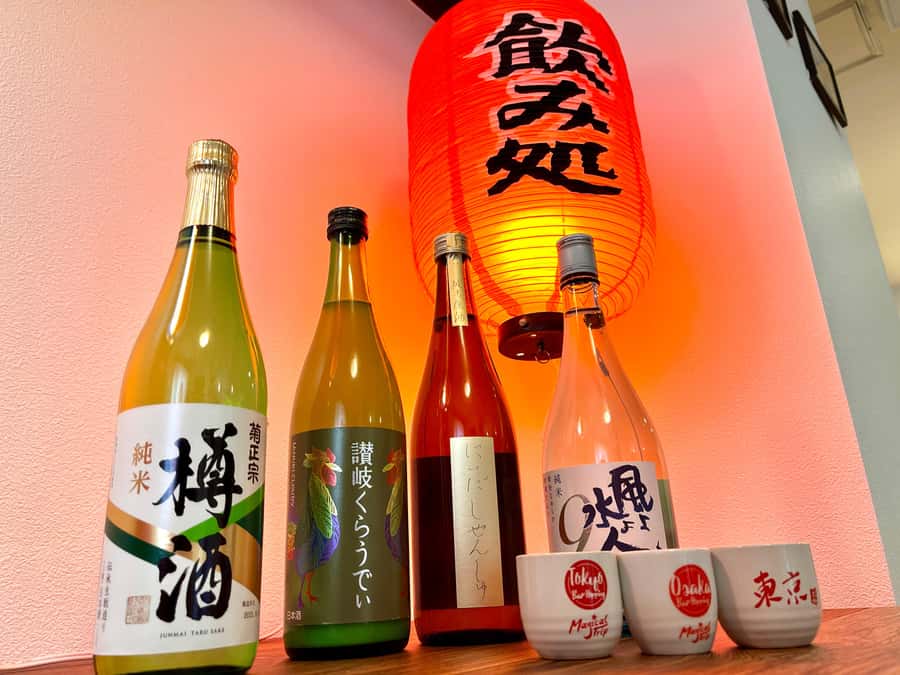
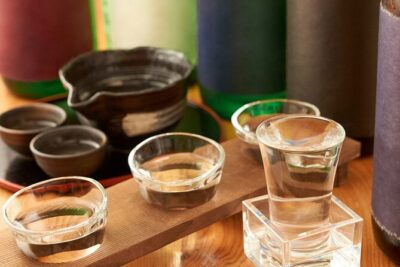
- Four kinds of sake are included: Taste different varieties and pair them with sushi and Japanese food.
- The small group stays personal: The class is limited to seven people, so you should have room to ask questions and practice.
- Children can take part: A kids playroom is available, and guides have helped young children participate.
- You get recipes for home: The class gives you a useful way to repeat the dishes after returning home.
From Iriya Station to the supermarket
The meeting point is in front of the FamilyMart beside the Gindako takoyaki shop and Doutor Coffee at Iriya Station Exit 2. This detail matters. There are two FamilyMart stores at Iriya Station, so do not simply walk to the first one you see.
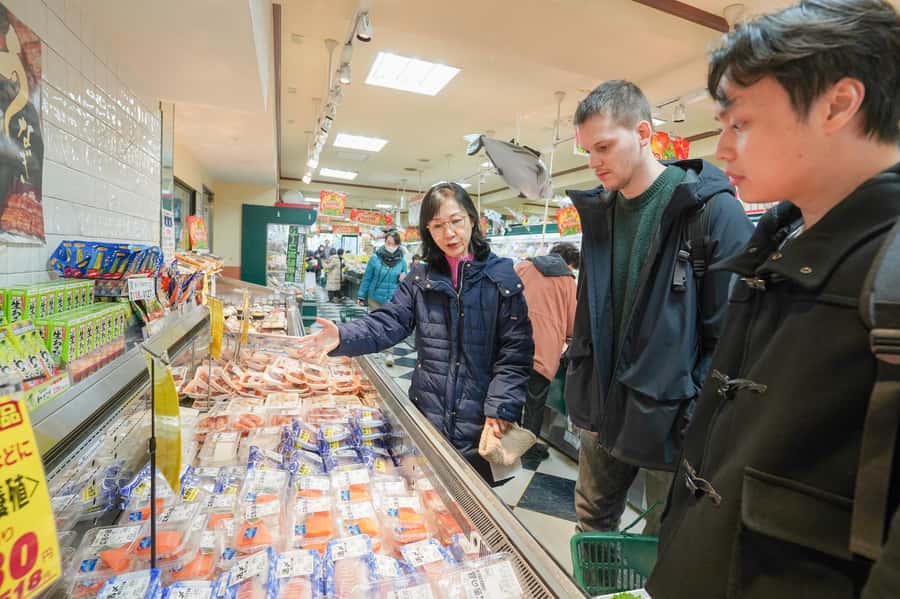
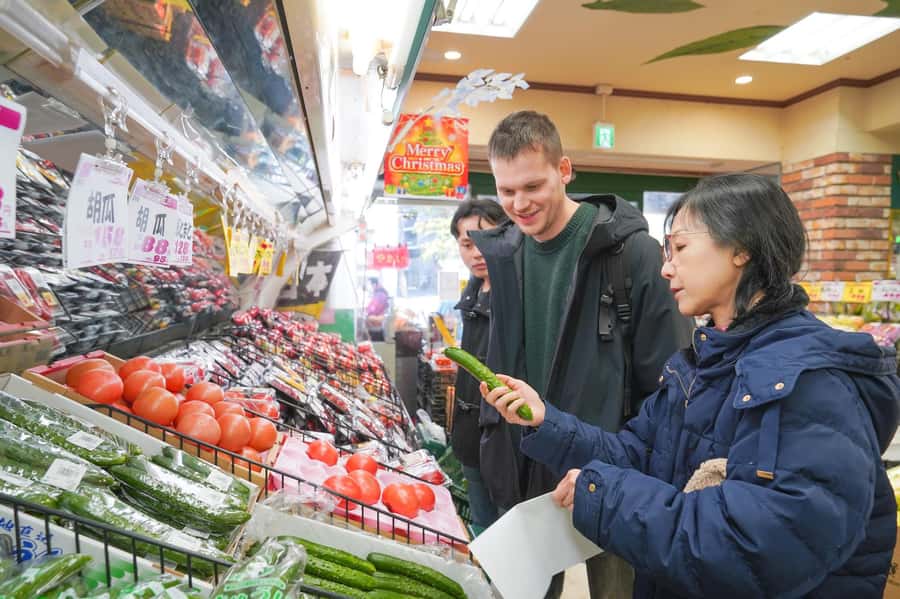
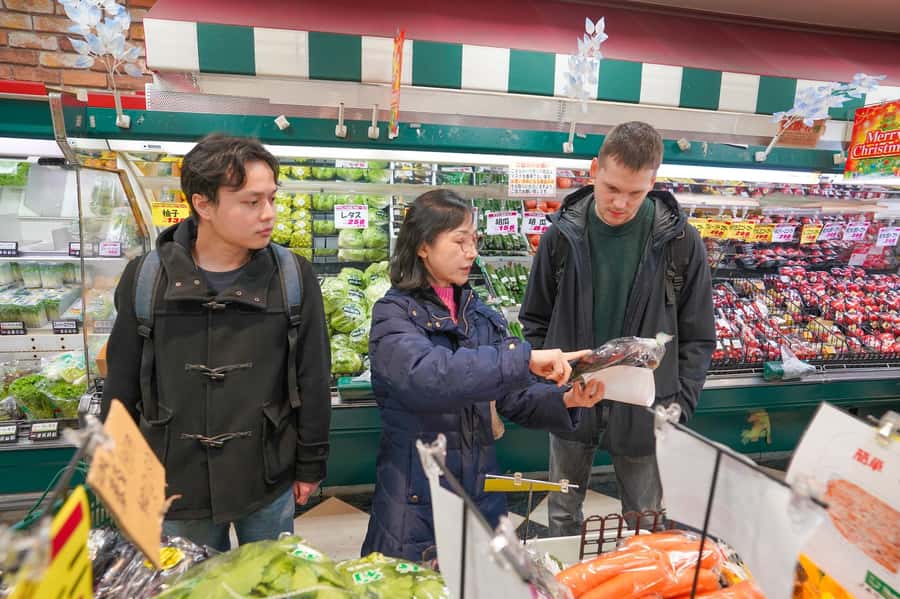
The class begins with a short walk through a local supermarket. This is one of the strongest parts of the experience because it puts Japanese food in an everyday setting. Rather than seeing only polished restaurant dishes, you get a look at the ingredients people buy for home cooking.
Your guide explains how to choose fresh items and points out seasonings and products that may be unfamiliar. The supplied information does not promise a fixed shopping list, so the exact ingredients can vary. That flexibility is useful: Japanese supermarkets carry a wide range of meats, fish, vegetables, and specialty items, and the class can respond to what is available.
I especially like this part for first-time visitors who want food knowledge they can use beyond one meal. A sushi restaurant teaches you what to order. A supermarket visit gives you a better sense of how Japanese meals begin.
The walking portion is not described as long, but Tokyo’s streets and shops can still require attention. Wear comfortable shoes, keep water with you during hot and humid summer weather, and arrive early enough to find the correct meeting point without stress.
More Sake Tastings in Tokyo:
- Best of Shinjuku: Izakaya Food Tour (4 Stops, 14+ Tastings)
★ 5.0 · 1,863 reviews - Ramen and Sushi Cooking Class with Sake Pairing Set in Tokyo
★ 5.0 · 291 reviews - Sake Tasting Masterclass in Shinjuku (8+ Varieties with a Pro)
★ 5.0 · 271 reviews
Learning basic Japanese kitchen skills
After shopping, you move to a professional kitchen studio in the Asakusa and Kappabashi area. Kappabashi is known for restaurant supplies, making it a fitting place for a cooking class. The activity lasts four hours, including the food preparation, sake tasting, and lunch.
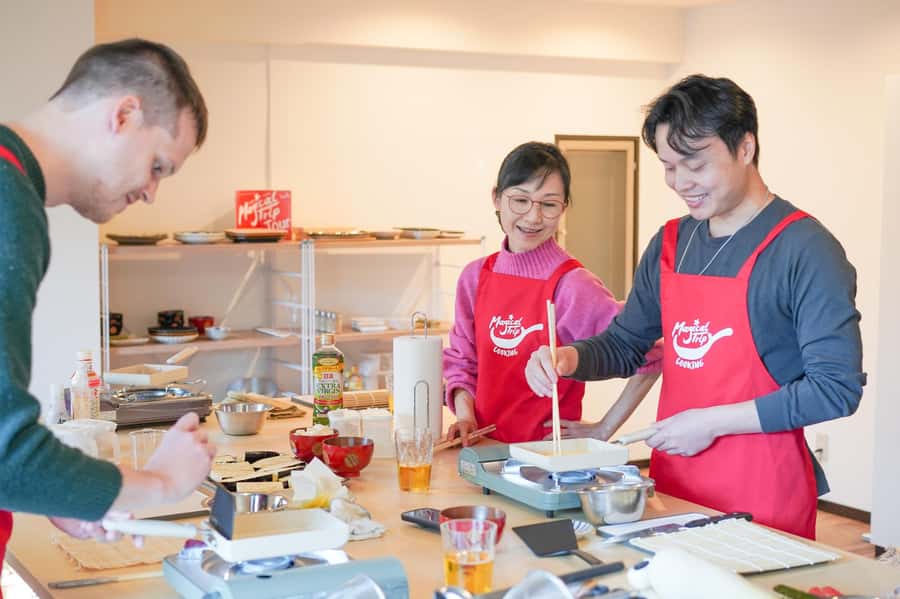
The instruction begins with basics. If you are not confident with a kitchen knife, you learn how to hold it properly before moving into preparation. That approach makes the class friendly to complete beginners, while still giving experienced home cooks useful Japanese methods.
You work on sushi rice seasoned with vinegar and learn how to prepare dashi, the stock used as a base for miso soup. These small foundations matter. Sushi is not only about rolling ingredients neatly. Rice texture, seasoning, and handling determine much of the final result.
The guides are a major part of the class. Tiger was praised for making the cultural and food lessons fun. Suzy helped participants get the most from the session, while Takahito was noted for patience and careful guidance. Mahori made the process comfortable for adults and a young child, and Fuji worked well with two boys by explaining each step at a manageable pace.
Those details suggest a class that adjusts to the group rather than rushing through a fixed demonstration. That is important in a kitchen lesson. A fast teacher can make a simple recipe feel difficult, while a patient one lets you understand why each step matters.
Making sushi, soup, and home-style dishes
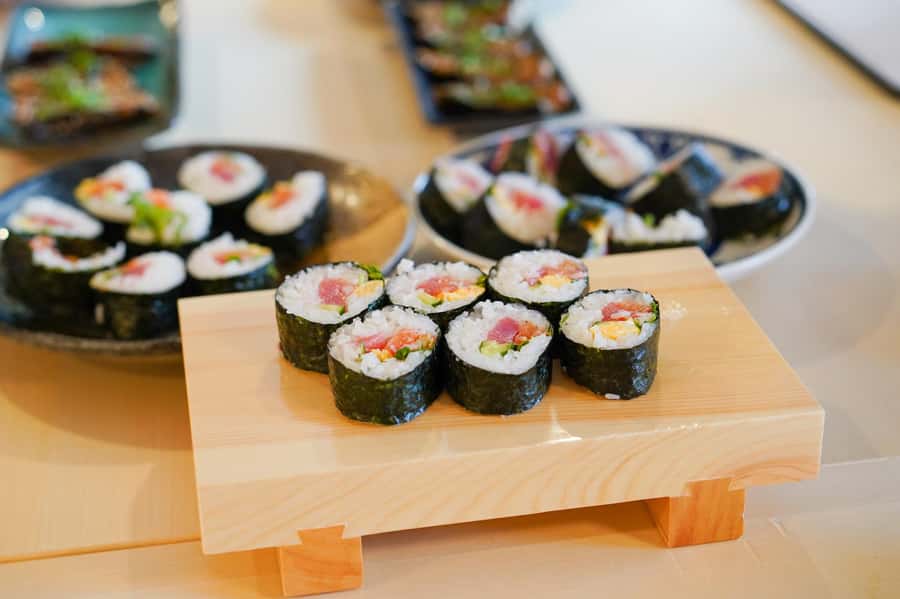
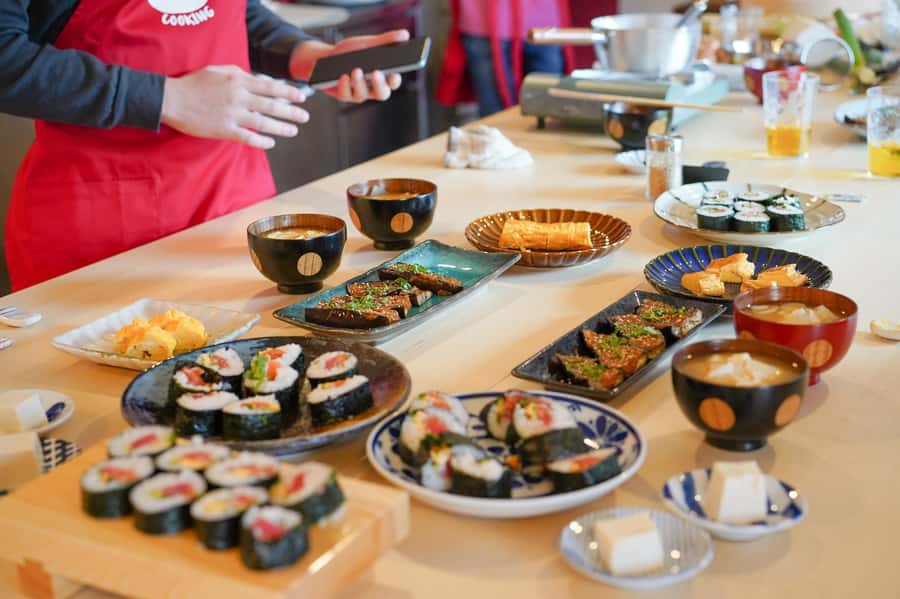
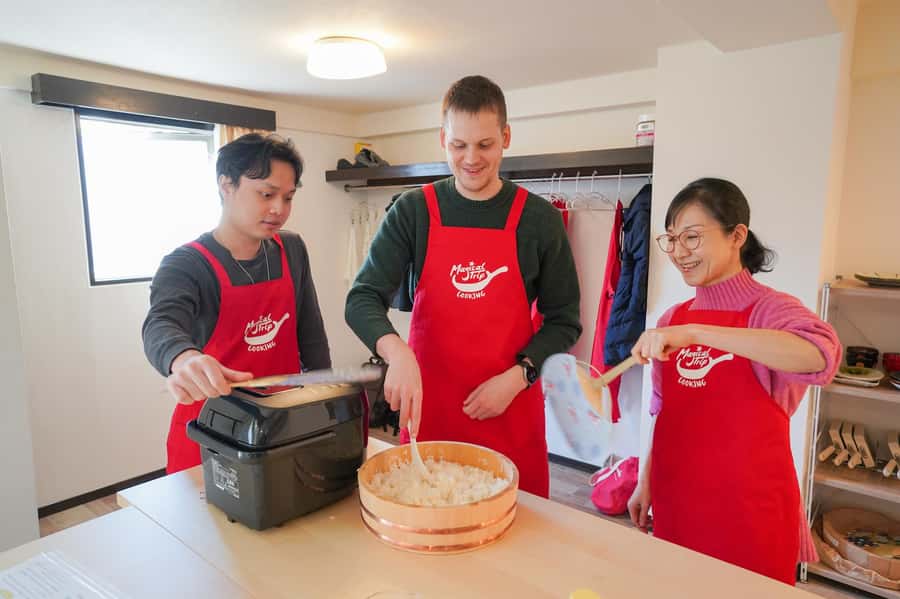
Sushi is the headline attraction, but it is only part of the meal. You prepare sushi rolls along with miso soup, small dishes, eggplant dengaku, and dashimaki tamago, a Japanese rolled omelet.
The menu gives you a better picture of Japanese home cooking than a sushi-only workshop would. Miso soup introduces dashi and seasoning. Eggplant dengaku shows how a simple vegetable can become a substantial side dish with a savory miso topping. Dashimaki tamago teaches a technique that looks easy until you try to roll a soft egg mixture into neat layers.
You should expect active participation rather than a lecture. The class is designed for you to handle ingredients and follow the recipes with help from the guide. The food is then served as lunch, giving you time to taste the results together.
This meal is also where the class earns much of its price. You receive a four-hour activity, ingredients, instruction, lunch, tea, photos, and four sake tastings for $112 per person. That is not a budget snack or a quick demonstration, but it is reasonable if you value instruction, a meal, and a small-group setting in central Tokyo.
The recipes are supplied afterward, which adds lasting value. You can try the dishes again at home rather than leaving with only a few photographs. You may not reproduce every ingredient easily, but the basic methods for rice, soup, egg, and vegetable dishes can travel well.
Four sake pairings with lunch
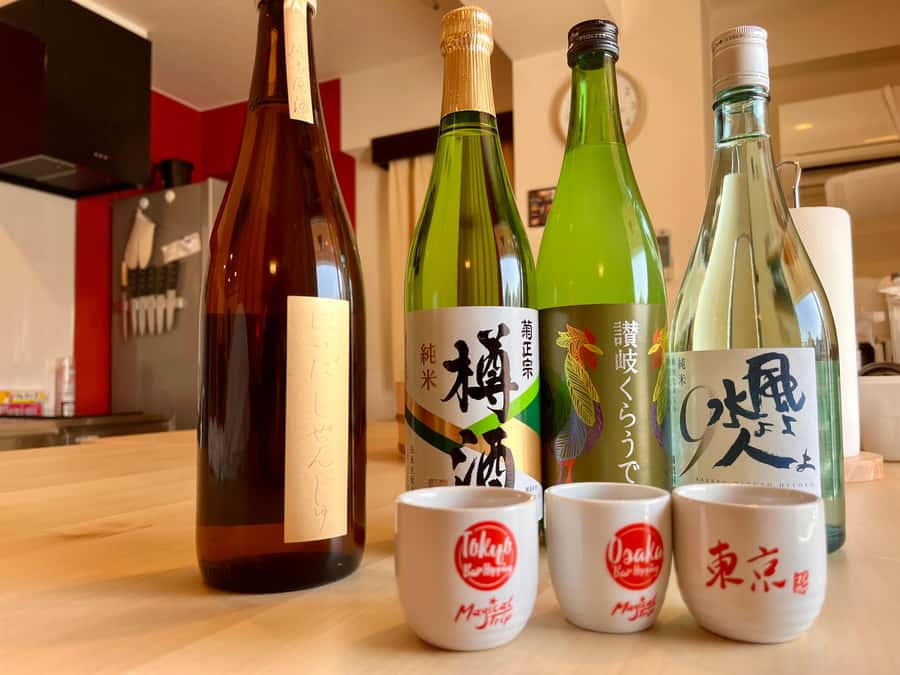
The sake tasting adds a useful cultural layer to the meal. You choose a favorite from four varieties, then pair sake with sushi and traditional Japanese dishes.
The available information does not identify the four labels or explain how each one tastes, so you should not book this expecting a formal lesson on sake production. Think of it as a guided tasting connected to lunch. You get to compare styles and see how the drink works with food.
That pairing is more helpful than tasting sake in isolation. Sushi, miso soup, eggplant, and rolled egg each have different textures and levels of salt and sweetness. Trying sake beside the meal gives you a practical reason to notice the differences.
Tea is also included, which is useful for anyone who prefers a nonalcoholic drink during part of lunch. The class is not described as an unlimited alcohol experience, so pace yourself and treat the sake as part of the food lesson.
More Cooking Classes in Tokyo:
- Tokyo Washoku 4-hour Cooking Class: From Market to Table
★ 5.0 · 253 reviews - Tokyo: Sushi and Ramen Cooking Class with Sake Pairing Set
★ 5.0 · 81 reviews - Tokyo Night Cooking Class: 5 Home-Cooked Japanese Dishes
★ 5.0 · 70 reviews - Tokyo Sushi Making Class : Sake Ceremony & Matcha Experience
★ 5.0 · 44 reviews
A small class that works for families
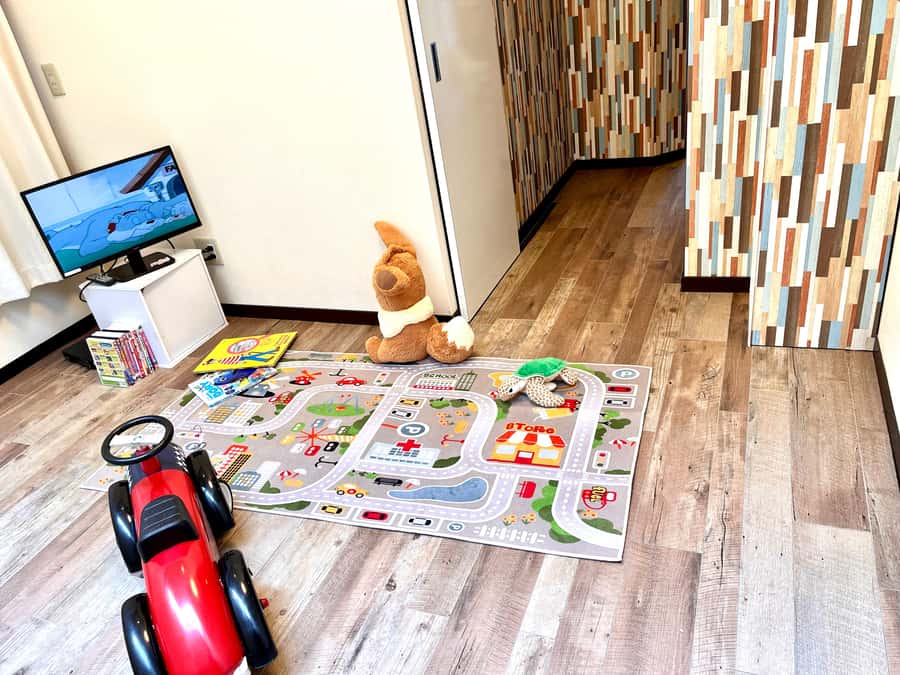
The group is limited to seven participants. That size should give you more access to the guide than a large cooking school, especially when you need help with knife work, sushi rolling, or the omelet.
The class welcomes all ages, and a kids playroom is available. Young children have been included successfully, with guides helping them take part without leaving adults to manage every step. Still, parents should note that cooking involves knives, hot surfaces, and food preparation. The material says children can join, but it does not promise a separate children’s curriculum.
Vegan and vegetarian participants are welcome, and the organizers arrange ingredients and the cooking process for those diets. Allergy advice is more cautious. The kitchen does not belong to the activity provider, substitutions may not always be possible, and an allergy-free meal cannot be guaranteed.
If you have a serious allergy, contact the provider before booking and explain the issue clearly. Do not assume that a vegetarian adjustment also solves cross-contact concerns. The class may try to help at different stops, but the information specifically warns that full accommodation is not guaranteed.
Getting there, staying on time, and planning around Tokyo
The tour starts and ends at the same Iriya meeting point. It does not finish at the kitchen studio, so plan for a return to the station area after lunch and the class.
The studio is near Asakusa and Kappabashi, giving you a useful option after the activity. You can continue with sightseeing or shopping in Asakusa, including a look at the restaurant-supply shops around Kappabashi. That sightseeing is not part of the four-hour guided activity, but the location makes it easy to add to your day.
Arrive early. The class starts on time, and the stated policy is strict: if you miss the group because you are late, you cannot join, reschedule, or receive a refund. This is especially important if you are navigating Tokyo transit with children or luggage.
The itinerary includes places that are not accessible by wheelchair or stroller. If mobility access matters to you, ask for specific details before booking. The general statement does not identify which portions create the difficulty, so you should not assume the full route is step-free.
The cancellation policy is flexible up to 24 hours before the activity for a full refund. You can also reserve and pay later, which helps if your Tokyo schedule is still changing.
What the $112 price really gets you
At $112, this is a full half-day food experience rather than a simple cooking lesson. The price includes ingredients, lunch, tea, four sake tastings, a local English-speaking guide, photos, and recipes.
The value is strongest if you want several things at once: a look at a Japanese supermarket, practical cooking instruction, a meal, and cultural context. Buying a restaurant lunch and booking a separate sake tasting could quickly approach the same cost, but neither would teach you how to make the food.
The value is weaker if you only want to eat sushi or take a short class. Four hours requires a real block in your Tokyo schedule, and some people may prefer a restaurant meal with no preparation work.
I would also remember that the final dishes depend partly on your own participation. This is not a polished tasting menu prepared entirely by a chef. That is the point, but it means the experience is best for people who enjoy learning by doing.
Who should book this cooking class?
I would recommend it to first-time visitors who want a grounded introduction to Japanese food. It works particularly well for couples, small groups of friends, families with older children, and solo visitors who like meeting people in a small setting.
It is also a good choice if you want to understand Japanese food beyond sushi. The miso soup, eggplant dengaku, and dashimaki tamago broaden the lesson and give you recipes you can practice later.
You may want to skip it if your schedule is packed, if you need a fully wheelchair-accessible route, or if severe allergies make shared kitchen conditions unsafe. It is also not ideal for someone seeking a highly technical chef-training course, since the emphasis is on accessible home cooking.
The guides receive strong praise for patience, clear explanations, and friendly teaching. That matters more here than fancy equipment. A good cooking class leaves you willing to try the recipe again, and the careful instruction from guides such as Suzy, Fuji, Mihori, and Taka appears designed to do exactly that.
Should you book it?
Book this class if you want to shop, cook, eat, and learn in one well-planned Tokyo morning or afternoon. The supermarket visit gives the experience an everyday Japanese feel, while the small group and patient guides make the cooking approachable.
I would book it early if you are traveling with children or need a vegetarian arrangement, then arrive well before the meeting time at the correct FamilyMart. For $112, you receive more than a meal: you get practical skills, four sake pairings, recipes, and a food memory you can recreate at home.
FAQ
Where does the sushi cooking class meet?
It meets in front of the FamilyMart next to the Gindako takoyaki shop and Doutor Coffee at Iriya Station Exit 2. Two FamilyMart stores are near Iriya Station, so use the one beside those two businesses.
How long does the activity last?
The activity lasts four hours. Starting times vary, so check availability when booking.
What language is the class offered in?
The class is conducted in English with a live local guide.
How many people can join?
The activity is limited to seven participants, although other participants may be part of your group.
What food will I learn to prepare?
The class can include sushi rolls, miso soup, eggplant dengaku, dashimaki tamago, and other small Japanese dishes.
Is lunch included?
Yes. The cooking experience includes lunch made during the class, as well as tea.
How many kinds of sake are included?
Four kinds of sake are included in the tasting and pairing experience.
Can children join the activity?
Yes. All ages can join, and a kids playroom is available. Guides have also helped young children participate in the cooking class.
Can vegan and vegetarian participants take part?
Yes. Vegan and vegetarian participants are welcome, and the organizers arrange ingredients and the cooking process for them.
Are allergies fully accommodated?
Allergy-free food cannot be guaranteed. The food is prepared in kitchens that do not belong to the activity provider, substitutions may not always be possible, and serious dietary concerns should be discussed before booking.
What happens if I arrive late?
The class starts on time. If you miss the group because you are late, you cannot join the activity, reschedule, or receive a refund.
Is the tour wheelchair and stroller accessible?
Some locations on the route are not accessible by wheelchair or stroller. Ask for more details before booking if access is important to you.
Can I cancel for a full refund?
You can cancel up to 24 hours in advance for a full refund. Reserve-now, pay-later booking is also available.
More Sake and Food Tours in Tokyo
- Sake Omakase in Tokyo: Guided Tasting by Certified Sommeliers
★ 5.0 · 239 reviews - Tokyo: The Best of Izakaya in Shinjuku Food & Cultural Tour
★ 4.9 · 221 reviews - [1 Group Only] Tokyo Shinjuku Food Tour for Family
★ 5.0 · 147 reviews - Wagyu & Sake Pairing in Shinjuku – Steak, Shabu-Shabu & More
★ 5.0 · 112 reviews
Just added around Tokyo
- Tokyo: Serene Sakura & Sake: An Exclusive Brewery Pairing Lunch★ 5.0 · 2 reviews
- Tokyo Sake Tasting Tour with a Sake Expert★ 5.0 · 7 reviews
- Wagyu BBQ & Sukiyaki with Sake Pairing Experience near Ginza★ 5.0 · 2 reviews
- Japanese Sake Tasting & Wagyu Sukiyaki Cooking Class in Tokyo★ 5.0 · 10 reviews
- Tokyo Izakaya crawl (A tour of 2 izakayas, 1 bar, and a shrine)★ 5.0 · 8 reviews
- Tokyo: Learn the Art of Chopsticks in a Cozy Izakaya!★ 5.0 · 2 reviews
- Shinjuku Underground Nightlife Tour: Izakaya Food & Bar Hopping★ 5.0 · 11 reviews
- Private Tokyo Food Tour – Retro Akabane Izakaya Experience★ 5.0 · 14 reviews
Tokyo Sake Tours, compared.
Best of Shinjuku: Izakaya Food Tour (4 Stops, 14+ Tastings)
Read our review →
Tokyo: Shinjuku Local Bar and Izakaya Guided Walking Tour
Read our review →

Ramen and Sushi Cooking Class with Sake Pairing Set in Tokyo
Read our review →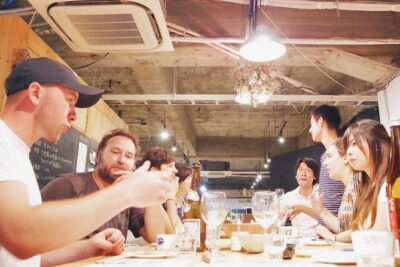
Sake Tasting Masterclass in Shinjuku (8+ Varieties with a Pro)
Read our review →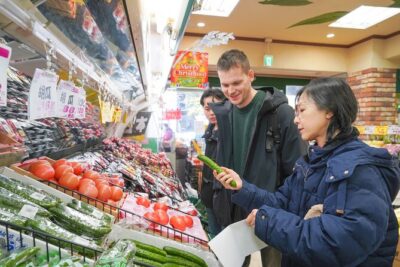
Tokyo Washoku 4-hour Cooking Class: From Market to Table
Read our review →
Sake Omakase in Tokyo: Guided Tasting by Certified Sommeliers
Read our review →Browse the lists this tour appears in