
REVIEW · TOKYO SAKE TOURS
Wagyu & Sake 8 Course Tasting Dinner in Shinjuku
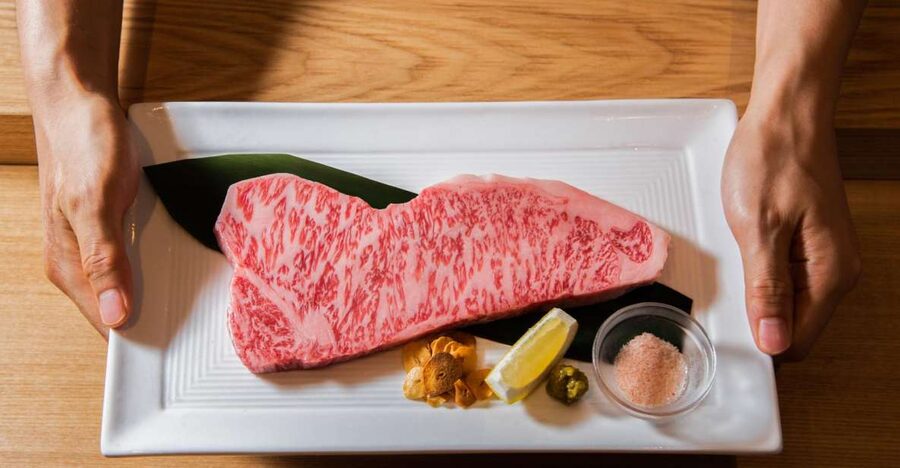
Japan’s finest beef takes center stage here, but the real point is the conversation between wagyu and sake. Over roughly two and a half hours, you taste several beef cuts, traditional preparations, sake served in different styles, and original cocktails designed to match the food.
I like two things in particular: the small group, limited to eight, keeps the English guide close at hand, and the tasting gives you a useful introduction to how sake changes with different foods. Hosts such as Chizuru and Joe have been praised for clear explanations, warm hosting, and strong pairing advice.
The main caution is that the meal may not feel like eight wagyu courses to everyone. One detailed assessment found only three or four courses were actually wagyu, with other dishes making up the rest, and some cuts may be quite fatty. At $145 per person, that distinction matters.
Key points to know before booking
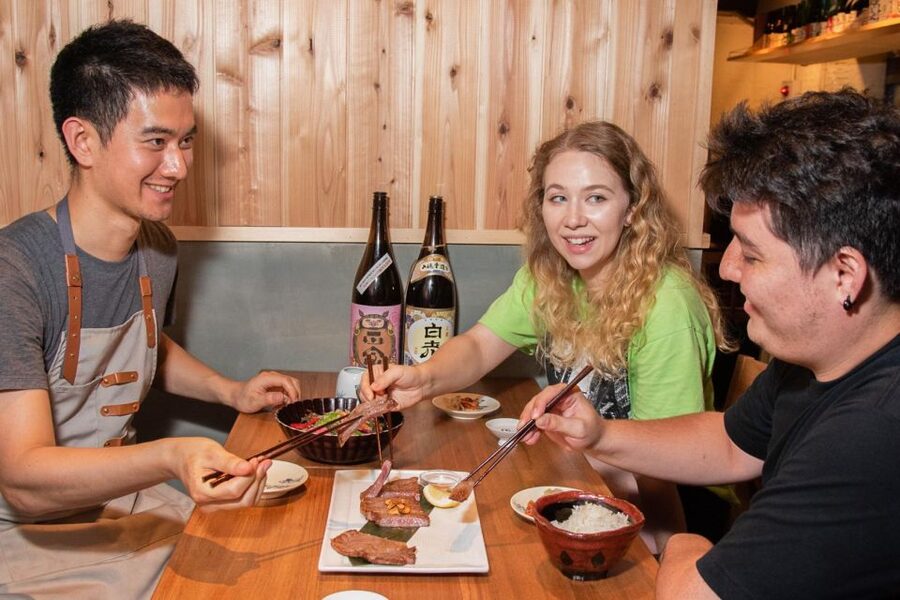
- Regional wagyu tasting: The beef is selected from the best cuts available in Tokyo at the time, so the exact menu can change.
- Sake pairing lesson: You sample Japanese craft sake in several forms, including cocktails made for the beef.
- Small English-speaking group: The group is limited to eight, giving you plenty of time to ask questions.
- 150-minute meal: This is a slow tasting rather than a quick dinner, with appetizers, beef dishes, sake, and dessert.
- A food education as much as a meal: You learn about wagyu’s regional differences, production, history, and serving styles.
- Important dietary limit: There are no vegetarian, vegan, or pescatarian alternatives, and the experience is for adults 18 and over.
Starting at Ushinobi Sake Bar in Shinjuku
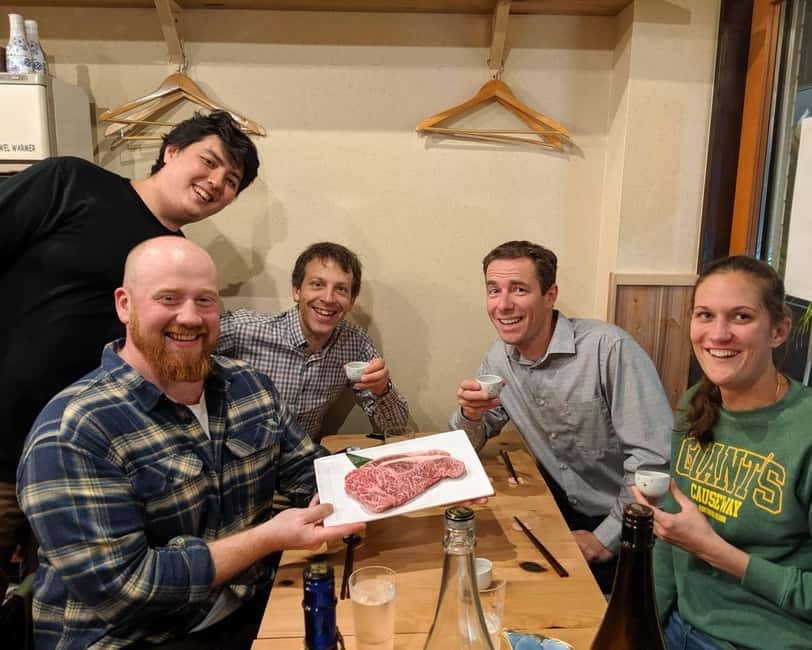
The meeting point is Ushinobi Sake Bar on the second floor in Shinjuku. The closest station is Okubo, station code JB09, using the South Exit.
Give yourself extra time to find the entrance. It is somewhat tucked away, and the venue provides a separate image guide because the doorway is not immediately obvious. You enter the restaurant directly on the second floor, rather than looking for a street-level tour desk.
That small bit of preparation can make a difference. Shinjuku has plenty of signs, lanes, buildings, and station exits competing for your attention. Save the map link before leaving your hotel, check the entrance image, and arrive with enough time to locate the building without rushing into the first course.
The format suits people who prefer a seated food experience to a long walking tour. Once inside, you remain at the sake bar for the full 150 minutes, with the host guiding the meal and explaining the dishes as they arrive.
More Sake Tastings in Tokyo:
- Best of Shinjuku: Izakaya Food Tour (4 Stops, 14+ Tastings)
★ 5.0 · 1,863 reviews - Ramen and Sushi Cooking Class with Sake Pairing Set in Tokyo
★ 5.0 · 291 reviews - Sake Tasting Masterclass in Shinjuku (8+ Varieties with a Pro)
★ 5.0 · 271 reviews
What the eight-course format really means
The experience is described as an eight-course meal featuring multiple cuts of high-quality wagyu, appetizers, and dessert. The menu is based on the best wagyu cuts available in Tokyo’s market, so you should expect some variation rather than a fixed list of named cuts.
That flexibility is useful for a tasting focused on current quality. It also means you cannot count on a specific region, cut, or cooking method unless the provider confirms it before your booking. The point is to compare beef and preparation styles, not simply order one familiar steak.
You may taste wagyu prepared in several traditional and authentic ways. The cooking changes the texture, fat, aroma, and finish of each piece, giving you a better sense of why the cut matters. A richly marbled piece can taste very different from a leaner one, even when both are excellent beef.
Still, keep the wording in perspective. One careful assessment found that only three or four of the courses were actually wagyu, while the remaining courses were other dishes. That does not make the dinner poor, but it does mean the advertised eight-course format should not be read as eight separate wagyu servings.
If your main goal is to eat a large amount of premium beef, this may not be the right use of $145. If you want a guided meal that places wagyu alongside small dishes, sake, and dessert, the broader format makes more sense.
Learning why wagyu tastes so different
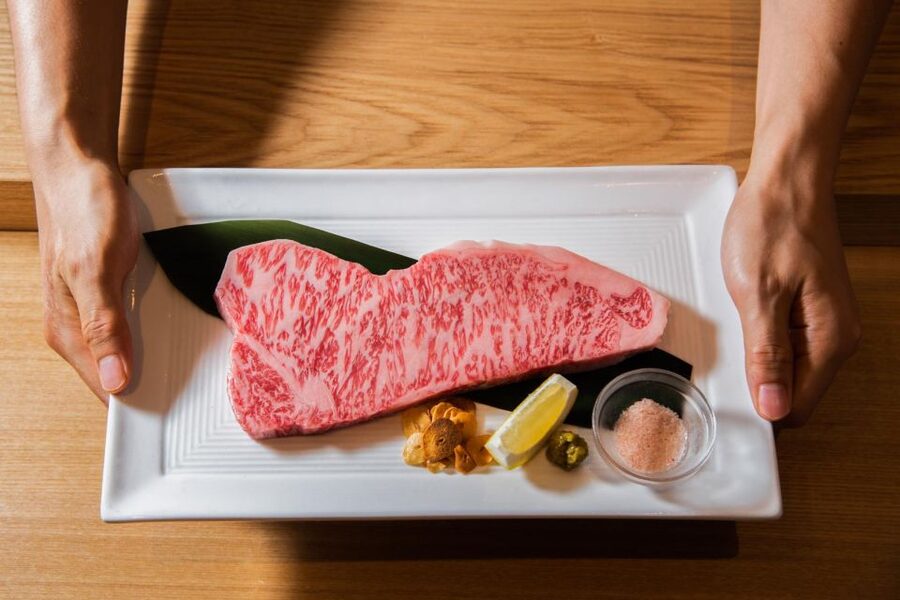
The guide explains what makes wagyu a prized Japanese food, including its regional differences and the ways it is best enjoyed. You learn to pay attention to qualities beyond simple tenderness, such as marbling, richness, texture, and the effect of cooking.
The regional angle is useful because wagyu is not one single flavor. Beef from different parts of Japan can have different levels of fat and different textures, and the menu may include more than one regional style depending on what is available in Tokyo.
The lesson also helps you avoid treating wagyu as just an expensive steak. A small portion of a highly marbled cut can be very rich, so the meal’s pacing and side dishes matter. The appetizers and dessert provide breaks from the beef, while the sake gives you another way to reset your palate.
The teaching appears to be one of the strongest parts of the evening. Joe has been praised for using slides and notes to explain wagyu and sake, while Chizuru has been singled out for making people feel welcome and sharing plenty of facts. The host is not simply dropping plates at the table. You are encouraged to ask questions and understand what you are tasting.
Because the group is capped at eight, the setting should feel more like a guided tasting than a large restaurant presentation. That size is especially useful if you are curious about sake but do not know the vocabulary yet.
How the sake pairing works
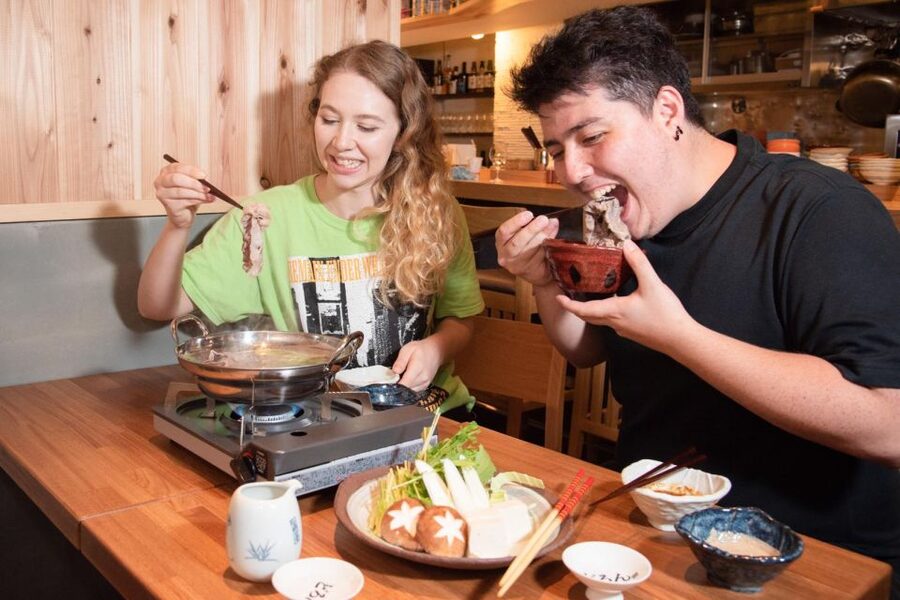
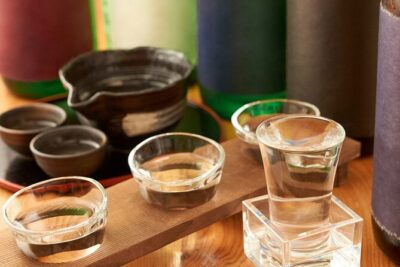
Sake is served with the meal in several different ways. You may try Japanese craft sake on its own, with food, and in original cocktails designed to work with wagyu.
This is a good setup for a first sake lesson because it lets you compare how the drink behaves beside fatty, savory food. Instead of asking you to decide if you simply like sake, the host shows you how a particular style can work with a particular dish.
The pairing also gives the meal a clear purpose. You are not just tasting a series of expensive drinks. You are considering how sweetness, dryness, aroma, and serving style affect the beef and other food on the plate.
The experience includes a limited sake pairing, but extra drinks cost more and are not included. If you already know you want several additional pours, budget for them separately. Soft drinks are available in a limited way, though this is clearly an alcohol-focused tasting.
Sake is not to everyone’s taste. One assessment found the different variations useful to try but did not enjoy the drinks personally. That is a fair warning. You do not need to arrive as a sake fan, but you should be open to tasting styles that may not suit you at first.
The original cocktails may be the easiest entry point for some people, since they offer a familiar format while still showing how sake can accompany beef. The host can explain the purpose of each pairing, which makes the tasting more useful than sampling drinks without context.
More Sake and Food Tours in Tokyo:
- Sake Omakase in Tokyo: Guided Tasting by Certified Sommeliers
★ 5.0 · 239 reviews - Tokyo: The Best of Izakaya in Shinjuku Food & Cultural Tour
★ 4.9 · 221 reviews - [1 Group Only] Tokyo Shinjuku Food Tour for Family
★ 5.0 · 147 reviews - Wagyu & Sake Pairing in Shinjuku – Steak, Shabu-Shabu & More
★ 5.0 · 112 reviews
The food, from first bite to dessert
The full meal includes appetizers, several wagyu preparations, sake pairings, and dessert. Since the menu follows market availability, the exact order and ingredients can change.
The opening dishes help set the pace. Rather than beginning with the richest beef and wearing out your palate early, the meal builds through smaller servings and different flavors. The appetizers also make the dinner feel like a complete Japanese meal instead of a series of meat samples.
The wagyu courses are the main event. Expect the guide to draw attention to differences among cuts and methods of preparation. One bite might highlight the beef’s natural flavor, while another may show how a traditional preparation changes its texture or how a drink can cut through its richness.
The main issue is fatty texture. Some diners love heavily marbled wagyu because it feels soft and luxurious. Others find very fatty cuts overwhelming, especially when several rich bites appear in one sitting. If you prefer lean meat, tell the host early and ask what you are being served, though the available menu may limit what can be changed.
Dessert brings the meal to a close and gives you a cleaner final note after the beef and sake. The provided details do not specify the dessert, so do not book this expecting a particular Japanese sweet or a fixed ending.
I would judge the food as part of the entire lesson, not as a stand-alone fine-dining dinner. The guide’s explanation, the sake comparisons, and the chance to taste several preparations are central to the price. If you ignore those parts and compare the dinner only with a steakhouse meal, the value may feel less convincing.
Is $145 a fair price?
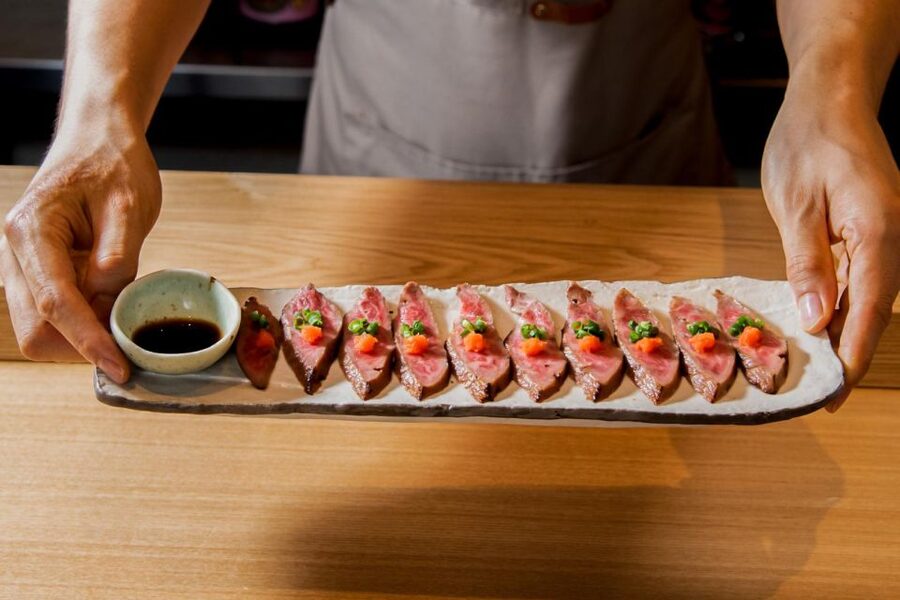
At $145 per person, this is a special-occasion experience rather than a casual dinner. The price covers the eight-course meal, the limited sake pairing, and an English-speaking guide for about 150 minutes.
The value is strongest if you want three things at once: premium Japanese beef, a structured sake tasting, and an expert-led explanation. You would pay separately for food and drinks at many restaurants, but you would not necessarily receive this level of focused instruction.
The price is less attractive if you mainly want a large portion of wagyu. The meal includes non-wagyu courses, and the exact menu depends on market availability. One assessment found that the dinner did not feel like an eight-course wagyu meal and felt too expensive for the amount and quality of beef received.
I would also think about your attitude toward alcohol. The sake pairing is a major part of the evening, not a minor extra. If you do not drink sake, or if you dislike fatty beef, much of what you are paying for will have less appeal.
For an anniversary, a first night in Tokyo, or a food-focused evening in Shinjuku, the cost can be reasonable. For a budget meal or a straightforward introduction to wagyu, you can likely find simpler options.
Who will enjoy this most
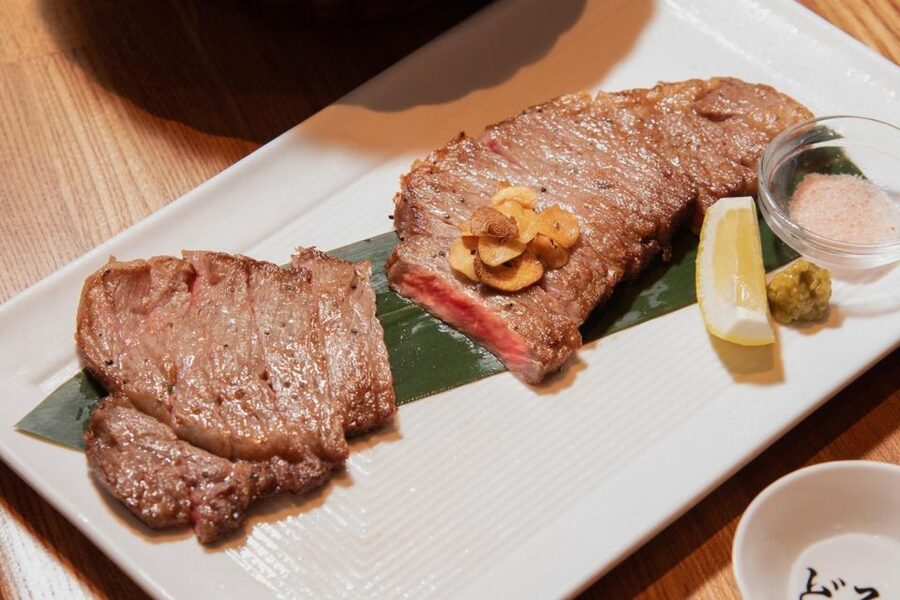
This experience suits adults who like guided tastings and want a better grasp of Japanese food culture. It works particularly well for someone who has tried wagyu before but knows little about sake, or for a sake beginner who wants a clear reason to compare several styles.
You should also enjoy asking questions. The best part of a small group is the chance to interact with the host, and the strongest feedback centers on the warmth, enthusiasm, and teaching ability of hosts such as Joe and Chizuru.
It is a good choice for couples and small groups who want one planned evening rather than a restaurant search. With only eight places, the atmosphere should be more personal than a large food tour, though the exact mix of people can change from one date to another.
This is not suitable for children under 18 or pregnant women. There are no pescatarian, vegetarian, or vegan options, so the menu only works if you eat beef and the other included dishes.
Practical details for a smoother evening
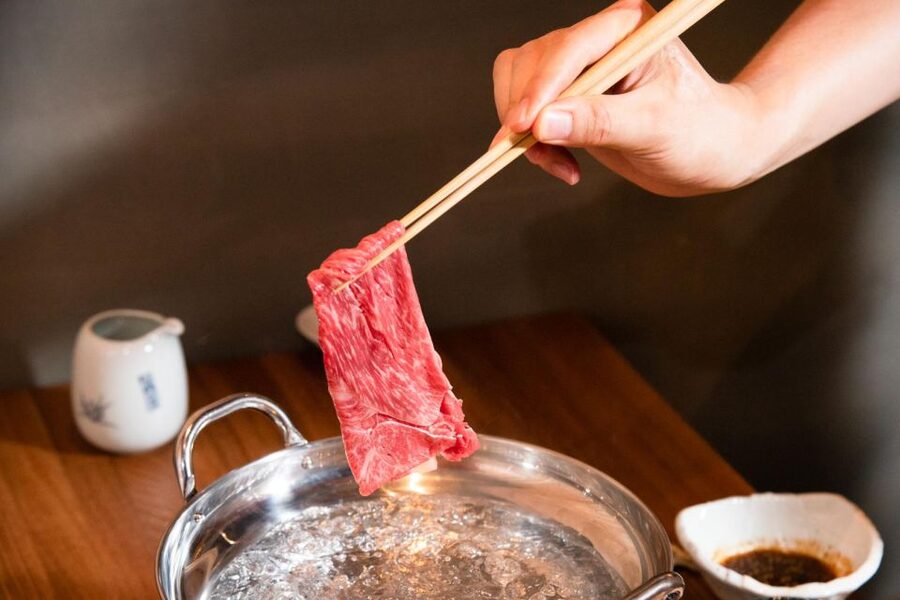
The tour lasts 150 minutes, so do not schedule it too close to a train departure, show, or other reservation. The timing is long enough for explanations and several courses, but it leaves little room for a rushed meal.
The live guide speaks English. The group is limited to eight people, and starting times vary by date, so check availability before planning the rest of your evening.
The booking terms are helpful if your Tokyo plans are still moving. You can reserve and pay later, and cancellation is free up to 24 hours before the experience for a full refund.
For the meeting point, use the Okubo South Exit rather than relying only on a general Shinjuku map pin. Confirm the second-floor entrance before setting off, and keep the venue’s entrance image handy.
Should you book the wagyu and sake tasting?
Book it if you want a social, guided lesson built around premium beef and Japanese sake. The strongest reason to go is the teaching: Joe and Chizuru have been praised for making the subject approachable, explaining pairings clearly, and creating a welcoming evening.
Go in with realistic expectations about the food. This is an eight-course tasting, but not necessarily eight wagyu courses, and some servings may be quite fatty. At $145, you are paying for the meal, the sake, the small group, and the instruction together.
I would recommend it to curious adults who value explanation as much as eating. I would skip it if you want a meat-heavy feast, need vegetarian food, avoid alcohol, or are unsure about spending this much on a tasting with a changing menu.
FAQ
Where does the wagyu and sake dinner meet?
It meets at Ushinobi Sake Bar in Shinjuku, on the second floor. The closest station is Okubo, station code JB09, South Exit.
How long does the experience last?
The dinner lasts 150 minutes, or about two and a half hours. Starting times vary, so check availability for your chosen date.
What language is the tour conducted in?
The live tour guide speaks English.
How many people are in the group?
The group is limited to eight participants.
What is included in the price?
The price includes an eight-course meal featuring multiple wagyu cuts, a limited sake pairing, and limited soft drinks.
Are extra drinks included?
No. Drinks beyond the included sake pairing are not included in the price.
Can vegetarians, vegans, or pescatarians join?
No. Vegetarian, vegan, and pescatarian options are not available. The experience is also not suitable for pregnant women or children under 18.
More Dinner Experiences in Tokyo
- Hiroshima Saijo Sake Tasting Calligraphy and Dinner Private Tour
★ 5.0 · 5 reviews
More Sake Tours with Dinner in Tokyo
- Mt FUJI – Panoramic Tour w/ Hoto Lunch, JP Sake & Onsen tatto OK!
★ 5.0 · 9 reviews - Osaki, Togoshi Ginza Private Walking Food , Izakaya dinner tour
★ 5.0 · 5 reviews - Tokyo: Serene Sakura & Sake: An Exclusive Brewery Pairing Lunch
★ 5.0 · 2 reviews - Kyoto Sake Brewery Tour with Lunch
★ 4.5 · 12 reviews
Just added around Tokyo
- Tokyo: Serene Sakura & Sake: An Exclusive Brewery Pairing Lunch★ 5.0 · 2 reviews
- Tokyo Sake Tasting Tour with a Sake Expert★ 5.0 · 7 reviews
- Wagyu BBQ & Sukiyaki with Sake Pairing Experience near Ginza★ 5.0 · 2 reviews
- Japanese Sake Tasting & Wagyu Sukiyaki Cooking Class in Tokyo★ 5.0 · 10 reviews
- Tokyo Izakaya crawl (A tour of 2 izakayas, 1 bar, and a shrine)★ 5.0 · 8 reviews
- Private Tokyo Food Tour – Retro Akabane Izakaya Experience★ 5.0 · 14 reviews
- Tokyo: Learn the Art of Chopsticks in a Cozy Izakaya!★ 5.0 · 2 reviews
- Shinjuku Underground Nightlife Tour: Izakaya Food & Bar Hopping★ 5.0 · 11 reviews
Tokyo Sake Tours, compared.
Best of Shinjuku: Izakaya Food Tour (4 Stops, 14+ Tastings)
Read our review →
Tokyo: Shinjuku Local Bar and Izakaya Guided Walking Tour
Read our review →
Ramen and Sushi Cooking Class with Sake Pairing Set in Tokyo
Read our review →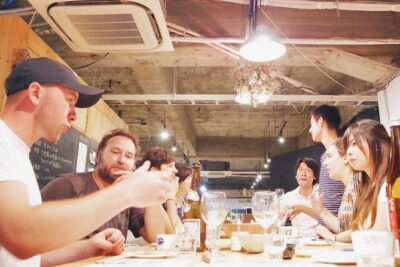
Sake Tasting Masterclass in Shinjuku (8+ Varieties with a Pro)
Read our review →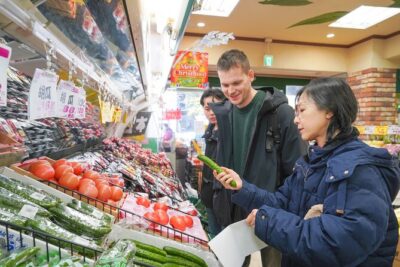
Tokyo Washoku 4-hour Cooking Class: From Market to Table
Read our review →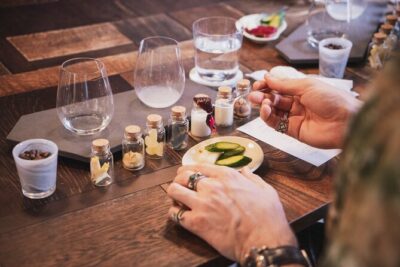
Sake Omakase in Tokyo: Guided Tasting by Certified Sommeliers
Read our review →Browse the lists this tour appears in